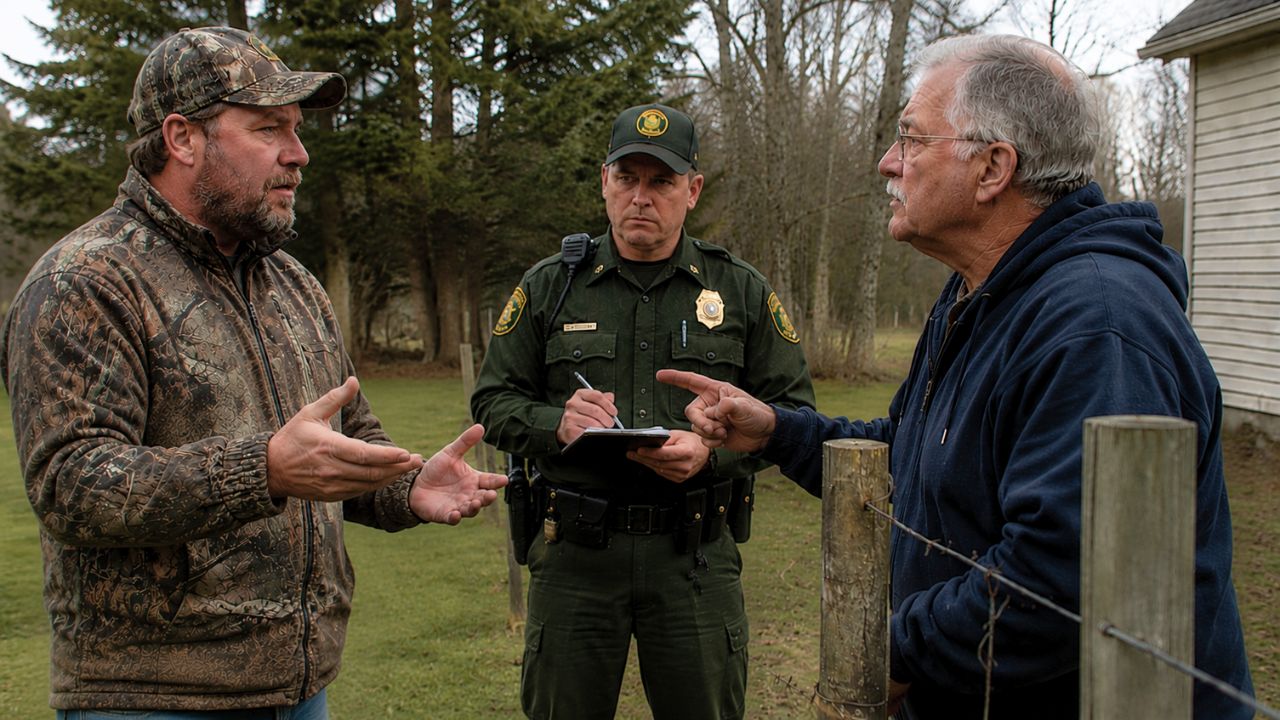
Photo credit: Theavidoutdoorsman.com
The buck was the kind of deer that makes a long season feel worth it—heavy beams, deep forks, and a frame that looks almost unreal when it’s laid in the bed of a pickup. The hunter did what a lot of folks do now: snapped a few photos, posted them online, and soaked up the congratulations.
Then the comments turned. A neighbor—someone who knew the fence lines and the back corners—claimed the deer was killed on the wrong side of the property line and made the call nobody wants to get: a game warden was on the way to ask questions.
A big deer, a quick post, and a boundary that wasn’t as “obvious” as people think
The hunt itself sounded clean on paper. The hunter had permission on one parcel, a stand hung on a wooded edge, and a familiar travel corridor that deer used to cross between bedding cover and a picked cornfield. He shot during legal light, tagged the deer, and dragged it out through a gate he’d used all season.
The trouble is that a “wooded edge” is where boundary mistakes happen. Fences don’t always sit on the true line. Old corner pins get buried. A hedgerow can drift over time. And when two landowners have treated a line a certain way for years, that doesn’t always match what the plat map says.
The neighbor’s claim: “That deer died on my side of the fence”
The neighbor didn’t argue the deer was poached or shot out of season. The complaint was simpler and, in some ways, messier: the neighbor said the shot was taken from the hunter’s side, but the buck crossed and fell on the neighbor’s ground—or that the hunter was standing over the line when he fired.
Those are two different accusations, and they matter. In a lot of places, a deer that runs across a line after the shot doesn’t automatically become the neighbor’s deer. But crossing a line without permission—especially to shoot or to recover—can put a hunter on the wrong side of trespass rules fast.
What escalated it was the “record buck” angle. Big deer make small misunderstandings feel personal. A neighbor who might shrug off a smaller buck suddenly wants every inch of ground accounted for when antlers like that show up in public.
When the game warden shows up, it’s not just about the deer
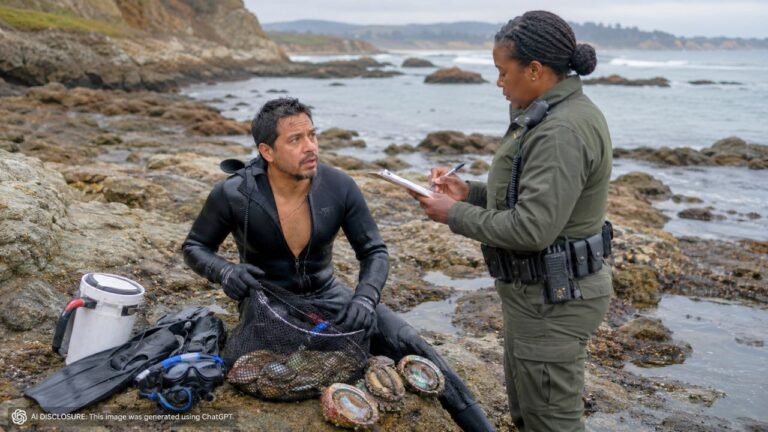
Most wardens don’t roll in looking to pick a fight. They’re going to start with the basics: license, tag, method of take, and a clear explanation of where the shot happened and where the deer was recovered. If the buck is being considered for a record or entered anywhere official, the paperwork trail matters even more.
From there, it becomes a location problem. Wardens can ask to see the site. They may look for blood trails, drag marks, cartridge cases or arrow sign, and any landmarks described in the story. They may also want to see the hunter’s onX-style GPS track or waypoints if the hunter uses a mapping app.
If a neighbor is claiming a fence line, a warden may not be able to “settle” the property dispute on the spot like a surveyor would. But they can absolutely address trespass, permission, and whether the hunter acted reasonably when recovering the animal.
The internet turned into a courtroom, and hunters argued over the same three things
When a big buck photo gets tied to a property-line argument, the comment section usually piles onto a few predictable points. First is the “possession” argument—who had permission where, and whether a deer that expires across the line can be recovered legally with a phone call or a quick request.
Second is mapping and proof. A lot of hunters trust app maps like they’re gospel. They’re useful, but GPS layers aren’t a legal survey, and some rural parcels are a patchwork of old descriptions, outdated fence runs, and corners that don’t match what you see in the timber. Commenters also pointed out that screenshots after the fact don’t prove much if someone is motivated to argue.
Third is the social media side. Plenty of folks said the hunter should have waited to post until the deer was processed and the dust settled. Not because you should be ashamed of a good buck, but because a public post turns a private dispute into something other people feel invited to participate in—and it gives a frustrated neighbor a timestamp and a trophy photo to point at.
What the hunter could have done differently (and what most guys learn the hard way)
If you hunt near tight boundaries, the smartest move is to treat the line like a hot stove. Set your stands and blinds with a cushion inside the property you have permission on. If the best trail is five yards from the fence, back up and accept that you might watch deer you can’t ethically shoot.
Recovery is where people get into trouble even when the shot was clean and legal. The right move is almost always to stop at the line, call the neighbor, and ask permission to retrieve. If you can’t get permission, call the warden and ask for guidance before you step across. A big buck can make you feel rushed, but a trespass complaint can cost more than a deer.
It also helps to document permission in a simple way. A text message with the landowner’s name, the parcel described plainly, and the dates you can hunt is better than a handshake when things get sideways. And if boundaries are a known sore spot, having the landowner walk the line with you before season is time well spent.
Why fence-line fights don’t end with one phone call
Even if the warden decides there was no violation, neighbor relationships take damage quickly when a trophy buck is involved. Folks remember what happened in November long after the snow melts, and access gets harder to come by when landowners think a hunter brings drama to the neighborhood.
The cleanest path is usually the least exciting one: keep your setups off the line, get clear permission, ask before you cross, and don’t let a big set of antlers talk you into doing something you wouldn’t do for a smaller deer. If a game warden ends up involved, be polite, be consistent, and stick to the facts. In rural country, your reputation can be worth more than a record book entry.