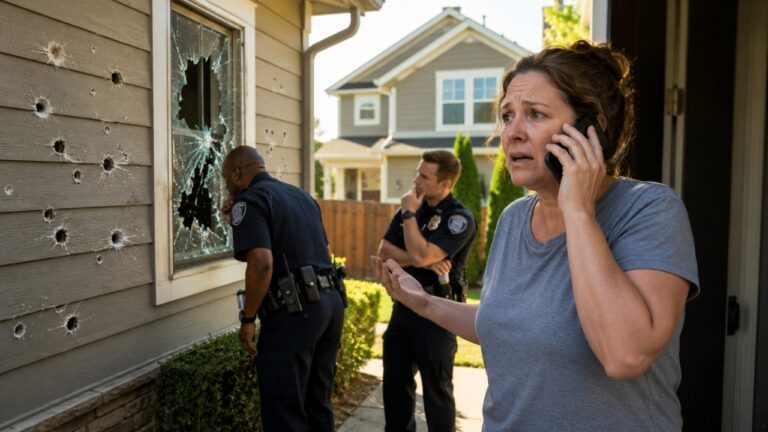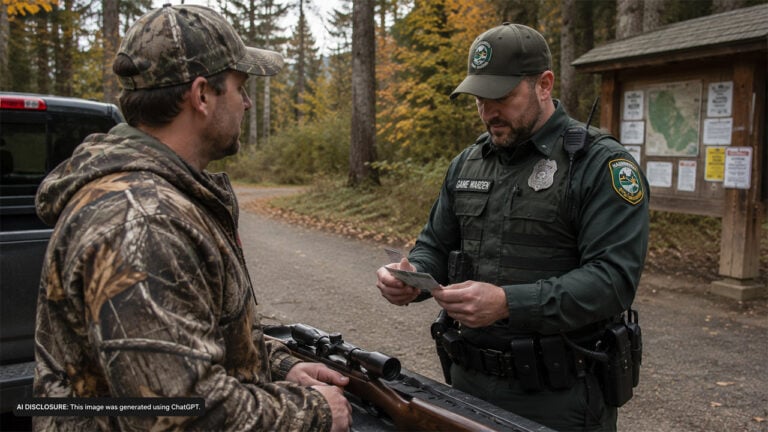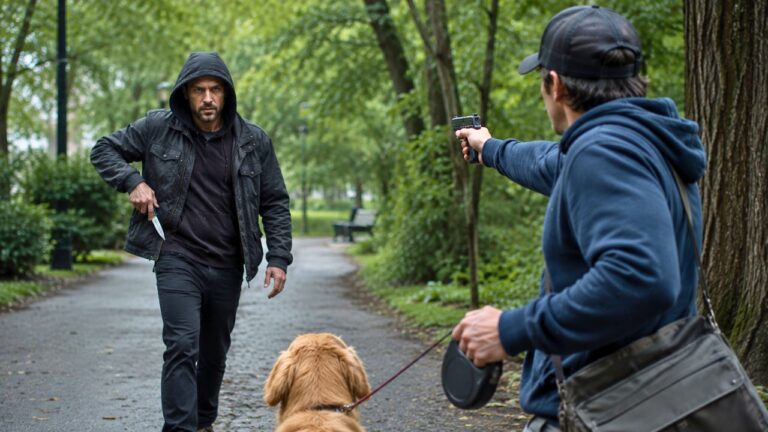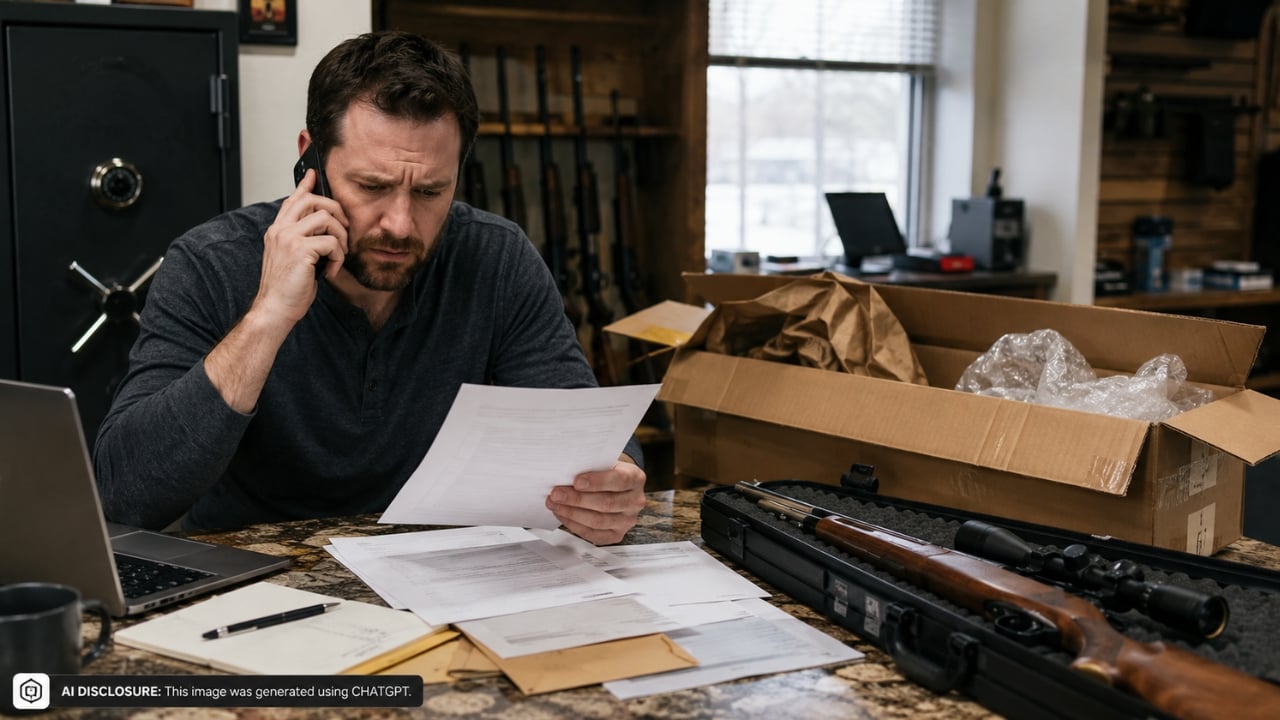
Photo credit: AI-generated image created using ChatGPT. Illustrative only
When you sell a firearm online, you expect the hard part is over once it leaves your dealer’s hands. In one case shared in the original post, the seller did everything most folks would consider “right”—shipped through an FFL, dealt with the carrier, and refunded the buyer when the package was declared lost.
Then the rifle resurfaced weeks later, got transferred to the buyer anyway, and the buyer decided he could keep it without paying. What followed was the kind of mess that makes gun owners nervous: threats, demands for extra money, and talk of reporting the gun stolen just to get someone’s attention.
A routine GunBroker sale went sideways at the post office
According to the seller, the rifle was sold on GunBroker and shipped via USPS through his dealer. When the package went missing, the dealer initiated an insurance claim, and the seller refunded the buyer and marked the transaction returned. From a common-sense standpoint, that’s the “clean” way to handle it—make the buyer whole and let the shipping process shake out later.
Five weeks went by. Then the rifle “magically appears,” and within 24 hours the buyer picks it up at his local gun shop, completes the background check, and takes it home. That’s the moment this stops being a shipping headache and turns into a property dispute involving a firearm.
The buyer picked it up, then stopped communicating
The seller said he reached out politely and asked the buyer to either repay him or return the rifle. Instead of working out a fix, the buyer allegedly went quiet, then told the seller’s dealer he was keeping it because it had damage or wasn’t as described.
There’s a practical point here that every hunter who’s ever bought a used rifle understands: if a gun shows up beat up, you don’t take it home and “sort it out later.” You document it right there at the receiving FFL, refuse the transfer if needed, and let the shipper/insurance process do its job. Once the buyer accepts it, the paper trail gets muddy fast.
Refunds, fees, and “condition” claims made it uglier
The seller also described taking financial hits beyond the refund. He’d already eaten the GunBroker sales tax collection obligation for the buyer’s state, plus final value fees, plus shipping—nearly $100 total—before the rifle even reappeared. That’s not life-changing money, but it’s enough to make you feel like you got worked.
Then the messaging took a hard turn. The seller said the buyer used foul language and threatened to sue for libel, even though the seller hadn’t spoken about him publicly. At the same time, the buyer refused to explain the alleged damage or provide photos.
And to make it even more circular, the seller said the buyer later claimed he didn’t want the rifle after all—but demanded the seller pay his transfer fee and return shipping. The seller’s view was straightforward: that transfer shouldn’t have happened in the first place if the buyer believed the rifle was damaged or misrepresented.
The “we should’ve called his dealer” lesson that matters
The seller admitted what a lot of us would only realize after the fact: once he refunded the buyer, he and his dealer probably should’ve immediately contacted the receiving dealer and put them on notice. If it ever arrived, it should not be transferred without payment being re-established or the seller’s dealer giving the green light.
That’s a painful lesson, but it’s a real one. FFLs are busy, and inbound packages stack up. If a rifle is sitting in the back for weeks and then gets scanned in, the shop may treat it like any other transfer unless someone tells them the deal was unwound.
For anyone selling guns online, this is a reminder to treat “lost in transit” like an open loop until it’s truly closed. A refund closes the buyer’s side. It doesn’t automatically close the logistics side.
Reporting a “stolen” gun felt like the only lever left
The seller said both his dealer and a local sheriff advised him to report the rifle stolen. After the buyer refused to return it or repay unless the seller sent more money, the seller did report it stolen.
That move makes some folks uneasy because it sounds like a business dispute. But the seller’s reasoning is easy to understand in plain language: he refunded the money, the buyer didn’t pay again, and now the buyer has the gun and won’t return it. If you believe the firearm is still your property, you’re going to want a record that you tried to resolve it—and that you took steps once it was clear the other party wasn’t cooperating.
The seller also worried about what happens next. The buyer allegedly threatened that if he wasn’t paid within seven days, he’d turn the rifle into local police as “abandoned.” The seller doubted police would want to mediate a private dispute, but he also wondered if a stolen-gun report would put the buyer in a bad spot if he tried to hand it over.
What the seller wanted to know: pay, return, or court?
The questions the seller raised are the same ones any gun owner would ask when a transaction breaks like this. Does the buyer have to return the rifle or pay again? Can the seller go after him in court for damages? Is it “conversion” if someone holds your property and demands money to give it back?
He also kicked around the insurance angle. If the rifle truly showed up damaged, the seller believed the right move would’ve been to refuse the transfer and file a damage claim tied to shipping. Instead, the buyer accepted it, wouldn’t document the problem, and used “damage” as the justification to keep a gun he hadn’t paid for.
From a practical outdoorsman standpoint, this is exactly why documentation matters with firearms: photos before shipment, clear description, serial number records, shipping receipts, and written communication when anything changes. When the item is a gun, you want your trail clean and boring.
In the end, the situation is a reminder that “no good deed goes unpunished” is alive and well in online gun sales. Refund quickly to do the right thing, and you can still get boxed in if the package resurfaces and the other party decides to play games. The best protection is tight coordination between both FFLs, clear written instructions when a shipment is declared lost, and enough paperwork to show exactly when the deal ended—and who decided to restart it without paying.
Like The Avid Outdoorsman’s content? Be sure to follow us.
Here’s more from us: