Photo credit: Wirestock Creators/Shutterstock.com
Cold weather has a way of humbling rifles that seem perfectly fine during mild fall afternoons. Metal contracts, stocks shift, lubricants thicken, and actions that felt smooth at the range suddenly feel like they’ve been dipped in concrete. Hunters who spend real time in freezing conditions learn quickly which rifles keep performing and which ones start showing flaws the moment frost forms on the fore-end.
The rifles below are the ones many hunters try once in true cold and then retire, realizing they’re far more sensitive to winter conditions than they expected.
Weatherby Vanguard Synthetic

The Vanguard action is generally dependable, but the synthetic-stocked versions can struggle when temperatures drop sharply. The stock is more flexible than it looks, and cold air makes that even more noticeable. A small amount of pressure change on the fore-end can shift how the barrel floats, nudging groups around. The two-stage trigger, normally crisp, becomes slightly sluggish with gloves and stiff metal.
Hunters who rely on point-of-impact consistency during late-season hunts often notice small but frustrating shifts after a frigid walk through snow or a long morning sit.
Howa 1500 Lightweight
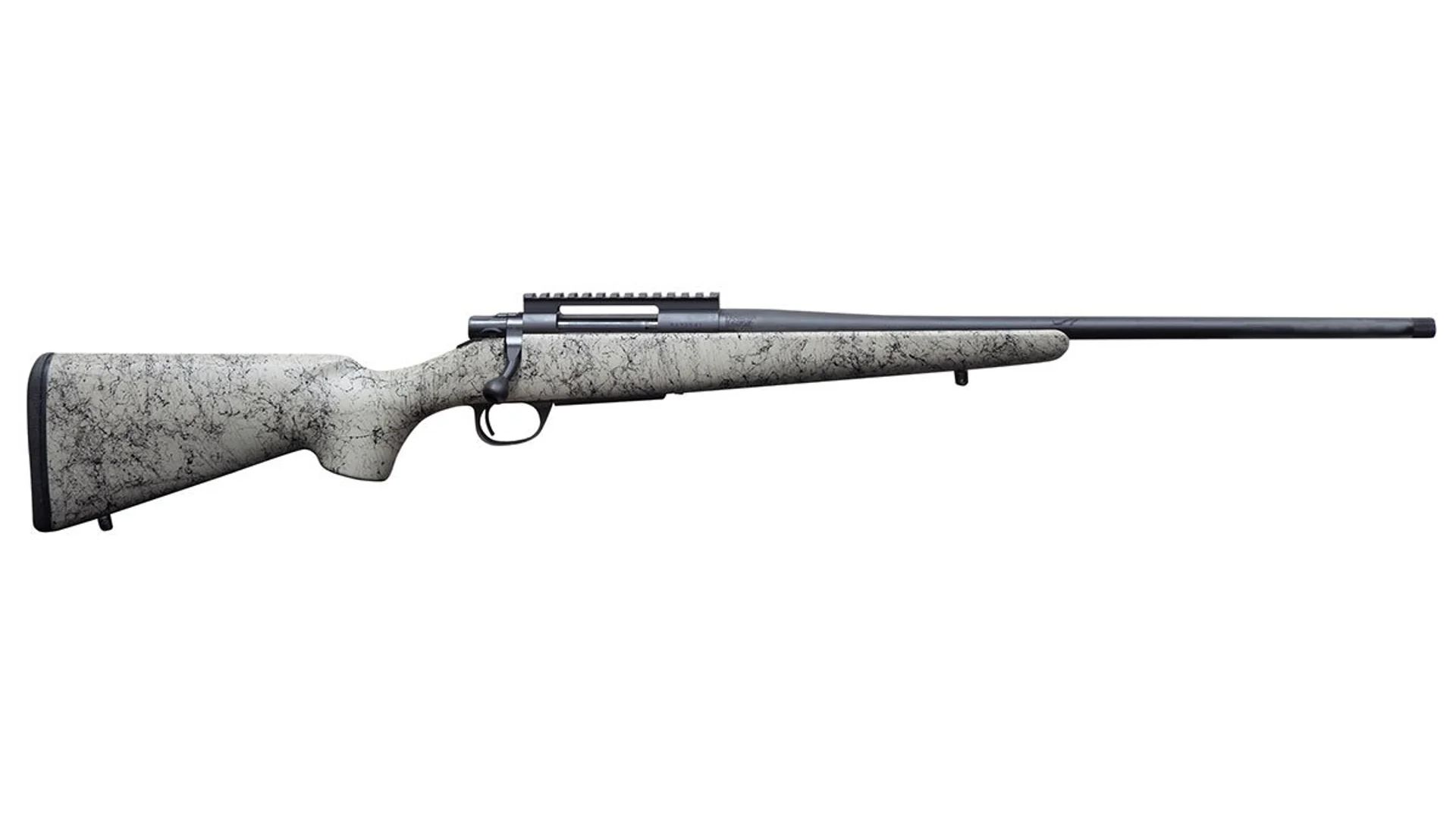
The lightweight version of the Howa 1500 is appealing for long hikes, but cold conditions are where its compromises show. The thin synthetic stock stiffens unevenly in freezing temperatures, changing how the rifle settles into shooting sticks or a pack rest. The action also loses some of its smooth feel as the metal contracts and factory grease thickens.
Even though the rifle shoots tight groups in mild weather, those same loads may start walking an inch or two once the thermometer dips into single digits. Many hunters move to heavier-stocked variants for winter reliability.
Remington Model Seven

The Model Seven’s compact design is great for dense woods, but cold weather can reveal quirks that don’t show up on warmer days. The short action already has a tighter cycling feel, and in freezing temperatures that becomes noticeably more pronounced. Moisture freezing around the bolt raceway can make extraction erratic.
On top of that, the lighter stocks often used on these rifles can warp slightly with temperature swings. Hunters love the size, but many retire them from deep-winter hunts after seeing cold-related shifts in accuracy and cycling.
Ruger Hawkeye Ultralight
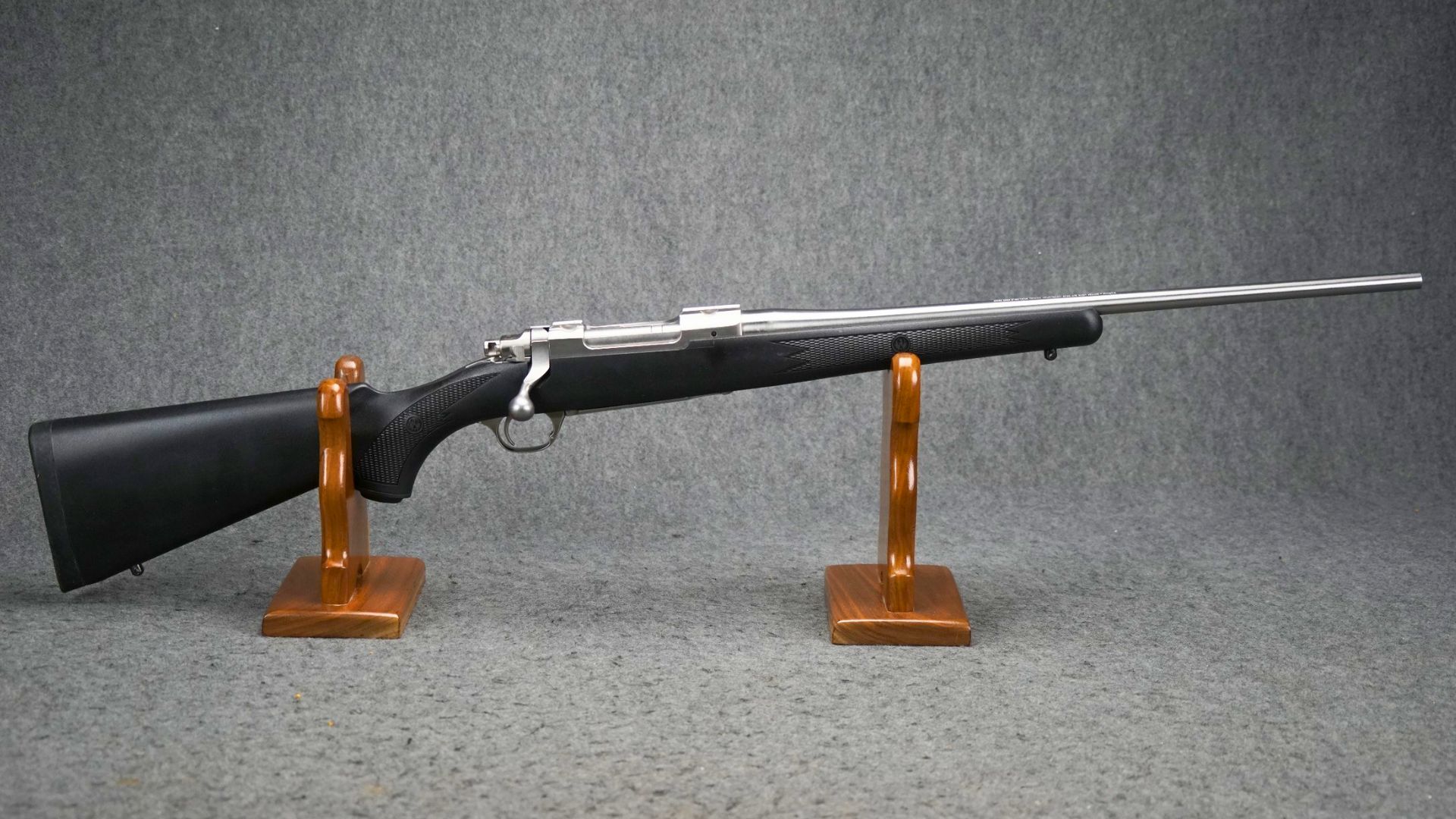
Ruger’s Hawkeye line is well respected, but the Ultralight model can be less forgiving in harsh cold. Its slim barrel cools and contracts quickly, which can change harmonics enough to affect shot placement. The controlled-round-feed action, while strong, can feel surprisingly stiff when frost forms inside the lug recess.
The lightweight walnut or composite stocks also transmit cold directly into the bedding, sometimes altering tension points. Hunters who try it in a sub-zero wind often find themselves wishing for a heavier, steadier version of the same rifle.
Winchester Model 70 Featherweight

The Featherweight carries beautifully, but it’s a rifle that many hunters abandon after one bitter cold morning. The slim wood stocks can shrink or swell with rapid temperature changes, especially if snow melts against them. That can create uneven pressure along the barrel channel, causing groups to shift throughout the day.
The three-position safety and bolt function can also stiffen more than expected in freezing air. Hunters who rely on consistent cold-weather performance often turn to synthetic-stocked alternatives instead.
Savage Lightweight Hunter

The Savage Lightweight Hunter is extremely appealing on paper, but its strengths become weaknesses once real cold sets in. The featherweight barrel cools too quickly, and that can amplify changes in barrel harmonics between the first and second shot. The thin synthetic stock stiffens in ways that alter how it beds against the action.
Even the AccuTrigger, usually reliable, can feel heavier in sub-zero temperatures. Many hunters eventually move to a slightly heavier Savage when winter is their primary season.
Tikka T3 Lite

The T3 action is famous for its smoothness, but the Lite versions can behave differently in harsh cold. The polymer stock—normally stable—can develop subtle flex when the temperature swings from the warm cabin to a frozen field. That slight change sometimes affects how the rifle settles on a rest.
The bolt also loses a bit of its signature slick feel when metal contraction sets in. While still a solid rifle, enough hunters have seen point-of-impact shifts in extreme cold that they reserve the Lite for early-season hunts.
Browning A-Bolt II

The A-Bolt II cycles well under mild conditions, but cold weather often reveals sensitivity in its bedding and trigger feel. The factory bedding can tighten unevenly as the stock contracts, which sometimes leads to vertical stringing. The trigger, though adjustable, tends to stiffen significantly in freezing temperatures.
Hunters sitting for long periods in the cold often notice that their first shot hits where expected, but subsequent shots wander slightly as everything contracts. That inconsistency pushes many to retire the rifle from late-season hunts.
Thompson/Center Icon
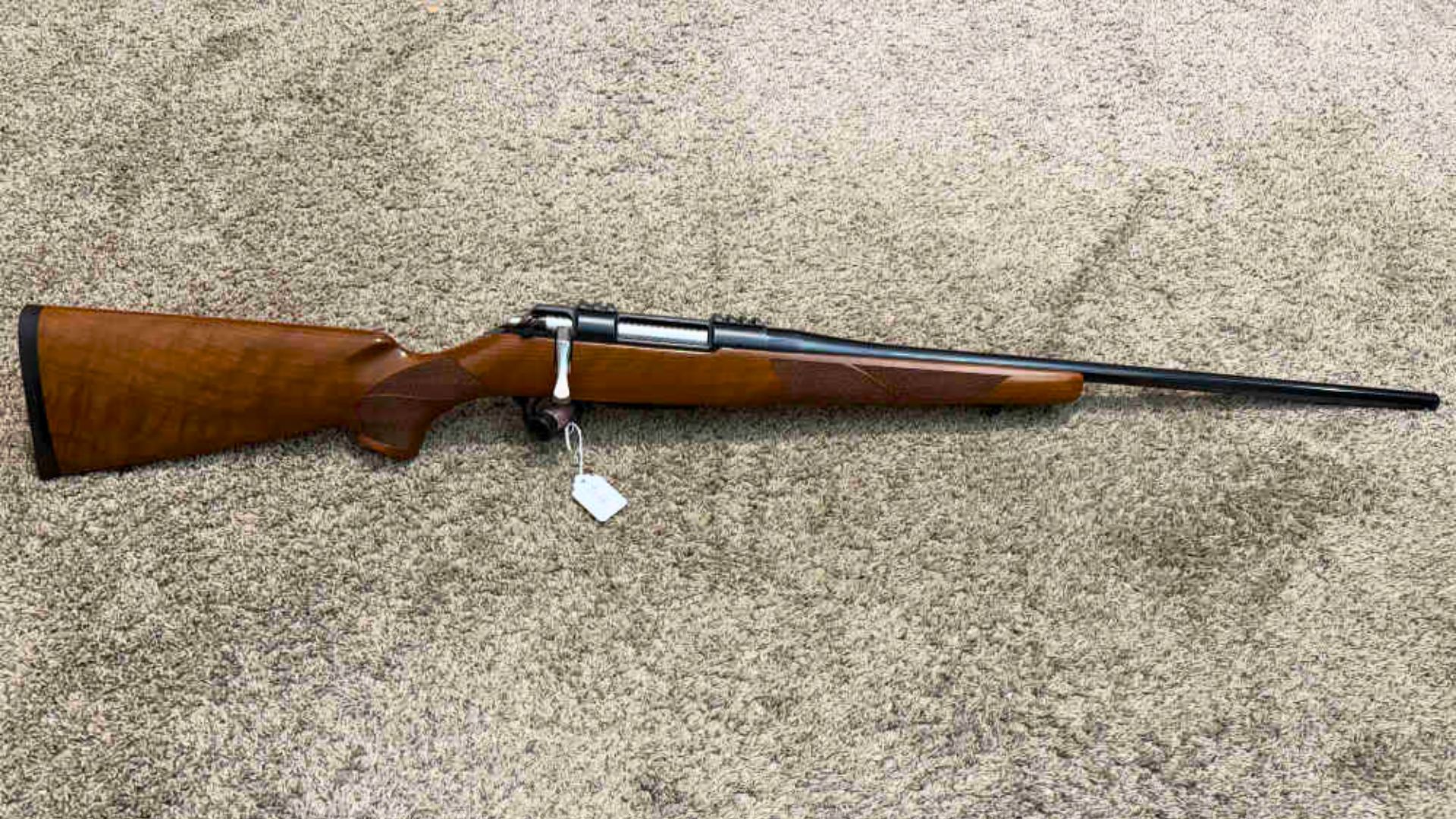
The Icon is built well, but it doesn’t always love deep cold. The precision-fit action contracts more than expected, making bolt lift noticeably heavier. The wood-stocked versions especially show movement as temperatures drop, changing barrel pressure points enough to shift groups.
Hunters who rely on tight accuracy at long range often see the rifle behave differently shot to shot once the thermometer dips. While excellent in fair weather, the Icon is one many hunters eventually leave behind during late-season outings.
Remington 798

The 798’s Mauser-style action is strong, but the overall rifle isn’t immune to winter quirks. The stock, depending on the version, can warp slightly when cold moisture soaks in. The long extractor, reliable in most conditions, can become sluggish if frost develops around the claw. Combined with a stiffening trigger, the rifle starts feeling harder to run smoothly the moment temperatures plunge.
Hunters often appreciate its rugged look, but those who hunt late-season often retire it in favor of rifles with more consistent cold-weather behavior.
Like The Avid Outdoorsman’s content? Subscribe to our newsletter so you never miss an article.
Here’s more from us: