Photo credit: AvidOutdoorsman
It was the kind of noise that doesn’t belong in a normal night—one hard crack from the back of the house, then the hollow thud of a door giving way. A homeowner in a quiet, semi-rural neighborhood did what plenty of folks with a family and a little common sense would do: he reached for the shotgun he keeps for bumps in the dark and moved to cover the hallway that leads to the bedrooms.
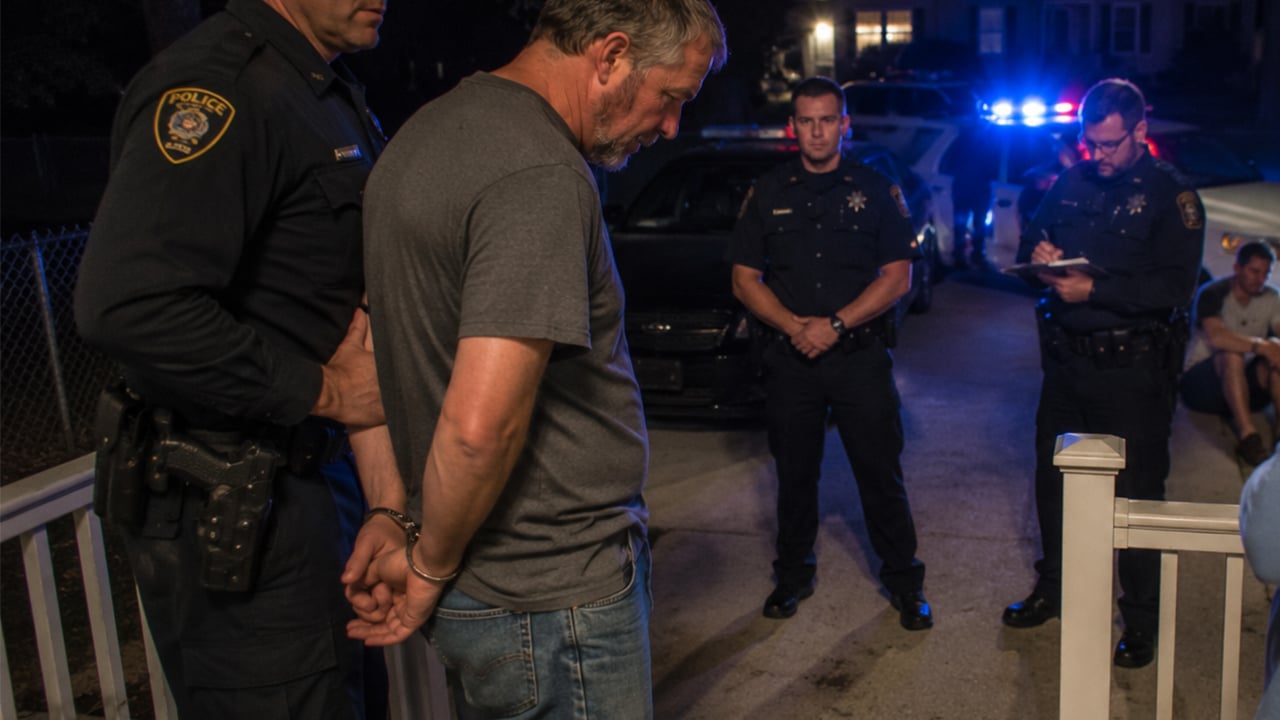
But by the time the dust settled, he was the one sitting on the curb in handcuffs while the person who forced entry was free enough to start filing paperwork. That’s the part that has gun owners and landowners shaking their heads, because it’s a reminder that “right” and “legal” don’t always line up cleanly in the first few chaotic minutes of a call.
The break-in looked like a real threat, not a misunderstanding
The back door wasn’t just “opened.” It was kicked in. The homeowner later pointed to fresh scuffs on the frame and a broken latch plate—classic signs of a forced entry, not a neighbor wandering in by accident.
Inside, the lights were off and the house was quiet except for the shuffle of someone moving through a mudroom where boots, hunting coats, and a couple of dog leashes hang. That’s an area most of us treat like a gear staging spot. It’s also a spot where an intruder can grab keys, a wallet, or a firearm case fast.
The homeowner staged behind a corner with the shotgun at low ready, not sweeping the house like an action movie. He called out that someone was inside and that the police were on the way. In that moment, it’s about controlling angles, keeping loved ones behind you, and not stepping into unknown rooms.
A shotgun in the hallway changed how responding officers saw it
When deputies rolled in, they were responding to a “burglary in progress” style call—high adrenaline, unknown suspect count, unknown weapons, unknown everything. And those first seconds matter. If the first thing an officer sees is a homeowner holding a long gun, the scene can flip from “victim” to “potential threat” in a heartbeat.
According to the homeowner, he complied when he heard commands, set the shotgun down, and stepped back with open hands. Even so, he was detained. That part surprises folks who haven’t dealt with it, but it shouldn’t: temporary detention is common when officers are sorting out who is who, who called, and what actually happened.
Outdoorsmen tend to think in simple categories—trespasser, thief, predator, threat. Law enforcement has to think in “What can I prove in the next 10 minutes with everyone talking at once?” That’s where things get messy.
The intruder’s complaint leaned on “threatened” and “pointed a gun” language
The person who forced entry didn’t walk away empty-handed. Once separated, he reportedly told officers he was “threatened” by the homeowner and claimed the gun was pointed at him. Whether that’s true in the way it was described is a different question, but those words are powerful when they hit a report.
This is a trick as old as fence-line disputes: flip the narrative. If an intruder can convince an officer that the homeowner escalated, brandished, or chased, it opens the door to a complaint even if the entry itself was unlawful. And if the intruder has any kind of story—wrong address, “thought my friend lived here,” “door was open”—it muddies the water fast.
A lot of states draw a bright line between holding someone at gunpoint inside your home and pursuing them outside. The second you step into the yard or driveway, the legal footing can change. Many prosecutors and departments view it as the difference between defense and confrontation, even when the homeowner feels like he’s simply preventing escape.
The paperwork and the waiting are the punishment, even without charges
Being “detained” isn’t the same as being arrested, but it sure feels like it when you’re cuffed in front of your own place and your neighbors are peeking through blinds. The homeowner was held while officers took statements, checked IDs, and tried to square the forced entry with the intruder’s version of events.
In situations like this, it’s also common for firearms to be temporarily seized as evidence or for “safekeeping,” especially if someone is alleging a threat. Getting that property back can take weeks. If it’s your main home-defense gun, that’s not a small inconvenience.
And then there’s the long tail: follow-up calls, incident reports, maybe a request to come down and give another statement. Even if the homeowner did everything right, he’s now living in the world of documentation and procedure, not common sense.
Commenters zeroed in on cameras, doors, and the “don’t go outside” rule
Every time a story like this makes the rounds, the same practical points come up—and for good reason. Folks focused on cameras first. A basic set of exterior cams plus one pointed at the back door can turn a “he said, he said” into something clean and provable.
Second was hardening that back door. A longer strike plate, a beefier deadbolt, and a solid core door are boring purchases, but they buy time. Time is what lets you get kids behind a locked door, get 911 on speaker, and avoid moving through the house.
And third was a rule a lot of firearms instructors preach: once the threat is leaving, don’t follow it out. You can be 100% justified up to the threshold, then suddenly you’re the “guy with the gun” in the yard. That’s especially true if responding officers roll up and see a silhouette on the porch holding a shotgun.
What this incident teaches gun owners and rural homeowners
The takeaway isn’t “don’t defend your home.” It’s that defending your home is as much about controlling the story as it is controlling the hallway. Call 911 early, state clearly that someone forced entry, and describe yourself so responding officers don’t mistake you for the suspect.
If you can, keep the gun close but not out in the open when you meet officers. Follow commands, slow down, and don’t argue on the porch. You can explain later. In the moment, you’re trying to stay alive and keep the situation from turning into an awful misunderstanding.
Most of all, document your property like you document a food plot or a trapline—on purpose. Good locks, good lighting, cameras, and a plan with your family reduce the chances you end up detained in your own driveway while the person who broke in starts filling out a complaint. The woods teach us to prepare before the weather turns. Home defense is no different.
Like The Avid Outdoorsman’s content? Be sure to follow us.
Here’s more from us: