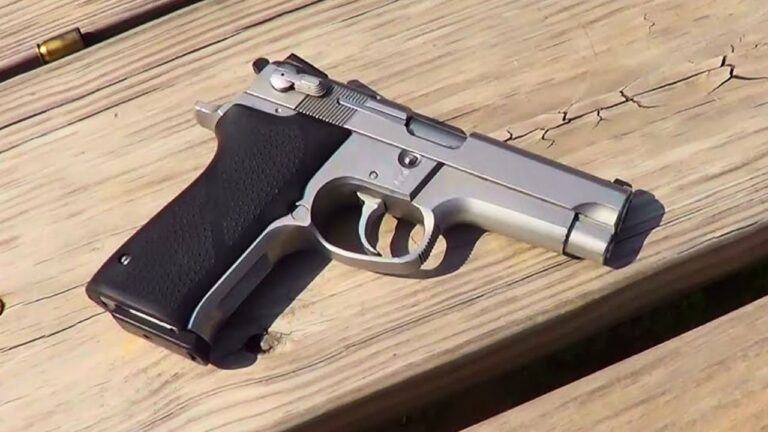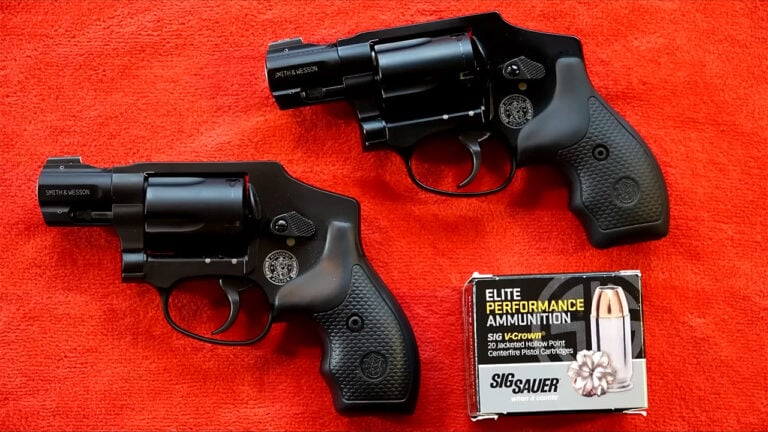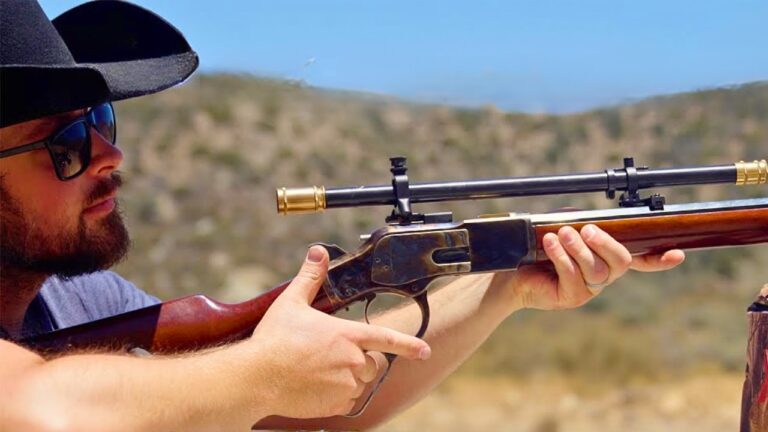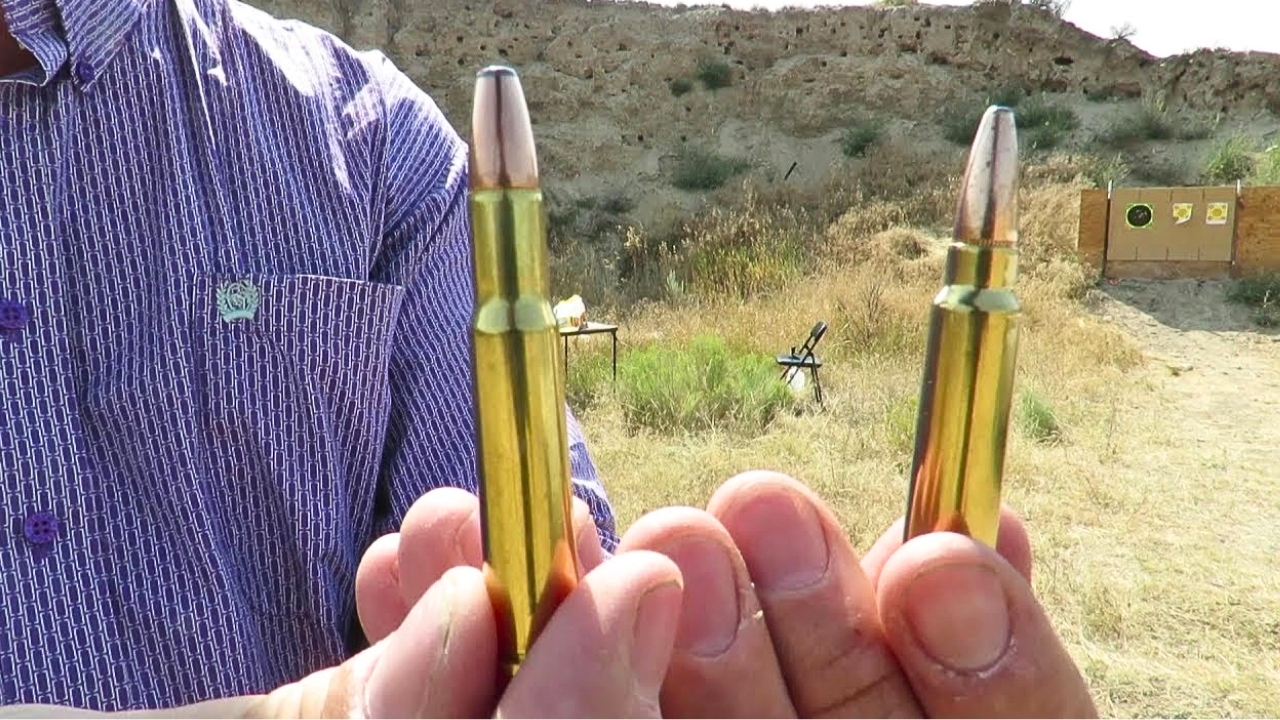
Photo credit: The Adventure Cowboy/YouTube
A cartridge can feel “easy” on the shoulder and still hit with real authority. That surprise usually comes from efficient case design, heavier-for-caliber bullets, and modern hunting bullets that keep driving after impact instead of coming apart early. Add decent sectional density and good velocity for the job, and you get a round that doesn’t beat you up in practice but still puts animals down with confidence.
Recoil is also personal. Rifle weight, stock fit, muzzle devices, and how you shoot all matter. But there are some rounds that consistently punch above their “felt recoil” class. These are the ones that let you train more, shoot straighter, and still bring enough penetration and tissue damage to do clean work on game.
6.5 Creedmoor (Tikka T3x Lite)

In a Tikka T3x Lite, 6.5 Creedmoor feels friendly, but it carries more authority than many people expect when the bullet is built for hunting. The recoil stays manageable, which means you keep your form, call your shots, and spot impacts instead of getting rocked off target. That alone makes you more effective than a harder-kicking setup you dread practicing with.
The “hit” comes from how 6.5 bullets behave on impact. A 120–143 grain hunting bullet has enough sectional density to keep pushing through, and it holds onto energy better than a lot of lighter, fast rounds. On deer-sized game, it tends to give deep penetration with reliable expansion, even when the angle isn’t perfect.
7mm-08 Remington (Remington Model 7)
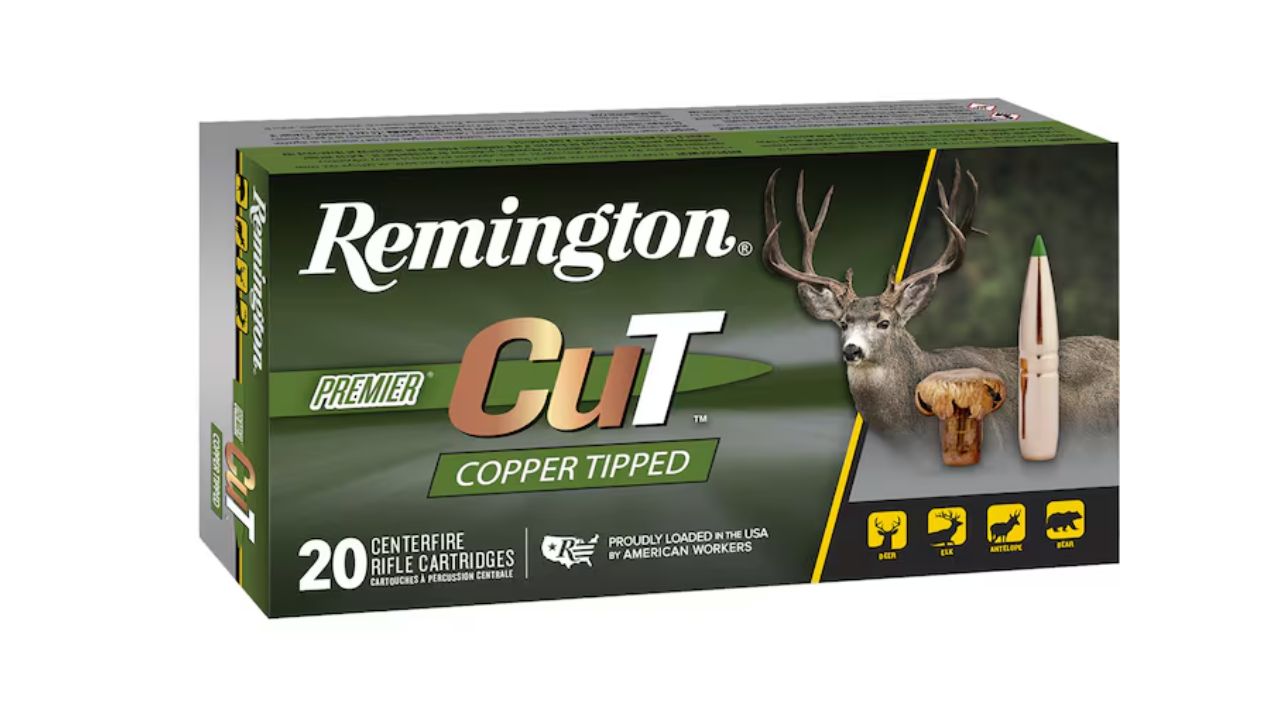
A Remington Model 7 in 7mm-08 is the kind of rifle you carry all day and still shoot well at the end of it. Recoil is mild enough that you don’t start flinching during long practice sessions, and that’s a big part of why this round earns a strong reputation with real hunters. It’s easy to stay honest with your fundamentals.
Where 7mm-08 surprises people is how well it kills for how calm it feels. With 140–150 grain bullets, you get a blend of speed and penetration that works across a wide range of shot angles. It punches through ribs, shoulders, and quartering shots better than many folks expect from a “soft” cartridge, especially with modern bonded or controlled-expansion bullets.
.308 Winchester (Ruger Gunsite Scout)

A Ruger Gunsite Scout in .308 Winchester doesn’t feel like a shoulder-bruiser, yet it carries a level of authority that’s hard to argue with. The recoil is firm but manageable, and the cartridge is efficient enough that you get dependable performance without needing extreme velocity. It’s a round you can practice with year-round and still trust when the work turns real.
The surprise is how consistently .308 puts animals down when bullets are chosen well. A 150–168 grain hunting load hits with a wider wound channel than the recoil suggests, and penetration is usually strong even on tougher angles. .308 also keeps its head when conditions are rough—wind, brush, and imperfect shooting positions—because it’s predictable and forgiving.
.270 Winchester (Winchester Model 70 Featherweight)

A Winchester Model 70 Featherweight in .270 Winchester is a classic for a reason: it shoots flat, recoil stays reasonable, and it kills far above what many new shooters expect. It doesn’t have the shove of the big magnums, so you can run realistic practice without developing a flinch. That matters more than people admit.
On game, .270 carries speed and bullet weight in a way that turns good hits into quick results. With 130–150 grain hunting bullets, it drives deep and opens reliably. It also tends to keep working at longer ranges where slower rounds start falling off. The recoil feels polite, but the on-target effect is serious, especially when you’re shooting deer, antelope, or similar-sized animals in open country.
.243 Winchester (Sako 85)

A Sako 85 in .243 Winchester is one of the easiest ways to shoot tight groups without getting punished. Recoil is light, the rifle stays steady, and you can spot your own hits. That makes you more precise, and precision is what turns a smaller bore into a decisive hunting tool.
The surprise with .243 is how hard it hits when you use real hunting bullets. With 90–105 grain controlled-expansion loads, you get plenty of penetration on deer-sized game and fast, clean kills when placement is right. It doesn’t carry the same margin on heavy bone as larger rounds, so you keep your angles smart. But for how soft it feels at the bench, it can do serious work in the field.
6mm Creedmoor (Bergara B-14 HMR)
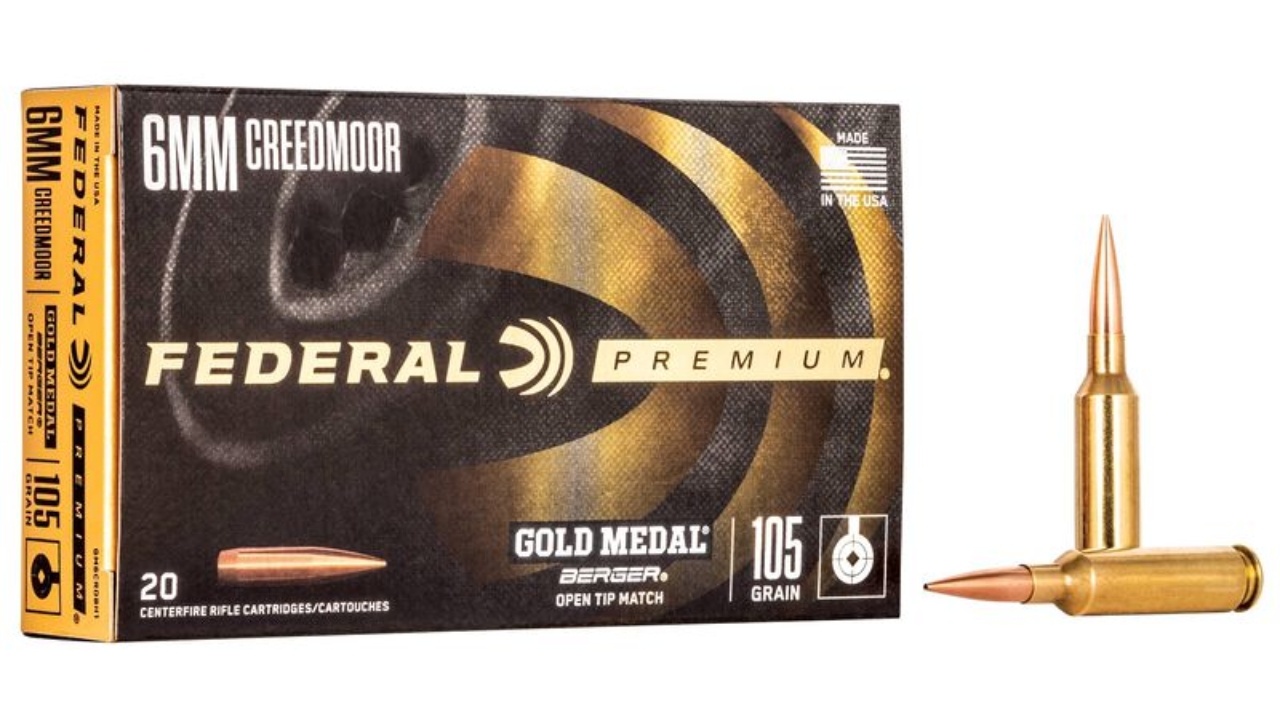
A Bergara B-14 HMR in 6mm Creedmoor feels like a cheat code for practice. The recoil is so mild you can run drills, spot impacts, and stay locked in behind the scope without getting rattled. That’s not a comfort feature—it’s performance. You train more and shoot better because the rifle never beats you up.
The “hits harder” part comes from high-quality 6mm hunting bullets and how they behave at real velocities. In the 90–108 grain range, you get reliable expansion with enough penetration for deer and similar game when shots are placed well. It also handles wind better than you’d guess from recoil alone, so your bullet arrives where it should instead of drifting into a bad hit.
6.5×55 Swedish (CZ 550)

A CZ 550 in 6.5×55 Swedish is one of those setups that feels calm, smooth, and steady. Recoil is mild, and the cartridge has a long history of doing real hunting work without drama. You can shoot it a lot, learn it well, and never feel like you’re paying for it with sore shoulders.
What surprises people is how deep 6.5×55 penetrates. Traditional bullet weights in the 140-grain class carry excellent sectional density, and modern bullets expand while still driving through. On deer and even larger animals with the right bullet choice, it can perform far beyond what the recoil suggests. It’s not flashy, but it’s effective, and it rewards you for placing shots like you mean it.
.257 Roberts (Ruger M77 Hawkeye)

A Ruger M77 Hawkeye in .257 Roberts is the definition of “easy to shoot well.” Recoil stays light, muzzle blast is manageable, and the cartridge has a smooth, steady feel that encourages good form. That matters when you’re trying to put hits exactly where they belong instead of muscling the gun.
The Roberts hits harder than it feels because it pushes useful bullet weights with enough speed to make expansion reliable without tearing itself apart. In the 100–120 grain range, you get a flat trajectory and surprisingly strong penetration on deer-sized game. It’s also a round that tends to be kind to barrels and shooters, so you keep practicing. When you’re calm on the trigger, the cartridge does the rest.
.260 Remington (Savage 110 Lightweight Storm)
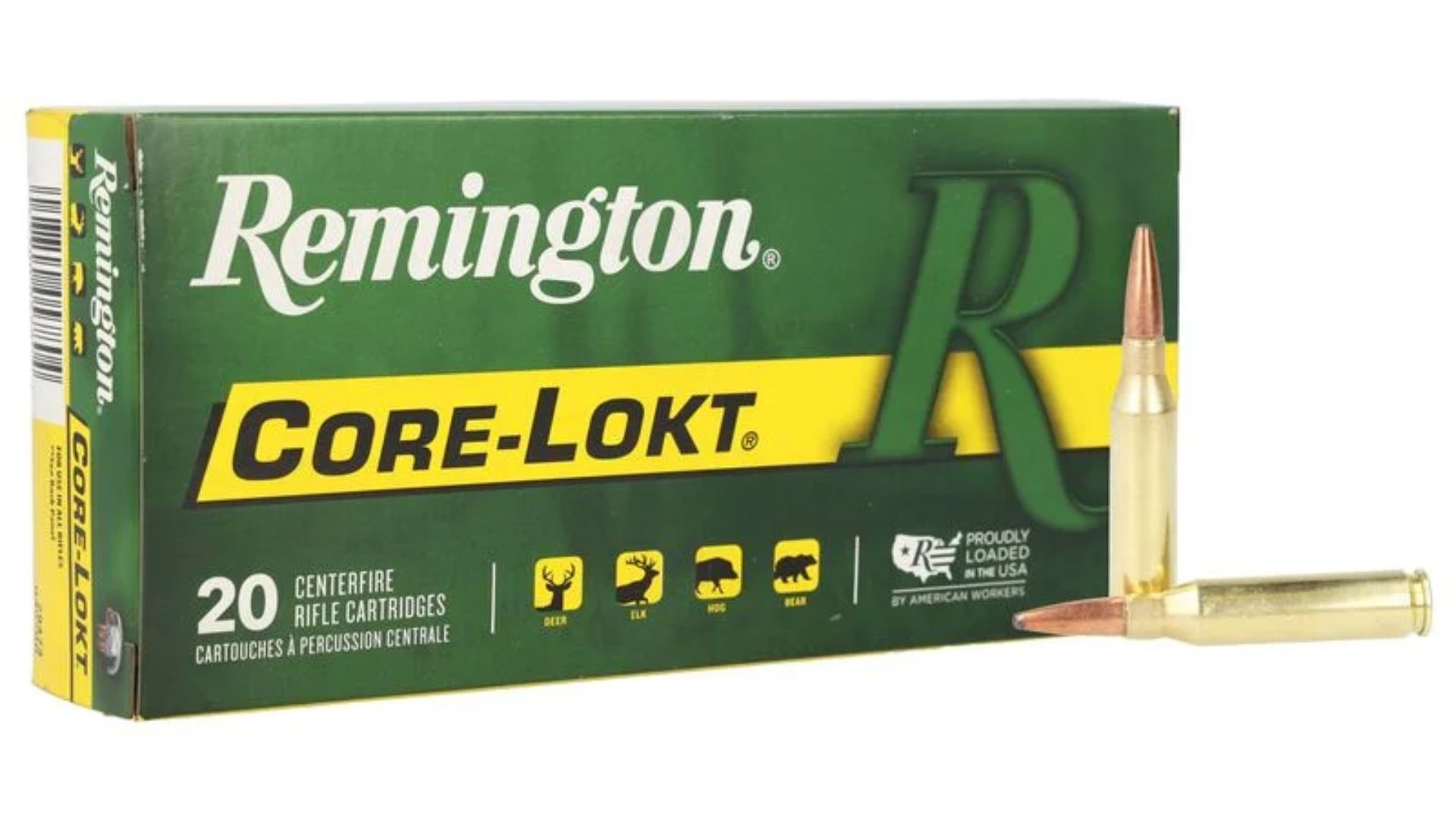
A Savage 110 Lightweight Storm in .260 Remington carries like a hunting rifle and shoots like a target rifle. Recoil is modest, and the cartridge runs efficient bullets that stay stable and predictable downrange. That helps you stay confident on longer shots without feeling like you need magnum horsepower.
On game, .260 Remington is a quiet overachiever. With 120–140 grain hunting bullets, it penetrates deeper than many expect and holds together well when the angle isn’t perfect. It doesn’t have the loud reputation of newer rounds, but the performance is there. You get the kind of terminal results that come from good bullet construction and solid sectional density, not from brute recoil.
6.5 Grendel (Howa Mini Action)

A Howa Mini Action in 6.5 Grendel is easy to shoot and easier to carry, and the recoil is so mild it barely registers compared to traditional deer rounds. That’s the whole point: you can practice a lot, stay accurate, and keep your head clear when you’re shooting from awkward field positions.
Grendel’s surprise is how well it carries energy and penetrates for its size. With 120–130 grain hunting bullets, it can do clean work on deer and hogs at realistic ranges, especially when you’re not trying to stretch it into a magnum role. The cartridge tends to hit with more authority than the recoil suggests because the bullets are long for caliber and built to drive. It’s a practical round that rewards smart distance limits.
6mm ARC (Springfield Armory Saint Victor 6mm ARC)
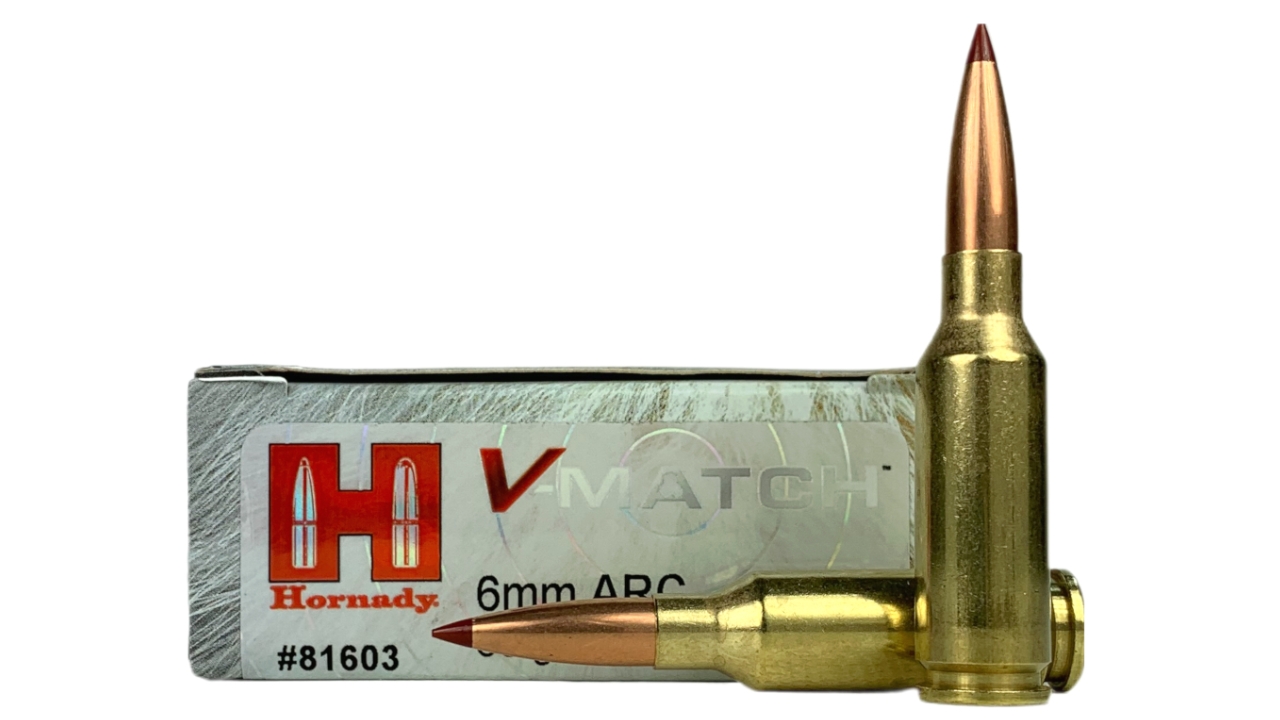
A Springfield Armory Saint Victor in 6mm ARC feels like you’re shooting a .223, yet the bullet arrives with noticeably more authority. Recoil is light, the rifle stays flat, and follow-up shots are quick. That makes it a strong choice for predators and medium game where you might need a second shot without losing the sight picture.
ARC carries heavier, sleeker bullets than you’d guess, and that’s where the punch comes from. With 90–108 grain hunting bullets, you get better wind performance and more penetration than many small cartridges manage. It won’t replace a big-game hammer for elk-sized animals, but for coyotes, hogs, and deer at sensible distances, it hits harder than its recoil class suggests. The best part is you’ll actually train with it.
.30-30 Winchester (Marlin 336)

A Marlin 336 in .30-30 Winchester feels like a gentle push, not a punch, and that’s why people shoot it well. You can run it offhand, from sticks, or from awkward cover without getting jarred. It’s also a cartridge that stays practical in the woods where shots come fast and distances are honest.
The surprise is how effective .30-30 is with modern hunting ammo. A 150–170 grain bullet at moderate velocity still carries a lot of momentum, and it tends to penetrate straight and deep on deer and hogs in timber ranges. The recoil never feels like a big game round, but the results often look like one. When you put that bullet through the chest, animals don’t argue with it.
.35 Remington (Remington Model 7600)
A Remington Model 7600 in .35 Remington has a recoil impulse that feels more like a shove than a snap. It’s comfortable enough to practice with, and it points naturally in the kind of thick cover where nuisance hogs and close-range deer work happen. You don’t need a long barrel or a heavy rifle to make it perform.
The “hits harder” part comes from bullet diameter and how .35 bullets behave at moderate speed. A 200-grain soft point has a lot of frontal area and tends to drive straight through with a wide wound path. It’s not a long-range setup, but inside 150–200 yards it can drop animals with authority that surprises people who only think in terms of recoil. In brushy country, it’s a serious tool.
.300 Savage (Savage Model 99)

A Savage Model 99 in .300 Savage carries like a classic deer rifle and shoots with recoil that most hunters handle well. It doesn’t have the blast or shove of the bigger .30-caliber magnums, and it encourages good shooting habits because it isn’t punishing. That’s the kind of rifle you take out more often, which makes you better with it.
.300 Savage hits harder than its recoil suggests because it pushes .30-caliber hunting bullets at useful speeds with an efficient case. With 150–180 grain bullets, it gives you strong penetration and reliable expansion at normal hunting distances. It’s a round that has been putting venison on poles for generations, not because it’s loud, but because it works. When you place shots well, it ends hunts quickly.
Like The Avid Outdoorsman’s content? Subscribe to our newsletter so you never miss an article.
Here’s more from us: