Photo credit: The Avid Outdoorsman
Every pistol caliber has its season. One decade it’s the default answer at the gun counter, the next decade it’s “hard to find,” “too snappy,” or “why would you bother when this other one exists?” I’ve watched the “obvious” choice shift with law enforcement trends, concealed-carry waves, ammo shortages, and what the big manufacturers decide to support with guns, magazines, and bulk training ammo.
This isn’t a history lecture. It’s a field guide to the handgun rounds that made a ton of sense in their moment—until the moment changed. Some are still great. Some are niche. A few are only “obvious” if you already have a stash of ammo and magazines in the safe.
1. .32 ACP

There was a long stretch where .32 ACP was the polite, practical answer for folks who needed a small gun that actually functioned. Old-school pocket pistols in .32 tended to feed more reliably than the same tiny designs in .380, and the recoil was mild enough that you’d actually practice. If you carried in light clothes, or you wanted something a spouse could run, .32 had a real argument.
Then modern micro-9s showed up and reset expectations. When a pistol barely bigger than the old .32 pocket guns can carry 10+1 of 9mm with usable sights, .32 starts looking like a compromise. Ammo availability doesn’t help. Still, if you already own a good .32 and shoot it well, it’s far from useless. It just isn’t the first answer anymore.
2. .380 ACP
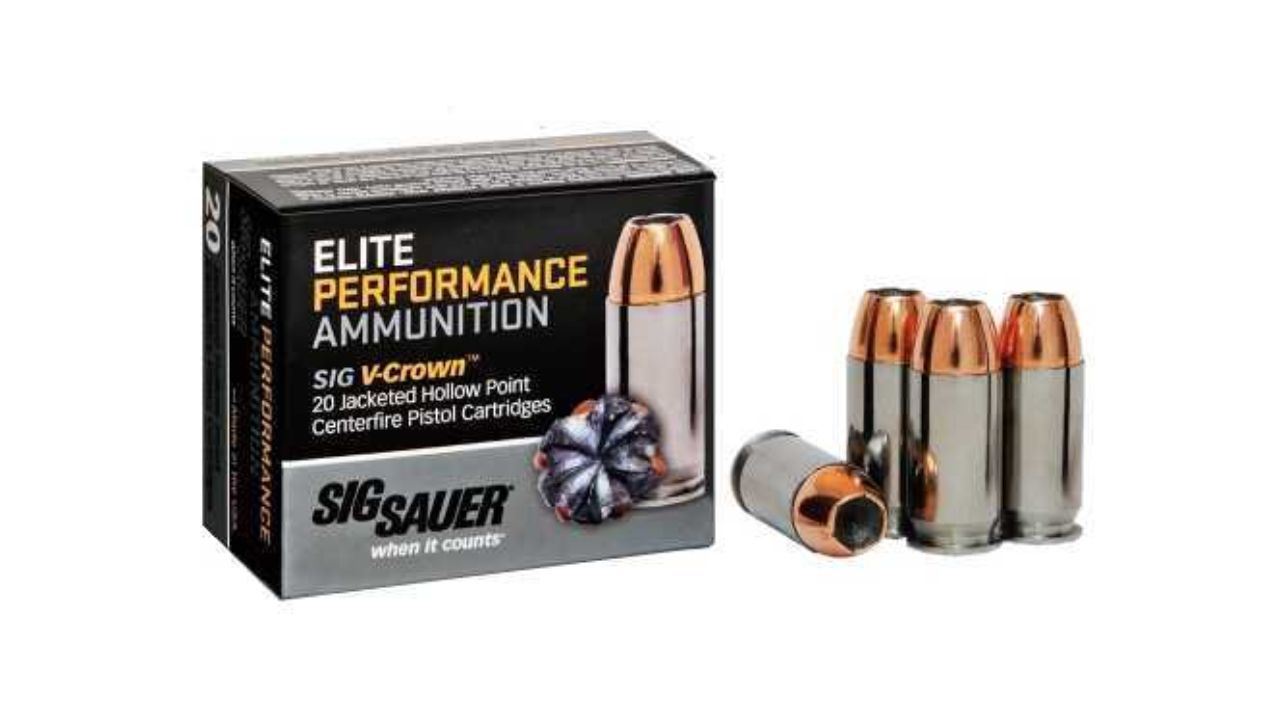
.380 had its glory years when “small carry gun” meant blowback pistols, ankle rigs, and pockets. For a lot of people it was the biggest cartridge they could handle in the smallest gun they’d actually carry every day. In that era, .380 was the sensible middle: more punch than .32, less drama than snappy lightweight 9mms of the time.
The obvious choice changed when tiny locked-breech 9mms got genuinely shootable. A modern micro-9 can kick less than some ultra-light .380s, and 9mm is cheaper and easier to find in bulk. The funny part is .380 didn’t get worse; the guns did. Put .380 in a soft-shooting platform and it’s still a very workable carry round. It’s the featherweight pistols that make people hate it.
3. 9x18mm Makarov
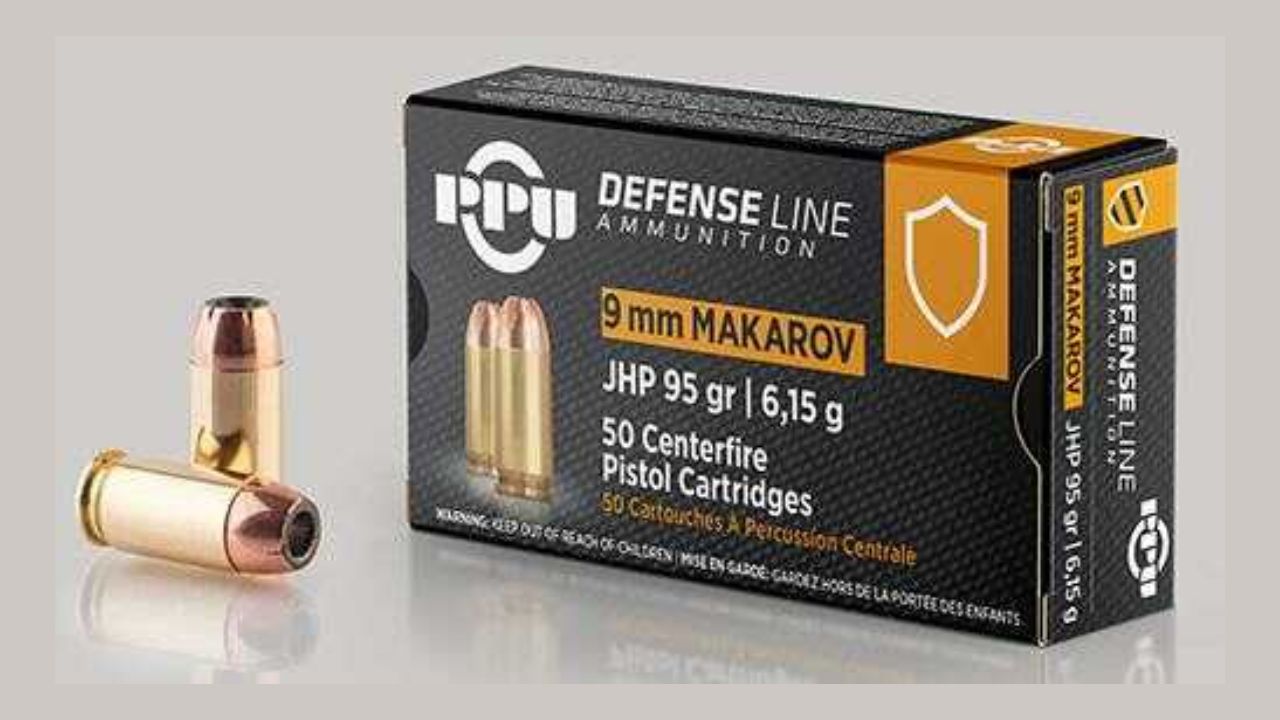
There was a time when you could buy a solid surplus Makarov pistol, a couple of spare mags, and a brick of ammo without taking out a loan. 9×18 made sense because the guns were dead simple and usually reliable, and the cartridge sat in that same “better than .380, not quite 9mm” neighborhood. For budget-minded carry and range time, it was a real contender.
Then surplus dried up, ammo got less common, and parts and magazines stopped being “everywhere.” Once the cheap pipeline goes away, niche calibers get expensive fast. If you’ve got a Mak and you like it, hang onto it and stock ammo when you see it. But for a new shooter starting from zero, it’s hard to justify when 9mm options are endless.
4. .38 Special

.38 Special was the working person’s handgun round for generations. A medium-frame revolver in .38 was as close to universal as it gets: home defense, truck gun, and the “I don’t want a complicated pistol” option. It’s still one of the easiest rounds to shoot well in a properly weighted revolver, and wadcutters make it even friendlier for practice.
What changed is capacity and reload speed became the expectation, not the luxury. Semi-autos got more reliable, more ergonomic, and easier to maintain, and the “five or six shots is enough” argument stopped winning over new buyers. Still, .38 Special didn’t lose its usefulness. It lost its monopoly. In a good revolver with a decent trigger, it remains one of the best ways to get consistent hits under pressure.
5. .357 Magnum
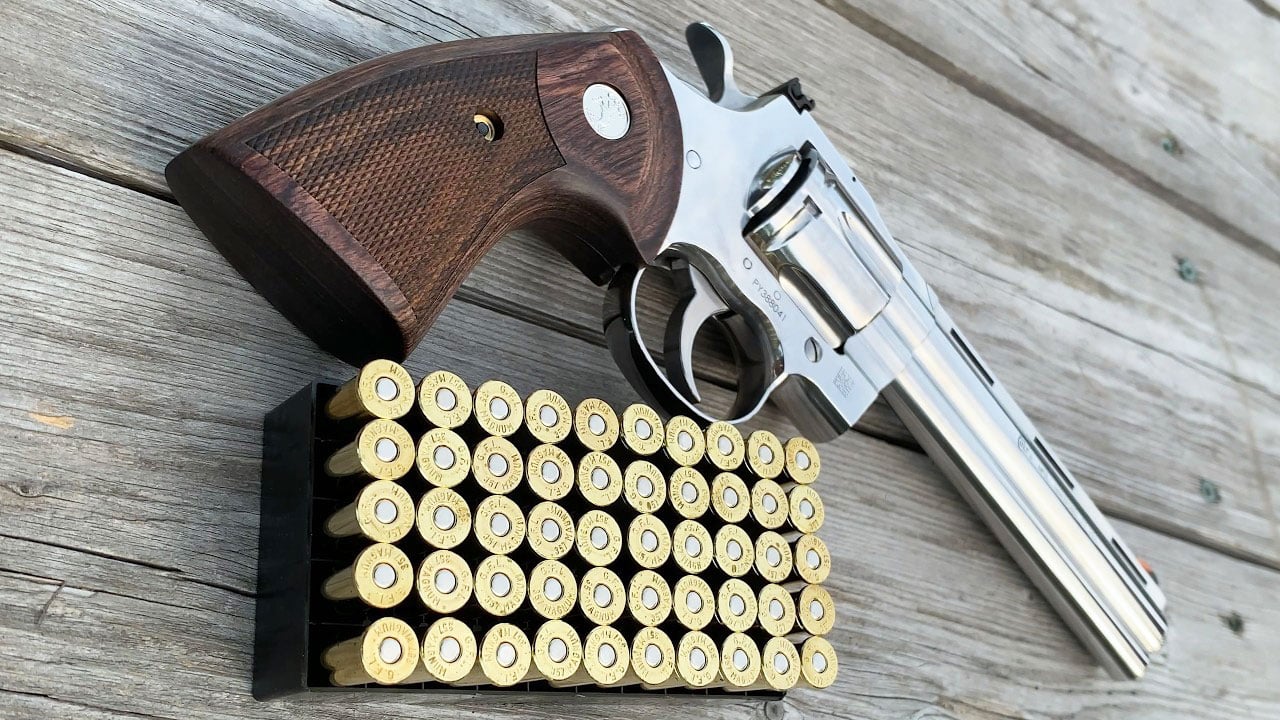
For a long time, .357 Magnum was the king of “one gun that can do it all.” You could practice with .38 Specials, carry .357s, and have a handgun that could handle trail duty and serious defensive work. In the woods, it earned its place because it penetrates, it breaks bone, and it has a track record that isn’t based on internet charts.
The shift came when high-capacity 9mm and .40 duty pistols took over, and then carry guns got smaller without becoming miserable. A lot of folks realized they didn’t want magnum blast indoors or in tight spaces. Also, lightweight .357 revolvers can be punishing, and that drives practice sessions to an early stop. In a heavier revolver, .357 is still excellent. In a tiny one, it’s a specialty tool.
6. .41 Magnum
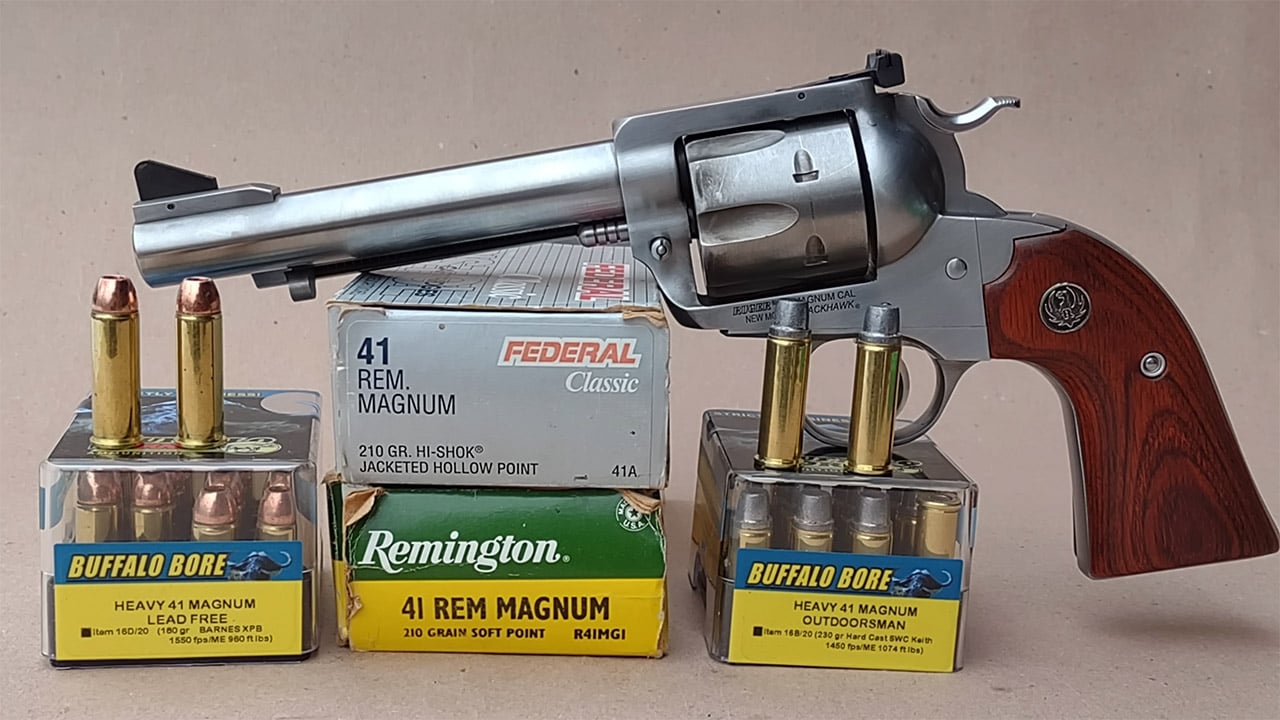
.41 Magnum used to be an “if you know, you know” caliber for handgun hunters and outdoorsmen who wanted something serious without jumping all the way to .44 recoil. On paper it looks like a sweet spot: flatter than .44 with plenty of authority, and in the right revolver it carries well on the hip.
What changed is support. Fewer guns are chambered for it, ammo isn’t on every shelf, and when you do find it, you pay. That alone knocks it out of “obvious” territory for most folks. If you reload, .41 is a different story and it can be downright smart. If you don’t reload, you’re choosing a caliber that can turn every range trip into a scavenger hunt.
7. .44 Special
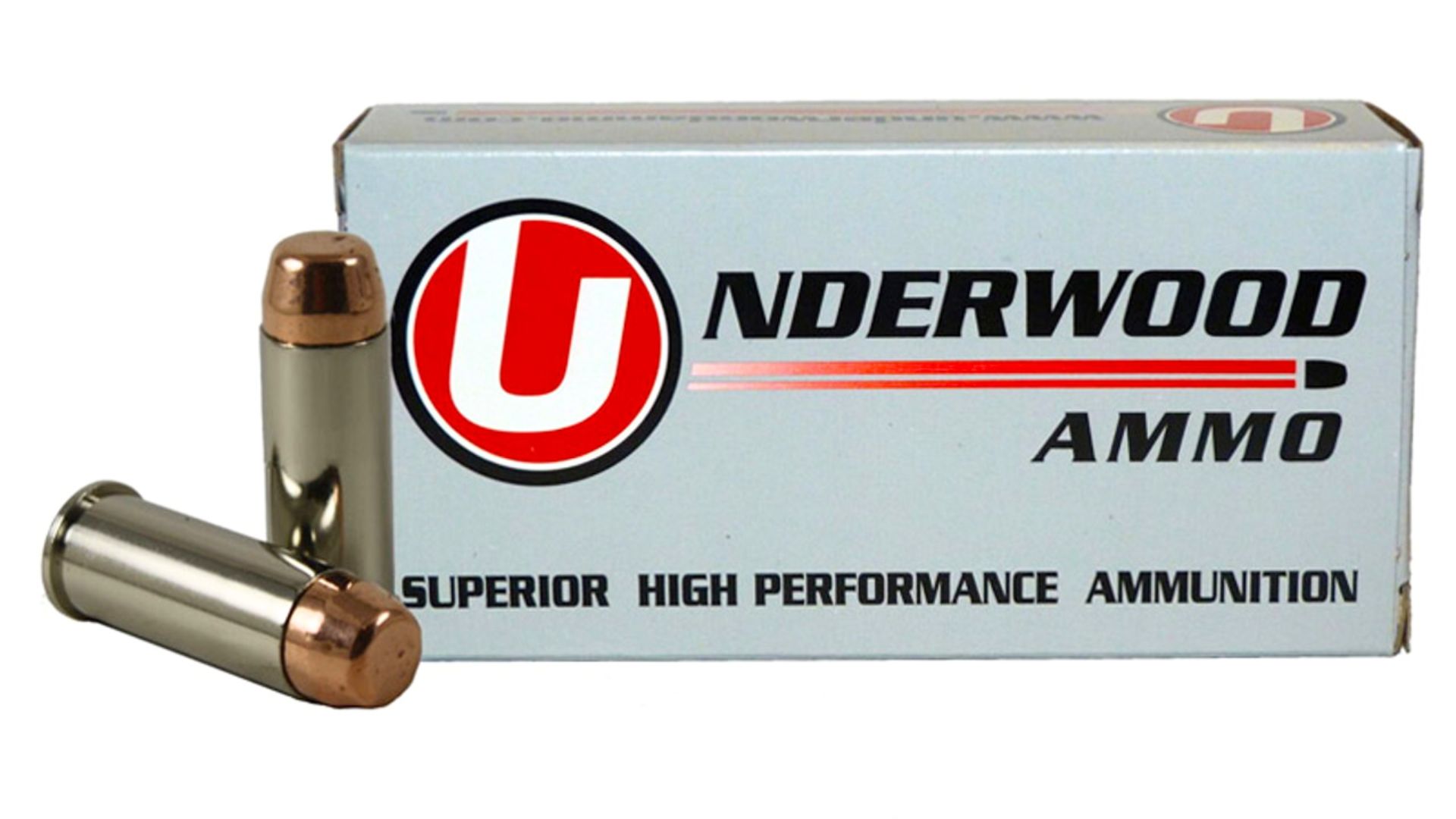
.44 Special is one of those calibers that makes experienced shooters nod and new shooters look confused. In the right load, it’s a big-bore that doesn’t beat you up, and it tends to shoot accurately. For years it was the calm, effective answer for a defensive revolver that didn’t need magnum pressure to do the job.
Then the market got flooded with compact 9mms that are easy to carry and cheap to feed. .44 Special never became bad, it just became a handloader’s and connoisseur’s round. Factory ammo can be pricey and limited, and the guns aren’t as common as .357 or .44 Magnum revolvers. If you like big holes and controllable recoil, it’s still a great pick. It’s just not the default recommendation anymore.
8. .44 Magnum

.44 Magnum was the obvious “woods handgun” for decades. If you wanted power for bear country, a hunting sidearm, or something that could serve as a last-ditch tool when things go sideways, .44 Magnum had the reputation and the real-world performance. And in a strong revolver, it’s dependable in a way that earns trust.
The obvious choice changed because people started being more honest about what they actually carry. A heavy .44 on the belt is a commitment, and a light .44 is a handful. On top of that, modern 10mm loads and better semi-auto options gave folks another path: more rounds, faster reloads, less bulk. .44 Magnum is still a hammer, but it’s not the only hammer anymore, and for many it’s more gun than they’ll practice with.
9. .45 ACP
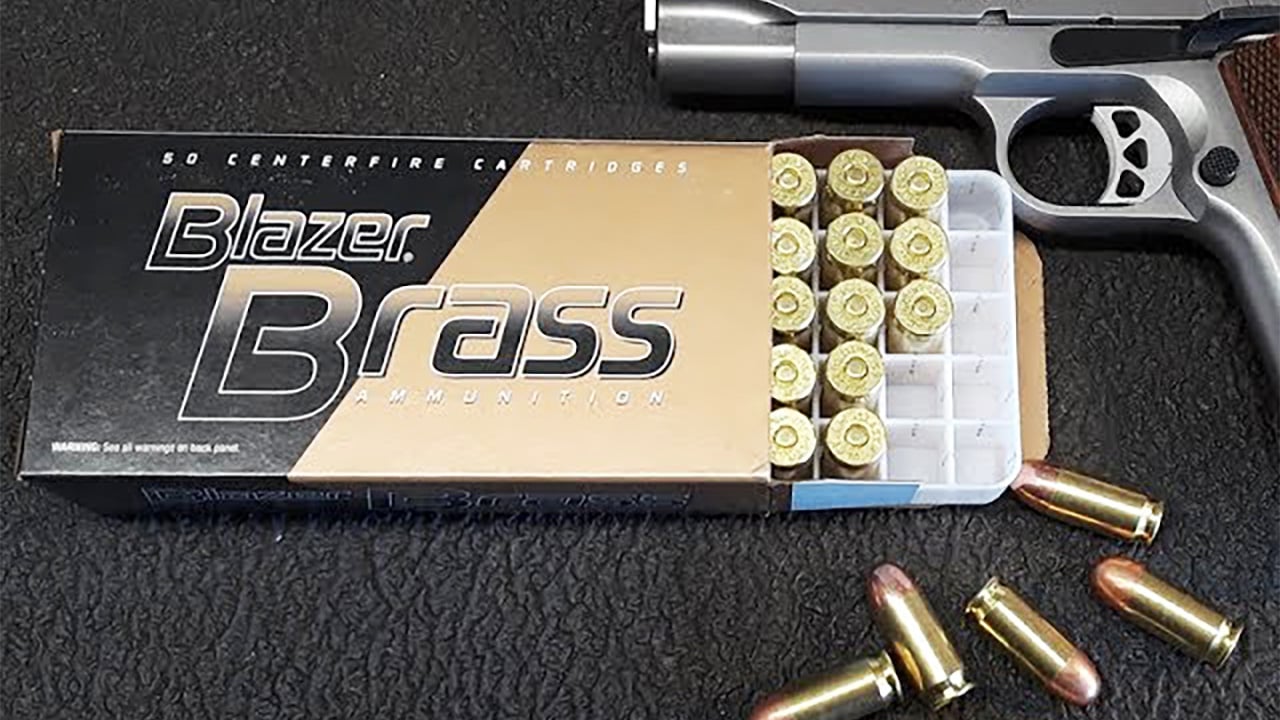
.45 ACP was the comfortable old boot of defensive handgun calibers. Big, slow, proven, and often easy to shoot well in full-size pistols. For a long time it was the default “serious” choice, especially for people who didn’t trust smaller bullets or wanted the classic 1911 setup with a trigger you can actually appreciate.
Then 9mm got better bullets, better acceptance, and cheaper practice ammo, all at the same time. When you can buy two cases of 9mm for what .45 costs in some places, the training math changes. Capacity matters too, especially in compact guns. I still like .45 in a full-size pistol for folks who shoot it well, but it stopped being the automatic answer once modern 9mm performance and carry trends took over.
10. .40 S&W
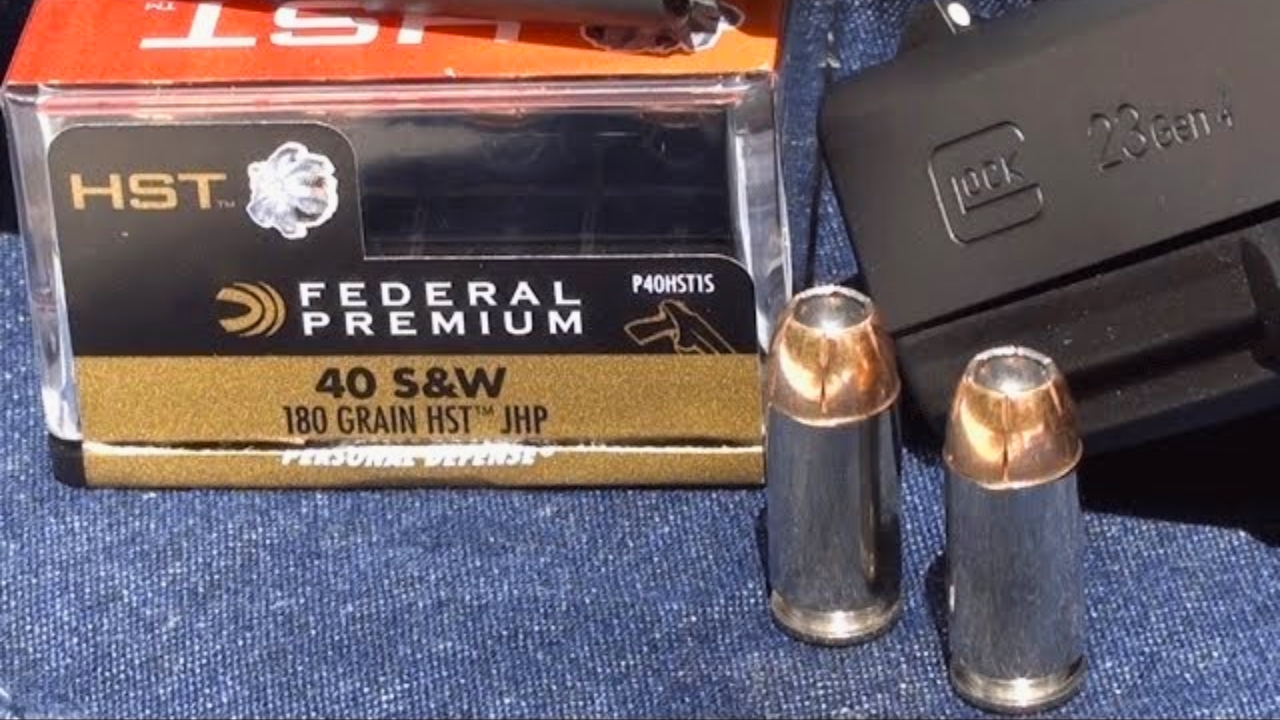
.40 S&W might be the poster child for “obvious until it wasn’t.” It was everywhere. Law enforcement drove it, ammo companies supported it, and you could buy duty-grade pistols and magazines for reasonable money. For a while, .40 felt like the middle path between 9mm and .45, and it did the job.
Then departments went back to 9mm for cost, recoil management, and modern projectile performance. The recoil impulse of .40—snappy in lighter guns—made a lot of shooters slower than they needed to be. Once the institutional support faded, .40 lost its momentum. The upside is you can still find great .40 pistols cheap, and with good training it works fine. But “fine” is different than “obvious.”
11. 10mm Auto

10mm was once the answer for the guy who wanted a semi-auto that could pull double duty: defense and backcountry. It hit hard, penetrated well with the right loads, and offered more capacity than revolvers. For a while it also lived in that “cool and rare” space where owning it meant you were serious.
Now 10mm is having a moment again, but the “obvious choice” has shifted in a different way: it’s not automatically the best for everyone. Full-power loads can be a lot, and many mainstream loads are toned down to .40-like levels. If you buy 10mm expecting a cannon, check what you’re actually feeding it. Still, in bear country or for a hunter wanting a semi-auto sidearm, 10mm is one of the few that truly earns its keep.
12. .357 SIG
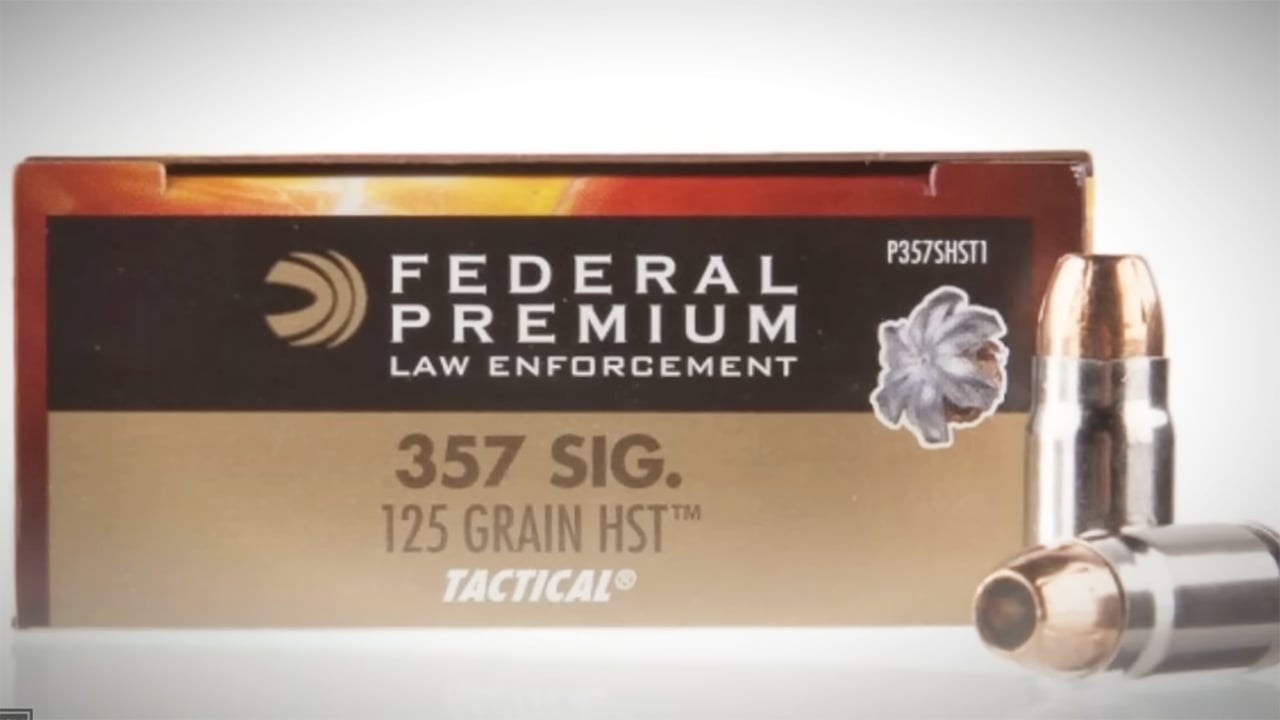
.357 SIG was the caliber for folks who wanted a fast, flat-shooting round in an auto pistol with a bottleneck case that fed slick. It built a reputation around barrier performance and consistent expansion, and for a while it felt like the thinking person’s duty caliber. If you ran it, you probably had a reason.
Then ammo prices stayed high, practice got expensive, and agencies standardized elsewhere. It’s hard to keep a caliber alive when most shooters can’t afford to run it hard. Also, modern 9mm loads narrowed the gap for typical defensive use. .357 SIG is still impressive, and I’ve seen it run very reliably, but it’s a commitment. If you don’t stock ammo and springs, it can turn into a safe queen you “mean to shoot more.”
13. .45 GAP
.45 GAP was supposed to be the fix for folks who wanted .45 performance in a smaller grip frame. On the surface, that’s a good idea. Smaller-handed shooters do struggle with some double-stack .45s, and a shorter cartridge can make compact designs easier. For a brief window, it looked like it might carve out a real lane.
The problem is simple: you can’t win without broad support. Ammo availability drives everything for normal gun owners. Once you can’t walk into a small-town shop and find a couple boxes, the caliber becomes a logistics project. Meanwhile, compact 9mm pistols got so good that many shooters stopped chasing .45 in small frames. .45 GAP isn’t useless, but it’s the definition of a caliber that needed the market to agree, and the market didn’t.
14. .22 LR

.22 LR is still the obvious training round, but the “obvious” part changed after a few ugly ammo droughts. There was a time you could count on .22 being cheap, stacked deep at every store, and perfect for teaching kids, running trap lines, or plinking behind the barn. A brick in the range bag was normal.
Now, .22 can be plentiful one month and scarce the next, and prices can jump higher than they have any business being. Also, rimfire reliability is what it is. In semi-autos, you learn quickly which ammo your gun likes and which stuff turns into a malfunction drill. Still, .22 LR remains the best tool for building fundamentals without developing a flinch. You just can’t assume it’ll be cheap and available forever, so buy it when you see it.
15. .22 Magnum (WMR)

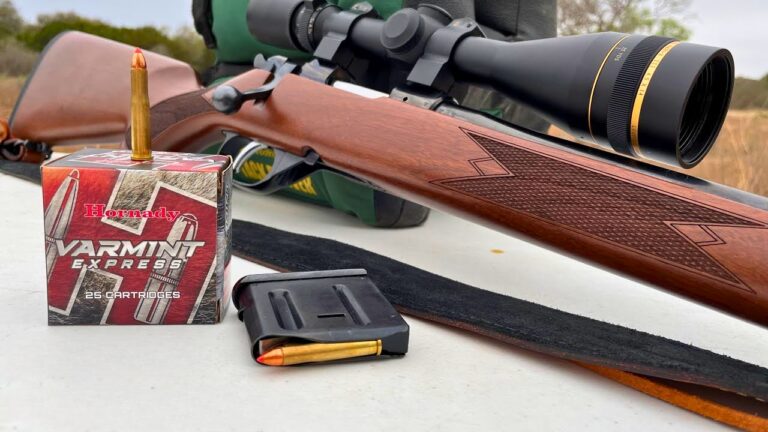
.22 Magnum had its stretch as the “serious rimfire” choice for small game, pests, and even as a low-recoil defensive option in certain revolvers. It hits harder than .22 LR, shoots flatter, and in a rifle it can do honest work on critters that are a little too tough for standard rimfire.
The obvious choice changed because ammo is often expensive and sometimes hard to find, and modern .380 and 9mm options give you better defensive choices in compact platforms. Also, out of short barrels, .22 Magnum can disappoint compared to what the box leads you to expect. That said, for a ranch revolver or a lightweight rifle for varmints, it still has a place. Just don’t buy it thinking it’s a magic step between .22 LR and centerfire.
16. .25 ACP
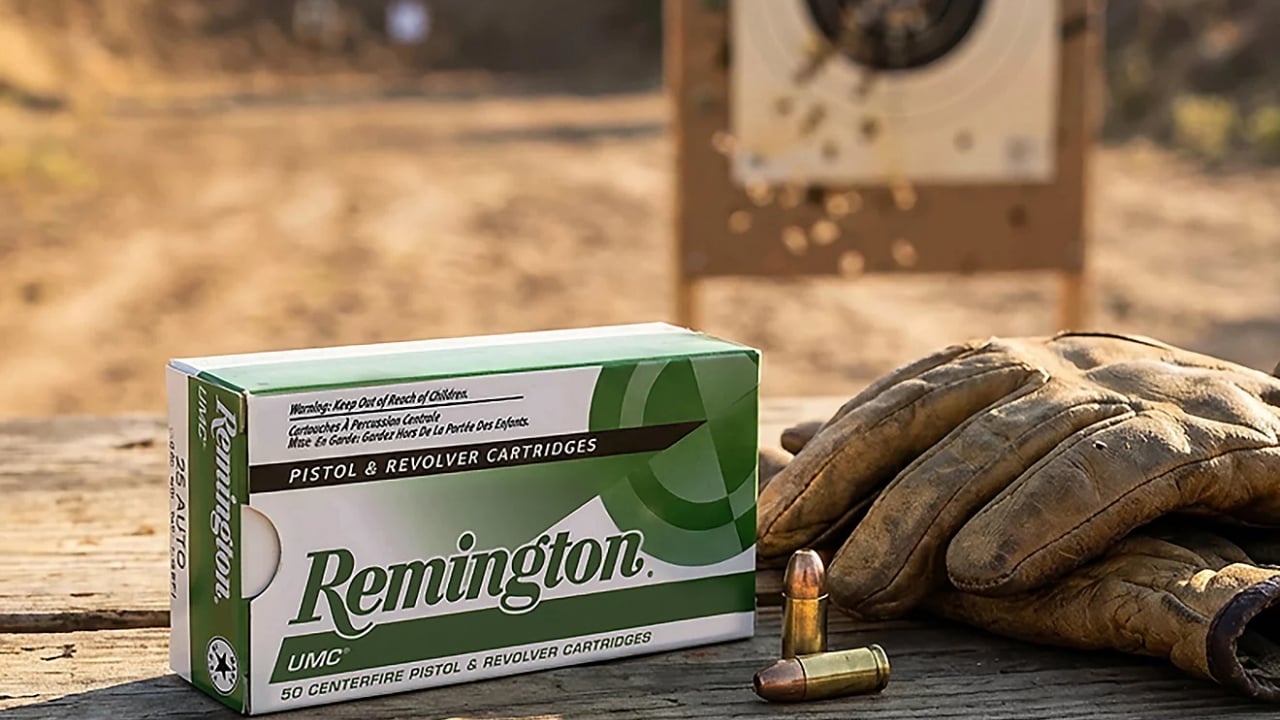
.25 ACP existed because tiny pistols needed a centerfire cartridge that would ignite more reliably than rimfire. In the old pocket-gun world, that mattered. If your whole plan is “small gun, close range, last resort,” you at least wanted it to go bang, and .25 did that more consistently than .22 in many of those little pistols.
But once ultra-compact .380s and small 9mms became normal, .25 stopped making sense for most buyers. Ammo is not cheap for what it is, and the performance margin is thin. The guns are often old, sights are minimal, and triggers can be rough. I get why people still keep a family .25 tucked away, but if you’re shopping today, there’s almost always a better option that doesn’t feel like you’re settling from the start.
17. .30 Super Carry

.30 Super Carry showed up with a clear pitch: more capacity than 9mm in similarly sized guns, with manageable recoil. On paper, that’s compelling. When you carry a compact pistol every day, one or two extra rounds without a bigger grip is something you can actually feel.
The problem is the market has to play along. If every shelf is 9mm and only one dusty slot is .30 Super Carry, that “capacity advantage” comes with an ammo availability headache. It also has to earn trust over years, not months. For a shooter who buys a few boxes and shoots occasionally, it’s a risky bet. For someone who likes trying new things and is willing to stock up early, it might be a smart niche. But it hasn’t replaced 9mm, and it may never.
18. 5.7x28mm

5.7x28mm used to feel like the cartridge you’d only see in magazine articles and gun shop glass cases. Light recoil, high velocity, and a unique purpose-built vibe made it attractive for folks who wanted something different that still shot flat and held a lot of rounds. In the right pistol, it points easy and runs fast.
Then it got more mainstream, which is good, but it also highlighted the reality: it’s still expensive compared to common service calibers, and not every range stocks it. For most outdoorsmen, it doesn’t replace a 9mm for practice or a 10mm for woods duty. It’s a specialist that got popular, not a universal solution. If you’ve got one and you like it, great—just be honest about what role it fills so it doesn’t turn into a novelty you rarely feed.
19. .327 Federal Magnum
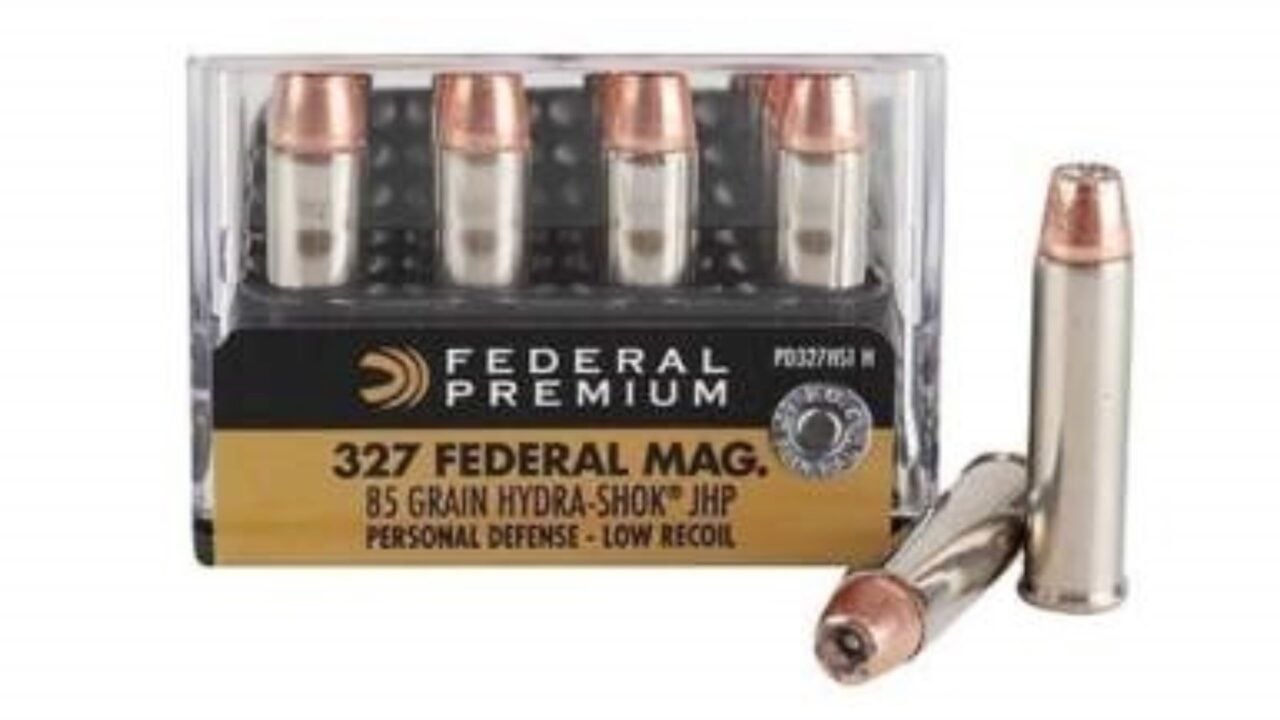
.327 Federal Magnum is one of the more interesting revolver rounds to come along in a while. It can give you an extra round in the cylinder compared to .357 in similar frames, and it offers real performance with a flatter trajectory than you’d expect. In a sturdy revolver, it’s fun and surprisingly capable.
But “capable” doesn’t always equal “supported.” Ammo can be spotty, and if you don’t reload, you’re at the mercy of whatever the store decides to carry. Recoil and blast can also be sharp, especially in lighter guns. The selling point is flexibility: you can often shoot .32 S&W and .32 H&R Magnum in the same revolver, which is nice for practice. Still, it’s hard to call it the default choice when .357 and 9mm are so much easier to keep fed.
20. .50 Action Express
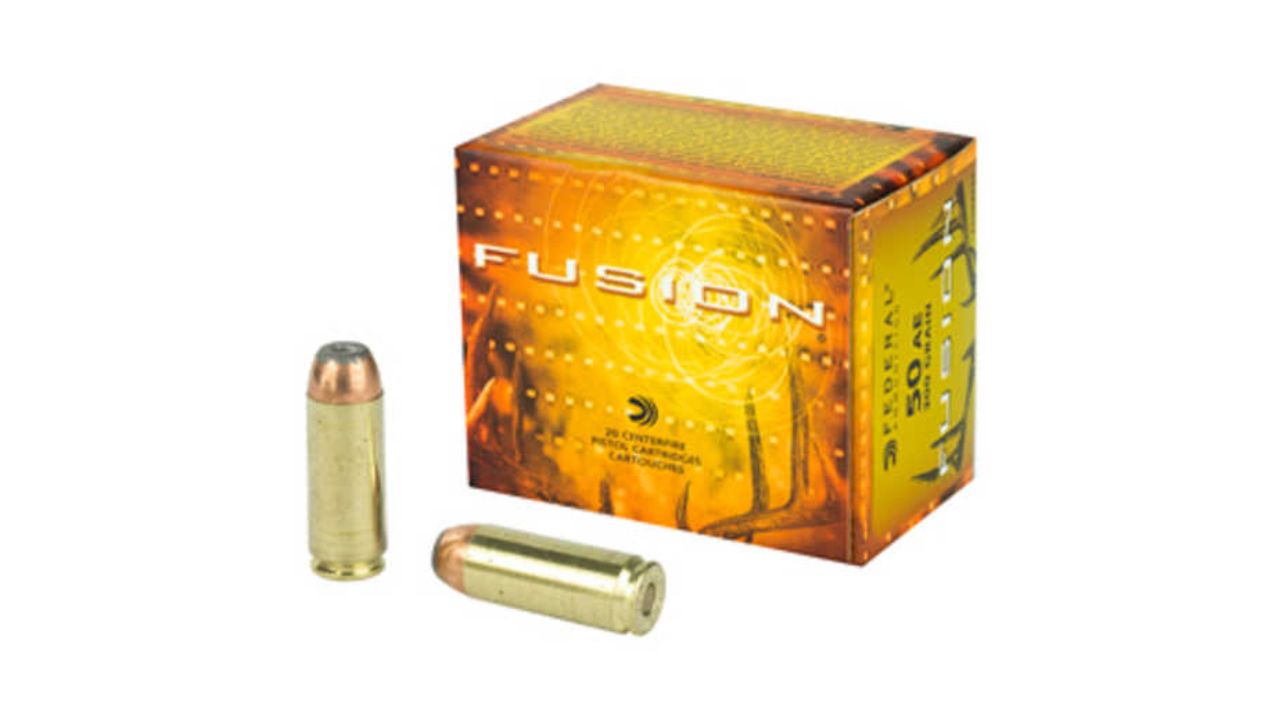
.50 AE was the obvious choice for one specific goal: owning a hand cannon because you want a hand cannon. It’s loud, heavy, and attention-grabbing, and there’s no pretending it’s the best solution for everyday anything. But for a while, if you wanted maximum “wow” at the range, this was the clean answer.
The change isn’t that .50 AE got weaker. It’s that the novelty wears off fast when ammo costs what it costs, the gun weighs what it weighs, and you realize it doesn’t fit any normal holster plan. A lot of owners shoot it a couple times a year, then it becomes the safe heavyweight that only comes out when buddies visit. If that’s the point, fine. Just don’t confuse “obvious for bragging rights” with “obvious for real use.”
The truth is the best pistol caliber isn’t decided by forum arguments. It’s decided by what you can afford to practice with, what you can actually find on a shelf when you need it, and what you can carry without leaving it in the truck. The “obvious” choice changes because the world changes. If you’re buying now, pick the round that keeps you shooting, not the one that only looks smart on paper.
Like The Avid Outdoorsman’s content? Subscribe to our newsletter so you never miss an article.
Here’s more from us: