Photo credit: Winchester Ammunition/YouTube
On a working ranch in the Southwest, rifles weren’t “collectible.” They were tools. They lived behind a truck seat, rode in a scabbard on a saddle, leaned in a corner by the back door, and got wiped down with whatever oil was handy when a dust storm finally calmed down.
The funny part is how many of those everyday rifles are the same ones folks now whisper about at gun shows like they’re museum pieces. Back then, nobody was thinking about values or box papers. They were thinking about coyotes in the calving lot, javelina wrecking a feed line, a wounded mule deer slipping into the mesquite, and whether the rifle in your hands would still run after a week of grit and neglect. Here are 20 that showed up on ranches over and over, long before anyone started treating them like investments.
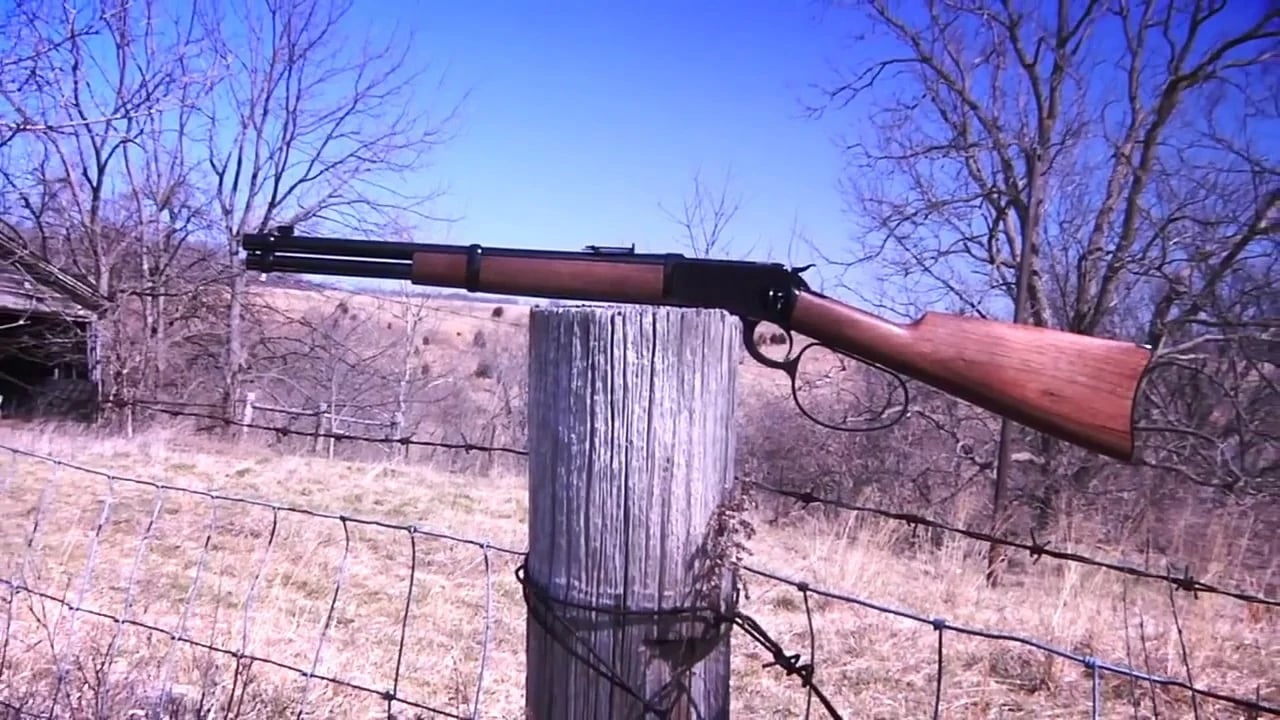
1. Winchester Model 94 (in .30-30)

If you’ve spent any time around old fences and older families, you’ve seen one. The Model 94 in .30-30 is about as Southwest as sun-bleached denim. It’s light, quick, and points like your finger, which matters when a coyote breaks out of the brush and you’ve got about two seconds to make a decision.
It’s not a long-range rifle and never was. But inside 150 yards, it flat works, and the slim profile carries all day without reminding you it’s there. The ones with honest wear always made more sense to me than the safe queens.
2. Marlin Model 336 (in .30-30)

The 336 was the other side of the lever-gun coin, and plenty of ranches had both. The Marlin’s side ejection made it easier to mount a scope, which was a big deal for folks whose eyes weren’t getting any younger. It also tends to feel a little more solid through the action, like it wants to keep running.
It’s still a brush-country hammer, and it’s forgiving when you’re wearing gloves or your hands are sweaty from fixing a water line. These days, clean older ones don’t sit long when they hit a rack.
3. Ruger Mini-14 Ranch Rifle
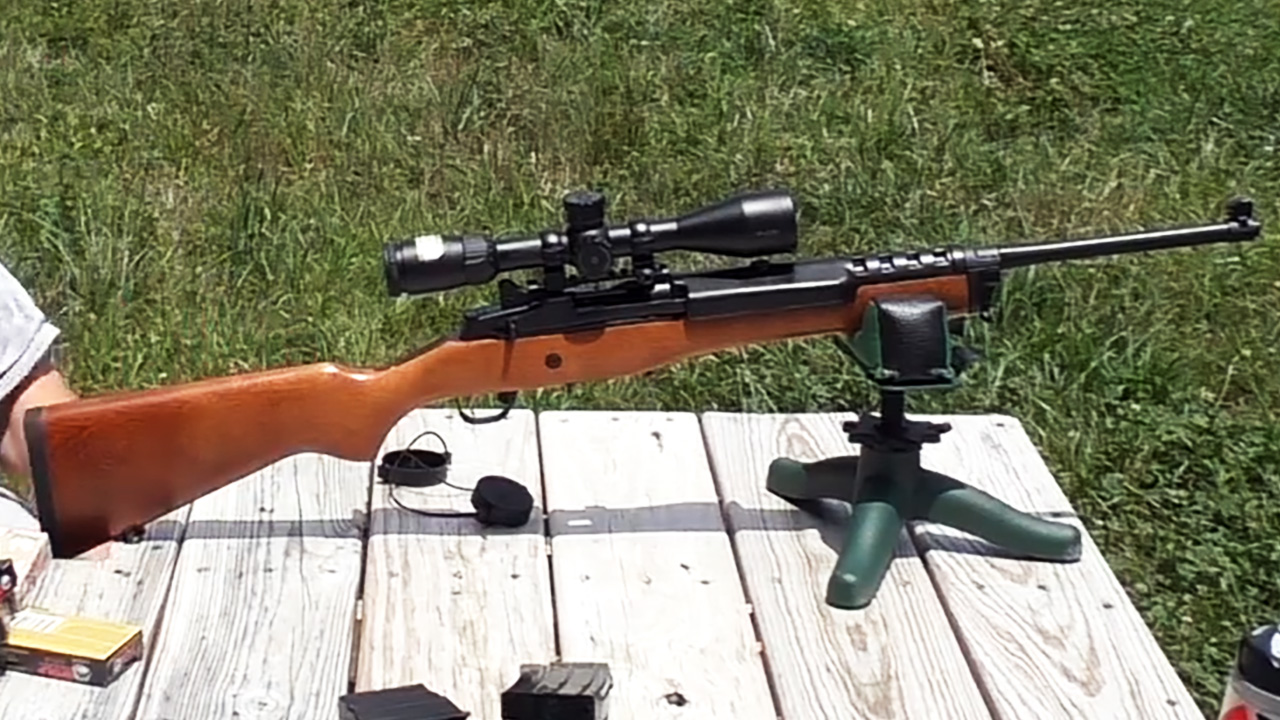
Before “modern sporting rifle” turned into an argument, a lot of ranches just had a Mini-14 because it was handy and familiar. It rode well in a truck, didn’t look overly “tactical” to nervous visitors, and it did the job on varmints and problem animals without drama.
The older thin-barrel guns can string shots when they get hot, and nobody’s pretending it’s a benchrest rifle. Still, for a working rifle that comes up fast and feeds from easy-to-find magazines, I get why it stayed in so many pickups.
4. Remington Model 700 (BDL and ADL)
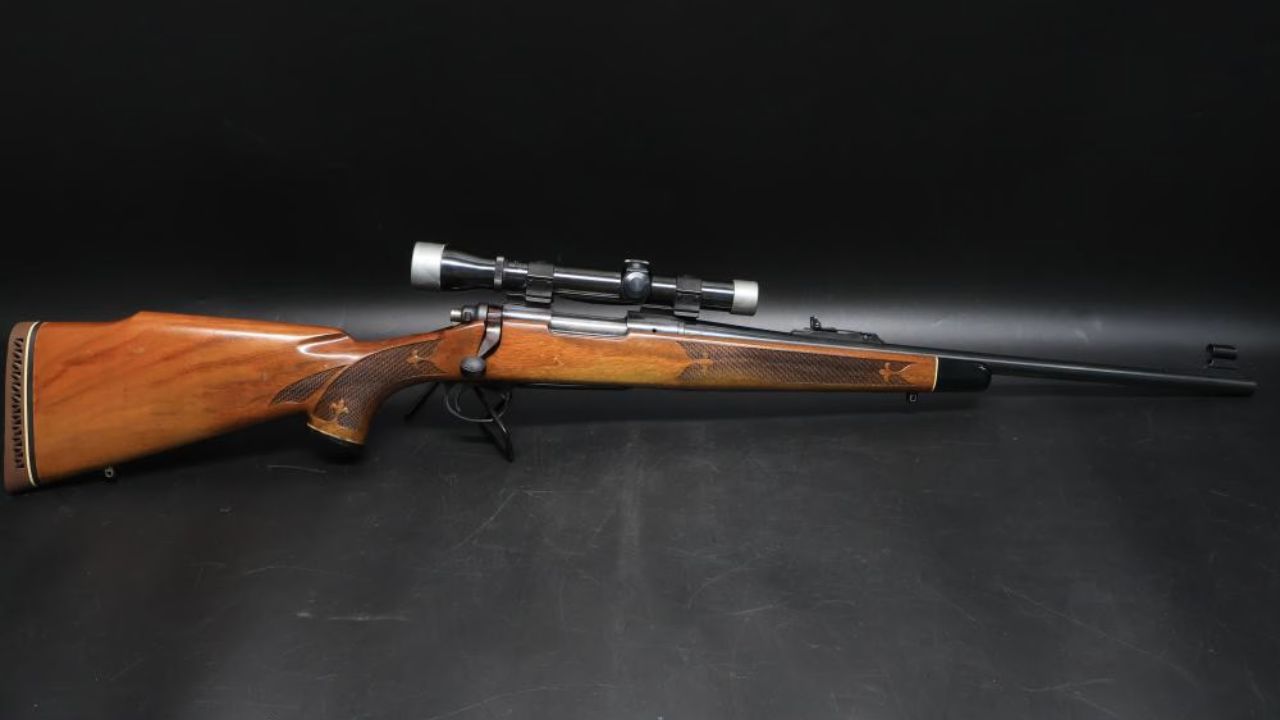
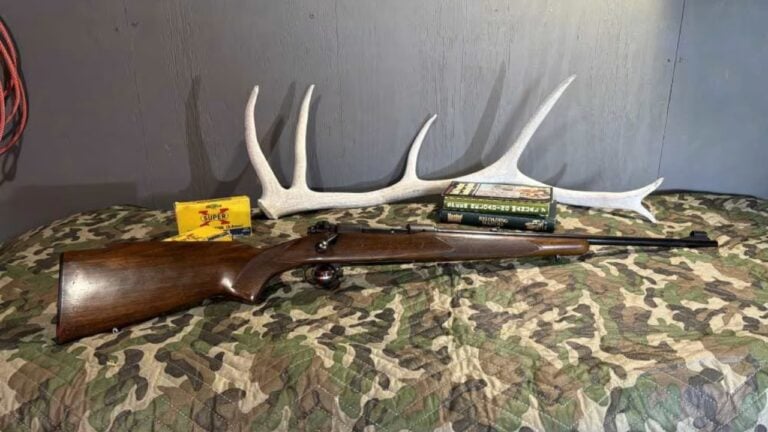
If a ranch had one “real deer rifle,” odds are it was a Model 700. The BDLs showed up when somebody wanted walnut and a little pride of ownership. The ADLs showed up when somebody wanted meat in the freezer and money left for tires.
They’re accurate enough that most shooters are the limiting factor, and there’s a reason every gunsmith on earth has parts and opinions for them. It’s also one of those rifles people sell and then spend years trying to replace with “something just like it.” That one hurts.
5. Winchester Model 70 (pre-’64 and push-feed era)

Old-timers talked about Model 70s the way some folks talk about old pickups. Controlled-round feed, smooth bolt, built to last. Pre-’64 rifles get all the glory, but plenty of working ranch rifles were later guns that still did everything asked of them.
Most of the time they wore a simple scope and a scuffed sling. Nobody was babying them. They just kept showing up season after season, and that’s usually how a reputation gets earned.
6. Savage Model 99 (often in .300 Savage)

The Savage 99 has a certain feel to it—part lever gun, part something else. On ranches, it made sense because it offered pointed bullets and good performance in a package that still handled like a lever-action. The rotary magazine is one of those designs you either appreciate immediately or you never quite trust it.
They’re not all smooth as butter anymore, and some have seen a lot of “kitchen-table gunsmithing.” But a good 99 is a classy, practical rifle that still carries great, especially in open country.
7. Remington 870 (because it lived with the rifles)
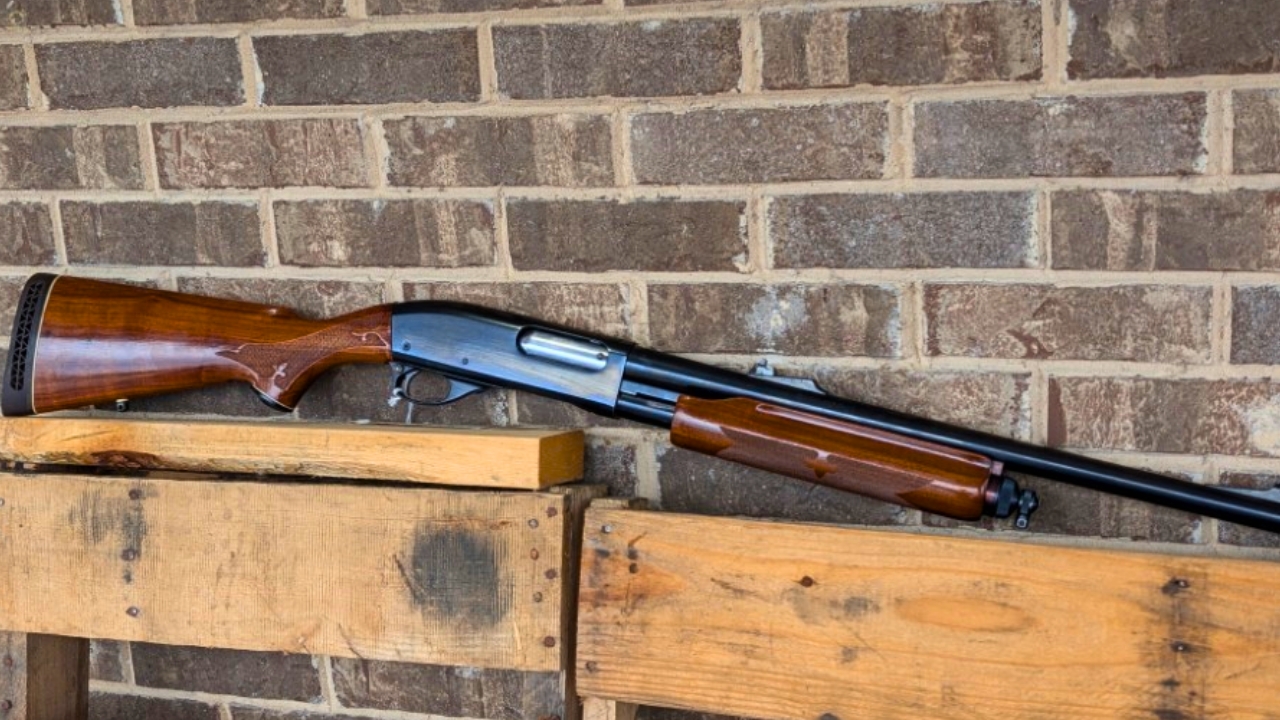
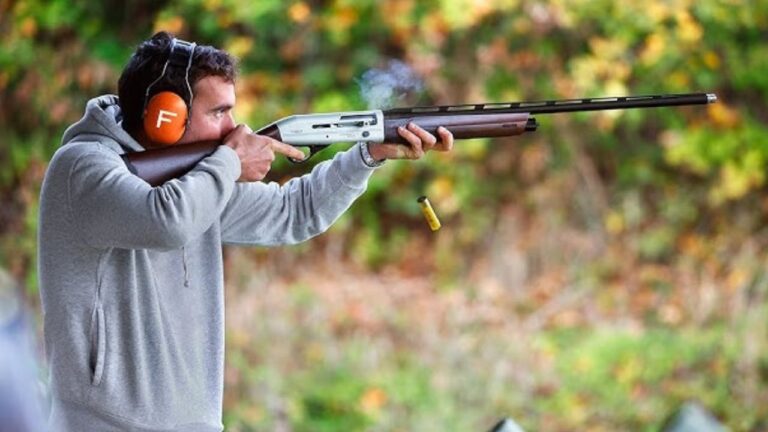
Yeah, it’s a shotgun, but it belonged in the same category: long gun that worked and never got a ceremony. An 870 was the “do everything” tool—snakes, pests, birds, and the occasional close-range problem that didn’t call for a rifle round.
On ranches, they weren’t fancy. They were dented, dusty, and loaded with whatever shells were on hand. If you find an old Wingmaster that still runs slick, you’ll understand why people hang onto them.
8. Marlin Model 60
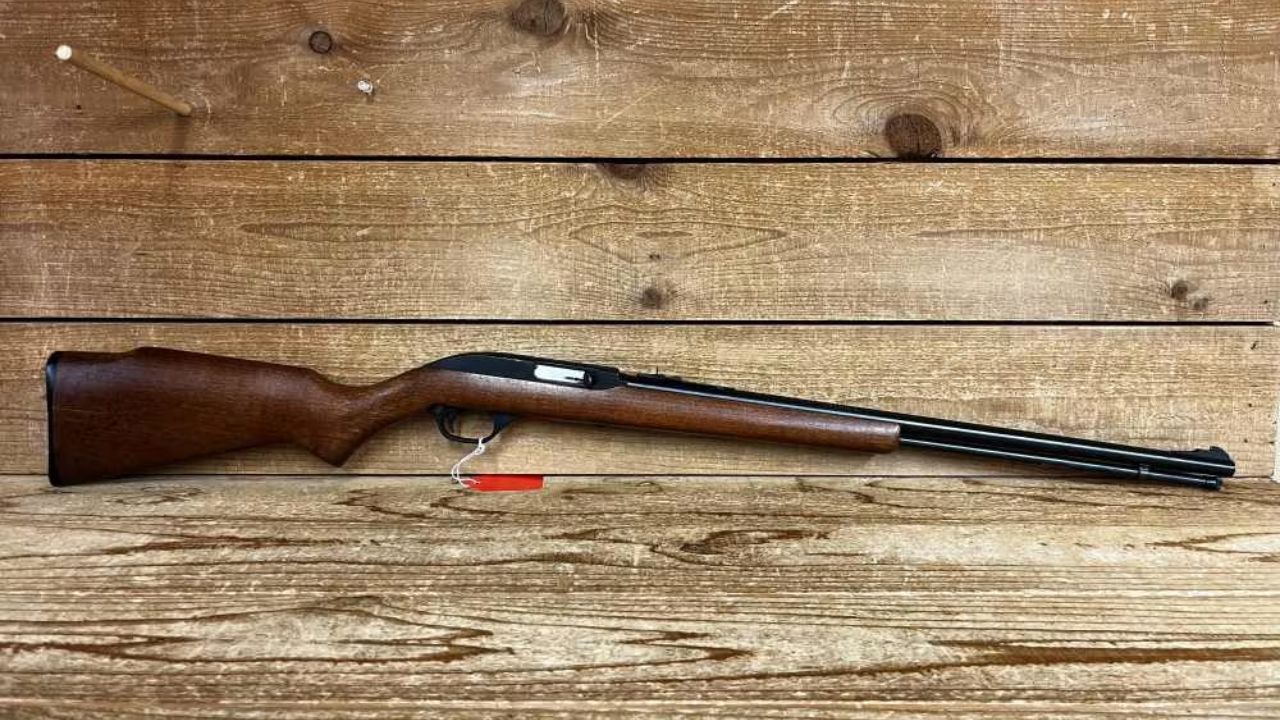
A .22 that would run on bulk ammo was worth its space, and the Model 60 earned that spot. It was the rifle for kids learning on cans and fence staples, and it was the rifle for dealing with small pests without burning centerfire ammo.
They get dismissed as cheap .22s until you actually spend time with one. They’re light, accurate enough, and they taught more ranch kids to shoot than most people want to admit.
9. Ruger 10/22
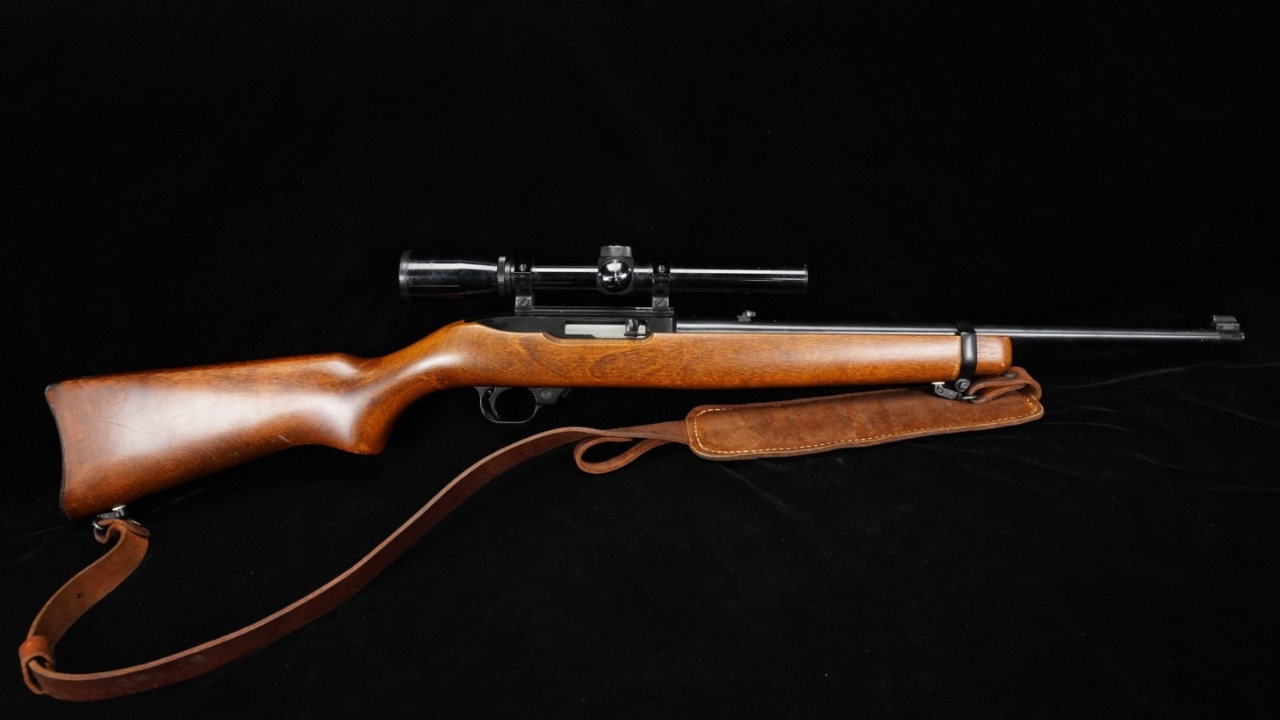
Some ranches were “Marlin .22” places, others were “10/22” places, and a lot were both. The 10/22 became a fixture because it’s reliable, easy to clean, and magazines are everywhere. It’s also easy to set up for different jobs without turning it into a science project.
Even stock, it just plain works. The wild custom builds are fun, but the ranch version usually looks like a basic carbine with worn bluing and a scratched-up scope. That’s the honest look.
10. Remington 552 Speedmaster

The 552 is one of those rifles that quietly impressed anybody who actually used it. Being able to run .22 Short, Long, and Long Rifle without fuss made it practical back when ammo availability was a lot more hit-or-miss than people remember.
They balance nicely and feel a little more “grown up” than many .22s. If you’ve got one that’s been maintained, it’s the kind of gun that becomes a family constant without anyone making a big deal out of it.
11. Winchester Model 1894/94 (in .32 Winchester Special)
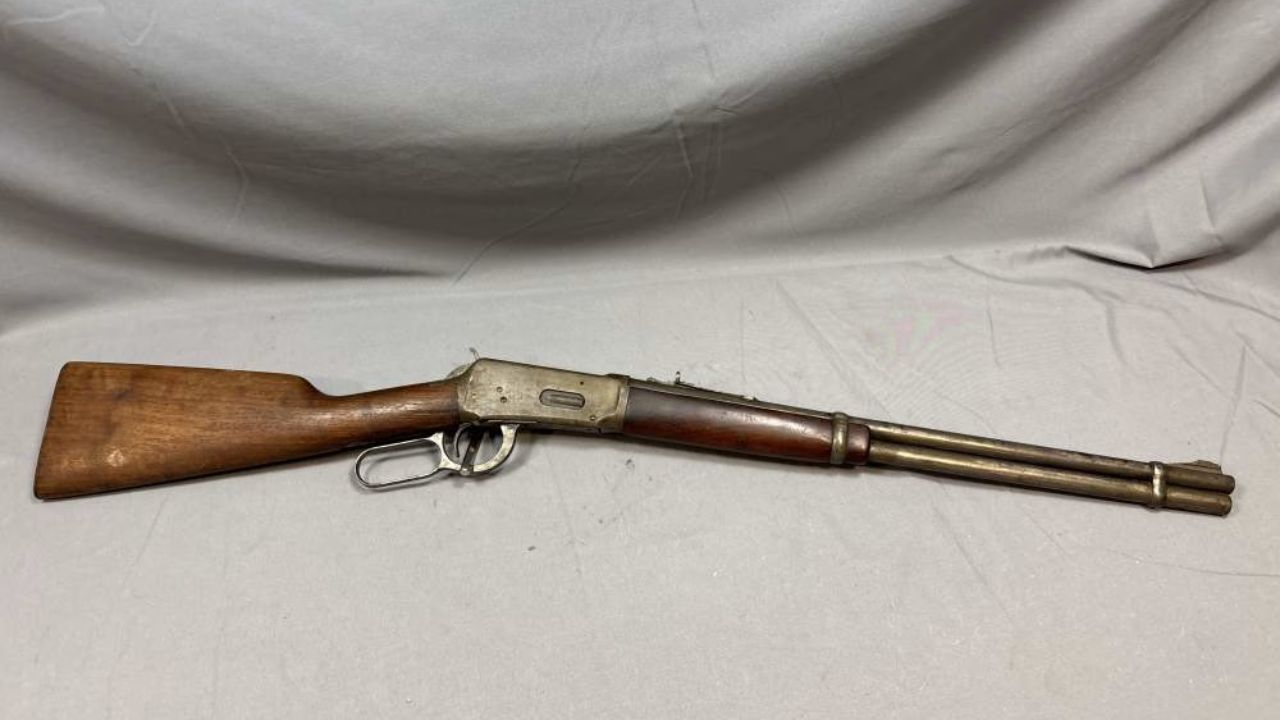
.32 Special isn’t trendy, but it was around, and it worked. You’d see it in families that bought what the hardware store had and stuck with it for decades. Recoil is mild, and it hits just fine at the ranges most ranch shots actually happen.
Ammo isn’t as common as .30-30 now, which is why some folks drifted away from it. Still, if you already have one, it’s hard not to respect a cartridge that fed families for a long time.
12. Winchester Model 1892 (often in .44-40 or .38-40)
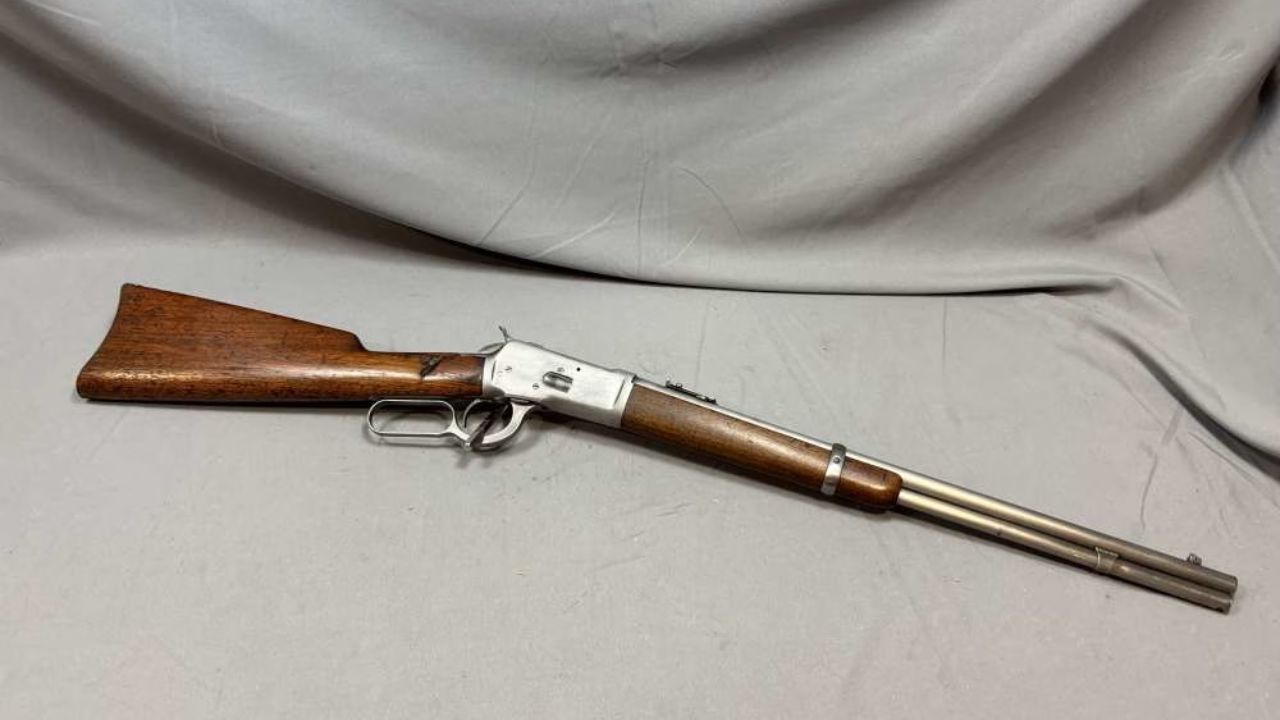
On the oldest ranches, you’d sometimes find a Model 1892 that had been “around forever.” Some were heirlooms that still got used, carefully, for close-range chores. They carry like a dream and cycle fast when they’re in good shape.
No, they’re not modern powerhouses. But for a saddle gun role and the kind of work that happens inside bow range, they did what they were supposed to do. If you stumble onto one that’s mechanically sound, it’s hard not to smile.
13. Ruger M77 (tang safety era)
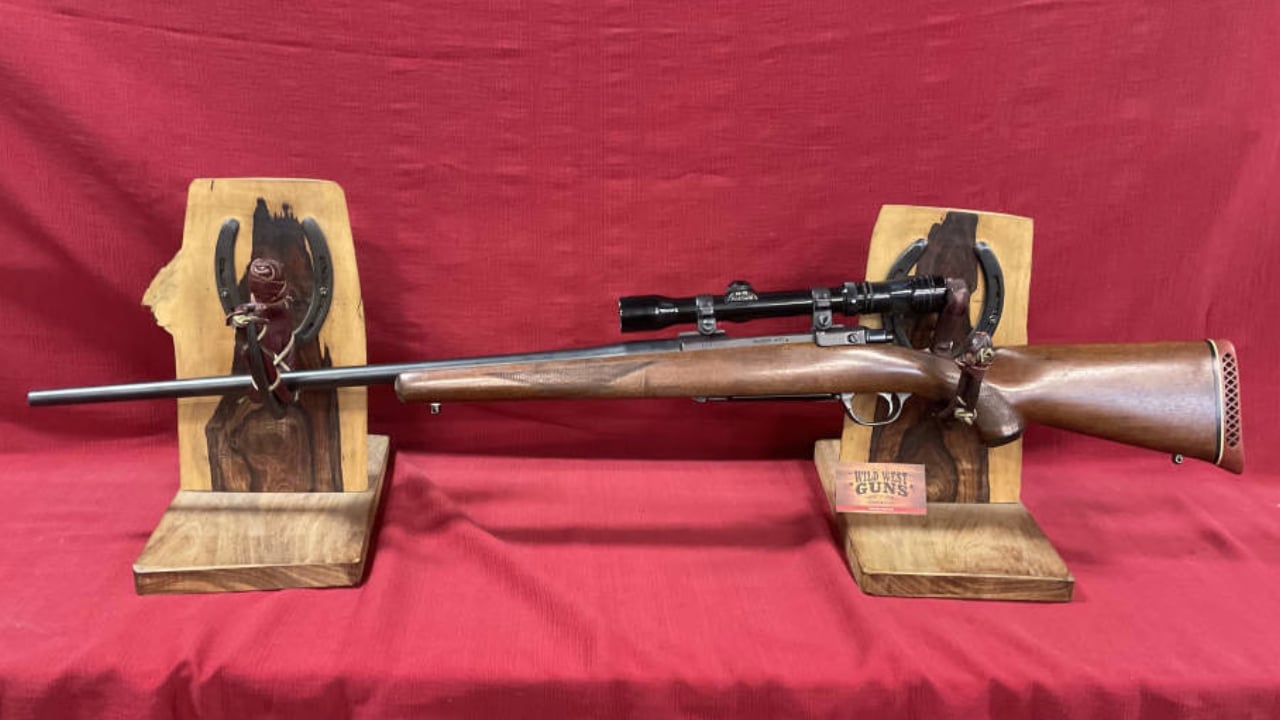
The tang-safety M77s show up a lot in the Southwest because they’re tough, simple, and built like ranch gear should be built. They weren’t bought to impress anybody. They were bought to ride around, get banged up, and still shoot straight.
Actions vary a little from gun to gun, but many of them are smooth enough and dependable enough that you stop thinking about the rifle and start thinking about the wind. That’s a compliment.
14. Weatherby Vanguard (early Japanese production)

NWTFonline/Youtube.
When someone wanted a “Weatherby” without paying full Weatherby money, the Vanguard made sense. Plenty of these lived hard lives and still shot better than they had any right to, especially with a decent scope and basic handloads.
They’re not as sleek as a Mark V, and the stock designs weren’t everybody’s favorite. But as a working bolt gun, they’re steady, accurate, and usually boring in the best way.
15. Mossberg 500 (with a rifled slug barrel as needed)
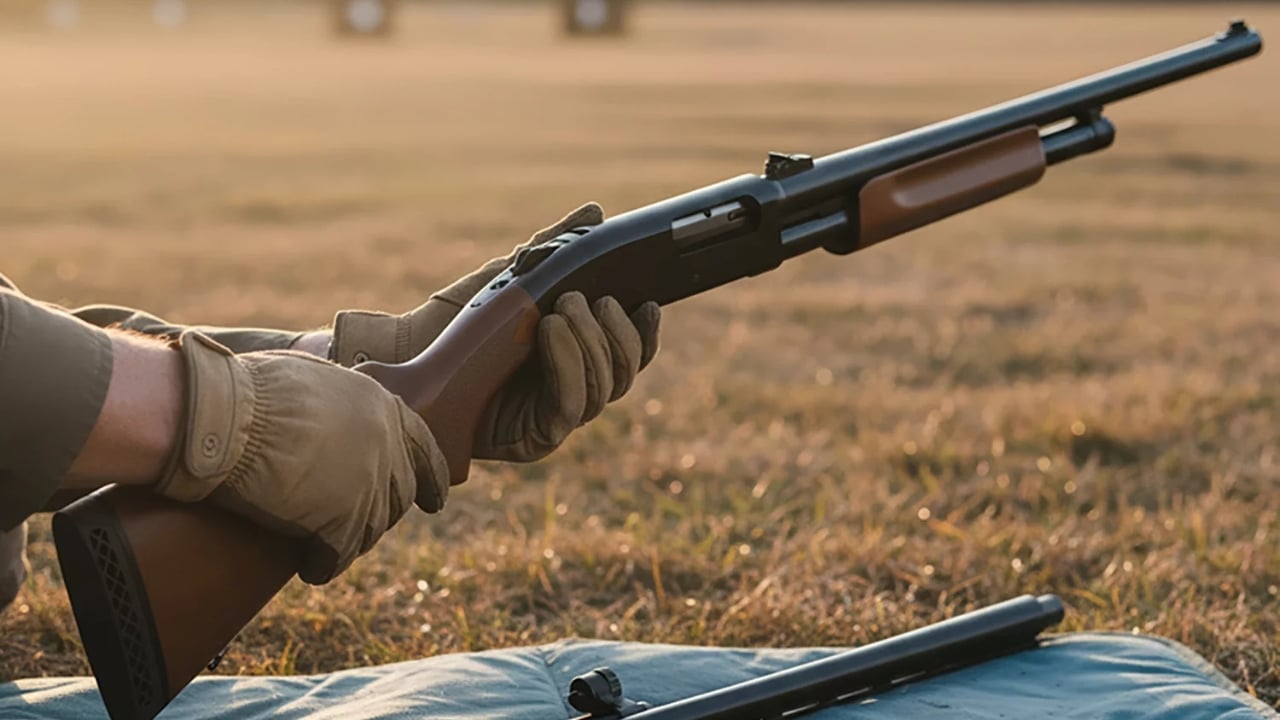
Again, a shotgun sneaks into a rifle conversation because ranches don’t separate tools the way internet debates do. A Mossberg 500 with interchangeable barrels was a budget-friendly solution to a bunch of problems.
They can feel a little rattly compared to more expensive guns, and that’s fine. They still run, and in rough weather or dusty conditions, simple and reliable goes a long way.
16. Springfield Armory M1A (standard model)
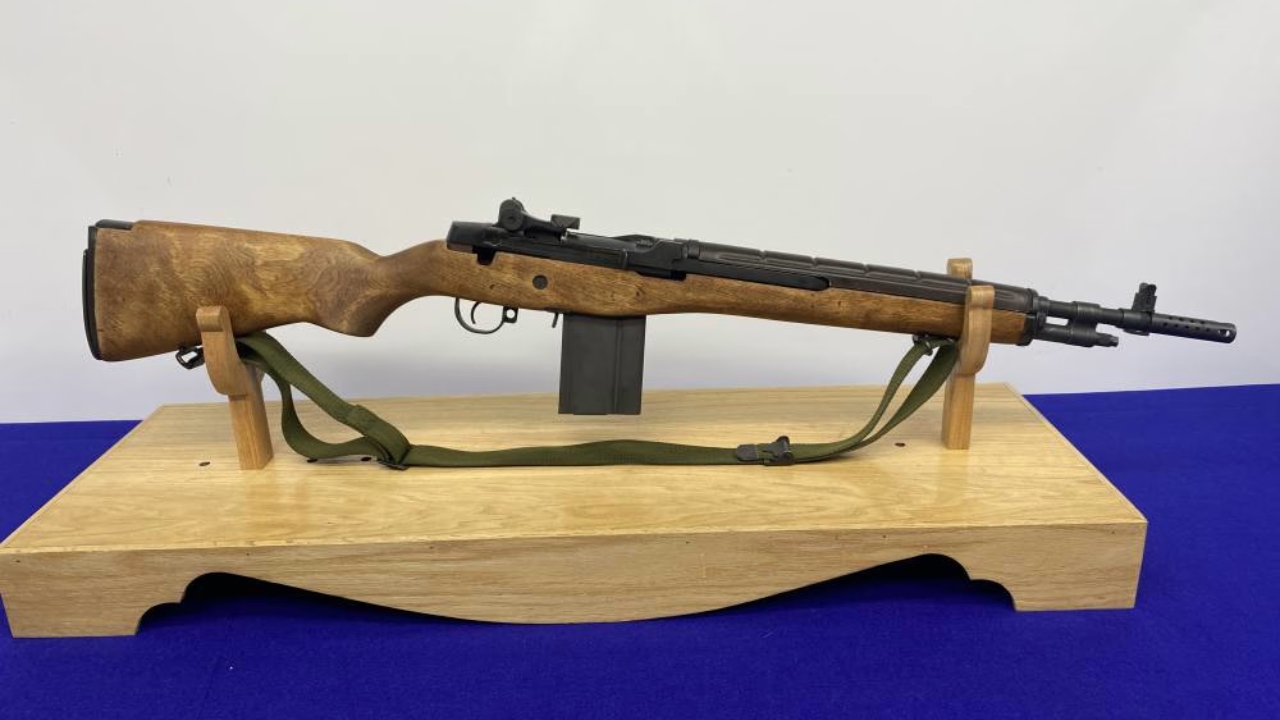
You didn’t see an M1A on every ranch, but when you did, it was usually owned by someone who shot a lot and trusted irons. .308 is a practical cartridge in the Southwest, and a semi-auto .308 has a certain appeal when you’re dealing with multiple coyotes or pigs on the move.
They’re heavier than what most folks want to tote around all day, and they’re not cheap to feed. Still, an M1A that runs right is confidence-inspiring, and you don’t forget the feel of that action.
17. SKS (Norinco and Yugoslav variants)
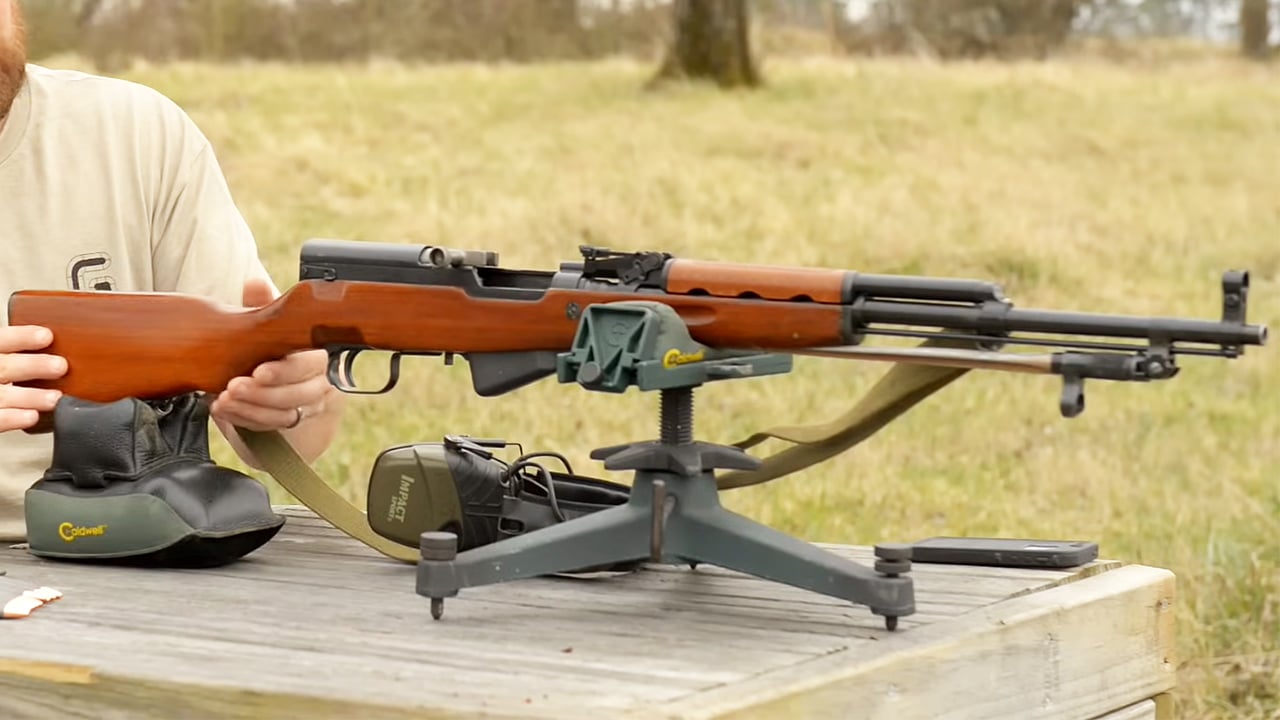
For a long stretch, SKS rifles were just “affordable and dependable,” and that’s exactly why they ended up on ranches. The 7.62×39 does fine for many real-world tasks, especially inside sensible distances, and the rifles handle dust and neglect better than they get credit for.
They’re not sleek. They’re not light. And loading with stripper clips is its own little rhythm. But they were a working man’s option, and now they’re not nearly as cheap as they used to be.
18. Colt AR-15 SP1
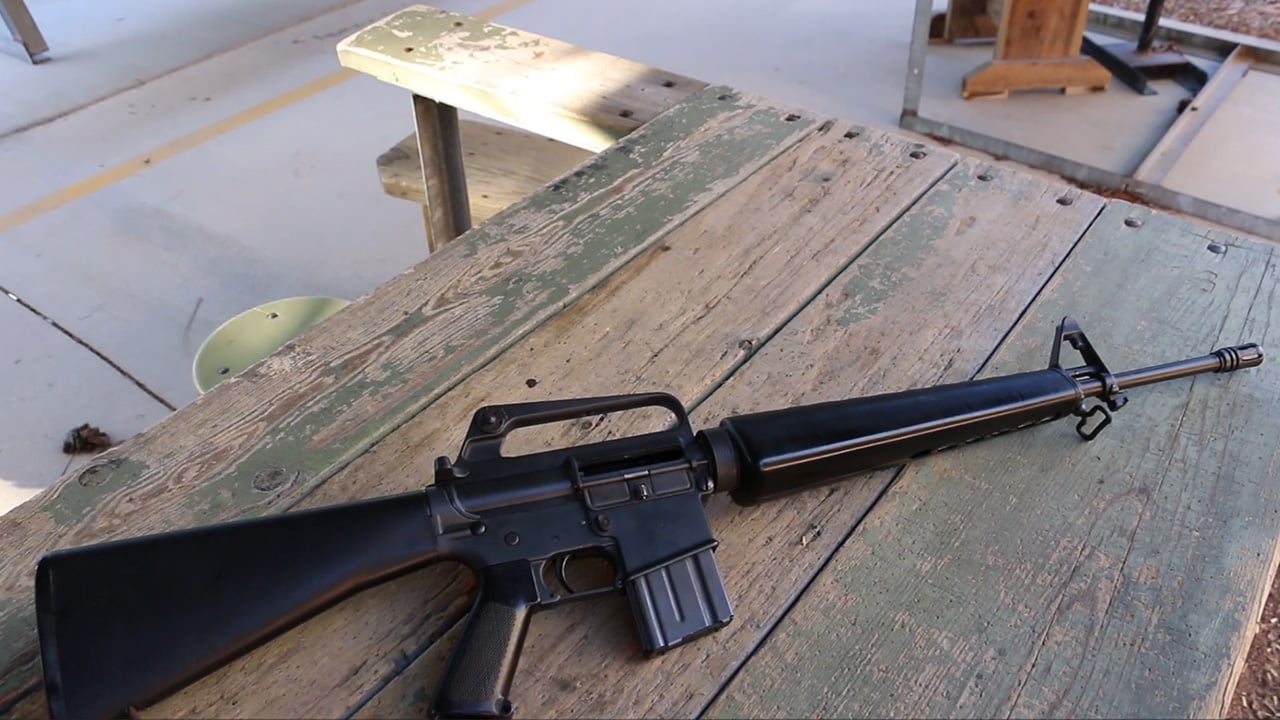
Before ARs were everywhere, a Colt SP1 was a “nice rifle,” and it wasn’t uncommon to see one that belonged to the ranch owner’s son or a guy who just liked quality. Lightweight, easy to carry, and soft-shooting, it made sense for coyotes and general ranch use.
They’re also a snapshot of an earlier AR era—slick-side receivers, simple furniture, and a whole different vibe than today’s rails and red dots. If you’ve got one that hasn’t been messed with, it’s gotten harder to find than most people realize.
19. Browning BAR (in .30-06)
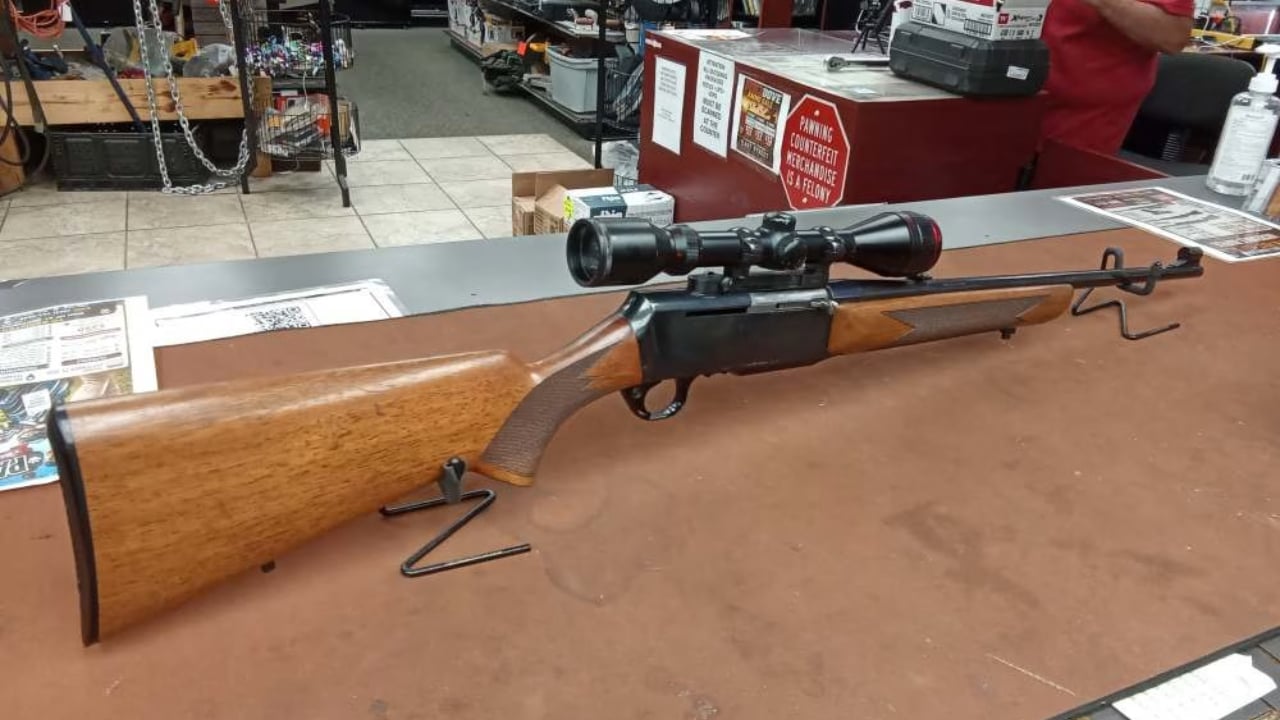
The Browning BAR was for the rancher who wanted a semi-auto that felt like a serious hunting rifle, not a military-style gun. In .30-06, it covered a lot of ground: deer, elk, and anything else that needed real authority behind the shot.
They’re not light, and they can be a little picky about maintenance compared to a bolt gun. But they shoot, they cycle smoothly, and from a blind or a truck door frame, the weight isn’t the curse some make it out to be.
20. CZ 527 (in .223 Remington)
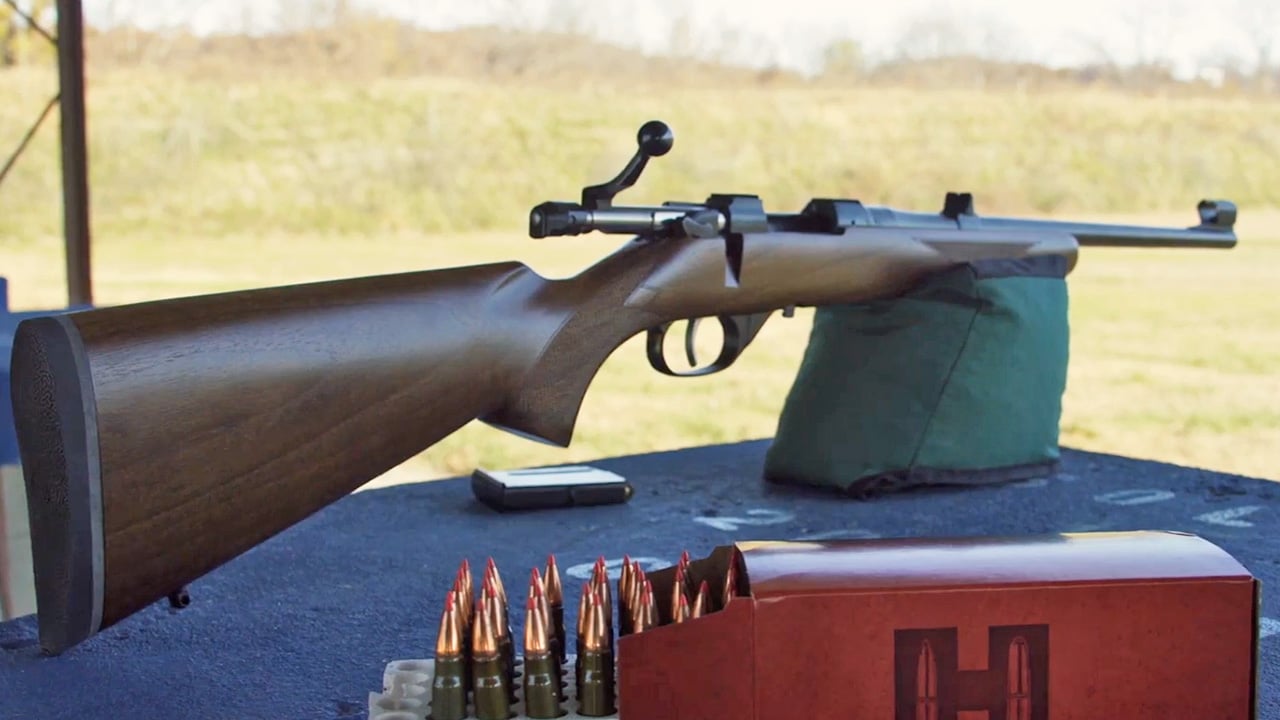
The CZ 527 always felt like a rifle for somebody who pays attention. Small action, controlled-round feed, nice triggers, and it carries like a feather. For ranch varmint work, a handy .223 bolt gun is still one of the most sensible setups out there.
The catch is the magazine sticks down, and some folks never warmed up to that. But if you actually use it, it’s easy to appreciate how it handles and how consistently it shoots. These got discontinued, and it didn’t take long for people to start wishing they’d grabbed one when they were common.
None of these rifles needed an “investment” label to earn their keep. They were there because they handled dust, bumps, and hard use, and they put animals down when it mattered. If you’ve got one leaning in the safe that came from a working place, don’t be too quick to trade it off just because something newer looks cooler on the rack.
Like The Avid Outdoorsman’s content? Subscribe to our newsletter so you never miss an article.
Here’s more from us: