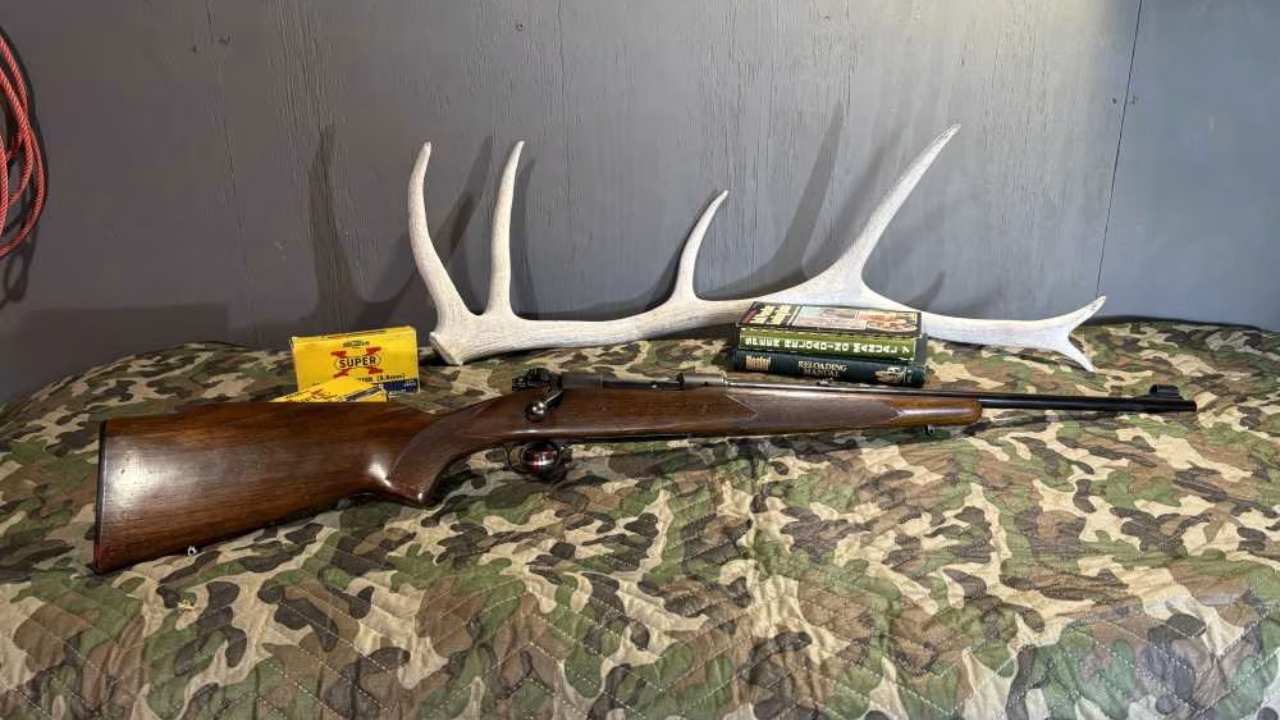
Photo credit: Woody8589/GunBroker
There was a time when a rifle was just a rifle. It rode behind the seat, got leaned on a fence post, wore a cheap sling that squeaked in the rain, and got wiped down with whatever oily rag was closest. Now a bunch of those same rifles get photographed on soft blankets, and folks argue online about correct buttplates, inspector stamps, and whether the bluing looks “too honest.” I’m not mad about it. I just think it’s funny how quickly yesterday’s working gun turns into today’s “don’t touch it” collectible.
Here are 20 rifles that spent their early lives earning their keep and somehow ended up on the pedestal.
1. Winchester Model 94 (pre-1964)
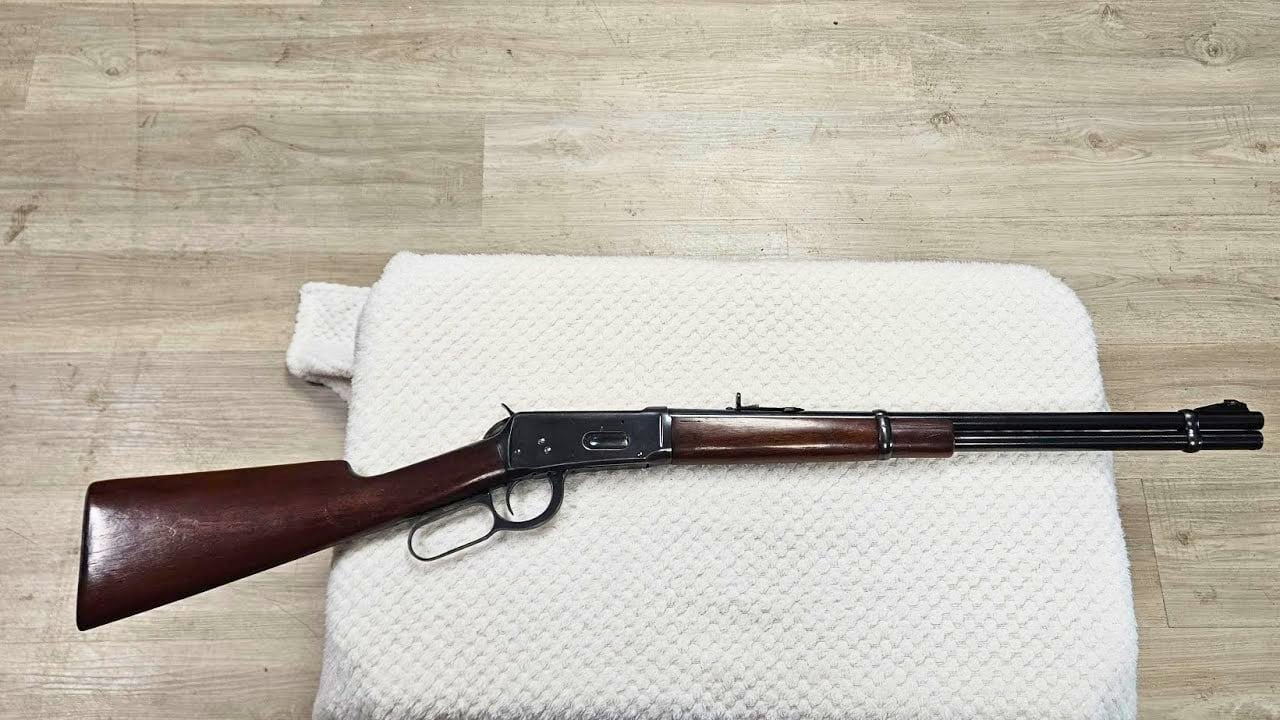
For decades the Model 94 was the pickup rifle in deer country. It lived in scabbards, got carried one-handed by the receiver, and wore the kind of dings that come from doing chores with a gun close by. In .30-30 it wasn’t glamorous, but it killed a lot of deer inside of sane woods ranges, and it pointed fast when a buck slipped through a gap you didn’t plan on.
Now you see pre-64 examples treated like heirlooms, and I get it. The fit and finish on the older ones has a feel to it, and the actions tend to slick up nicely with use. What cracks me up is how many of these rifles were drilled and tapped without a second thought. Back then, a scope was “just an improvement.” Today, extra holes can make collectors wince.
2. Marlin Model 336 (JM-stamped)
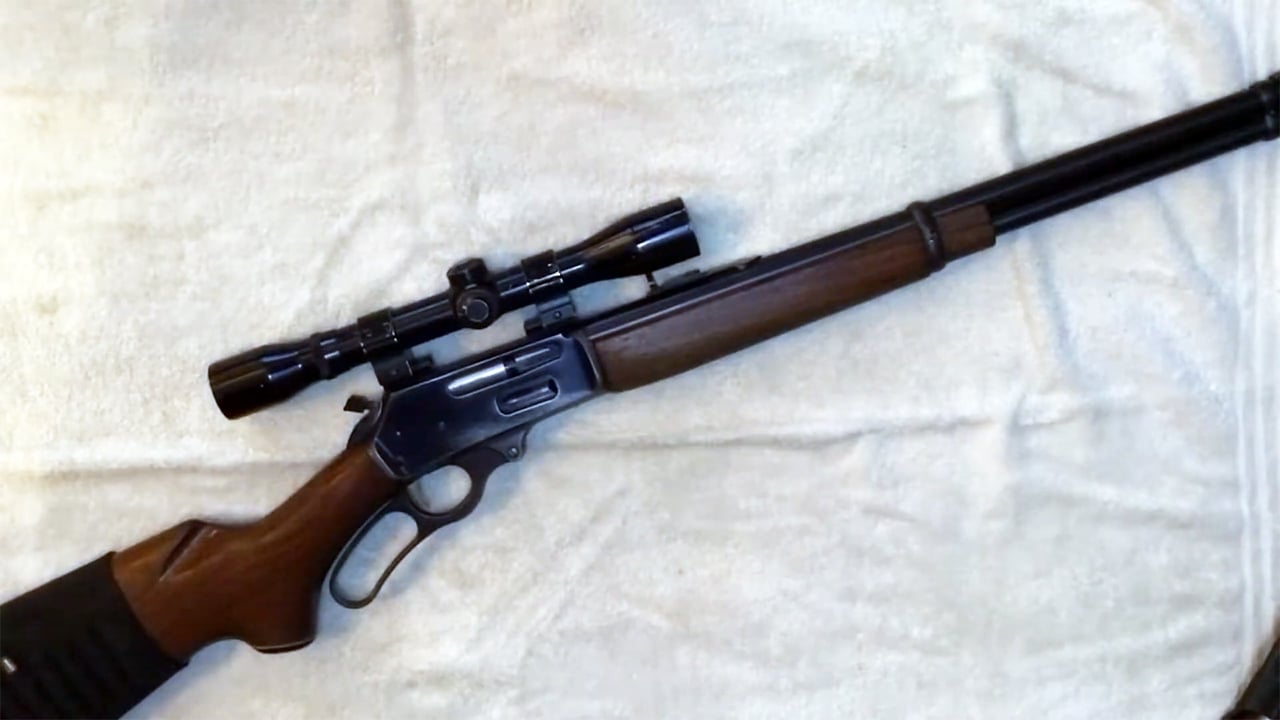
The 336 is one of those rifles that never needed to impress anybody. It just worked. Smooth lever throw, good balance, and in .30-30 or .35 Rem it was a timber gun that carried easy and didn’t snag every limb in the county. Plenty of them lived hard lives in wet deer camps, then got wiped down and put right back to work.
What changed is the “JM” barrel stamp becoming a shorthand for a certain era of build quality. Folks who used to buy these as a practical alternative to a Winchester now hunt specific variants like it’s a rare fly rod. The funny part is the best ones usually look used, because the guys who owned them didn’t baby them. They just hunted.
3. Savage Model 99
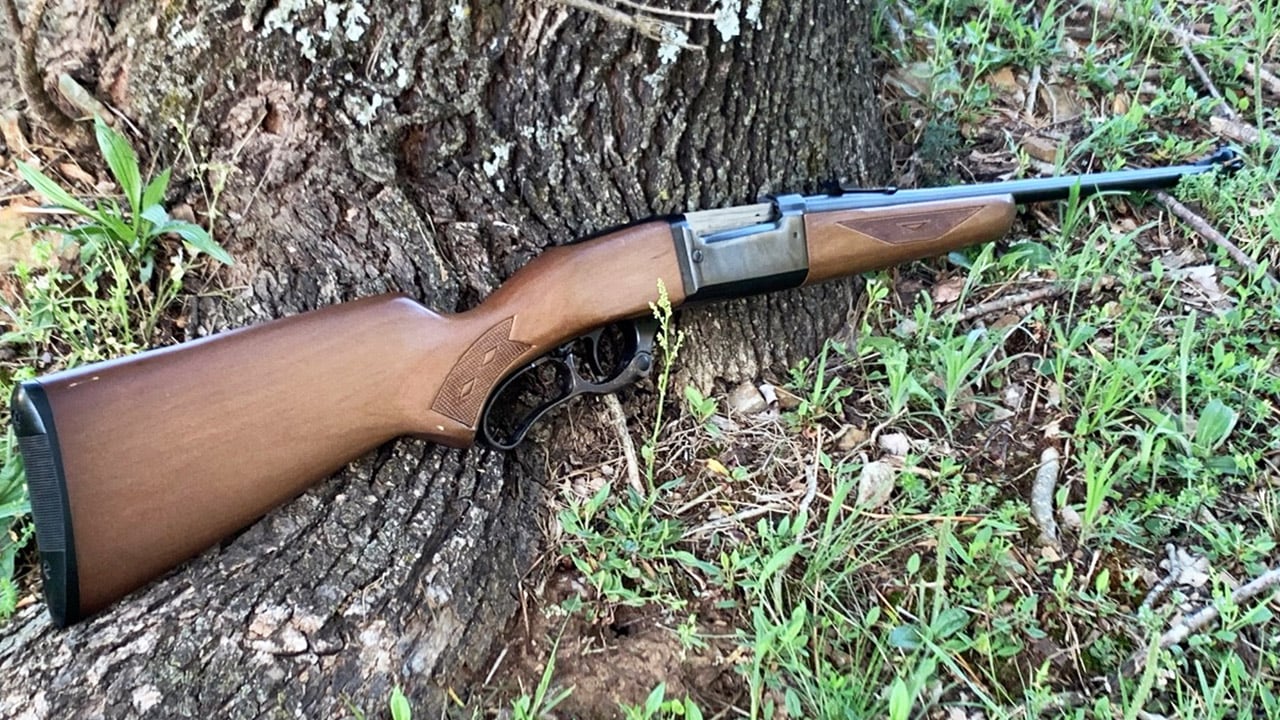
The Savage 99 always felt like a thinking man’s lever gun. It carried like a deer rifle should, and that rotary magazine made it feel a little more modern than its peers. In cartridges like .300 Savage and .308 Win, it hit above its weight class, and it was common to see them in saddle scabbards and behind truck seats because they were accurate enough to matter.
Now, try finding a clean 99 that hasn’t been tinkered with. The ones that survived with original finish and decent wood are treated like collector pieces, and prices reflect it. The downside is parts and competent repair work aren’t as “everywhere” as they used to be, so the 99 has shifted from a user rifle to something folks are nervous to scratch.
4. Remington Model 760/7600 Gamemaster
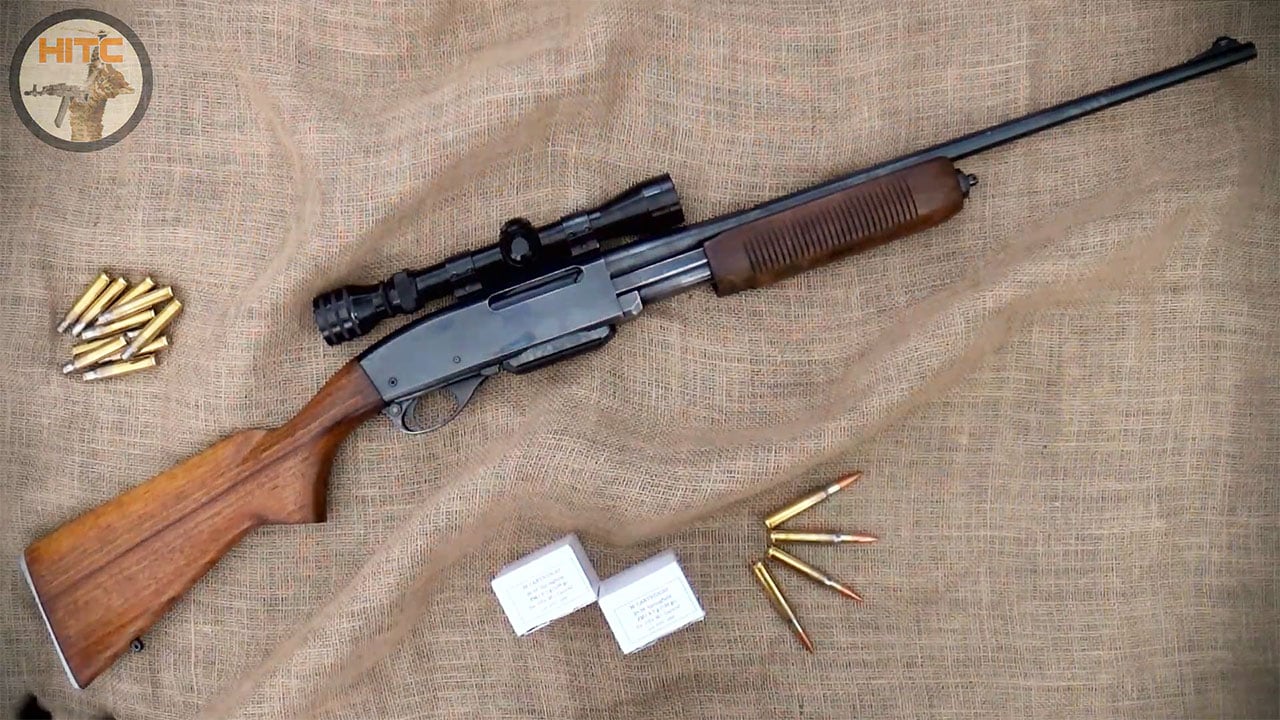
In a lot of big-woods country, the 760 was as normal as wool pants and wet boots. A pump rifle makes sense when you’re used to shotguns, and the 760 handled quick follow-ups without changing your cheek weld much. They also tended to be plenty accurate with the right ammo, which surprised people who only thought of them as brush guns.
These were working rifles, period. They got dragged through alder runs and bounced in camp trucks. Now the market treats certain calibers and variations like they’re scarce gold, especially the “right” .35 Remington guns. And if you’ve ever tried to track down magazines in a hurry, you know why owners hang onto what they’ve got.
5. Ruger M77 (tang safety)

The tang-safety M77 is one of those rifles that looks plain until you live with it. The safety location is just right for a hunting rifle, the controlled-round-feed versions have a loyal following, and they tend to feel solid in the hand like they were made to ride out bad weather. They were bought to hunt, not to show off.
Now, the “tang safety” phrase alone bumps interest, especially for folks who grew up around them. They also represent a time when you could walk into a store and buy a Ruger that felt like it was going to last forever. The wood-to-metal fit varies, and not every barrel is a magic wand, but they’ve become the kind of rifle you see sitting high on the rack instead of leaning by the mudroom door.
6. Ruger No. 1
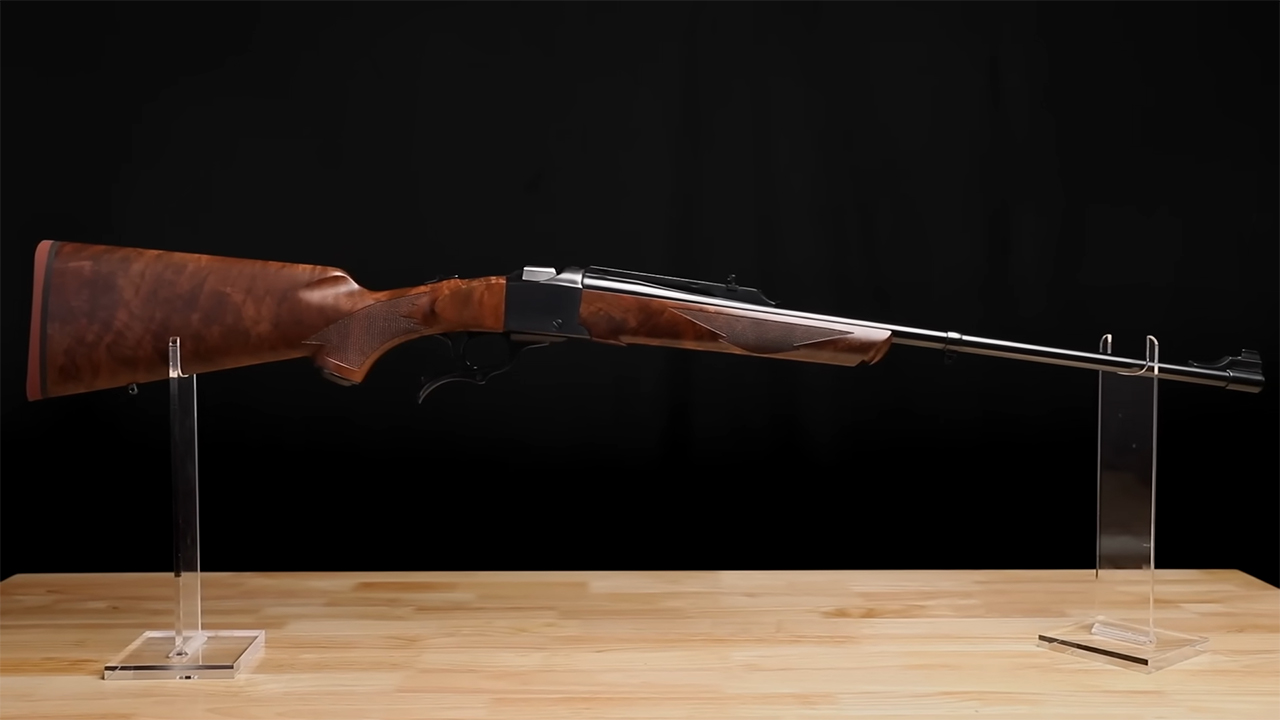
The No. 1 isn’t a practical rifle in the modern sense, and that’s kind of why it’s loved. A strong single-shot with classic lines makes you slow down and hunt like you mean it. For a long time, plenty of these went to the woods anyway, getting carried with a few extra rounds in a pocket and a hunter who didn’t feel under-gunned.
Today, certain chamberings and runs are absolutely collectible, and owners treat them like fine shotguns. The wood can be gorgeous, and the rifle has a heft that feels “right” on a still-hunt. The flip side is they can be finicky about fore-end pressure and load preferences, so the guy who wants easy accuracy sometimes moves on. The guy who appreciates the rifle as an object usually doesn’t.
7. Remington Model 700 BDL (older production)
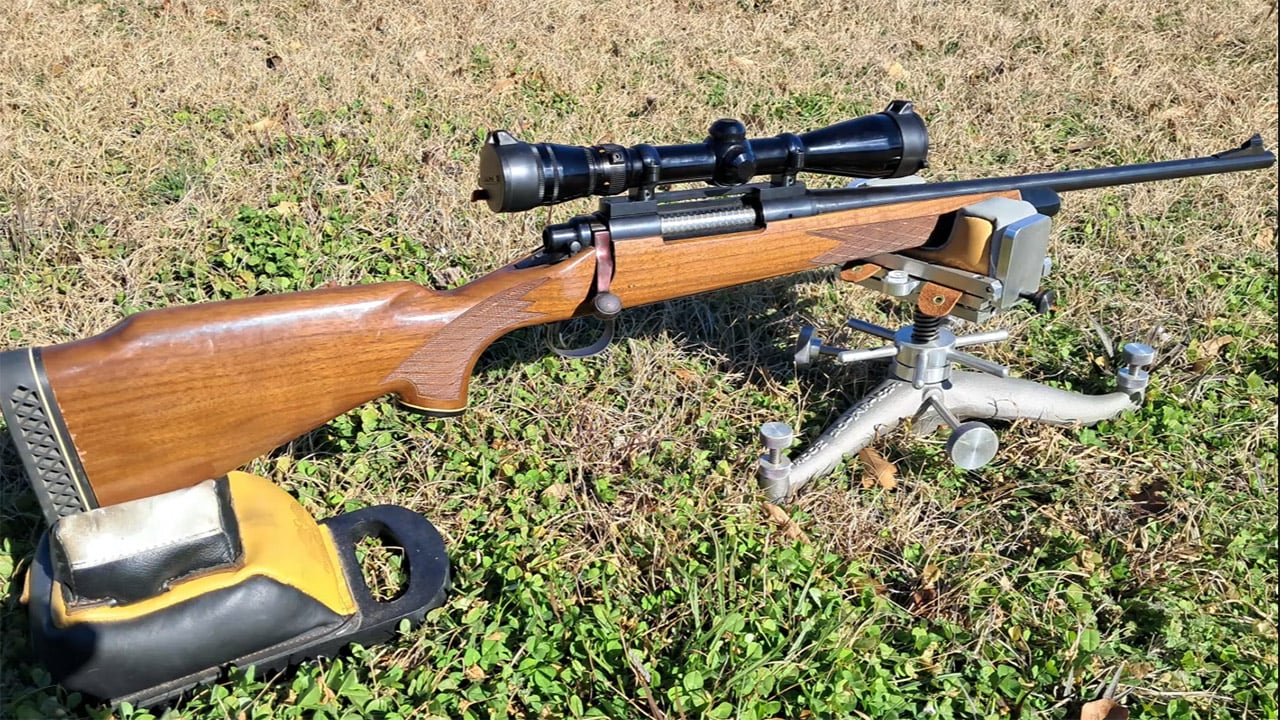
The 700 BDL was a default answer for a long time. Glossy walnut, hinged floorplate, and a bolt throw that felt familiar to generations of hunters. It was the rifle you bought when you wanted one good rifle to do most things, and it often ended up wearing a 3-9x scope that never came off.
Now, older BDLs get treated like “the good ones,” and you’ll see guys specifically hunting certain dates and markings. Part of that is nostalgia, and part is the way they feel compared to some of the newer budget rifles. They’re still excellent hunting tools, but they’ve crossed into collectible territory because so many were used hard, rebarreled, or turned into projects. Original, clean examples don’t sit around long.
8. Winchester Model 70 (pre-64)

If you’ve been around rifles long enough, you’ve heard somebody speak about a pre-64 Model 70 like it’s a family member. These rifles went everywhere: elk camps, sheep hunts, bean fields, you name it. They weren’t safe queens. They got packed on horses and laid across packs, and they still tended to feed and extract like they meant business.
Now they’re often handled with white-glove energy, especially in desirable chamberings. The controlled-round-feed reputation is a big part of it, but so is the fact that a lot of them were altered back when nobody thought twice. Drilled for different sights, recoil pads swapped, stocks refinished. Finding one that’s truly “right” is harder than it seems, which is why collectors circle them like buzzards.
9. Springfield Armory M1 Garand (CMP-era bring-backs and rebuilds)
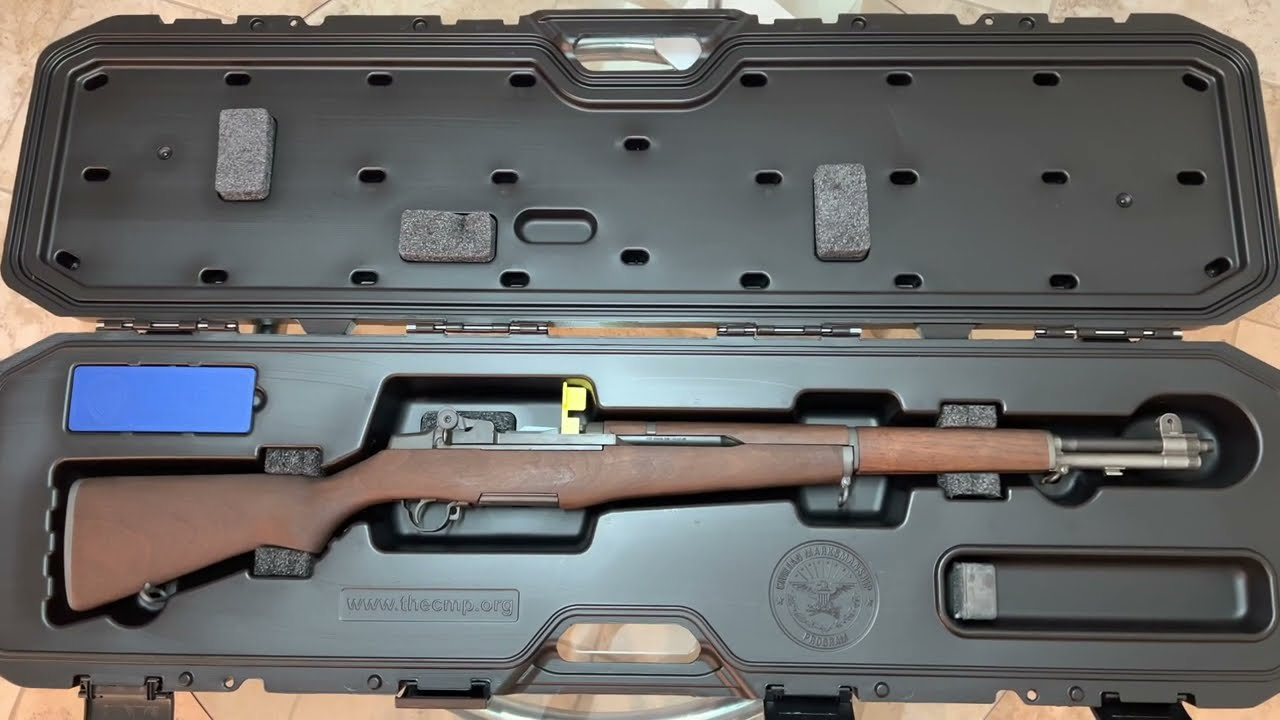
The Garand was a service rifle, then it became a deer rifle in plenty of places that allow it. It’s heavy, it’s long, and it doesn’t apologize. But it shoots well, irons are excellent, and it has a feel that makes you want to shoot it more than you planned. A lot of them were bought cheap enough that owners treated them like range workhorses.
Now the same rifles—especially those with correct parts or interesting markings—are treated with serious collector caution. Even the rebuilt mixmasters have climbed because demand doesn’t go away. And it’s not just price. It’s the hassle of finding good clips, keeping the rifle maintained properly, and deciding how much wear you’re willing to add to a piece of history. Plenty still get shot. Fewer get “used.”
10. U.S. Springfield M1903 (and 1903A3)
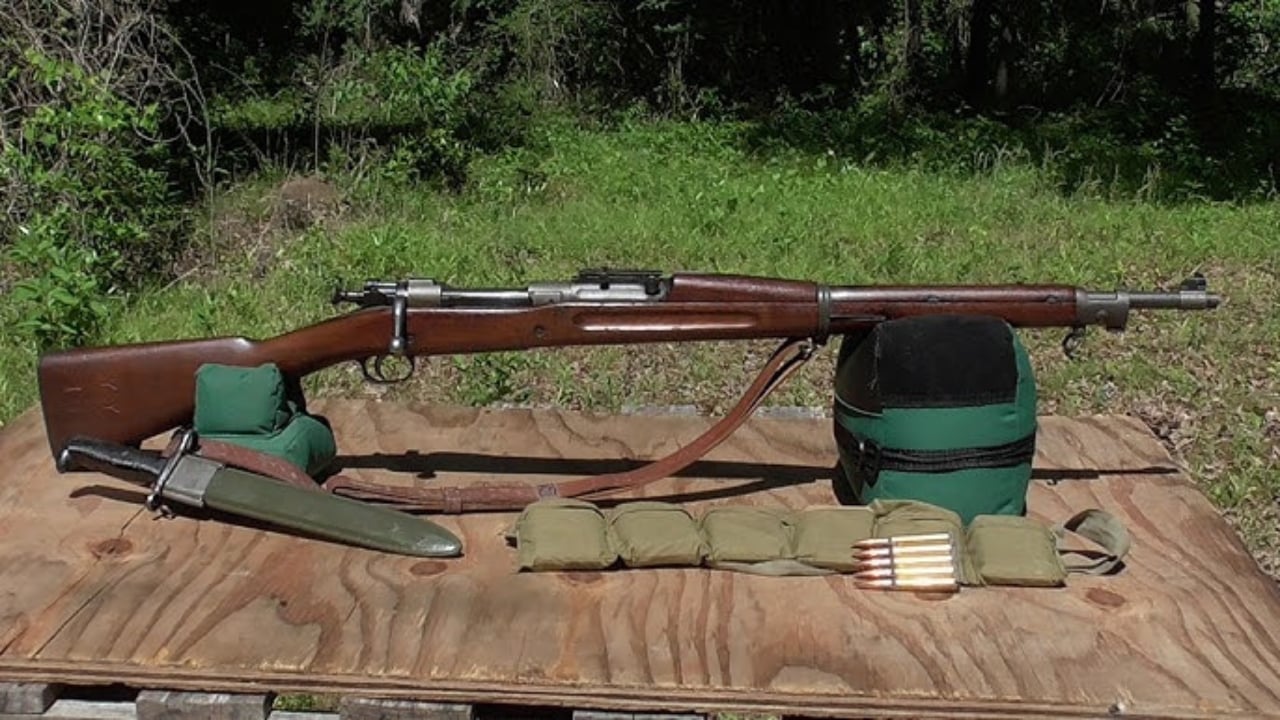
The 1903 series is the definition of a rifle that got sporterized without a second thought. After the wars, guys wanted a cheap hunting rifle, and these actions were strong and plentiful. Barrels got cut, stocks got carved, and drilled receivers were as common as coffee cans full of .30-06 brass.
Fast forward and original examples—especially correct configurations—are treated like museum pieces. That hurts a little, because the “working gun” era permanently altered a lot of them. Still, the ones that remain intact show why they were respected: good sights, solid machining, and a feel that modern mass production doesn’t always match. If you’ve got one that’s correct, it’s smart to treat it gently, even if it was built to be anything but gentle.
11. Mosin-Nagant 91/30
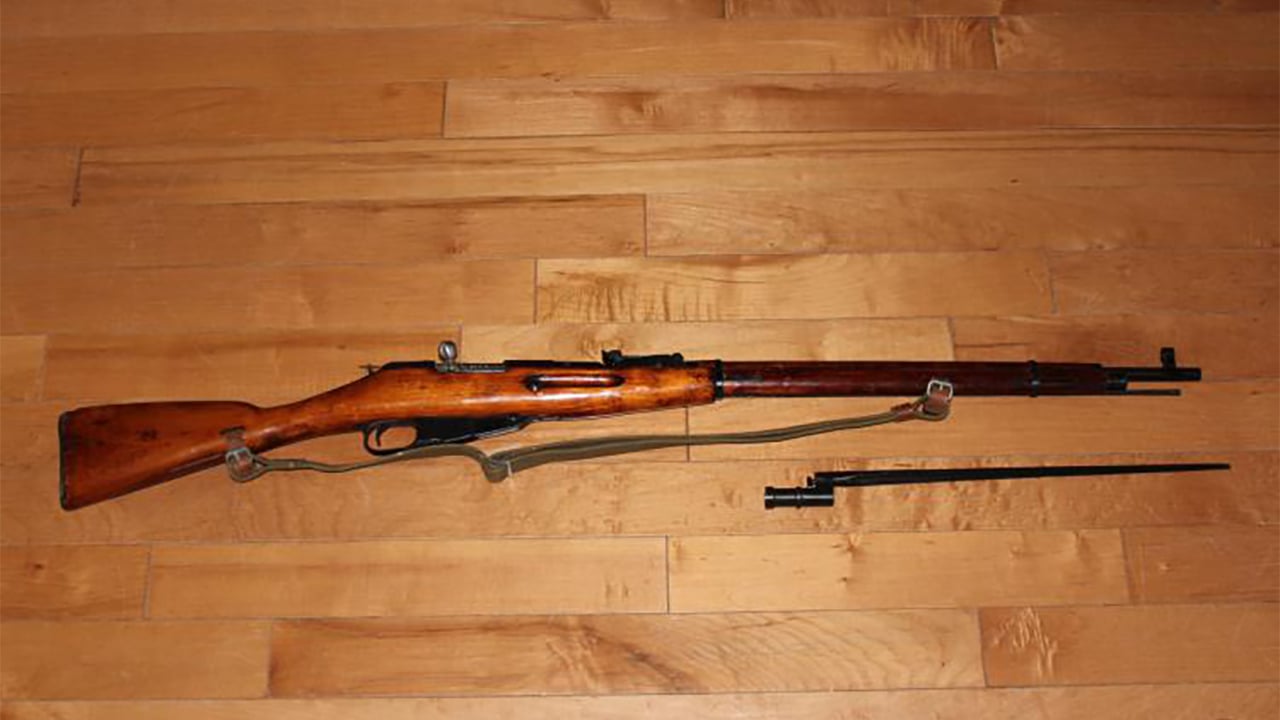
This one is almost comical. Not long ago, these were stacked like cordwood. Guys bought them because they were cheap, tough, and the ammo was affordable. They got taken to deer camps with bargain scopes mounted on questionable rails, and plenty were dragged through snow and mud because, well, it’s a Mosin. It’ll survive.
Then the supply dried up, ammo got weird, and suddenly a clean 91/30 with the “right” markings is something folks debate over. I’m not saying every Mosin is a collectible gem, but the market definitely moved. The rifles that stayed unmodified, with intact stocks and matching numbers, are treated very differently than the old truck-gun days. Ask the guy who sold three of them for what a single case of ammo costs now.
12. SKS (especially Russian and early imports)
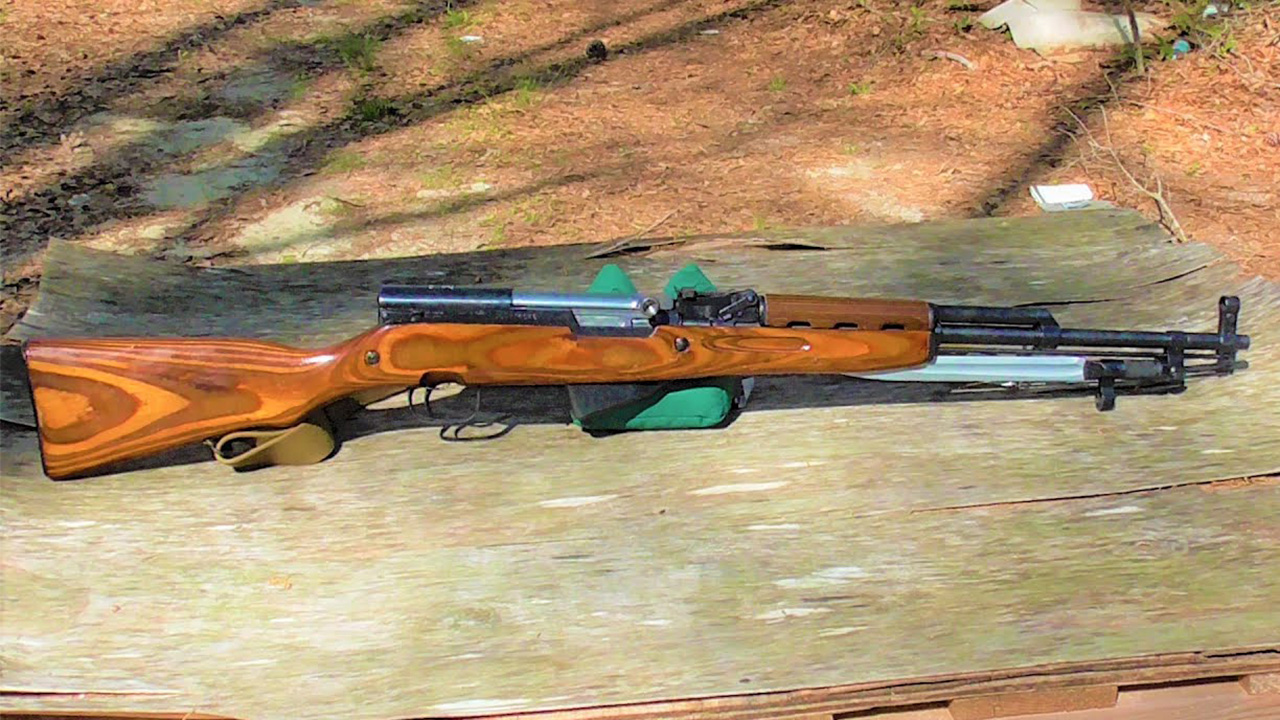
The SKS used to be the definition of “good enough.” It was reliable, handy, and cheap. People bought them as ranch rifles, backup rifles, or just because they wanted something that went bang without being finicky. A lot got bubba’d with plastic stocks, detachable magazines that didn’t run right, and homemade “tactical” ideas.
Now, a clean, original SKS—especially Russian, early Chinese, or certain factory variants—gets treated like a serious collectible. Original stocks and matching parts matter, and the rifles that avoided the accessory craze are the ones bringing the money. The funny part is they’re still practical. Stripper clips are fast with a little practice, and the recoil is mild. But once a rifle becomes “collector clean,” fewer owners want to toss it behind the seat with a chainsaw.
13. Colt AR-15 SP1
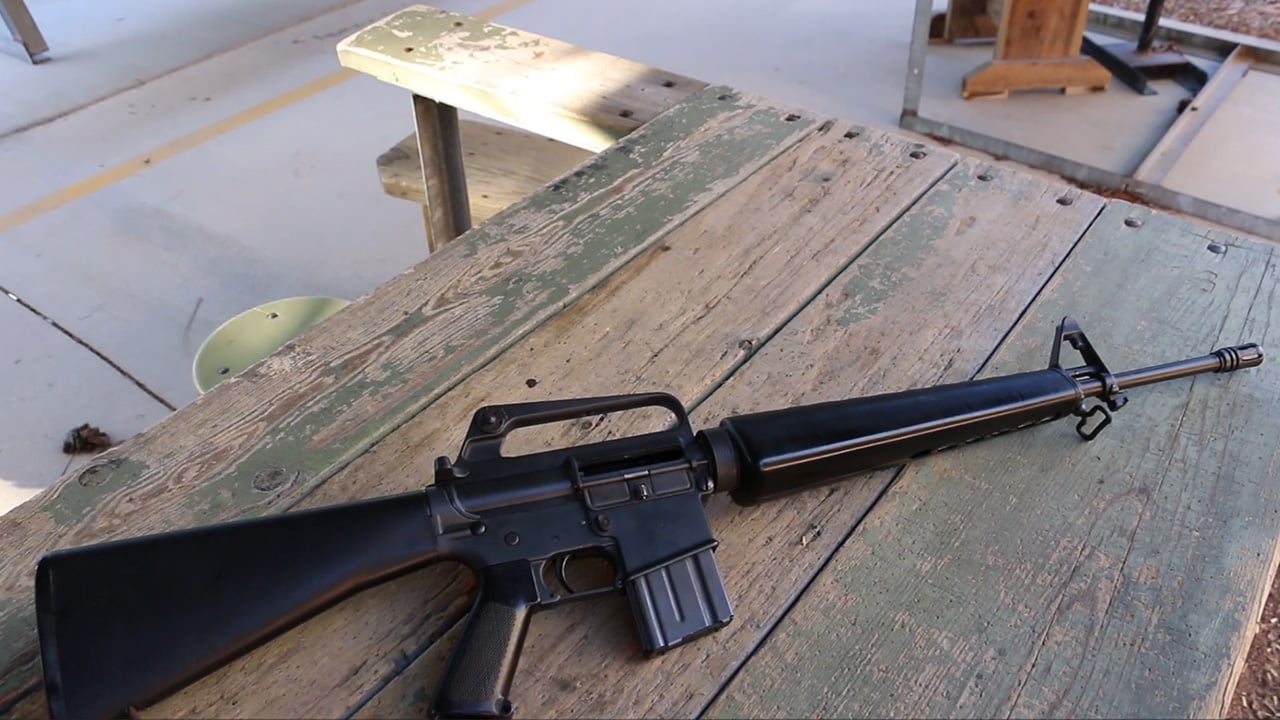
Early civilian ARs weren’t bought because they were “icons.” They were bought because they were interesting, lightweight, and shot flat. The SP1 era rifles got used at ranges, knocked around in closets, and modified as the accessory market exploded. Back then, swapping handguards or changing furniture felt like no big deal.
Now, an SP1 with correct features is a whole different animal. The early slick-side vibe and lightweight feel is appealing, and “original” is the word that matters. That’s a rough twist, because these rifles were made to be used and upgraded. Finding magazines is easy, parts exist, and they’re still fun shooters. But as prices climb, they’re more likely to be handled like a classic car than a weekend range rifle.
14. FN FAL (DSA, Imbel, and quality kit builds)
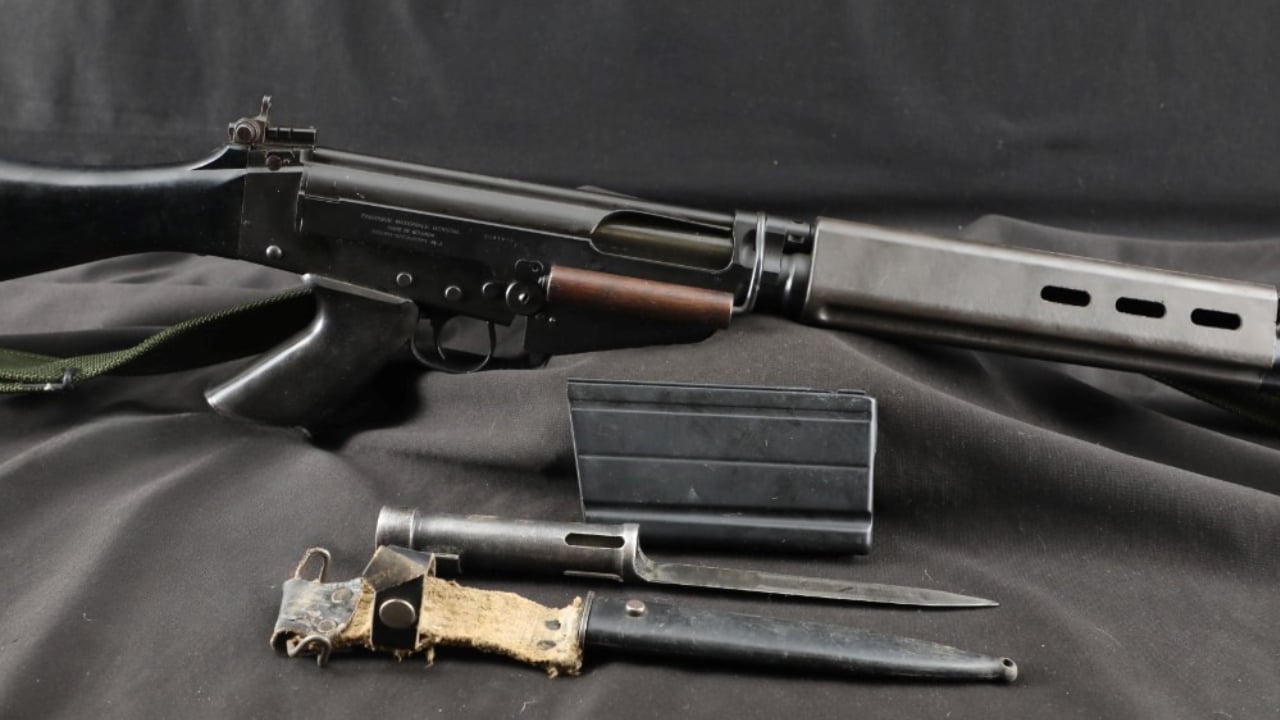
The FAL was a working rifle in every sense—battle-proven, rugged, and built around a full-power cartridge that doesn’t care about brush or wind as much as smaller rounds. In the U.S., it became a “real rifle” for guys who wanted .308 semi-auto capability before that was common. They got run hard at ranges and carried in the field by folks who didn’t want to baby anything.
Import restrictions, parts kits drying up, and the sheer cool factor changed the tone. A clean Imbel or a well-done kit build with the right parts now gets treated like something you preserve. Magazines used to be everywhere; now you pay attention to what you’ve got. They’re also heavy, which keeps them honest—nobody buys an FAL thinking it’s a featherweight mountain rifle. Still, it’s one of those rifles that went from “shooter” to “collector” without ever changing what it is.
15. Heckler & Koch HK91 / PTR-91 (early pattern rifles)

Roller-delayed rifles have a certain feel. The recoil impulse is different, they run dirty but keep running, and they throw brass like they’re trying to clear the firing line. HK91s were used like serious rifles by serious shooters, and plenty got scuffed up because they weren’t bought as wall art.
Now the HK name alone makes folks cautious, and original HK91s bring collector money. Even some early PTR guns have become “keep it nice” rifles depending on configuration. The downside is the platform can be hard on brass, optics mounting isn’t as effortless as an AR, and triggers vary. But as a durable .308 semi-auto with real history, they’ve become something a lot of owners hesitate to rough up, even though that’s exactly what they were made for.
16. Ruger Mini-14 (early 180-series and classic Ranch Rifles)

The Mini-14 has always been the “I just need a rifle” rifle. Ranchers liked them, folks who didn’t want an AR liked them, and they rode in trucks for predator control, nuisance work, and general property defense. Early guns weren’t target rifles, but they did what they needed to do, and they handled nicely.
Now you see early-series Minis and certain configurations bringing surprising money, especially with factory folders or clean original condition. Magazines are a whole conversation by themselves—factory mags run, bargain mags often don’t, and that reality has shaped the Mini’s reputation. Later Minis generally shoot better, but the older ones have that “classic working rifle” vibe. It’s not fancy, and that’s kind of the point. Yet collectors still chase them.
17. Winchester Model 1894 (antique-era and early smokeless guns)
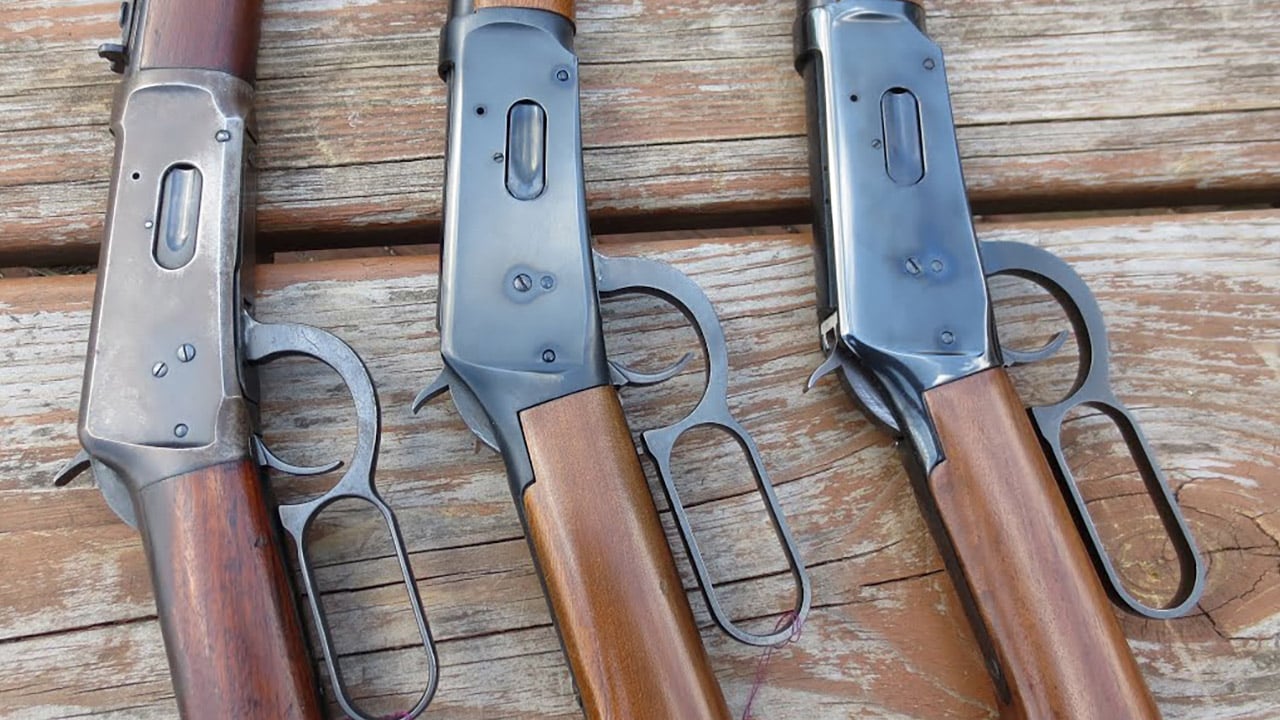
Long before “collectible” was a common word at the gun counter, the 1894 was a tool. It put meat on the table, guarded livestock, and rode in wagons and trucks as times changed. The rifles from the earlier years often show honest wear because they lived in a world where you owned one rifle and used it.
Today, the antique status of many early 1894s, plus the history behind them, has pushed them into a different category. Condition drives everything, and it’s tough because a lot of these rifles look exactly like a working gun should look. Not pristine. Not perfect. Just used. If you find one with strong bore and original finish, it’s tempting to keep hunting with it. I won’t tell you not to, but I understand why many owners don’t.
18. Marlin Model 39A
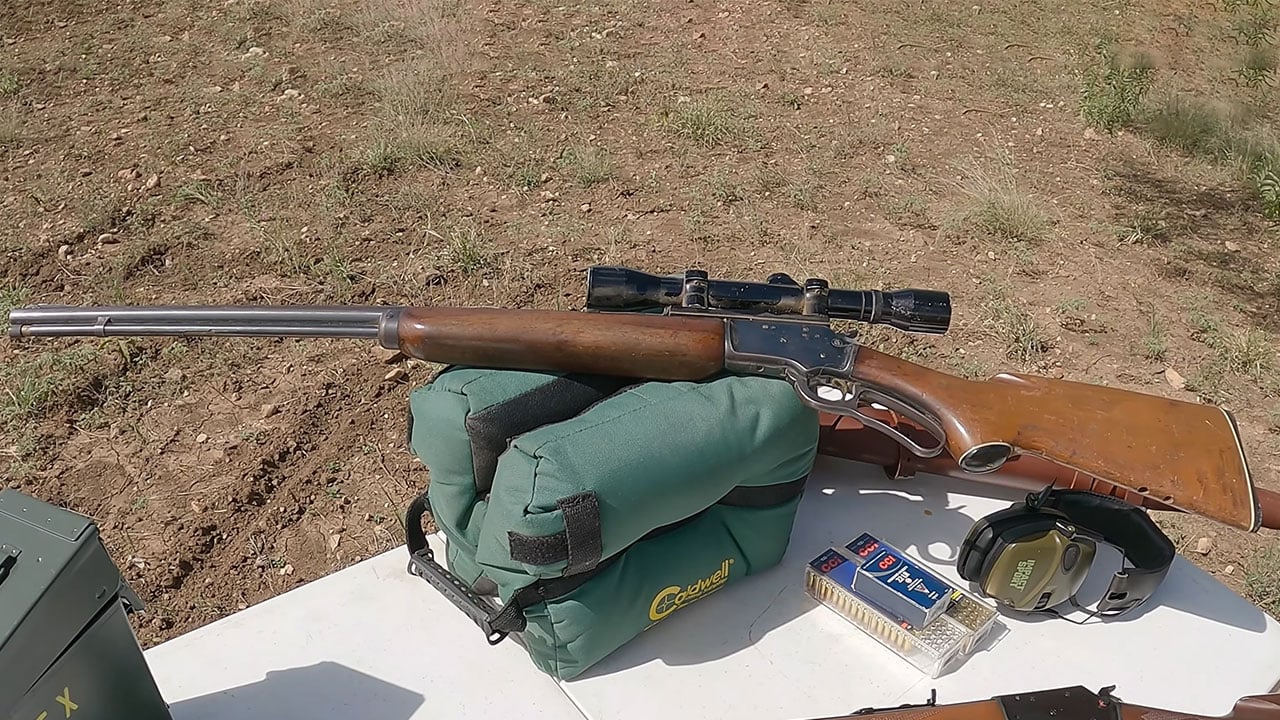
A good .22 lever gun is one of the most useful rifles a person can own, and the 39A was the top of that heap for a long time. They got used for squirrels, plinking, farm pests, and teaching kids to shoot. They also got handed down, which is why you run into them with smooth actions and worn bluing that still function perfectly.
Now, the 39A is treated like a prize. Prices climbed, and the rifles that used to live behind the kitchen door are suddenly “too nice” in some folks’ minds. Mechanically, they’re still just a solid takedown lever .22, but the craftsmanship and the feel of the action set them apart from a lot of modern rimfires. Parts aren’t as casual to source as they once were, either. It’s the kind of rifle you shoot, then clean, then put away like you mean it.
19. CZ 452 (especially American and Lux variants)
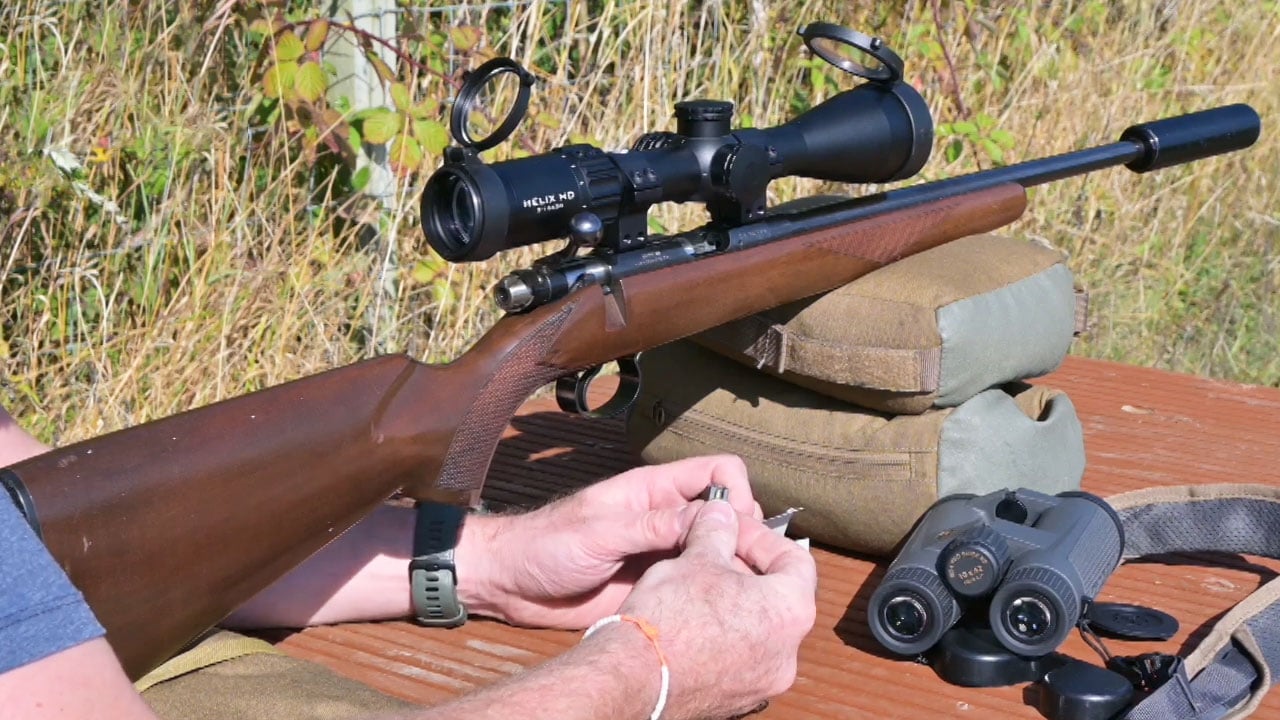
The CZ 452 was a working rimfire that punched way above its price. It was common to see them used hard by squirrel hunters and guys who actually practice with a .22 instead of just owning one. The set triggers on some variants, the good barrels, and the simple reliability made them easy to love. They weren’t marketed as collectibles; they were just good.
Then the 452 got replaced by newer models and the market decided the older guns had a certain magic. Some of that is real. The 452’s fit, finish, and accuracy reputation is earned, and a clean example with the right sights or stock configuration doesn’t last long on a used rack. Magazines are still available, but owners tend to hoard them. It’s one of those rifles that makes you realize a “boring” .22 can be the most-shot gun you own.
20. Browning BAR (Belgian-made and early Japanese production)

The hunting BAR is not the same story as the military BAR, but it’s still a rifle that got treated like a tool. These semi-auto deer rifles rode in cases, sat in blinds, and got carried on drives where quick second shots mattered. They’re heavier than a lot of bolt guns, but they soak up recoil and keep the sight picture steady, which is why folks stuck with them.
Now the nicer Belgian guns and early production rifles get treated like they’re too pretty to hunt with, even though they were built for exactly that. The wood can be excellent, and the rifles have a smoothness that’s hard to duplicate. The tradeoff is maintenance and parts aren’t as casual as a basic bolt-action, and magazines can be pricey. Still, if you grew up around one, it’s hard not to see them as “real deer rifles,” even when the collector market says otherwise.
The main lesson in all of this is simple: yesterday’s plain rifle can become tomorrow’s hard-to-replace classic. I’m not saying you should lock everything in the safe and stare at it. Guns are tools. But if you’ve got one of these in clean, original shape, it’s worth thinking twice before you start swapping parts, refinishing wood, or treating it like a shovel. Some wear is honest. Some changes you can’t undo.
Like The Avid Outdoorsman’s content? Subscribe to our newsletter so you never miss an article.
Here’s more from us: