Photo credit: TheGearTester/Youtube
I’ve owned plenty of handguns that were fun, accurate, even impressive on the range. But only a few became “the one” that rode with me through regular life: early mornings in the truck, checking fence lines, slipping into a deer stand before daylight, and the kind of quick trips into town where you do not want to think about gear at all.
The gun I carried the longest wasn’t flashy. It wasn’t rare. It was just right. Then life happened, the money got tight, and I did what a lot of us have done at least once: I sold a perfectly good tool to cover a bill. I’ve bought other pistols since, but I still haven’t truly replaced that old stand-by. Here are 20 handguns that fit that same mold—guns you carry for years, sell when you have to, and later realize they were harder to replace than you expected.
1. Glock 19 (Gen3/Gen4)

If you carried one handgun hard for close to a decade, there’s a good chance it looked a lot like a Glock 19. It’s boring in the best way. The size hits that sweet spot where it’s big enough to shoot well under stress and small enough to live on your belt without constantly adjusting your shirt. The grip angle either works for you or it doesn’t, but if it does, it points fast and stays consistent.
The real magic is how easy it is to keep running. Magazines are everywhere, holsters are everywhere, parts are everywhere, and you can find a shop that knows them in any decent-sized town. When you sell one, you assume you’ll just grab another later. Then prices jump, the exact generation you liked gets harder to find, and you start realizing your “replacement” doesn’t feel quite the same in hand.
2. Smith & Wesson M&P9 Compact 2.0

The M&P Compact is one of those pistols that quietly wins people over after a couple range trips. It sits low in the hand, the texture actually stays put when your palms are sweaty, and it shoots flatter than you’d expect for the size. If you spend time outdoors, that grip texture matters when it’s cold or raining and you’re not exactly in “range conditions.”
It’s also one of those guns you can set up simply and leave alone. A basic set of steel sights, a quality belt holster, and you’re done. Selling it feels painless because there isn’t much romance to it. But once you live without it, you miss how it carried and how it shot the same whether you were practicing at 7 yards or stretching it a bit farther.
3. SIG Sauer P365
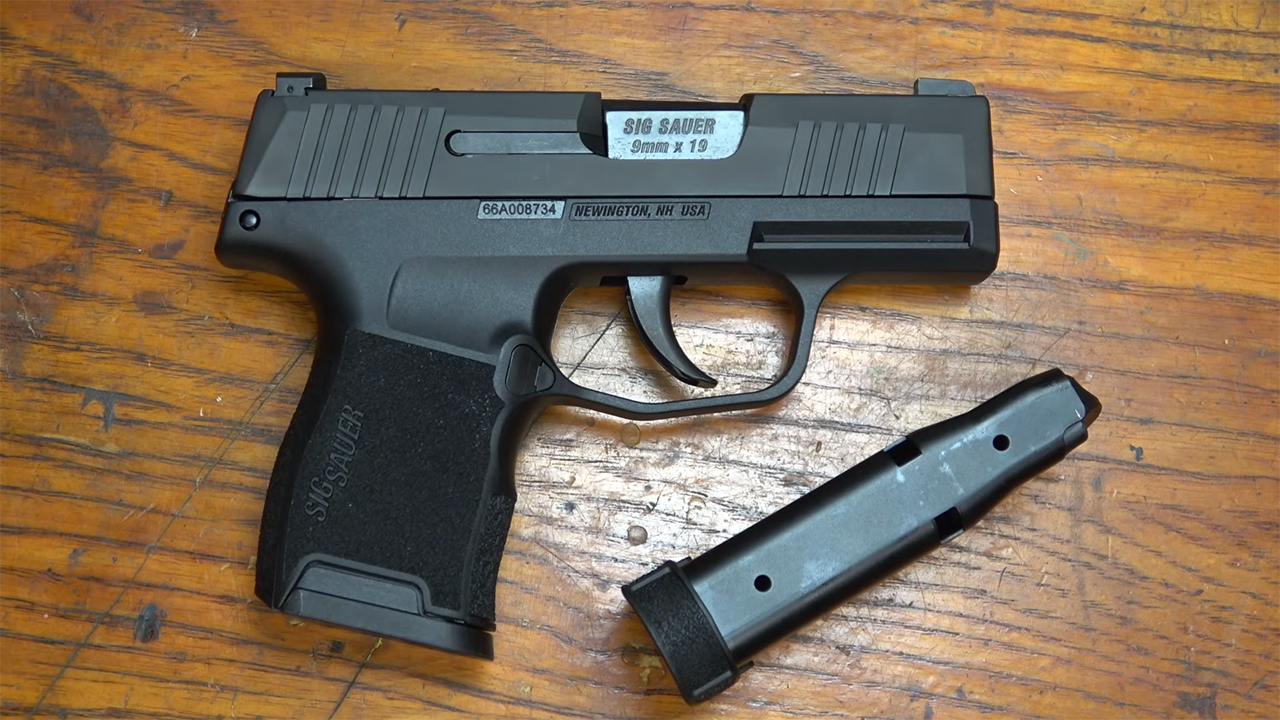
The P365 changed the game for a lot of folks who wanted a truly small carry gun without giving up capacity. It’s easy to forget how big of a deal that was until you go back and handle older micro-compacts. The P365 carries light, disappears under a normal t-shirt, and still gives you a grip you can actually control.
Where it earns long-term loyalty is the balance between convenience and shootability. Plenty of tiny pistols carry great and shoot terrible. This one is manageable if you do your part, and with a little practice it’s easy to keep hits where they belong. If you sold yours during a cash crunch, you can absolutely buy another, but it’s rarely “just another.” You end up chasing the same feel with different grip modules and still thinking about the one you had broken in.
4. Ruger SP101 (2.25-inch)
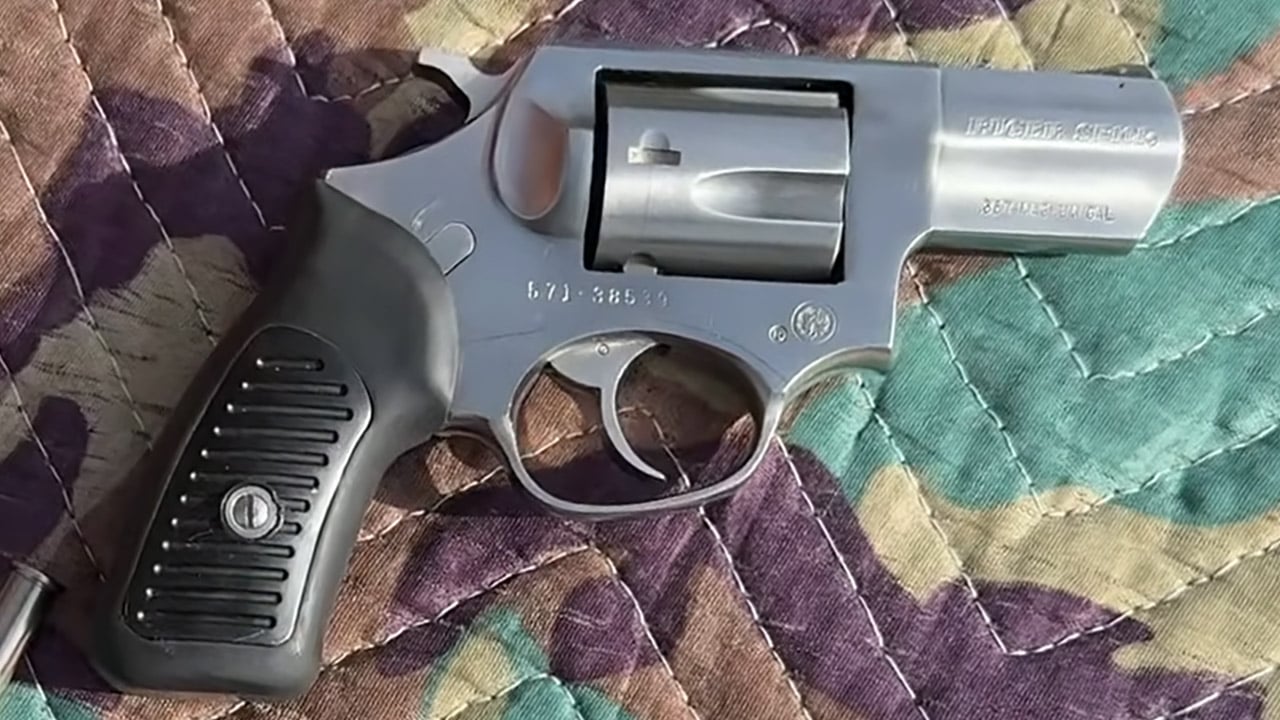
The SP101 is not a trendy gun, and it doesn’t pretend to be. It’s a small revolver that’s built like a brick. For folks who spend time in the woods, that counts for something. You can bang it on a truck door, get dust in it, carry it in a chest rig while you’re cutting firewood, and it just keeps being a revolver.
They aren’t the lightest choice, and .357 Magnum in a short barrel is no one’s idea of relaxing. But as a practical “always works” sidearm, it’s hard to beat. When you sell one, you miss the simplicity. No magazines to track. No worries about limp-wristing when your hands are cold. And if you’re honest, you miss that solid clunk of the cylinder locking up like it means business.
5. Smith & Wesson Model 642 (Airweight)
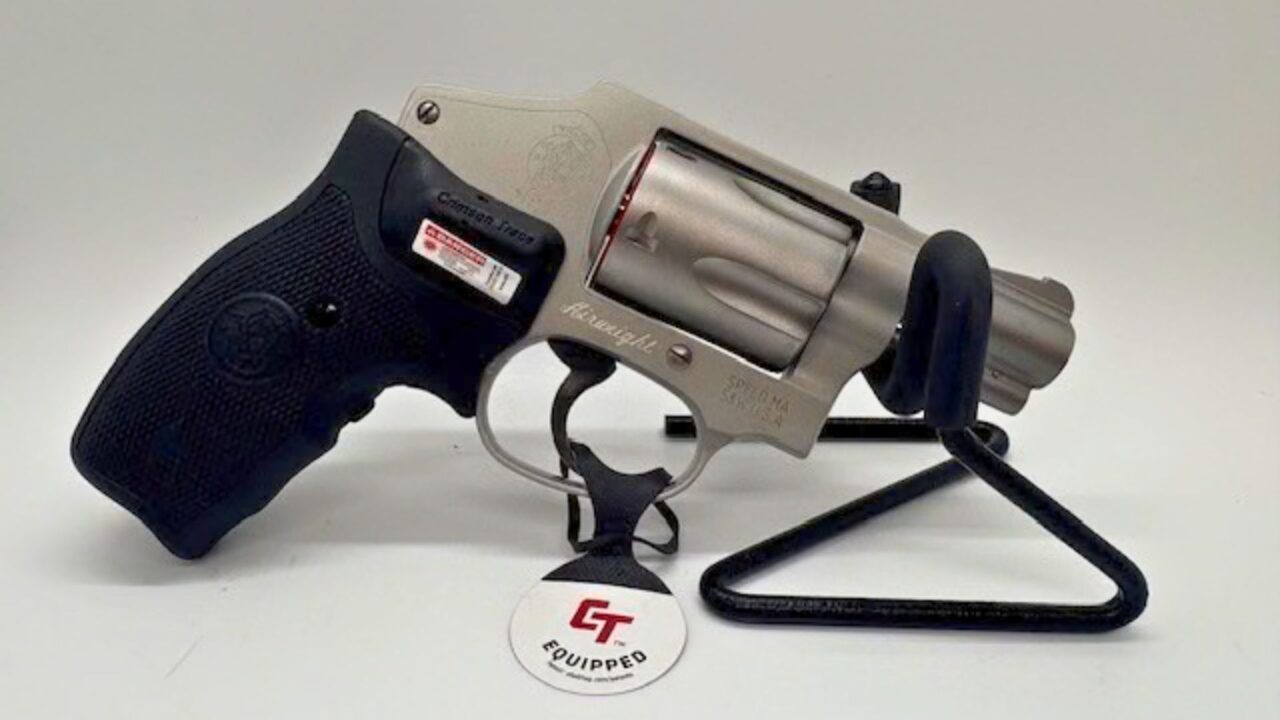
A 642 is the gun you carry when you don’t feel like carrying a gun. Pocket carry, quick errands, summer heat—it fills that niche. Is it fun to shoot? Not really. Is it easy to shoot well at speed? It takes practice. But it is the kind of pistol that actually gets carried, which is the whole point.
Sell one and you’ll probably replace it with something “better” on paper. Then you realize “better” is bigger, heavier, more complicated, or pickier about ammo. The little Airweight isn’t glamorous, but it’s dependable in a way that makes you forgive the trigger and the snap. For an outdoorsman, it’s also a solid “backup to the backup” when you’re in a coat one day and a t-shirt the next.
6. Glock 26
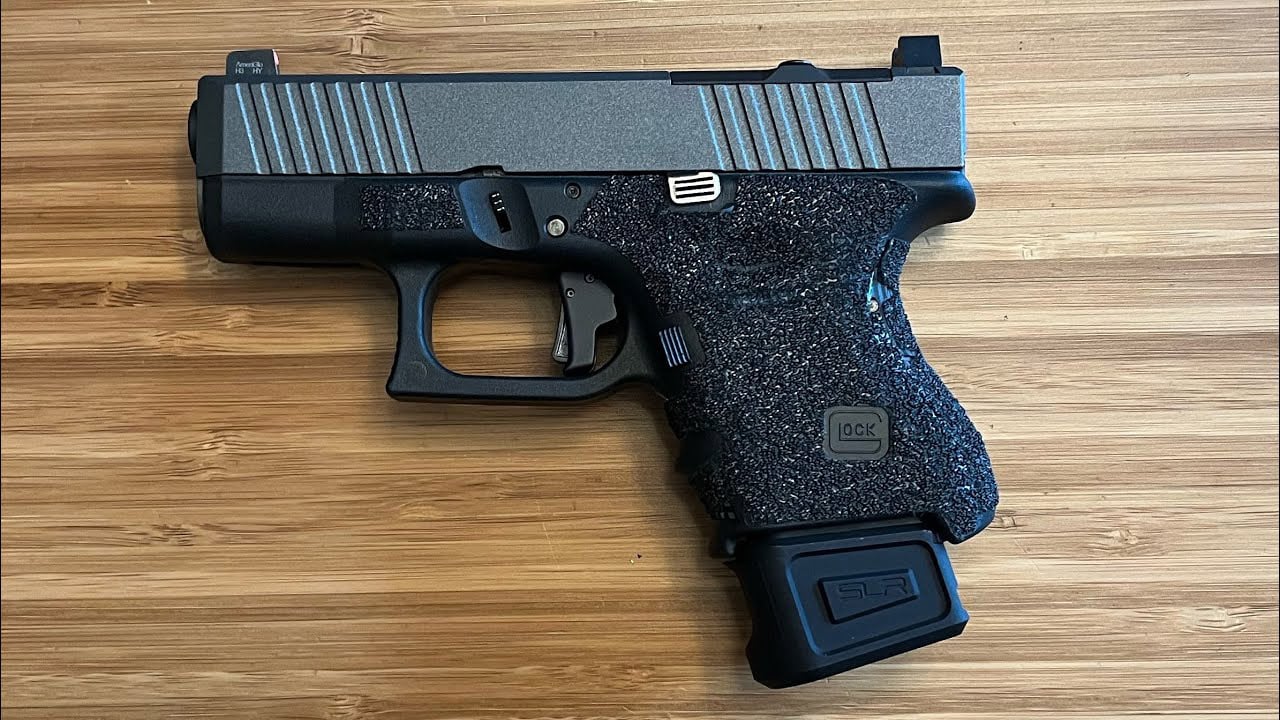
The Glock 26 is the original “do everything” subcompact that still shoots like a real pistol. It’s chunky, sure, but that thickness is part of why it runs so well and why it soaks up recoil better than the skinny micro guns. With the right holster, it disappears easier than you’d think, especially if you dress like an adult and not like you’re headed to the beach.
What makes the 26 hard to replace is how it fits into a Glock ecosystem. Shared mags with bigger models, common parts, simple maintenance. You can carry the short mag for concealment and throw a full-size spare in your pocket when you’re traveling. When you sell it, you miss the flexibility more than anything. The replacements either carry smaller but shoot worse, or shoot better but carry bigger.
7. CZ 75 PCR
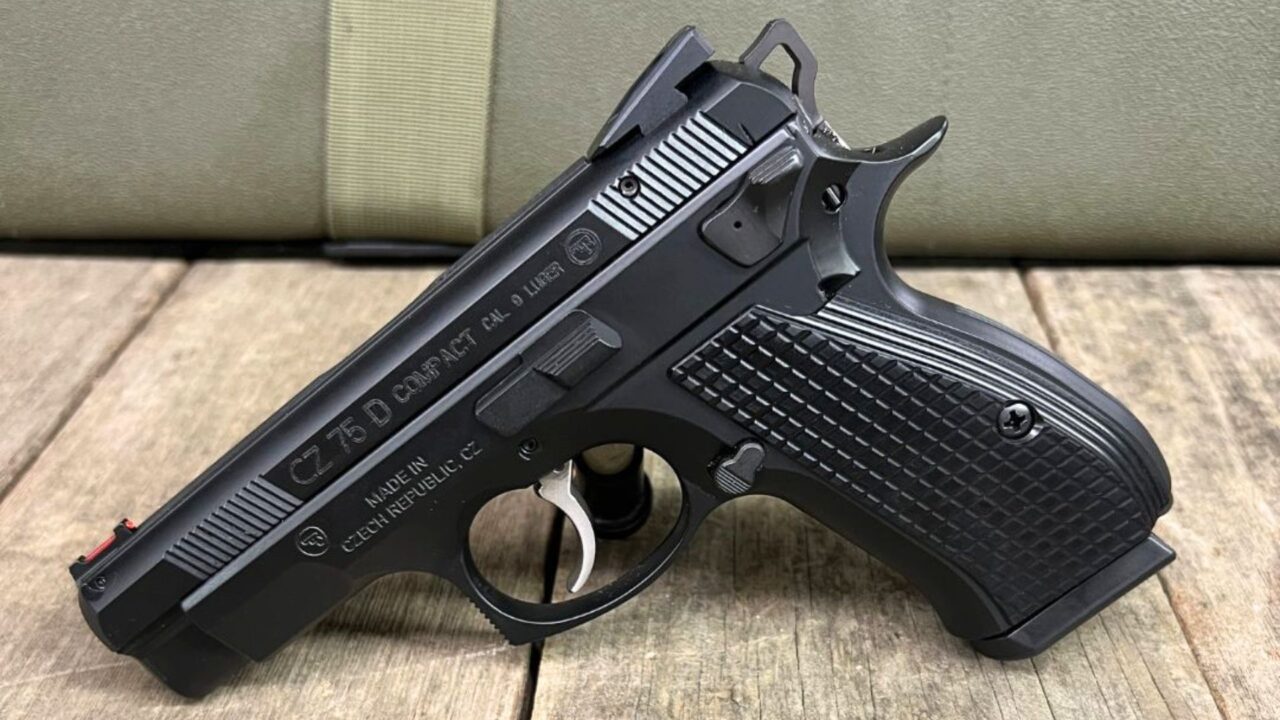
The CZ 75 PCR is one of those pistols that feels like it was shaped by someone who actually shoots. The grip fills your hand without being a brick, and the gun points naturally. The alloy frame keeps weight down while still feeling solid, which matters when you’re carrying all day and moving around outside.
DA/SA isn’t for everyone, but for some of us it just makes sense. A long first pull, then a crisp single-action that makes you look like a better shot than you are. The downside is you have to stay practiced with that transition. If you sold yours for quick cash, you may find yourself missing that “smooth and heavy” feel—especially after trying a few modern striker guns that are perfectly fine but never quite as satisfying.
8. Beretta 92FS

The Beretta 92FS is big, no getting around it. But it’s also one of the easiest 9mms to shoot well fast. The gun settles, the sights track, and the recoil impulse is friendly. If you grew up around them or carried one in a duty-style rig at some point, it’s hard not to respect what they do.
As an outdoorsman’s handgun, it’s more “truck gun” than deep concealment piece. Still, if you carried it for years, you probably remember how reliable it was with all kinds of ammo and how it just kept chugging. Selling one is usually about practicality—money, weight, or wanting something smaller. What you forget is that not many pistols run that smooth for that long with so little drama.
9. Ruger GP100 (4-inch)

A 4-inch GP100 is the revolver you buy when you’re tired of dainty. It’s heavy. It’s overbuilt. It makes .38 Special feel like nothing and keeps .357 Magnum in the “manageable” category. For walking a property line or poking around a barn where you might bump into something with teeth, it’s a comforting piece of steel.
It’s also a revolver you can shoot a lot without beating it up. That matters more than most folks admit. Lightweight revolvers are great until you realize you avoid practicing with them. The GP100 invites practice. When you sell one, it’s usually because it’s not convenient. Later, when you want a revolver that’s actually enjoyable to run, you remember exactly why you bought it in the first place.
10. Springfield Armory XD-S (9mm)

The XD-S had a real moment for guys who wanted a slim single-stack that didn’t feel like a toy. It carries flat, it’s simple, and for many hands it points naturally. There’s nothing fancy about it, and that is kind of the point. For day-to-day carry, simple is good.
What happens is you sell it chasing the next “higher capacity, same size” wonder gun. Sometimes that works out, sometimes it doesn’t. If your XD-S was reliable and you had magazines and a holster that fit right, you might find yourself missing a pistol that just did its job. Replacement guns might be objectively better, but they don’t always ride on the belt the same way or feel as steady when you press the trigger.
11. Colt Cobra (new production)

A modern Colt Cobra is a carry revolver that feels like it was meant to be used, not just admired. Six shots in a small frame is a nice bump over the traditional five-shot snubs, and the overall build has that “tight” feel you notice when you close the cylinder. It carries well, especially for folks who prefer revolver simplicity.
It’s also the kind of gun you hesitate to sell because you know you’ll want it again. The price isn’t outrageous, but it isn’t cheap either, and they don’t show up used on every corner. If you carried one for years and then let it go when money got thin, you may find yourself browsing shops later and realizing you can’t just grab another one on a whim. That one hurts.
12. Kimber K6s (2-inch)

The K6s is a snub-nosed revolver that surprised a lot of folks. It’s compact, carries smooth, and gives you six rounds in a package that normally tops out at five. For a pocket or a simple belt rig, it’s a serious little gun. The trigger feel varies a bit gun to gun, but the good ones are really good.
It’s not a revolver you buy because it’s the cheapest option. You buy it because it fits a very specific job and does it well. If you sold yours for a quick infusion of cash, finding another at a decent price can take time. And if you replace it with a lighter, rougher snub, you’ll notice the difference on the range. Comfort in a small revolver is a bigger deal than most people think.
13. Walther PPS M2

The PPS M2 is one of those pistols that never got as much love as it deserved once the high-capacity micro guns took over. It’s thin, it carries like a dream, and it shoots better than a lot of pistols in that size class. Walther usually gets the ergonomics right, and this one is no exception.
Where it becomes a long-term companion is how “non-dramatic” it is. It doesn’t snag, it doesn’t print badly, and it doesn’t demand a wardrobe change. If you carried it for years, you probably trusted it. Selling it seems easy until you start trying replacements that are either thicker, harsher to shoot, or just not as confidence-inspiring. Sometimes the gun you miss isn’t the newest thing. It’s the one that quietly worked every day.
14. Heckler & Koch VP9SK
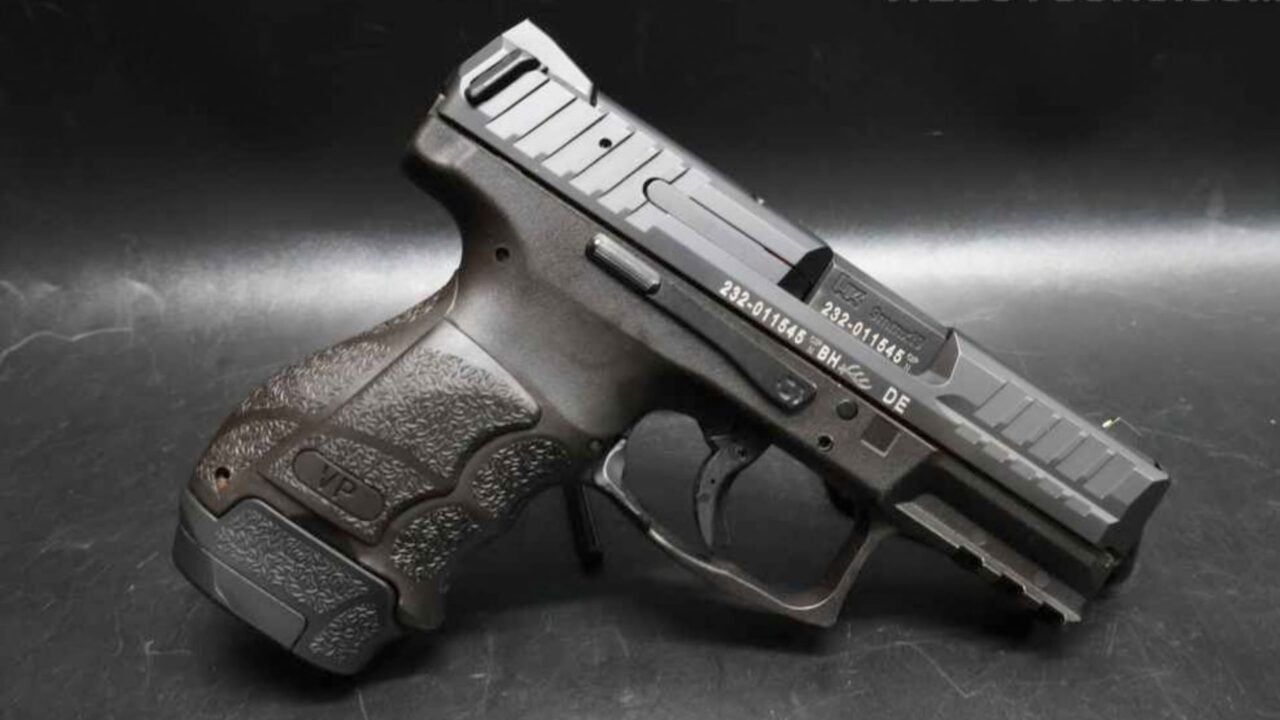
The VP9SK is a subcompact that still feels like a service pistol when you shoot it. The grip shape and the trigger make it easy to run, and the gun tends to be very accurate for its size. It’s not the smallest carry gun, but it’s a strong “carry a little bigger, shoot a lot better” choice.
The downside is cost—mags and accessories can sting compared to more common platforms. That’s often why these end up on the chopping block when money gets tight. Later, when you’ve tried a couple cheaper substitutes, you might realize what you paid for: a handgun that feels smooth, tracks well, and doesn’t beat you up in practice. If you actually train, that matters. The VP9SK is one of those pistols that makes you want to shoot more, not less.
15. Smith & Wesson Model 19 Carry Comp
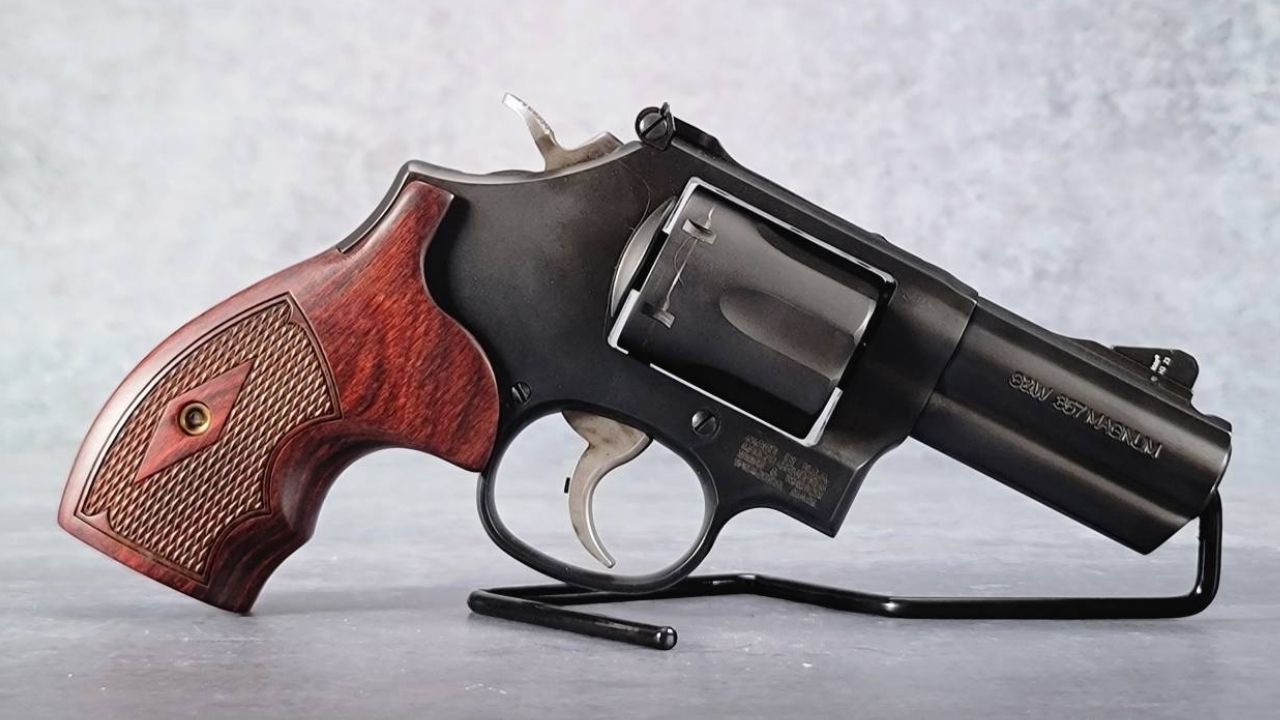
This is a modern answer to an old idea: a K-frame .357 that’s easier to carry and easier to shoot well than most small magnums. The Carry Comp balances nicely, and the comp does take some sting out—especially with real defensive .357 loads. For folks who like revolvers but want a little more performance, it’s a tempting setup.
It’s also the kind of gun you don’t replace casually once you sell it. Not because it’s impossible to find, but because it’s a “want,” not a “need,” and the price reflects that. If you had one as your do-everything sidearm—truck, trail, and occasional carry—selling it to cover a bill is understandable. But later on, when you’re staring at a plain snub or a polymer 9mm, you may catch yourself thinking about how good that K-frame felt on the hip.
16. Ruger LCR
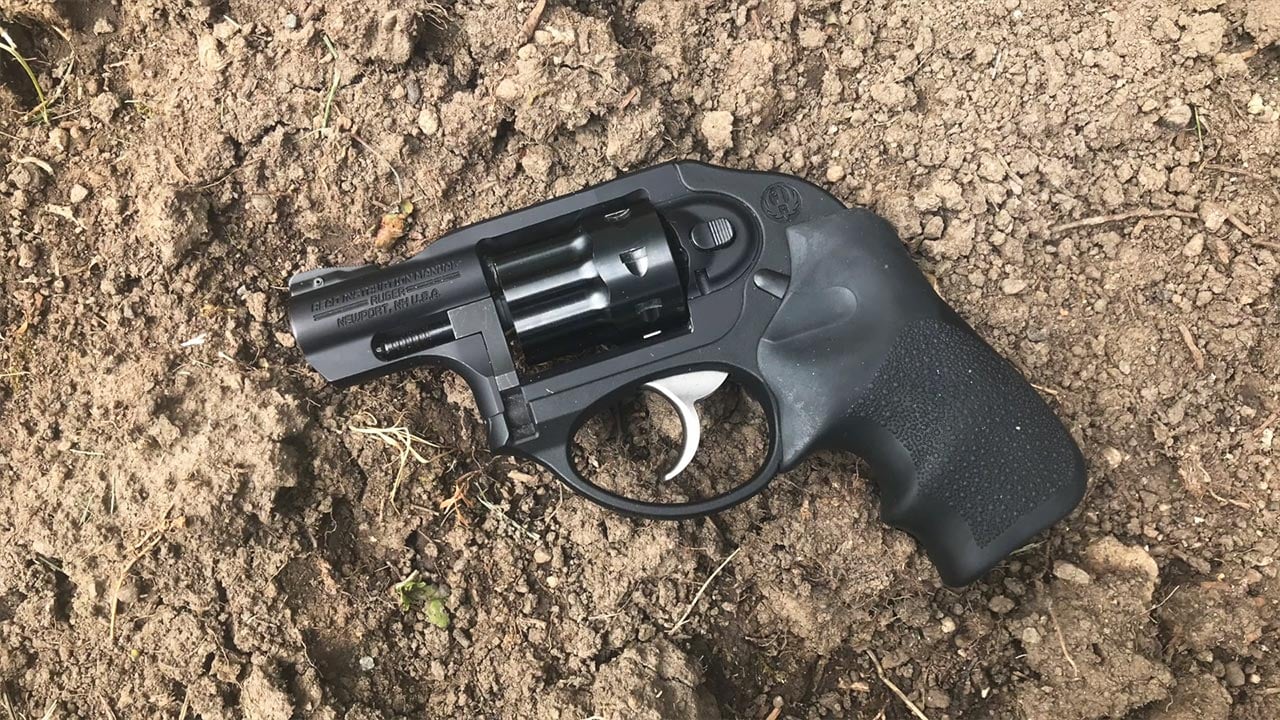
The LCR is ugly. I’ll say it. But it’s a good kind of ugly if you actually carry. It’s light, it’s snag-free, and the trigger is often better than it has any right to be for a small revolver. It’s the revolver that fits in places where bigger guns don’t—coat pocket, fishing vest, a simple clip-less pocket holster when you’re running to the store.
If you had one for years, it probably became your “default” when you didn’t want to think about anything. Selling it feels like no big deal until you realize the replacement isn’t as light, or the trigger is worse, or the grip beats your hand up. The LCR’s real value is that it’s easy to live with. And in the real world, the gun you actually carry is the one that matters.
17. SIG Sauer P229 (9mm/.40)
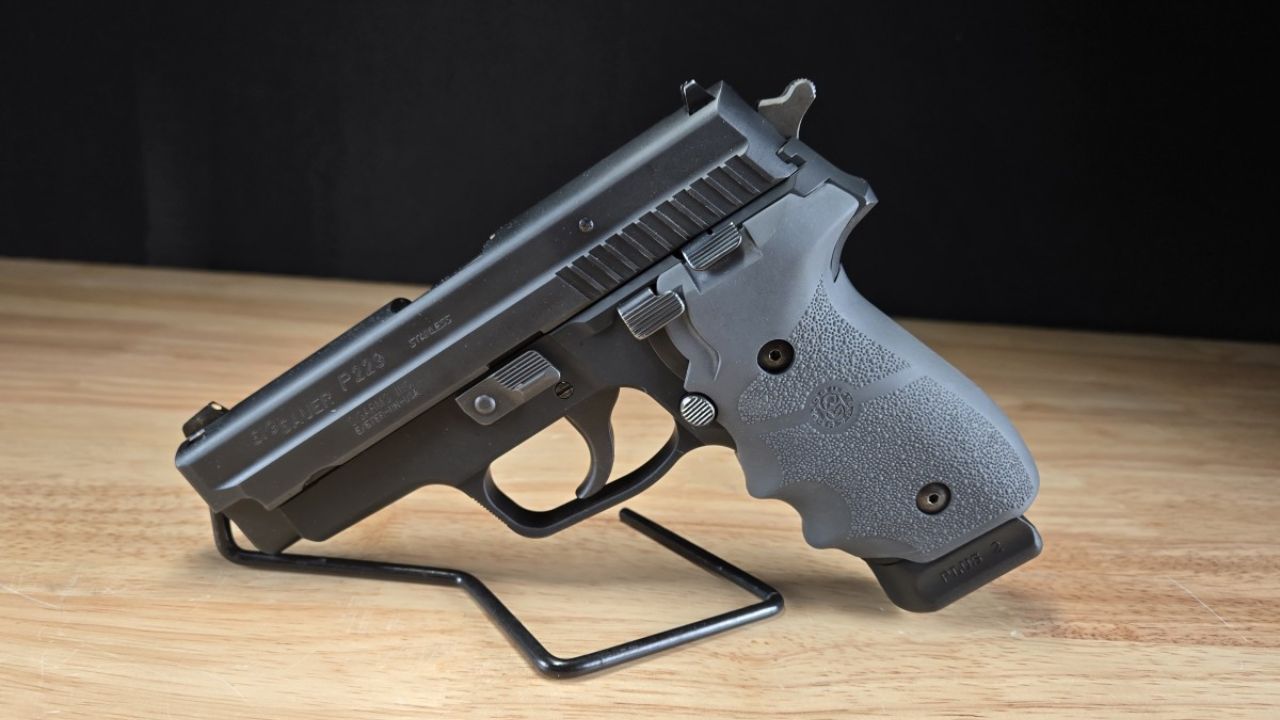
The P229 is a compact tank. It’s heavier than modern polymer guns, but that weight buys you a soft recoil impulse and a steady feel when you’re shooting fast. If you carried one for years, you probably carried it because you trusted it, not because it was comfortable at hour ten of a long day.
These are the kind of pistols that get sold when a guy decides to “simplify” or lighten up. Then he realizes the polymer replacement carries easier but doesn’t shoot the same. The P229 has a very specific feel in the hand—solid, smooth cycling, and generally very consistent. If you ever used it as a cold-weather carry gun under a coat, you know it’s a pistol that doesn’t mind being run hard. Replacing that confidence can take more than one purchase.
18. Glock 20 (10mm)
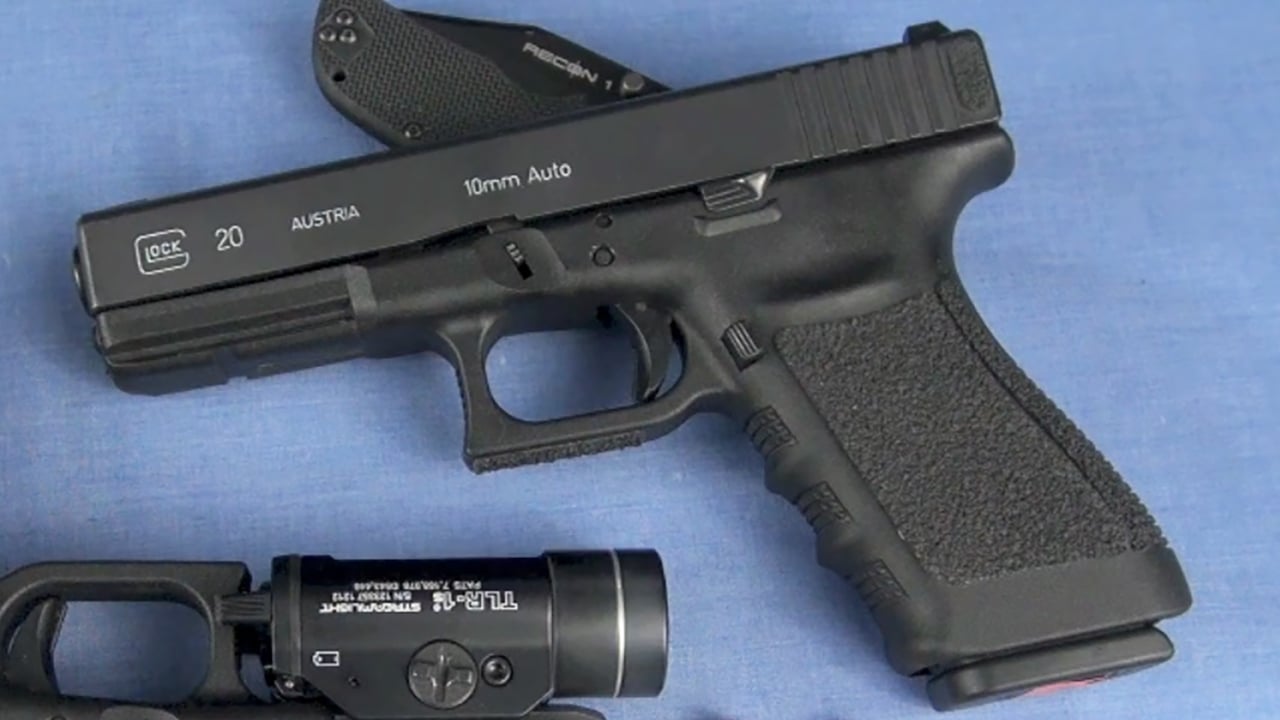
The Glock 20 is a working man’s 10mm. It’s not refined, but it’s reliable, and it holds enough ammo to make you feel like you’re not undergunned when you’re in the back side of the property or camping where predators are a real concern. It’s big for concealed carry, but for a chest rig or a belt on the outside of a jacket, it makes sense.
When money gets tight, big “specialty” pistols are often the first to go. You tell yourself you can always buy another 10mm later. Then you look around and realize you don’t really want a different 10mm, you want that one because you already had mags, a holster, and a load that shot to your sights. The Glock 20 isn’t romantic, but it’s a dependable woods companion, and that’s a hard niche to fill with something cheaper.
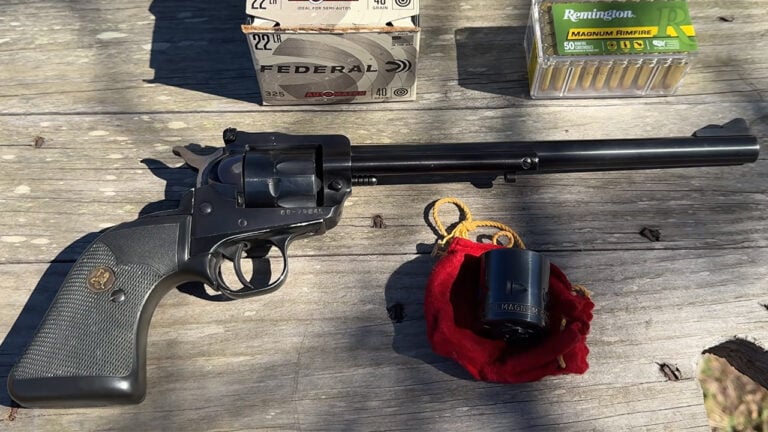
19. Ruger Mark II (5.5-inch bull barrel)
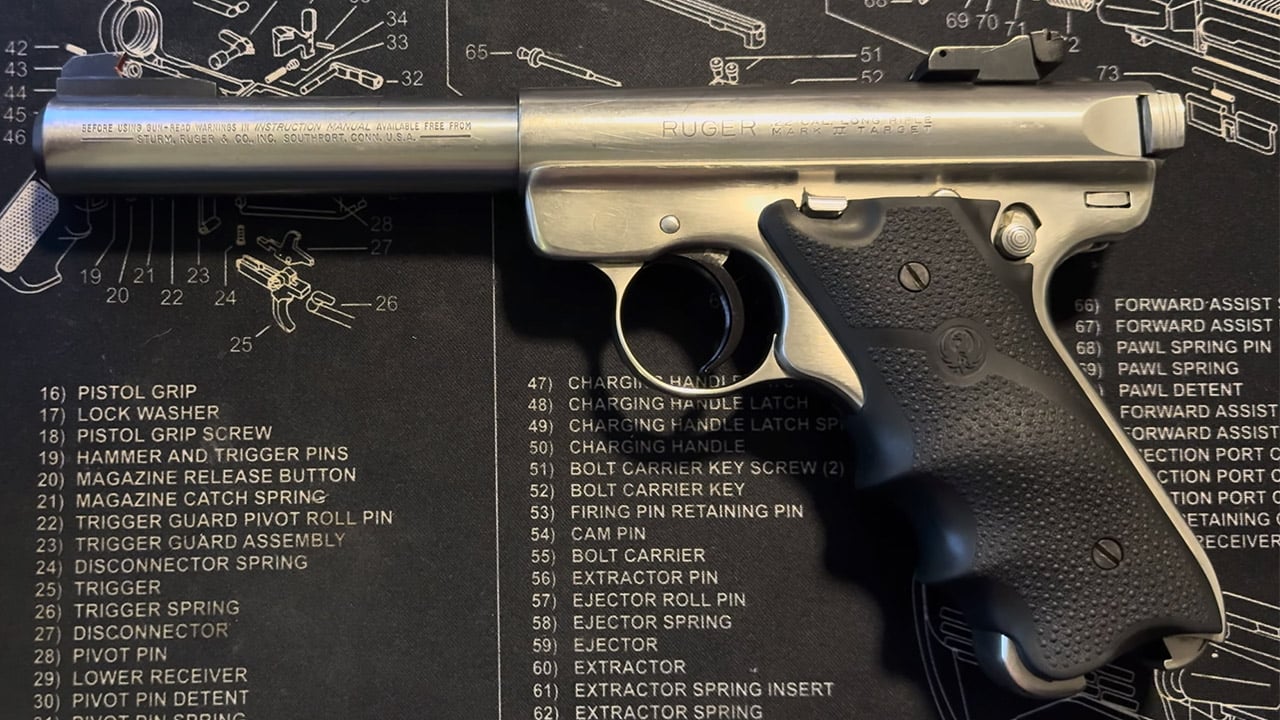
A .22 pistol isn’t what most people think of when they think “carry gun,” but the Ruger Mark II is the handgun that keeps a lot of shooters sharp. If you owned one for eight years, you probably used it constantly—small game, plinking, teaching new shooters, and running cheap practice when centerfire ammo was scarce or expensive.
It’s also the gun you sell because you think it’s easy to replace. Then you remember how accurate it was, how it fit your hand, and how it would run for thousands of rounds if you kept it reasonably clean. Mark II pistols have their own fan club for a reason. When you don’t have one, you still need a .22 for real practice, and most substitutes either aren’t as accurate, aren’t as durable, or just don’t feel as “right” as that old Ruger.
20. Smith & Wesson 5906

The 5906 is an old-school metal-framed 9mm that refuses to die. It’s heavy, sure, and it’s not what anyone calls sleek. But it’s the kind of pistol that can ride in a truck, bounce around in the real world, and still shoot straight when you pull it out. The controls are very 1990s, but once you learn them, they’re second nature.
These guns have a way of sticking around because they work and they don’t ask for much. If you carried one for years, you probably appreciated how it shot and how it didn’t feel picky. Selling one is usually about moving on to something lighter. The regret comes when you realize the lighter gun feels snappier, the trigger isn’t as clean, and the whole package doesn’t have the same steady, planted feel. Old metal autos aren’t trendy, but they’re dependable in a way that’s hard to describe until you’ve lived with one.
If you’ve ever sold a handgun to make rent, cover a truck repair, or get through a thin month, I get it. Sometimes you do what you have to do. But the guns you carry for years aren’t just objects in the safe—they’re the ones that quietly solve problems and build trust with every range trip and every mile on your belt. If you’ve got one like that right now, think twice before you let it go. You can replace a lot of guns. Replacing “your” gun is a different deal.
Like The Avid Outdoorsman’s content? Subscribe to our newsletter so you never miss an article.
Here’s more from us: