Photo credit: Keith44/Youtube
Most revolvers come and go for pretty normal reasons. They are heavy. They print under a jacket. Ammo costs more than 9mm. Or somebody buys one on a whim, shoots two cylinders, and decides it “kicks too much.”
But then there are the wheelguns that quietly settle in. Five years turns into ten. They ride in the truck during fence checks, sit in a nightstand through three moves, or live in a chest rig during bear season. They are not always pretty, and they are not always cheap, but they do a job without drama. Here are 20 revolvers that, once they’ve proven themselves over a few seasons, owners tend to hang onto.
1. Ruger GP100
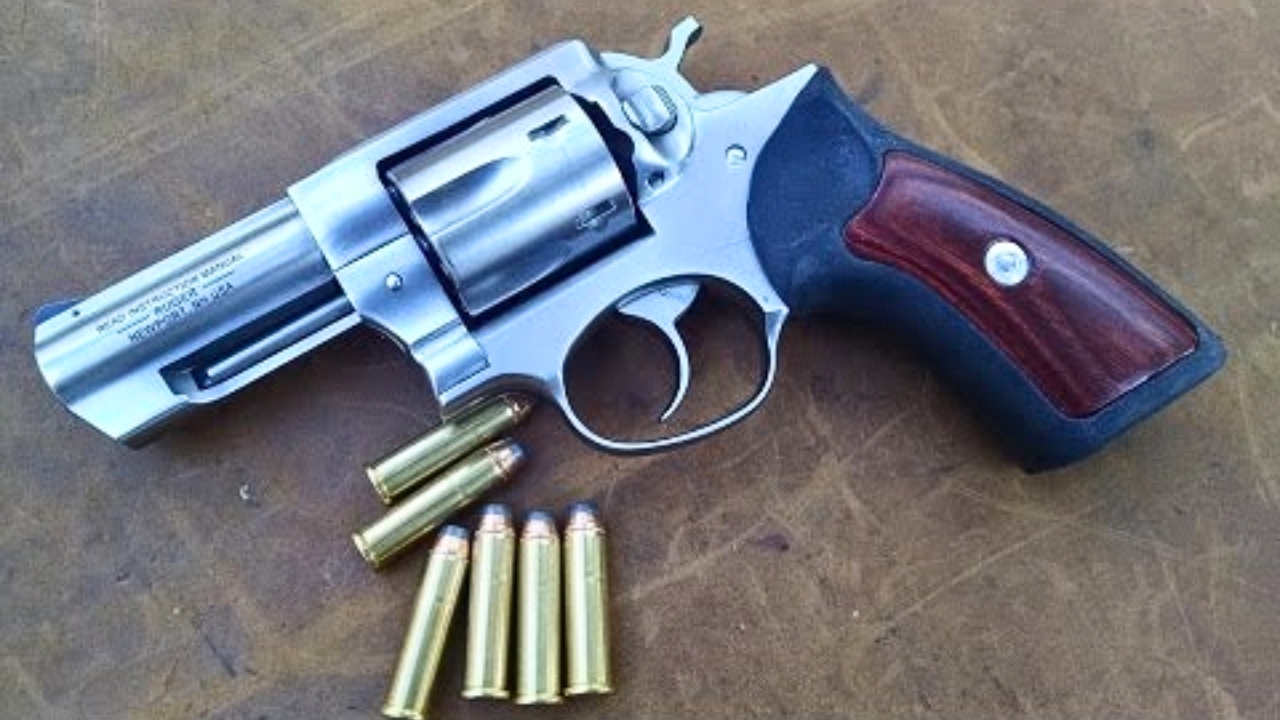
The GP100 is the revolver equivalent of a good post hole digger. It’s not glamorous, but it’s hard to wear out and it does what you ask. The weight that turns some buyers off is the same weight that keeps full-house .357 Magnum from feeling like a mistake. A lot of folks buy one as a “range gun,” then realize it’s also a legitimate woods sidearm.
The lockup is stout, the grip options are endless, and the gun takes being used like a tool. I’ve seen GP100s that lived in tackle boxes, behind truck seats, and on trapline hips. They usually still function like they should. Once you’ve owned one long enough to trust it, selling it feels like giving away a come-along right before you need to pull a stuck four-wheeler.
2. Smith & Wesson Model 686

A 686 points naturally for a lot of shooters, and the trigger is why it gets kept. Even a fairly ordinary example will slick up with use, and you don’t have to be a revolver snob to notice the difference between a good S&W double-action pull and most of the budget options. It’s the kind of gun that makes people shoot better than they thought they could.
In the real world, the 686 ends up doing a little of everything: range days, trail carry, the occasional whitetail with the right load and barrel length. It’s also one of those revolvers that doesn’t scare new shooters as much as a lightweight snub. After five years of ownership, it’s familiar. Familiar beats “new and unknown” when it’s time to actually rely on something.
3. Ruger SP101
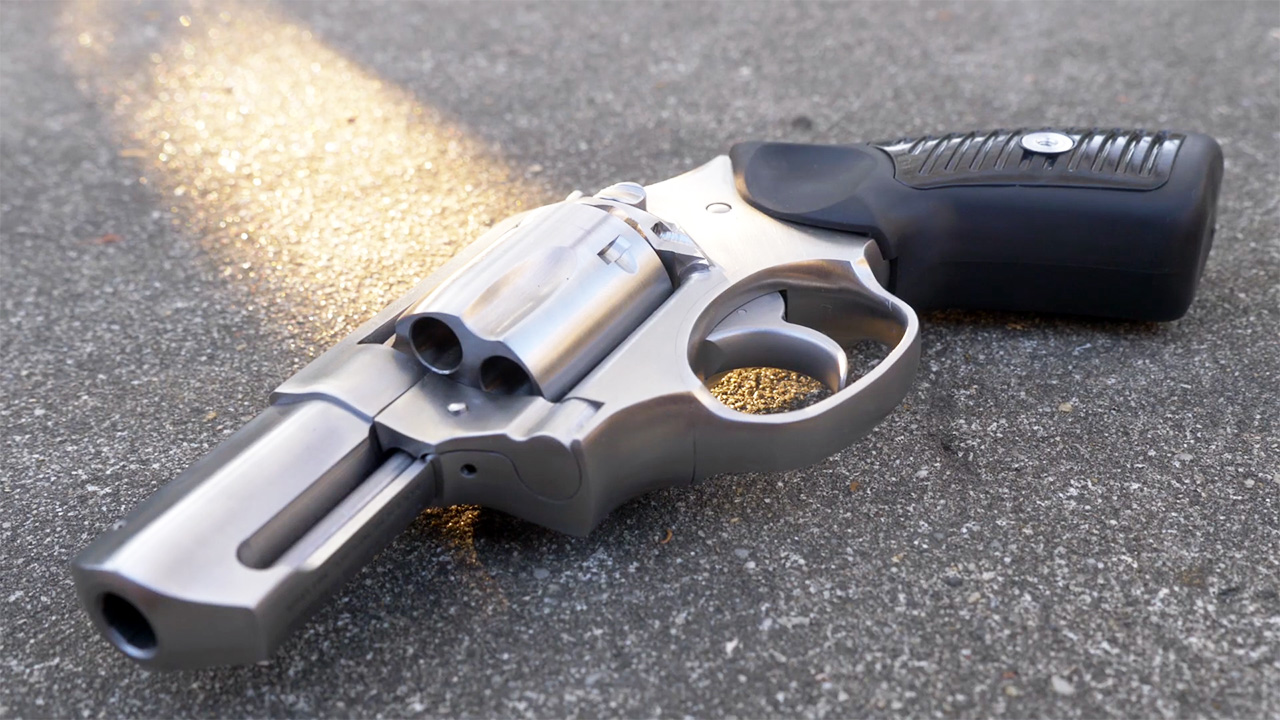
The SP101 is what you buy when you want a small revolver that doesn’t feel like it was built out of soda cans. It’s heavier than the featherweight snubs, and that’s the point. With .38 +P it’s downright pleasant, and with .357 it’s snappy but manageable if you practice like you mean it.
Owners keep SP101s because they age well. They ride in pockets, on ankles, in glove boxes (not recommended unless you’ve got secure storage), and in fishing vests without becoming finicky. The grips can be tuned to your hand, and the gun doesn’t demand constant tinkering. It’s not the smallest or the lightest, but it’s one of the few small-frame revolvers that feels like it’s ready for steady use year after year.
4. Smith & Wesson Model 642
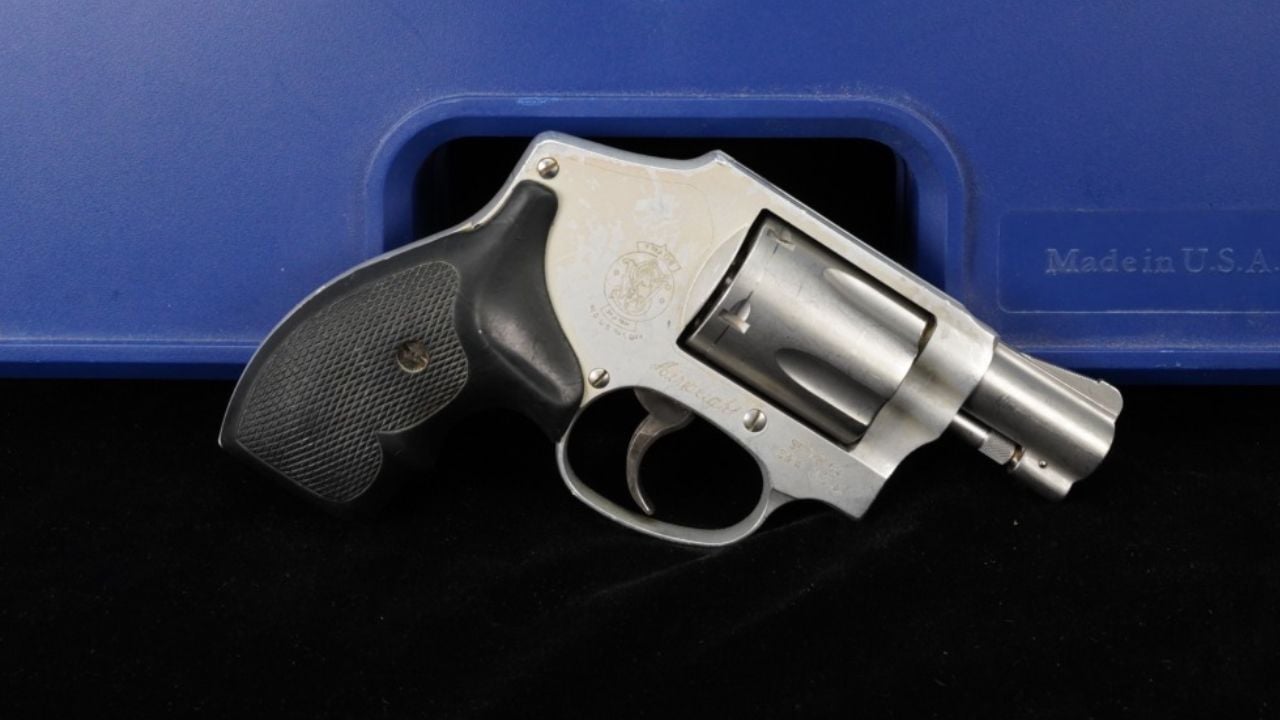
The 642 isn’t fun. Let’s get that out of the way. It’s light, it’s blunt, and it will remind you you’re alive if you feed it hot ammo. But it’s also one of the simplest, most proven carry revolvers ever made. When someone’s had one for five years, it’s usually because it earned the carry slot when other guns didn’t.
It disappears in a pocket holster, it’s not picky, and it doesn’t care if you carried it through sweat, dust, and lint. The internal hammer keeps it from snagging, which matters when you’re drawing from a coat pocket in cold weather. Plenty of folks try to replace it with the latest micro-auto. Then they come back to the 642 because it’s the one gun they actually carried every day.
5. Colt Python (modern production)
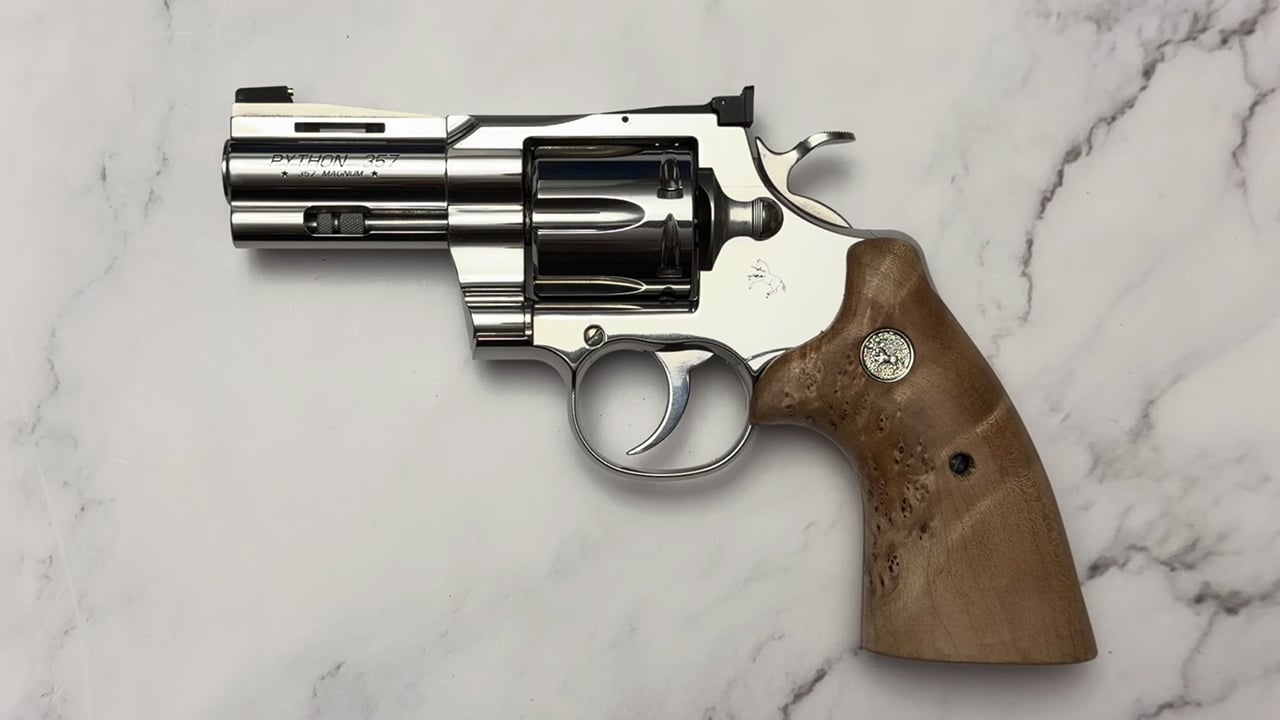
The new Pythons get side-eye from old-timers who remember the originals, but the truth is they’re excellent shooters. They balance well, the sight picture is clean, and the trigger is usually very, very good. They also have that “special” factor that turns a normal range trip into something you remember.
After a few years, owners realize it’s not just a safe queen. It’s a revolver you can shoot a lot, maintain normally, and enjoy without babying. Also, it’s hard to part with a gun that still makes you grin when you open the case. Even folks who bought one as a reward for themselves tend to keep it, because there aren’t many revolvers that feel like a real event every time you shoot them.
6. Smith & Wesson Model 19 (K-frame)
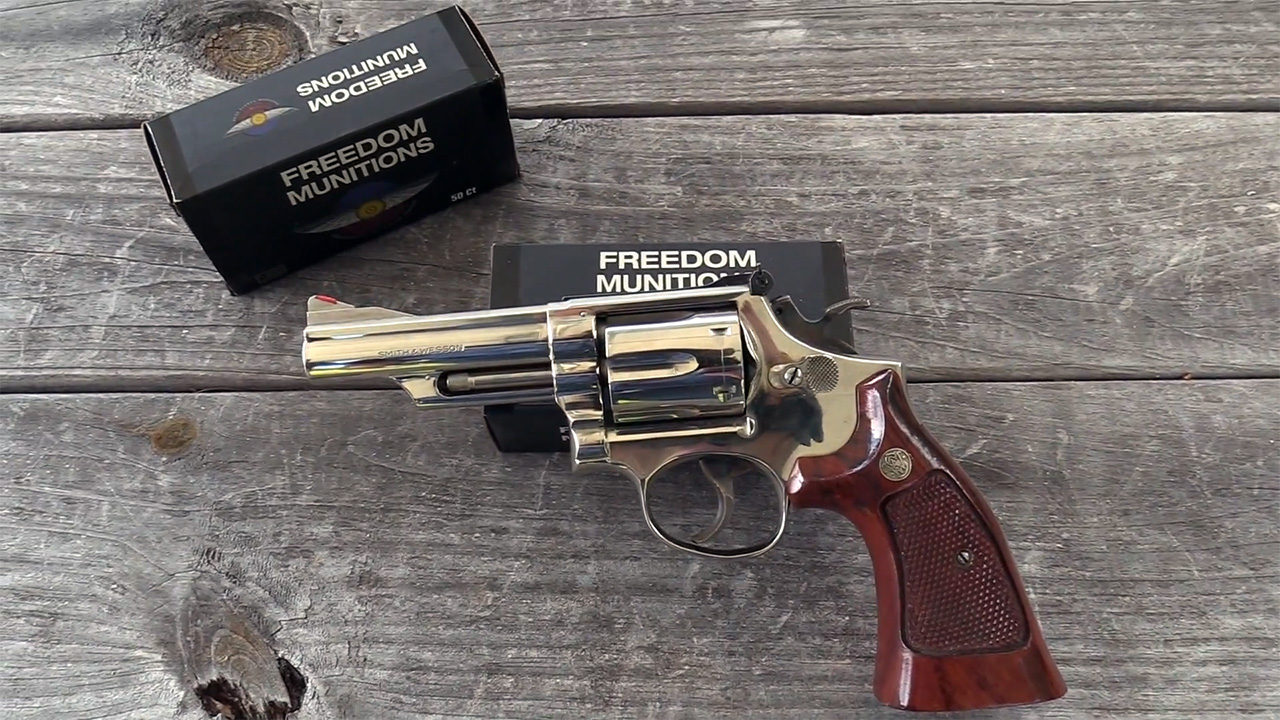
A Model 19 is one of those revolvers that makes sense the moment you handle it. The K-frame carries better than the bigger L-frames, and it points quick. It’s got “woods gun” written all over it, and it does not feel like an anchor on your belt the way some steel .357s can.
The long-term owners are usually the ones who learned its rhythm: shoot .38s for most practice, save the hot .357 loads for when you actually need them. Treated that way, a good Model 19 becomes a lifetime gun. And if you’ve hunted, hiked, or checked traps with one long enough, you start to associate it with seasons of use. That kind of familiarity is hard to put a price tag on.
7. Ruger Blackhawk (convertible models)

The Blackhawk isn’t everybody’s idea of practical, until you spend time in the woods with it. Single-action loading is slower, sure, but it’s also simple and rugged. And the convertible versions—especially the .357/9mm and .45 Colt/.45 ACP combos—turn into “one revolver, a couple ammo options” solutions.
Owners keep them because they are steady companions. The grip shape rolls under recoil instead of slapping you, and the guns will digest loads that make lighter revolvers unpleasant. For folks who handload, the Blackhawk becomes a whole hobby by itself. Even for non-handloaders, it’s a reliable, accurate revolver that will take game and handle pests around the property. Once a Blackhawk becomes part of your routine, selling it feels like selling a good saddle.
8. Ruger Super Redhawk (in .44 Magnum or .454 Casull)
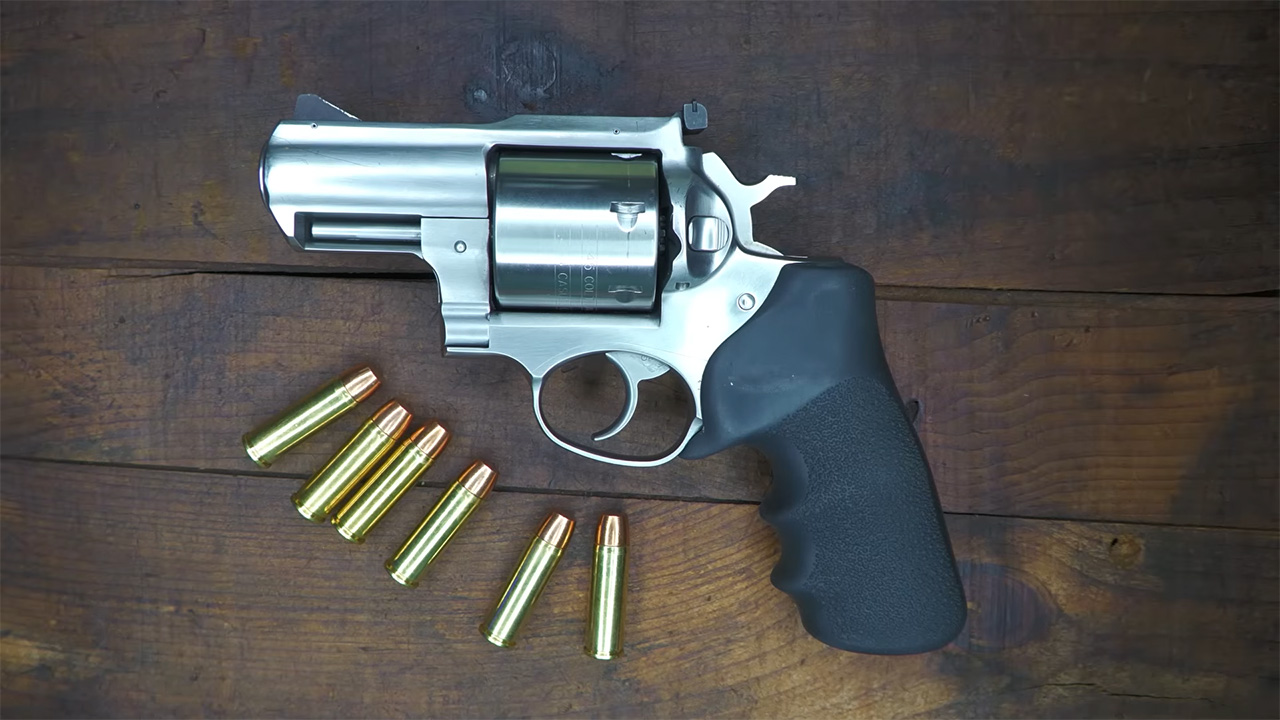
This is the revolver you buy with a purpose. Bear country, hogs in thick stuff, or just wanting a handgun that can legitimately hunt. The Super Redhawk is big, and you won’t forget it’s on you. But it’s also one of the easiest heavy hitters to shoot well because of the weight and the way Ruger builds these frames.
If somebody has owned one for five years, they probably already did the hard part: found a load it likes and learned the trigger. After that, it becomes a specialized tool you trust. Folks don’t dump these because replacing them later is a headache, and because a proven big-bore revolver is the kind of thing you want on hand even if you only carry it a few trips a year.
9. Smith & Wesson Model 629

The 629 is the classic stainless .44 Magnum for a reason. It carries the “Dirty Harry” baggage, but in real life it’s about practical power in a format that still feels refined. With sensible loads it’s controllable, and with heavy loads it’s serious medicine.
Long-term owners tend to appreciate that it can play multiple roles. It can be a woods backup with hardcast loads, or a deer gun with proper hunting ammo, or even just a range piece that you shoot enough to stay honest. The stainless finish also holds up to weather and sweat better than blued guns when you actually carry it. Once it’s been with you through a few wet falls and dusty summers, it becomes part of the kit.
10. Colt King Cobra (3-inch)
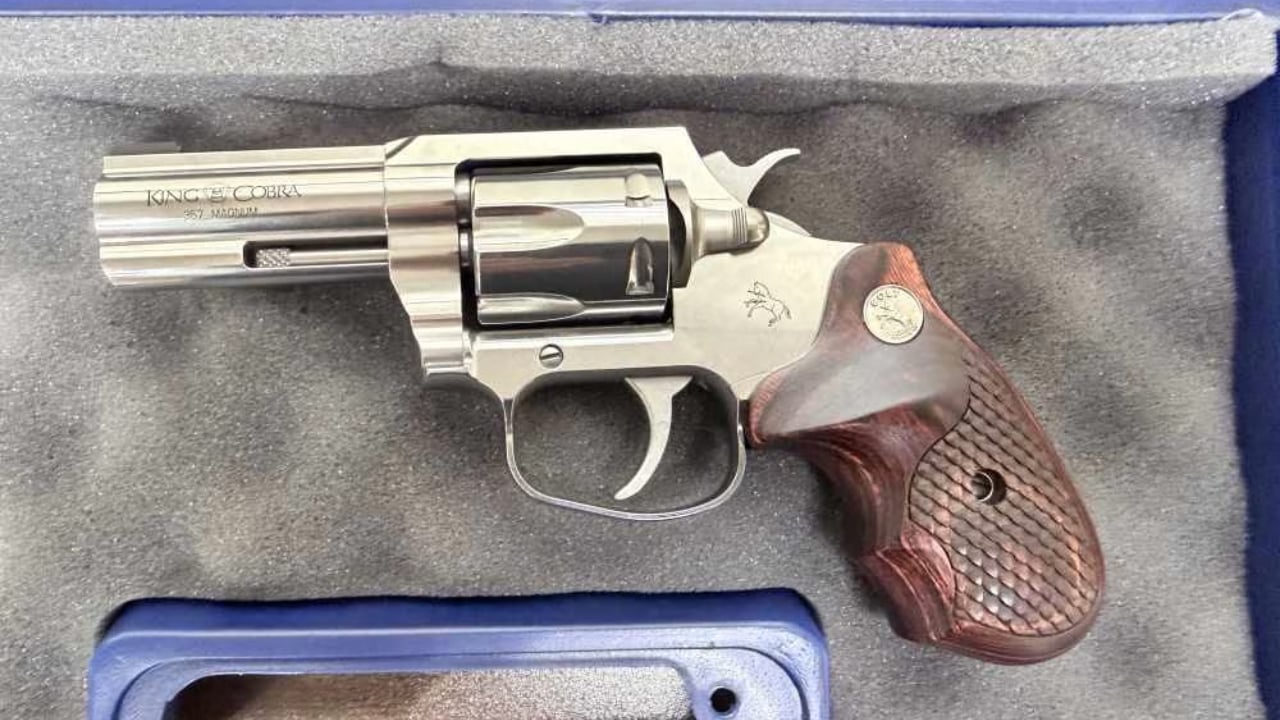
The 3-inch King Cobra hits a sweet spot. It has enough barrel to shoot like a real gun, enough sight radius to make hits easier, and it still carries well. It’s the revolver version of a handy carbine—balanced, quick, and not trying too hard.
What makes folks keep them is how “doable” they are. A lot of snubs get bought and then avoided because they beat you up. The 3-inch King Cobra invites practice, and practice is what makes a carry gun worthwhile. The modern versions are also built to be used, not just admired. If you find a holster you like and put honest time on the range, it’s hard to justify trading it away for something that won’t shoot as well.
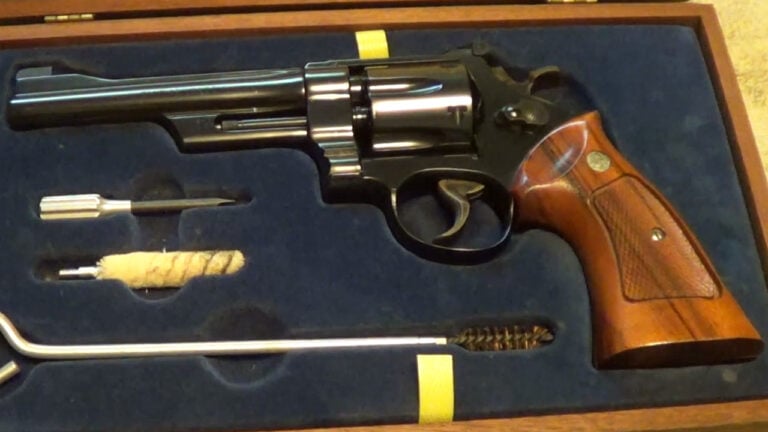
11. Smith & Wesson Model 27
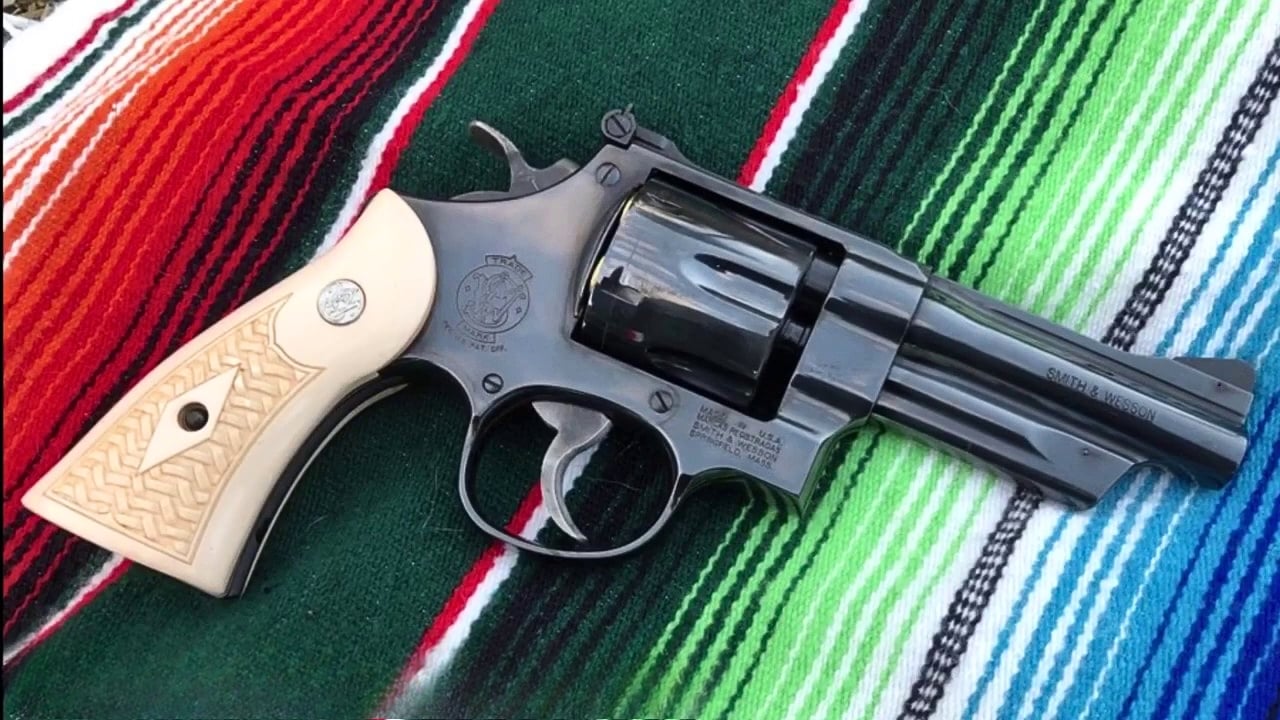
The Model 27 is a big, classy .357 that feels like it came from a time when guns were finished like tools and heirlooms at the same time. It’s not the first revolver most folks buy, mostly because it’s not cheap and it’s not light. But it’s the kind of revolver that makes you slow down and shoot better.
Five-year owners are usually keepers because they’ve already accepted the weight. They use it as a stand gun, a range revolver, or a property gun, and they enjoy the smoothness and the confidence that comes with an N-frame. It’s also one of those revolvers that turns into a “hand it down” piece almost by accident. Once you’ve got it and you’ve lived with it, selling it feels like breaking a tradition you haven’t even started yet.
12. Ruger LCR (in .38 Special)
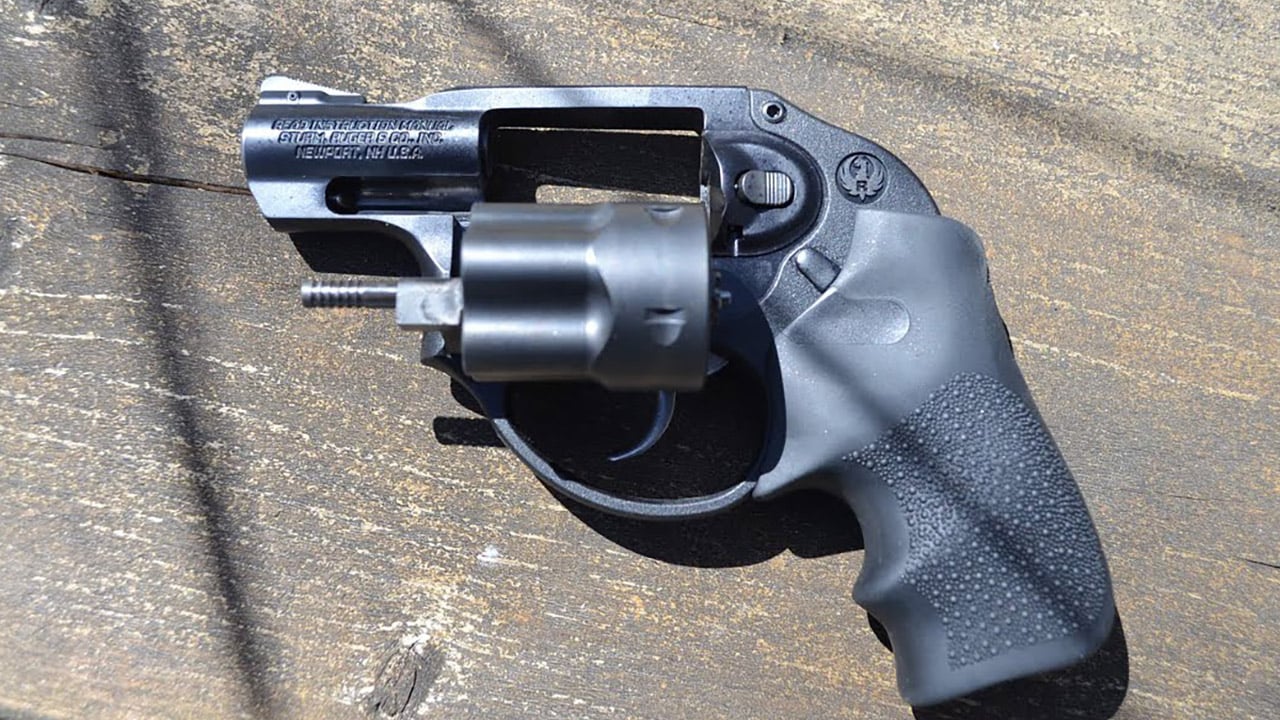
The LCR doesn’t look like a traditional revolver, and that’s exactly why some guys ignore it. Then they carry one for a month and stop caring what it looks like. It’s light, it’s simple, and the trigger is better than it has any right to be for a small revolver.
It stays in the stable because it fits real life. Quick trips to the feed store, walking the dog at night, checking a noise by the barn—this is where the LCR shines. You can actually keep it on you without dressing around it. It’s not a range toy, and it’s not a status symbol. It’s a “no excuses” revolver. When a gun makes it that easy to be consistent, it becomes hard to part with.
13. Smith & Wesson Model 617

A good .22 revolver is a training machine, and the 617 is about as good as it gets in a modern production wheelgun. It’s heavy enough to hold steady, the sights are real, and it lets you practice double-action without paying centerfire prices. For anyone who wants to get better with revolvers, it’s almost cheating.
Owners keep them because they get used. They come out for new shooters, for backyard pest control where legal and safe, and for cheap skill-building all year long. The 617 also tends to run and run if you keep it reasonably clean. And when you’ve got a revolver that makes you a better shooter without beating you up, you stop thinking of it as a “fun gun.” It becomes part of your regular routine.
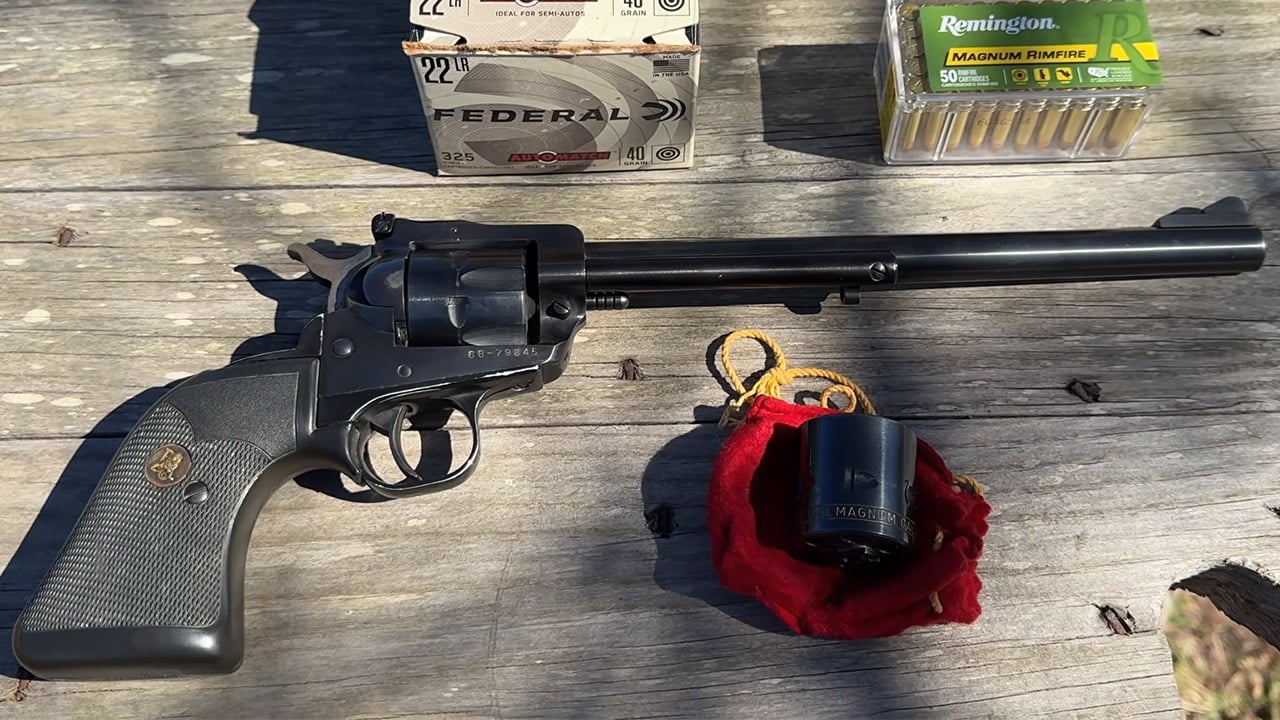
14. Ruger Single-Six
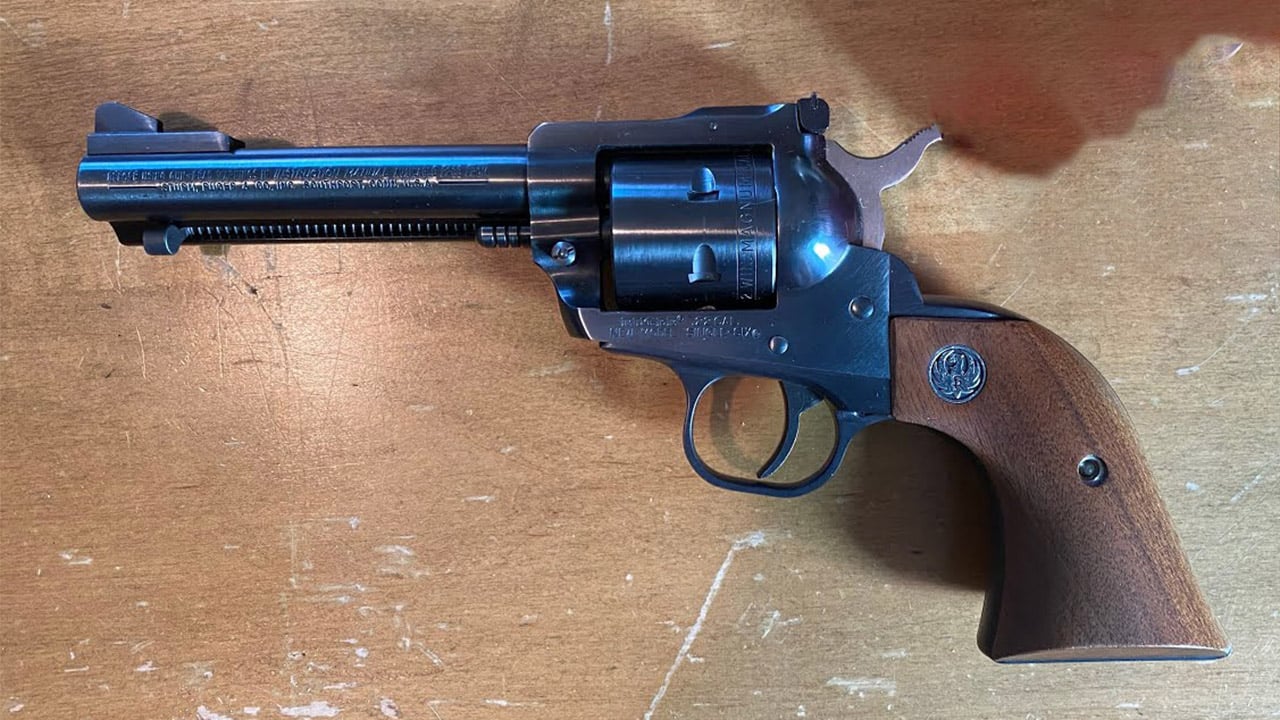
The Single-Six is one of the most useful little revolvers ever made. It’s a .22 that feels like a real gun, not a toy, and it’s perfect for knocking around the farm, carrying in a pack, or teaching kids how to shoot with something that slows them down.
It also lasts. The simple single-action design shrugs off dust and neglect better than a lot of semi-autos, and it’s easy to understand for beginners. Plenty of these end up with a story attached: first squirrel, first grouse, first tin can at 25 yards. That’s why they don’t get sold. They’re affordable enough that you don’t need to cash out, and meaningful enough that you don’t want to.
15. Smith & Wesson Model 10
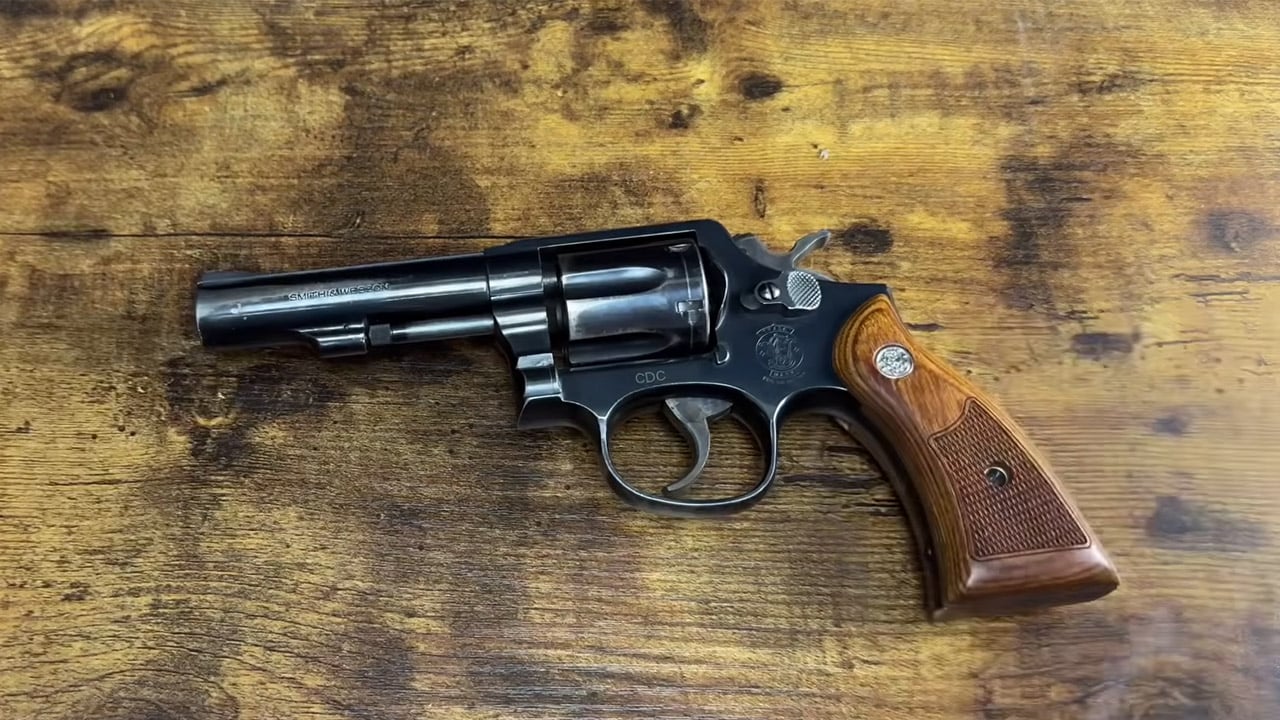
The Model 10 is about as “plain revolver” as it gets, which is exactly why it sticks around. A good one shoots straight, carries comfortably in a service-style holster, and has a trigger that usually gets better with use. It’s the kind of .38 that makes you wonder why you ever thought you needed more.
Five years in, owners realize it’s a steady companion. With standard-pressure loads it’s easy on the hands, and it’s accurate enough to do real work. For folks who reload, it’s also a bottomless pit for practice ammo. And for folks who don’t, .38 Special is still one of the easier revolver cartridges to find. The Model 10 isn’t flashy, but it’s honest. Honest guns don’t leave the safe very often.
16. Colt Detective Special

A Detective Special carries like a snub but gives you that extra round, and in the real world that matters. The older Colts have a feel to the action that’s hard to duplicate, and the gun just has a “right” shape for a lot of hands. It’s also one of those revolvers that fits the idea of a pocket gun without feeling tiny.
Owners hang onto them because they’re not getting more common, and because once you get one timed and running correctly, you tend to keep it that way. It’s a carry revolver that also scratches the classic-gun itch. You can shoot it enough to stay familiar, but you don’t feel the need to run it like a rental gun. It becomes a personal piece, and those are the hardest to let go.
17. Ruger Security Six
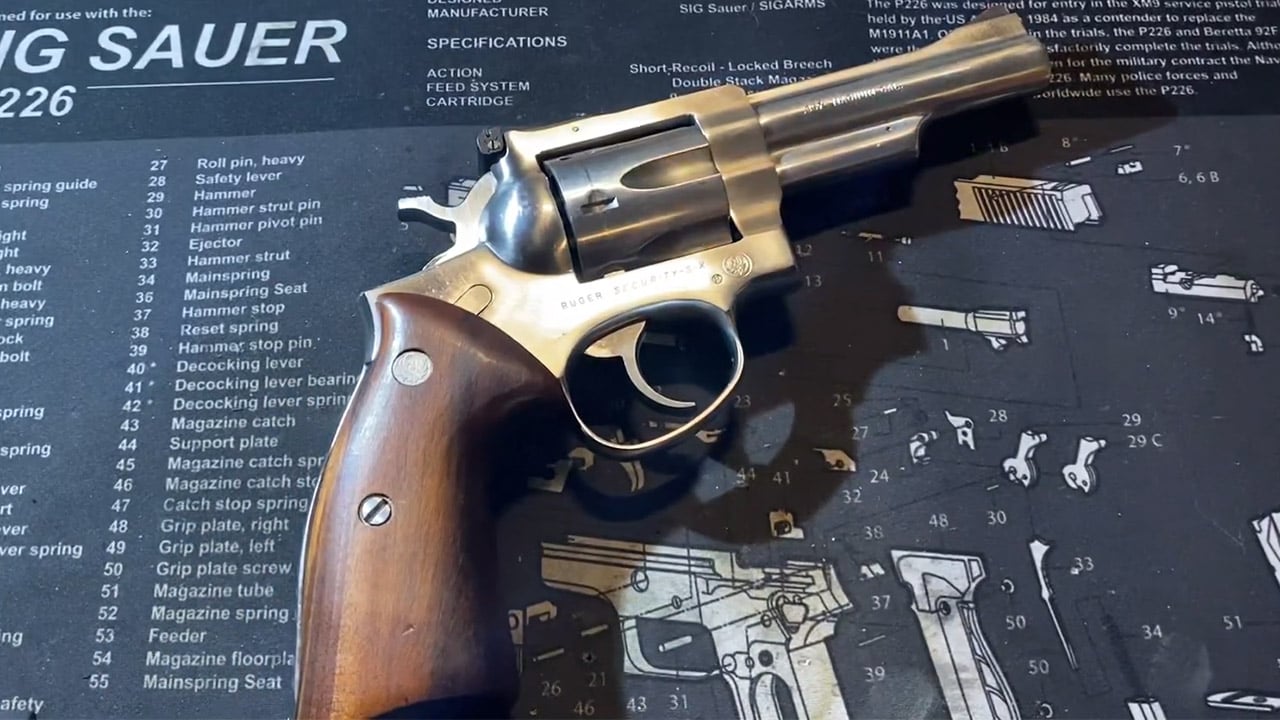
The Security Six doesn’t get the attention the GP100 does, but it’s earned a quiet following. It’s strong, it carries well for its size, and it has that older Ruger vibe where everything feels overbuilt and straightforward. If you find one that’s been cared for, it’s usually a bargain for what it is.
Long-term owners keep them because they do the job without complaint. They balance nicely, they handle .357 without drama, and they don’t feel bulky. I’ve seen a lot of these serve as “one handgun for everything” choices for rural folks—something for the nightstand, the truck, and the woods. Once you’ve carried one long enough to know where it hits and how it draws, you stop shopping for replacements.
18. Dan Wesson Model 15
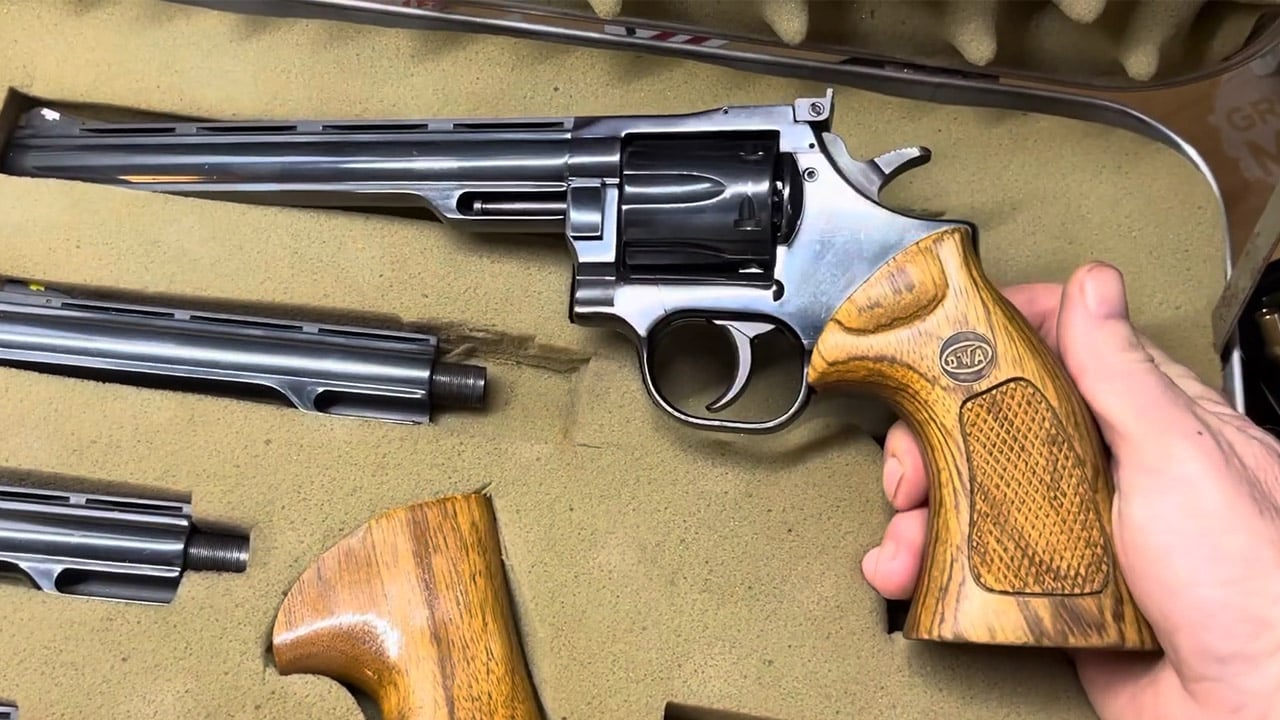
Dan Wessons are their own thing. The Model 15 in .357 has a reputation for accuracy that isn’t internet fantasy, and the interchangeable barrel system is either a neat feature or something you never touch—depends on the owner. Either way, the guns are solid, and they tend to shoot extremely well.
Folks keep them because they’re different in a good way. They aren’t as common at local shops, and when you’ve got one that’s dialed in, it feels like your secret weapon on the firing line. They also soak up recoil nicely and usually have good triggers. If you’ve owned one for five years, you’ve probably already bought extra barrels or accessories, and that kind of investment turns into attachment. It becomes “my Dan Wesson,” not just “a revolver.”
19. Smith & Wesson Model 29
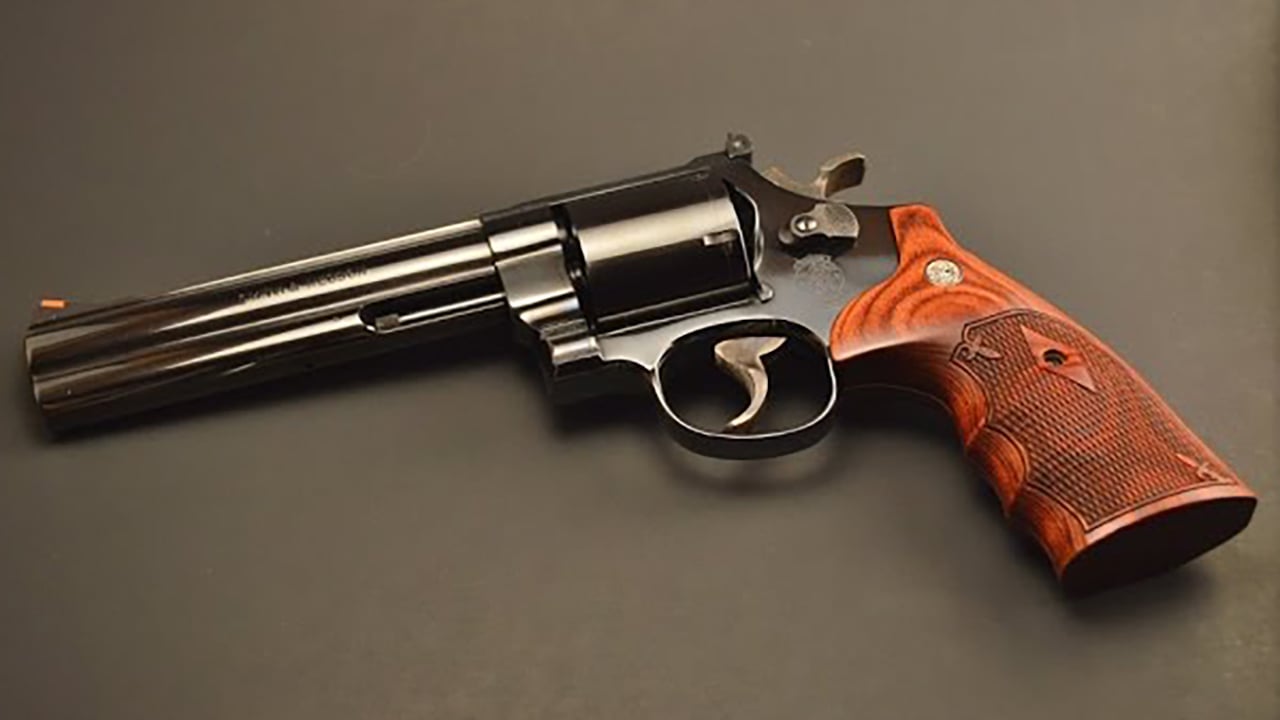
The blued Model 29 is as much about feel as it is about horsepower. It’s classic, yes, but it’s also practical for someone who wants a big-bore revolver that carries tradition and performance in the same package. It’s not the revolver you throw behind a seat and forget about.
Owners who keep them tend to be the ones who actually shoot them with sane loads and respect what they are. A Model 29 that’s been with you for years usually has a story: a first handgun deer, a late-season hog, or a camp gun that always drew attention. The finish wears in a way stainless never will, and that wear becomes part of the gun’s identity. Once that happens, selling it feels like selling the story with it.
20. Freedom Arms Model 83
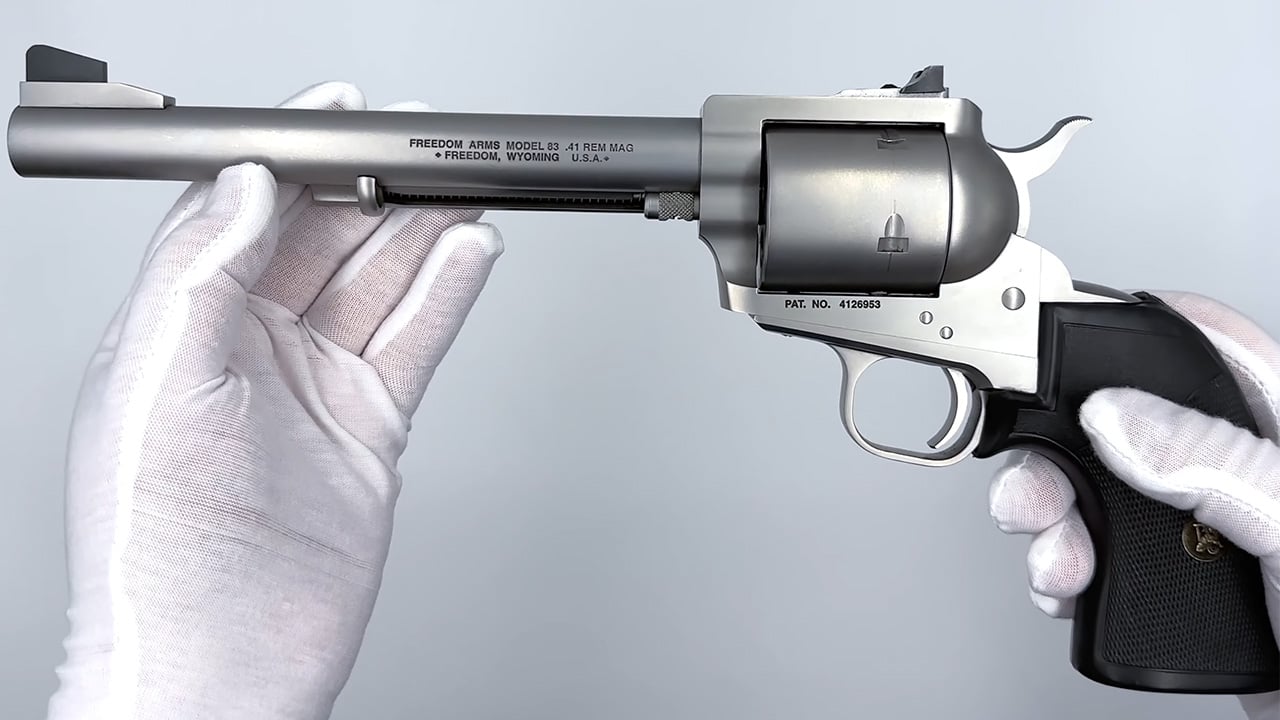
If you’ve ever handled a Freedom Arms, you know why they don’t get sold. The tolerances are tight, the machining is clean, and the whole gun feels like it was built by somebody who takes personal offense to sloppy work. They’re expensive, and you feel that expense every time you thumb the hammer and line up the sights.
Five-year owners are almost always committed. These revolvers often live as hunting handguns in serious calibers, and they’re the type of gun you build a load around and practice with on purpose. They also tend to hold up to heavy use if you maintain them like you should. There’s nothing casual about owning one, which is exactly why they stay put. When a revolver is that precise and that capable, it becomes more than “another gun.” It becomes the standard everything else gets compared to.
Every safe has a few “I should’ve kept it” ghosts in it, and revolvers might be the worst for that. The good ones don’t just function; they earn trust through repetition. If you’ve got one of these and it’s already made it through a handful of seasons with you, you probably know what I’m talking about. New is fun. Proven is better.
Like The Avid Outdoorsman’s content? Subscribe to our newsletter so you never miss an article.
Here’s more from us: