Photo credit: The Avid Outdoorsman
The landowner was not dealing with a one-time mistake.
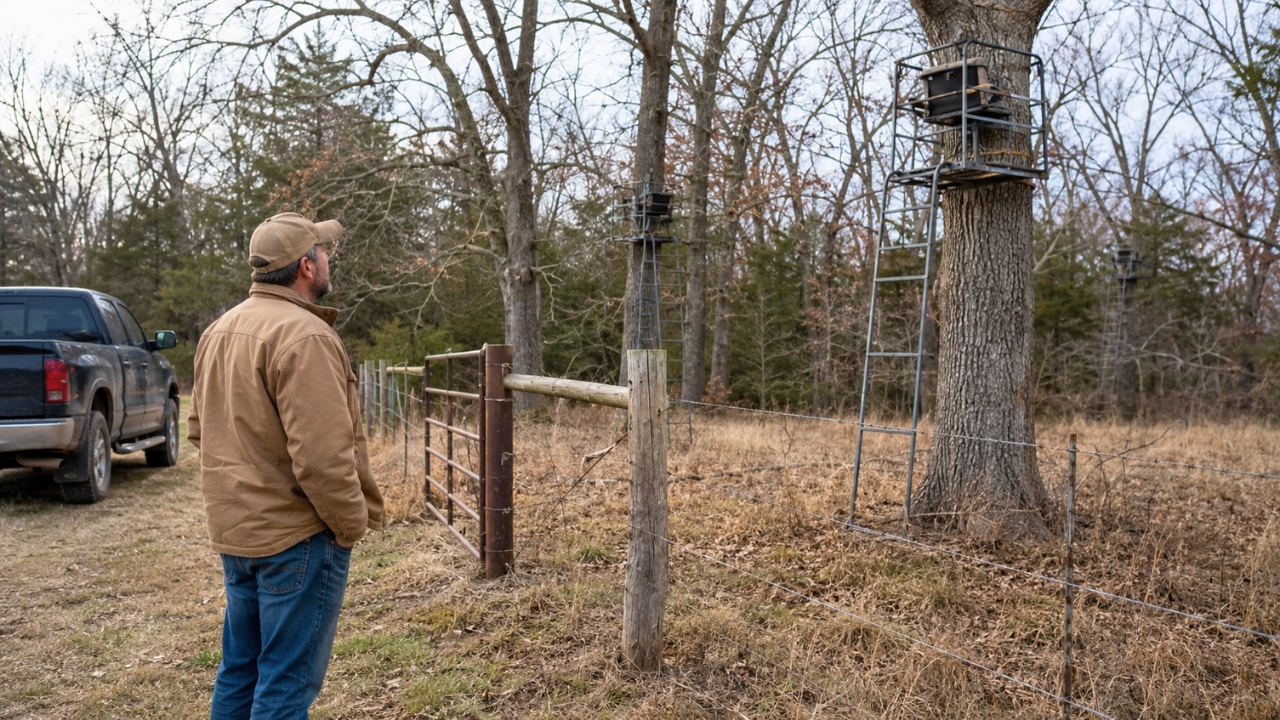
He said he had about 70 acres of woods in Pennsylvania, and the whole property was posted. That should have made things clear enough. Still, every year, he said he had to kick out five to ten different people trying to hunt there anyway. He allowed two other people plus himself to hunt the land, and they all used climbers. So when he walked the property before the season, he knew what should and should not be there.
That is what made the discovery so aggravating.
In a Reddit post titled “Tree stands on my (posted) property,” the landowner said he had gone out the night before to check deer trails and look for good places to set up that year. Instead, he found multiple ladder stands already placed throughout his woods.
That is not somebody getting turned around for a few minutes. A ladder stand takes time to haul in, position, and secure. Whoever put those stands there had made plans to hunt that property. They had walked in, found places they liked, set up equipment, and left it behind as if the land was theirs to use later.
For a landowner who already said he was tired of kicking people out, that had to feel like the final insult.
His question was simple, but loaded: what could he legally do with them? Could he throw them out? Could he take them? Were they abandoned property? Or could he end up creating his own legal problem by removing someone else’s stand, even if that stand was sitting on posted land where it did not belong?
That is where these situations get frustrating. A person can trespass on your ground, leave equipment behind, and still put you in a position where you are worrying about theft laws, confrontation, retaliation, or whether the game warden will actually do anything. The landowner was clearly angry, but he was also trying not to make a dumb move.
As the comments came in, he added more context. He said he had owned the land for eight years, but the problem had continued because some hunters still claimed the previous owner had given them permission. His answer was always the same: he was the current owner, and they were no longer allowed to hunt there.
That excuse had worn thin.
He also said the trespassers were not just quietly slipping through the woods. They were leaving beer cans and trash around the areas where they set up. That made it feel less like an old misunderstanding and more like people taking advantage of a place they knew they were not supposed to be.
The stands made it worse because they suggested confidence. These were not guys scared of getting caught. They were comfortable enough to leave equipment on posted property and come back later, likely expecting the same old pattern to repeat. Maybe they would get told to leave. Maybe they would claim they had permission from years ago. Maybe nothing serious would happen.
By the end of the thread, the landowner said he had gotten hold of the local game warden. The warden planned to come out the next week and check everything with him, including other issues tied to trespassers and hunting on the property.
That was probably the smartest move.
Taking the stands down might have felt satisfying. Selling them or cutting them apart might have felt even better. But once you are dealing with armed strangers, repeat trespassers, and private property disputes in the woods, satisfaction can get dangerous fast. Having a game warden involved gives the landowner a paper trail and keeps the first serious step from being a face-to-face argument with somebody who already ignored posted signs.
The story ended without a dramatic confrontation, but the tension was sitting there all the same. Somebody had claimed space on another man’s land. The owner found the evidence before the season started. And now the question was whether the people who put those stands there would come back expecting to hunt like nothing had changed.
Commenters were all over the map, but most of them agreed on one thing: call the game warden. Some told him to take photos of the stands where he found them, mark GPS locations, and let the warden decide the cleanest way to handle it. Others warned that taking the stands himself could create unnecessary trouble if the trespassers tried to spin it as theft.
Plenty of people were less patient. Some said the stands were his now. Others joked that he had just started a used tree-stand business. A few suggested taking the stands down, leaving a note, or putting cameras high in the trees to catch whoever came back looking for them.
The more serious comments focused on repeat offenders. Several landowners said that if the same people had been coming back for years, warnings clearly were not working. Their advice was to stop handling it casually and start involving wardens or state police every time. The point was not just punishment. It was making sure the trespassers finally understood that the property was posted, owned, and no longer open to whoever used to hunt it years ago.
Like The Avid Outdoorsman’s content? Subscribe to our newsletter so you never miss an article.
Here’s more from us: