Photo credit: Academy Sports
Hunters are stubborn about cartridges. A lot of people stick with what their dad used, what dropped their first deer, or what has been sitting in the safe for twenty years. That kind of loyalty is hard to break, even when something newer or better suited comes along.
But some calibers really do change minds. They make rifles easier to shoot, stretch range without beating up the shoulder, clean up bad habits, or give hunters more confidence when the shot finally shows up. These are the calibers that convinced plenty of hunters to switch and never look back.
6.5 Creedmoor

The 6.5 Creedmoor became popular enough that people got tired of hearing about it, but the reason it stuck is simple. It is easy to shoot, accurate in a lot of factory rifles, and carries sleek bullets well without punishing recoil. For hunters who were flinching behind bigger rifles, it made practice feel normal again.
Plenty of deer and antelope hunters switched from harder-kicking rifles and realized they were hitting better. That matters more than arguing about energy numbers. The 6.5 Creedmoor is not magic, and it is not the answer for every animal, but for medium game with good bullets, it made a lot of hunters more confident overnight.
7mm-08 Remington

The 7mm-08 Remington has been converting hunters for years because it does so much without making a scene. It gives you a useful 7mm bullet in a short-action rifle with recoil most people can handle. For deer, black bear, hogs, antelope, and even elk with proper bullets, it punches above what its mild manners suggest.
Hunters who switch to 7mm-08 usually like how normal it feels. It does not boom like a magnum or make a lightweight rifle unpleasant. It just shoots well and kills cleanly inside real hunting distances. For people who grew up thinking they needed a .30-06 for everything, the 7mm-08 can be a pleasant surprise.
.308 Winchester
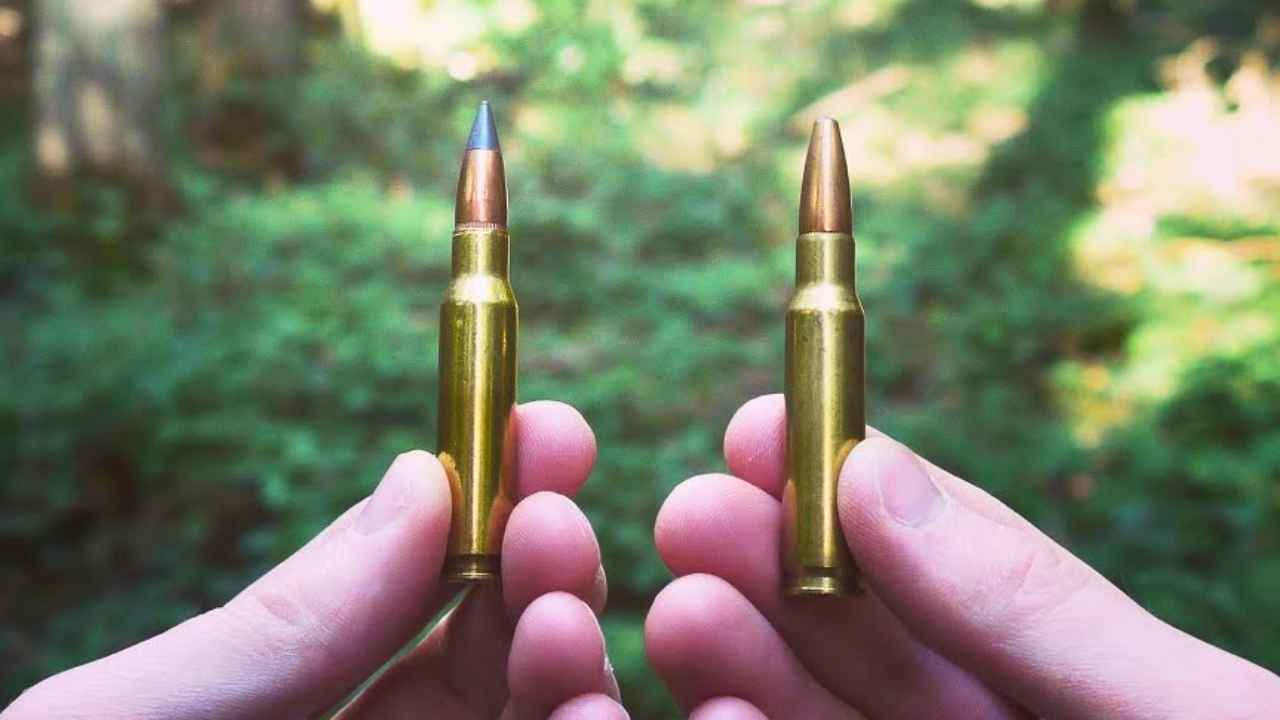
The .308 Winchester wins people over by being boring in the best way. It is easy to find, easy to load for, chambered in almost every type of rifle, and strong enough for most North American deer hunting. It does not have the glamour of newer cartridges, but it has the kind of usefulness that keeps people from wandering off.
A lot of hunters switch to .308 after getting tired of hard recoil, expensive ammo, or rifles that are longer and heavier than they need to be. A compact .308 bolt gun can handle whitetails, hogs, black bear, and plenty of elk hunting with good bullets. Once hunters realize how little they gave up, they usually stay with it.
.270 Winchester
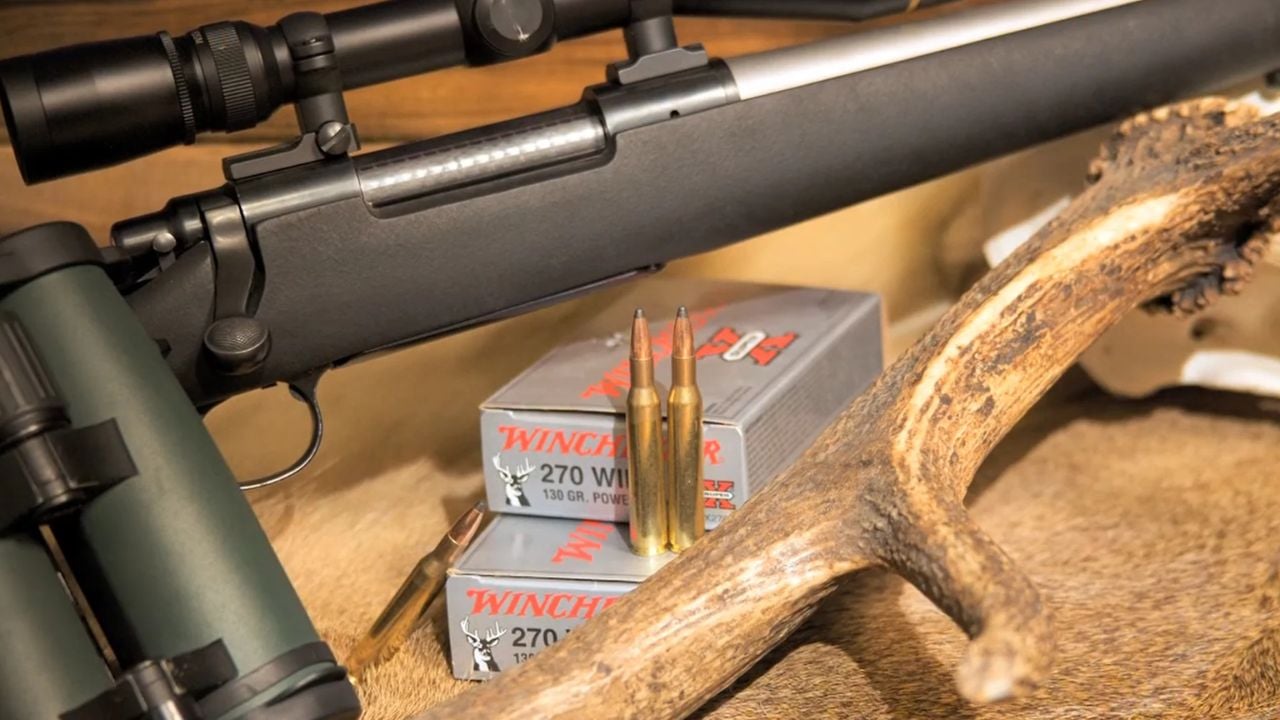
The .270 Winchester has been making hunters switch for generations. It shoots flat, recoils less than many .30-caliber hunting rounds, and has enough power for deer, pronghorn, sheep, black bear, and elk in the hands of someone who uses the right bullet. It became a classic because it works in the country where hunters actually use it.
Hunters who move from slower woods rounds or heavier recoiling rifles often find the .270 easier to live with. It gives them reach without magnum punishment. A good .270 loaded with 130- or 150-grain bullets still feels like one of the smartest all-around hunting choices ever made.
.243 Winchester

The .243 Winchester has changed a lot of minds, especially for youth hunters, smaller-framed hunters, and anyone who shoots better with less recoil. It is not a heavy-game cartridge, and it should not be treated like one. But for deer and antelope with proper bullets, it has been proving itself for decades.
The switch usually happens after someone realizes they do not need to get kicked to kill a whitetail. A .243 lets hunters practice more, stay relaxed behind the rifle, and make cleaner shots. That does not make it perfect for every situation, but for the right game and the right shooter, it makes hunting more enjoyable.
.30-06 Springfield
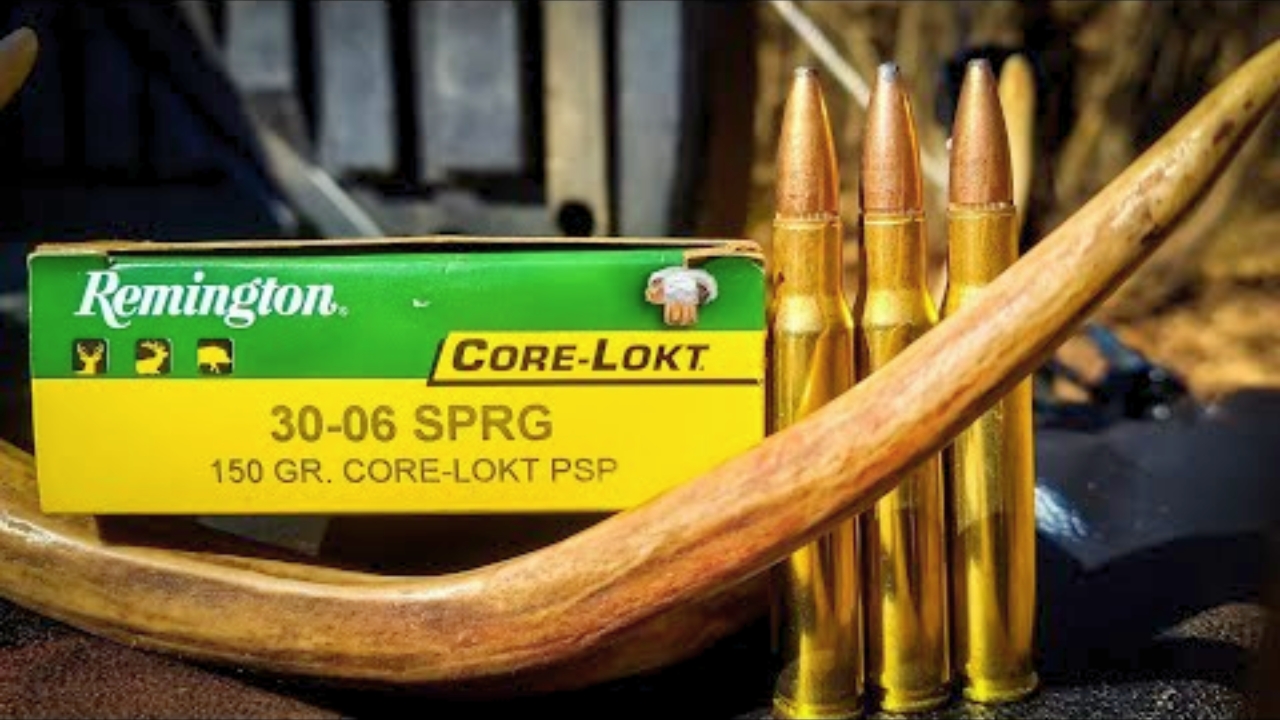
The .30-06 Springfield is one of the old cartridges that still makes people switch because it solves so many problems at once. It can be loaded light for deer or heavy for elk, moose, and black bear. It is chambered everywhere, and ammo choices cover almost every big-game situation a hunter is likely to face.
Some hunters switch to .30-06 after trying specialty cartridges and getting tired of limitations. They come back to a round that is powerful without being absurd, common without being weak, and flexible without needing excuses. It may not be trendy, but it remains one of the easiest cartridges to trust for a lifetime.
7mm Remington Magnum

The 7mm Remington Magnum convinced a lot of open-country hunters to leave slower cartridges behind. It shoots flat, handles high-BC bullets well, and carries enough authority for mule deer, elk, sheep, antelope, and larger whitetails. It gives magnum reach without the full punishment of some .30-caliber magnums.
Hunters who switched to it often liked the confidence it gave them across canyons and bean fields. It is still more cartridge than some deer hunters need, but for western hunting it has a long record for a reason. The 7mm Rem. Mag. is one of those rounds that can make an old rifle feel ready for bigger country.
.300 Winchester Magnum
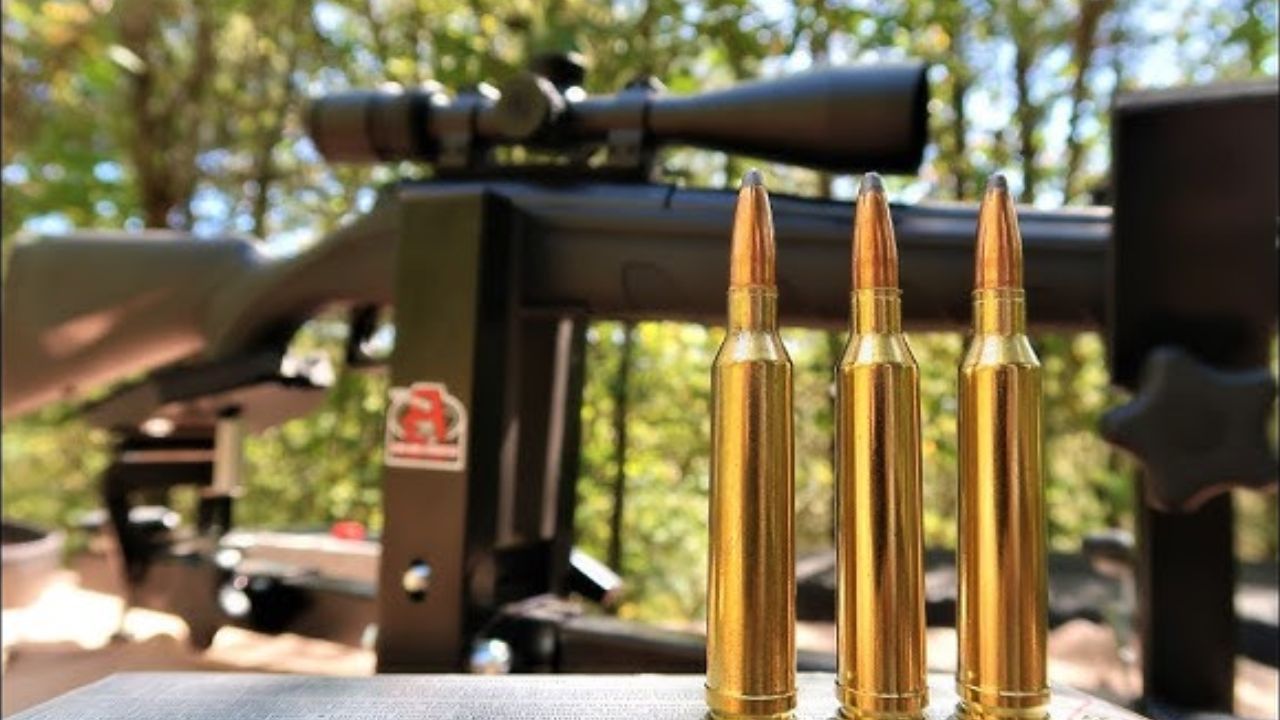
The .300 Winchester Magnum has made plenty of hunters switch when elk, moose, or long-range mule deer became part of the plan. It throws useful .30-caliber bullets fast and hits with authority at distance. For hunters who want one rifle that can handle big country and big animals, it has always been easy to understand.
The downside is recoil, and not everyone shoots it well. But hunters who can manage it often stay loyal because it gives them confidence on tough angles and larger animals. A good .300 Win. Mag. with quality bullets can make a hunter feel prepared for almost anything short of the really specialized dangerous-game stuff.
.280 Ackley Improved

The .280 Ackley Improved became the cartridge that made some hunters finally move away from both .270 and 7mm magnums. It offers strong 7mm performance without the same recoil and powder burn as bigger magnums. It also works well with modern bullets, which helped it gain fresh attention.
Hunters who switch to it usually like the balance. It shoots flat, carries energy well, and does not feel like too much gun in a mountain rifle. It is not as easy to find on every shelf as .270 or .30-06, but for hunters who plan ahead, the .280 AI has a way of making older choices feel a little less exciting.
.25-06 Remington

The .25-06 Remington has changed the minds of hunters who wanted speed without heavy recoil. It is flat-shooting, accurate, and excellent for deer, antelope, coyotes, and open-country hunting. With the right bullets, it kills cleaner than its mild recoil might lead people to expect.
A lot of hunters switch to .25-06 after realizing they do not need a magnum for long fields or prairie country. It gives them a fast bullet, a forgiving trajectory, and enough performance for medium game without beating them up. For whitetails and pronghorn, it is one of those cartridges that makes a hunter wonder why they waited so long.
.35 Whelen

The .35 Whelen made some hunters switch because they wanted thump without jumping into magnum nonsense. It is based on the .30-06 case but necked up to .35 caliber, giving hunters a heavy bullet with serious authority. For elk, moose, black bear, hogs, and close-range woods hunting, it has a lot going for it.
Hunters who like the Whelen usually are not chasing flat trajectory. They want impact, penetration, and confidence when the shot is inside practical distances. It makes sense for timber, brushy country, and bigger animals where bullet weight matters. Once a hunter sees what it does, lighter deer cartridges can start feeling a little thin.
.45-70 Government
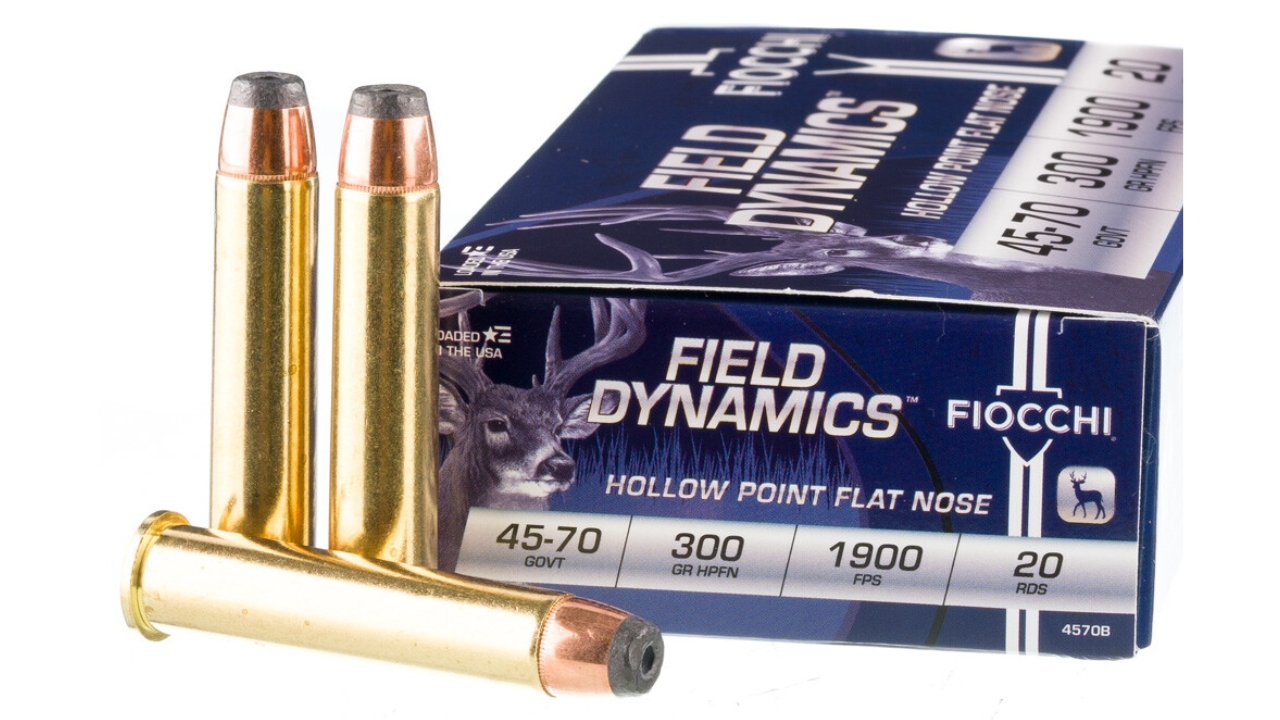
The .45-70 Government has converted a lot of lever-gun hunters who wanted serious close-range power. In modern rifles with appropriate loads, it can handle deer, hogs, black bear, elk in timber, and even larger game at modest distances. It is not flat-shooting, but nobody should pretend that is its job.
The switch usually happens when a hunter stops caring about long-range ballistics and starts hunting thick cover. A .45-70 makes sense in a handy lever gun where shots are close and decisive. It hits hard, leaves a big hole, and gives hunters a very different kind of confidence than small, fast cartridges.
.350 Legend
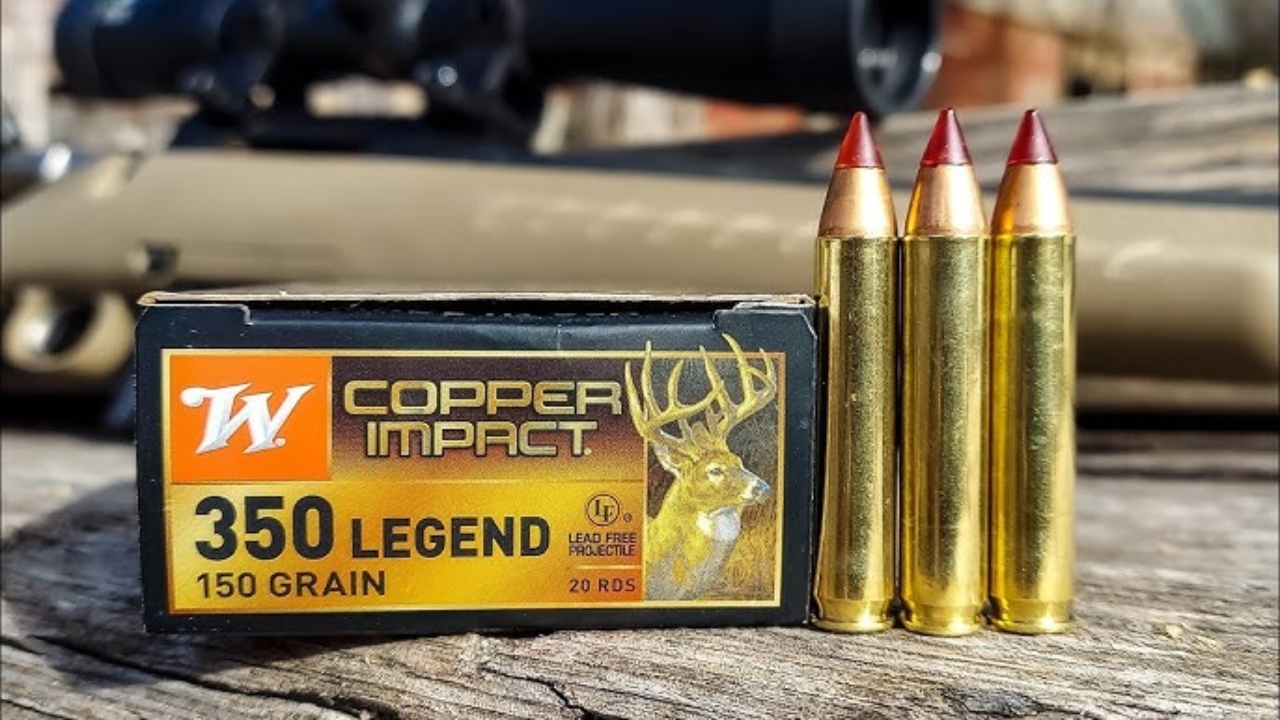
The .350 Legend changed things for hunters in straight-wall states. It gave them a light-recoiling, affordable, widely chambered option that worked well on deer without needing a slug gun. For a lot of Midwest hunters, that was enough to make the switch fast.
It is not a long-range powerhouse, and it should not be treated like one. But inside normal deer distances, it does exactly what many hunters need. It is easier to shoot than most slug guns, cheaper to feed than some boutique straight-wall rounds, and simple enough that new hunters can get comfortable with it quickly.
.450 Bushmaster
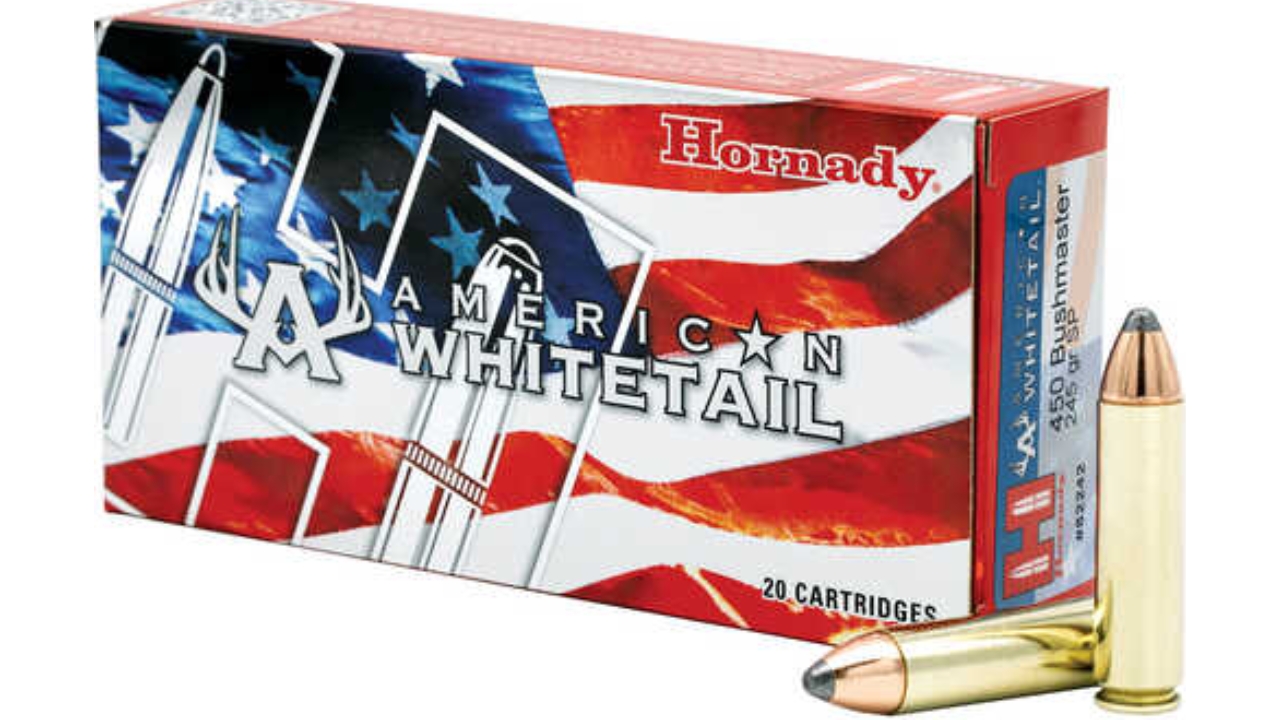
The .450 Bushmaster gave straight-wall hunters a harder-hitting option than the .350 Legend. It brings big-bore authority in AR platforms and bolt guns, making it popular with deer and hog hunters who want power inside shorter ranges. In states where straight-wall rules matter, it filled a real need.
Hunters who switched from slug guns often appreciated the accuracy and rifle feel. It kicks more than some expect, but it also hits hard enough to make people trust it. For woods, blinds, and food plots where ranges stay reasonable, the .450 Bushmaster became a cartridge many hunters adopted and kept using.
6.5 PRC

The 6.5 PRC won over hunters who liked the 6.5 Creedmoor idea but wanted more speed and range. It pushes heavier, sleek 6.5 bullets faster, giving open-country hunters a flatter trajectory and more retained energy. For mule deer, antelope, sheep, and even elk with proper bullets and discipline, it has a real following.
The switch makes sense for hunters who want a modern mountain or western rifle without jumping straight to a hard-kicking magnum. The 6.5 PRC still needs good bullets and careful shot choices, but it gives more reach than the Creedmoor while staying manageable. That balance is why some hunters never go back.
7mm PRC

The 7mm PRC is one of the newer cartridges that has already convinced some hunters to rethink their old magnums. It was built around heavy, high-BC 7mm bullets and modern rifle twists, which gives it a cleaner long-range design than many older cartridges. For elk, mule deer, sheep, and open-country hunting, it has obvious appeal.
Hunters who switch to it often like that it feels purpose-built instead of patched together from older ideas. It gives strong 7mm performance with modern bullet support and less recoil than some big .30-caliber magnums. It is not needed for every deer stand, but for western hunters it can feel like the new obvious answer.
6.8 Western
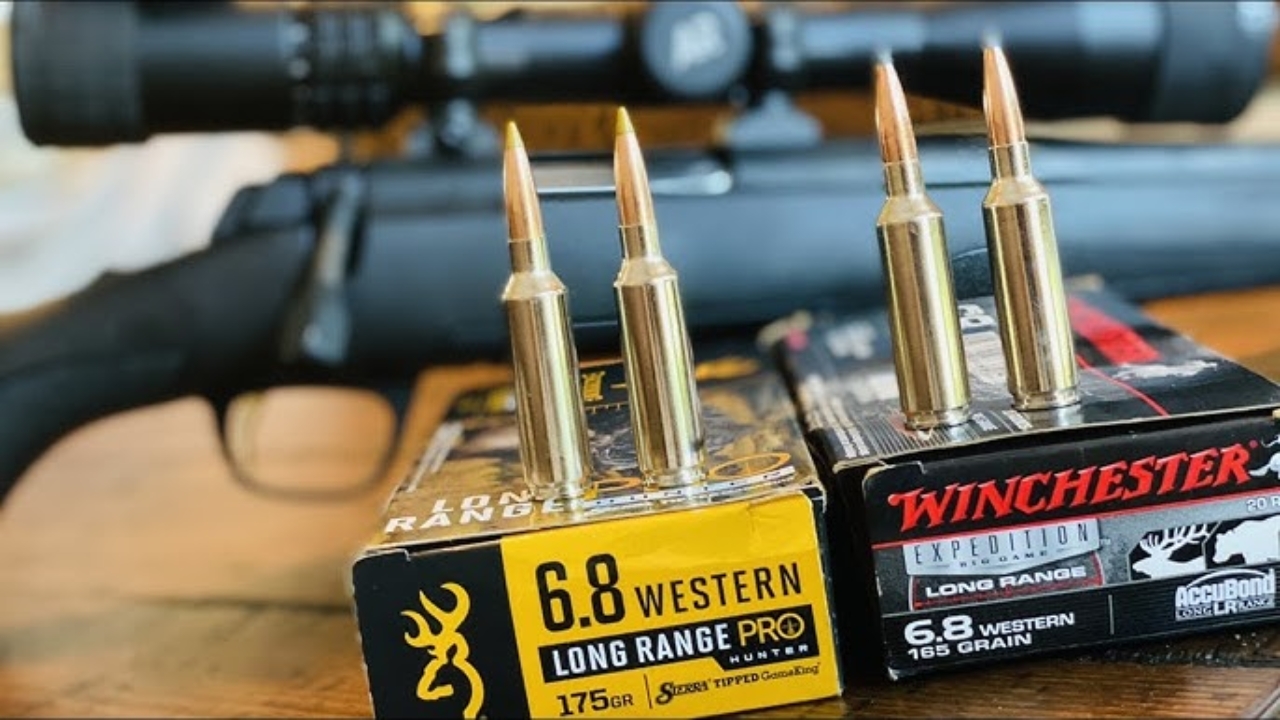
The 6.8 Western made some hunters switch because it gave .277-caliber fans something the old .270 Winchester never fully offered from factory rifles: heavy, high-BC bullets built into the cartridge from the start. It brings more modern long-range capability while still staying in a familiar hunting diameter.
The cartridge did not take over the world, but hunters who bought into it often liked what it offered. It hits harder than its recoil suggests and gives open-country hunters a serious option for deer, elk, and mountain game. For people who always loved .270s but wanted a more modern version, the 6.8 Western made sense.
.300 PRC

The .300 PRC has pulled some long-range hunters away from older .30-caliber magnums. It was built around heavy, high-BC bullets and long-range consistency, which appeals to hunters who want a more modern magnum design. For elk, moose, mule deer, and long open-country shots, it has serious capability.
The tradeoff is recoil, rifle size, and ammo cost. This is not a cartridge every whitetail hunter needs. But for hunters who already practice at distance and want a modern .30-caliber magnum, the .300 PRC can make the .300 Win. Mag. feel a little dated. Once they switch, many do not feel the urge to go back.
.338 Winchester Magnum
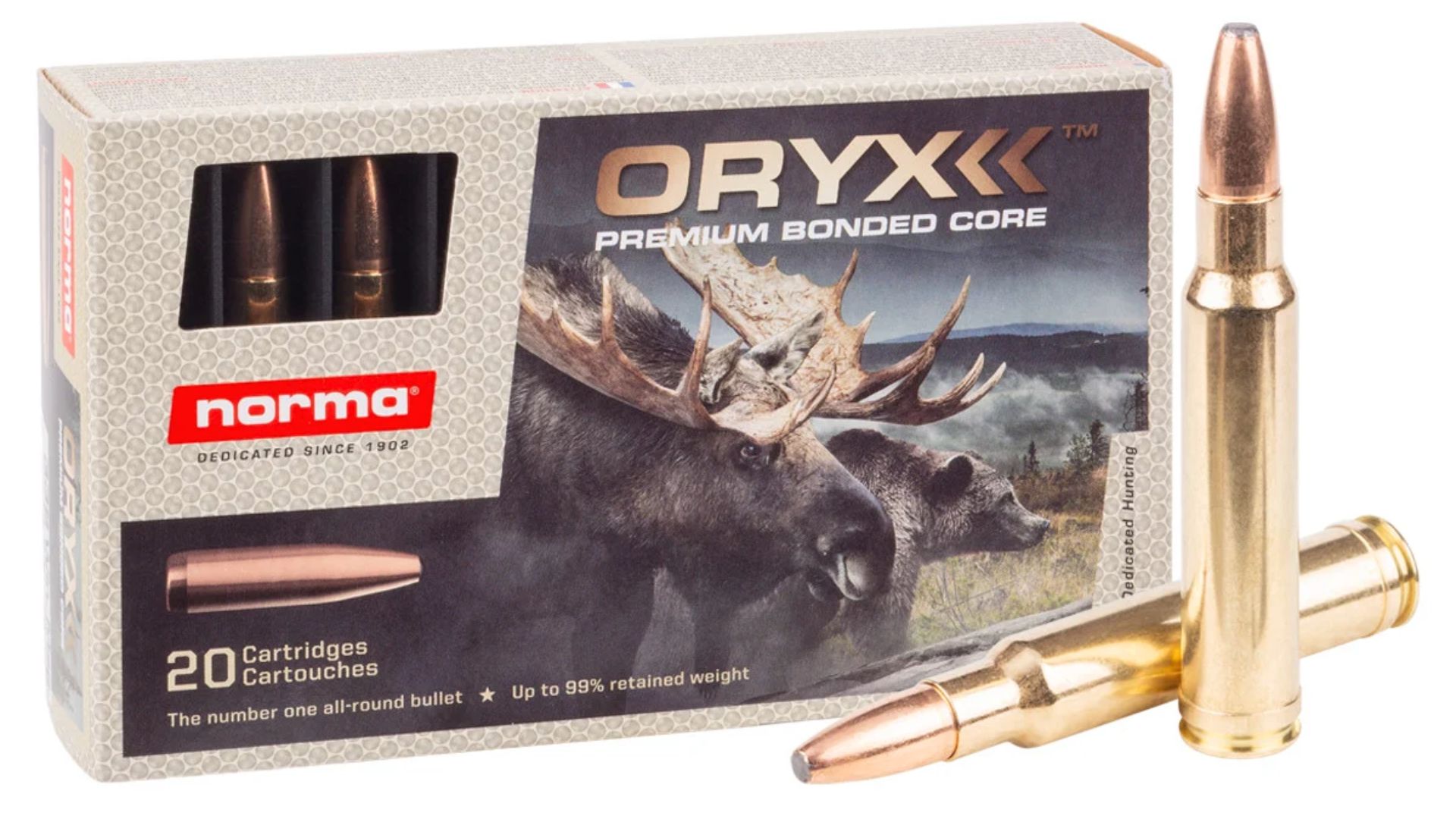
The .338 Winchester Magnum made hunters switch when they started chasing bigger animals. It has long been respected for elk, moose, bears, and heavier game because it throws big bullets with real authority. It is not mild, but it brings confidence when animals are large and the shot angle is less than perfect.
Hunters who stick with it usually accept the recoil because they like what it does on game. A .338 Win. Mag. is not necessary for most deer hunting, but when the target gets bigger, it makes sense fast. For serious elk and moose hunters, it can become the rifle they trust most.
.300 Blackout

The .300 Blackout made some hunters switch for a very specific reason: suppressed, close-range hog and deer hunting. It is not a general-purpose big-game cartridge, and it should not be sold that way. But in short barrels, AR platforms, and close woods, it offers something the old bolt-action deer rounds do not.
Hunters who use it correctly often like the compact setup more than the ballistics. Supersonic loads can work on hogs and deer at reasonable distances with the right bullets, while suppressed setups make it useful for certain night and property-control situations. It is not for everyone, but in its lane it made some hunters stop dragging around more rifle than they needed.
Like The Avid Outdoorsman’s content? Subscribe to our newsletter so you never miss an article.
Here’s more from us: