Photo credit: Sako
When you’re shooting off bags, the rifle gets to show you its best side. The wobble is mostly gone, the recoil tracks the same way, and you can focus on a clean trigger press and a good call. That’s why certain rifles build a reputation as “drivers” at the bench. The problem is that the bench can hide what matters in the field. The moment you stand up, your balance, breathing, sling tension, and follow-through become the whole game. A rifle that felt effortless on bags can suddenly feel like a cinder block on a broom handle.
This usually isn’t a mystery of accuracy. It’s weight, balance, stock geometry, trigger characteristics, and optics choices. Heavy barrels, long handguards, tall scopes, and chassis setups tend to settle in beautifully on a rest. Offhand, they magnify every little mistake and wear you out fast. If you’ve ever shot a great group prone and then sprayed a paper plate standing, you’ve met this problem in real life.
Ruger Precision Rifle

The Ruger Precision Rifle is built to shine from a supported position. It rides bags well, the chassis keeps things stable, and the weight helps it track the same way shot to shot. From a bench or prone, you can do your part and watch it stack hits without fighting recoil or balance.
Offhand is where it turns into work. The rifle is heavy, the balance is often forward, and that front end will exaggerate your wobble the longer you hold it up. The pistol-grip chassis setup also pushes you toward a “precision” stance that doesn’t always feel natural standing. You can hit with it offhand, but you’ll feel every extra ounce, and your sight picture will dance more than you want.
Savage 110 BA Stealth

The 110 BA Stealth has the kind of mass and rigidity that makes bags feel like cheating. The chassis and heavy barrel settle into a rest, and the rifle tends to behave consistently when you’re shooting slow, calling shots, and letting the gun do its thing. It’s made for supported precision, and it shows.
Stand up with it and you learn what that precision costs. The weight adds up fast, and the long, forward-heavy feel makes it harder to keep the reticle from drifting. If you run a big scope, the wobble looks worse because you’re seeing more movement. The rifle isn’t falling apart mechanically. Your body is doing what bodies do when you ask them to hold up a heavy precision rig.
Tikka T3x TAC A1

The TAC A1 is a smooth, consistent rifle from support. The chassis is stable, it tracks well on bags, and the whole setup feels predictable when you’re prone or benched. That predictability is a big reason people shoot it well. It doesn’t surprise you.
Offhand, the same features can betray you. The chassis, long handguard, and common optic setups make it top-heavy and front-heavy. You’ll see more wobble, and your hold will fatigue quickly. The straight-line recoil benefits don’t matter much standing, because your biggest enemy is movement before the shot breaks. You can still run it, but it demands better position and more strength than a lighter hunting rifle with better balance.
Bergara B-14 HMR

The B-14 HMR is famous for shooting well from a rest because it’s built like a crossover rifle. The heavier contour barrel and stable stock geometry help it sit dead on bags. In a controlled environment, it feels calm and repeatable, which makes it easy to trust.
Offhand, that “calm” turns into weight you have to manage. The HMR stock and barrel profile give you steadiness on a rest, but standing, the rifle can feel sluggish and tiring. If you’re used to quick handling in the woods, the slower swing and extra front-end mass can make your sight picture wander. It’s not that the rifle can’t shoot offhand. It’s that it makes you pay for every weak link in your stance, grip, and follow-through.
Remington 700 SPS Tactical

A 700 SPS Tactical with a heavier barrel can print great groups off bags because it’s stable and familiar. The action design has a long track record, and the heavier profile soaks up some movement. From a bench, it’s easy to shoot well when your fundamentals are steady and the rifle is supported.
Offhand, that heavier barrel and common tactical builds work against you. Many people mount large scopes and run heavier stocks, which pushes weight forward and raises the center of mass. Your wobble grows, and your hold degrades faster than you expect. The factory stock on many SPS rifles also isn’t shaped for comfortable standing work. You can absolutely make hits, but it takes more discipline in your position than most hunters practice.
Howa 1500 HCR

The Howa 1500 in an HCR-style chassis setup loves bags. The chassis gives it consistency, and the rifle tends to feel steady when you’re supported. Prone, it tracks well, recoil is predictable, and it’s easy to believe you’ve found a rig that makes shooting feel simple.
Standing, it becomes a different animal. The chassis, rail, and typical accessory choices add weight where you feel it most. The balance is often forward, and the rifle can feel like it wants to tip out of your hands. If you’re running a bipod and a heavy optic, you’re lifting a lot of mass that doesn’t help you offhand. Hits are still possible, but you’ll notice your groups open quickly as fatigue and wobble pile up.
Christensen Arms Modern Precision Rifle (MPR)

The MPR is designed for supported accuracy, and it shows when you shoot it off bags. The chassis and barrel setup encourage a stable, repeatable position, and the rifle tends to shoot clean when you’re calm and methodical. It’s built for the kind of shooting where small inputs matter.
Offhand, the build becomes demanding. Even if it’s lighter than some precision rigs, it’s still a long rifle with a setup that commonly includes a tall scope and heavier accessories. That makes the reticle look busy standing, and it tempts you to “send it” during wobble instead of breaking clean. The rifle doesn’t lose accuracy. You lose steadiness. If you want it to behave offhand, you have to commit to position and timing, not bench habits.
Browning X-Bolt Max Long Range

The X-Bolt Max Long Range is meant to be shot from support, and it tends to feel great on bags. The stock design and heavier barrel profile help it settle in, and it can be very consistent when you’re shooting prone or benched. It’s a rifle built for deliberate shots.
Offhand, it can feel unwieldy compared to a standard hunting rifle. The weight that helps stability on a rest becomes fatigue in your support arm. The stock shape also encourages a supported style, not a quick snap shot. If you’re running high magnification, the wobble looks worse than it really is, and that can rush your trigger press. You can still hunt with it, but it rewards shooting positions that give it something solid to sit on.
Savage 12 FV (heavy varmint profile)

A Savage 12 FV-type heavy varmint rifle can shoot extremely well off bags because it’s built around stability. The heavy barrel and bench-friendly feel help it track straight, and it’s easy to print tiny groups when the rifle is supported and your cadence is controlled.
Offhand, that same barrel becomes your enemy. The front end is heavy, the hold gets shaky fast, and the rifle feels slow to settle. Even if the trigger is decent, you’ll fight the sight picture more than you’ll fight the trigger. Varmint rifles are meant to live on rests, bipods, and packs, not hover in midair. If you try to run one like a lightweight deer rifle, you’ll get humbled quickly, even though the rifle is doing its job exactly as designed.
CZ 457 Varmint

The CZ 457 Varmint can look like a laser off bags. The heavier barrel and solid feel make rimfire groups tighten up when you’re supported, and it’s the kind of rifle that makes you chase one-hole targets with confidence. On a rest, it feels steady and precise.
Offhand, it can get surprisingly hard to keep that same precision. The rifle is front-heavy for a .22, and the longer barrel wants support to really shine. Add a scope with higher magnification and the wobble looks huge. Rimfire also punishes sloppy hold because small changes in position and trigger timing show up on paper. The rifle isn’t inaccurate standing. It’s demanding. If you want offhand success, you need a steadier stance and a cleaner trigger press than most casual plinking ever requires.
Springfield Armory Waypoint

The Waypoint can shoot beautifully off bags, and that’s a big part of why people talk about it. It’s built to be accurate, and when you’re supported, it’s easy to see what the barrel and action can do. It rewards careful shooting with tight, confident groups.
Offhand, it can still expose you, especially in common hunting setups with lighter rifles and larger optics. A lightweight rifle moves more in your hands, and if you add a tall scope, the whole system can feel top-heavy. The recoil impulse can also knock you around more than a heavier rifle would, which makes follow-through harder standing. The rifle is accurate. The challenge is that you have less mass working in your favor offhand. You have to bring more control to the shot.
Ruger Precision Rimfire

The Ruger Precision Rimfire is easy to shoot well off bags because it mimics a centerfire precision setup. The chassis format, adjustability, and stable feel make it comfortable from support. It’s a rimfire that encourages slow, deliberate shooting, and it can produce excellent groups when you’re doing everything consistently.
Standing, that precision layout becomes less friendly. The chassis and accessories add weight, and the rifle often balances forward. If you’re running a large scope, you’ll see every wobble amplified. The ergonomics are great for prone, but offhand can feel awkward compared to a classic sporter stock. It’s a terrific training rifle, but it can teach you a lesson: supported precision and offhand control are different skills, and the same setup doesn’t make both easy.
AR-10 pattern rifles like the Aero Precision M5

An AR-10 like an Aero Precision M5 build can shoot very well off bags, especially with a good barrel and consistent ammo. The platform is stable when supported, recoil is manageable, and it’s easy to stay on target for follow-up shots. From a bench, it can feel like a smooth, predictable machine.
Offhand, AR-10s can feel bulky and front-heavy. The larger receiver set, heavier barrel options, and common optic choices add up. You end up holding a lot of rifle out in front of you, and the reticle can drift in a way that makes you rush shots. The trigger and gas system might be perfectly fine, but the weight distribution makes standing work harder. You can still run it offhand, but it rewards a strong stance and practical magnification, not bench-style glass.
Daniel Defense DD5V4
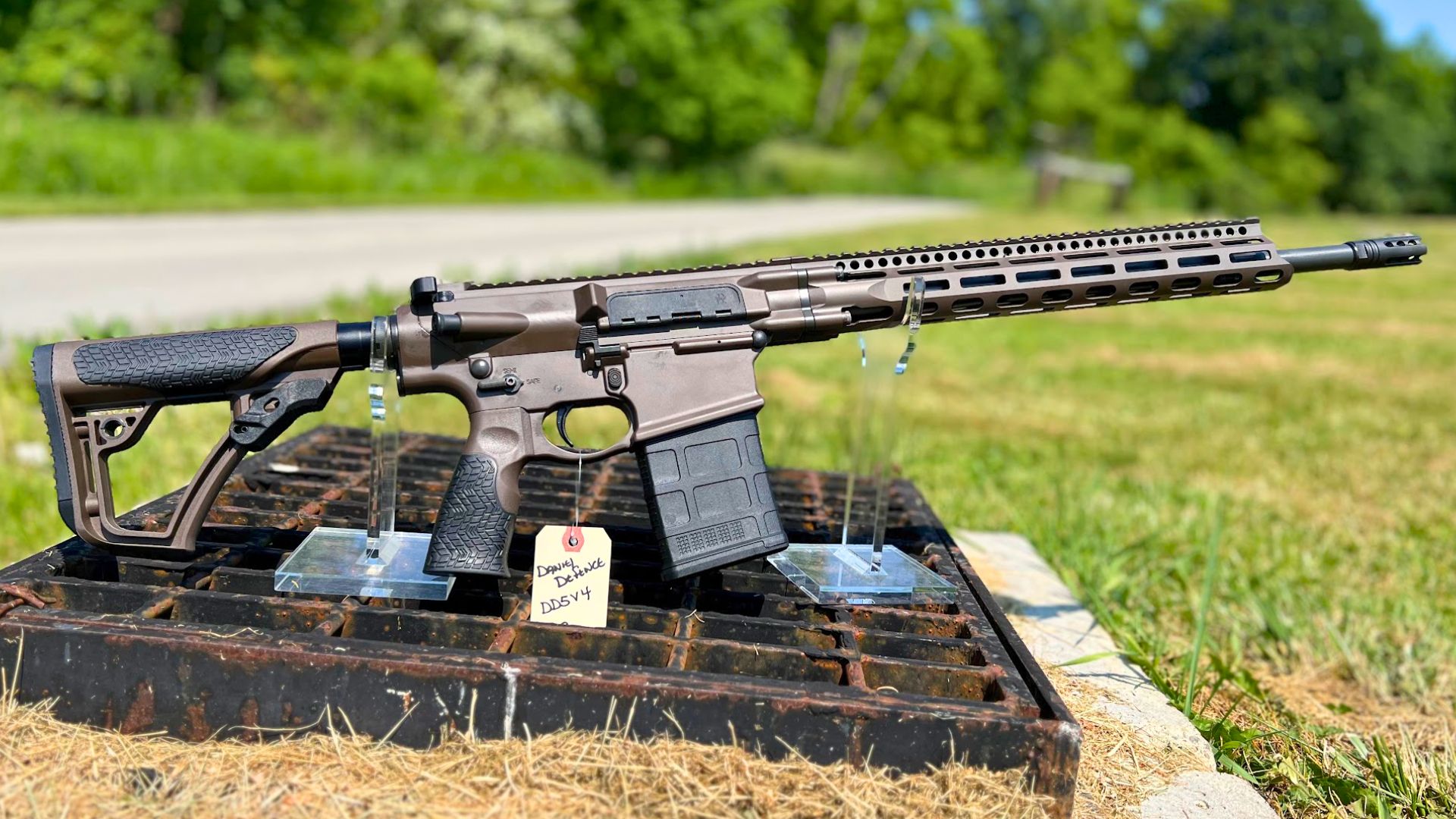
The DD5V4 is a refined AR-10 that can shoot impressively off bags. The build quality, consistency, and recoil behavior make it easy to keep groups tight when supported. With the right optic and ammo, it’s a rifle that inspires confidence on the bench and prone.
Offhand, the rifle’s strengths don’t erase physics. You’re still holding a .308-class semi-auto that usually wears a heavier scope and mount. The balance tends to be forward, and sustained holds get tiring quickly. When fatigue creeps in, your trigger press gets less clean and your follow-through suffers. The rifle hasn’t changed. Your ability to keep the gun steady has. If you want it to shine offhand, you’re better served keeping magnification realistic and practicing standing drills, not relying on the bench result.
Remington 700 Police (700P)

The 700P earned its reputation by shooting well from support. The heavy barrel and overall mass make it stable on bags, and it’s the kind of rifle that feels calm when you’re prone, benched, and focused on tiny corrections. It’s built for precision work where support is assumed.
Offhand, it’s a different story. The weight that helps you on the bench becomes a burden standing. The rifle settles slowly, your wobble grows with time, and your sight picture can make you feel late to the shot. Many 700P rifles also wear big optics that magnify movement. None of this means you can’t hit with it standing. It means it’s a precision rifle asking for a precision position. If you want offhand performance, you need to train like a highpower shooter, not a bench shooter.
Like The Avid Outdoorsman’s content? Subscribe to our newsletter so you never miss an article.
Here’s more from us: