Photo credit: Gunguy 83/YouTube
Carry guns are easy to defend because every shooter values something different. Some people care most about size. Others want capacity, comfort, a certain trigger system, or a brand they have trusted for years. A pistol that feels wrong to one person may fit another person’s routine perfectly.
That said, some carry guns keep getting defended long after their flaws are obvious. They might be too snappy, too heavy, too outdated, too low-capacity, or too hard to shoot well under pressure. Loyal fans may still love them, but that does not mean they are good choices for most people today.
North American Arms Mini Revolver

The North American Arms Mini Revolver has loyal fans because it is about as small as a real firearm can get. It fits almost anywhere, disappears in a pocket, and gives people the comfort of having something on them when a larger gun feels impossible. For extreme deep concealment, that tiny size is the entire appeal.
The problem is that it is very hard to run like a serious defensive handgun. The grip is tiny, the sights are minimal, and follow-up shots are slow. Even loading and unloading takes more attention than most modern carry guns. It is better than nothing, but that phrase does most of the heavy lifting when people defend it.
Seecamp LWS .32

The Seecamp LWS .32 has a cult following because it is beautifully made and incredibly compact. It feels like a little piece of precision metalwork, not a cheap pocket pistol. For years, it had a reputation as a classy deep-concealment gun for people who wanted something smaller than almost anything else.
The loyalty makes sense until you compare it to what modern carry pistols offer. The sights are essentially nonexistent, the caliber is limited, and the gun is very specialized. It is not built for easy practice or fast shooting. Fans love the craftsmanship, but craftsmanship does not automatically make it a strong everyday carry choice.
Beretta Tomcat 3032
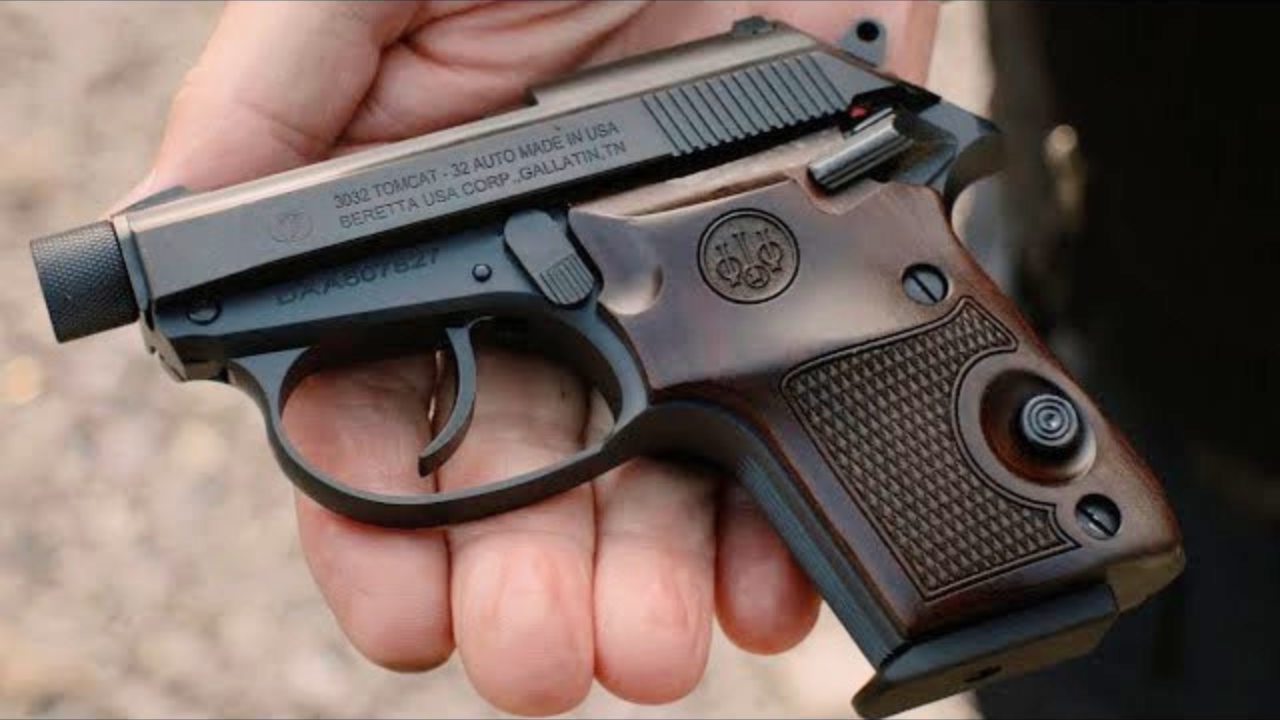
The Beretta Tomcat has fans because it is small, charming, and has a tip-up barrel that makes loading easier for people who struggle with slides. That feature alone keeps it relevant for some shooters. It also has the kind of old-school personality that polymer pocket guns do not offer.
But as a carry gun, it has plenty of drawbacks. It is chunky for a .32 ACP, capacity is limited, and the sights are small. The design fills a narrow need, but fans sometimes defend it like it is still one of the smartest pocket-carry options around. For most people, modern .380s and compact 9mms offer a lot more capability.
Bond Arms Backup

The Bond Arms Backup has loyal fans because it is built like a tank and looks serious. The little derringer format has a certain appeal, especially for people who like simple guns with big calibers. It feels tough enough to survive almost anything.
The problem is that it is heavy, low-capacity, and slow to shoot well. Two rounds and a stiff trigger are not much to work with in a defensive situation. It is interesting and well made, but as an everyday carry gun, it asks the shooter to accept too many limitations just to carry something different.
AMT Backup
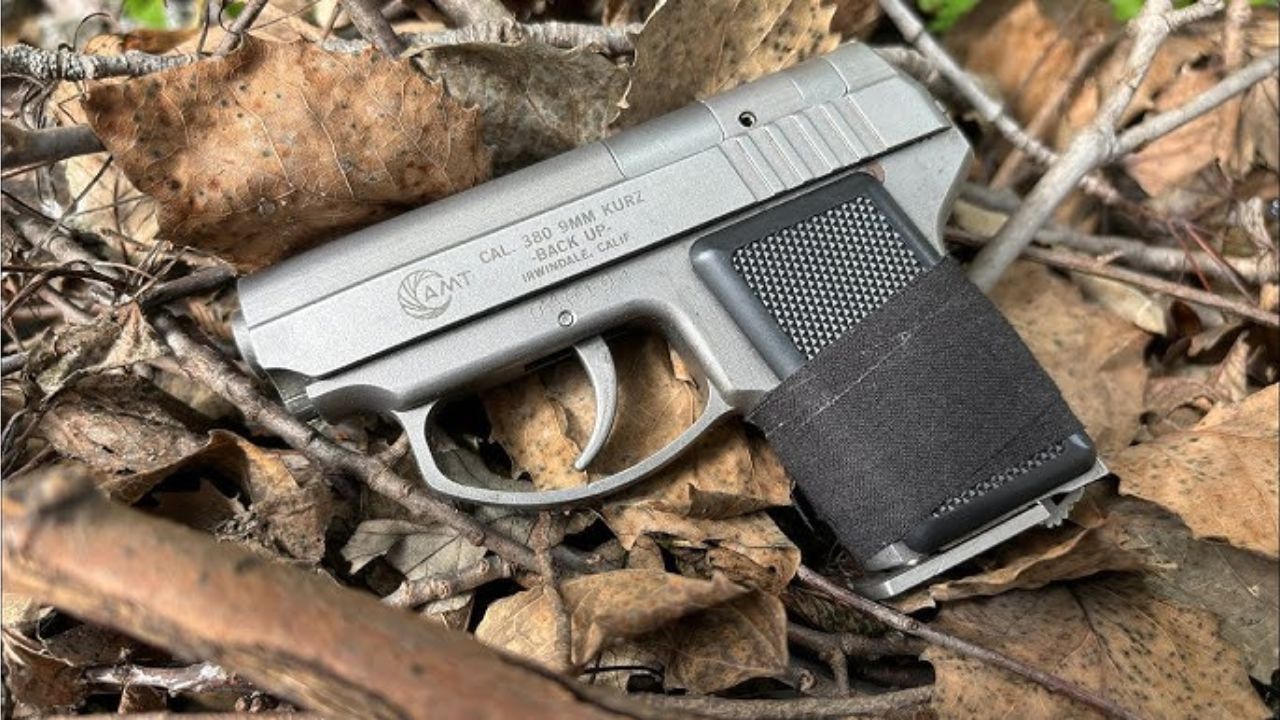
The AMT Backup still has defenders because it came from an era when pocket autos were not nearly as common as they are today. It was compact, stainless, and looked like a serious little defensive pistol. For people who carried one years ago, nostalgia does a lot of work.
By modern standards, it feels rough. The trigger can be heavy, the sights are tiny, and the gun is not especially pleasant to shoot. It may have been useful in its time, but today there are smaller, lighter, more reliable, and easier-shooting options. Loyalty to an old carry gun does not make it competitive now.
Colt Mustang Pocketlite

The Colt Mustang Pocketlite has a loyal following because it is light, compact, and tied to the Colt name. It also gives fans a small single-action pistol that feels more refined than many striker-fired pocket guns. For people who like classic controls, it has real appeal.
The downside is that it is still a small .380 with limited capacity and tiny controls. Carrying cocked and locked in such a small pistol is not something every shooter wants to manage. It is a neat little gun, but its fans often defend it because of its charm and Colt heritage more than its practicality.
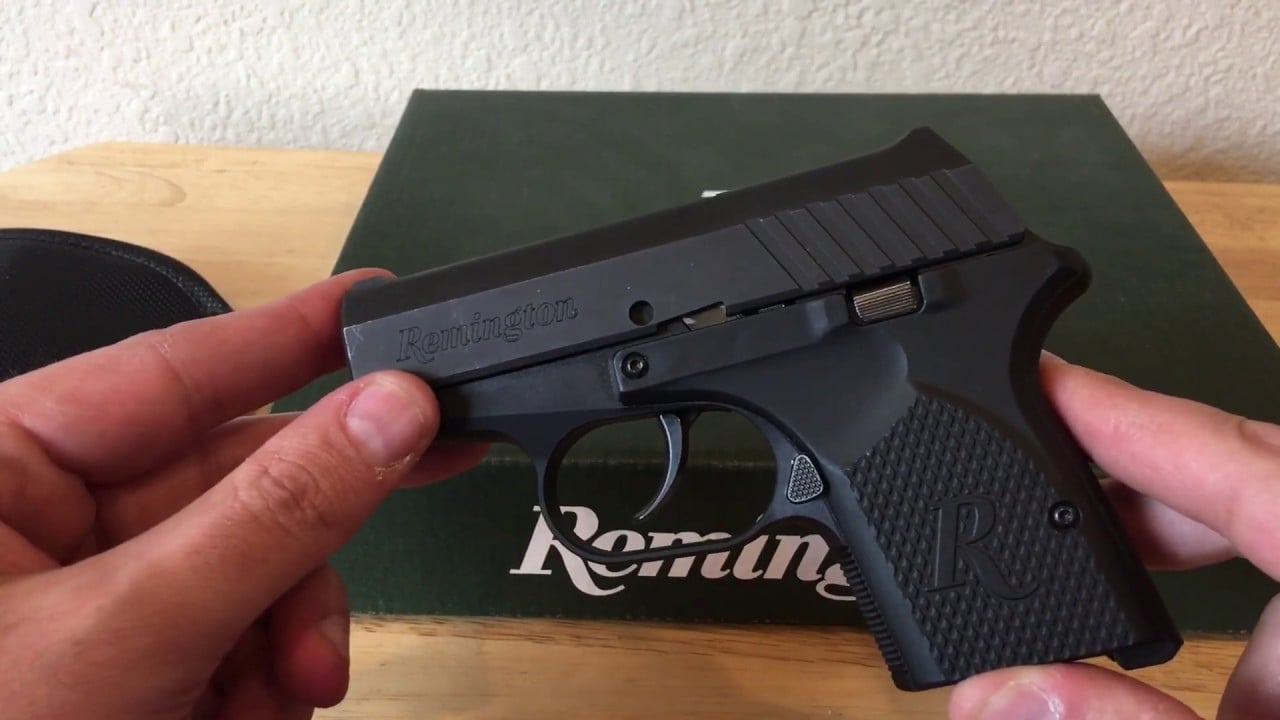
Remington RM380

The Remington RM380 has supporters because it is small, smooth-sided, and easy to carry in a pocket. It feels sturdier than some tiny .380 pistols and can be found for reasonable money. For someone who wants a simple deep-carry pistol, it can look like a sensible pick.
The problem is that it does not give the shooter much to love. The trigger is long, the sights are minimal, and the overall shooting experience feels dated. It may be easy to carry, but it is not especially easy to shoot well. Carry comfort matters, but the gun still has to perform when it leaves the pocket.
KelTec P-3AT
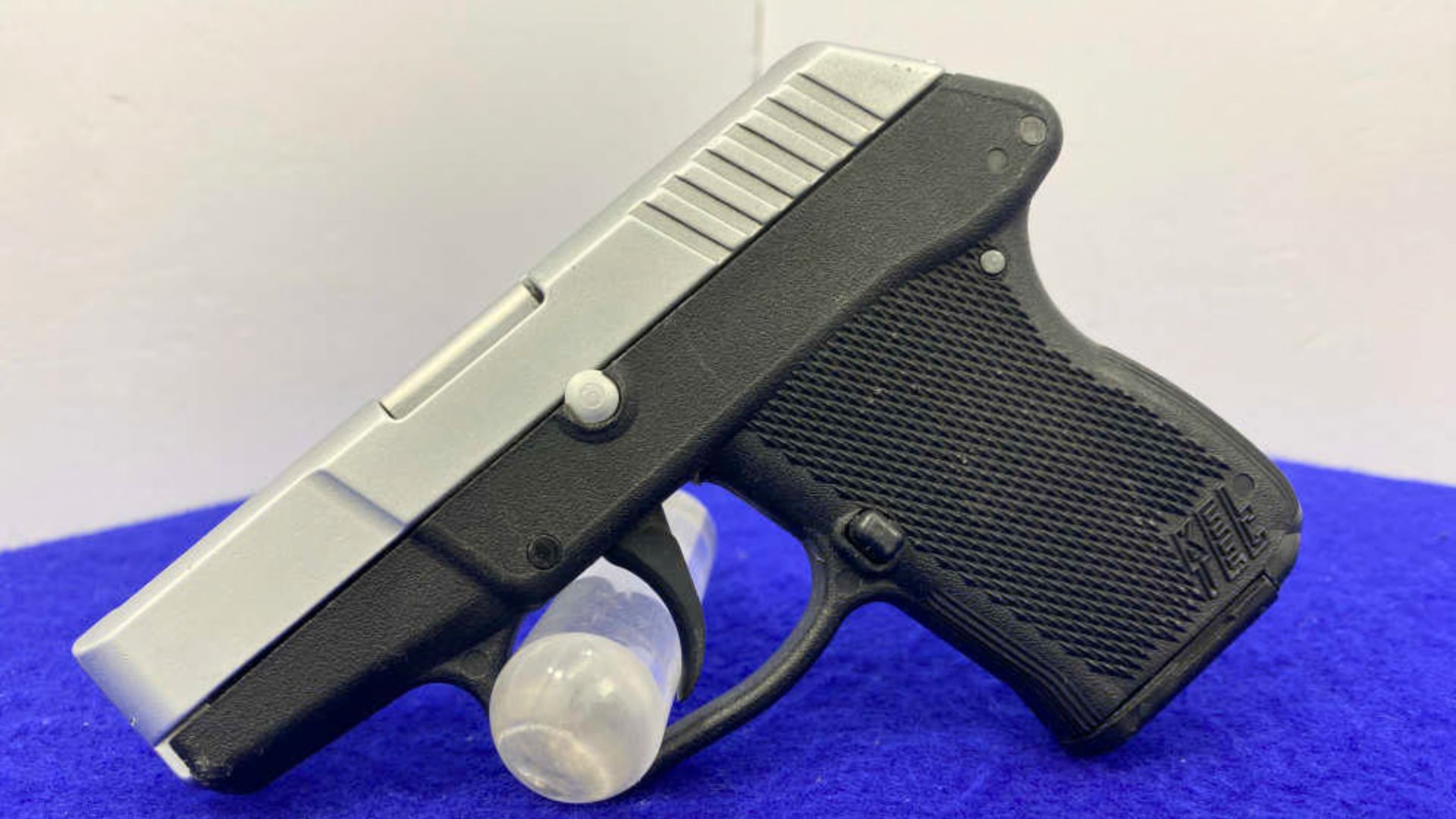
The KelTec P-3AT earned a following by being small, light, and affordable before the pocket .380 market got crowded. It helped prove that a tiny defensive pistol could be carried almost anywhere. Plenty of people trusted one simply because it was always on them.
The problem is that tiny size comes with a lot of punishment. The grip is minimal, the sights are poor, and the shooting experience is rough. Newer pocket pistols feel more refined and more confidence-inspiring. The P-3AT deserves its place in carry-gun history, but that does not mean it is still a great choice.
Glock 36
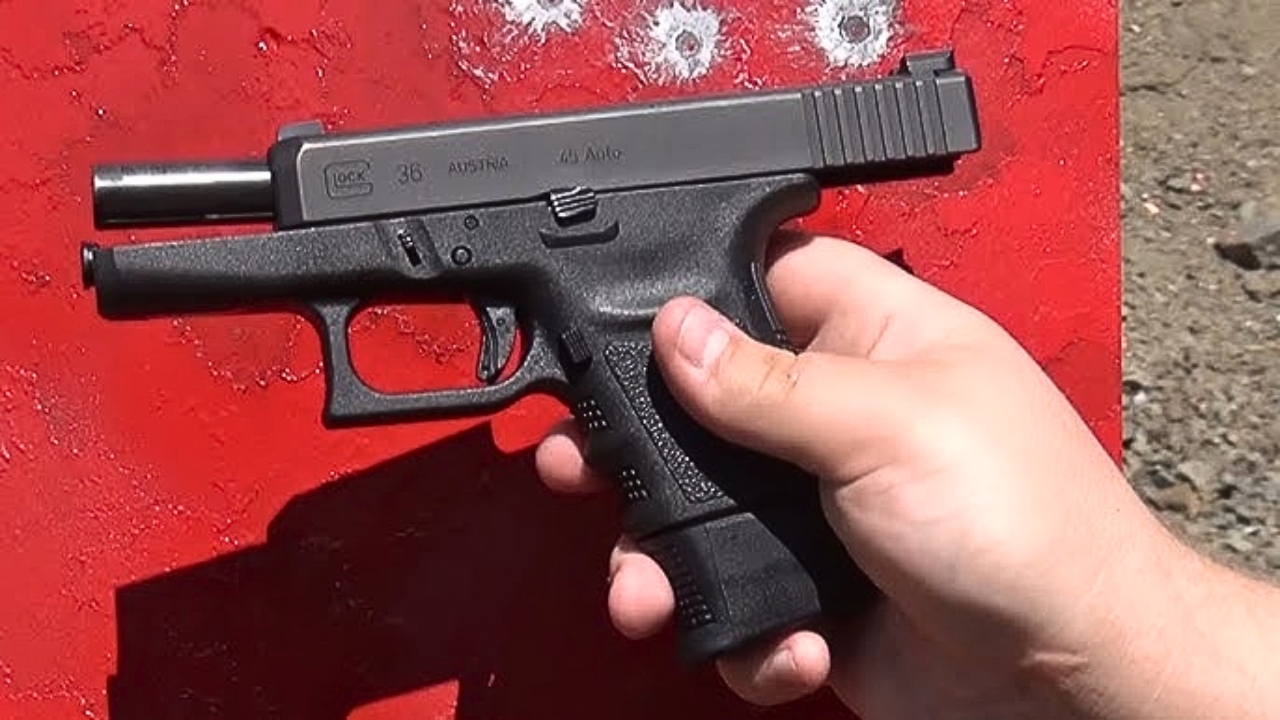
The Glock 36 has a loyal crowd because it gives shooters a slim .45 ACP Glock. That combination still appeals to people who want big-bore power without carrying a double-stack brick. It is simple, reliable, and familiar to anyone who already likes Glock controls.
Where it struggles is value against modern carry guns. Capacity is low, recoil is sharper than many expect, and the pistol is larger than some people realize. A slim .45 sounds good until a compact 9mm offers more rounds, faster follow-up shots, and easier practice. The Glock 36 still works, but its strongest arguments feel dated.
SIG Sauer P290RS

The SIG P290RS still has fans because it feels solid and came from a respected brand during the early micro-9mm push. It was small, heavy enough to seem durable, and offered a double-action-style trigger that some shooters liked for carry. It gave people a serious-feeling pocket 9mm before the market exploded.
The issue is that it feels clunky now. The trigger is long, the gun is heavy for its capacity, and the shape does not carry as cleanly as newer slim pistols. It is not useless, but compared with modern micro-compacts, it feels like a carry gun from a transition era that aged fast.
Para Warthog
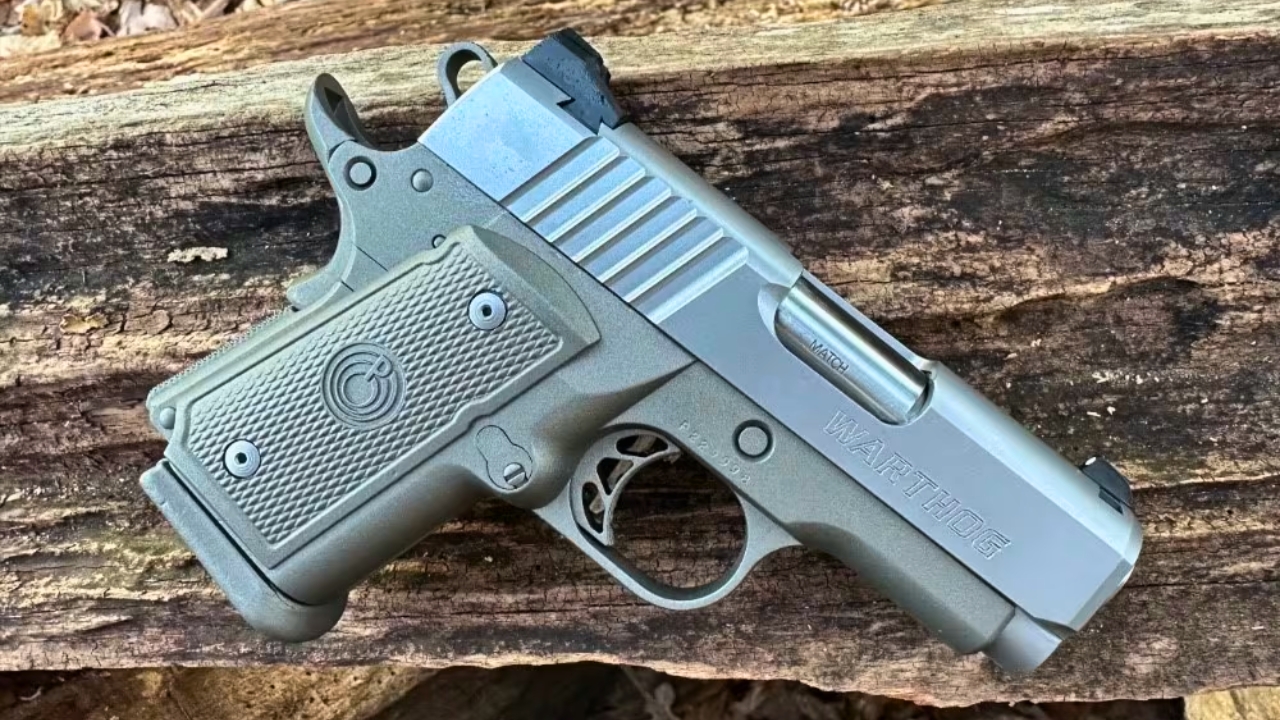
The Para Warthog has loyal fans because it packs .45 ACP into a very short, wide 1911-style pistol. It looks tough, holds more rounds than a single-stack officer-size 1911, and has the kind of oddball appeal that makes certain shooters love it even more.
As a carry gun, though, it is a handful. The grip is thick, the slide is short, and small 1911-style pistols already have less margin for error. Add weight, recoil, and parts concerns from a discontinued platform, and it gets hard to defend. It is memorable, but memorable is not the same as practical.
CZ 2075 RAMI

The CZ RAMI has a dedicated fan base because it brings CZ 75-style handling into a smaller carry pistol. It feels solid, has good capacity for its era, and offers a hammer-fired option for people who do not want another striker-fired compact. Fans love that it feels like a shrunken classic.
The trouble is that shrunken metal pistols are not always comfortable carry guns. The RAMI is thick, a bit heavy, and not as easy to support with holsters and parts as more common options. It shoots better than some small pistols, but it carries like an older design. Fans defend it hard because they miss guns like this, not because it is the easiest carry choice today.
Kimber Ultra Carry II
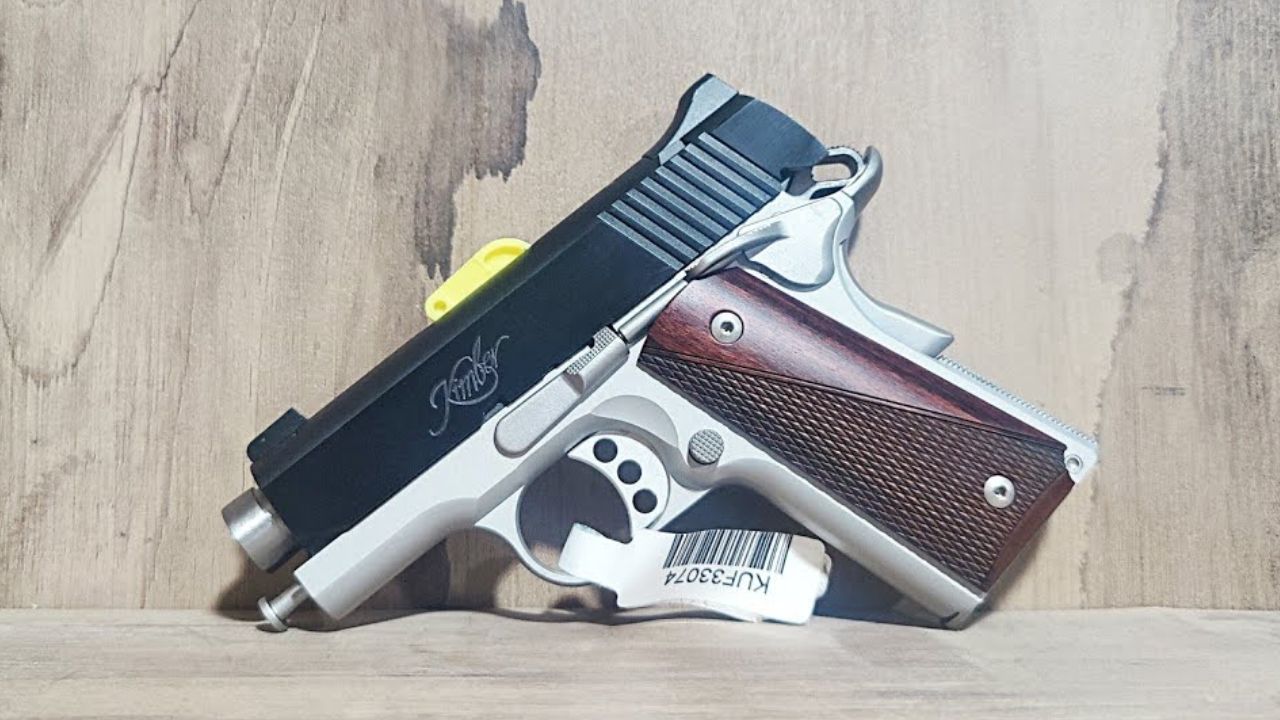
The Kimber Ultra Carry II has loyal fans because it offers a compact 1911 with good looks, a crisp trigger, and .45 ACP appeal. For people who love 1911s, the idea of carrying one in a smaller package is hard to resist. It feels more personal than another polymer compact.
The problem is that short 1911s can be demanding. They tend to be more sensitive to magazines, ammo, recoil springs, and maintenance than larger pistols. Capacity is limited, recoil is noticeable, and the price is not exactly low. A good one can run well, but defending it as an easy carry recommendation for everyone is a stretch.
Smith & Wesson 3913
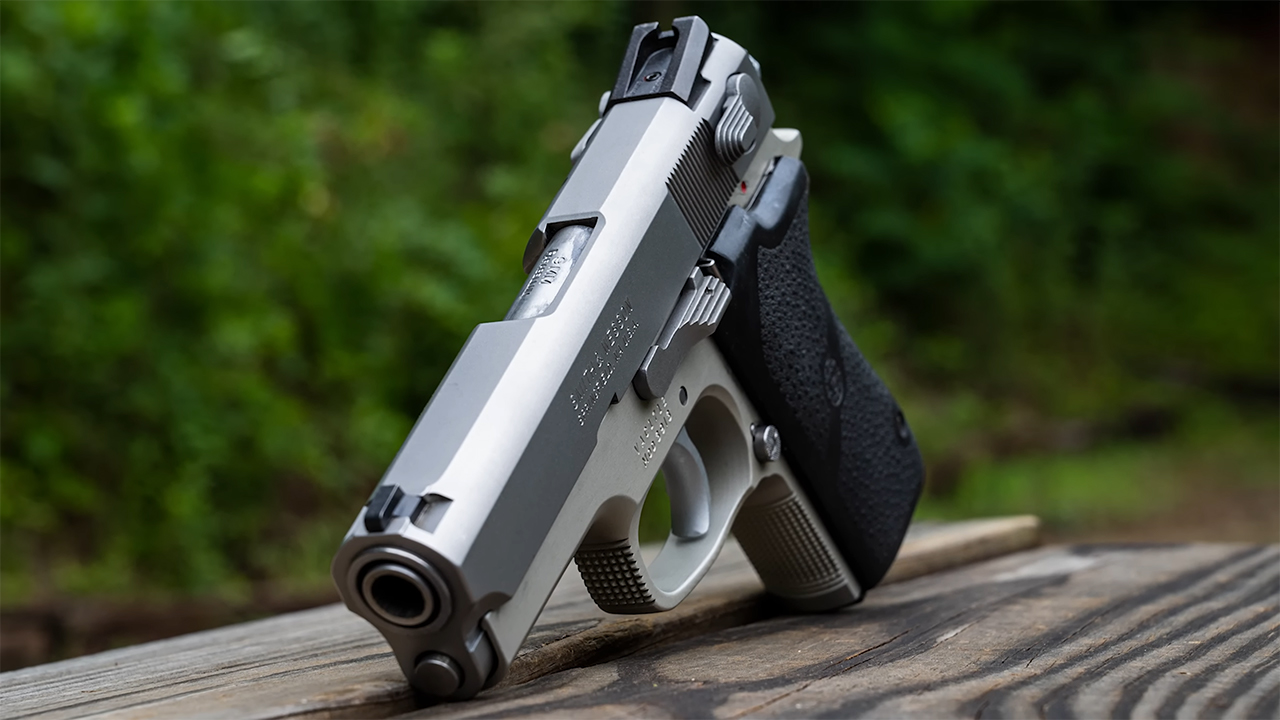
The Smith & Wesson 3913 still has a loyal following because it was one of the better single-stack carry pistols of its time. It is slim, metal-framed, reliable, and has that old Smith automatic feel that many shooters still appreciate. It was a serious carry pistol before the current micro-compact era.
Today, the 3913 is more nostalgia than top-tier practicality. It is heavier than newer options, capacity is limited, and DA/SA controls are not what most new carriers train with now. It remains a cool pistol, but fans sometimes act like the market never moved forward. It did.
Beretta PX4 Storm Subcompact
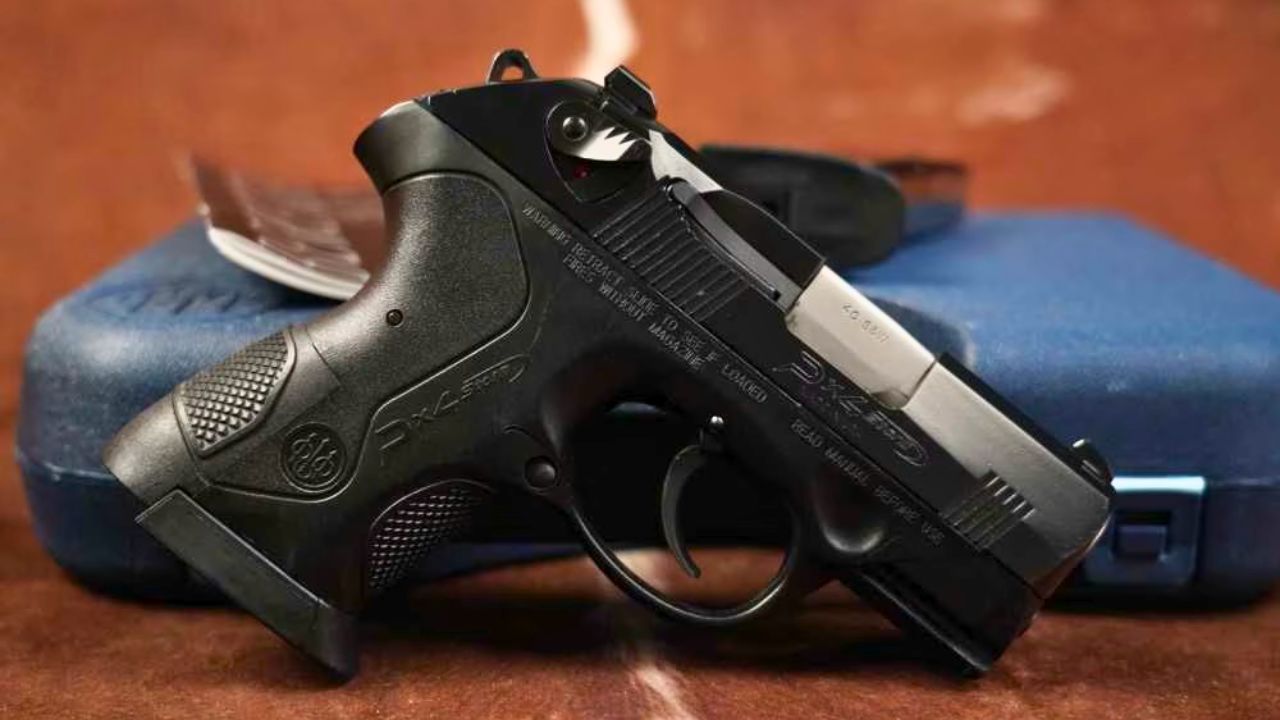
The Beretta PX4 Storm Subcompact has fans because it is durable, different, and carries the PX4 name into a smaller format. People who like Beretta controls and hammer-fired pistols appreciate that it gives them an alternative to the usual striker-fired carry guns.
The issue is that the subcompact loses some of what makes the larger PX4 pistols so appealing. It is chunky, odd-looking, and does not have the same soft-shooting rotating-barrel system found in the larger models. For its size, it does not conceal or shoot well enough to silence the criticism. Fans defend the family name more than this specific version deserves.
Heckler & Koch P2000SK
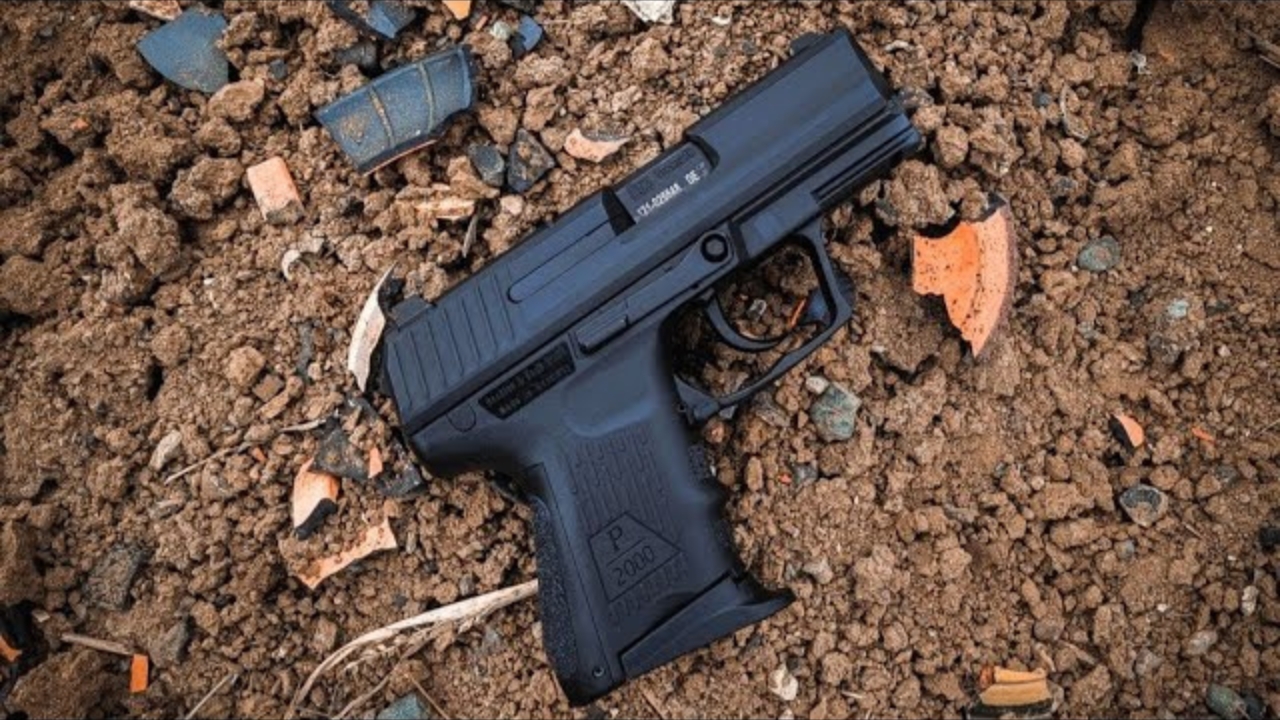
The HK P2000SK has loyal fans because it is an HK, and it feels like a serious compact duty pistol shrunk for carry. It is reliable, well made, and offers hammer-fired confidence in a world full of striker guns. For certain shooters, that matters a lot.
The downside is that it is expensive, chunky, and not especially modern for daily carry. Capacity, optics support, trigger feel, and aftermarket options do not match newer pistols in the same broad role. It is a quality gun, but quality alone does not make it the best carry choice anymore. HK fans often defend the price harder than the pistol earns it.
Walther PK380

The Walther PK380 still has defenders because it is easy to rack, comfortable in the hand, and softer-looking than many compact pistols. For shooters with weaker hands or less interest in a hard-recoiling pistol, it can seem approachable. The Walther name also helps it get attention.
The problem is that it feels dated and underpowered for its size. It is fairly large for a .380, has limited capacity, and does not offer the refinement people expect from newer Walther designs. It may fit a narrow need, but loyal fans sometimes overstate how good it is as a general carry pistol.
Springfield 911
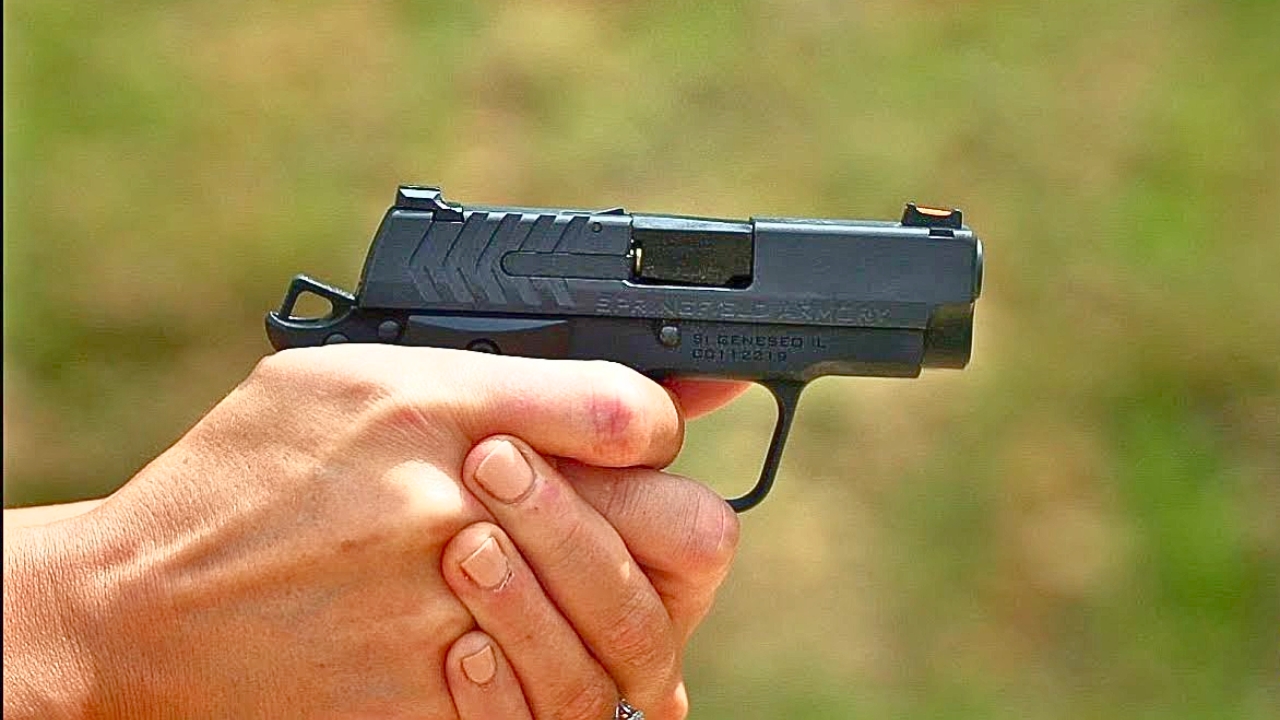
The Springfield 911 has a loyal group of fans because it offers a tiny 1911-style .380 with decent sights and a more upscale feel than many pocket guns. It is light, small, and easy to carry in situations where a larger pistol feels like too much.
The downside is that it is still a small single-action .380 with tiny controls and limited capacity. It asks the user to be comfortable with a manual safety and a very compact grip. For experienced shooters who like that system, fine. For most carriers, there are simpler options with more capacity and fewer things to manage.
Taurus 856 Ultra-Lite

The Taurus 856 Ultra-Lite gets defended because it offers six shots in a lightweight carry revolver at a reasonable price. That is a real selling point. It gives revolver fans one more round than a typical five-shot snub and keeps the cost low enough for normal buyers.
The problem is that lightweight snubs are rarely easy to shoot well. The trigger takes practice, the sights are basic, and recoil with defensive loads can be sharp. The extra round is nice, but it does not change the fact that small revolvers demand more skill than their fans admit. Newer compact autos are usually easier for most people to run.
Kahr PM9

The Kahr PM9 has loyal fans because it is slim, smooth, and very easy to conceal. It was once one of the better answers for people who wanted a tiny 9mm that did not feel like a brick. The long, smooth trigger also appeals to shooters who like revolver-like carry pistols.
Today, the PM9 feels expensive and dated for what it offers. Capacity is low, the trigger takes real practice, and newer micro-compacts give shooters more rounds in similar size packages. The PM9 still carries well, but it no longer feels like the obvious answer. Its loyal fans remember what it was before the market caught up.
Like The Avid Outdoorsman’s content? Be sure to follow us.
Here’s more from us: