Photo credit: AI-generated image created using ChatGPT. Illustrative only
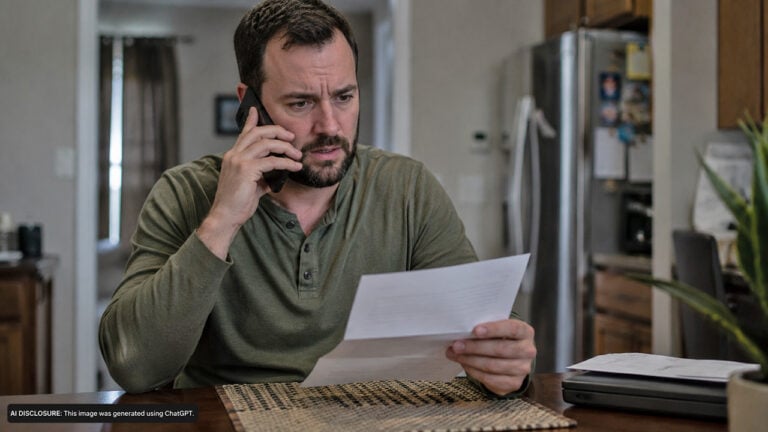
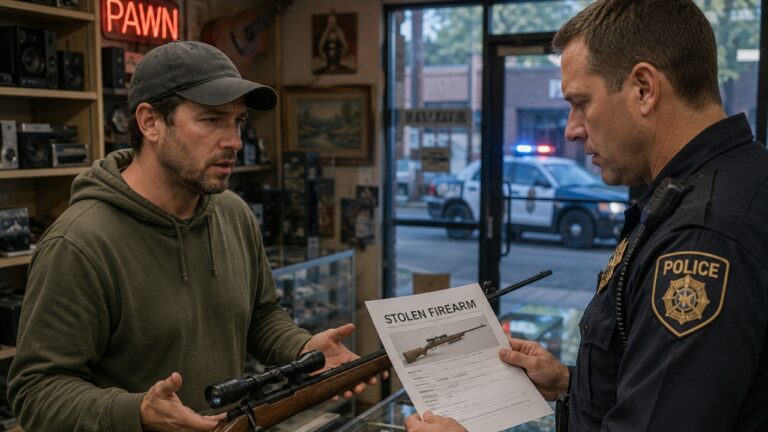
You can do everything “right,” get your paperwork cleaned up, and still get stopped cold at the gun counter. That’s the hard lesson one Colorado man ran into after he tried to buy a firearm and failed the background check—only to learn the record behind the denial wasn’t what he believed it was.
In a post asking for help navigating Colorado’s process, he explained that he’d long thought a hospital stay from 12 years ago was voluntary. When the background check came back denied, he discovered it apparently wasn’t. That one difference—voluntary versus not—can be the whole ballgame when it comes to firearm eligibility.
The denial came at the gun counter, not in a courtroom
The man said he hasn’t been convicted of a crime. This wasn’t a felony case, a plea deal, or anything like that. He simply tried to purchase a gun and failed the background check, which is the kind of surprise that makes your stomach drop because there’s no warning until it happens.
That denial sent him digging into his past, and he found the trigger wasn’t criminal at all—it was a mental-health hospitalization from more than a decade ago. He described the cause as “unique and won’t happen again,” and said his mental health is currently the best it’s ever been, with no hospitalizations since.
One word—“voluntary”—turned into a roadblock
From an outdoorsman’s perspective, this is where the practical reality hits: the system doesn’t care what you call it over coffee with your buddies. It cares how the event is classified on the record. The poster said he believed he’d been voluntarily hospitalized, but the background check result suggested the state or federal record reflects something else.
That matters because firearm prohibitions can attach to certain findings or commitments even when there’s no criminal conviction. The result is a person who feels like he did his time—if there even was “time”—and built a stable life, but still can’t pass a purchase check.
Colorado felt like a dead end compared to other states
The man said he could find information about restoring rights in places like Pennsylvania and Washington, but Colorado was different. He searched Colorado Revised Statutes and kept landing on expungement and sealing procedures that appeared aimed at criminal cases—cases that don’t apply to him, because he says he wasn’t convicted of anything.
He also flagged that he was “adjudicated in Denver County,” which suggests there was some kind of formal proceeding attached to the hospitalization. That detail matters in the real world because it points to court records and county processes—not just a medical file tucked away in a hospital basement.
Where state records and federal checks can get out of sync
A lot of gun owners assume the state’s view and the federal background check system’s view are basically the same thing. In practice, they can be close, but they’re not always aligned. A person can have a record sealed in one place and still show up as prohibited in another, or have a record corrected locally while an old entry continues to ride around in a national system.
The poster’s experience shows how messy it can be: he’s trying to figure out how to seal or expunge a 12-year-old mental-health record, but the actual pain point is the denial itself. For hunters and home-defense minded folks, that’s the key detail—if a system still flags you as prohibited, the “clean” paperwork you thought you had might not be reaching the place that matters when the clerk hits submit.
Trying to do it pro se adds another layer of risk
He said he doesn’t have much money for an attorney and would likely try to handle it pro se if possible. Anyone who’s spent time around county offices knows how that can go: one missing form, one wrong court, one misread statute, and months get burned.
And in this lane—mental-health adjudications, sealing/expungement, and firearm rights—the consequences aren’t just administrative. A mistake can mean repeated denials, wasted fees, or filing something that doesn’t actually address the record that’s triggering the background check problem in the first place.
What the post shows gun owners should take seriously
The practical takeaway isn’t political. It’s personal preparedness. If you’ve had any kind of involuntary commitment, adjudication, or court-ordered mental-health action in your past—even if it was years ago and your life is steady now—it can follow you into a firearm transaction in a way a lot of folks don’t expect.
It’s also a reminder that “no criminal record” doesn’t automatically mean “no prohibiting record.” Many outdoorsmen only think in terms of felonies and domestic violence convictions because those are the ones we hear about all the time. This situation, described in the original post, is a different kind of snag—one that can surface out of nowhere when you’re simply trying to exercise what you believe are restored rights.
For the rest of us, it’s a good nudge to keep our own house in order: know what’s actually on your record, store firearms responsibly, and if you’re ever in a gray area, don’t guess. The systems that decide “approved” or “denied” don’t run on handshake understandings—they run on how a long-ago event was coded and whether that code ever got corrected everywhere it needs to be.
Like The Avid Outdoorsman’s content? Subscribe to our newsletter so you never miss an article.
Here’s more from us: