Photo credit: AI-generated image created using ChatGPT. Illustrative only
There’s a certain kind of relief that comes with putting your past behind you. You do the time, you finish parole clean, you stay out of trouble, and you build a normal life again. For a lot of hunters and gun folks, the next question is simple: when do I get to be around firearms legally again?
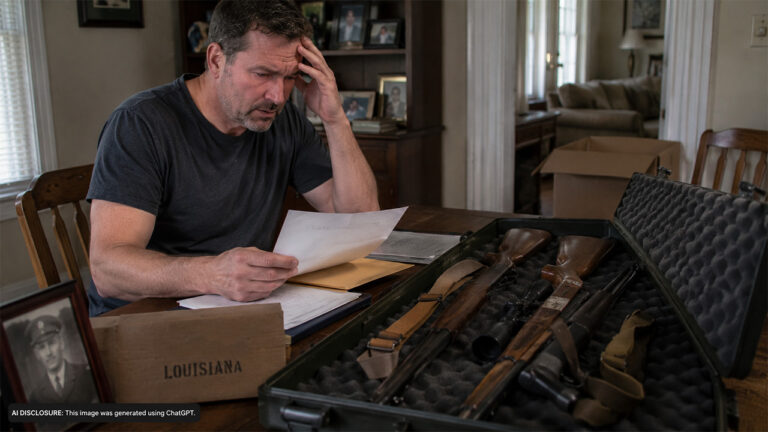
That’s the spot one Texas man found himself in after two felony convictions from 2005 and 2006 in separate counties. His sentences ran concurrent, he was released on parole, and he discharged without violations. With a clean record since then, he wanted to know if his gun rights could be restored and whether he needed a full pardon to do it. He also wasn’t sure where to start or what kind of attorney to call. The details come from the original post.
A hard-earned clean slate, but a lingering firearms question
Plenty of folks in rural Texas know someone with a story like this: got wrapped up young, paid for it, and later got serious about doing things right. In this case, the man described himself as a “knuckle head” in his younger years, then laid out the basics—two felonies, prison/state jail time, concurrent sentences, and a clean discharge from parole.
From an outdoorsman’s perspective, the practical issue isn’t academic. If you grew up hunting or you’ve got family who hunts, firearms aren’t just “property”—they’re part of weekends, deer camp, pest control, and home protection. When a person has been out of trouble for years, it’s natural to think the system might recognize that and make the path back straightforward.
Why a pardon doesn’t always flip the “gun rights” switch
The big surprise for a lot of people is that “doing everything right after” doesn’t automatically restore firearms rights. Even when someone is finished with parole and has stayed clean for years, that doesn’t necessarily change the legal status of a felony conviction.
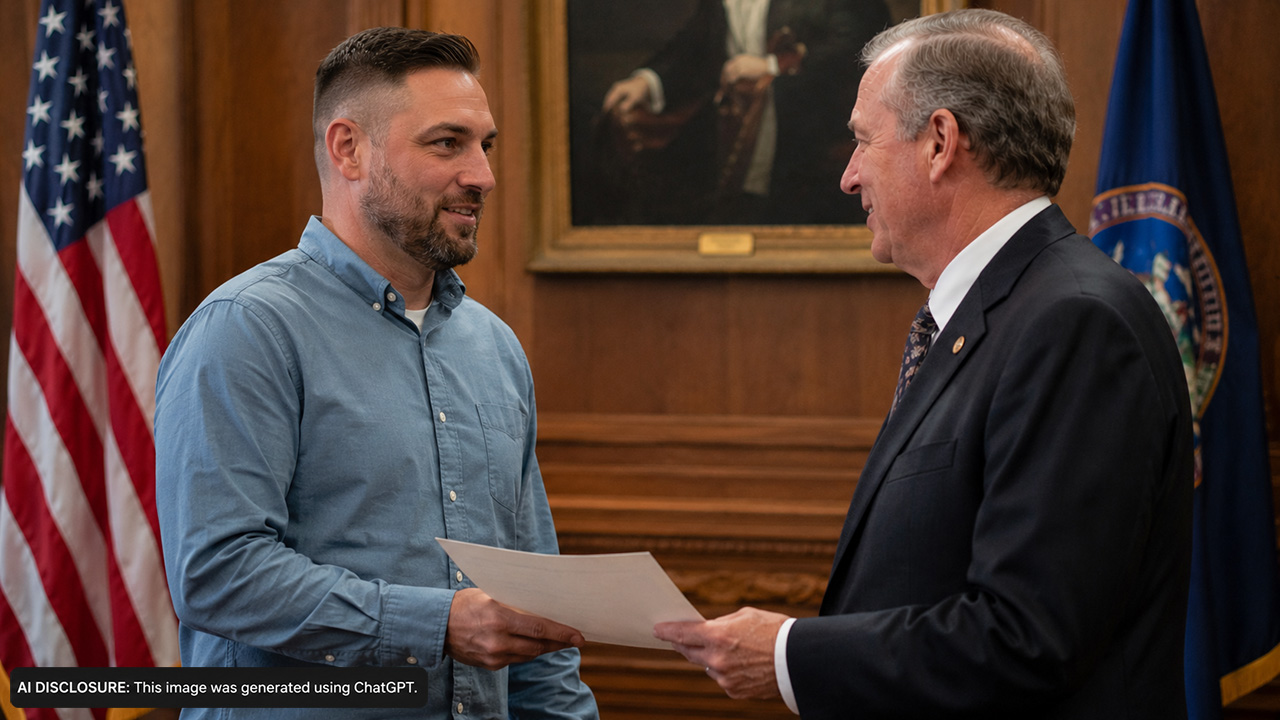
And even when someone pursues a pardon, it’s easy to assume that a pardon works like an on/off switch—conviction forgiven, rights restored, problem solved. Real life tends to be messier. Firearms rights can be tied up in state rules, federal rules, and the exact wording of whatever relief a person receives. If any part of that puzzle doesn’t line up, a person can still be in a danger zone legally even if they feel “cleared.”
That’s what makes this issue so risky for gun owners: the difference between “I thought I was good” and “I’m actually legal” can be the difference between going hunting with your buddies and catching a new charge for possession.
Texas felonies, time passed, and the temptation to assume you’re good
The man’s convictions were in 2005 and 2006—long enough ago that a lot of people would assume the clock has run out on consequences. But firearms law doesn’t work like an expired fishing license. Time helps your life, your reputation, and your opportunities, but it doesn’t always erase firearms restrictions.
In practical terms, that means the “safe” approach isn’t to ask your buddy, your cousin, or the guy behind the gun counter. It’s to treat the situation like you would treat a property-line dispute: get it nailed down before you act. The outdoors is full of situations where assumptions get people in trouble—trespass lines, bait rules, public/private boundaries. Firearm possession with an old felony is the same kind of trap, only with much higher stakes.
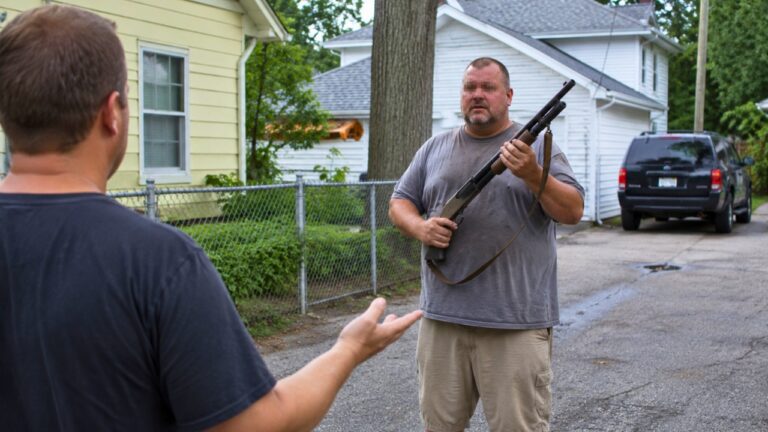
Even being around guns can create headaches depending on how laws are applied and how officers interpret a situation. Riding in a truck with a buddy’s rifle, living in a house where someone else keeps guns, or grabbing a firearm in an emergency all raise real-world questions. The point is not paranoia—it’s that “close enough” isn’t a legal standard.
What he was really asking: where to start and who to hire
The most useful part of the man’s question wasn’t just “can I get my rights back?” It was the practical follow-up: do I need a full pardon, and what kind of attorney handles this?
That’s the question most folks actually need answered. People know they shouldn’t wing it, but they don’t know who the right professional is. Not every lawyer who does criminal cases also handles post-conviction relief, and not every general practice attorney lives in the weeds of firearms disabilities, state relief options, and the way federal law can still complicate things.
When your goal is to legally hunt, own a shotgun for dove season, or keep a rifle on the ranch, you don’t want a maybe. You want an attorney who deals with post-conviction issues and firearms rights questions as part of their normal workload—someone who will look at your exact convictions, dates, counties, and status and tell you what’s possible, what isn’t, and what paperwork has to say to keep you out of trouble.
The real-world consequences if you get it wrong
For outdoorsmen, the biggest danger here is how ordinary life can turn into “possession” without a person thinking about it. A gun case behind the seat. A deer rifle in the closet at camp. A handgun left in a center console. If your rights aren’t restored and you’re in the wrong place at the wrong time, you don’t get to talk your way out of it by explaining you’ve been good for years.
There’s also the ripple effect. A lot of folks want to do things the right way because they’ve got kids coming up, or they’ve got grandkids they’d like to teach safely. If you’re not legally allowed to possess, you can’t just “be careful” and hope it’s fine. It puts you, your family, and your friends in a bind if a hunting trip or range day suddenly becomes a legal problem.
And from a safety standpoint, it matters too. People who feel stuck sometimes make poor choices—handling firearms when they shouldn’t, storing them in odd ways, or trying to stay half-involved in the hunting lifestyle without being fully legal. The cleanest path is to get clarity first, then move forward within the lines.
A takeaway for hunters and gun owners with old convictions
If you’ve got old felonies in your past and you’ve done the work to rebuild your life, the next step is still paperwork and precision—not assumptions. A full pardon might be part of the picture, but the key is whether your firearms rights are actually restored in a way that holds up everywhere that matters, not just in casual conversation.
The smart move is the same one we preach for anything outdoors that can go sideways: verify before you act. Find the right attorney, get your records reviewed, and don’t handle or store firearms until you have a clear, documented answer. It’s not about being scared—it’s about protecting the life you’ve already fought hard to put back together.
Like The Avid Outdoorsman’s content? Subscribe to our newsletter so you never miss an article.
Here’s more from us: