Photo credit: AI-generated image created using ChatGPT. Illustrative only
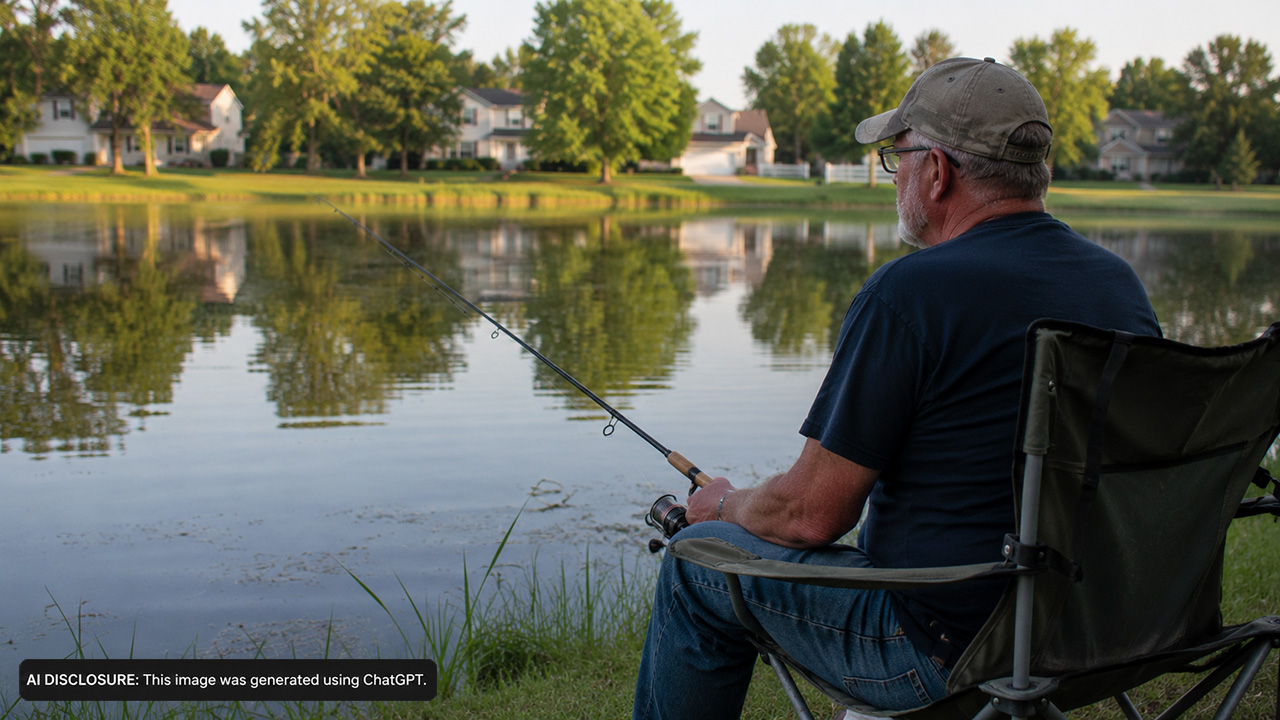
A guy in South Carolina had a routine a lot of us recognize: slip out with a rod, hit a quiet little pond tucked into a new neighborhood, and enjoy an hour or two of peace. He’d been doing it for years, and with only a handful of houses around and a bunch of empty lots, it never felt like he was crowding anyone.
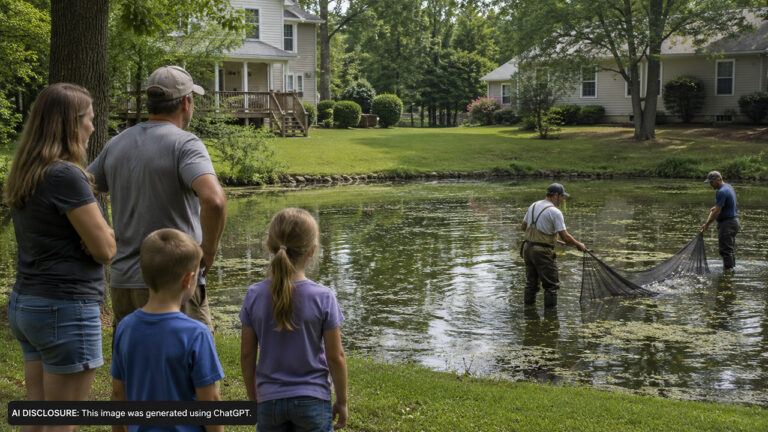
Then one trip changed the temperature fast. An older resident walked down, asked what he was doing, and told him he wasn’t allowed to fish there. The resident let him finish “just that one time,” but the message was clear: next time might not be so friendly—and it could involve the authorities.
A neighborhood pond looks public until it doesn’t
From the bank, these ponds can feel like “nobody’s” water—especially when they sit in the middle of a development with no gatehouse and no obvious management. That was the angler’s assumption too. He didn’t think there was even a homeowners association, since the place was fairly new, lightly built out, and still had many empty lots.
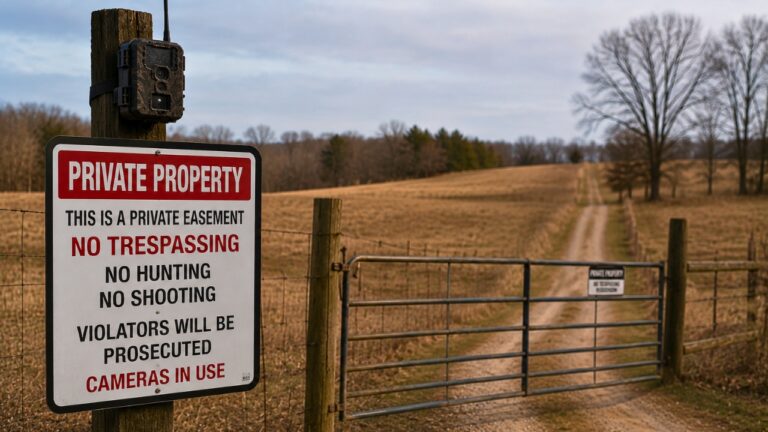
That’s also why the confrontation caught him off guard. In his mind, no “No Trespassing” sign and no “No Fishing” sign meant he was in the clear. But private property doesn’t always announce itself, and in subdivisions, the lines can be confusing on purpose.
The first warning came from a neighbor, not a warden
The resident didn’t cite a statute or point to posted rules. He simply questioned the fisherman and said he wasn’t allowed to fish there. Still, he allowed it that day, which tells you something else that’s common in neighborhoods: a lot of “rules” get enforced through pressure and habit long before anyone pulls paperwork.
That puts an angler in a tight spot. If you argue, you look like the problem. If you comply, you may be giving up access you actually had. And if you guess wrong and stick around, you risk turning a simple evening of fishing into a trespassing call.
“No signs” doesn’t automatically mean “good to go”
The fisherman’s big question was straightforward: if there are no posted signs, is he free to fish? That’s a common belief, especially among folks who grew up roaming woods, creekbanks, and farm ponds with a handshake understanding.
But in the real world, lack of signage doesn’t magically convert private land into public land. Developments often have “common areas” that are still private—owned by a developer, an HOA, or held under some recorded set of covenants. Even when nobody living there “owns” the pond personally, that doesn’t mean the public gets to use it.
It’s also worth separating two issues that get mixed together: access and fishing. Even if the water is stocked or managed like a community amenity, you typically still have to cross land to get there. If the bank, path, or lot you’re standing on is private, that’s where the trouble starts.
What happens if law enforcement shows up
The angler also asked the question every outdoorsman asks when a dispute gets serious: if he refused to leave and someone called the police, could he be arrested for trespassing even without signs?
In practical terms, once a property owner—or someone who appears to be acting for the owner—tells you to leave, staying is where you can get yourself in a bind. Signs can matter in some situations, but the “I didn’t see a sign” argument is a weak plan when an actual person is standing there telling you the area isn’t open to you.
And here’s the other reality: responding officers often aren’t going to settle a property-rights debate on the shoreline. If a resident says you’re not authorized and you don’t have permission, the easiest way to keep your day from getting worse is to step back, leave calm, and sort it out later with records instead of raised voices.
The “who owns the pond” question usually has paperwork behind it
What the fisherman really wanted to know is who has authority to say yes or no. He doubted there was an HOA, but he also couldn’t point to a clear private owner. That’s exactly the kind of setup where ponds fall into limbo—until somebody decides it’s theirs to manage.
In many neighborhoods, ownership can sit with a few different entities: a developer that hasn’t turned things over yet, a formal HOA, a small group of lot owners, or a conservation easement-type arrangement depending on how the subdivision was recorded. The “water rights” claim you sometimes hear in these disputes often comes down to who owns the land under the water and who controls access to the shoreline.
If you want the full context of the question as it was laid out, you can read the original post.
The smartest move is permission—or a different pond
To his credit, the fisherman wasn’t looking to pick a fight. He even said he’d obviously ask for permission in the future or just fish somewhere else. That’s the right mindset, because no bass is worth a trespass complaint, and a neighborhood argument can snowball into something that follows you.
If you find yourself in the same situation, the most outdoorsman-like way to handle it is simple: don’t argue on the bank. Ask who manages the pond, who can grant permission, and whether there are written rules. If nobody can answer that cleanly, that’s usually your sign to move along until you can verify ownership through county property records or a posted community notice.
These little ponds can be fantastic fishing, but they sit right on the fault line between “shared space” and “private ground.” When someone challenges you, the best play is to stay polite, leave without drama, and figure out the legal side when you’re not standing there with a rod in your hand and a neighbor getting worked up.
Like The Avid Outdoorsman’s content? Subscribe to our newsletter so you never miss an article.
Here’s more from us: