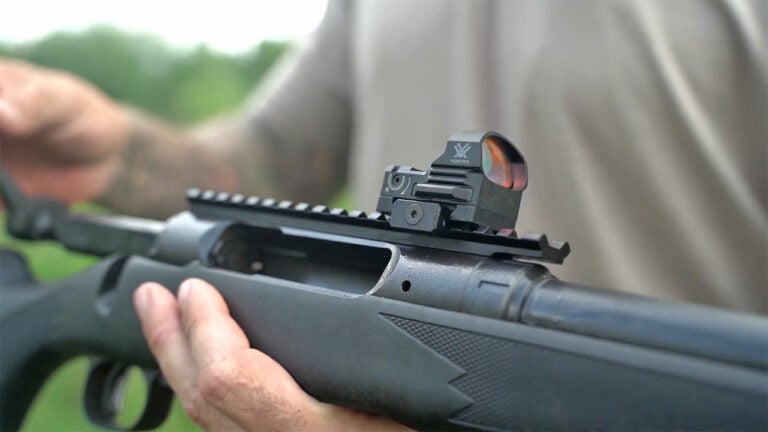
Elk hunting requires patience, timing, and understanding how elk respond to calls. Even seasoned hunters make mistakes that blow setups, sending bulls in the opposite direction. The difference between pulling an elk into bow range and watching it disappear over the ridge often comes down to how and when you call. Learning what not to do can be just as important as practicing your bugles and cow calls. Avoiding these common errors keeps elk curious, engaged, and moving your way instead of running out of range.
Overcalling when bulls are already interested
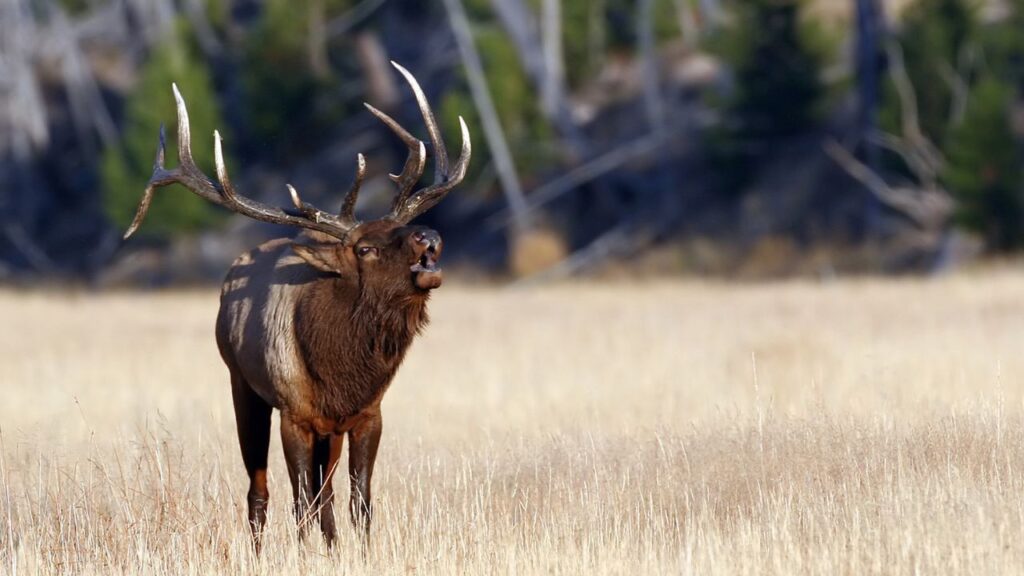
One of the biggest mistakes beginners make is calling too much after a bull has already shown interest. Once he’s committed, heavy bugling or constant cow calls can make him suspicious and back off. Less is often more in these situations.
Once a bull responds, switch to subtle, controlled calls and focus on setup positioning. You want to sound natural, not aggressive or desperate. Elk are quick to pick up on unnatural behavior, and too much calling can send them circling downwind or leaving entirely.
Calling from the wrong position
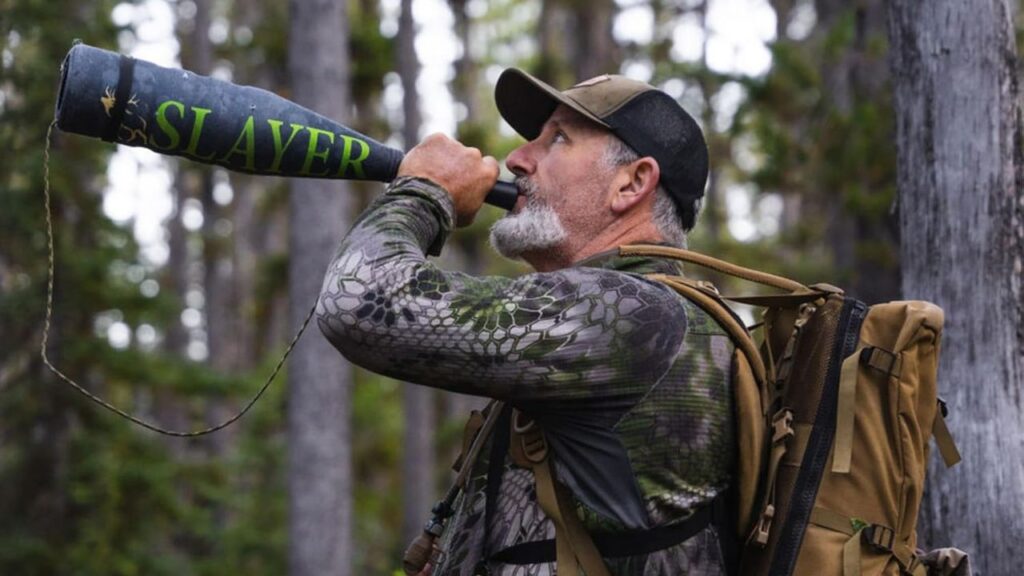
Where you call from matters as much as what sound you make. If you’re exposed on open terrain or silhouetted against the skyline, elk are more likely to spot you before you ever get a shot.
Always use cover when calling and position yourself with terrain that funnels elk into range. Try setting up where your sound carries but where you remain hidden. Experienced hunters often move slightly off-trail and use hillsides, timber, or brush to break their outline and make their calls more believable.
Using calls that don’t match the season
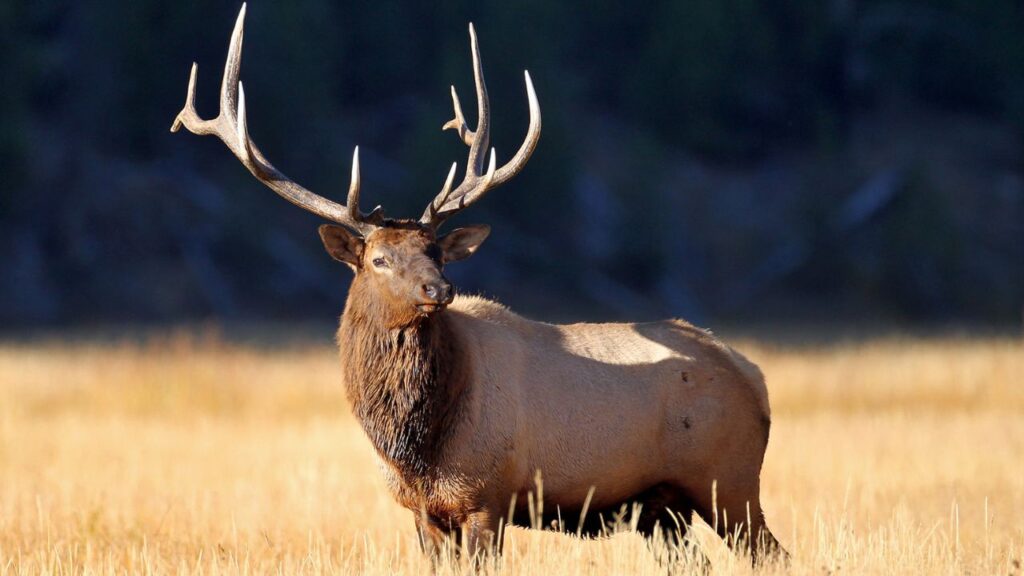
Elk vocalizations change throughout the rut, and mismatched calling can push bulls away fast. If you’re bugling aggressively when elk are still quiet early in the season, you can spook them. Likewise, soft cow calls during peak rut may not fire them up.
Before heading out, understand what phase of the rut you’re hunting and match your calling strategy. Adjusting your tone, volume, and frequency to mirror the herd’s behavior makes you sound natural and less threatening to wary bulls.
Calling without checking the wind
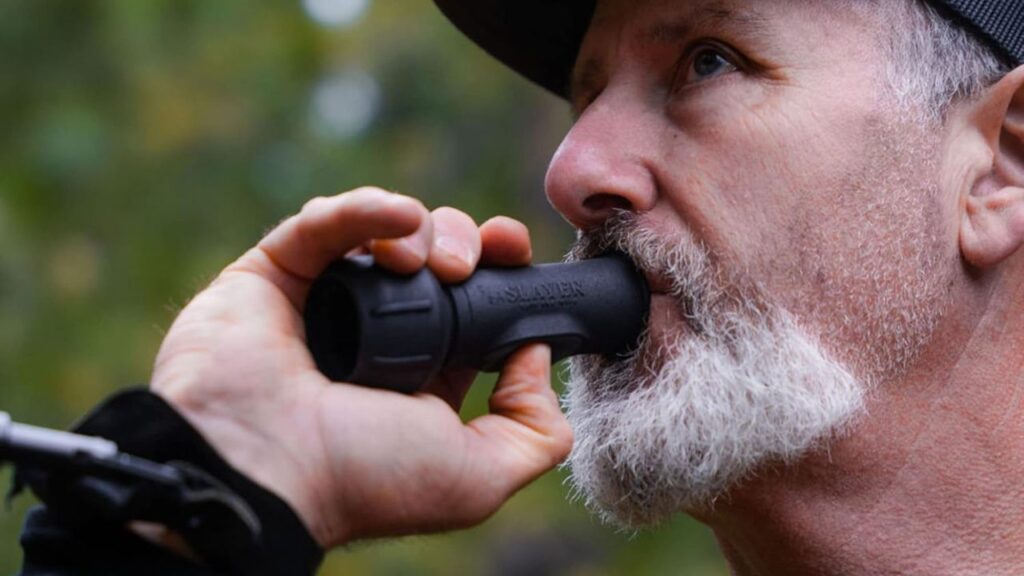
Wind direction decides how close elk get before they bolt. Even perfect calling won’t save you if a bull catches your scent while approaching. Many hunters forget to check shifting winds mid-setup, costing them opportunities.
Use wind checkers constantly and position yourself where the wind carries your scent away from where you expect the elk to come. If the breeze shifts, be willing to relocate your setup quickly. Elk trust their noses far more than your calls, and ignoring wind is a guaranteed way to blow a hunt.
Bugling too aggressively too soon
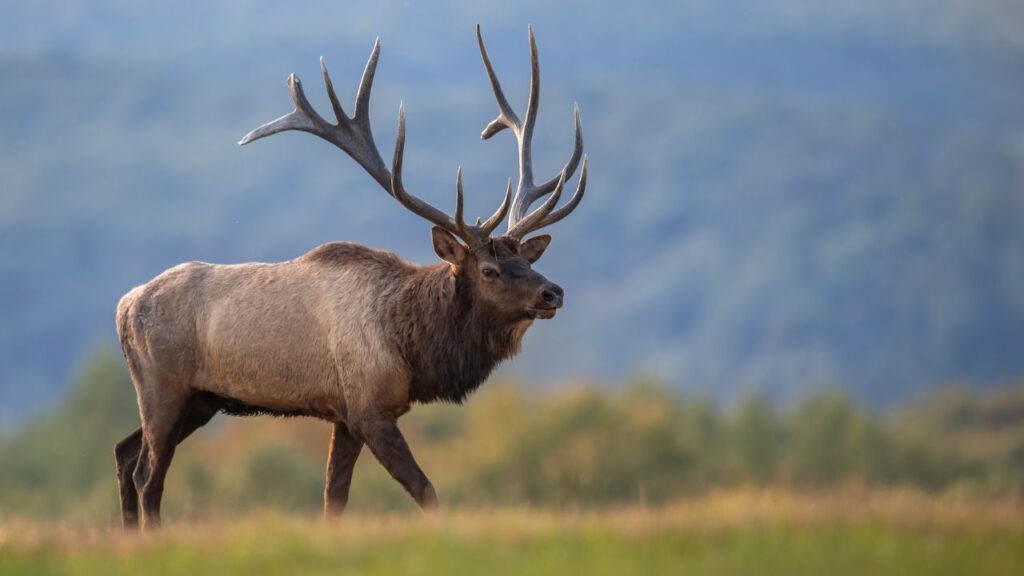
Starting off with full, challenging bugles at the wrong time can intimidate smaller satellite bulls and shut down nearby cows. New hunters often assume louder and more dominant is always better—but it can have the opposite effect.
Begin softer, with locator bugles or gentle cow calls, to gauge how the herd responds. Once you have a read on their mood, you can ramp up intensity if necessary. This measured approach keeps elk curious and prevents you from scaring off potential opportunities early in the hunt.
Staying in one spot too long
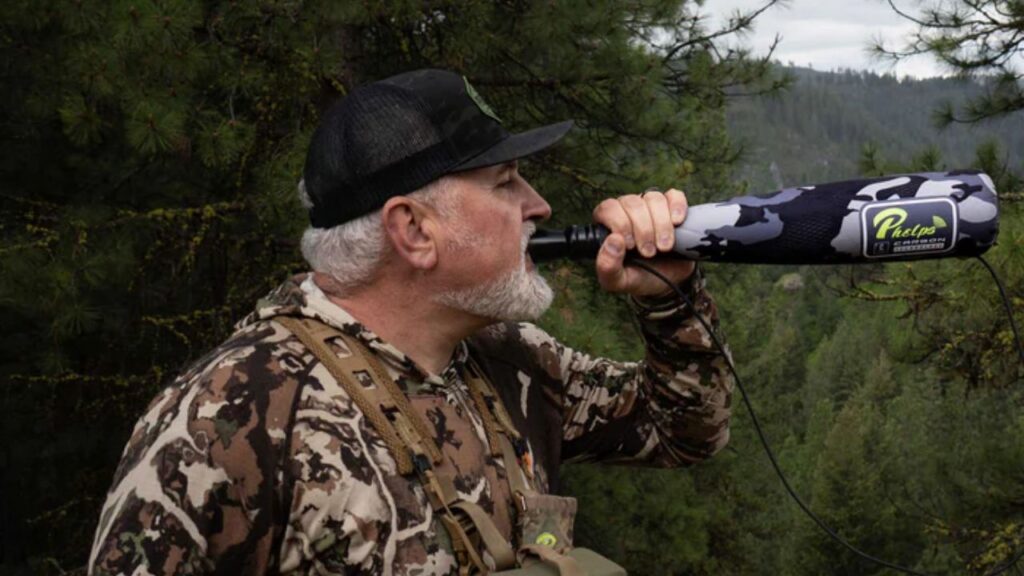
Sometimes elk just aren’t coming to you, but inexperienced hunters waste valuable time overcalling from a single location. Bulls are constantly moving, especially during the rut, and staying planted can mean you’re calling to empty timber.
If you don’t get a response after a solid calling sequence, reposition and cover new ground. Moving quietly and staying flexible allows you to intercept elk as they travel, rather than waiting and hoping they’ll eventually wander into your setup.
Sounding unnatural or repetitive
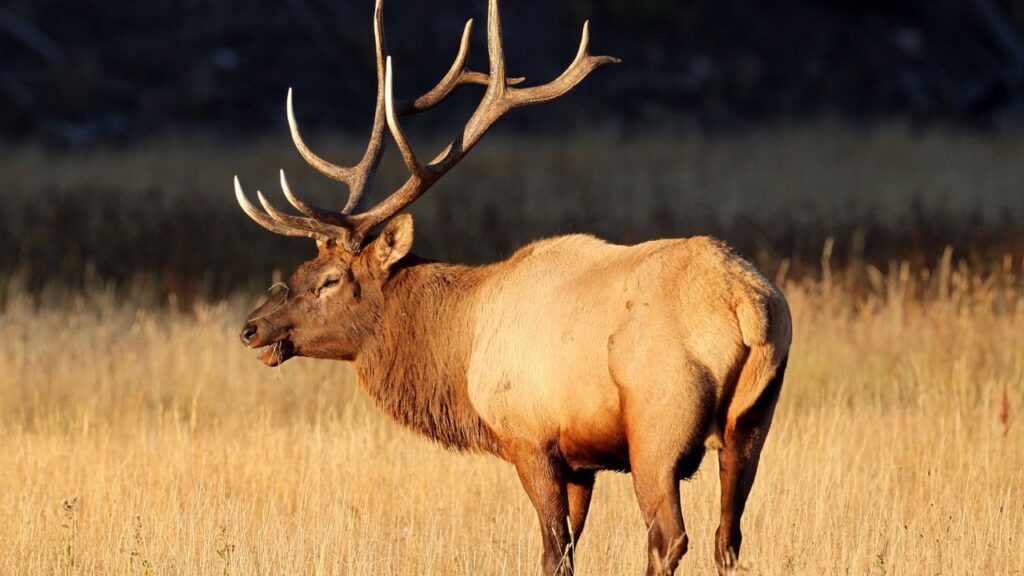
Elk hear hundreds of vocalizations daily, and if your calling sounds overly mechanical or repetitive, they’ll pick up on it immediately. Using the same pitch, cadence, and volume over and over makes you easy to identify as a hunter.
Practice varying your tone, adding natural pauses, and mixing in soft chuckles or mews when needed. Even subtle differences make your calls more believable and can draw in curious bulls. Overly robotic sequences are one of the fastest ways to push elk out of range.
Ignoring cow chatter around you
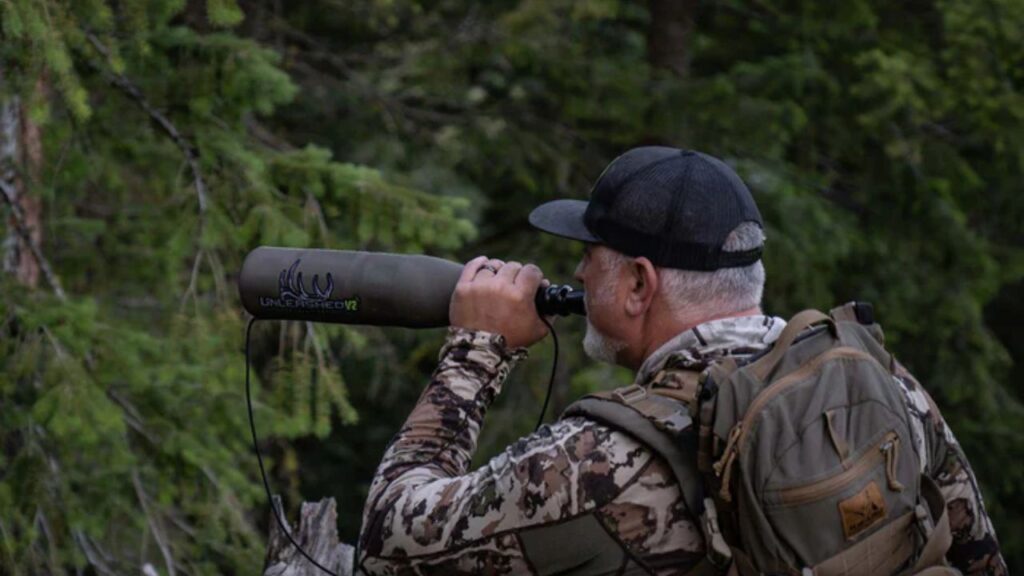
When you’re close to a herd, paying attention to cow talk is critical. If you’re bugling loudly while nearby cows are soft-talking or staying quiet, your calls will seem unnatural and threatening. That mismatch often results in elk slipping out undetected.
Before calling, listen to the herd and mirror their energy. If the cows are soft and sporadic, match them. If they’re vocal and excited, you can get away with more aggressive calling. Blending into the herd’s rhythm increases your odds of pulling a bull within shooting range.
Moving after calling
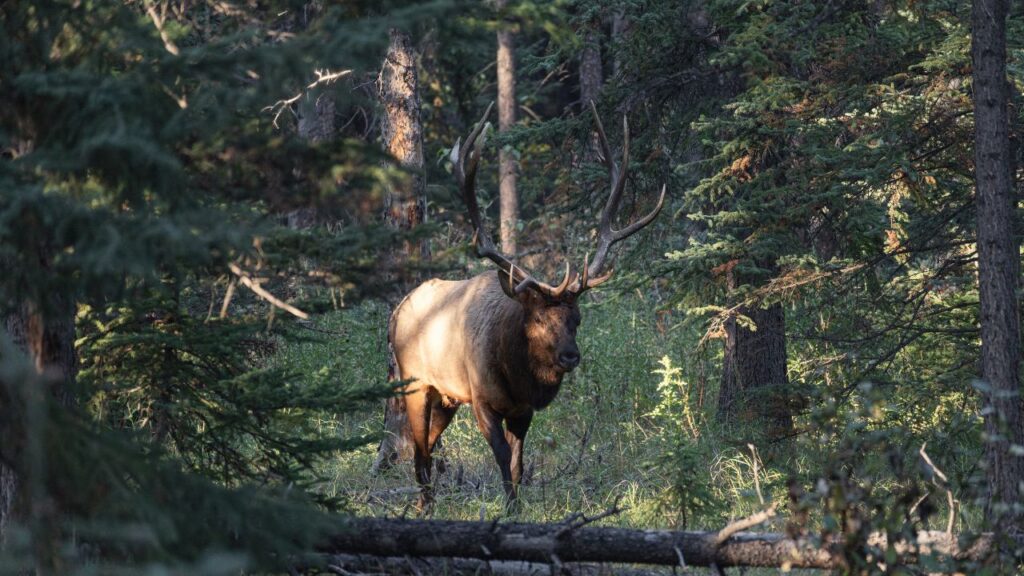
Elk key in on the source of sound quickly. If you’re walking or adjusting position right after bugling or cow calling, bulls are likely to spot you before you ever see them. Movement breaks the illusion and instantly signals danger.
Call from a stable, concealed position and hold it for at least a minute or two after. If you need to move, do it between calling sequences, not right after. Staying still keeps the sound believable and lets elk focus on your calls rather than your movement.
Calling without a proper setup plan
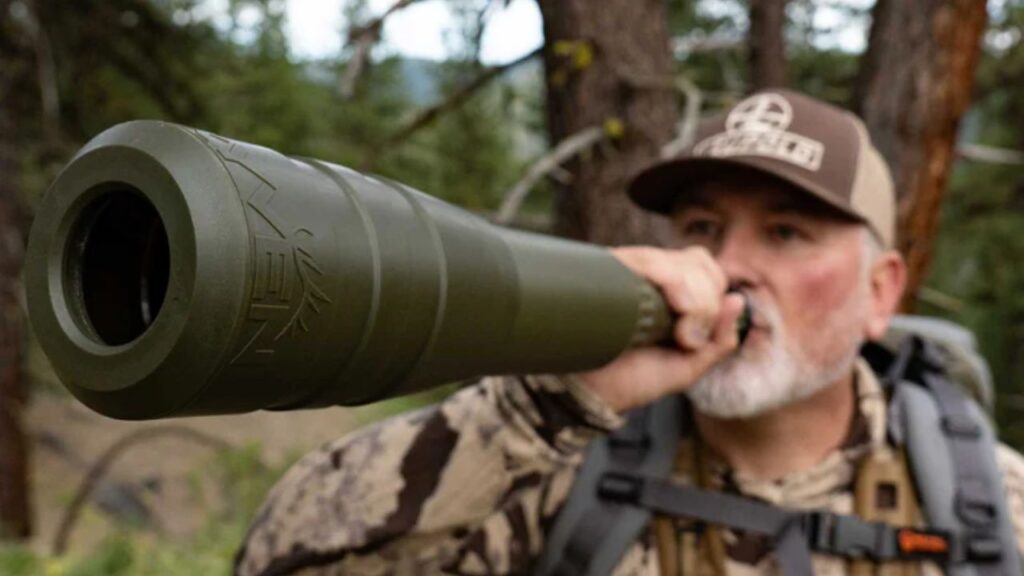
A common rookie mistake is calling without considering where the elk will come from. If you haven’t planned how to position yourself, you’ll often end up with bulls circling behind you or approaching downwind where you can’t take a shot.
Before calling, visualize potential entry paths and set up accordingly. Use terrain features, obstacles, and cover to funnel elk into a controlled shooting lane. Having a setup strategy before making a sound makes your calling more effective and keeps elk from escaping unseen.
*This article was developed with AI-powered tools and has been carefully reviewed by our editors.