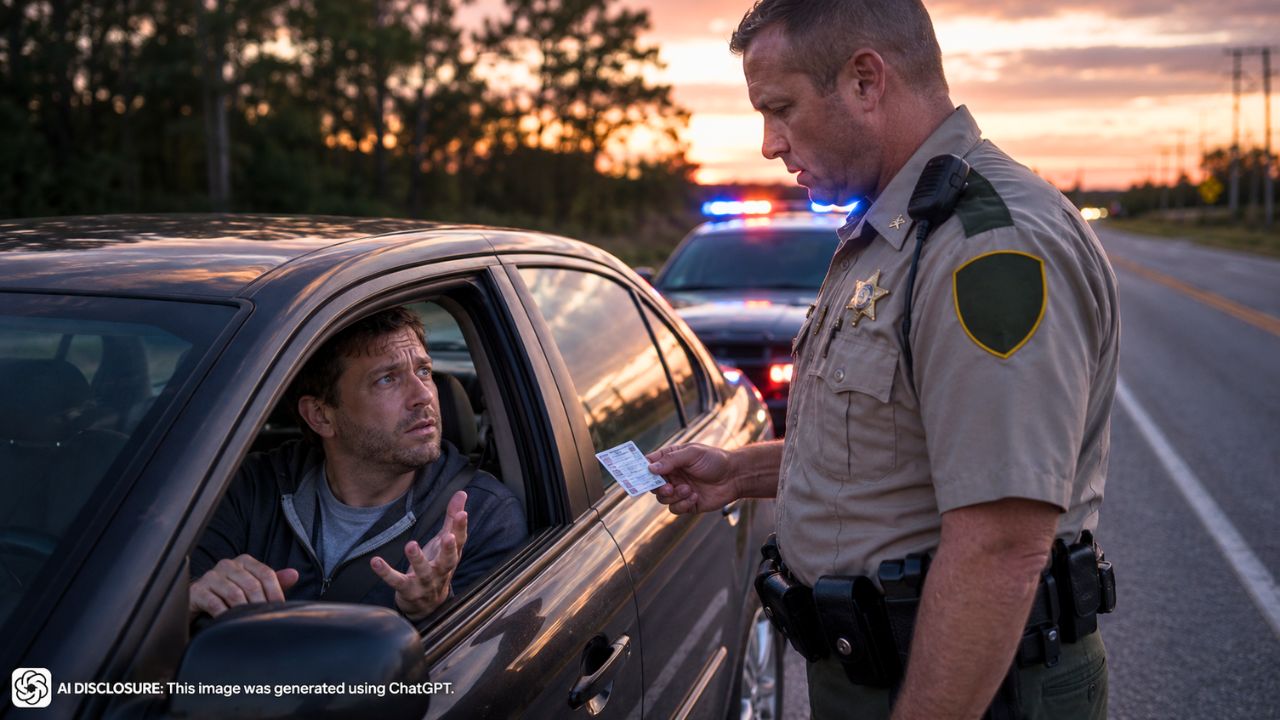
Photo credit: AI-generated image created using ChatGPT. Illustrative only
Getting stopped for speeding is annoying. Getting stopped while you’re carrying can turn that annoyance into a full-on stress test, especially if you haven’t rehearsed what you’re going to do with your hands, your words, and your gear. For one Indiana driver, a simple 67-in-a-50 traffic stop reportedly ended with his carry permit being taken on the side of the road—and later, the state having no paperwork to show it was ever confiscated.
A traffic stop, a loaded pistol, and a split-second decision
In the account shared in the original post, the driver was pulled over in Indiana for going 67 mph in a 50 mph zone. He had a concealed carry permit and carried daily, but had never been stopped while armed.
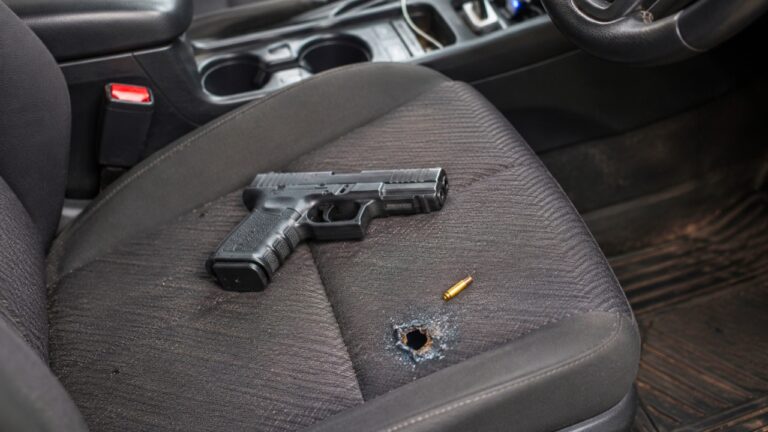
When he saw the lights, he reportedly unloaded his pistol and set it on the passenger seat. He believed he was doing the “right thing,” but it’s the kind of movement that can make an officer’s blood pressure spike—because from outside the vehicle, an officer can’t know if you’re trying to be safe or trying to get ahead of them.
Why unloading the gun during the stop changed everything
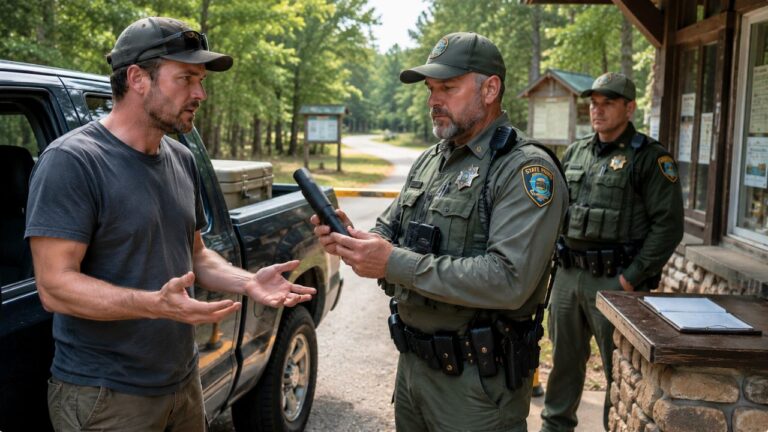
According to the story, when the officer reached the vehicle and saw the firearm, he asked if the driver had just unloaded it after being pulled over. The driver said yes. The officer told him he shouldn’t have done that, then confiscated the driver’s plastic concealed carry license.
This is the part that will make most experienced carriers wince. On a stop, the safest play is usually boring: keep your hands visible, don’t reach around, don’t start handling a gun, and follow the officer’s instructions. Even if your intention is “I’m making this safe,” the action can look like “I’m manipulating a weapon,” and that’s a line you don’t want to toe on the shoulder of a highway.
The deputy’s claim: a board hearing to get the permit back
The officer reportedly told the driver he would have to go before a board and explain why he needs to carry a gun in order to get the license back. That raised a big red flag for the person posting the story because, as they pointed out, Indiana doesn’t require an applicant to give a special “reason” to carry when applying for a permit.
From a practical standpoint, it’s also confusing. A traffic stop is one thing. A permit revocation process is another. If a permit is going to be suspended or revoked, most folks expect an official notice, a clear reason, and a defined process—not just a verbal instruction on the roadside.
No paperwork, no instructions, and later: no record
What makes this situation feel like it’s sliding off the rails is the lack of documentation. The post says the driver received a speeding ticket, but he was not given any information about the confiscation of his carry license—no written reason, no case number tied to the permit, no instructions on who to contact.
He was reportedly just told he’d have to drive to Indianapolis if he wanted to try to get it back. And in the version described by the headline angle, when the driver tried to sort it out afterward, the state had no record that the permit was ever confiscated. Whether that’s an administrative delay, a missed step, or something else, it’s the worst possible spot for a lawful carrier: you’re missing the credential you’re supposed to have, and the system can’t immediately tell you where it went.
What gun owners and outdoorsmen should take from this
There are two lessons here—one about safety and one about paperwork. First, don’t handle a firearm during a traffic stop unless you’re specifically instructed to. If you’re carrying, your best move is typically to keep your hands on the wheel, keep movements slow, and communicate clearly. If your state has a duty to inform, do it the way the law requires. If it doesn’t, many carriers still choose to calmly notify—especially if the officer is going to see the gun anyway—but the key is to avoid sudden “fixing” motions.
Second, if an officer takes a permit or any credential, you want a paper trail. A receipt, a written order, a case number—something that anchors the event to a record. The outdoors world trains you to document things for a reason. If you have a problem animal, a boundary dispute, or a trespass issue, you take photos and save texts. The same mindset applies here: if your permit is taken, you need something in writing so you’re not stuck later trying to prove a thing happened when the system says it didn’t.
In the real world, a missing card can snowball fast. You may still be the permit holder in principle, but without the physical license you can’t easily show compliance if you’re stopped again. And if the state can’t find a record of confiscation, you can lose days or weeks just figuring out which office even has the authority to fix it.
Traffic stops are already tense, and the presence of a gun adds a layer that punishes uncertainty. This story is a reminder to settle on a simple plan before you ever see flashing lights: hands visible, no weapon handling, calm communication, and—if anything is seized—get the documentation you’ll need to get your life back in order afterward.
Like The Avid Outdoorsman’s content? Be sure to follow us.
Here’s more from us: