Photo credit: Theavidoutdoorsman.com
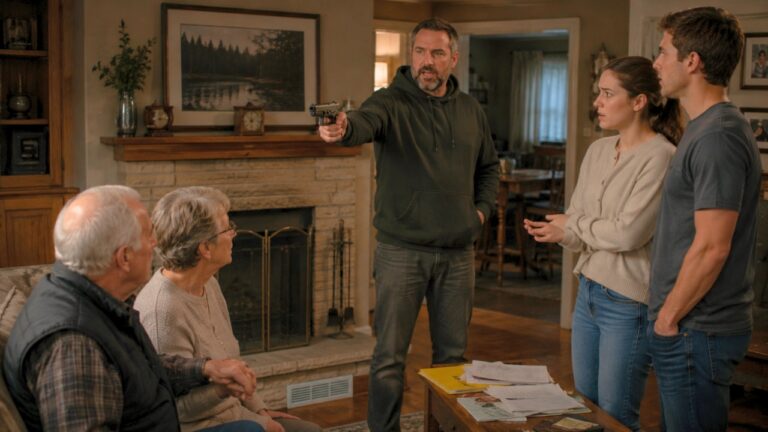
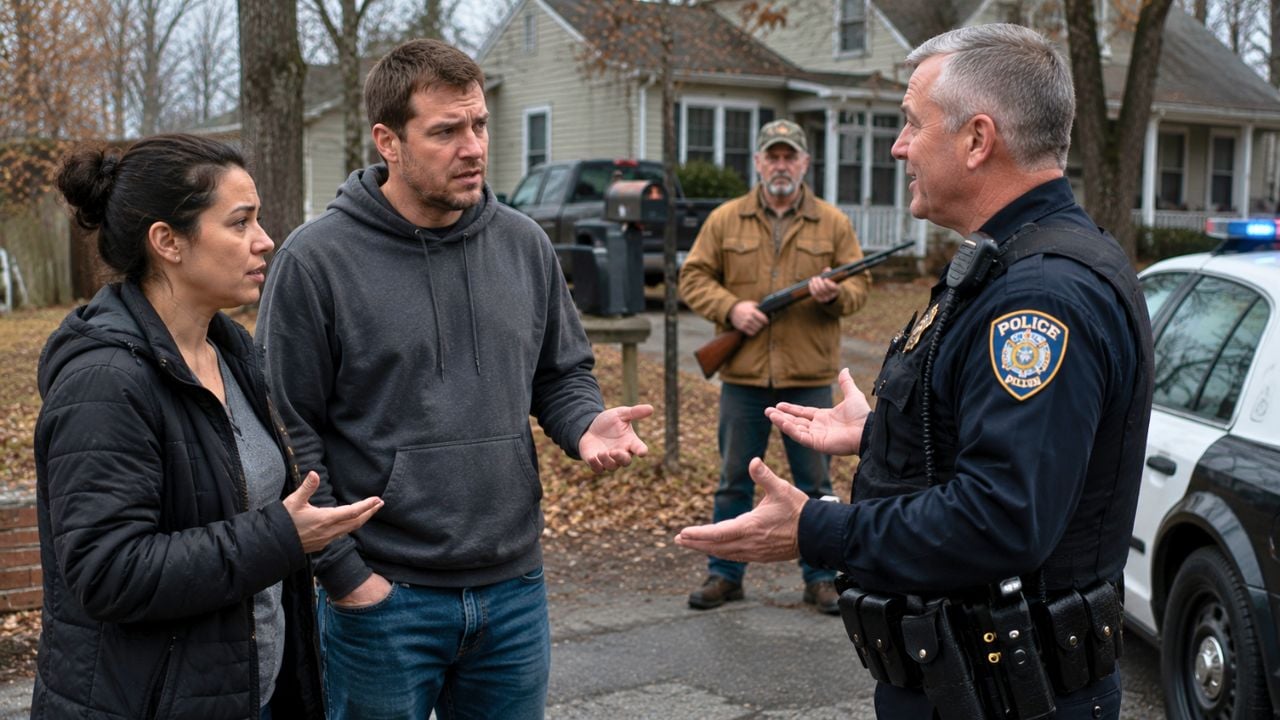
It started like a lot of rural disputes start: a slow drive down a shared stretch of road, a neighbor already keyed up, and a simple “what are you doing here?” turning into something nobody can take back. A couple said they were easing their car along the edge of a property line to check a gate and look for a missing dog when a neighbor stepped out near his driveway with a shotgun and leveled it toward their windshield.
They did what most folks would do in the moment—they didn’t get out, didn’t yell back, and didn’t try to prove a point. They backed out and drove to town to make a report, figuring a gun being pointed at a car is a bright red line. That’s when the situation got even messier: the responding officer and the neighbor weren’t strangers. They went way back.
The roadside encounter that turned a boundary dispute into a safety issue
According to the couple’s account, the area had been tense for weeks. It was the kind of place where driveways are long, mailboxes get shot up every now and then, and folks watch their trail cameras like they’re bank security footage. They said the neighbor had complained before about people cutting across his corner, even though the couple believed they were on the correct side of the line.
On this day, the neighbor didn’t walk over to talk. He posted up near the front of his place with the shotgun carried at the ready. The couple described the muzzle coming up as they rolled forward at low speed, and they decided right then they weren’t going to debate property law from the driver’s seat.
Even if somebody thinks you’re trespassing, pointing a firearm at an occupied vehicle isn’t “sending a message.” It’s introducing deadly force into a situation that’s still, at its core, a neighbor problem.
Why pointing a gun changes everything, even if no shots are fired
Out in the country, plenty of people keep a shotgun by the door. That’s normal. What isn’t normal is using it like a remote control for someone else’s behavior. The line between “I’m protecting my place” and “I’m threatening someone” gets crossed fast when a muzzle is involved.
Most states treat brandishing or menacing as a real offense, and you don’t need a trigger pull for it to count. A person can be wrong about the property line and still not deserve to have a gun waved at them. On the flip side, a landowner can be right about trespass and still end up on the wrong side of the law if they handle it recklessly.
From a practical standpoint, the most important piece is what the couple did next: leave. There’s no winning an argument with a firearm in the middle of it, and you can’t “explain” your way out of a muzzle pointed your direction.
The report that didn’t feel like a report once old friendships surfaced
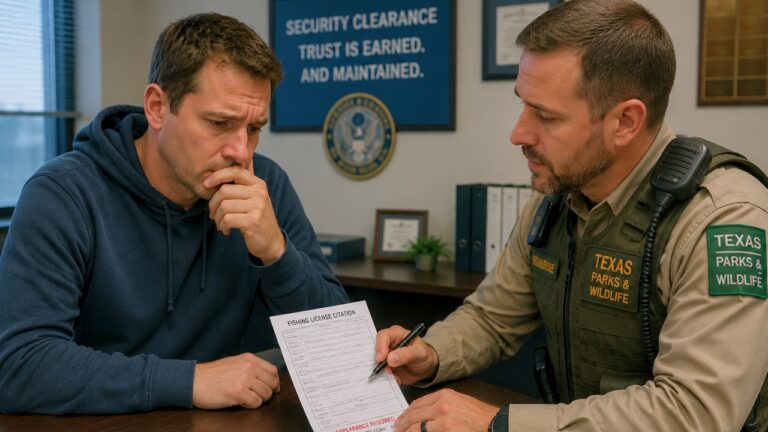
When they went to file the complaint, the couple expected the usual routine: take a statement, ask where it happened, maybe go talk to the neighbor, maybe document the gun, maybe at least generate a case number. What they didn’t expect was the temperature of the room changing when the neighbor’s name came up.
They said the officer’s posture shifted from neutral to familiar. Not necessarily hostile, but casual in a way that didn’t match what they felt had just happened. The kind of “I know that guy” tone that can make a reporting party feel like they’re the outsider, even if they’re the one who just had a shotgun pointed at them.
Small communities run on relationships. That can be a good thing when someone’s cattle are out or a kid goes missing on a snowmobile trail. But it gets complicated when the relationship is between the uniform and the person being accused of bad behavior.
The couple asked about next steps and were told, in so many words, that it might be “better handled” as a neighbor dispute. To them, that sounded like code for “don’t expect much.”
Where rural folks get tripped up: property lines, easements, and “everybody knows”
A lot of these situations are born out of assumptions. Somebody’s granddad always drove that two-track. Somebody’s been cutting through the corner to get to the back pasture for 20 years. Somebody swears the fence is the line even though it was built where it was easiest, not where the survey says it belongs.
If there’s an easement, it matters. If there isn’t, it matters. If the road is maintained by the county partway and then turns into a private lane, it matters. And if there’s no clear signage and the corners aren’t marked, people make up their own rules until it blows up.
Hunters run into this constantly. That “public-looking” gravel road that dead-ends at a gate might be private. That creek crossing might be on someone’s deed. That cutline might be a boundary—or it might just be where the logging crew ran equipment ten years ago.
This is exactly why a current survey and clear markers beat tough talk every time. A strip of paint on a post, “No Trespassing” signs placed legally, and a map from the county can prevent the kind of misunderstanding that ends with someone grabbing a shotgun.
What people fixated on: cameras, documentation, and going around local channels
When word of the incident made the rounds locally, the reactions fell into predictable camps. One group focused on the couple’s choice to drive away instead of arguing. That’s the smart move. Another group zeroed in on the officer-neighbor friendship and the fear that the complaint would quietly die on a desk.
The practical-minded folks talked about documentation. If you ever find yourself in a situation like this, the details matter: time of day, exact location, direction of travel, what was said, where the firearm was, and whether you have any dash cam footage. Pictures of the roadway and any signage help too, especially if signs mysteriously appear after the fact.
Others suggested going to a supervisor, requesting a copy of the incident report, or contacting an outside investigative unit if the complainant believes there’s a conflict of interest. That’s not about “getting someone in trouble.” It’s about ensuring the process is clean when personal relationships are in the mix.
There was also plenty of talk about calling a game warden in similar situations if the dispute involves hunting access or suspected poaching. Wardens deal with property-line drama all season long, and they tend to be very particular about boundaries, permission, and evidence.
The uncomfortable reality: you still have to live next to each other
The hardest part for the couple wasn’t just the report—it was realizing the next time they drive past that property, the same person may be standing there, and the relationship with local law enforcement might not feel neutral. Even if everything gets “handled,” you still share a road, a fence line, or a stretch of timber.
In rural life, you can’t always pick your neighbors. But you can choose how you move when tensions spike. Avoiding the area until things cool down is sometimes the most sensible option. So is putting everything in writing, sticking to daylight, and not going alone if you need to check your own property or livestock near a hot boundary.
Landowners who feel pressured by trespass should take the same lesson from the other side: cameras, clear signs, and a calm call to law enforcement beat stepping into the driveway with a shotgun. The minute you point a gun at someone, you’ve escalated past “protecting property” and into life-changing territory.
Outdoorsmen pride themselves on handling problems face-to-face. That works right up until it doesn’t. When a firearm comes into the conversation, the best win is everyone going home alive—and then sorting it out the slow, boring way with maps, reports, and boundaries that are actually marked.