Photo credit: Shooting USA/YouTube
Gun shows will teach you a lot about yourself if you pay attention. You learn what you actually like when you can pick something up, feel the balance, and work the action without a marketing video in your ear. You also learn how easy it is to talk yourself out of a good revolver when you’ve got cash in your pocket and a long walk ahead of you. I’ve passed on plenty over the years for reasons that sounded smart in the moment. Some were the right call. Some still sting.
Here are 20 revolvers I remember walking past even though I had the money and the chance. Not a “best of” list. More like a reminder that the good ones don’t always wait around for you to get your head straight.
1. Smith & Wesson Model 19 (blued, 4-inch)

I can still feel the way that K-frame sat in my hand, like it was made for normal humans instead of catalog photos. The finish had honest holster wear at the muzzle and the cylinder looked like it had been run, not abused. I talked myself into “holding out for a cleaner one,” which is gun-show code for “I don’t want to spend money today.”
The Model 19 is one of those revolvers that makes you understand why people fell in love with .357 in the first place. It points quick, carries better than the bigger frames, and it’ll do woods-walk duty all day without feeling like a boat anchor. I get the concerns about a steady diet of hot loads, but that isn’t how most of us actually shoot. That one hurts.
2. Colt Python (older blued, 6-inch)
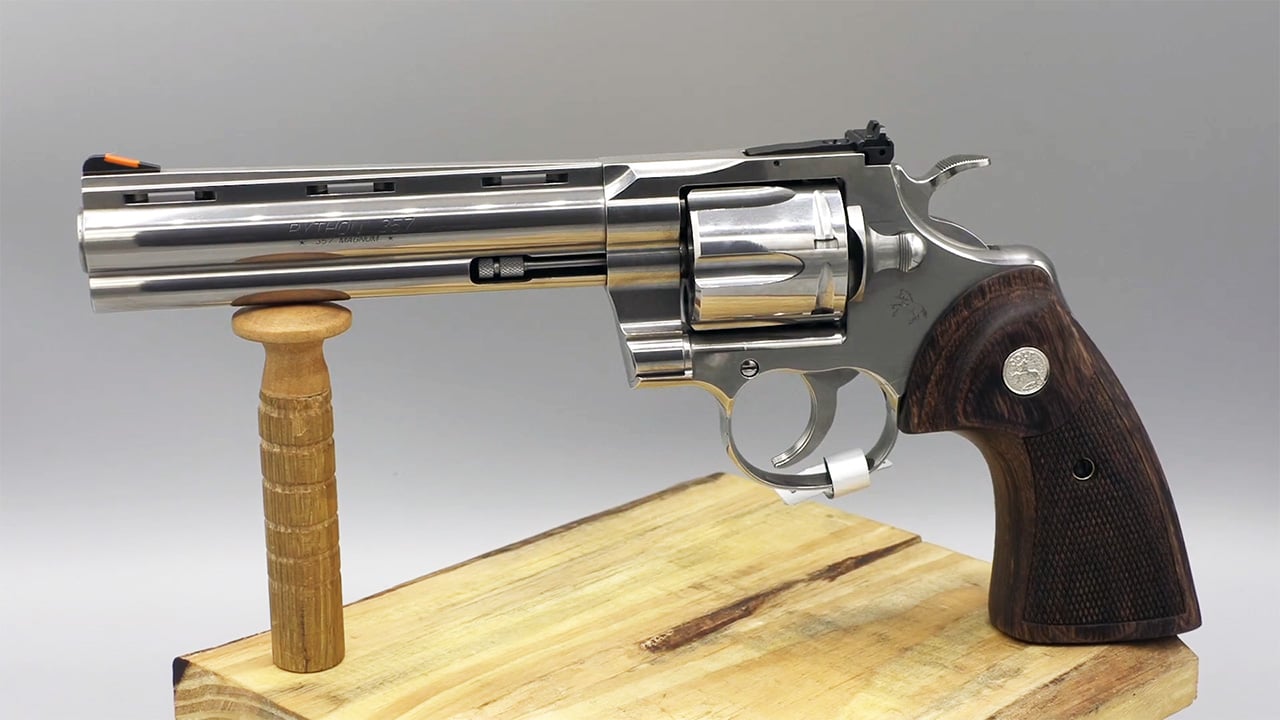
This was before “Python money” got completely out of hand. It was sitting in a glass case with a tag that made me swallow hard, but I had the cash. The lockup felt like bank vault smooth and the double-action pull was the kind of slick that makes you slow down just to enjoy it.
I walked because I told myself it was too pretty to use. That is a real thought outdoorsmen have: if it’s too nice, it becomes a safe queen. Still, a Python isn’t just pretty. It shoots, it holds its value, and it’s one of the few guns that even non-gun folks recognize. I could have hunted with it, shot steel with it, and still kept it nice with basic care.
3. Ruger GP100 (4-inch stainless)
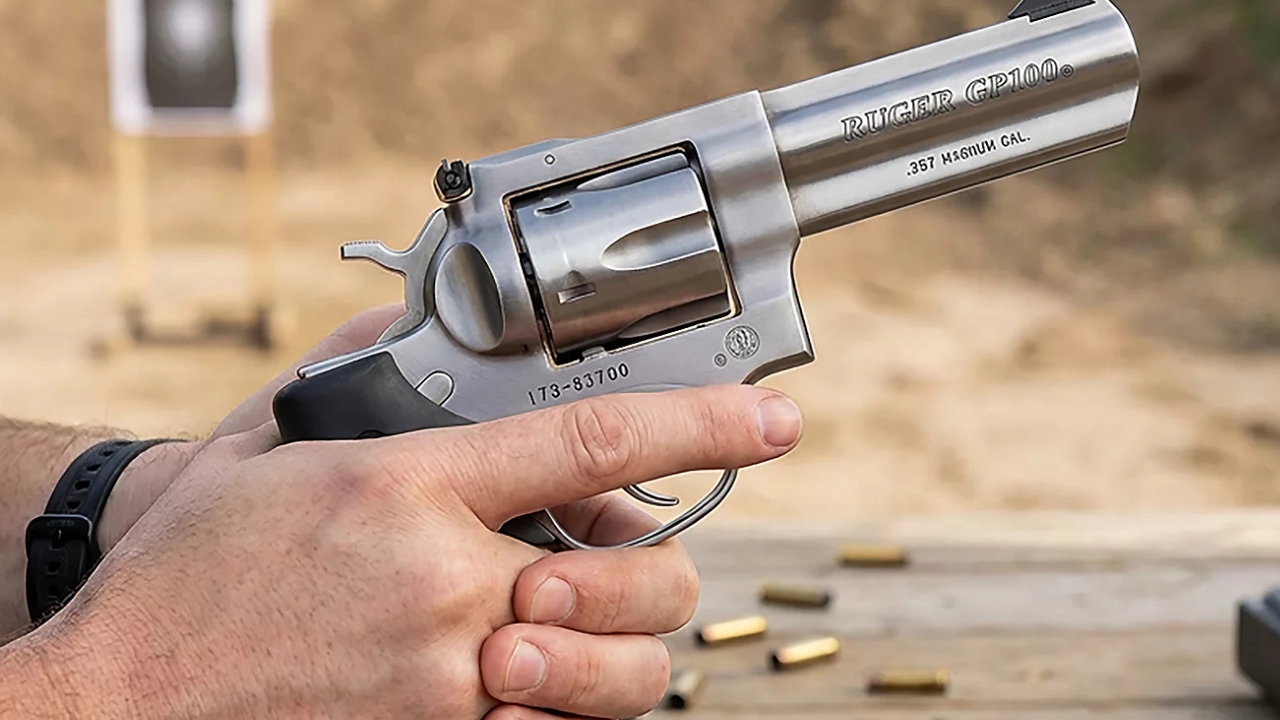
The GP100 is not romantic. It’s a wrench. The one I passed had the rubber grip with wood inserts and the timing felt right. It wasn’t a collector piece, which is exactly why it was appealing.
I passed because I already had a .357 at home and I didn’t “need” another. That word has cost me more good guns than a tight budget ever did. A GP100 is the revolver you can throw in a truck, take to camp, and not baby. Parts and support are everywhere, it’ll digest real magnum loads without drama, and it’s heavy enough to be pleasant on the range. Boring? Sure. Useful, too.
4. Smith & Wesson Model 27 (blued, 5-inch)
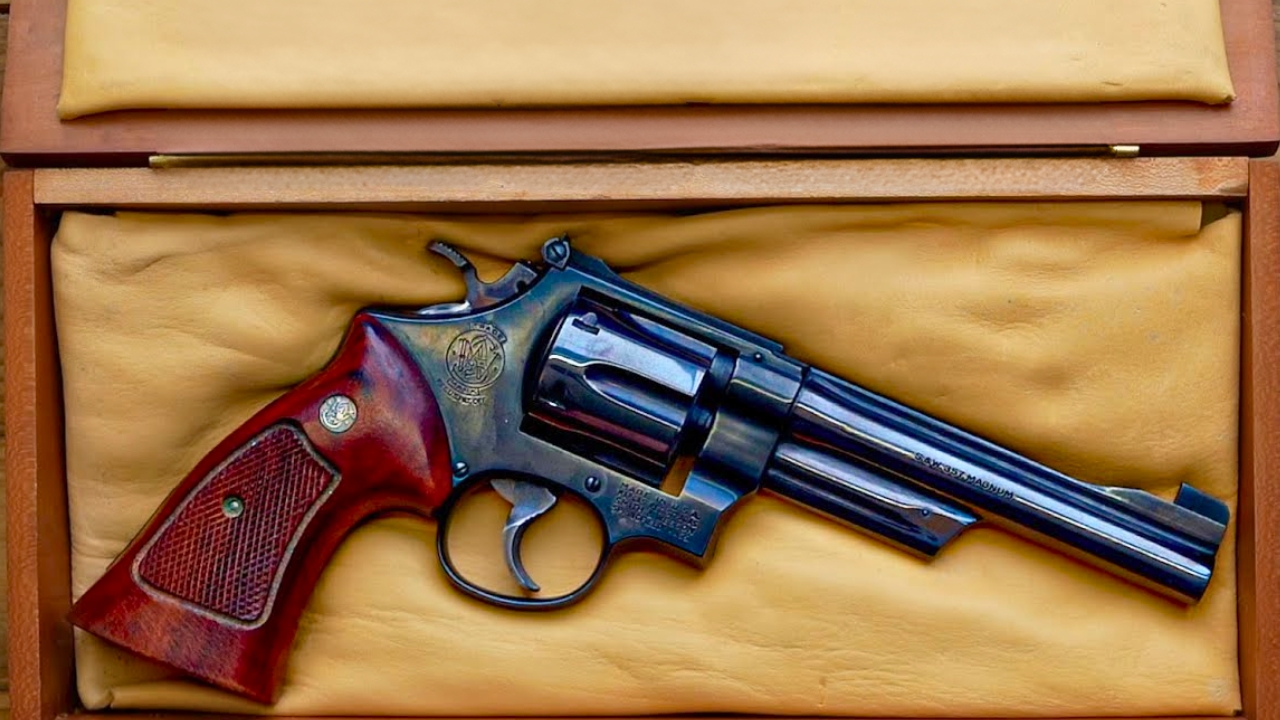
This one was all business: big N-frame, checkered topstrap, deep blue that looked like a pond at dusk. The seller let me handle it and I remember thinking, “This is what a service revolver is supposed to feel like.” Then I looked at the price and did the mental math of a weekend trip, ammo, and bills.
The Model 27 is big, but it carries in a good holster better than folks think, especially in cooler weather. It’s the kind of .357 that makes you want to shoot .357, not just .38s. I passed because it felt like a luxury. Later I realized it’s also a lifetime gun—strong, accurate, and hard to replace with anything that has the same old-school fit and finish.
5. Colt Trooper Mark III (4-inch)
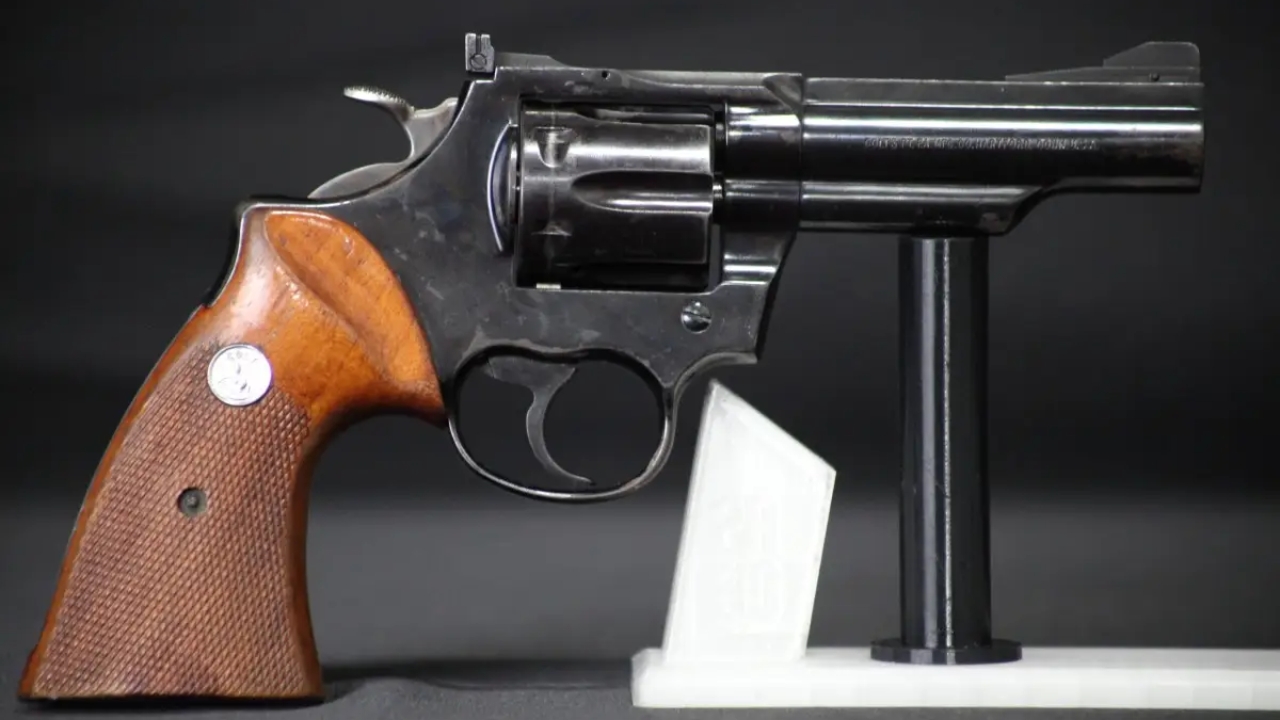
The Trooper Mark III sat on a table between a bunch of polymer pistols. Most people walked by like it was furniture. I picked it up and felt that Colt “differentness” right away—slightly different geometry, slightly different balance, and a trigger that had character even if it wasn’t Python-slick.
I walked because I had read too many arguments about Colt parts and gunsmith support. There’s truth there, but it can get exaggerated online. The Mark III is a strong revolver, built like Colt wanted to modernize without losing the soul. As a shooter, it’s a great way into old Colts without the collector tax. I should have bought it and quit listening to internet worry.
6. Smith & Wesson Model 10 (4-inch, pencil barrel)
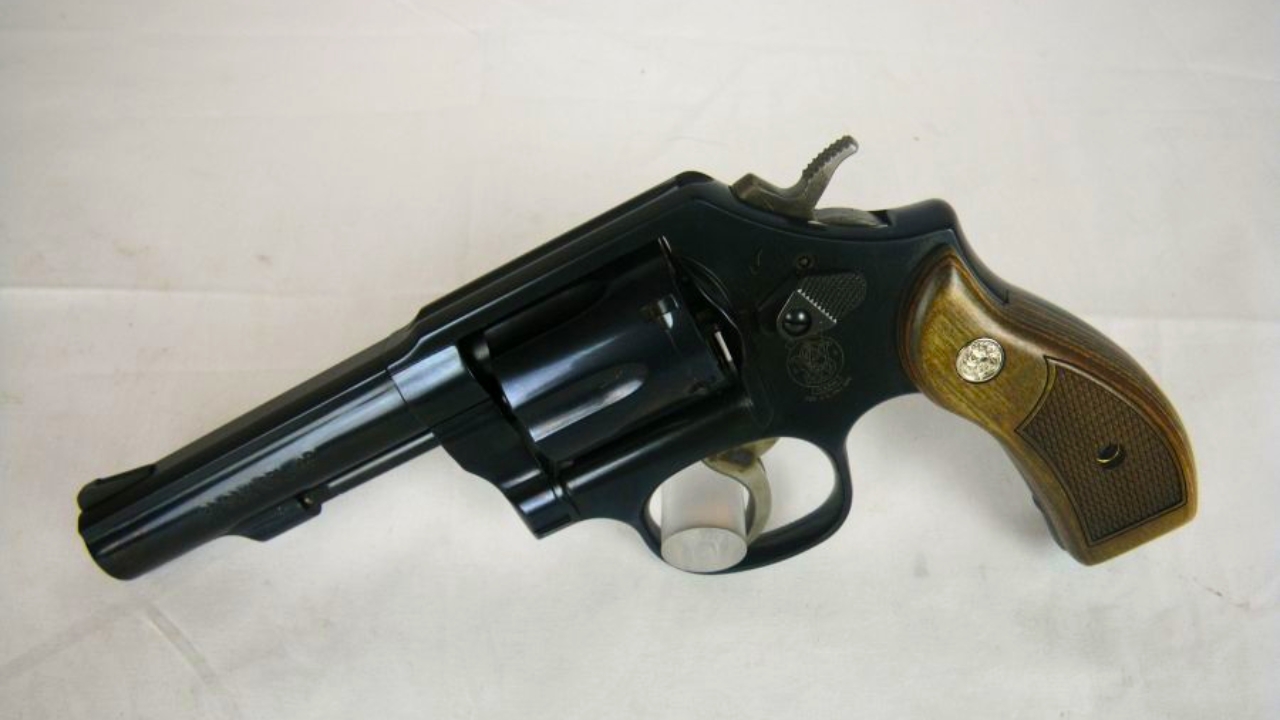
If you want to talk about “working guns,” the Model 10 is the definition. This one had thin grips and that classic tapered barrel that just looks right. I remember dry-firing it and thinking the double action felt like it had been smoothed by a few decades of duty carry.
I passed because it was “just a .38.” That was dumb. A good .38 is one of the most useful handguns a person can own, especially if you actually shoot and practice. It’s easy on new shooters, it’s accurate, and it’ll do small-game and camp chores with the right loads and common sense. It also carries flat for a revolver. There is nothing fancy about it, and that is kind of the point.
7. Ruger Security-Six (stainless, 2.75-inch)
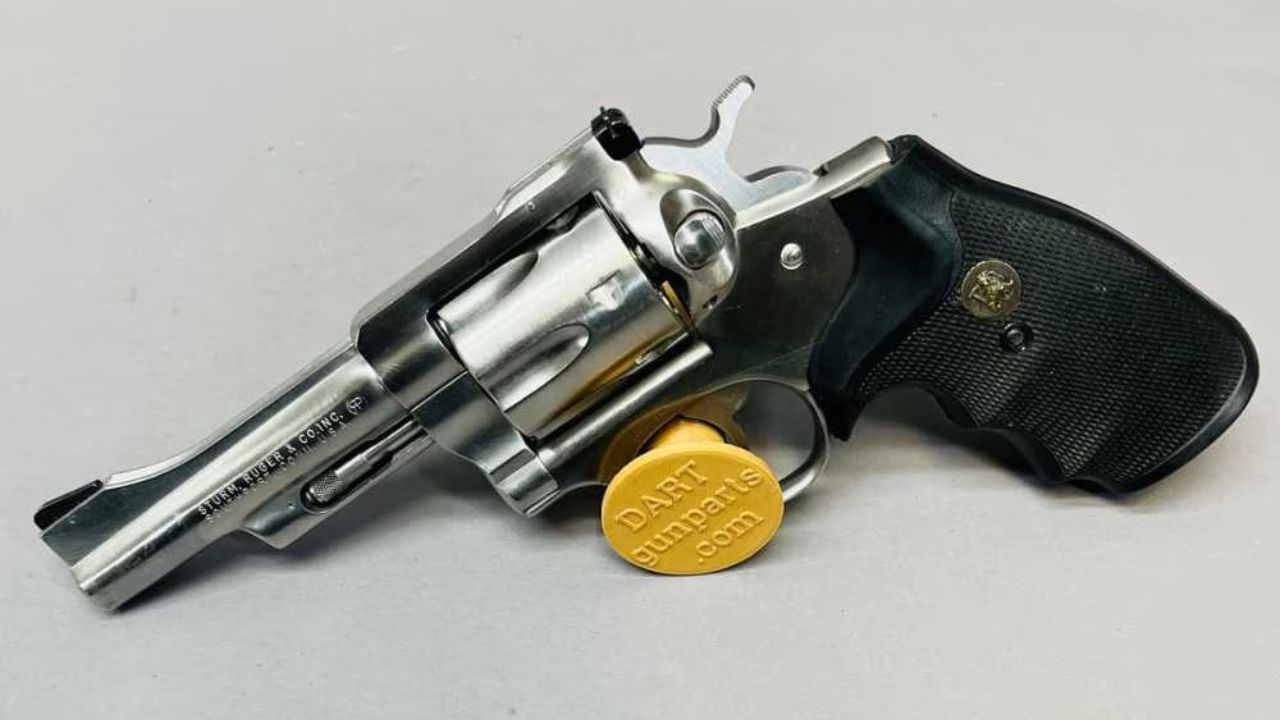
I’ve always liked the Six-series Rugers. They feel trim compared to a GP100, but still solid. The short stainless Security-Six I saw had a little edge wear and a price tag that felt fair, not “I know what I got.”
I hesitated because the sights aren’t as modern-friendly and the grips were a little slick for my taste. But the Security-Six is a real packable .357 that doesn’t mind rough treatment. It’s a great woods gun when you want something that will fire every time, even after riding in a dusty rig or getting bumped around in a tackle bag. They’re not getting more common, and the good ones don’t sit on tables long.
8. Smith & Wesson Model 29 (6.5-inch)
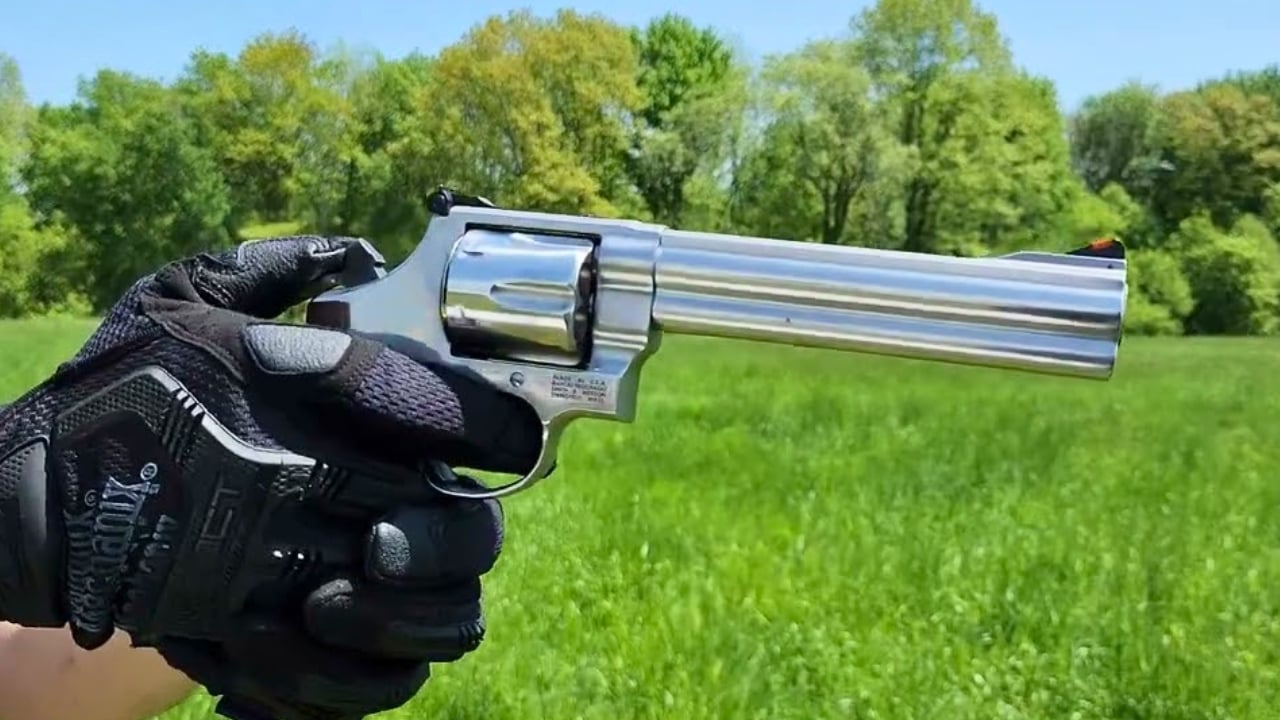
This was the classic big .44, and yes, it had that movie-gun aura. The revolver looked like it had been fired some but cared for. The action had a smooth roll to it, and the cylinder locked up tight. I had the money, but I also had a shoulder that was already tired of heavy recoil that year.
I walked because I convinced myself I didn’t want to feed a .44 Magnum. Fair point—ammo isn’t cheap and full-house loads aren’t casual. But a Model 29 isn’t just about max recoil. Loaded down, it’s a sweet shooter, and loaded right, it’s a legitimate hunting sidearm. It’s also one of those revolvers you regret not owning at least once.
9. Ruger Blackhawk (Convertible .357/9mm)
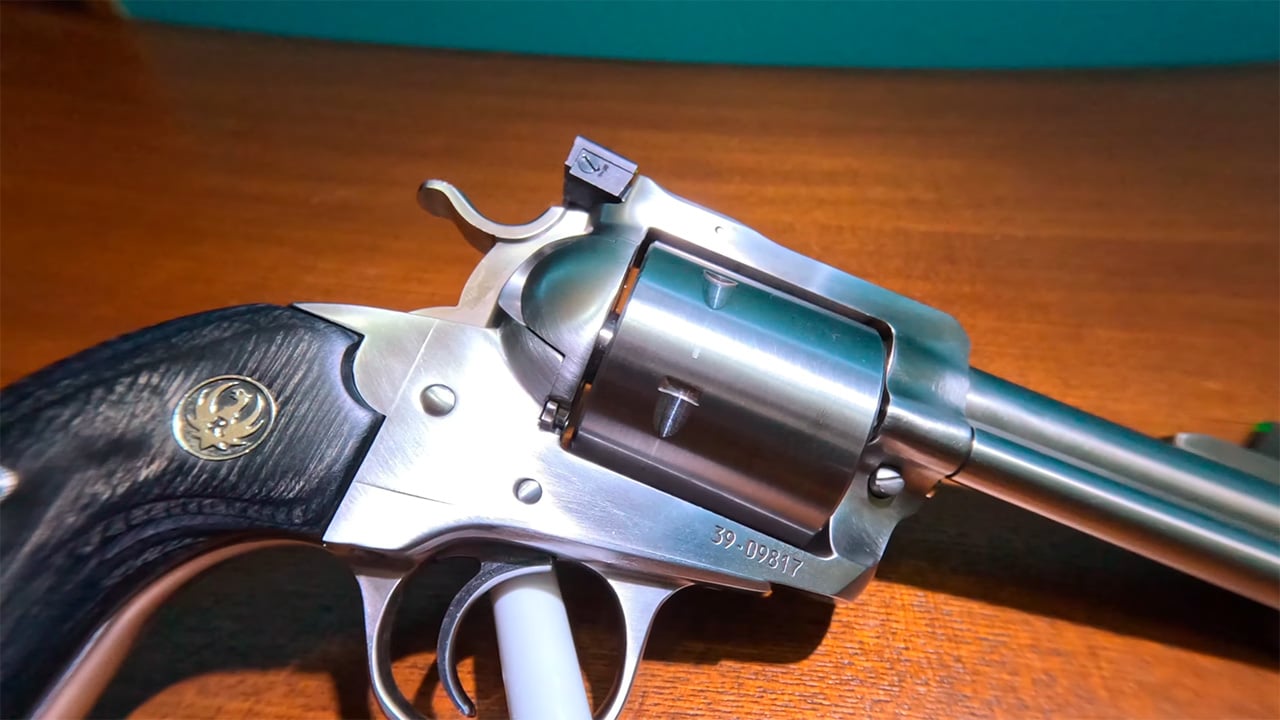
A convertible Blackhawk is one of the most practical “fun” guns ever made. The one I passed had both cylinders and the box, and the gun looked barely used. It was sitting there like an overlooked tool at a farm auction.
I didn’t buy it because single-actions aren’t as fast for me on the range, and I figured I’d shoot it twice and forget it. That’s not how it goes. A Blackhawk is the gun you take to the back forty, to the creek bank, to the steel targets when you want to slow down and actually shoot well. Having the 9mm cylinder makes it easy to feed, and .357 out of a longer barrel is a different animal. It would have earned its keep.
10. Smith & Wesson Model 36 (Chief’s Special)
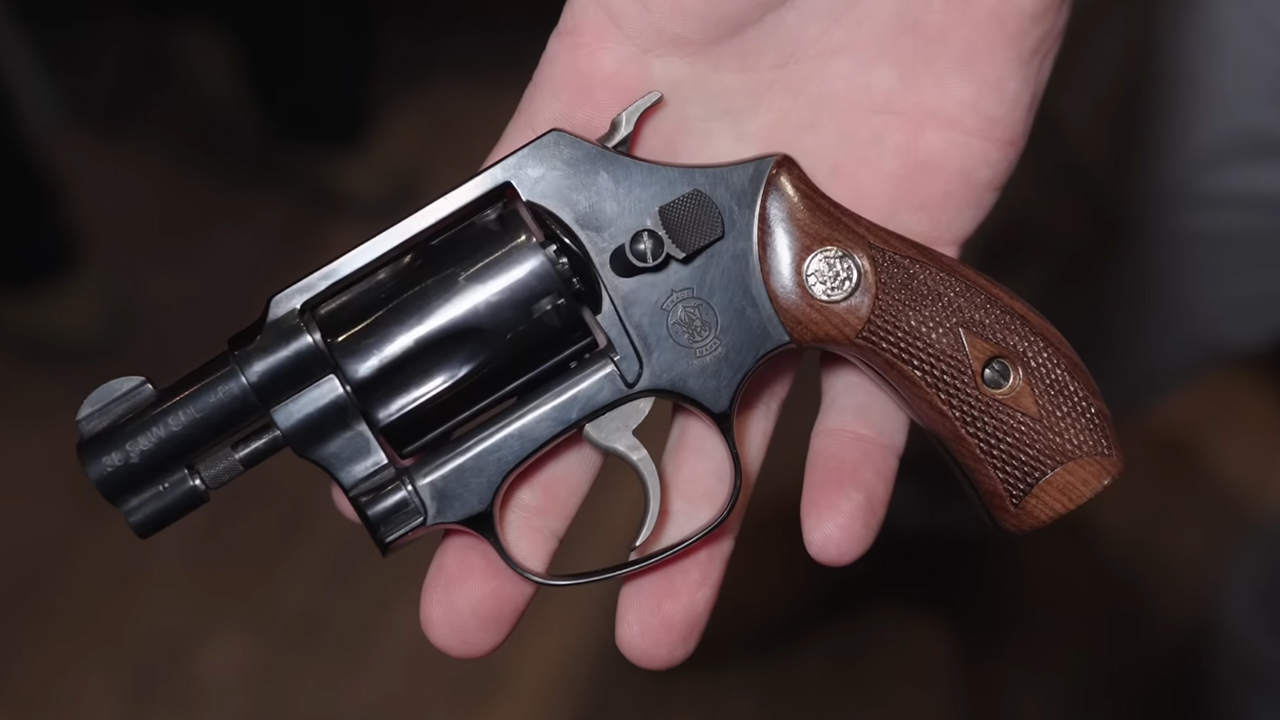
It was a little blued J-frame with just enough wear to prove it had lived in pockets and purses and glove boxes. The grips were small, the sights were basic, and the gun felt like a bar of soap in the hand—until you actually locked in your grip and realized it pointed naturally.
I passed because I was in a “micro 9” phase and convinced myself a five-shot .38 was outdated. Carry comfort is real, though, and a Model 36 carries easy in ways thicker guns never will. It’s also simple to verify loaded/unloaded, simple to operate under stress, and it’ll sit for months and still work. For a lot of everyday life, that plain little revolver makes more sense than people want to admit.
11. Colt Detective Special (2-inch)

The Detective Special is the snub that always feels like it has more steel than you expect. The one I handled had a surprisingly nice trigger and the latch had that Colt feel—different than Smith, not worse, just different. It was priced a little high, but not insane.
I talked myself out of it because I worried about holster fit and parts, and because I already owned snubs. Here’s the deal: a six-shot snub changes the whole feel of the gun. One more round, slightly different grip shape, and it shoots more like a “real revolver” than a tiny backup piece. It would have been a great carry gun for cold weather, and a great “keep in the cabin” revolver that everybody can understand.
12. Ruger SP101 (3-inch, adjustable sights)
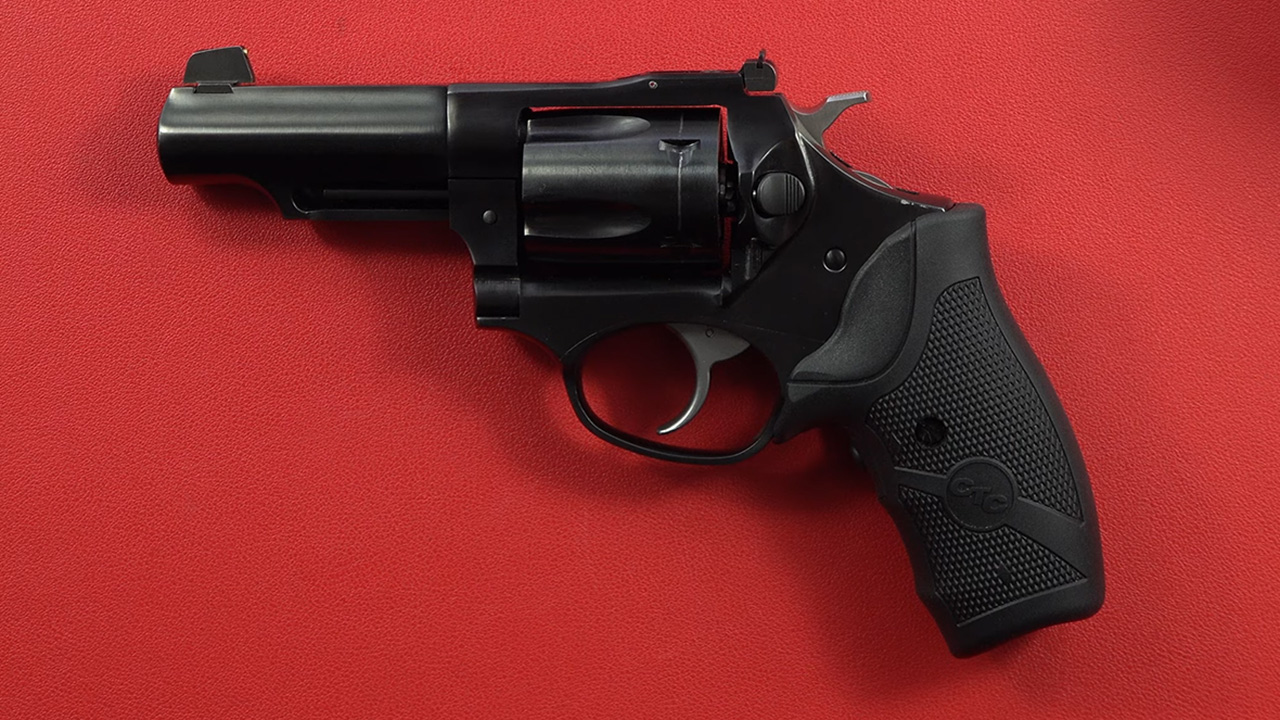
The 3-inch SP101 is one of those revolvers that makes you wonder why you ever bothered with the 2-inch versions. The one at the show had adjustable sights and a clean forcing cone. When I ran the cylinder, it felt tight and honest.
I passed because it felt heavy for five shots. And yes, it is. But that weight is what makes it shootable with real .357 loads. It’s also a great belt gun when you’re fishing or doing chores and you want something that won’t quit if it gets rained on or banged against a gate. It’s not a dainty pocket gun, but it’s a serious little revolver that can live hard and keep its timing.
13. Smith & Wesson Model 686 (4-inch, no lock)
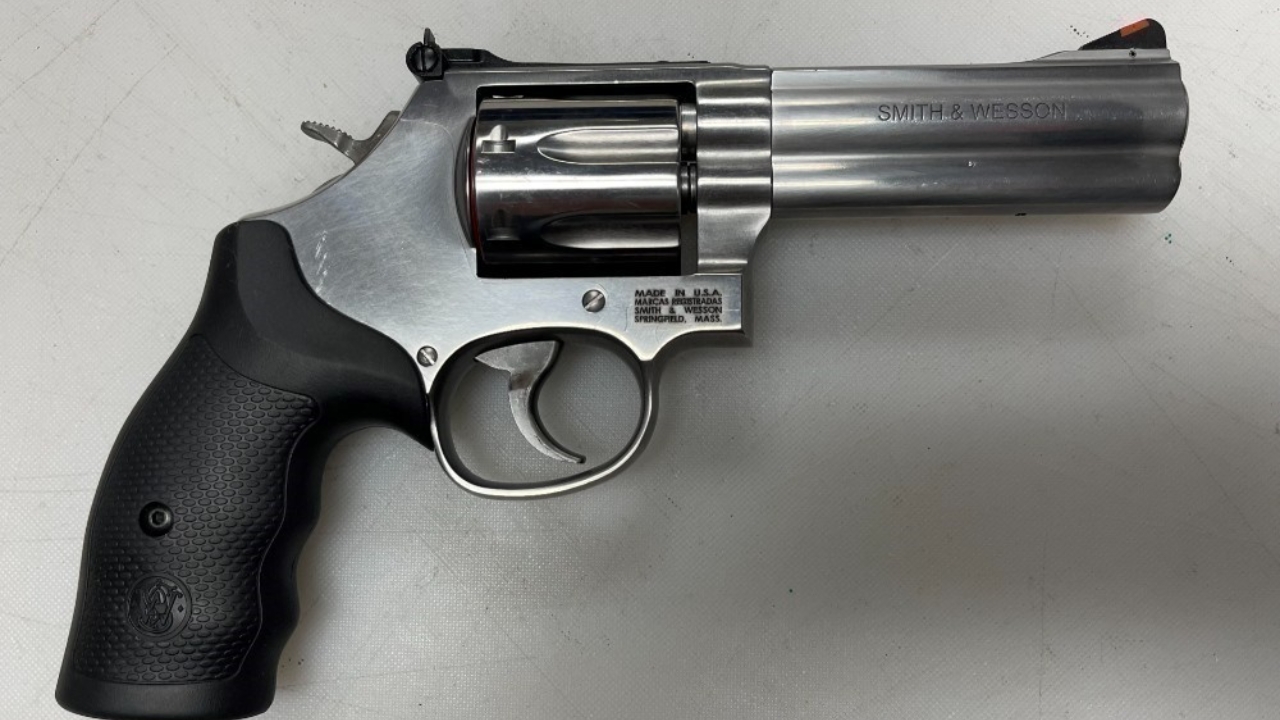
The L-frame Smiths hit a sweet spot, and the no-lock versions have their own following for a reason. The one I passed on had a crisp single-action break and a double action that stacked just a touch—enough to feel, not enough to annoy.
I didn’t buy it because I already had a range revolver and I was trying to be disciplined. The funny part is the 686 is both a range revolver and a do-everything revolver. It’s heavy enough to shoot all day, strong enough for real magnum work, and common enough that holsters, grips, and sight options aren’t a scavenger hunt. If you want one revolver to cover camp, range, and nightstand, it’s hard to argue against.
14. Dan Wesson Model 15-2 (.357 with extra barrels)
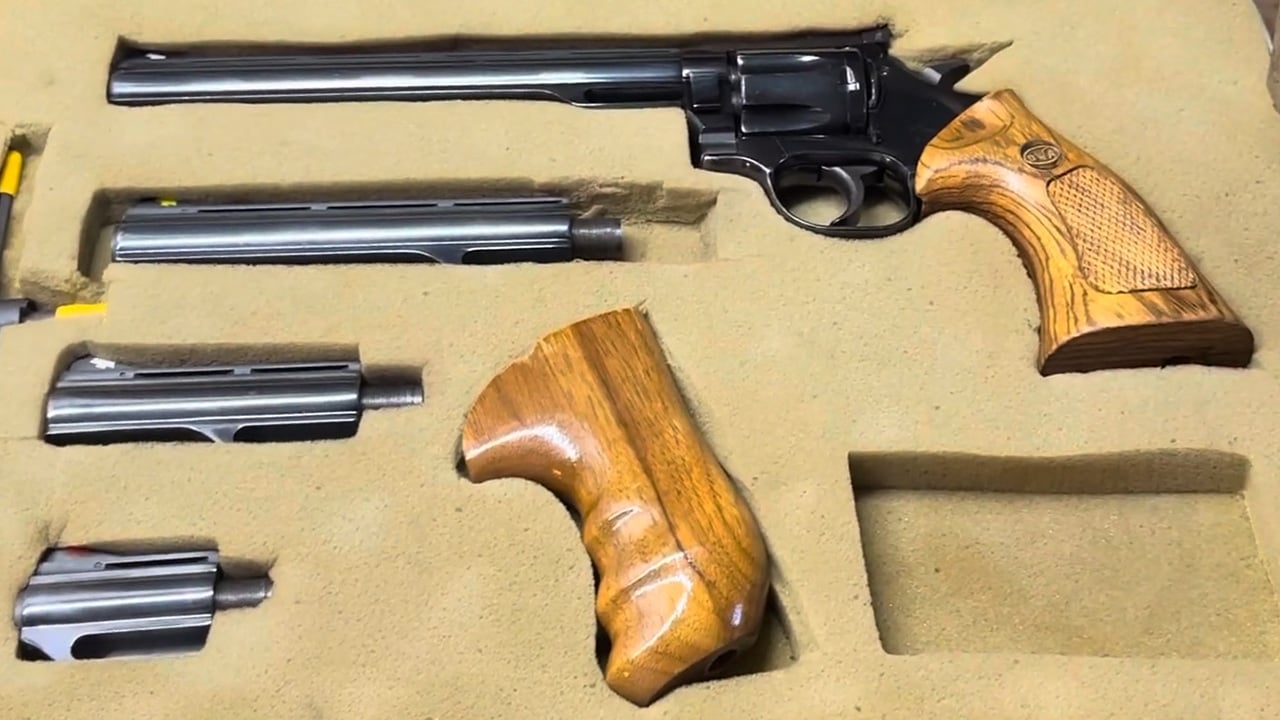
It was sitting on a table like a science project: pistol case, barrel wrench, and more than one barrel length. Dan Wesson revolvers have a look that some guys love and some guys call ugly. I’m in the “ugly but right” camp.
I passed because I didn’t want to mess with the barrel system, and I figured it would turn into a fussy hobby gun. In reality, that modular setup is what makes it so useful. You can set it up as a packable revolver or a long-barreled range tack driver, and the guns have a reputation for accuracy that isn’t just talk. The catch is you need to keep track of parts and not lose that wrench. Still, it was a missed opportunity.
15. Freedom Arms Model 83 (.454 Casull)
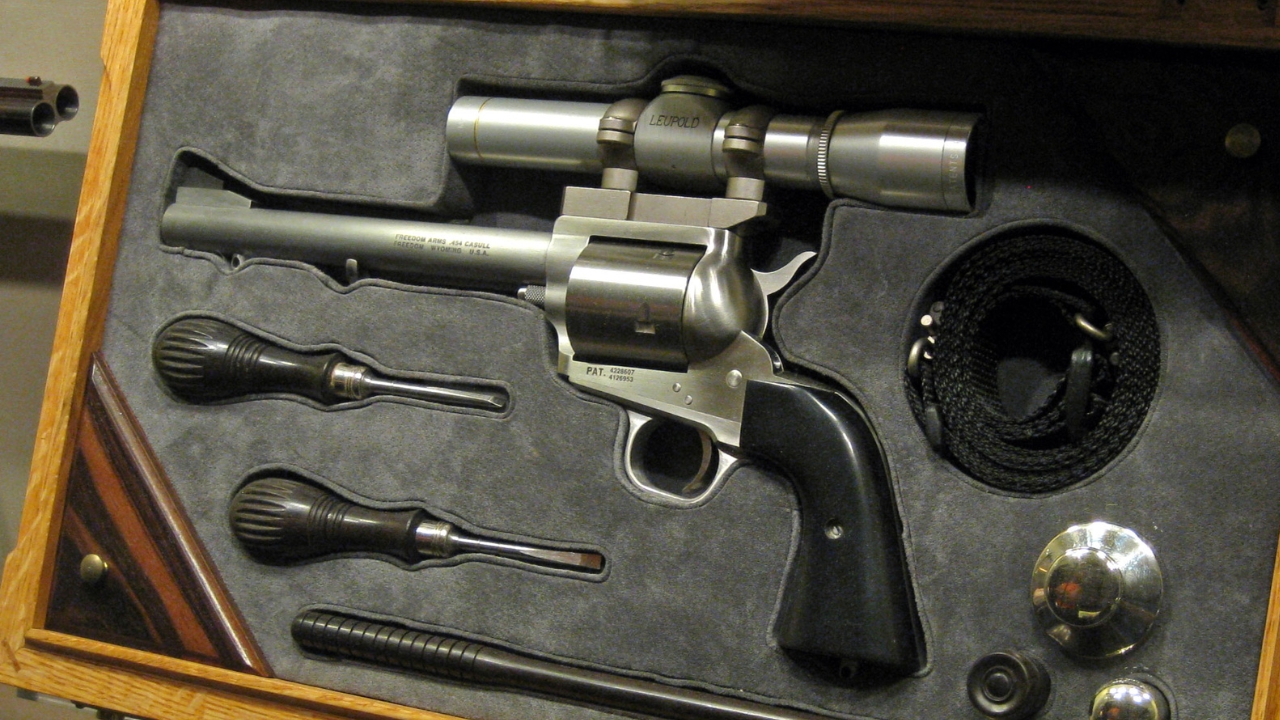
This was the kind of revolver you pick up and immediately slow down. Everything feels tight, deliberate, and expensive. The finish was flawless and the cylinder lockup felt like it was machined for one gun and one gun only. It was priced accordingly.
I walked away because I didn’t want to buy a revolver that would demand a new hobby just to shoot it. The .454 isn’t casual, and the gun is built for serious work—big game, hard use, and long-term durability. But that’s also why it belongs on a regret list. If you’re the kind of outdoorsman who spends time in rough country, a revolver like that is a real tool, not a conversation piece. It’s also an heirloom the moment you pay for it.
16. Smith & Wesson Model 25-5 (.45 Colt)
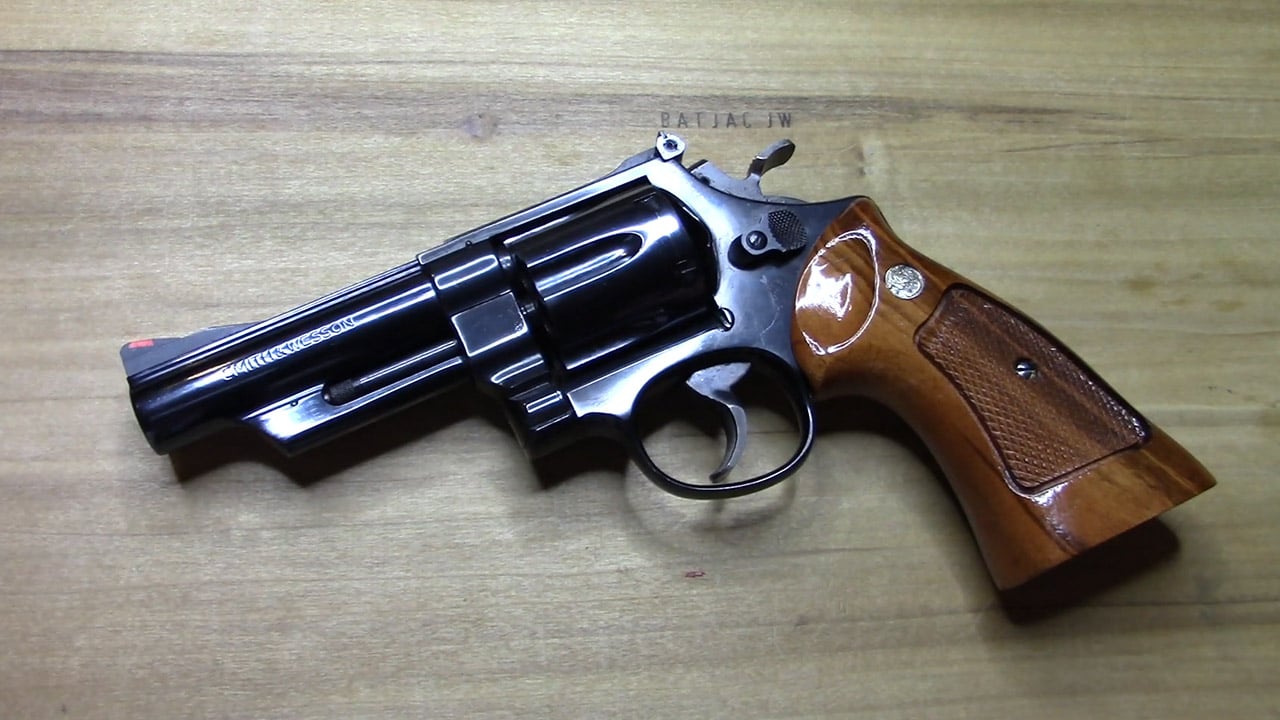
The .45 Colt N-frame feels like cheating when you pick it up. Big holes, mild recoil with sane loads, and a wide, comfortable grip frame that doesn’t beat you up. The one I saw had a little wear around the edges and a front sight that stood out well enough for my eyes.
I didn’t buy it because I was worried about .45 Colt ammo cost and finding the right loads. That’s partly true, but it’s also manageable if you plan ahead. What I really missed is how practical a big .45 can be for woods carry when you want a heavy bullet at moderate speed. It’s pleasant to shoot, easy to hit with, and it has a “big revolver” steadiness that makes you look better than you are.
17. Ruger Super Redhawk Alaskan (.454 Casull)

The Alaskan looks like a revolver that got cut down in a back room, but it has a purpose. Short barrel, big frame, built to survive hard loads. The one I handled felt like a brick with a trigger, which is not a compliment or an insult. It’s just the truth.
I passed because it seemed too specialized for my normal life. For most folks, it is. But as a dedicated backcountry sidearm, it makes sense if you’re around big animals and you want maximum reliability. It’s not a gun you shoot “for fun” very often, and it’s not a gun you carry because it’s comfortable. It’s a gun you carry because it works, in weather, in mud, and after bouncing around in a chest rig all season.
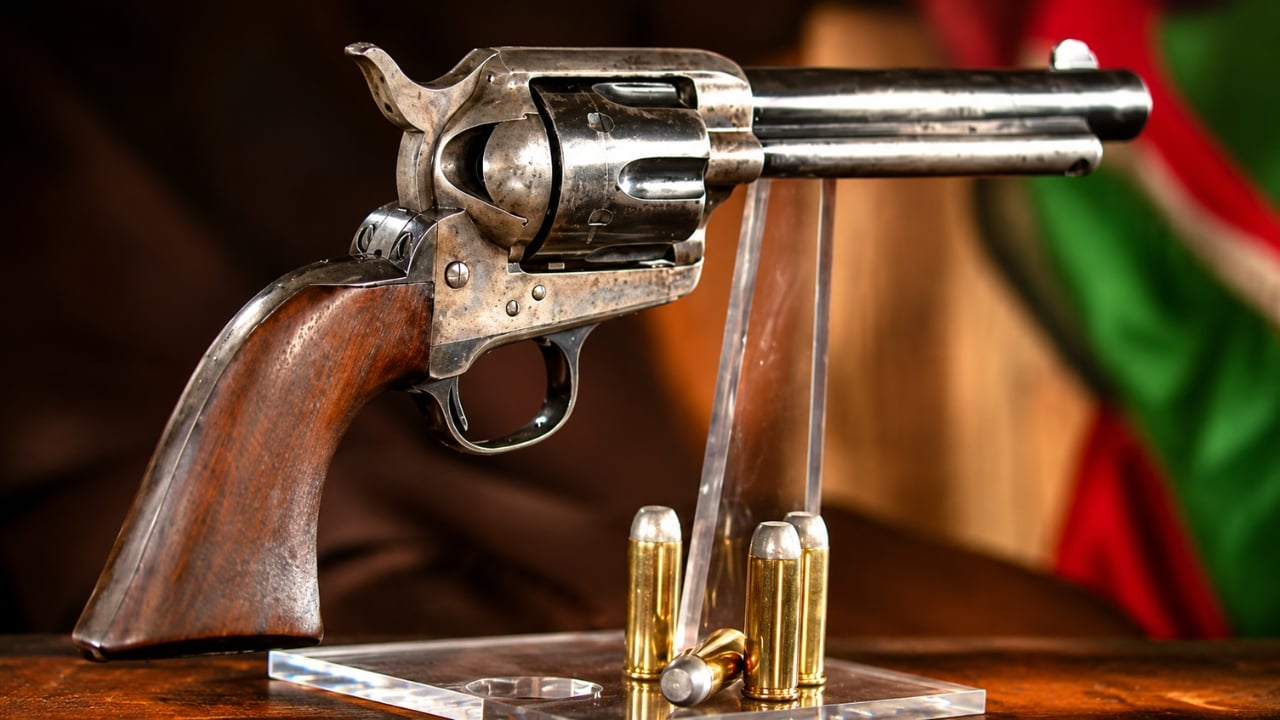
18. Colt Single Action Army (3rd Gen, .45 Colt)
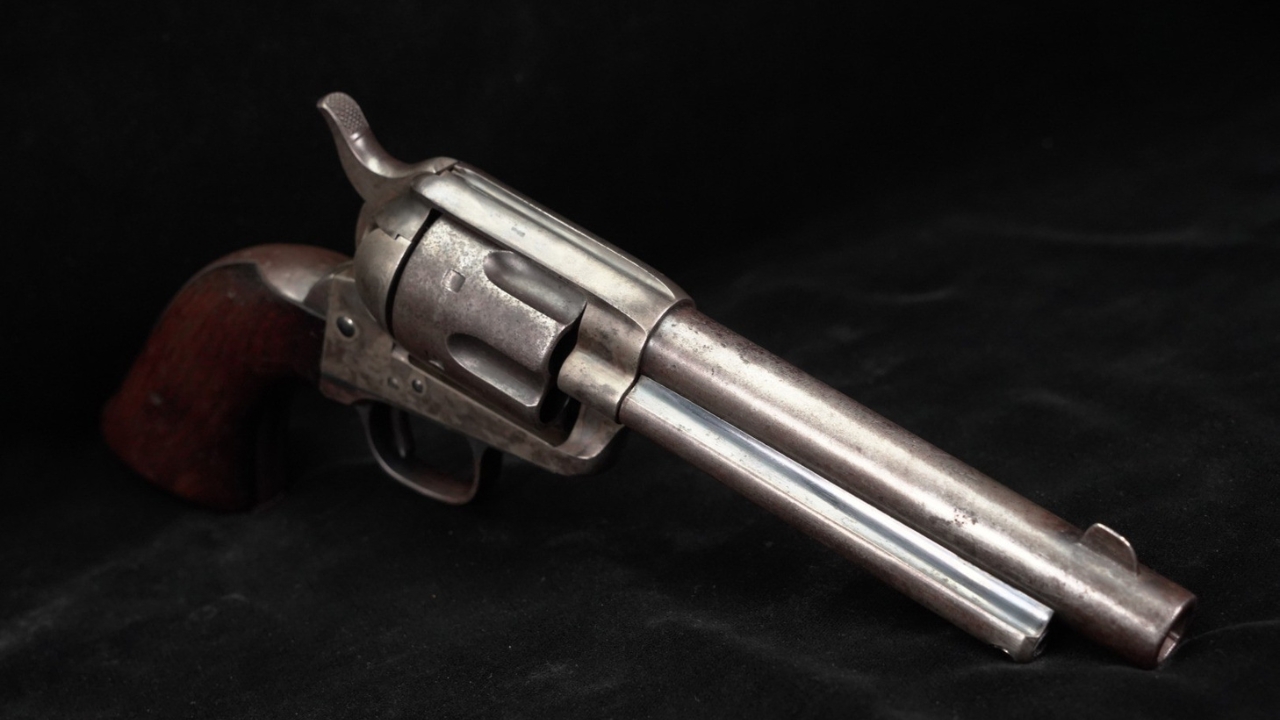
This one was more about history than specs. Case colors, fixed sights, that classic plow-handle grip. It wasn’t the most accurate setup on paper, and it sure wasn’t cheap, but it had that feel that modern guns can’t fake.
I walked because I told myself it was a “collector gun” and I’m not a collector. But you don’t have to be. A Single Action Army is a slow-down revolver. It changes how you shoot, how you carry, and how you think about what a sidearm is for. It’s also the kind of gun you bring out at camp and everybody wants to handle, and it makes you want to keep your leather gear in shape. I’d own one now if I’d quit overthinking then.
19. Smith & Wesson Model 57 (.41 Magnum)
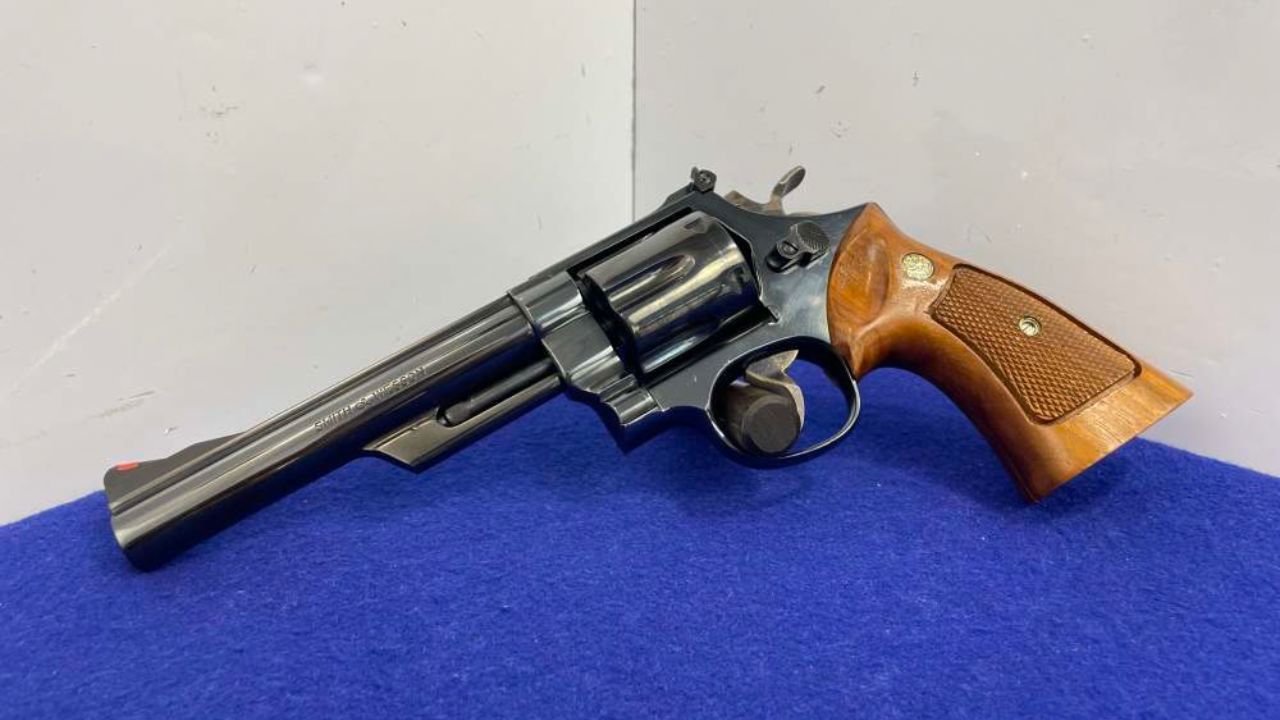
The .41 Magnum is the cartridge everybody argues about and hardly anybody actually shoots. The Model 57 I saw was a clean, handsome revolver with a bit of swagger. It sat there like it was waiting for the one guy in the building who understood it.
I passed because I didn’t want another oddball caliber to feed. Fair concern. But the .41 is one of those “sweet spot” rounds when you get it right—flatter than you’d expect and hits harder than a .357 without being as punishing as heavy .44 loads. For hunting and woods walking, it’s a serious tool, and the Model 57 carries that classic Smith feel. The mistake was assuming practicality always means common calibers.
20. Charter Arms Bulldog (.44 Special)
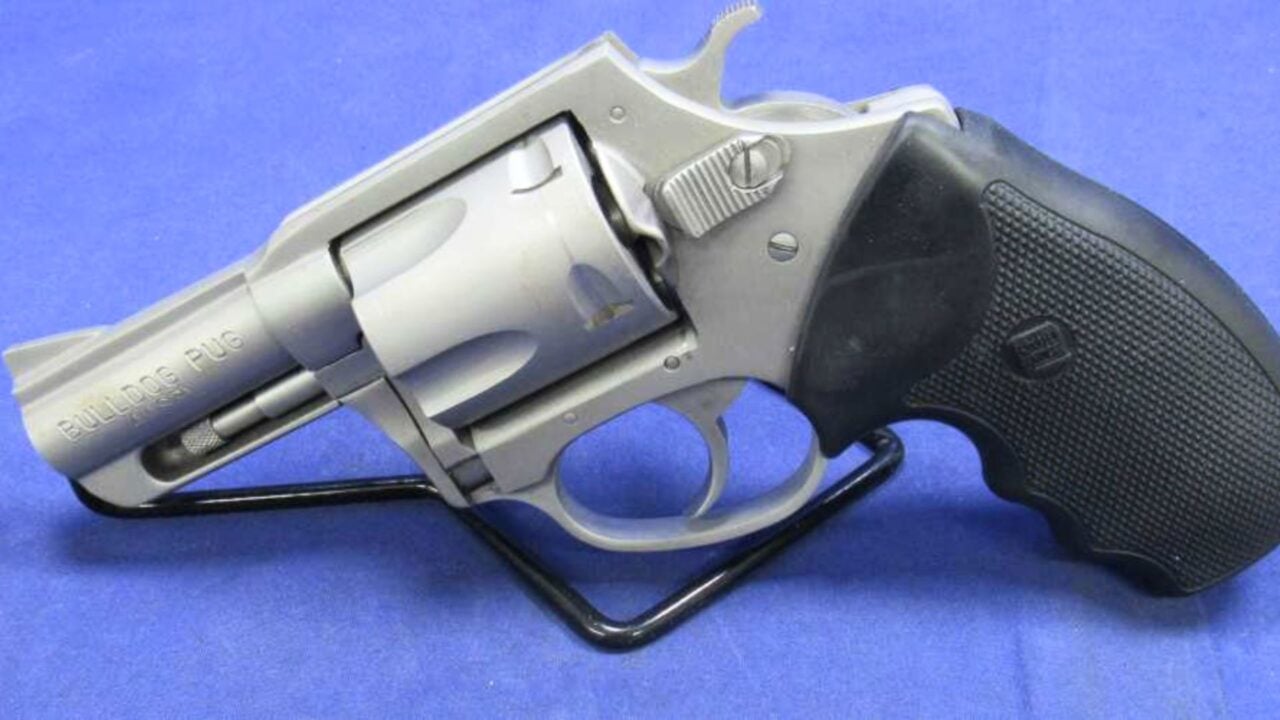
This one surprised me. It was a plain Bulldog, not a showpiece, and it felt almost too light for the bore size. The seller had it tagged as a simple carry revolver, and that’s what it is. I turned it down because I’ve seen enough mixed opinions on small-frame big-bore guns to be cautious.
Still, the Bulldog fills a niche that keeps coming back around. A relatively light, relatively compact revolver throwing a big, slow bullet is a very workable idea for defensive carry and around-the-property use. It isn’t a range toy, and you need to be realistic about recoil and follow-up shots. But it carries easy, it’s straightforward, and .44 Special has a reputation for doing the job without needing full-magnum blast. Looking back, I should have bought it, vetted it carefully, and kept it as a “grab and go” option.
I’m not saying you should buy every revolver you admire under fluorescent lights. Most of us have bills, kids, and a safe that’s already too full. But I am saying this: when a solid revolver fits your hand, the action feels right, and the price is fair, don’t talk yourself out of it just because you can. The older I get, the more I value guns that are simple, durable, and honest. Those are the ones that don’t seem exciting until the day you wish you had one.
Like The Avid Outdoorsman’s content? Subscribe to our newsletter so you never miss an article.
Here’s more from us: