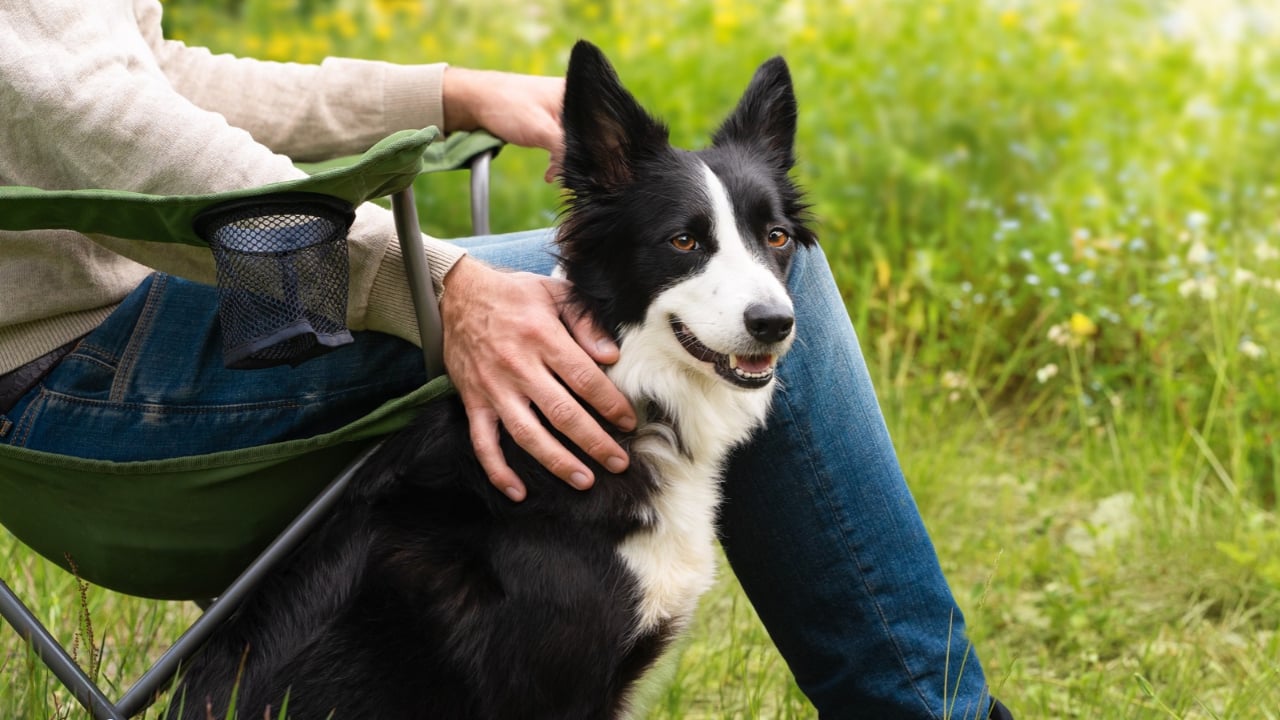
Photo credit: kathrineva20/Shutterstock.com
Some dogs spread their affection around evenly. Others pick one person and make it obvious. They may follow that person from room to room, watch every move, settle beside the same chair every night, and look to one handler first when something changes around them.
That kind of attachment can be rewarding, but it also comes with responsibility. Dogs that bond intensely may become anxious when their person is gone, suspicious of strangers, or less responsive to other family members if training is not shared. The strongest one-person dogs tend to come from breeds developed to work closely with a handler, guard property, hunt alongside one owner, or make independent decisions while staying strongly connected to a specific person. These 20 breeds are especially known for forming that kind of relationship.
Belgian Malinois
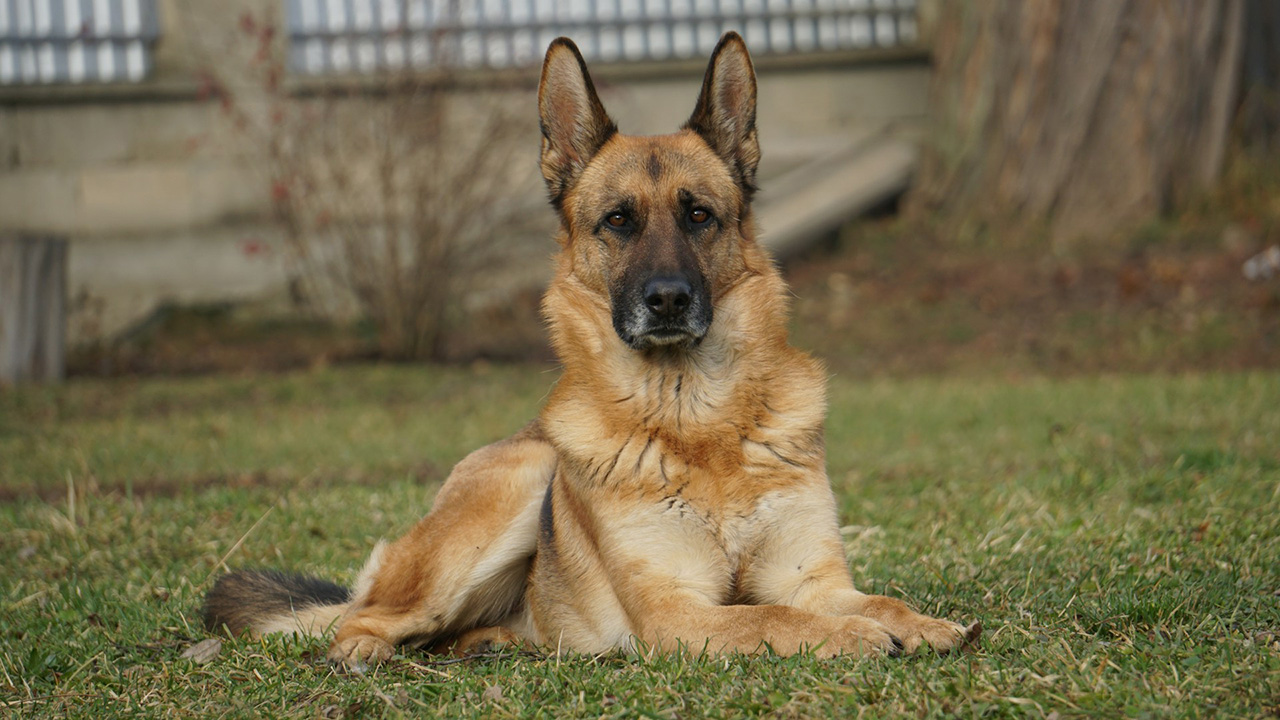
Belgian Malinois often form extremely intense relationships with the person who trains and works them most. They are highly observant, quick to read body language, and usually very aware of where their primary handler is at all times.
That bond can become almost obsessive if the dog is not taught independence. A Malinois may ignore other family members while waiting for its person to return, or become so handler-focused that relaxation becomes difficult. This is one reason the breed does so well in police and military work. A strong handler relationship becomes part of the job. For a pet owner, that same trait can be rewarding, but it requires structure. The goal is a dog that is deeply connected without becoming incapable of functioning comfortably when its favorite person is not around.
German Shepherd Dog

German Shepherds are famous for loyalty, but many do not distribute that loyalty equally. It is common for one person in the household to become the center of the dog’s world, especially if that person handles most of the training, feeding, walking, and daily structure.
A well-bred shepherd may still be affectionate with the entire family while clearly looking to one individual for direction. That focus can make training incredibly rewarding because the dog wants to work with the person it trusts most. The downside is that the same attachment can turn into overprotectiveness or separation stress if boundaries are poor. Shepherds usually do best when the bond is strong but not exclusive, which means other family members should still participate in training and everyday handling.
Doberman Pinscher

Dobermans are classic velcro dogs. Many want to be physically close to their person almost constantly and will happily follow one owner through the house all day.
That close attachment comes directly from the breed’s history as a personal protection dog. Dobermans were developed to work alongside one person and remain aware of what was happening around them. Even in family homes, that tendency still shows. A Doberman may love everyone in the house while clearly choosing one person as its main attachment. That can be wonderful for someone who wants a dog that is deeply involved in daily life, but it can become difficult if the dog never learns to settle alone. Independence training matters almost as much as obedience with this breed.
Akita
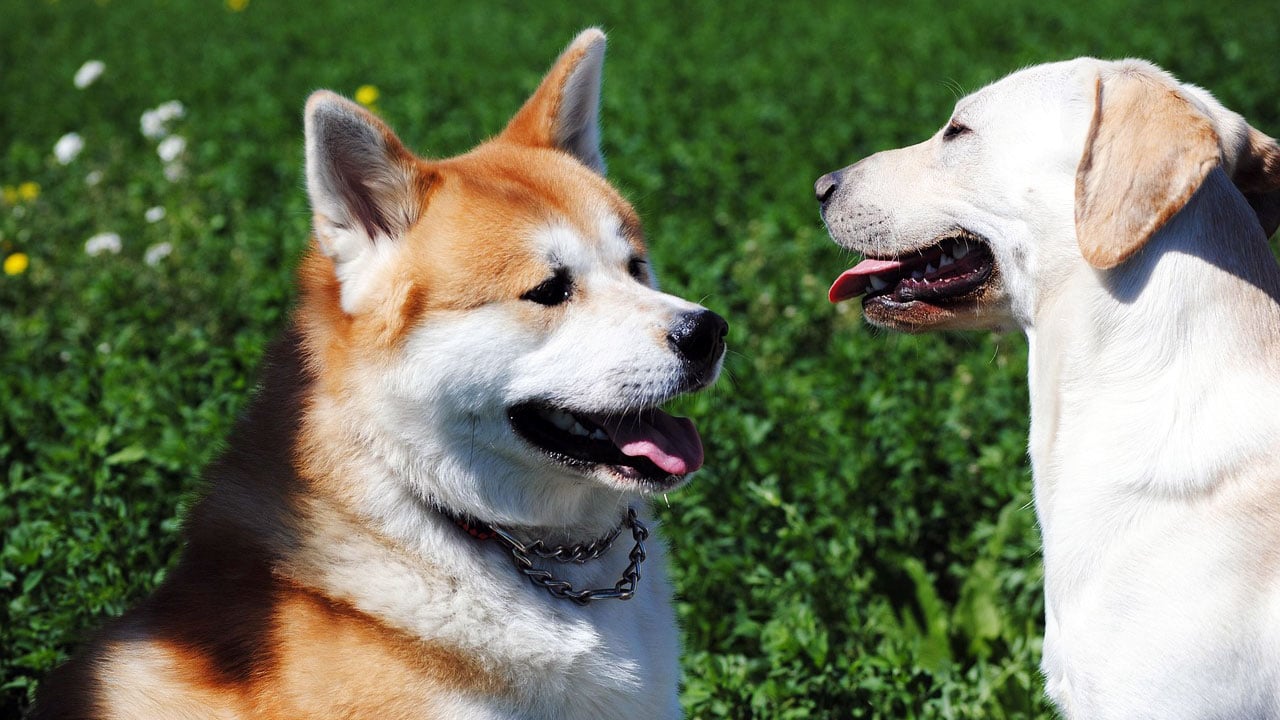
Akitas are not usually social butterflies. They tend to be reserved, selective, and intensely loyal to the people they consider their own.
Many Akitas become particularly attached to one person who earns their trust. That bond can be quiet rather than clingy. An Akita may not follow its owner around begging for attention, but it often keeps track of where that person is and responds differently to them than to everyone else. Their independence also means the relationship has to be earned rather than forced. Once established, though, the loyalty can be extremely strong. This is not a breed that typically needs approval from strangers, which is part of why its attachment to one trusted person can feel so pronounced.
Australian Cattle Dog

Australian Cattle Dogs are famous for choosing a person and sticking close. They were bred to work hard around livestock and respond quickly to a handler, so they naturally tend to develop strong working partnerships.
That attachment often shows up as shadowing behavior. A Cattle Dog may follow one person through chores, watch from across the yard, and insert itself into nearly everything the owner does. They can still be affectionate with the rest of the family, but one person often becomes the favorite. Because the breed is so intelligent and active, that person usually ends up being whoever provides the most work and structure. Without enough activity, the attachment can become overly intense or controlling. With a job, it becomes one of the breed’s best traits.
Border Collie
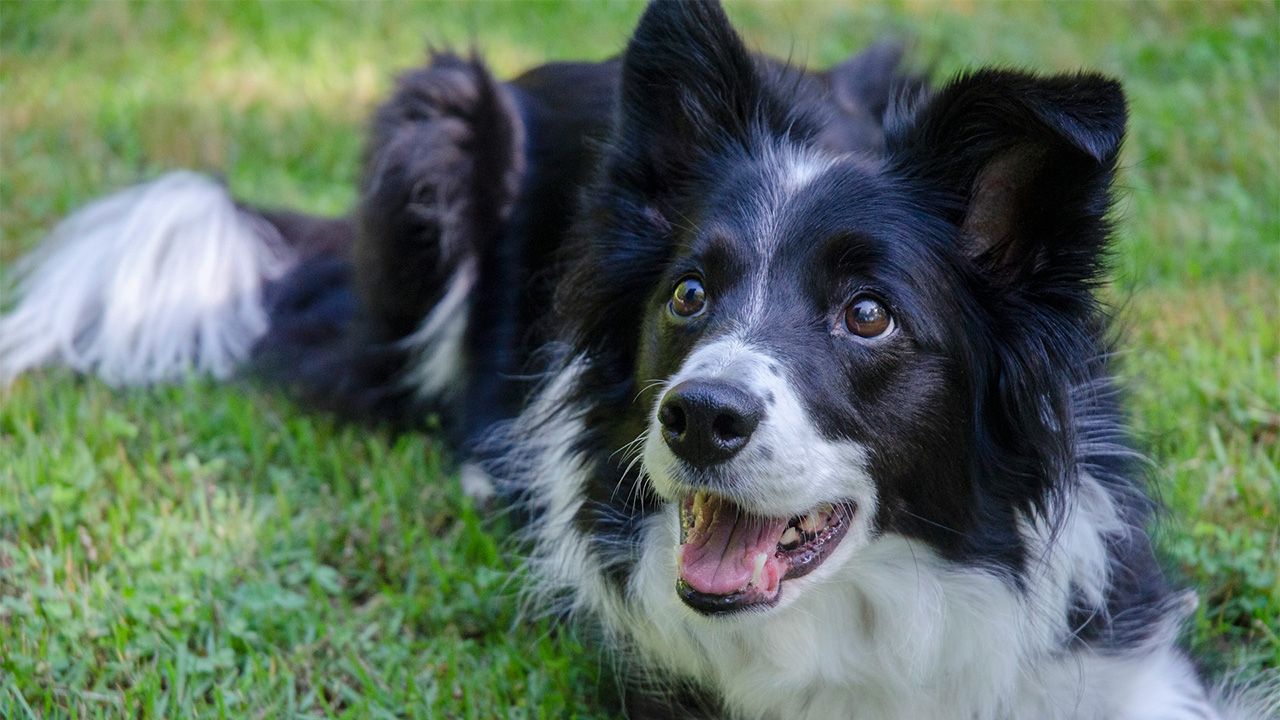
Border Collies are incredibly handler-oriented, especially when one person becomes the center of training and work. They are constantly watching posture, movement, and subtle cues, which helps create an unusually close partnership.
That level of attention can make them feel almost telepathic once the relationship is established. The dog may anticipate commands, notice tiny changes in routine, and remain focused on its person even in busy environments. The downside is that Border Collies can become too dependent on interaction if every part of their life revolves around one handler. They need to learn how to rest and disengage, not just work. Still, for someone who wants a dog that becomes deeply tuned in to one person, few breeds develop that kind of connection more naturally.
Vizsla

Vizslas are frequently called velcro dogs for a reason. Many want to be touching their person whenever possible and will follow a favorite owner from room to room without hesitation.
They were bred to hunt closely with people rather than range far away, which helped produce a dog that naturally seeks human contact. In many households, one person becomes the dog’s emotional center. That may be the person who exercises it most, trains it, or simply spends the most time nearby. The attachment can be extremely affectionate, but it also means Vizslas are prone to struggling with long periods alone. Anyone attracted to the closeness should also be prepared to teach independence early so the dog does not become overwhelmed whenever its favorite person leaves.
Weimaraner

Weimaraners tend to bond strongly and often intensely. They are social hunting dogs that like being involved in whatever their owner is doing, and many become particularly focused on one person.
That can make them fantastic companions for someone who wants a dog tagging along during outdoor activities, errands, and everyday routines. It can also create separation problems if the dog never learns to function independently. Weimaraners are energetic, intelligent, and emotionally sensitive enough that a strong attachment can develop very quickly. Once they decide someone is their person, they often want access to that individual constantly. The breed works best with owners who appreciate closeness but still maintain healthy boundaries and give the dog enough exercise to keep that attachment from turning into restless dependence.
Rhodesian Ridgeback

Rhodesian Ridgebacks are more independent than most velcro breeds, but many form deep attachments to one person while remaining somewhat reserved with everyone else.
The bond tends to be less needy and more selective. A Ridgeback may not follow its owner every second, but it often chooses the same person to sleep near, respond to, and check in with. Because the breed was developed to hunt while thinking independently, that loyalty does not always look like constant obedience. The dog may still make its own decisions. What changes is who it trusts most. This makes the relationship feel especially meaningful because the attachment tends to come from respect and familiarity rather than simple dependence.
Great Pyrenees

Great Pyrenees are independent livestock guardians, so they do not behave like typical handler-focused working dogs. Even so, individual Pyrs often develop a noticeably stronger bond with one person in the household.
That person may become the one the dog checks on most, follows during chores, or listens to when it otherwise ignores everyone. The relationship is usually subtle because Great Pyrenees were bred to work without constant direction. They may spend hours lying away from their person while still monitoring where that person is. Their loyalty can be extremely deep without looking clingy. That combination of independence and attachment is part of what makes them so different from traditional companion breeds. They may love the whole family while still quietly choosing one person above everyone else.
Anatolian Shepherd

Anatolian Shepherds are another independent guardian breed that can form a very strong attachment to a particular handler. The bond often develops through daily work rather than constant affection.
An Anatolian may patrol independently, spend long stretches away from the house, and still orient strongly toward one person when something unusual happens. That person becomes the dog’s reference point even though the breed is not naturally eager to obey every command. Their loyalty is often built around trust and consistency. A handler who treats the dog fairly, understands its independence, and works alongside it regularly may end up with an extraordinarily close relationship. The dog is unlikely to behave like a Labrador, but the connection can be every bit as strong.
Cane Corso
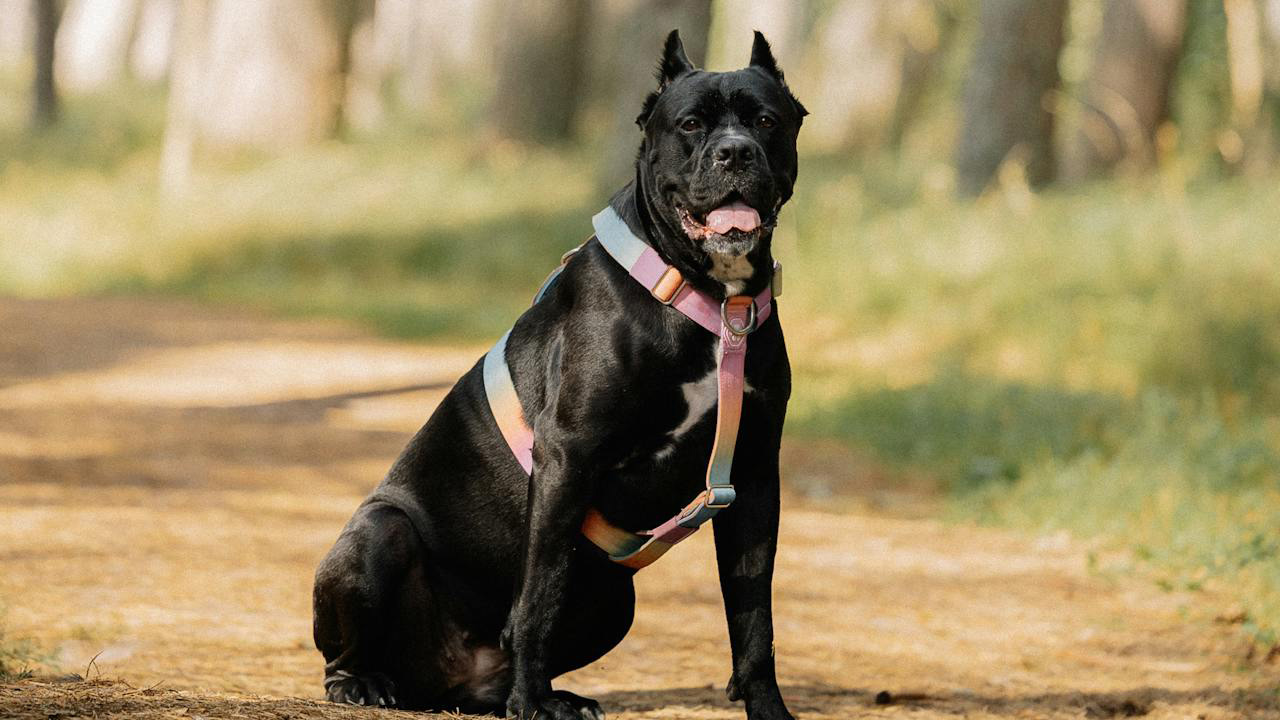
Cane Corsos tend to form intense bonds with their households, but one person often becomes the dog’s primary leader and attachment.
That individual is usually the person who provides the most consistent structure. A Corso may follow that person closely, watch interactions around them, and become especially responsive to their voice. Because the breed is naturally protective, this attachment needs to be managed carefully. You want loyalty without encouraging possessiveness or suspicion toward everyone else. Early socialization and shared handling by multiple family members help keep the dog balanced. In the right home, the bond can be extremely strong and affectionate. In a poorly managed one, that same attachment can become overprotective.
Rottweiler

Rottweilers are often family-oriented, but many clearly favor one person. They are deeply loyal and tend to form strong emotional connections with whoever provides the most daily structure.
The bond can show up as following behavior, leaning against the person, waiting outside doors, or checking in constantly during walks. Rottweilers are often more affectionate than their intimidating appearance suggests, and many become almost goofy around the person they trust most. Because of their strength and guarding instincts, it is still important that the dog respects other family members and does not treat one person as something to protect from everyone else. A balanced Rottweiler can be devoted to one person without becoming socially narrow.
Chihuahua

Chihuahuas may be tiny, but their attachment to one person can be enormous. Many become almost exclusively focused on a favorite owner and show much less interest in everyone else.
That can be cute until the dog starts guarding laps, barking at family members, or refusing to interact normally when its favorite person is present. Because Chihuahuas are small, owners often overlook behaviors they would never tolerate from a larger dog. The underlying attachment can still be wonderful when managed properly. They are affectionate, portable, and often happiest sitting directly beside their person. The key is making sure the dog still receives normal socialization and boundaries instead of being allowed to turn one-person loyalty into possessiveness.
Shiba Inu

Shiba Inus are independent dogs, but many form very strong bonds with one particular person. The relationship usually looks different from the clinginess of a Vizsla or Doberman.
A Shiba may spend time doing its own thing and then suddenly decide it wants to be near the person it trusts most. They are selective about affection and do not generally hand out obedience just because someone asks. That makes their loyalty feel almost catlike. One person often earns more cooperation than anyone else, especially through consistent handling and respect for the dog’s personality. Shibas are not ideal for someone who wants constant affection, but for people who appreciate a more reserved bond, they can become extremely devoted in their own way.
Basenji
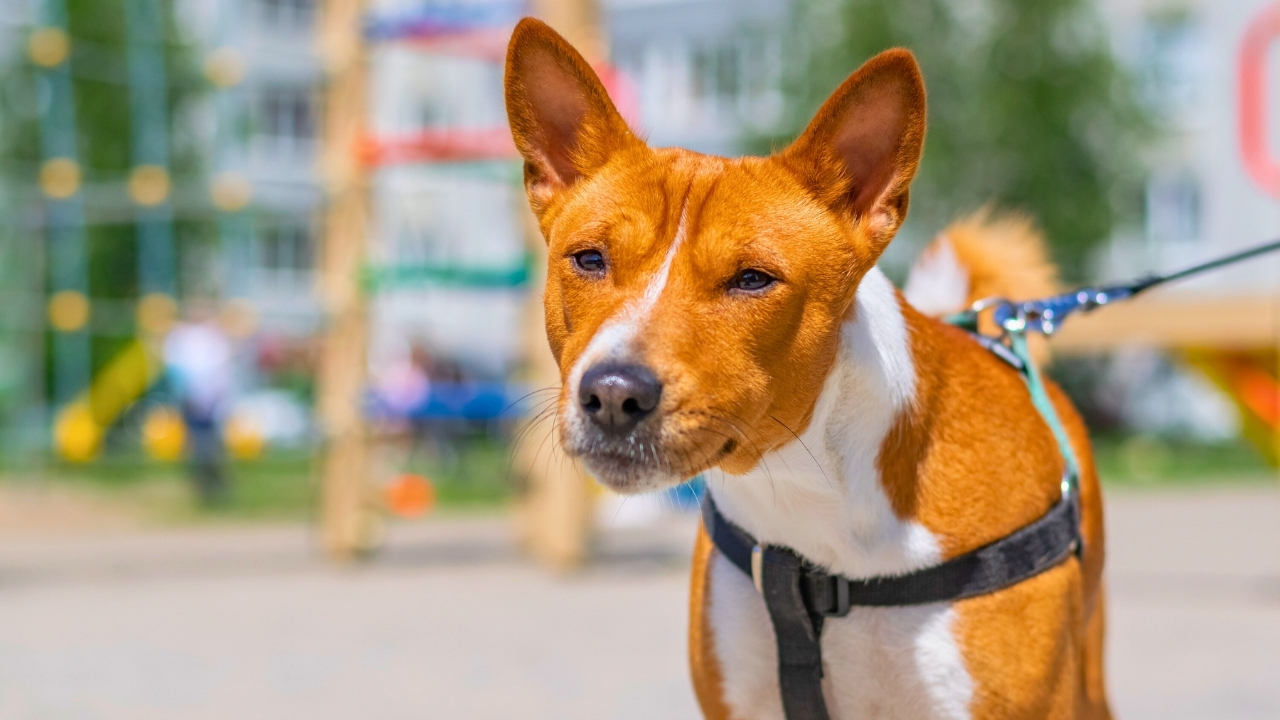
Basenjis are independent, intelligent, and often selective about their relationships. They are not known for blindly following commands, but they can become very attached to a particular person.
That attachment usually comes without the constant neediness seen in some companion breeds. A Basenji may choose to stay near its favorite person, sleep close by, and respond to that individual more readily than to anyone else. Because the breed is naturally self-directed, the relationship depends heavily on trust. Harsh or inconsistent handling tends to damage cooperation quickly. Someone who appreciates an independent dog may find the bond especially rewarding because it feels earned. A Basenji chooses to stay close rather than acting as though it needs permission for every move.
Finnish Spitz
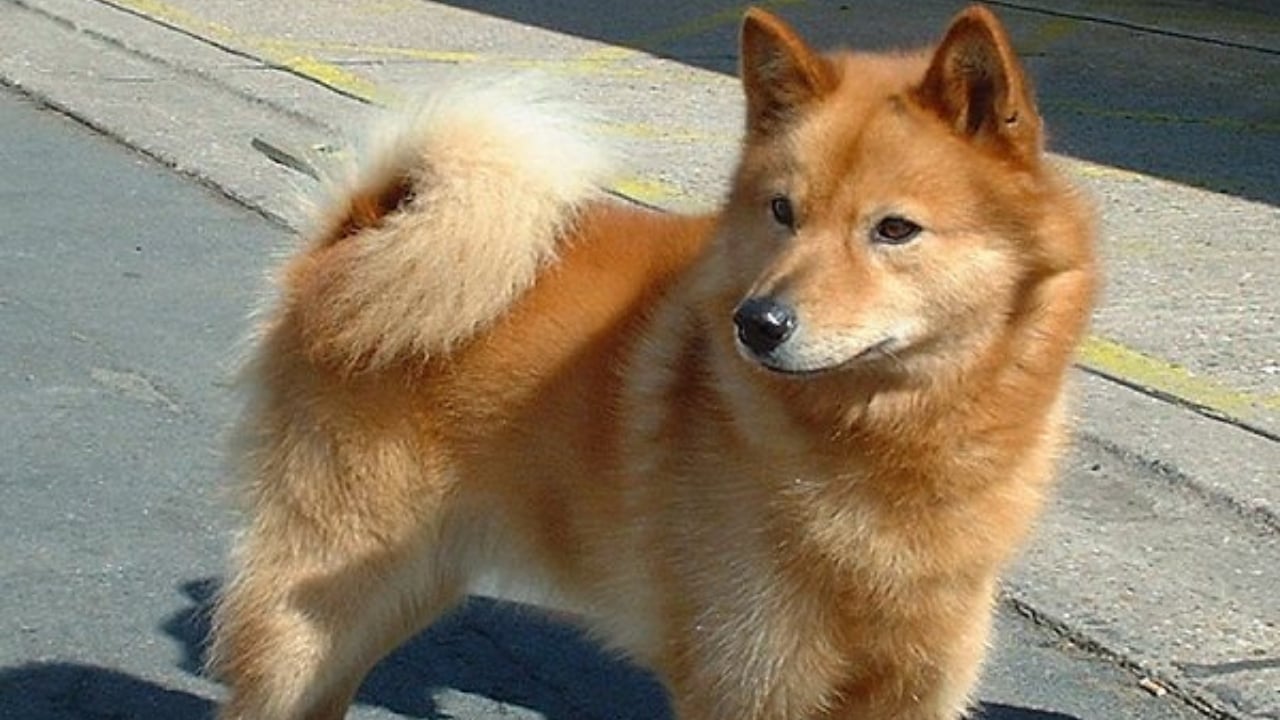
Finnish Spitz are lively hunting dogs that often form close relationships with the person who works and spends the most time with them. They are independent enough to hunt at distance but still keep track of their handler.
That creates an interesting mix of self-reliance and loyalty. A Finnish Spitz may not behave like a traditional obedience breed, yet one person often becomes the dog’s anchor. The breed is also vocal, alert, and highly aware of its surroundings, which means it tends to communicate constantly with the person it trusts most. Owners who enjoy that personality often develop a very close partnership. Anyone expecting quiet, automatic obedience may find the relationship more challenging than rewarding.
Schipperke
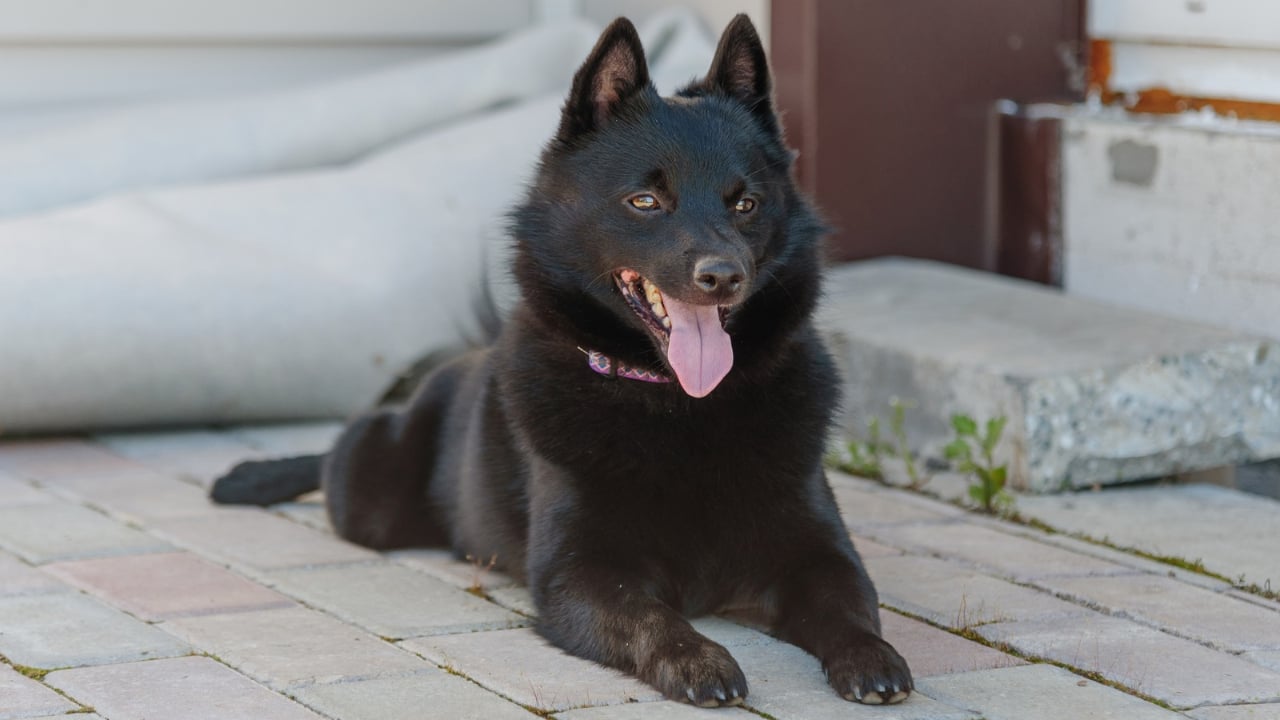
Schipperkes are small dogs with surprisingly intense personalities. They are alert, confident, and often become extremely attached to one person in the household.
They tend to follow their favorite person around and want to be involved in everything happening nearby. That strong attachment, combined with natural watchdog behavior, can lead to excessive barking or suspicion if socialization is weak. The breed is intelligent and energetic enough that it needs more interaction than its size suggests. A Schipperke that has one person providing most of its exercise and training will often become especially devoted to that individual. For someone wanting a compact dog with a big personality and close bond, they can be a great fit.
Beauceron
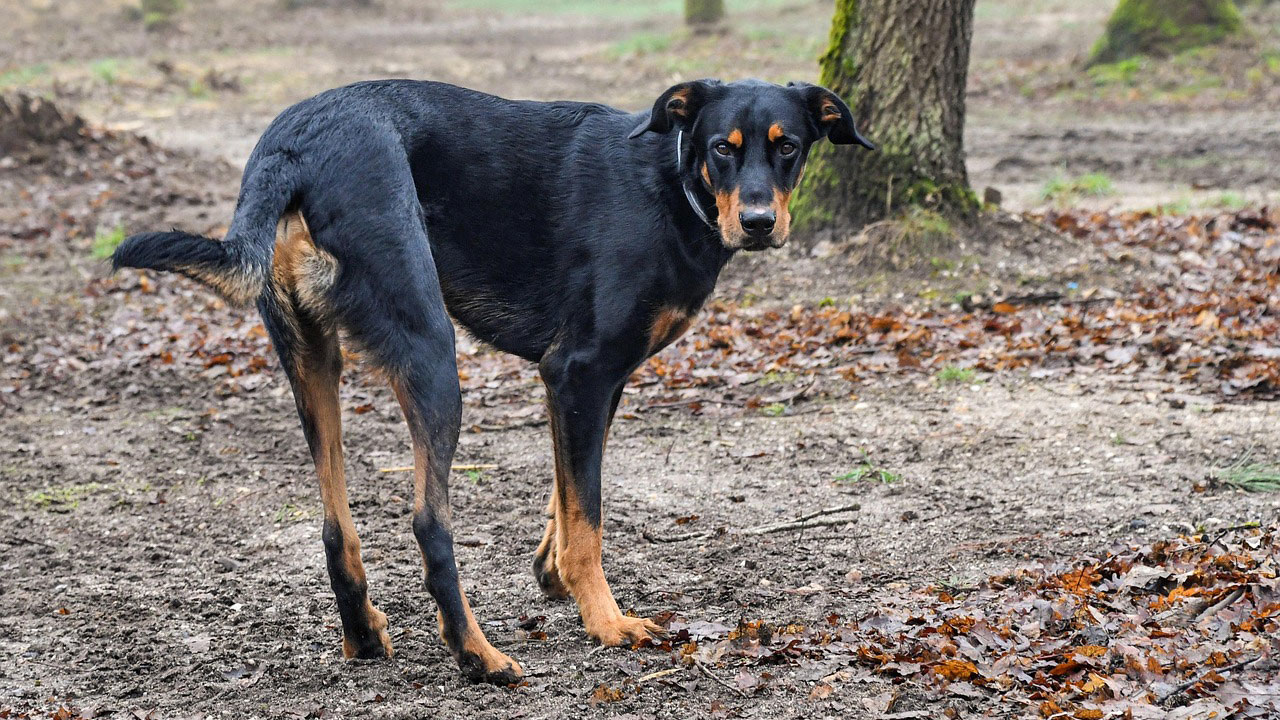
The Beauceron is a serious French working breed that tends to form close partnerships with experienced handlers. They are intelligent, athletic, protective, and usually very aware of their person.
Many Beaucerons are naturally reserved with strangers while being extremely affectionate and responsive with their own handler. That contrast can make the one-person bond especially obvious. Because the breed is powerful and mentally active, the relationship develops best through training and shared work rather than simple affection. They need an owner who provides clear structure and meaningful activity. When that happens, a Beauceron can become the kind of dog that seems constantly tuned in to one person’s movements and expectations.
Australian Kelpie
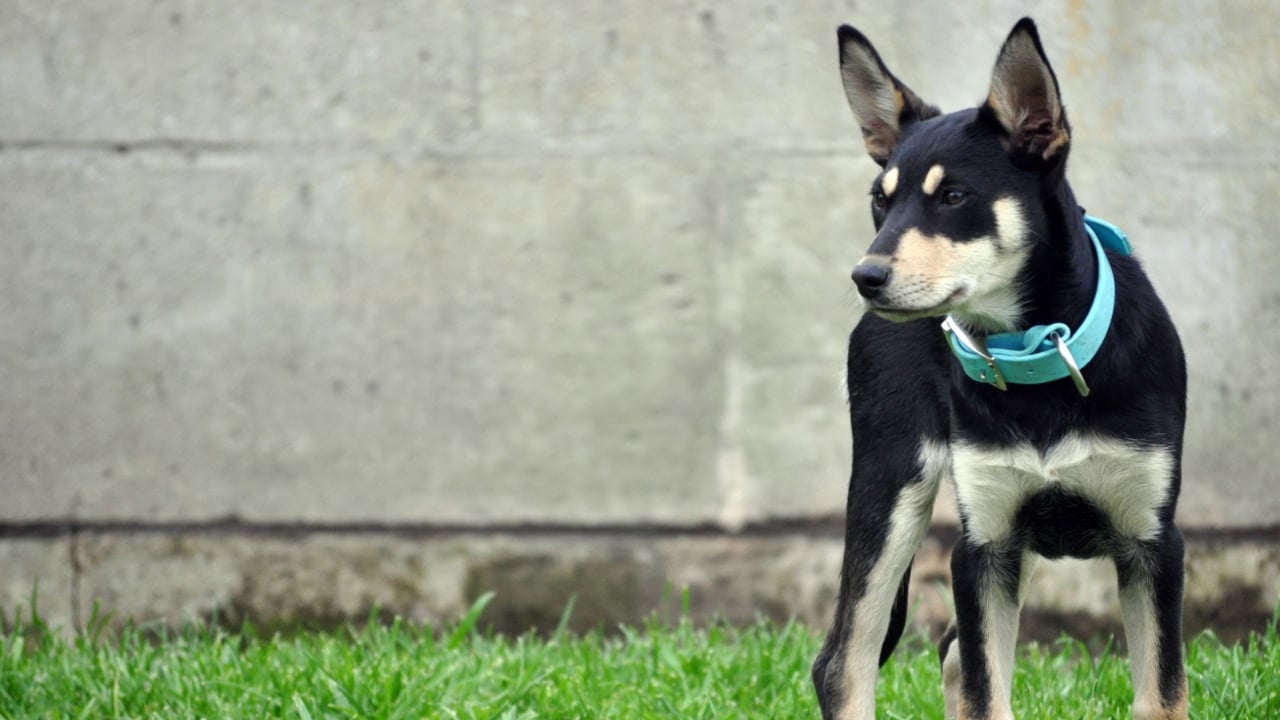
Australian Kelpies were developed to work livestock for long hours, often while covering huge distances and remaining responsive to a handler. That background naturally creates dogs that can become intensely focused on one person.
A Kelpie may watch its owner constantly, wait for direction, and want to participate in every outdoor activity. They are usually happiest when the bond includes work rather than simply companionship. Without enough exercise and mental stimulation, that focus can turn into restlessness or obsessive behavior. In an active home, though, the connection can become exceptionally strong. Kelpies are the kind of dogs that often seem less interested in the crowd and far more interested in what their person is doing next.
Like The Avid Outdoorsman’s content? Subscribe to our newsletter so you never miss an article.
Here’s more from us: