Photo credit: Wirestock Creators/ShutterStock.com
There was a time when certain dog breeds seemed to be everywhere. You saw them walking through suburban neighborhoods, riding in the back of station wagons, waiting outside hardware stores, and appearing in nearly every family movie made during the era. Some of those breeds are still around today, but you may go years without actually seeing one in person.
Changing lifestyles have a lot to do with it. Americans increasingly live in smaller homes, spend more time away from the house, and gravitate toward breeds marketed as easier companions. Grooming demands, exercise requirements, health concerns, and changing trends have also pushed several once-familiar dogs out of the spotlight. None of these breeds is necessarily disappearing altogether, but they are becoming noticeably less common in everyday American neighborhoods.
Collie
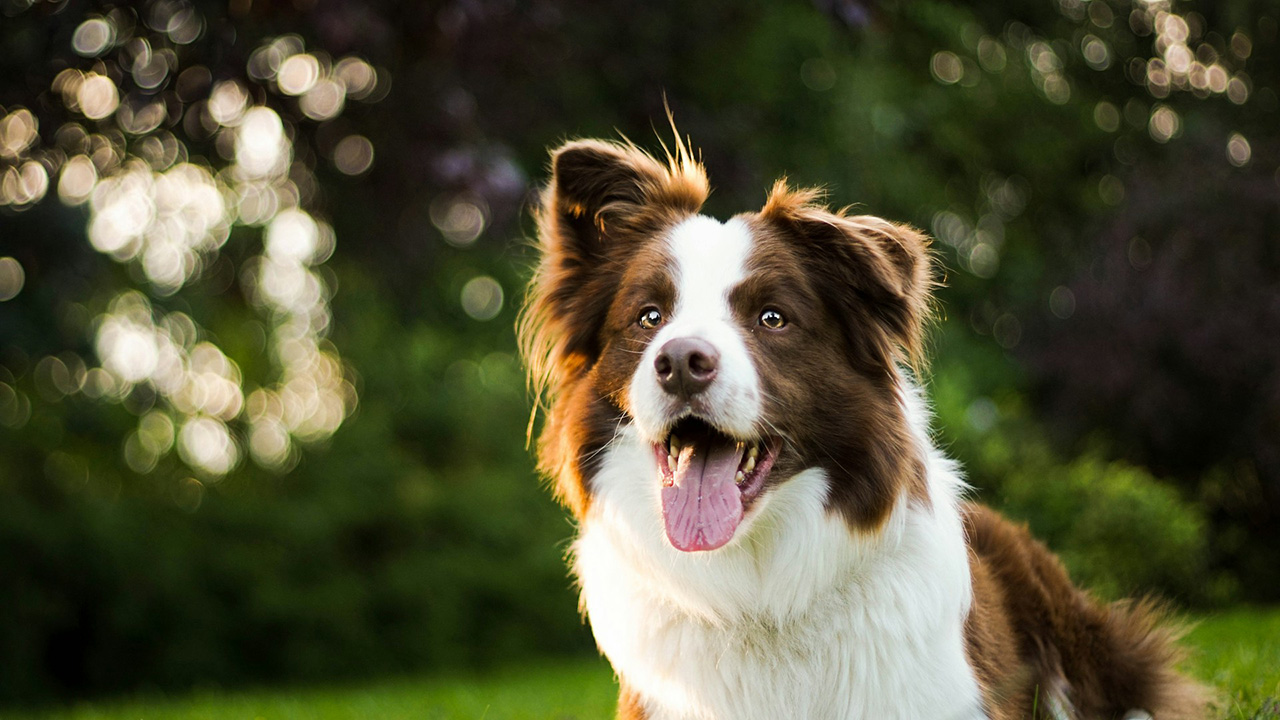
Few dogs were more recognizable in mid-century America than the Collie. Television made Lassie a household name, but the breed’s popularity was already well established among families who wanted an intelligent, loyal dog with a gentle temperament. Collies once seemed like natural suburban pets, especially in neighborhoods where families had larger yards and children spent most of the day outside. Their elegant coats and unmistakable long faces made them instantly recognizable.
Today, seeing a full-sized Rough Collie walking through a neighborhood feels much less common. Their heavy coat requires regular maintenance, and many modern families choose smaller or lower-maintenance breeds instead. Collies are still affectionate, trainable dogs that can make excellent family companions, but they no longer occupy the cultural position they once did. Younger dog owners may recognize the Lassie image without ever having met an actual Collie.
Irish Setter
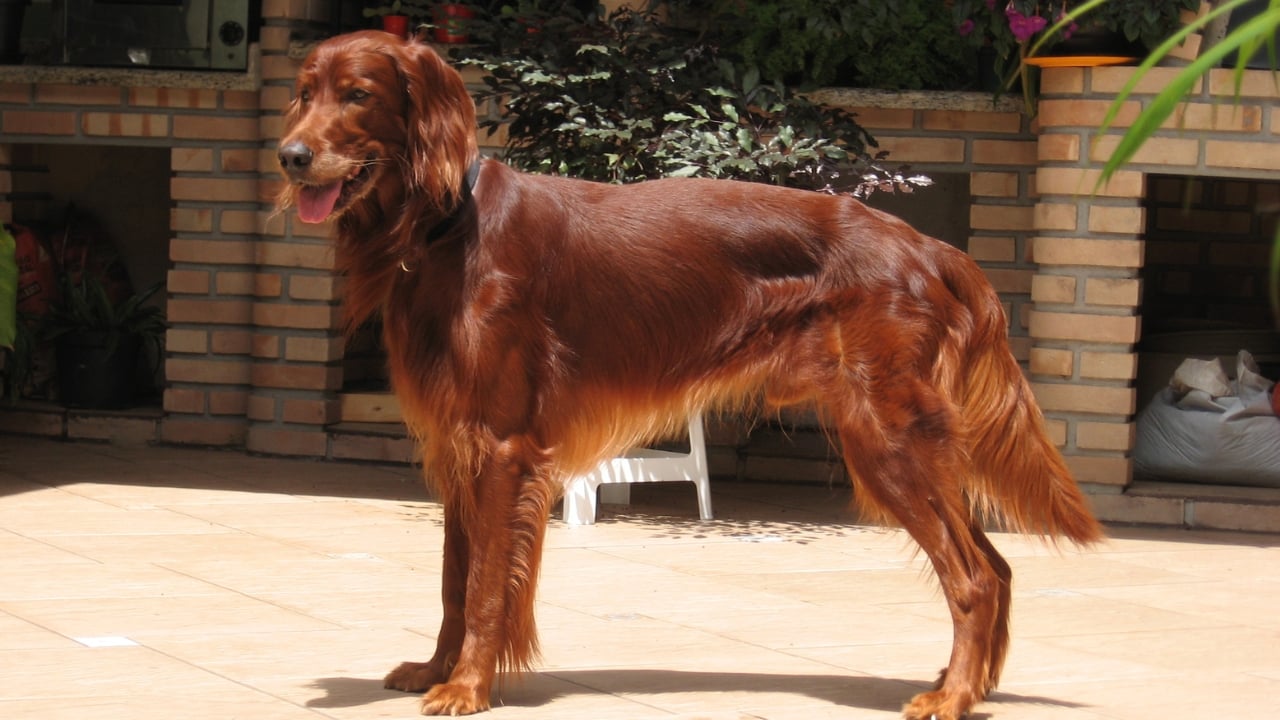
The Irish Setter was once one of the most glamorous dogs in America. Its long red coat, athletic frame, and friendly personality made it equally attractive to hunters and suburban families. During the breed’s popularity boom, Irish Setters appeared frequently in advertising, movies, and family homes. They had the looks of a show dog combined with the energy of a sporting breed.
That energy is part of why fewer people choose them today. Irish Setters need room to move and generally do best with owners who can provide significant exercise and interaction. Their beautiful coat also requires upkeep that some families simply do not want to manage. There are still dedicated breeders and hunters keeping the breed alive, but the average suburban kid is much less likely to grow up with an Irish Setter next door than previous generations were.
English Setter

English Setters were once familiar companions in rural communities and hunting households throughout the country. Hunters valued them for their bird-finding ability, while families appreciated their friendly personality and elegant appearance. Their speckled coats and feathered tails made them stand out without looking overly exotic, and many transitioned easily from a day in the field to relaxing around the house.
Modern hunting culture has changed, however, and fewer families keep dedicated bird dogs than they did generations ago. Smaller sporting breeds and versatile retrievers have also taken some of the attention that setters once received. English Setters remain excellent dogs for active households, but their combination of exercise needs and coat maintenance narrows the pool of owners willing to keep one. Outside of hunting communities, many Americans may rarely encounter the breed anymore.
Old English Sheepdog

There was a period when the Old English Sheepdog seemed to represent the perfect big, shaggy family dog. Its enormous coat, lumbering appearance, and playful personality made it a favorite in movies, commercials, and suburban homes. Few breeds were easier to recognize, especially after the shaggy-haired look became firmly associated with the breed.
That famous coat is also a serious commitment. Keeping an Old English Sheepdog clean, brushed, and free of mats takes considerably more effort than maintaining a short-haired Labrador or mixed breed. The dogs are also large, energetic, and not ideally suited for every apartment or compact suburban property. Families looking for shaggy companion dogs now have numerous smaller alternatives. The Old English Sheepdog still has devoted fans, but it no longer feels like the neighborhood fixture it once was.
Dalmatian
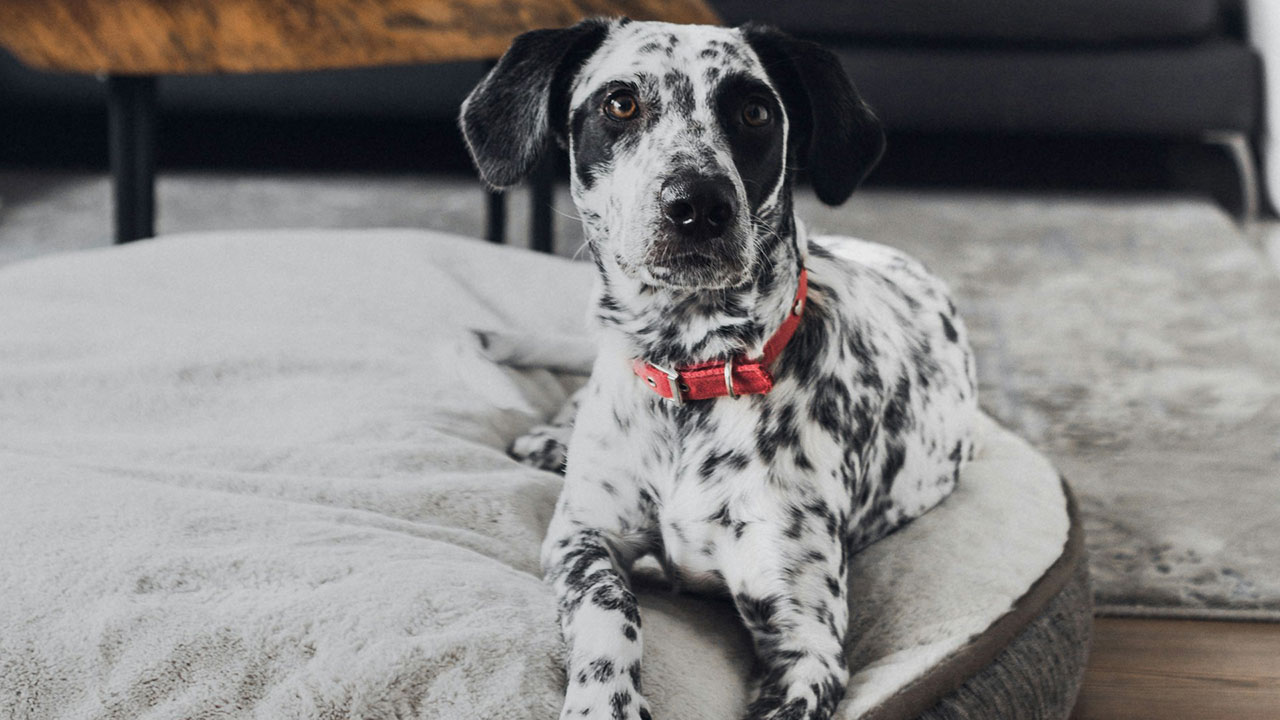
Few breeds have experienced popularity swings as dramatic as the Dalmatian. Firehouse history made the spotted dogs American icons long before movies introduced them to another generation of children. At the height of their popularity, families frequently chose Dalmatians almost entirely because of their striking appearance, and spotted puppies seemed to turn up everywhere.
The problem was that the breed was never designed to be a decorative couch dog. Dalmatians are athletic, intelligent, and energetic animals that need exercise and structured training. Families unprepared for that reality sometimes discovered they had taken on much more dog than expected. Health concerns within the breed also became better known. Dalmatians remain unforgettable whenever one appears, but that is partly because seeing one walking through an ordinary neighborhood has become a comparatively unusual sight.
Chow Chow

During the 1980s and 1990s, Chow Chows were much easier to spot in American neighborhoods. Their lion-like mane, broad head, and blue-black tongue gave them an appearance unlike almost any other breed. For owners who wanted a substantial and independent dog, the Chow could be extremely appealing.
Modern families often prefer dogs that are openly social with strangers and relatively easy for inexperienced owners to train. Chows tend to be more reserved and independent, characteristics that require responsible socialization and knowledgeable handling. Their thick coats also demand maintenance and can be challenging in hot climates. The breed still has loyal enthusiasts, but it has largely disappeared from the casual popularity cycle that once put Chows into countless suburban backyards. You may recognize one immediately while realizing you have not actually seen one in years.
Afghan Hound

An Afghan Hound walking down the sidewalk is almost impossible to ignore. The breed’s long flowing coat, narrow head, and aristocratic appearance made it especially fashionable during portions of the twentieth century. Afghans became associated with stylish owners, dog shows, and an era when distinctive purebred dogs carried considerable social cachet.
The modern dog owner often prioritizes convenience, and an Afghan Hound is not particularly convenient. Maintaining that coat can require extensive grooming, while the breed’s independent personality makes training different from working with a highly eager retriever or shepherd. Afghans are also athletic sighthounds that need opportunities to move safely. Dedicated owners still adore them, but fewer families casually choose one today. Their unusual appearance has gone from something people regularly saw to something capable of stopping traffic at a neighborhood park.
Scottish Terrier

The Scottish Terrier once carried tremendous cultural recognition in the United States. Presidents owned them, advertisements featured them, and their distinctive silhouette appeared on everything from household decorations to board games. The small black terrier with upright ears and a beard was one of those breeds virtually everyone could name.
Scotties are still around, but they have become noticeably less visible as newer companion breeds have dominated the small-dog market. They possess a strong terrier personality and can be independent, determined, and surprisingly bold. Their coat also requires regular grooming to maintain the traditional appearance. Families shopping for a small companion now have an enormous range of doodle mixes and toy breeds competing for attention. The Scottish Terrier retains its devoted following, but its days as one of America’s instantly familiar neighborhood dogs appear to have faded.
Airedale Terrier

The Airedale was once called the King of Terriers for good reason. These dogs were used for hunting, police work, military service, guarding, and family companionship. Their versatility made them especially attractive when Americans expected one dog to perform several jobs around a home or farm. An Airedale could look distinguished in the house and still be tough enough for demanding outdoor work.
Modern families rarely choose dogs based on that kind of versatility. The Airedale’s size, intelligence, stubborn streak, and need for exercise can be more than casual owners want to manage. Their wiry coats also require grooming that many people prefer to avoid. The breed is still highly capable and charismatic, but its popularity has been overtaken by retrievers, shepherds, and newer companion breeds. Seeing an Airedale today often prompts the question, “What kind of dog is that?”
Bloodhound

Bloodhounds were once familiar characters in American culture. Their drooping faces, huge ears, and legendary noses appeared in cartoons, hunting stories, movies, and rural households. Hunters and law-enforcement agencies valued their tracking ability, while some families simply loved the breed’s mellow and affectionate temperament.
Keeping a Bloodhound as a casual suburban pet comes with challenges. They are large, powerful dogs with serious scenting instincts, and once they lock onto an interesting smell, getting their attention back can be difficult. They also drool, shed, and require secure fencing. Their size alone makes them impractical for many modern households. Working Bloodhounds continue doing what the breed does best, but the days when you might randomly encounter one behind a picket fence have become increasingly uncommon.
Basset Hound

With its long ears, heavy body, and mournful expression, the Basset Hound may be one of the most instantly recognizable dogs ever developed. Bassets were once common family pets, particularly among people who liked hounds but wanted something less physically imposing than a Bloodhound or coonhound. Their appearance also made them fixtures in commercials and popular culture.
Bassets remain lovable dogs, but they come with practical considerations that modern owners sometimes underestimate. Their long backs, short legs, heavy bodies, ears, and skin folds can require attentive care. They are also scent hounds with a stubborn streak, which means training may require patience. Newer small and medium companion breeds have crowded them out of the spotlight. Basset Hounds are far from gone, but seeing one lumbering down a neighborhood sidewalk is increasingly memorable because it happens less often.
Pekingese
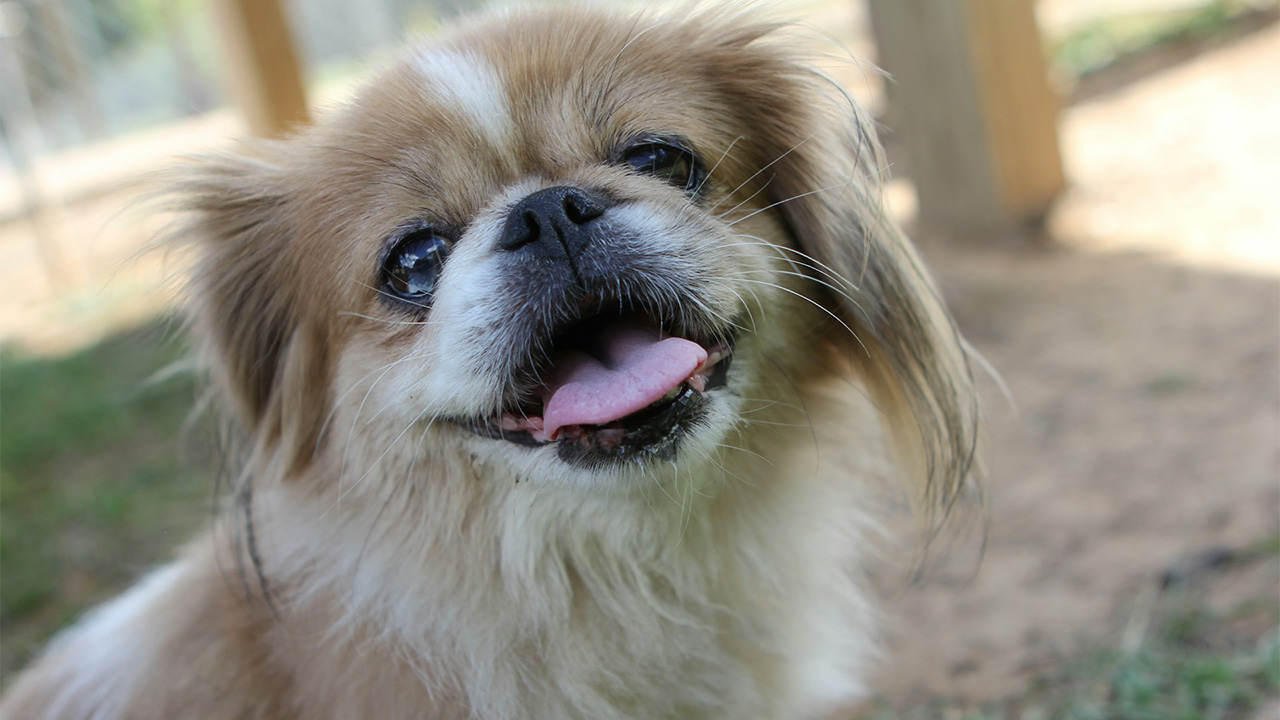
The Pekingese was once one of the classic American lapdogs. Its long coat, flattened face, and confident personality made it popular among owners who wanted a small companion that looked completely different from larger working breeds. For decades, Pekingese were common enough that nearly everyone seemed to know someone who owned one.
Their popularity has declined as other small breeds have taken over the companion-dog market. Pekingese require regular coat care, and their flat facial structure can create concerns about heat tolerance and breathing. They are also famously self-assured and may not display the constantly eager-to-please personality some modern owners expect from a companion dog. The breed still has an enthusiastic following, particularly among people who appreciate its history and temperament, but it is no longer one of the default choices for families wanting a small indoor dog.
Lhasa Apso
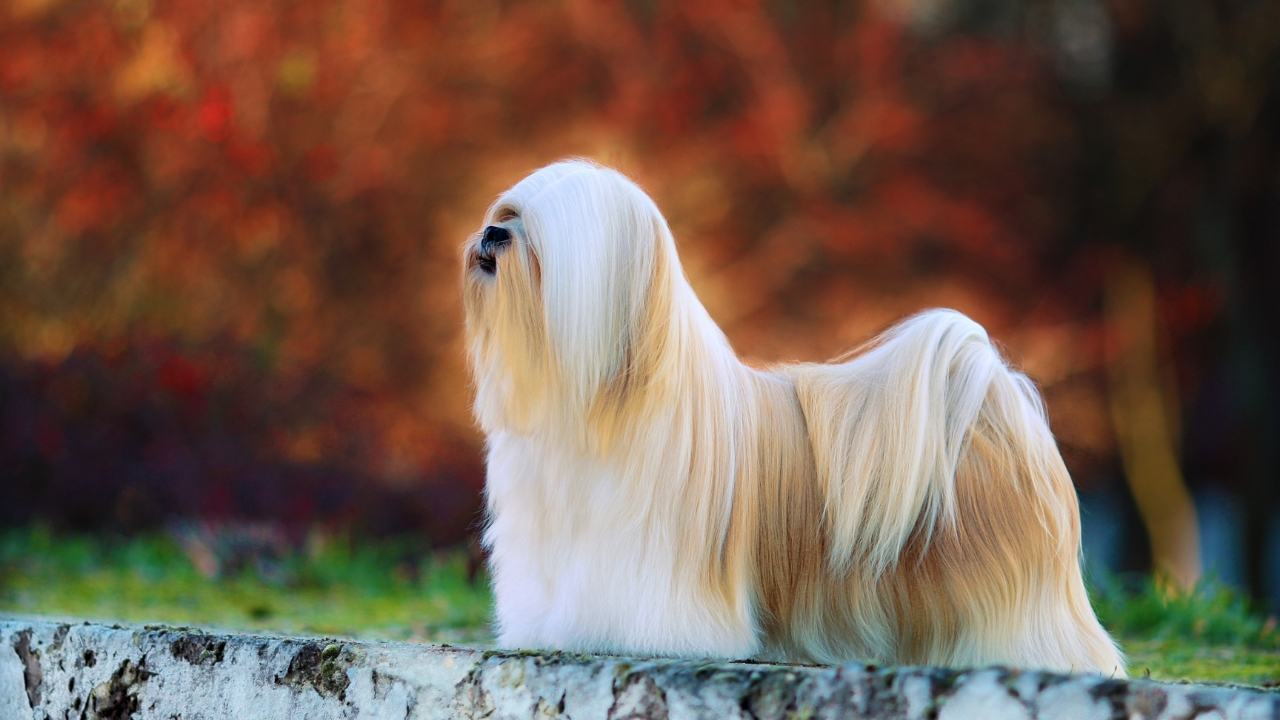
Before designer mixes and modern toy breeds dominated suburban neighborhoods, the Lhasa Apso was one of America’s familiar small companion dogs. Its long coat and compact body made it recognizable, and the breed fit easily into households where owners wanted a smaller dog that still had plenty of personality.
Lhasas have gradually been pushed aside by breeds perceived as more fashionable or easier to maintain. Their traditional coat requires substantial grooming unless kept clipped short, and their temperament can be more independent and watchful than some owners expect from a lap-sized dog. They were originally bred as alert dogs rather than decorative pets, and that confidence remains obvious in many individuals. You can still find excellent Lhasas throughout the country, but they rarely attract the attention or neighborhood presence they enjoyed several decades ago.
American Eskimo Dog
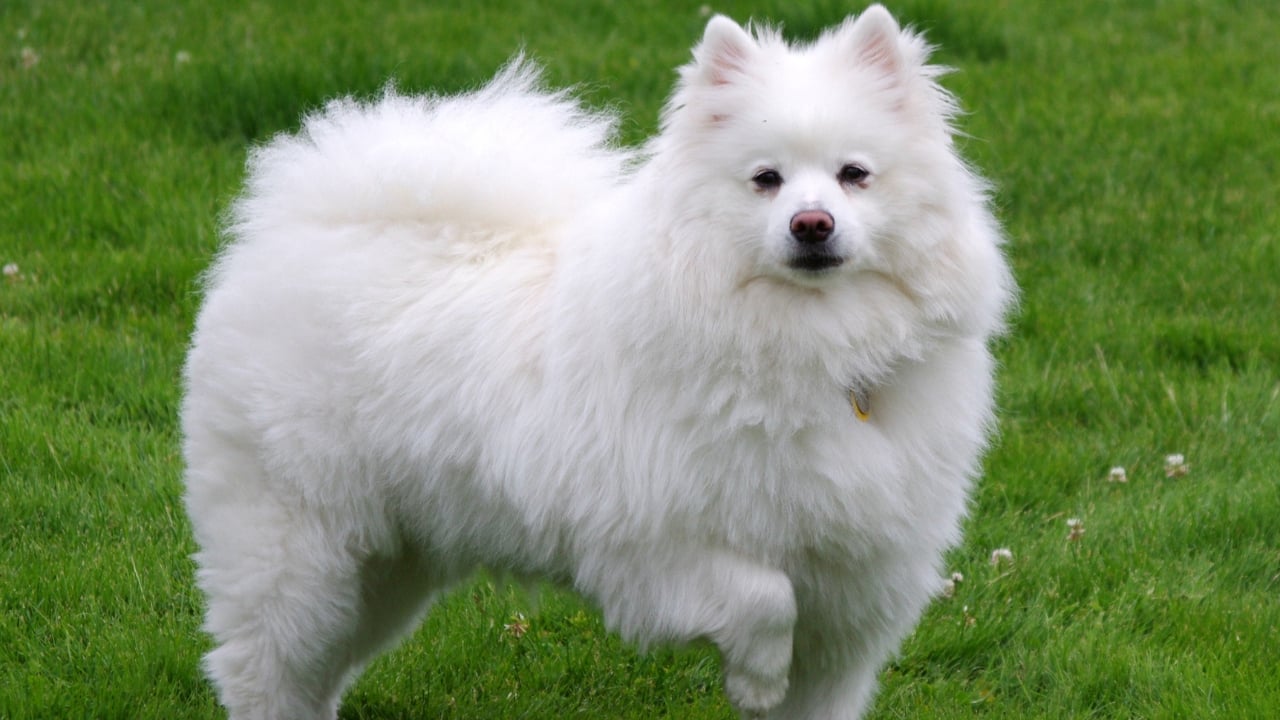
The American Eskimo Dog’s bright white coat, fox-like face, and plumed tail once made it a popular choice for families wanting an energetic medium-sized companion. Eskies were famous for being intelligent and trainable, and their history as performing dogs demonstrated just how quickly they could learn.
That intelligence comes with a need for stimulation. An underworked American Eskimo Dog can become vocal, restless, or difficult for owners expecting a low-effort house pet. Their beautiful white double coat also sheds heavily and requires regular brushing. Today, people seeking a fluffy companion have an enormous selection of breeds and mixes competing for their attention. The Eskie remains striking and capable, but many Americans now confuse one with a small Samoyed because they encounter the breed so rarely in everyday life.
Keeshond
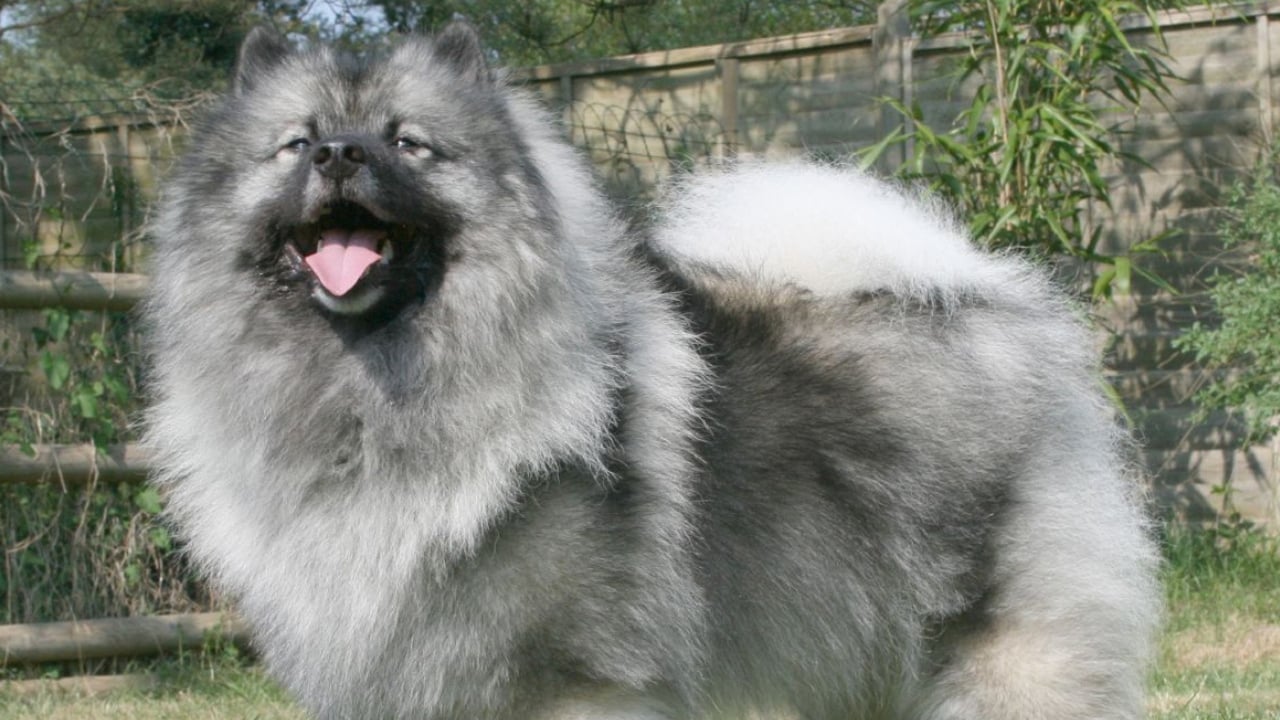
Keeshonden once enjoyed considerably more recognition among American families than they do today. Their thick gray coats, curled tails, and distinctive markings around the eyes give them a friendly expression that perfectly matches their reputation as affectionate companions. Unlike many breeds developed primarily for hunting or guarding, Keeshonden have a long history of living closely with people.
Their biggest obstacle in modern homes may simply be competition. Families looking for fluffy medium-sized dogs now have dozens of options, while the Keeshond receives relatively little mainstream attention. The dense coat also requires consistent brushing and produces plenty of shedding. They remain excellent companions for owners who understand the breed, but you could walk through dozens of suburban neighborhoods today without finding one. That would have been less unusual when the breed enjoyed greater visibility several decades ago.
Miniature Pinscher
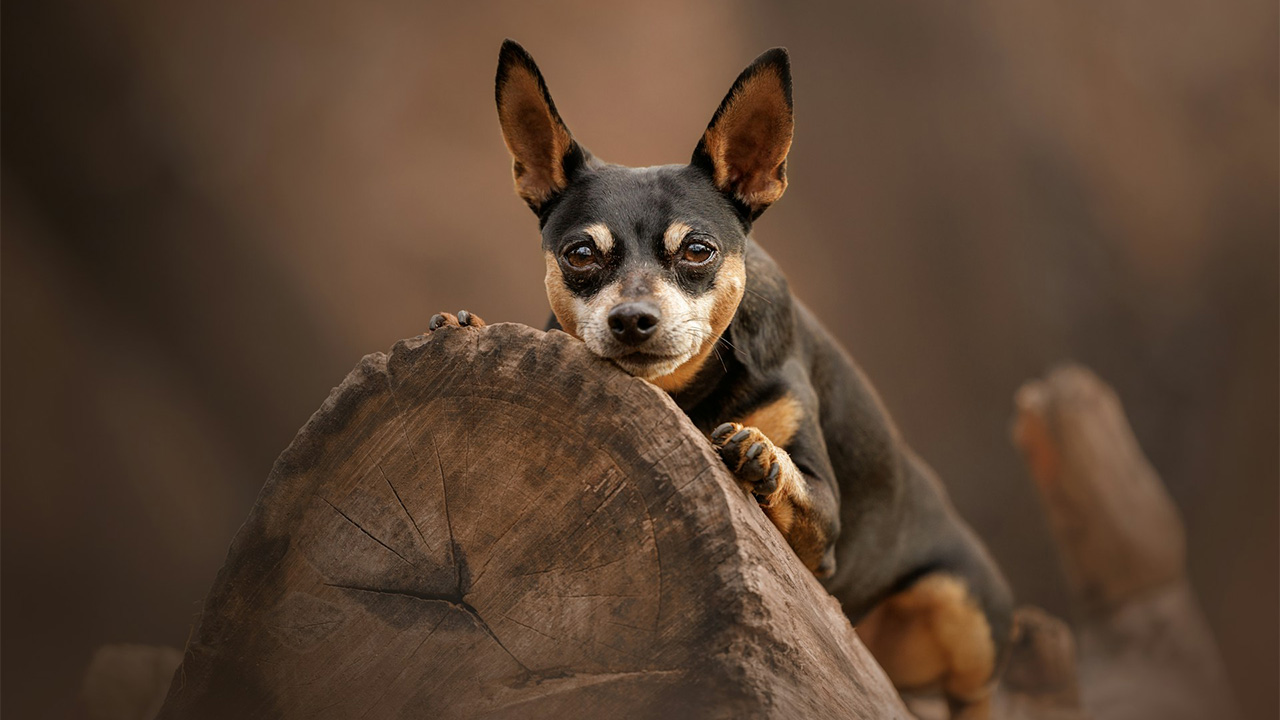
Miniature Pinschers were once extremely familiar small dogs, especially during the years when compact breeds became increasingly common in American homes. Their sleek coats and alert personalities appealed to owners who wanted a small dog that acted considerably larger than it looked. Min Pins were energetic, confident, and difficult to overlook despite their tiny size.
Today, Chihuahuas, French Bulldogs, Pomeranians, and countless small mixes receive much more public attention. The Miniature Pinscher’s energetic personality can also surprise owners looking for a quiet lapdog. These dogs generally want to explore, play, investigate, and be involved in whatever is happening around them. They remain great companions for the right household, but fewer people seem to seek them out deliberately. The breed that once appeared regularly in neighborhoods has gradually become something many younger owners have barely encountered.
Wire Fox Terrier
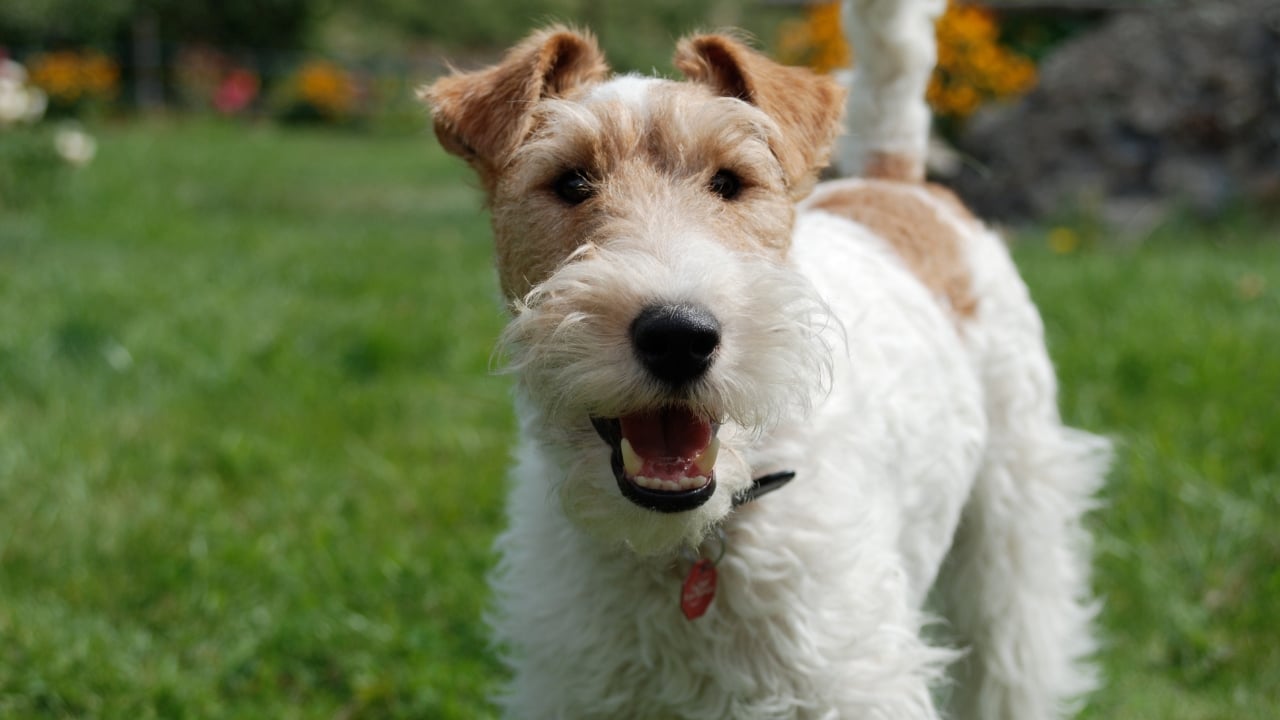
Wire Fox Terriers once represented the classic terrier look. Their rectangular faces, wiry coats, and lively personalities made them popular companions as well as capable working dogs. Decades ago, they appeared regularly in show rings, artwork, advertisements, and family homes, helping make the fox terrier one of the most recognizable terrier types.
Their popularity faded as Americans gravitated toward easiergoing companion breeds. Fox Terriers are energetic, intelligent dogs with a strong prey drive and plenty of determination. That personality can be extremely entertaining, but it requires training and activity. Maintaining the traditional coat also takes work, particularly for owners who want the crisp show-ring appearance. Dedicated terrier people continue to appreciate them, but the average American neighborhood now contains far more doodles and retrievers than these once-familiar little hunters.
Borzoi

Borzoi have always been unusual, but there was a period when their graceful appearance gave them much greater visibility in American culture. Their extremely long heads, tall bodies, and flowing coats made them popular with people who admired elegant and distinctive purebred dogs. They frequently appeared in art, fashion photography, and high-profile dog shows.
They are not particularly suited to becoming a mass-market companion breed. Borzoi are large sighthounds that need secure opportunities to run, and their prey drive can make off-leash freedom risky in unfenced areas. Their coats require maintenance, while their quiet and independent personalities differ substantially from the eager temperament many owners associate with retrievers. Borzoi remain magnificent dogs, but spotting one during an ordinary neighborhood walk is unusual enough that most people immediately stop and stare.
Standard Schnauzer
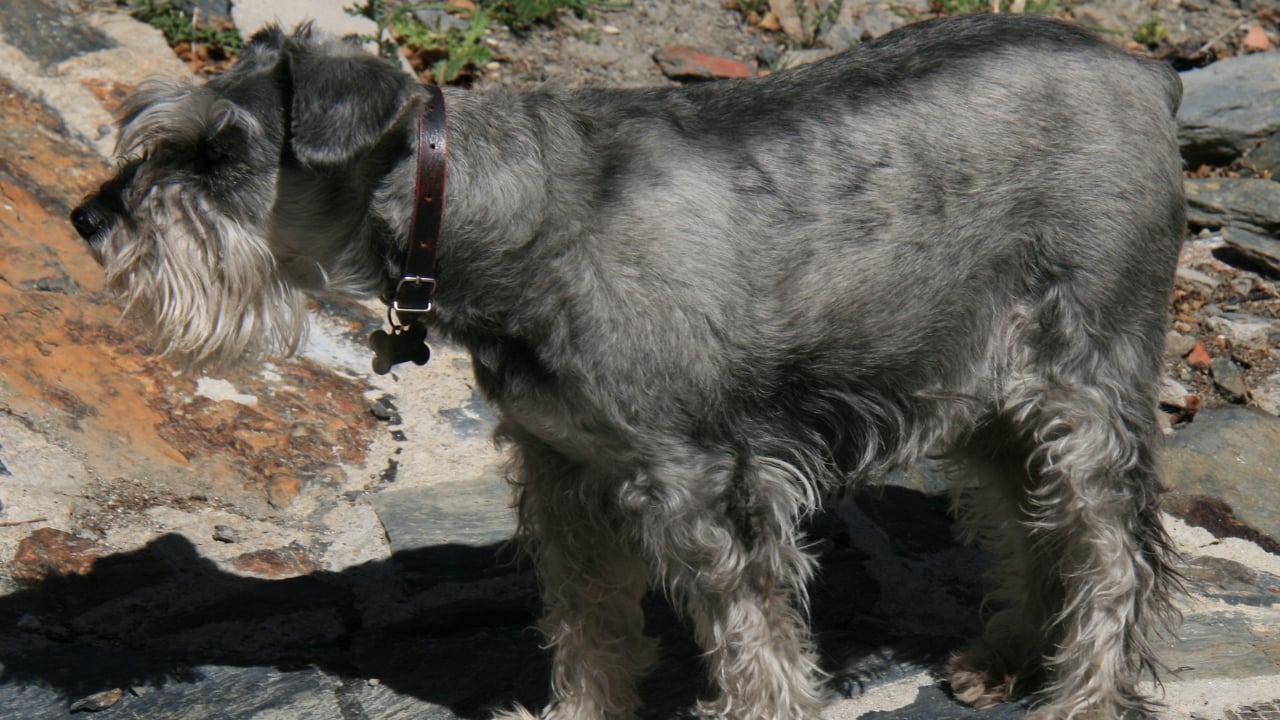
Standard Schnauzers once occupied a useful middle ground between small companion dogs and much larger working breeds. They were sturdy, intelligent, protective enough to serve as watchdogs, and compact enough to fit comfortably into many family homes. Their bearded faces gave them an unmistakable appearance that once seemed much more common.
Today, their Miniature Schnauzer relatives receive most of the mainstream attention, while people wanting larger working dogs often choose German Shepherds, Dobermans, or similar breeds. Standard Schnauzers can be strong-willed, energetic, and extremely intelligent, making them best for owners prepared to provide structure and training. Their wiry coats also need regular grooming. They remain remarkably versatile dogs, but they have become easy to overlook in a market dominated by breeds sitting at either end of the size spectrum.
English Springer Spaniel

English Springer Spaniels were once fixtures in hunting homes and suburban families alike. They offered a manageable size, cheerful personality, strong retrieving instincts, and enough athleticism to spend a full day working in the field. Families who wanted a sporting dog without the bulk of a large retriever often found the Springer to be an excellent fit.
The breed is still popular among dedicated bird hunters and longtime spaniel owners, but it no longer seems as dominant in everyday neighborhoods. Labrador Retrievers, Golden Retrievers, and an expanding selection of designer mixes have captured much of the family-dog market. Springers also need regular exercise and coat care, particularly around their feathered ears and legs. They have not disappeared, but the days when nearly every hunting neighborhood seemed to contain one are gradually becoming a memory.
Like The Avid Outdoorsman’s content? Be sure to follow us.
Here’s more from us: