Photo credit: Tom Fisk/Pexels.com
You do not have to be a biologist to spot an over-crowded deer herd. You see it in the chewed-down browse line in the woods, the soybean field that looks like it got clipped with a mower, and the number of skinny yearlings showing up on cameras in late winter. Then there is the other sign most folks forget until it’s right in front of them: predators start showing up where they normally only pass through.
When deer numbers climb past what the habitat can comfortably feed, the landscape turns into a buffet line. Fawns get easier to find. Road-killed deer stack up. The whole place smells like food to anything with teeth and a nose. That does not mean predators are “taking over,” and it does not mean you are suddenly living in the wilderness. It means nature is doing what it always does when prey gets too thick.
Why deer “booms” draw trouble in the first place
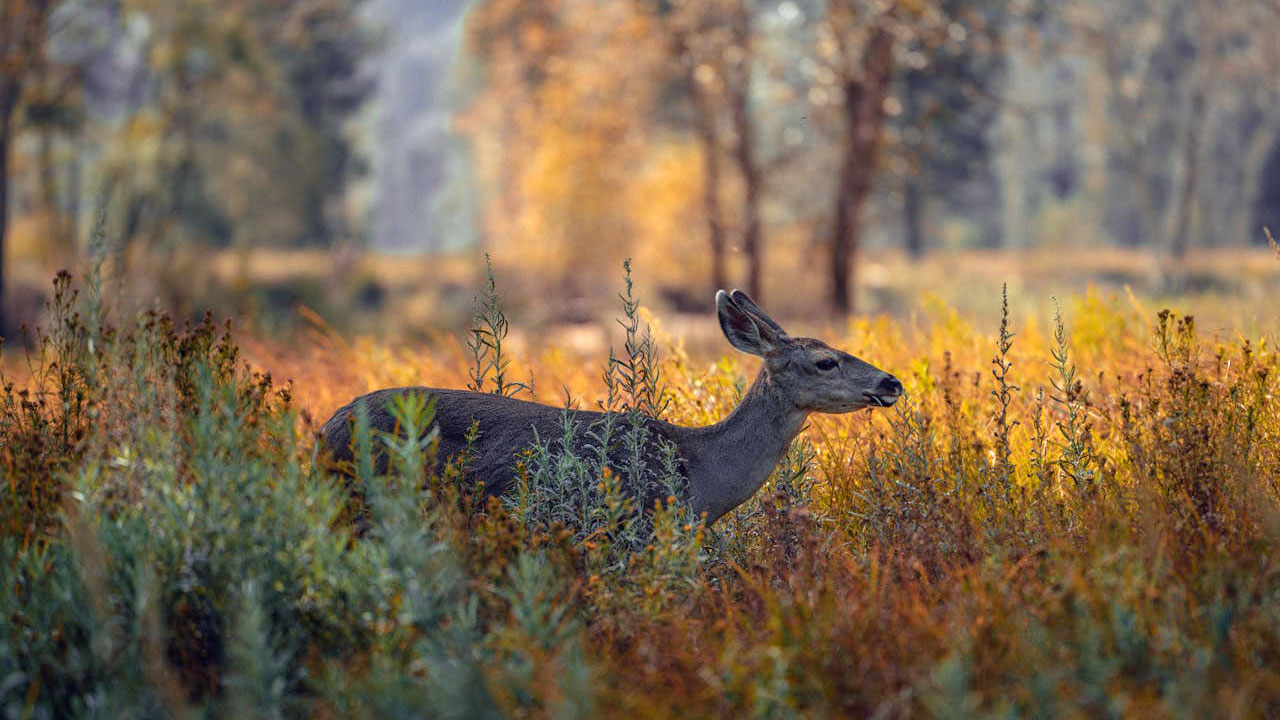
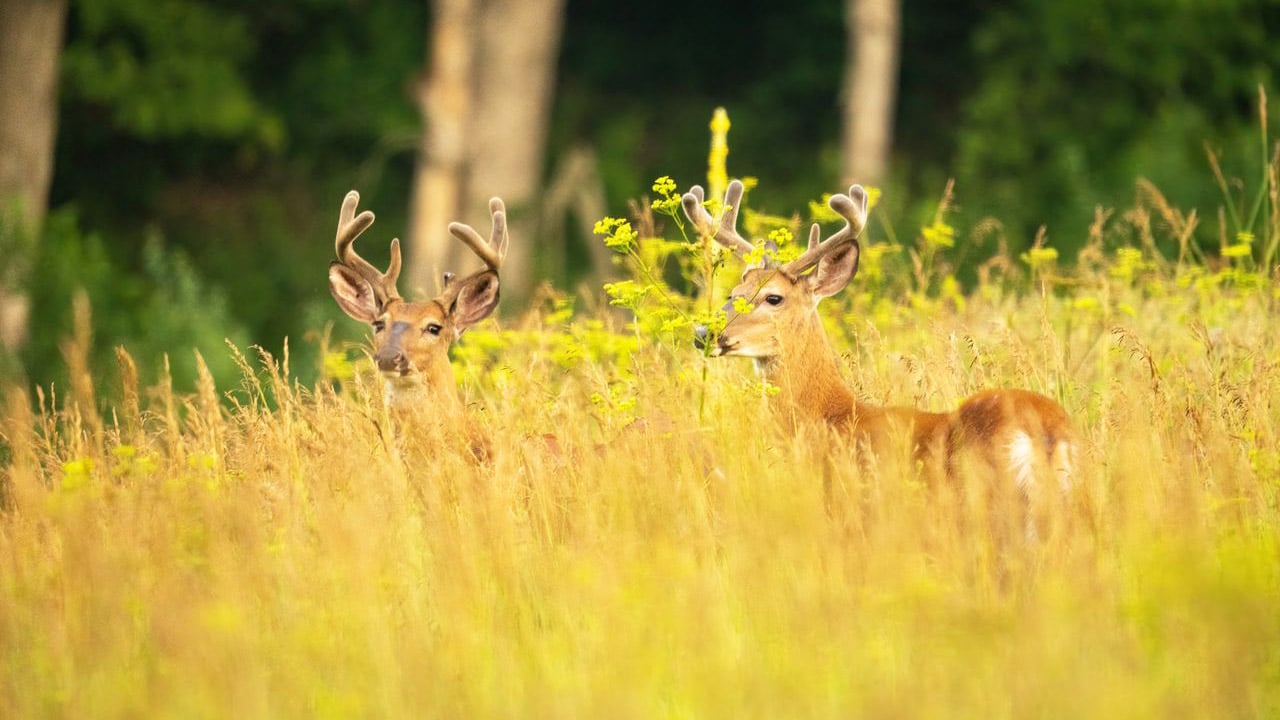
High deer density creates predictable meals. In spring and early summer you have fawns, and in fall you have wounded deer, gut piles, and more deer movement overall. In winter you have stressed animals concentrated on food sources, plus the occasional dead deer when the weather turns mean. Predators do not need to be common for you to notice them; they just need to be hungry and close.
Another factor is human development. Subdivisions, hobby farms, and edge habitat can crank deer production way up, especially where doe harvest is light and hunting access gets choked off. Predators learn fast. The same creek bottoms and brushy drainage ditches deer use are the travel lanes coyotes and bobcats use, and it does not take long for them to pattern an easy area.
Coyotes are usually the first to cash in

If you suddenly start hearing more howling at night or seeing fresh scat on field roads, coyotes are almost always the reason. They are adaptable, they travel long distances, and they do not need thick wilderness to make a living. A high deer population gives them more fawns to hunt and more injured or sick deer to finish off, and it also means more gut piles and carcasses for easy calories.
Folks argue about how much damage coyotes do to deer herds, and it varies. In some places, coyotes are mainly cleaning up the weak and grabbing a fawn here and there. In others, especially where winter is rough or fawning cover is poor, they can put a real dent in recruitment. If you want fewer coyotes around the house and around your fawning cover, calling and trapping can help, but the bigger lever is habitat and balanced deer numbers.
Bobcats move in quietly, and you may not notice at first

Bobcats do not advertise like coyotes. You might only catch one on a trail camera at 2 a.m., or see tracks in a sandy creek bed and realize you have a cat working the edges. When deer numbers are high, bobcats can do well because they have more chances at fawns and they have more rabbits and rodents too, since those populations often rise along with improved edge habitat.
A bobcat is not going to wipe out a deer herd, but they are efficient hunters in thick cover. If you have a property with overgrown CRP, brushy draws, and lots of doe groups bedding tight, a bobcat can live there for a long time without anybody laying eyes on it. The practical part for landowners is pets and poultry. When a cat figures out an easy meal near a barn or a back porch, it can turn into a repeated problem.
Black bears follow food, and deer-heavy areas create more opportunity
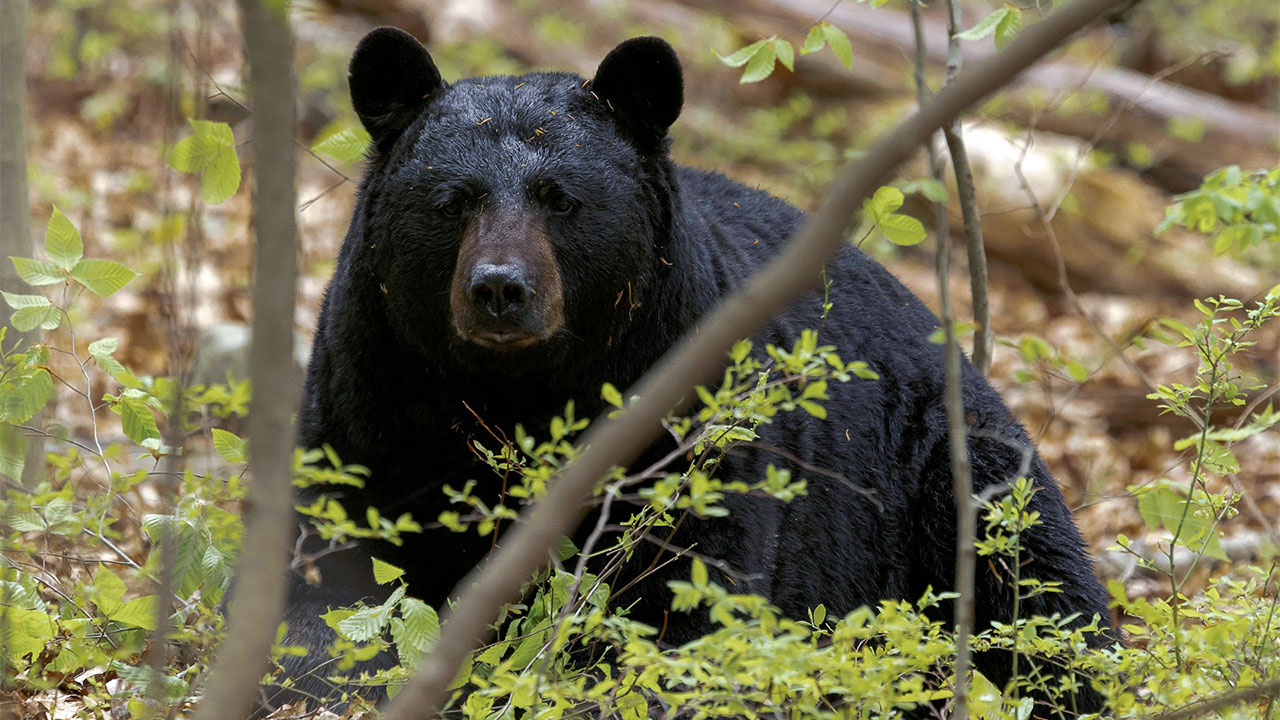
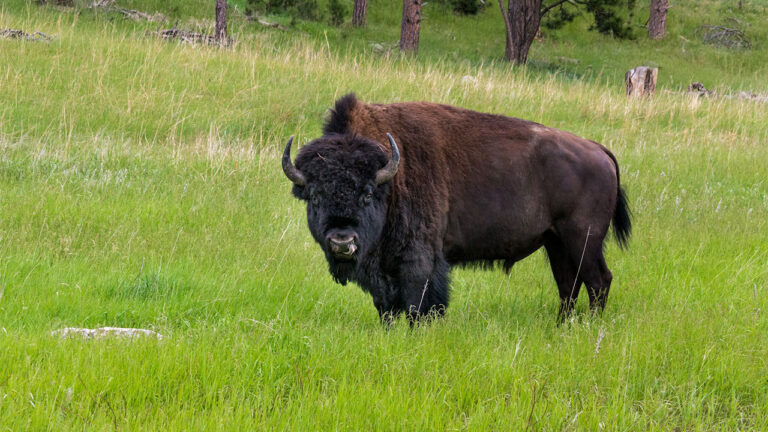
In bear country, a big deer herd can mean more bear activity, even if the bear population itself is not exploding. Bears are not strictly predators in the way people think, but they are opportunists and they will take fawns when the chance is there. They also key in on gut piles and carcasses, and they remember where they find them.
The reason bears matter in this conversation is the way they change behavior. If bears start working along the same creek bottom you’ve got stands on, you may notice deer shifting daylight movement. You may also find bears hitting feeders where legal, tearing up bait sites where legal, or flat-out wrecking a food plot edge. The answer is not panic. It is paying attention to sign, adjusting your access routes, and being smart about carcass disposal and gut pile placement on small properties.
Wolves and mountain lions are the heavy hitters, but they are not everywhere
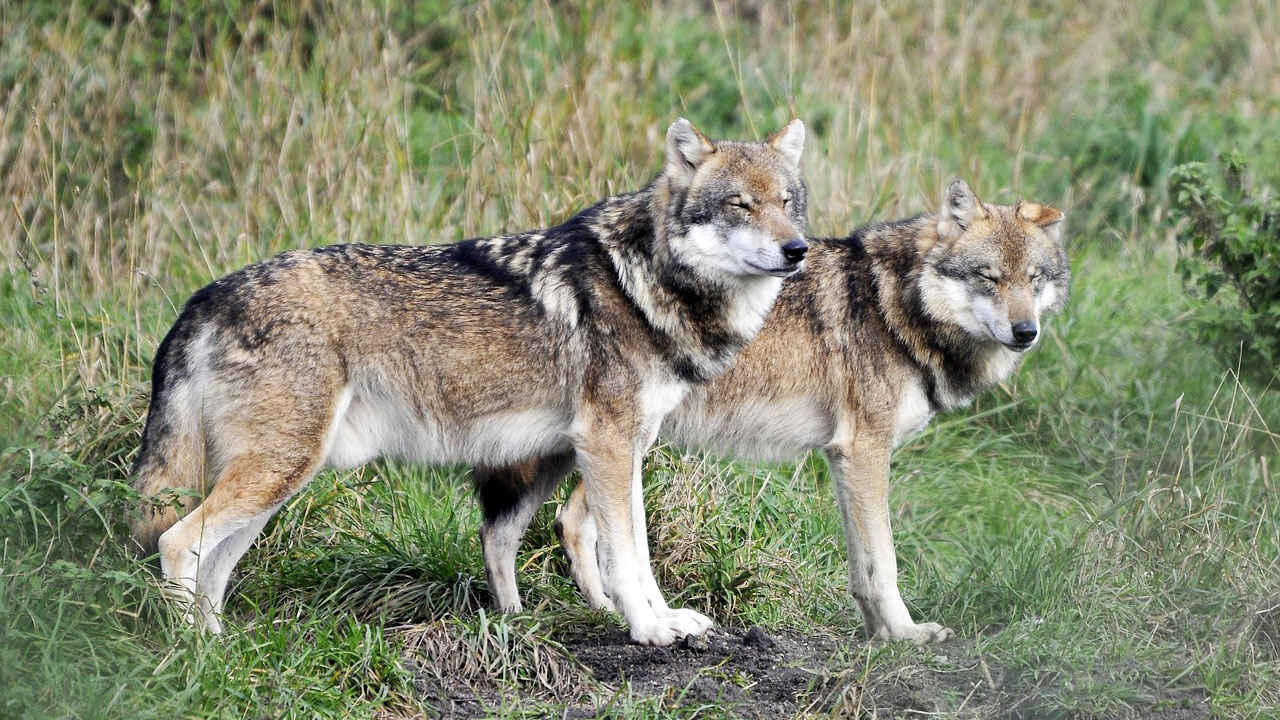
Where wolves exist, they track deer and elk like a job. A dense deer population can hold a pack in an area longer and keep them closer to winter yards and agricultural edges. That is when folks start seeing more tracks on logging roads, more daylight movement, and more “something got killed right over there” stories that are not just coyote talk.
Mountain lions are a different deal. They can live surprisingly close to people without being seen, and when deer numbers are high, the hunting is good. If you have deer stacked in drainages and along rimrock or thick timber, a lion has everything it wants. For hunters and landowners, the common-sense move is not to go looking for trouble. It is to keep kids and pets close at dawn and dusk in lion country, run lights around barns, and report solid sightings the right way instead of trying to handle it like a contest.
Smaller predators show up too, and they add up
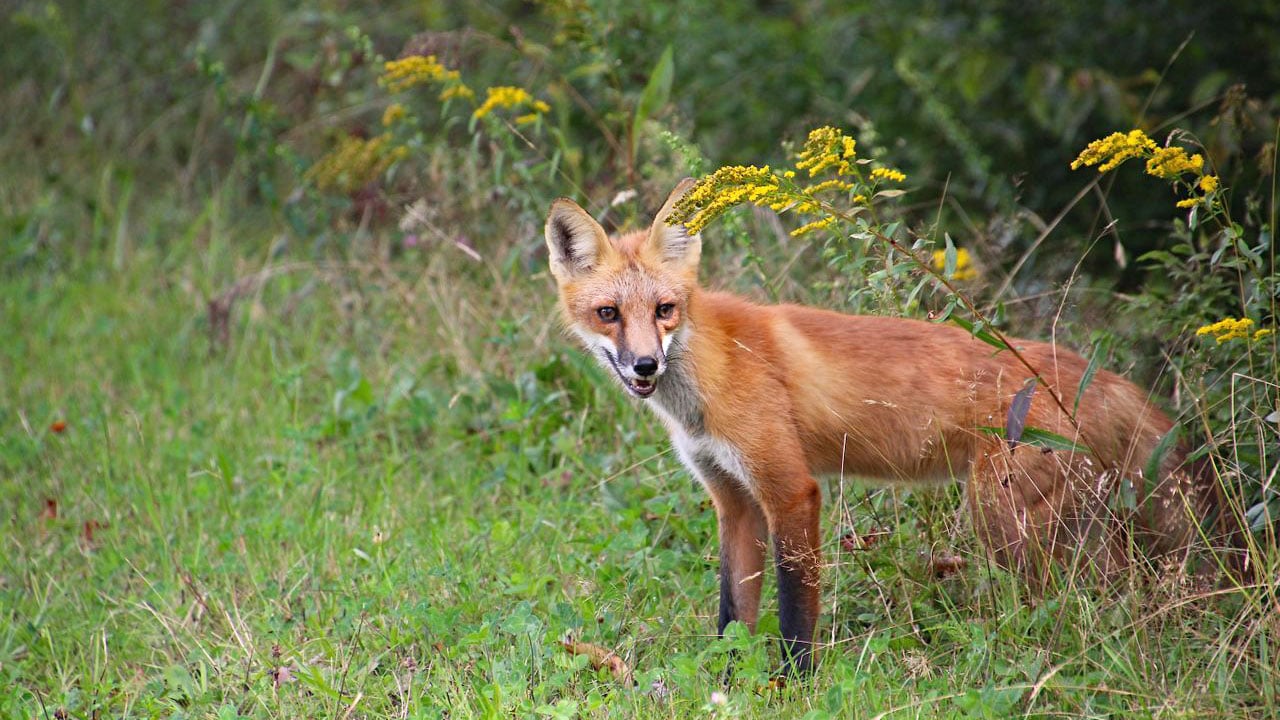
When deer numbers are high, the whole food web gets busy. Foxes, raccoons, opossums, and even feral dogs can become more noticeable because there is more to eat and more cover to hide in. These animals are not “deer predators” in the same headline-grabbing way, but they will absolutely hammer ground-nesting birds, raid chicken coops, and harass newborn fawns if the opportunity is there.
Feral dogs are the one that gets ugly fast. A coyote kills to eat. A couple of loose dogs can run deer for the fun of it, push them across roads, and create a mess that ends with injured animals and angry neighbors. If you are dealing with that, start with documenting it and talking to the right local authorities. And if you are a dog owner in the country, keep them contained. That is not optional when you live around livestock and wildlife.
What hunters usually notice first: fewer fawns and more nighttime movement

On a property with too many deer, you can have two things happening at once: more deer overall and fewer fawns making it to fall. The does are stressed, the habitat is clipped down, and fawning cover gets thin. Predators have an easier job, and the herd never seems to “get ahead,” even though every summer you see does with spots walking around.
You may also notice mature deer getting more nocturnal, not just from hunting pressure but from constant disturbance. Coyotes running field edges, bears cruising creek bottoms, and dogs cutting through bedding areas can all push deer to move later. That is when hunters start saying, “I’ve got deer everywhere, but I can’t hunt them.” Sometimes the fix is not another camera. It is getting the herd back in balance and cleaning up the pressure points.
Commenters always argue predators versus hunters, but the habitat bill comes due either way
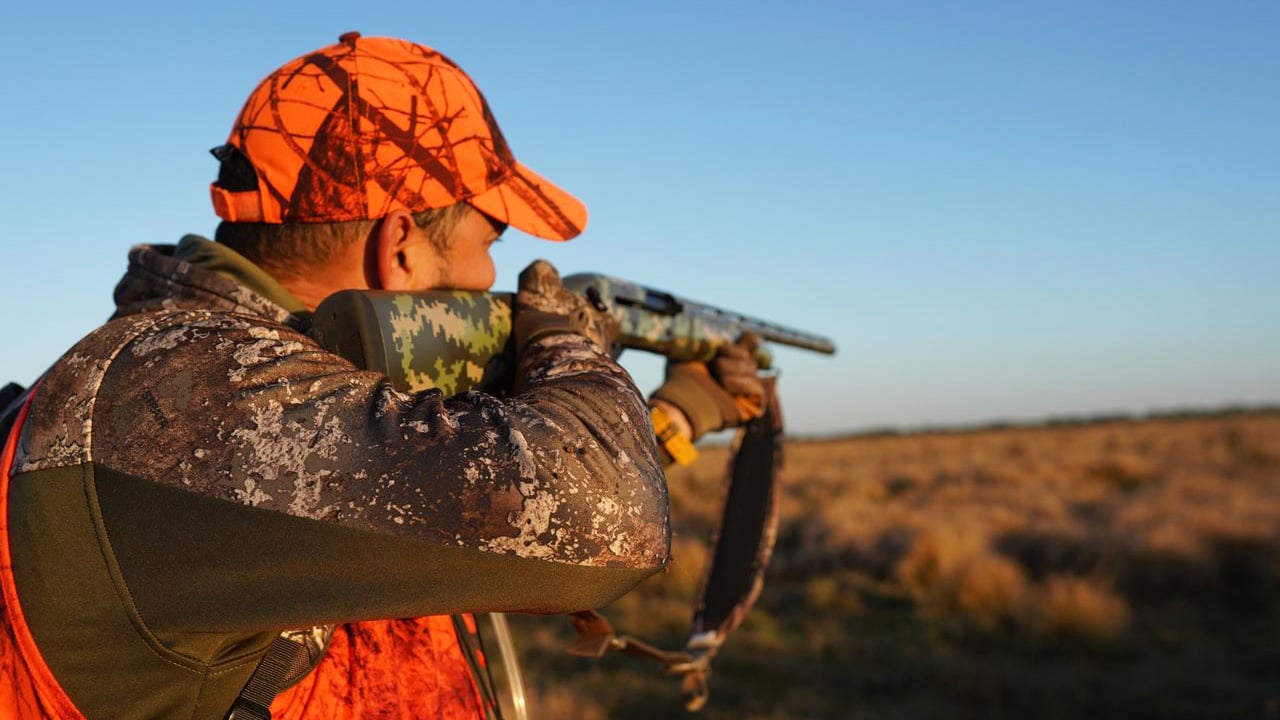
Any time this topic comes up, the conversation splits into two camps. One group blames predators for everything and wants them wiped out. The other group pretends predators do not matter and says it is all hunting pressure or “nature.” The truth is less satisfying: deer, habitat, predators, and people are all part of the same equation, and you do not get to ignore any piece of it.
If you have too many deer, the land gets beat up. When the land gets beat up, deer health drops and predation becomes more effective. If access is limited and nobody is taking does, that herd stays high and stressed. Predators simply take advantage of what is already out of whack. You can remove some predators, and it may help for a while, but if the habitat and deer numbers stay the same, something else will step into that vacancy.
What you can actually do on your property

Start with the boring part: measure what you have. Look at browse pressure, body weights, fawn-to-doe ratios on camera, and how much quality cover you truly have for fawning. If your woods look like a park because every green thing below shoulder height is gone, the herd is too high for the groceries available. That is not a predator problem. That is a carrying-capacity problem.
Next, get serious about harvest. In a lot of places, that means taking more does, encouraging neighbors to do the same, and making access happen where it can. It also means being smart about how you handle carcasses and gut piles, because those are like a dinner bell. If predator control is legal and you are equipped to do it safely and ethically, it can be part of the plan, but it works best when it is paired with herd and habitat management instead of used as a substitute for it.
The main thing is not to be surprised when predators show up. If you build a landscape that holds a pile of deer, you are building a landscape that feeds the animals that follow deer. Keep your head on straight, keep your pets and livestock protected, and manage the herd like you want to be hunting there five years from now, not just opening weekend.
Like The Avid Outdoorsman’s content? Be sure to follow us.
Here’s more from us: