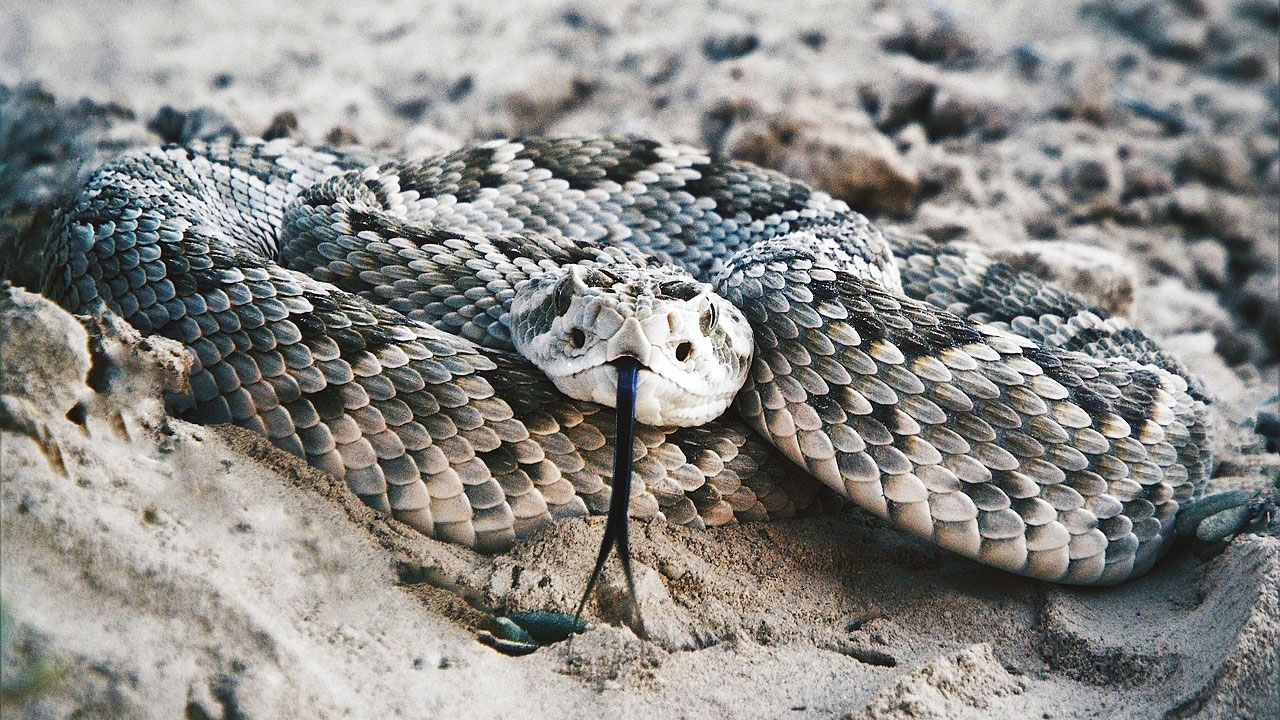
Photo credit: Claudio Cantú Muñiz, CC BY 4.0/Wiki Commons
Most Americans will go their entire lives without being bitten by a venomous snake, but that does not mean encounters are especially rare. In many parts of the country, venomous snakes live surprisingly close to homes, hiking trails, ponds, farms, hunting land, campgrounds, and suburban neighborhoods. The biggest difference is usually habitat. A snake that is common in East Texas may be almost nonexistent in the Midwest, while western hunters deal with an entirely different group of rattlesnakes.
The snakes on this list are not ranked by which one is most dangerous. Instead, these are the species Americans are among the most likely to encounter because of their range, abundance, or willingness to live near places people regularly use. Some stay hidden almost all the time. Others routinely turn up beside sheds, across roads, around water, or directly on well-used trails.
Copperhead
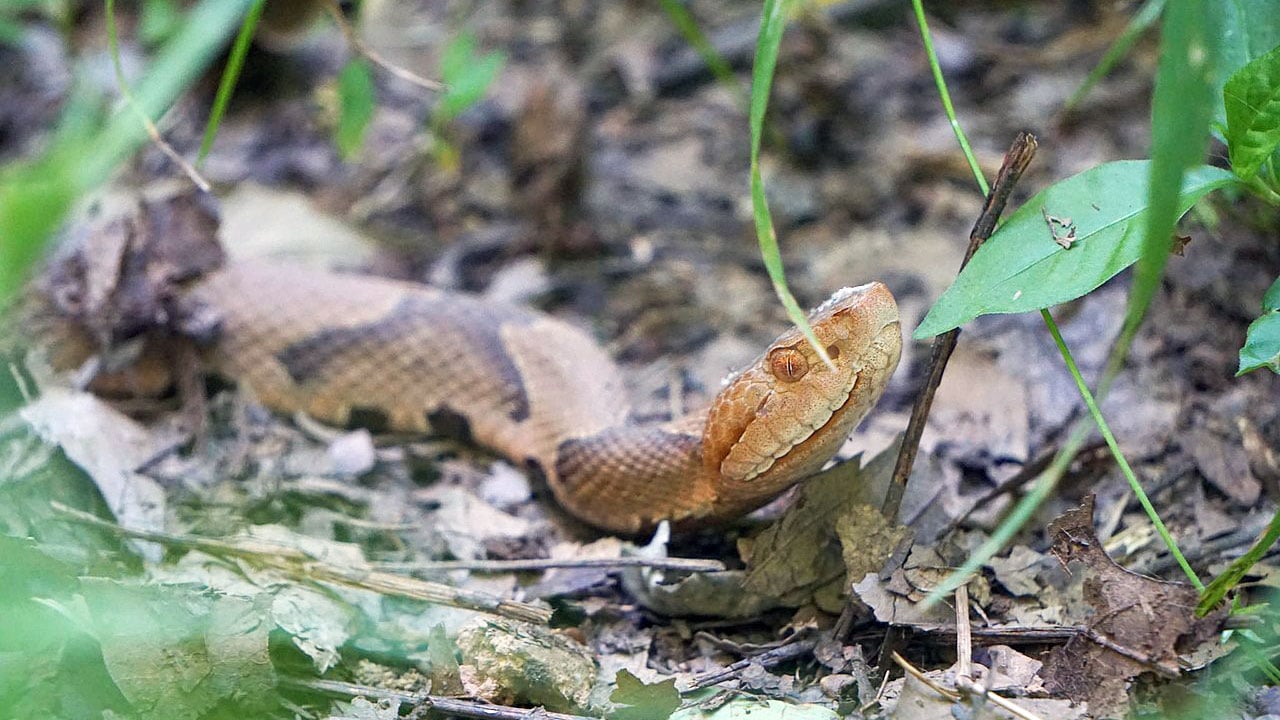
Copperheads may be the venomous snake many Americans are most likely to encounter simply because they live across such a large portion of the eastern and central United States. They thrive in hardwood forests, rocky hillsides, creek bottoms, woodpiles, brushy edges, and suburban areas where cover remains available. Their camouflage is exceptionally effective, especially in fallen leaves, which means people often get much closer to one than they realize. Copperheads also tend to remain still rather than immediately fleeing, making accidental close encounters more common.
They frequently show up around yards, barns, trails, and firewood piles in suitable habitat. Most encounters end without a bite, but they are exactly the kind of snake people accidentally step beside because they blend into the ground so well.
Western Diamondback Rattlesnake
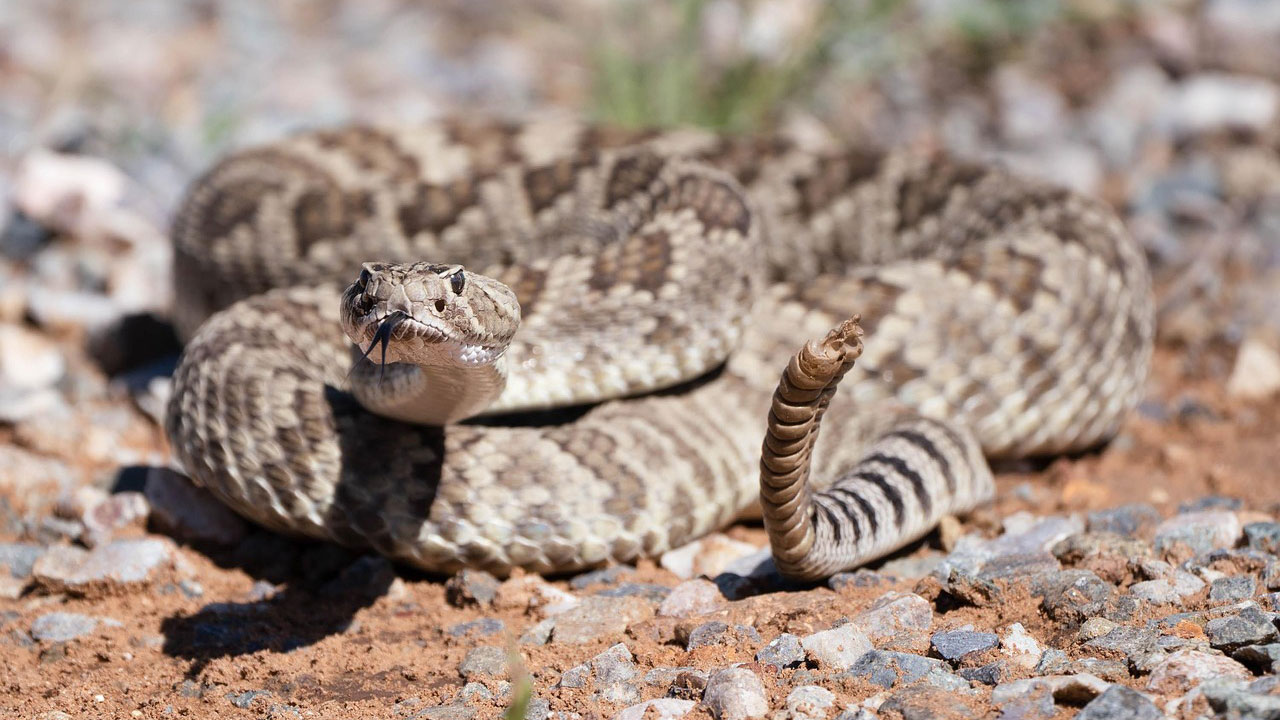
The western diamondback is one of the most familiar venomous snakes in the American Southwest and one of the species people are genuinely likely to see in parts of Texas, New Mexico, Arizona, and surrounding areas. It occupies deserts, ranch country, rocky hills, scrubland, and agricultural edges, and it can adapt surprisingly well to human-altered landscapes. Hunters and rural landowners commonly encounter them crossing roads, lying near brush piles, or moving around buildings where rodents are present.
This is also a relatively large rattlesnake, so encounters tend to get attention. The rattle provides a warning in many situations, but people should never assume every snake will rattle before being approached.
Timber Rattlesnake
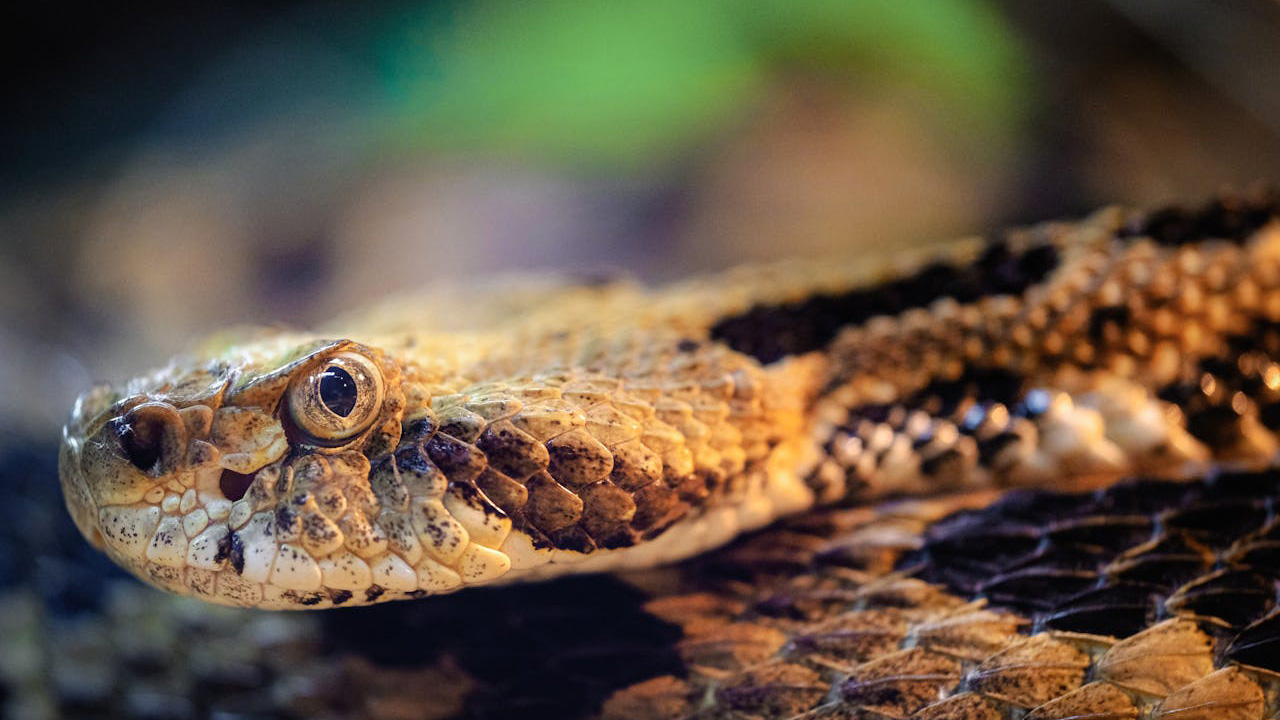
Timber rattlesnakes occupy a broad portion of the eastern United States, especially forested and mountainous areas. They are strongly associated with wooded ridges, rocky slopes, and secluded hillsides, but they may also move through farm edges and rural properties. Their coloration varies considerably, allowing them to disappear almost completely against leaves and forest debris.
They are generally not interested in confronting people, which means hikers and hunters may pass close without ever seeing one. Where populations are healthy, however, summer hiking, hunting preparation, and work around rocky wooded ground can produce encounters. Their ability to remain motionless is often what makes them so easy to overlook.
Cottonmouth

Cottonmouths are among the most recognizable venomous snakes of the Southeast because of their strong association with wetlands and water. They occur around swamps, slow-moving creeks, ponds, marshes, drainage areas, and wooded floodplains. Rural landowners may see them near stock ponds or creek crossings, while anglers frequently encounter them along banks and around fallen timber.
Their reputation for aggression is often exaggerated, but they can stand their ground when they feel threatened. The famous white interior of the mouth may be displayed defensively. Anyone spending time around southern wetlands has a realistic chance of seeing one eventually.
Prairie Rattlesnake

The prairie rattlesnake covers a huge amount of the central and western United States. Grasslands, open plains, ranches, rocky outcrops, and prairie dog country all provide suitable habitat. That broad range puts it in contact with hunters, ranchers, hikers, and people working outside in areas where there may be very little cover to suggest snakes are nearby.
Prairie rattlesnakes often use rodent burrows and other underground shelter, so areas with strong small-mammal populations can support plenty of snakes. They may also be spotted warming themselves on roads during cooler periods, making vehicle encounters relatively common in rural country.
Eastern Diamondback Rattlesnake
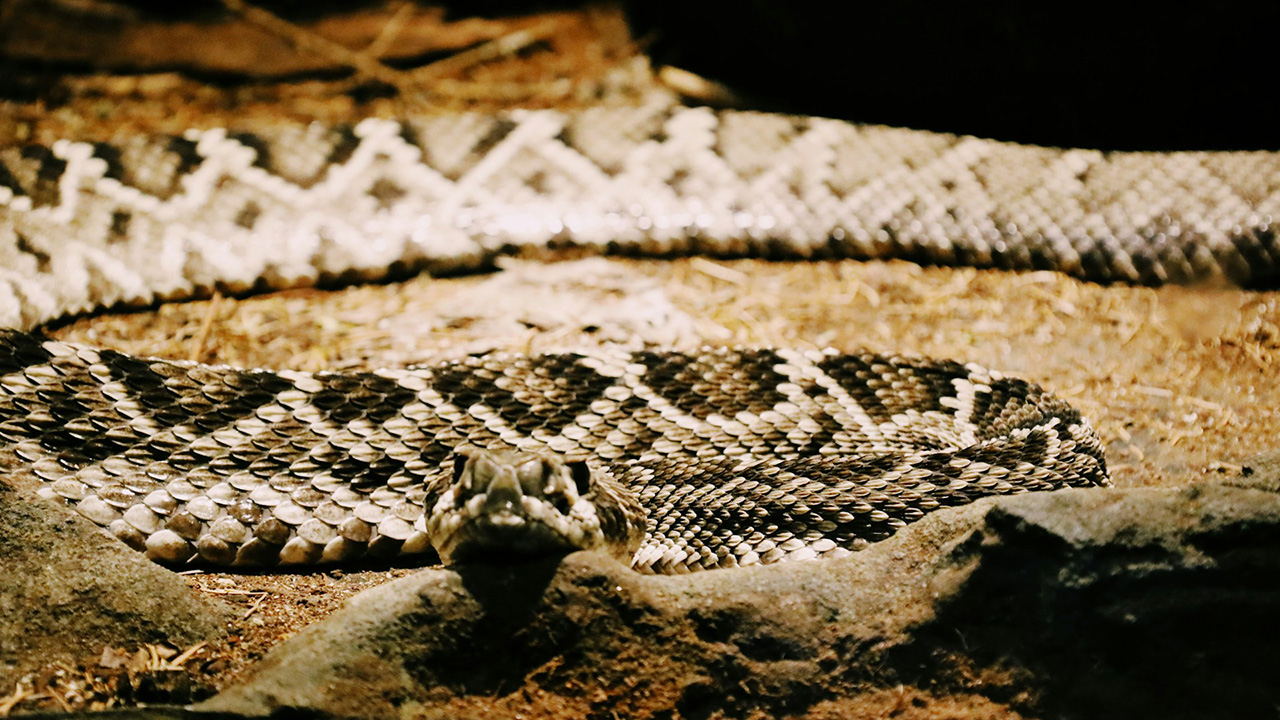
The eastern diamondback is the largest rattlesnake in the United States and remains one of the most impressive venomous snakes someone can encounter in the Southeast. It is associated especially with the coastal plain, including pine forests, palmetto country, scrub habitat, and areas with gopher tortoise burrows. Florida and parts of the southeastern coastal states provide much of its remaining stronghold.
Habitat loss has reduced populations in many areas, so it is not as universally encountered as some smaller venomous snakes. Still, hunters and people working in suitable southern habitat have a realistic chance of crossing paths with one, especially in warmer months.
Northern Pacific Rattlesnake
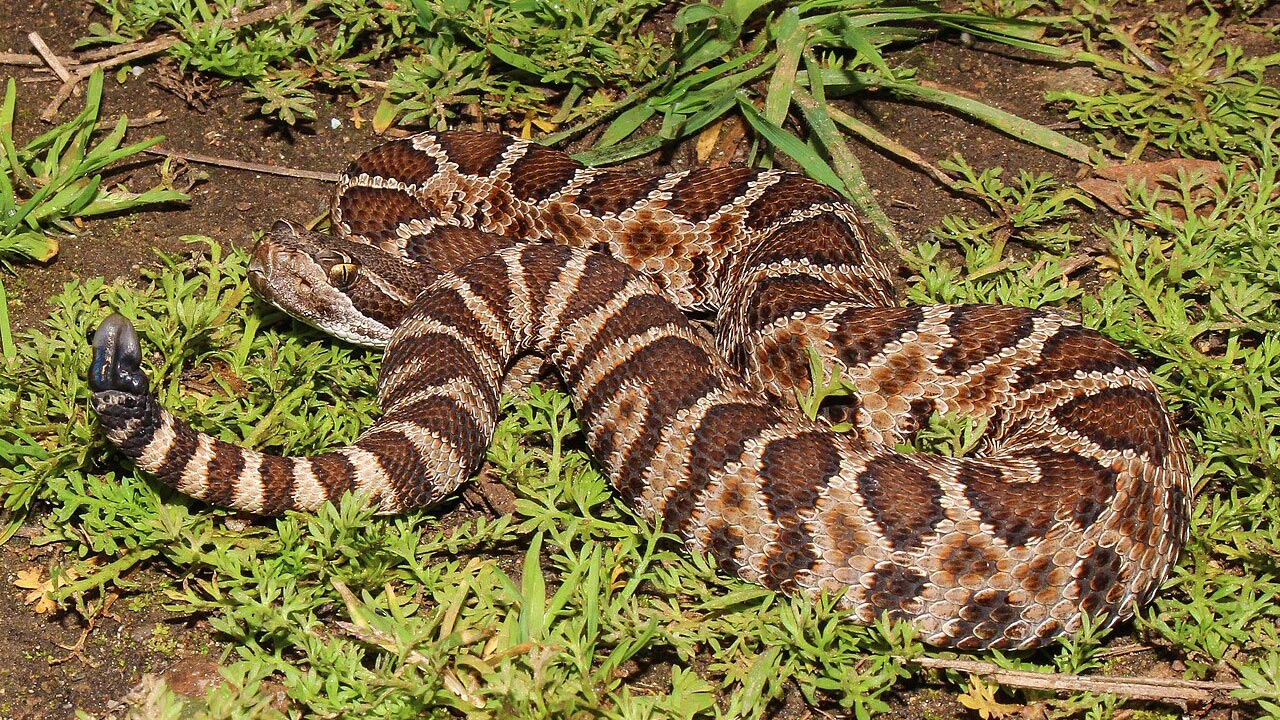
The northern Pacific rattlesnake is an important venomous snake across parts of the Pacific Northwest and northern California. It occupies rocky areas, open woodlands, dry slopes, grasslands, and places where forest and open country meet. Hikers can encounter them on trails or sunny rocks, particularly when temperatures encourage snakes to bask.
Unlike the stereotype of the rainy Pacific Northwest, many inland and lower-elevation areas provide excellent rattlesnake habitat. People moving between western Oregon, Washington, and northern California can encounter these snakes in places that appear surprisingly green and wooded.
Southern Pacific Rattlesnake

Southern California has enough people and enough rattlesnake habitat that encounters with southern Pacific rattlesnakes are not unusual. These snakes can live in chaparral, rocky canyons, foothills, brushy suburban edges, and hiking areas surrounding major population centers. That means encounters are not limited to remote desert country.
Dogs are especially likely to notice these snakes before their owners do, which can create problems on trails and rural properties. The snake’s variable coloration also allows it to blend extremely well into rocks, dirt, and dead vegetation.
Mojave Rattlesnake

The Mojave rattlesnake occurs through parts of the desert Southwest, particularly Arizona, California, Nevada, New Mexico, and portions of Texas. It favors desert flats, scrubland, open valleys, and areas with relatively sparse vegetation. People traveling, hiking, hunting, or working outdoors in desert country can encounter them along roads or around rodent habitat.
The species deserves particular respect because some populations possess venom with significant neurotoxic components in addition to other effects. Identification can be difficult because Mojave rattlesnakes can resemble western diamondbacks. The safest approach is to give any unidentified rattlesnake plenty of distance.
Black-Tailed Rattlesnake
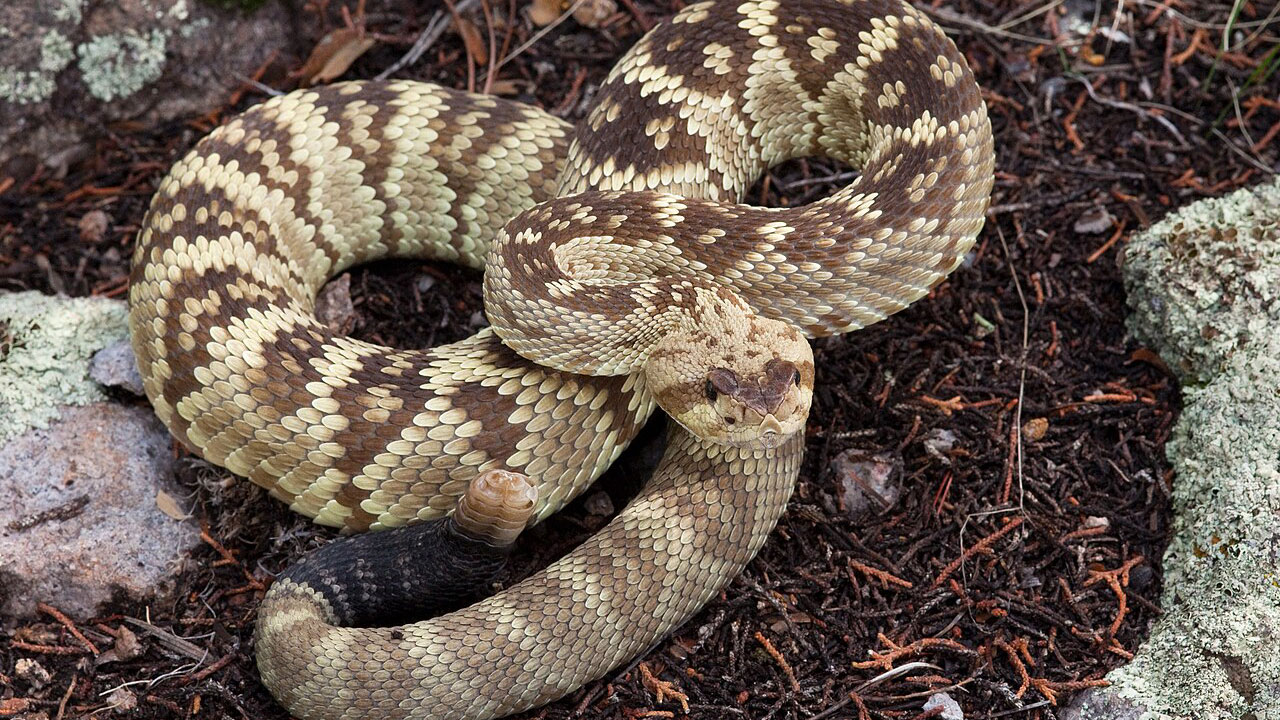
Black-tailed rattlesnakes occur across parts of the Southwest, particularly Arizona, New Mexico, Texas, and nearby regions. They favor rocky hills, canyon country, wooded mountain slopes, and areas with enough cover to support rodents. Their dark tail makes adults relatively distinctive, though recognizing that feature is not something anyone needs to get close enough to confirm.
Hunters in rugged southwestern terrain are among the people most likely to encounter them. They can remain extremely well hidden among rocks and brush, especially when temperatures allow them to sit quietly in shaded areas.
Sidewinder
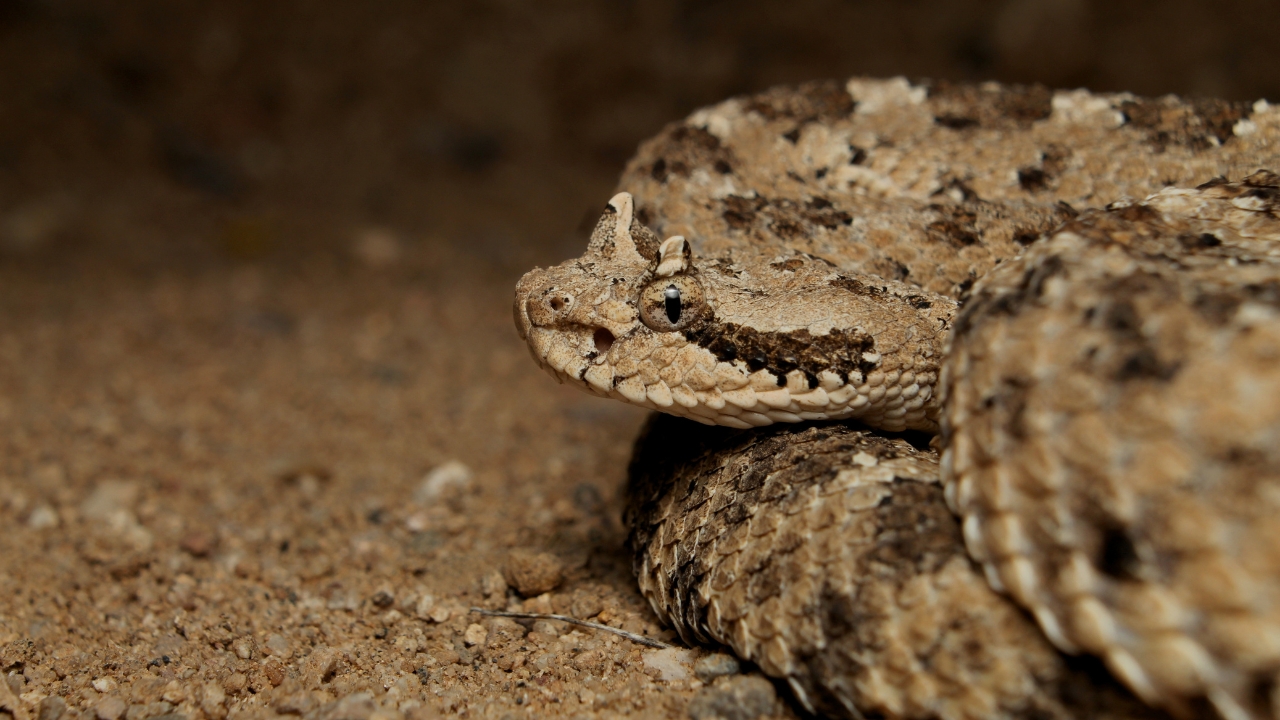
The sidewinder is strongly associated with sandy desert country in the Southwest. Its distinctive sideways movement helps it travel efficiently over loose sand, and the small hornlike scales above its eyes give it one of the more recognizable appearances among American rattlesnakes. California, Arizona, Nevada, and nearby desert regions provide its main habitat.
People exploring dunes, desert washes, and sandy flats may encounter one even when the landscape appears too exposed for snakes. Sidewinders often bury themselves partially in loose sand, leaving only part of the head visible while waiting for prey.
Pygmy Rattlesnake

The pygmy rattlesnake is small enough that many people could walk past one without noticing it. It occurs throughout much of the Southeast, including Florida and neighboring states, and can inhabit pine woods, wetlands, brushy areas, and residential edges. Its small size and camouflage make accidental close encounters more likely than its reputation might suggest.
The rattle is also tiny and may be difficult to hear unless a person is already close. That makes visual awareness especially important when working around leaf litter, low vegetation, and debris in areas where pygmy rattlesnakes are common.
Massasauga
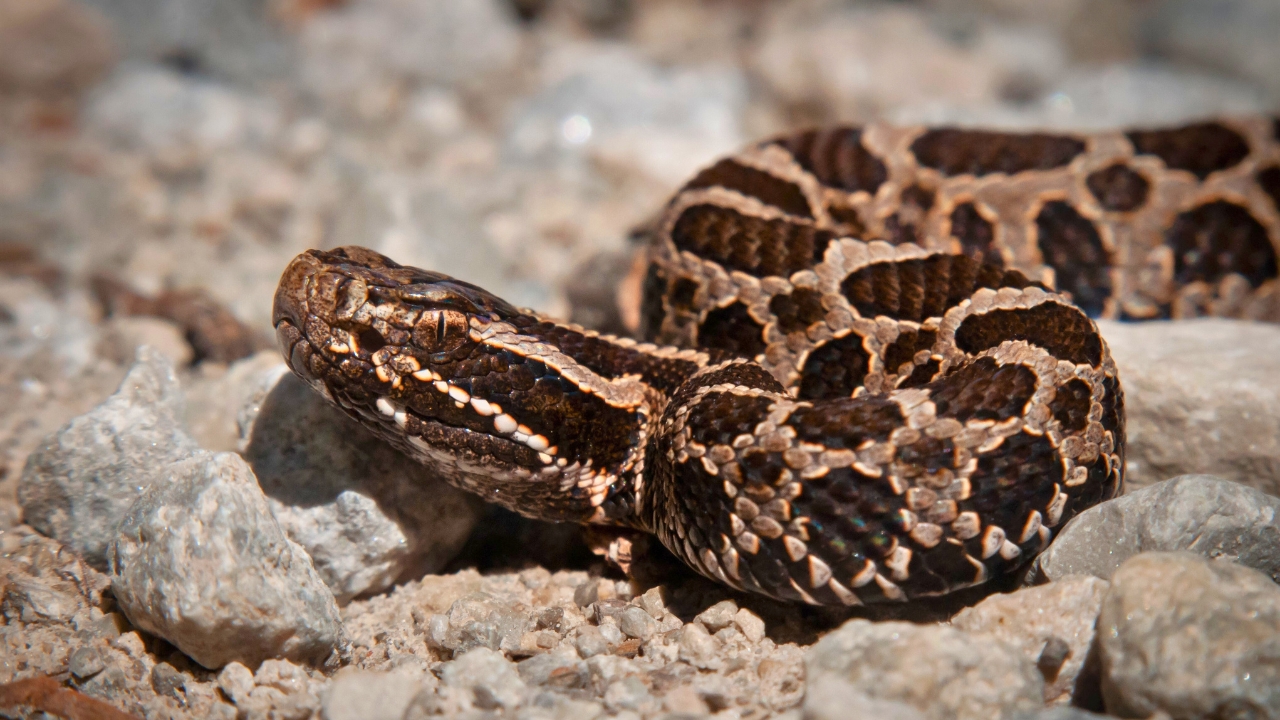
Massasaugas occur in scattered populations across parts of the Midwest and Great Lakes region. They are associated with wetlands, marshes, grasslands, prairie habitat, and some open woodland. Because their populations are fragmented and have declined in many areas, they are not something most Americans will see regularly.
Where they remain established, however, people working or hiking around wet prairie and marsh habitat can encounter them. Their relatively small size and muted pattern make them easy to miss, especially in thick grass.
Eastern Coral Snake
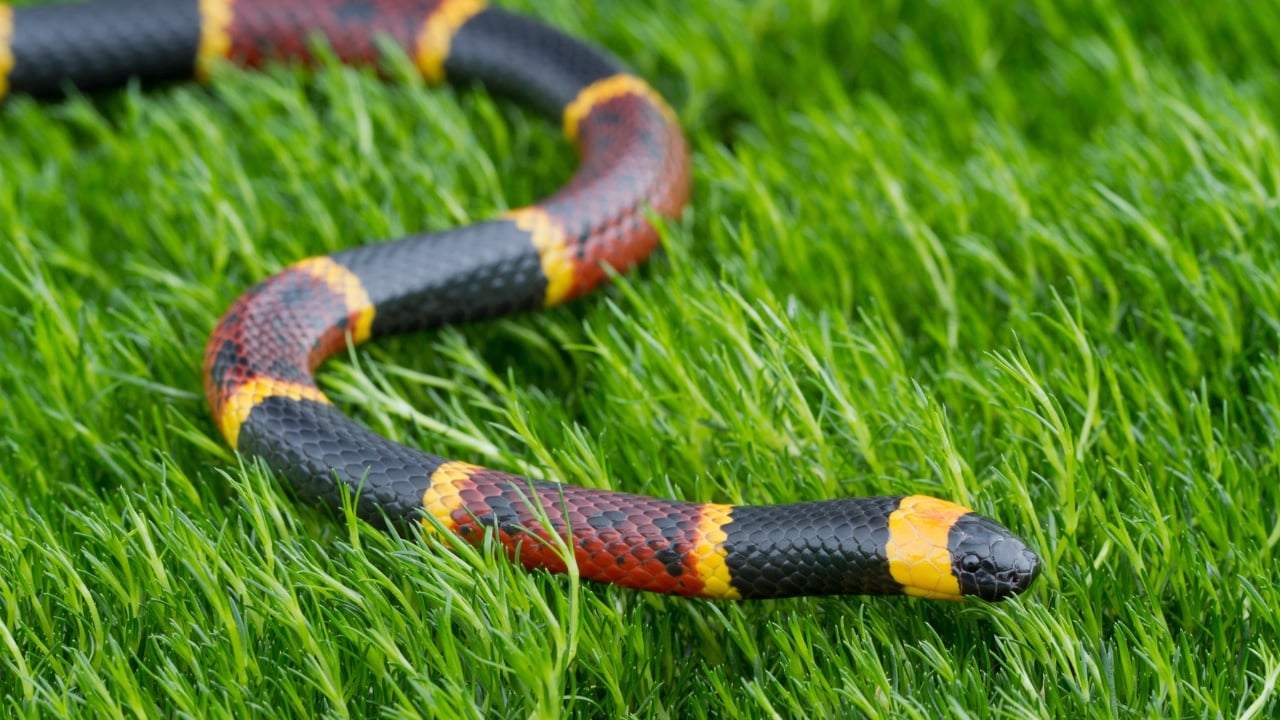
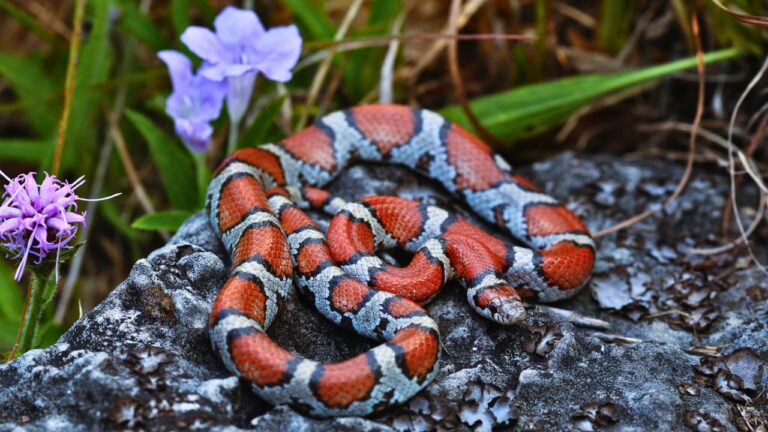
The eastern coral snake lives primarily in the southeastern United States, with Florida being especially important to its range. It spends a great deal of time hidden beneath vegetation, logs, soil, and debris, so encounters are much less frequent than with copperheads or cottonmouths. Still, gardeners, hikers, and people moving debris occasionally uncover them.
Its red, yellow, and black coloration is striking, but relying entirely on old color rhymes for identification is not a good idea because regional variation and similar-looking nonvenomous snakes can cause confusion. The safest approach is simply not to handle brightly banded snakes you cannot confidently identify.
Texas Coral Snake
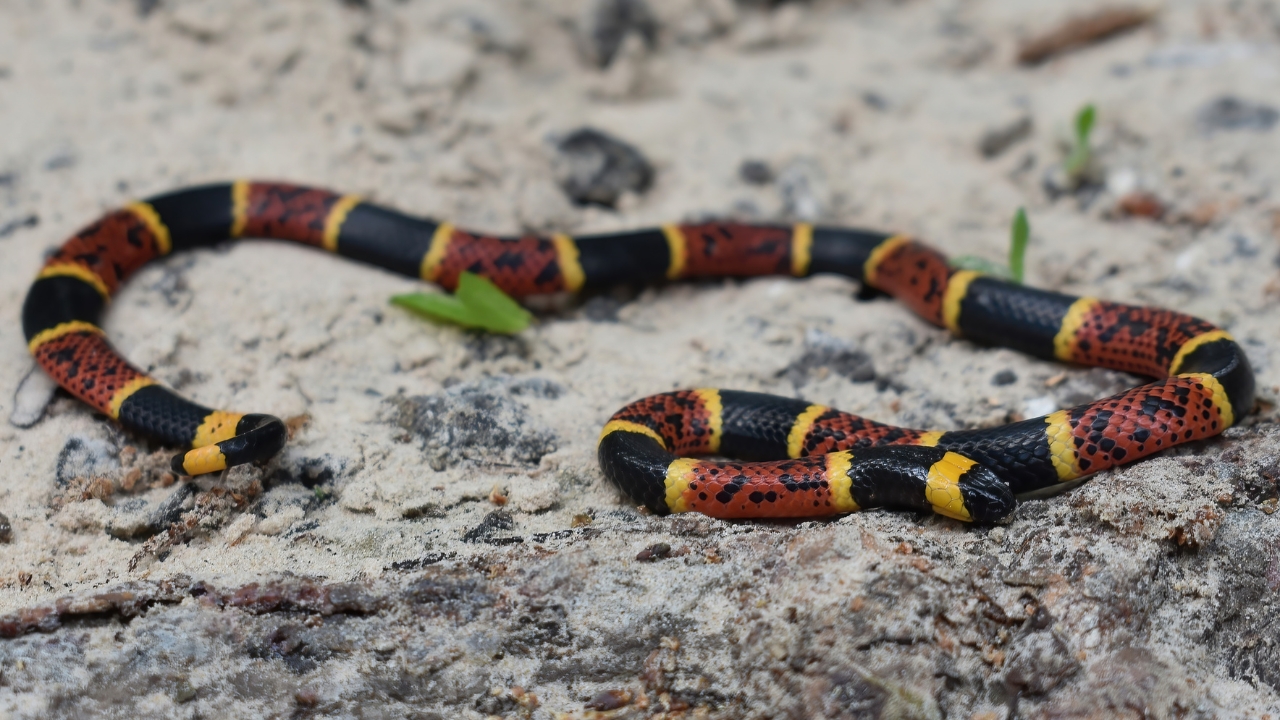
The Texas coral snake occurs across parts of Texas, Louisiana, Arkansas, and nearby areas, often in wooded country, brush, sandy soil, and places with plenty of ground cover. Like other coral snakes, it is secretive and spends much of its time hidden, so most people living within its range rarely see one.
Encounters often happen when someone moves logs, boards, rocks, or landscaping material. The snake is generally reluctant to bite, but handling one is an unnecessary risk. Its presence is another reason gloves and care matter when reaching blindly into outdoor debris.
Arizona Coral Snake
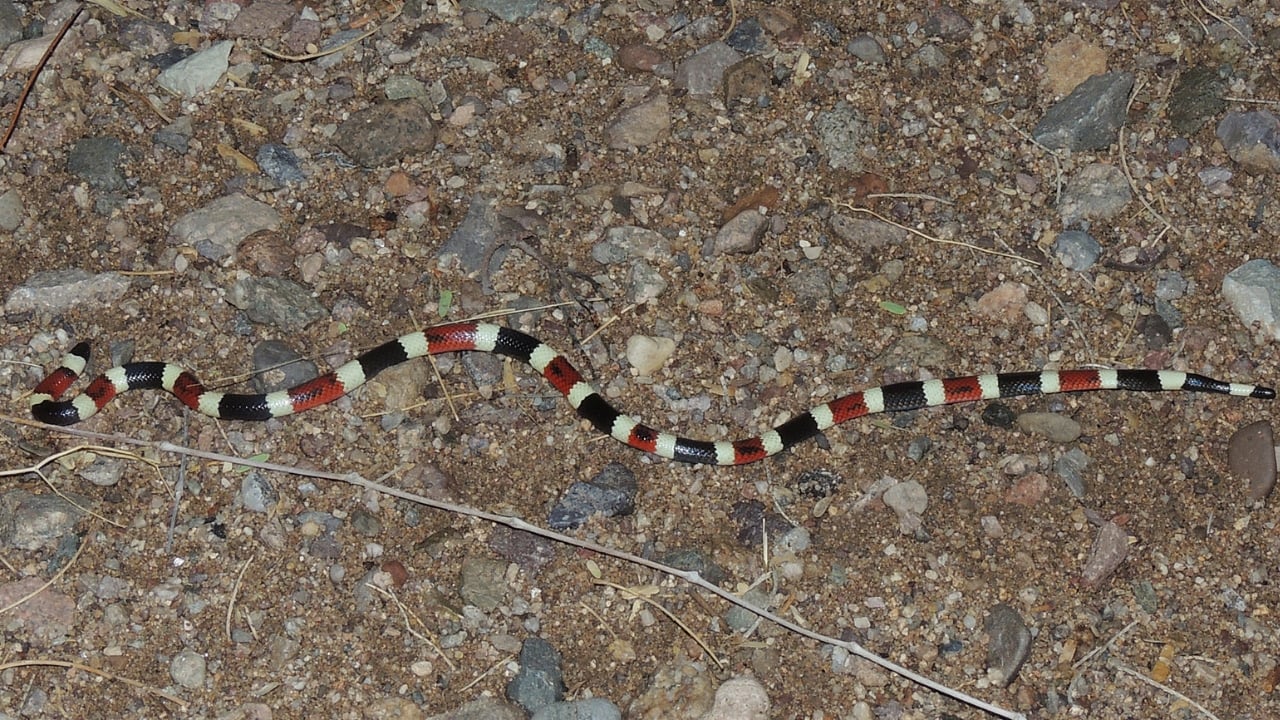
The Arizona coral snake is a small desert species found in Arizona and parts of nearby southwestern country. It favors rocky areas, desert grassland, and places where it can remain concealed under surface cover. Because it is small and secretive, encounters are much less common than with southwestern rattlesnakes.
Even so, hikers and rural residents occasionally uncover them beneath objects or see them moving during favorable weather. Its coloration makes it memorable, but its small size means people can easily overlook one until they are already close.
Red Diamond Rattlesnake

The red diamond rattlesnake occurs mainly in southern California and Baja California, with American encounters concentrated in parts of Southern California. It favors coastal scrub, rocky hillsides, desert margins, and chaparral. The reddish or rusty coloration often matches the local soil remarkably well.
People hiking or working around undeveloped land can encounter these snakes, particularly during periods when temperatures bring them onto trails and open ground. They are generally less famous than western diamondbacks, but within their relatively limited range they are an important species to recognize.
Great Basin Rattlesnake

The Great Basin rattlesnake inhabits a large section of the interior West, including parts of Nevada, Utah, Idaho, Oregon, and surrounding areas. It thrives in dry valleys, sagebrush, rocky slopes, and open country that attracts hunters, hikers, ranchers, and campers. The coloration often closely matches dusty gray or brown terrain.
Because much of its habitat is public land and recreation country, encounters can occur far from houses or developed areas. These snakes frequently rely on camouflage instead of movement, meaning a person can be surprisingly close before noticing one.
Western Massasauga
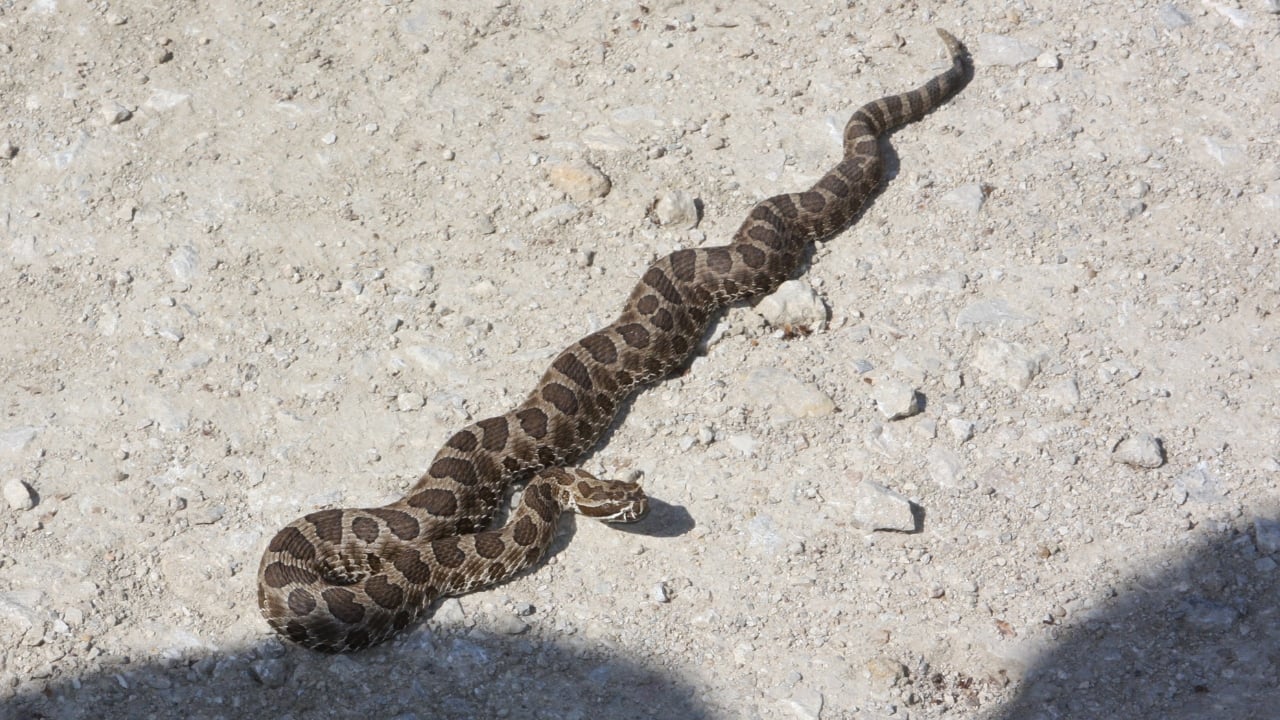
The western massasauga occupies parts of the southern Great Plains and surrounding regions, including areas of Texas, Oklahoma, Kansas, and Colorado. It tends to use grasslands, prairie, sandy areas, and open country with enough cover for rodents. It is much smaller than the big western rattlesnakes and can be difficult to notice in grass.
That smaller size can make encounters more surprising because people often expect venomous snakes in the Plains to be large rattlers. Someone working pasture edges, hunting, or walking through suitable prairie habitat may come across one almost at their feet.
Rock Rattlesnake
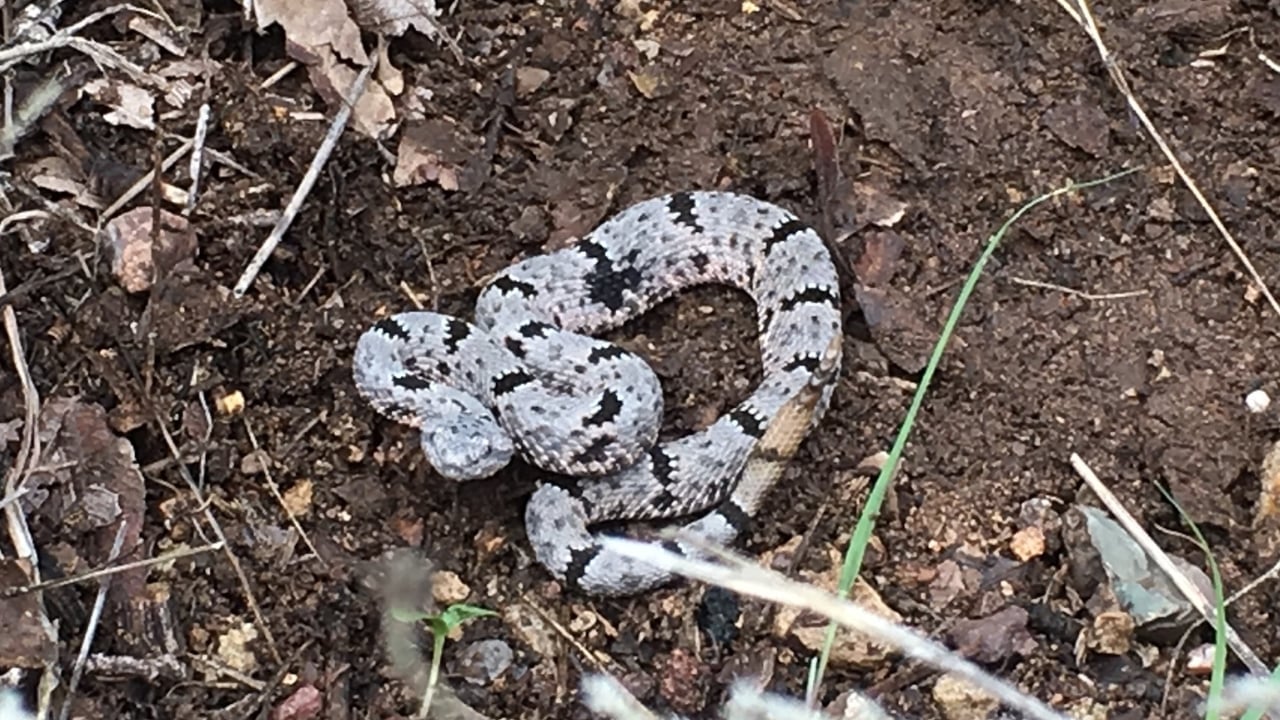
Rock rattlesnakes occur primarily in mountainous and rocky parts of the Southwest, including western Texas, New Mexico, and Arizona. They are particularly well adapted to rocky slopes, canyons, cliffs, and high-desert mountain country. Their coloration can match local stone so closely that even an exposed snake may be extremely difficult to see.
That makes them especially relevant to hunters and hikers moving through rough terrain. You are much more likely to encounter one while stepping across rocks or reaching near ledges than walking through an open yard. Their camouflage is the reason giving rock piles and crevices a little extra attention can matter.
Like The Avid Outdoorsman’s content? Subscribe to our newsletter so you never miss an article.
Here’s more from us: