Photo credit: Kathleen Riley – CC BY-SA 3.0/Wiki Commons
Some dog breeds disappear slowly enough that most people do not notice it happening. Registrations fall, fewer breeders stay active, younger families move toward easier companion breeds, and eventually a dog that used to be fairly common becomes something you only see at specialty shows or through a handful of dedicated breeders.
That does not mean these breeds are about to vanish completely. Many still have loyal owners and strong breed clubs. The concern is that some have small breeding populations, demanding care requirements, narrow working niches, or simply less appeal to today’s average dog buyer. If those trends continue, these are the breeds that could become noticeably harder to find over the next decade.
Otterhound
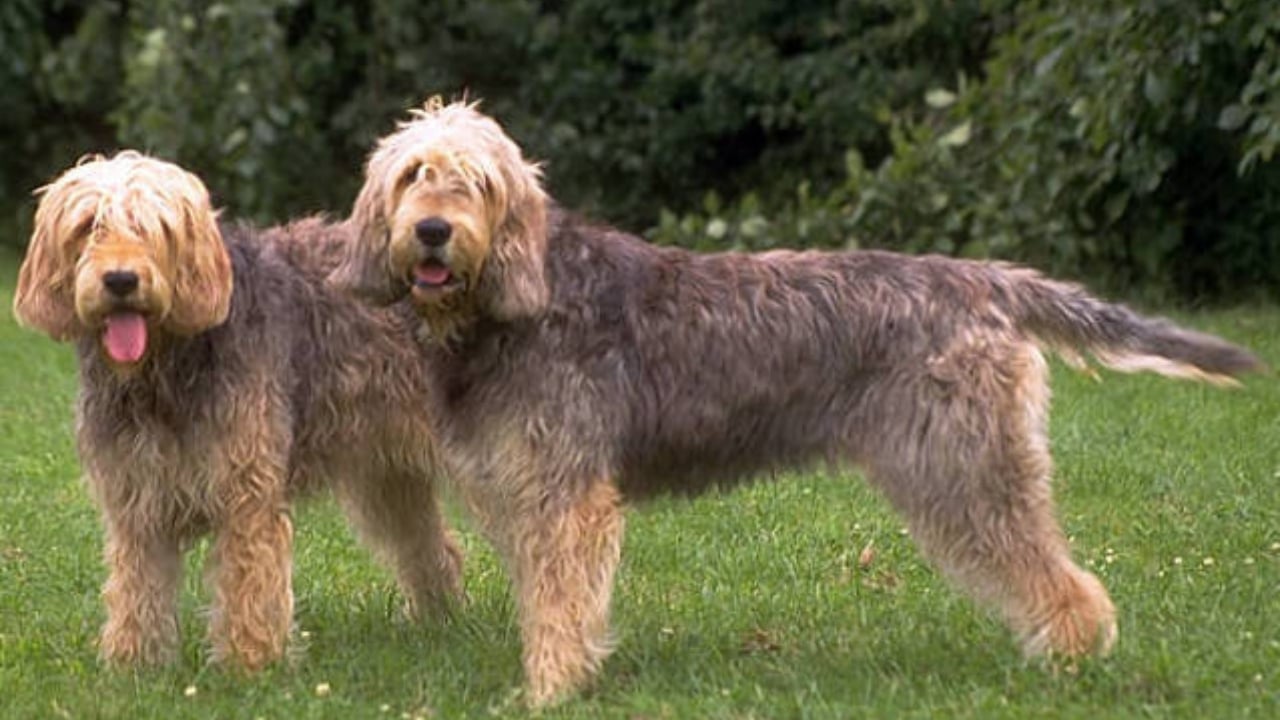
The Otterhound has been rare for years, and that alone makes its future worth watching. It is a large, rough-coated scent hound originally developed for a job that no longer exists in its traditional form. That creates an immediate problem for the breed because most modern owners are not looking for a big, independent working hound that needs exercise, space, and regular coat care. Breeding numbers are already limited enough that finding a well-bred puppy can require patience and travel.
The breed still has devoted supporters, but it does not fit easily into modern suburban life. If breeder numbers shrink further, the Otterhound could become one of those dogs most people know only from photographs.
Skye Terrier

The Skye Terrier has the kind of distinctive appearance that should make it memorable, yet it remains surprisingly uncommon. Its long body, heavy coat, and serious terrier personality are very different from the smaller companion dogs that dominate today’s market. The coat requires real maintenance, and the breed is not necessarily the easiest choice for someone who simply wants an outgoing little family dog.
That combination makes it dependent on enthusiasts who specifically want a Skye. If those breeders and owners become fewer, puppy availability can shrink quickly. A decade from now, seeing one outside a dog show could be even more unusual than it already is.
Dandie Dinmont Terrier
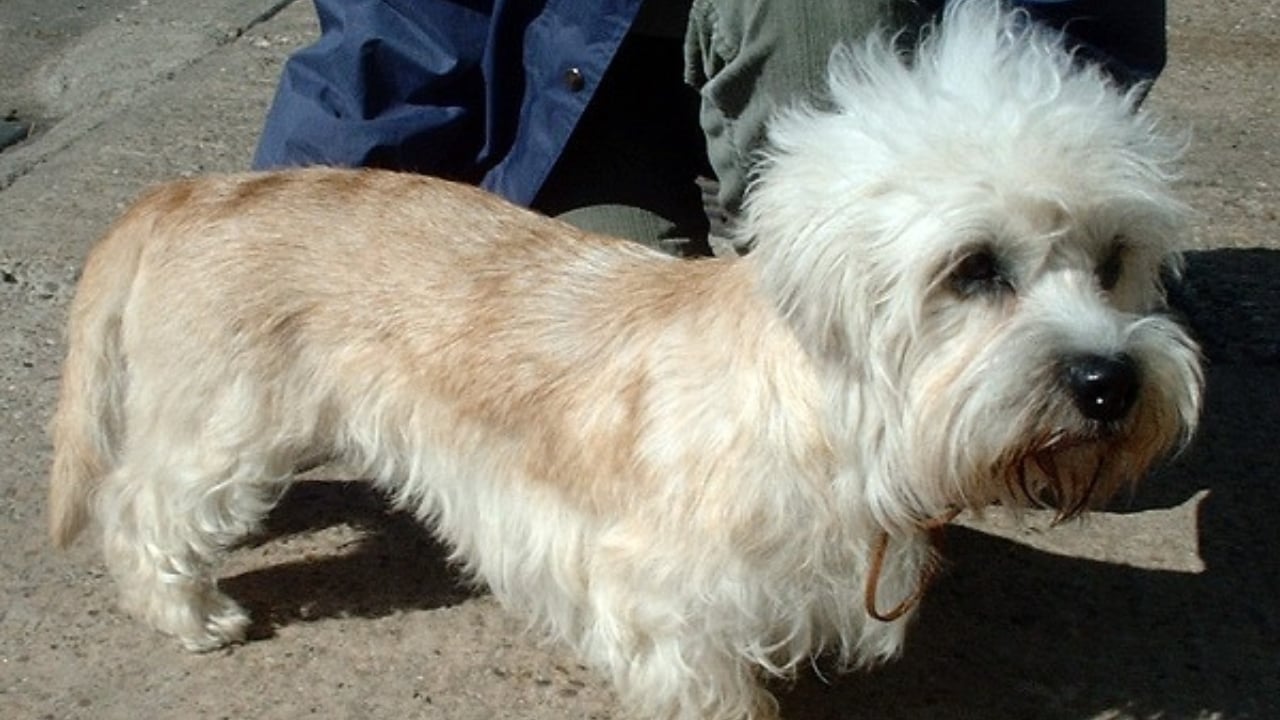
The Dandie Dinmont Terrier has one of the most recognizable looks in the terrier world, but recognition has not translated into widespread demand. The long body, distinctive head, and old working-terrier background give the breed plenty of character, yet it occupies a very small corner of the pet market. People looking for small dogs today have hundreds of easier-to-find alternatives.
Rare breeds also face a difficult breeding problem because maintaining genetic diversity becomes harder as population size drops. Dedicated breeders can manage that carefully, but it takes commitment. The Dandie Dinmont could remain healthy and established while still becoming dramatically harder for the average buyer to locate.
Glen of Imaal Terrier
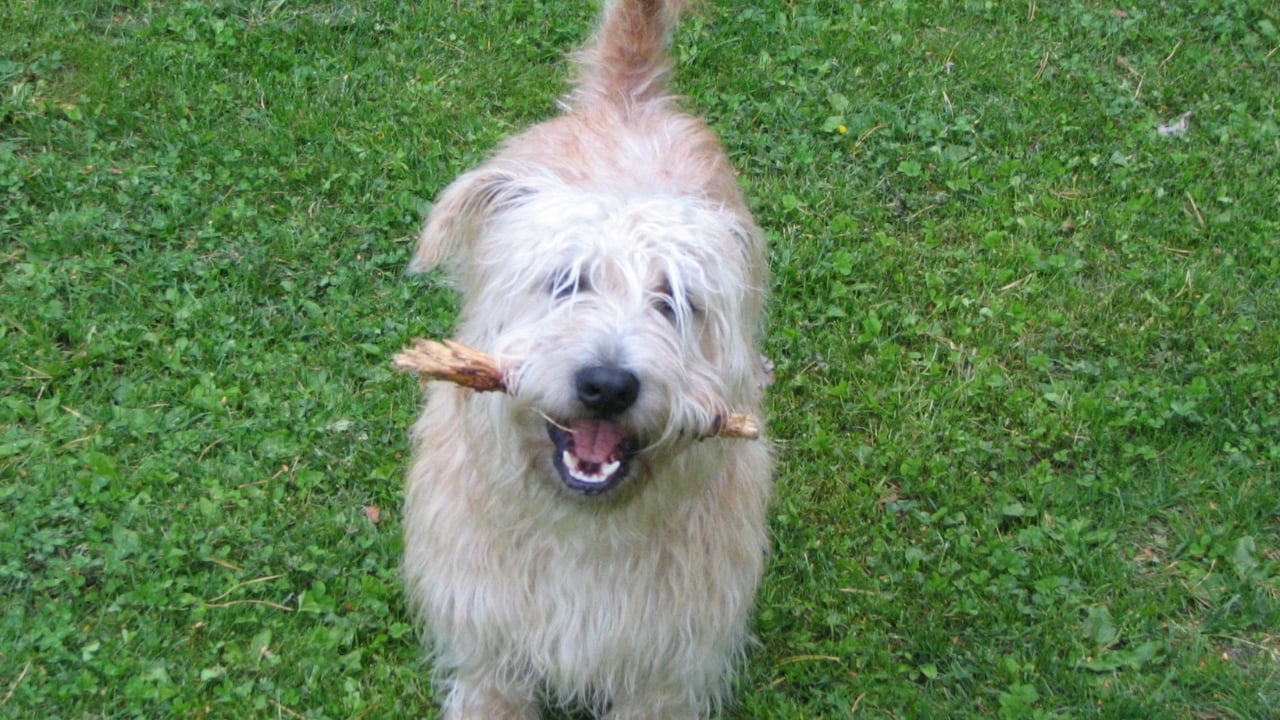
The Glen of Imaal Terrier is a rugged little dog that never became as fashionable as many other terriers. It was developed as a working farm dog, and that history still shows in its sturdy build and determined temperament. It is quieter than some terriers, but it still has enough independence and prey drive that buyers need to understand what they are getting.
The breed’s biggest challenge may simply be visibility. Most families have never met one, and people rarely go looking for a breed they do not know exists. Without a larger pool of breeders and owners introducing them to new people, Glens could remain concentrated among a small group of enthusiasts.
Sealyham Terrier
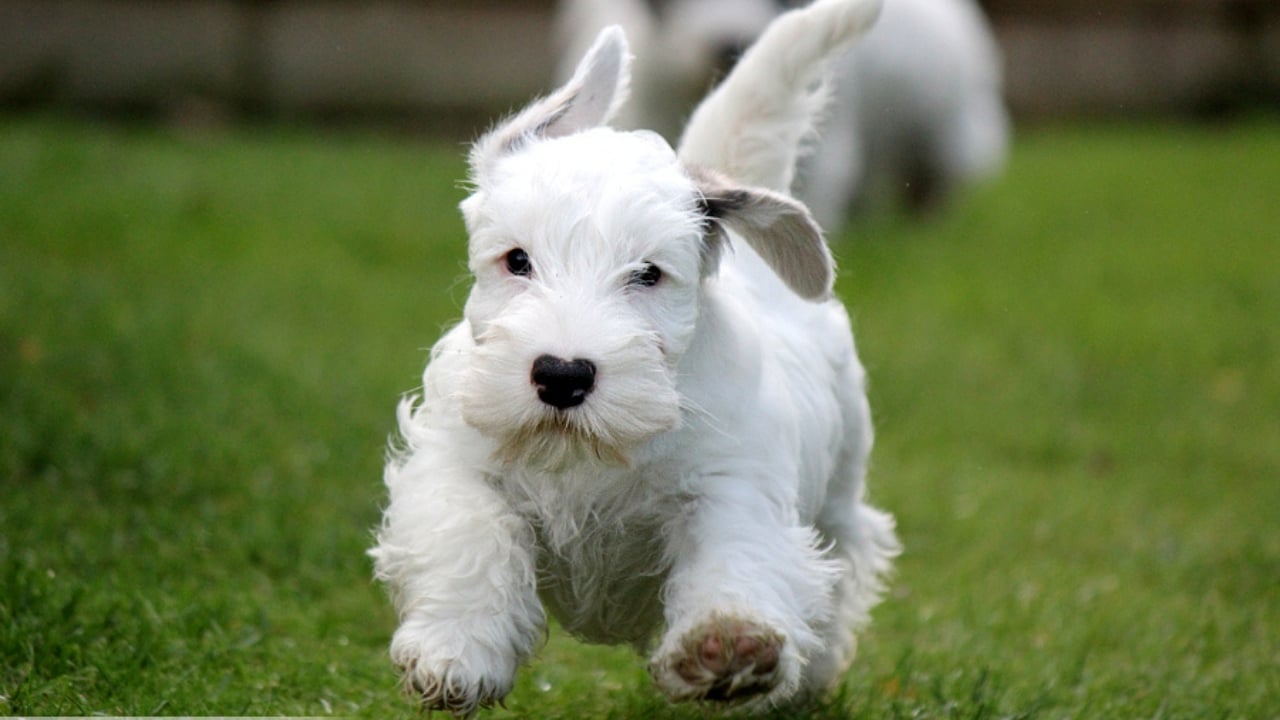
The Sealyham Terrier once had considerably more visibility than it does today. It has a charming appearance, a substantial little body, and a personality that can be entertaining without being as frantic as some terriers. Even so, it has lost ground to more common small companion breeds that are easier to find and heavily promoted through social media and popular culture.
That matters because breeding populations can decline quickly when a breed stops attracting new owners. Sealyhams are not disappearing tomorrow, but they are exactly the type of historic breed that could become increasingly difficult to locate outside dedicated breeder networks.
Sussex Spaniel
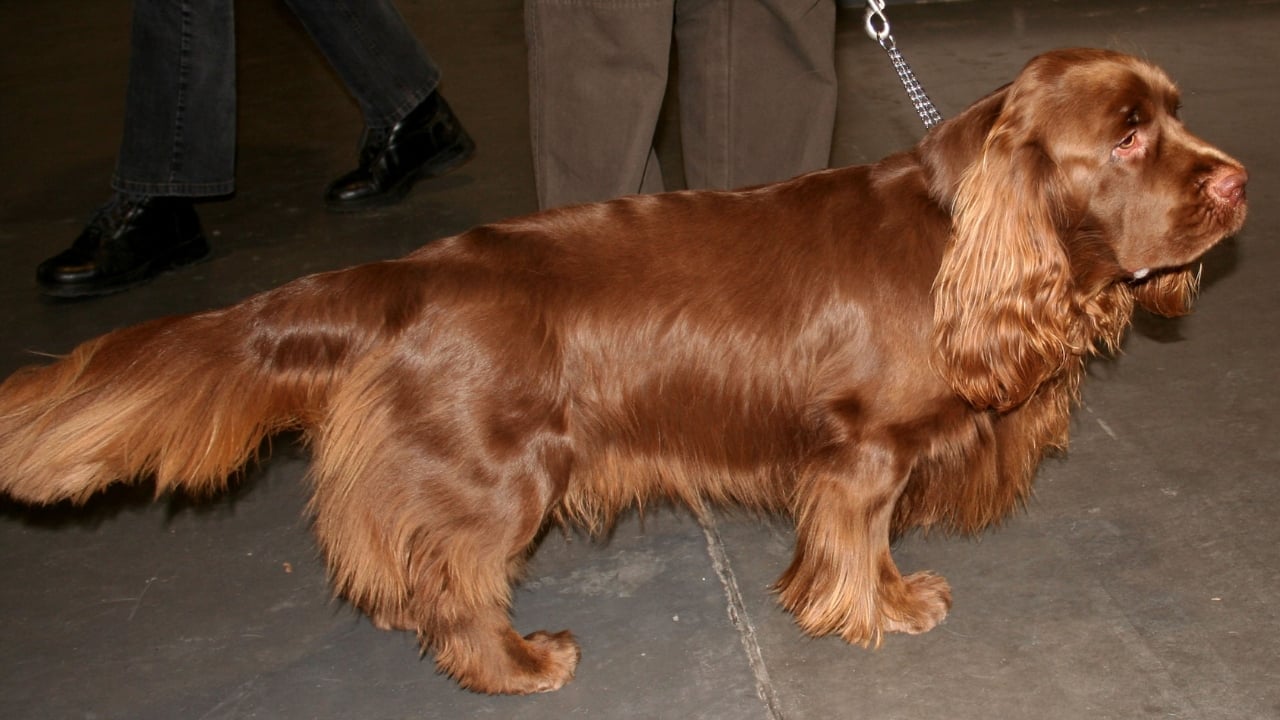
The Sussex Spaniel is a low, heavy-bodied sporting dog with a very different look from the athletic spaniels most people picture. It was bred to work slowly through dense cover, which gave it a deliberate hunting style and substantial build. Today, those traits make it less obvious as a choice for families looking for an active sporting companion.
It also lacks the visibility of more common spaniels. Fewer casual buyers means fewer breeders can justify maintaining large programs. If working demand and pet demand both remain limited, the Sussex Spaniel could become increasingly concentrated among serious breed enthusiasts.
Clumber Spaniel
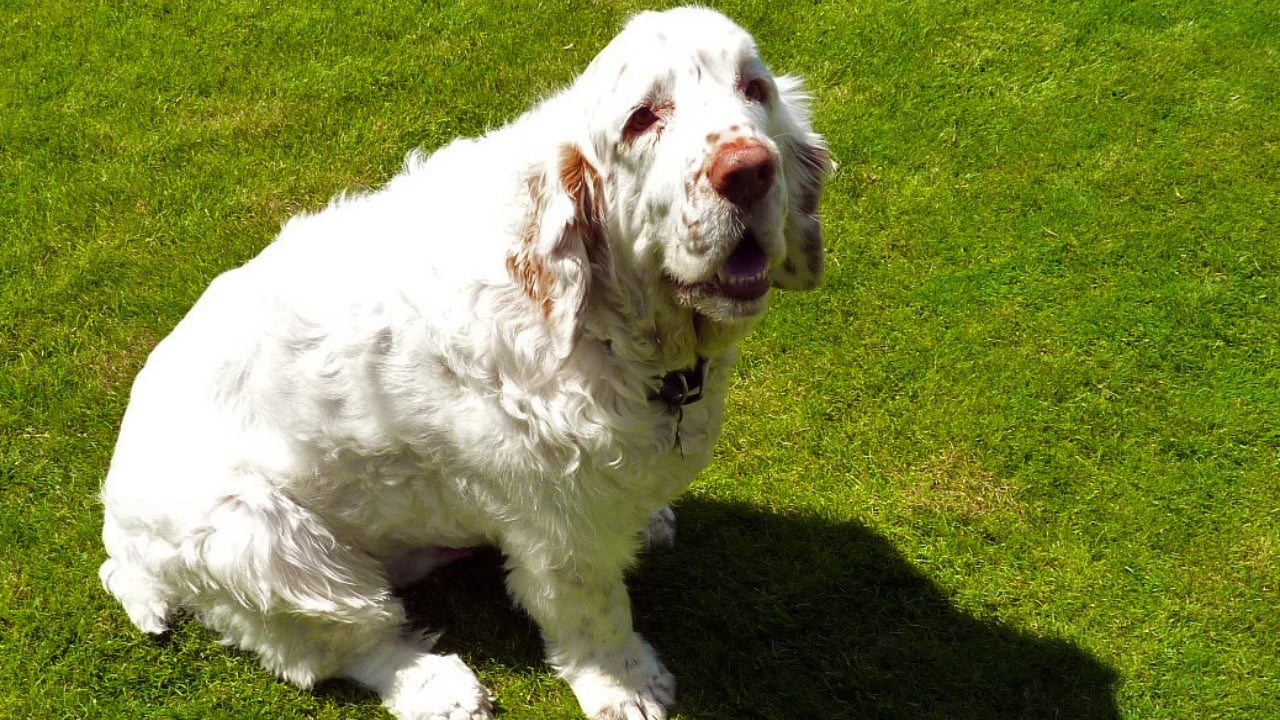
The Clumber Spaniel is another old sporting breed that does not fit the modern image of a fast, lean gun dog. It is heavy, powerful, and relatively slow moving, with a dense coat and substantial body. Those qualities made sense for deliberate work in heavy cover, but they can make ownership more challenging for people who want a lighter, easier sporting dog.
The breed also requires owners who are prepared for shedding, drool, and a large dog that may not be particularly athletic in the modern sense. As buyers gravitate toward more familiar retrievers and spaniels, Clumbers could become increasingly difficult to find outside established breeding circles.
Field Spaniel
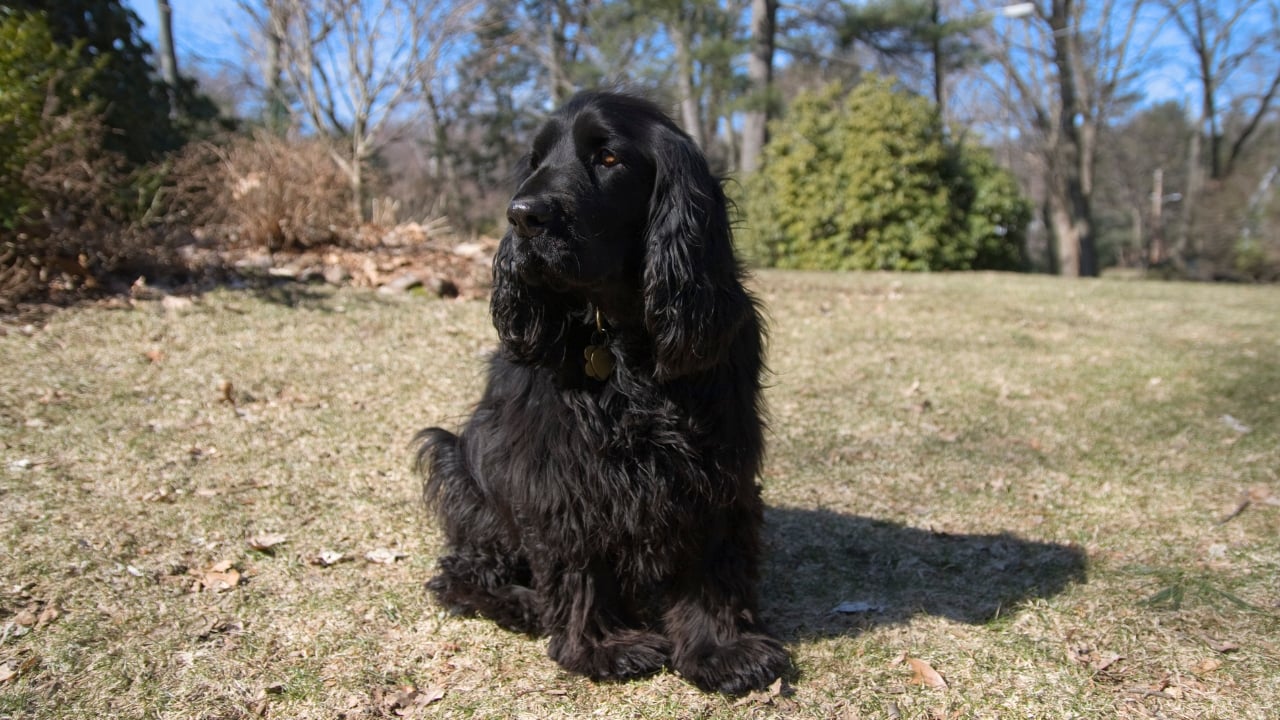
The Field Spaniel sits in an awkward position because it is overshadowed by several better-known relatives. It is less common than the Cocker Spaniel, less recognizable than the Springer, and not as heavily promoted as some newer sporting breeds. That does not mean it lacks ability. A good Field Spaniel can be an affectionate companion and capable sporting dog.
The problem is that middle-ground breeds often struggle for attention. When buyers already know the more famous alternatives, they rarely search deeper. If breeder numbers decline, the Field Spaniel could quietly become one of those breeds that is admired by dog people but rarely seen by everyone else.
English Toy Spaniel
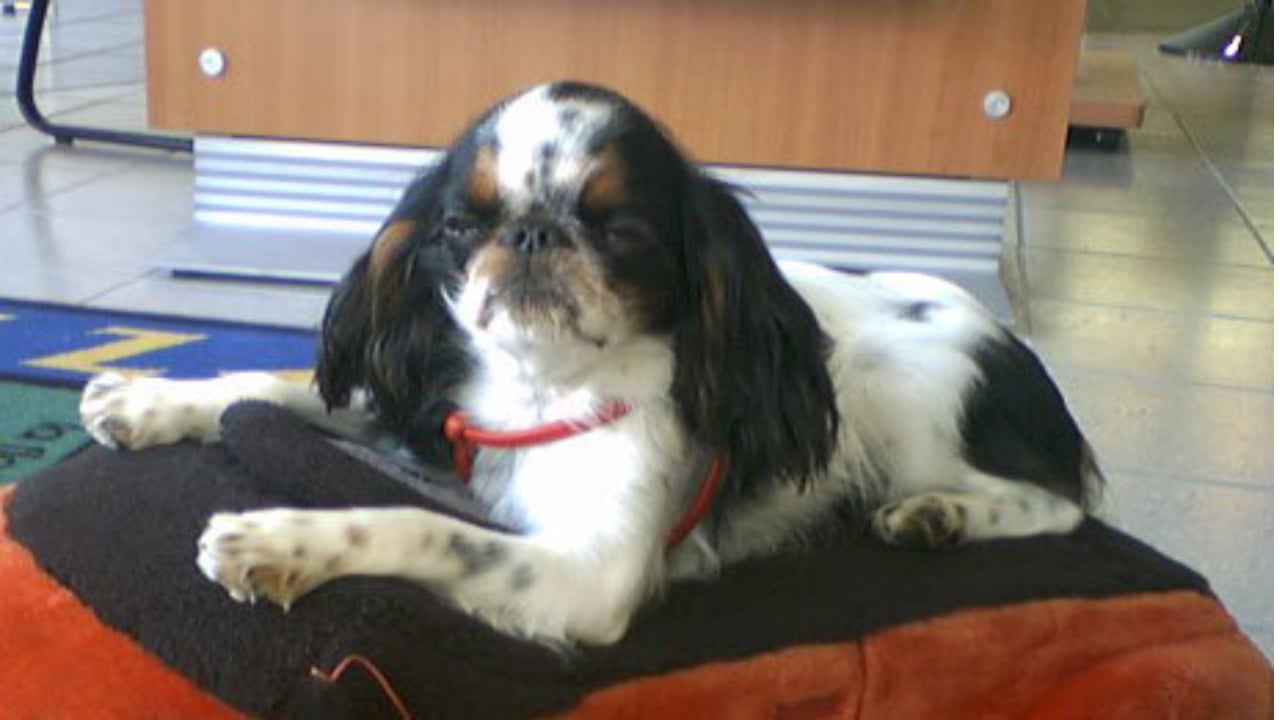
The English Toy Spaniel has a long history as a companion dog, but it competes directly with much more popular small breeds. Its short muzzle, heavy coat, and traditional appearance appeal strongly to some owners, yet many buyers gravitate toward more familiar toy breeds with broader breeder networks.
Small populations can be especially vulnerable when breeding decisions must also prioritize health. Maintaining quality while keeping enough genetic diversity requires careful planning. If fewer breeders remain committed to the breed, finding a healthy, responsibly bred English Toy Spaniel could become significantly harder.
Japanese Chin
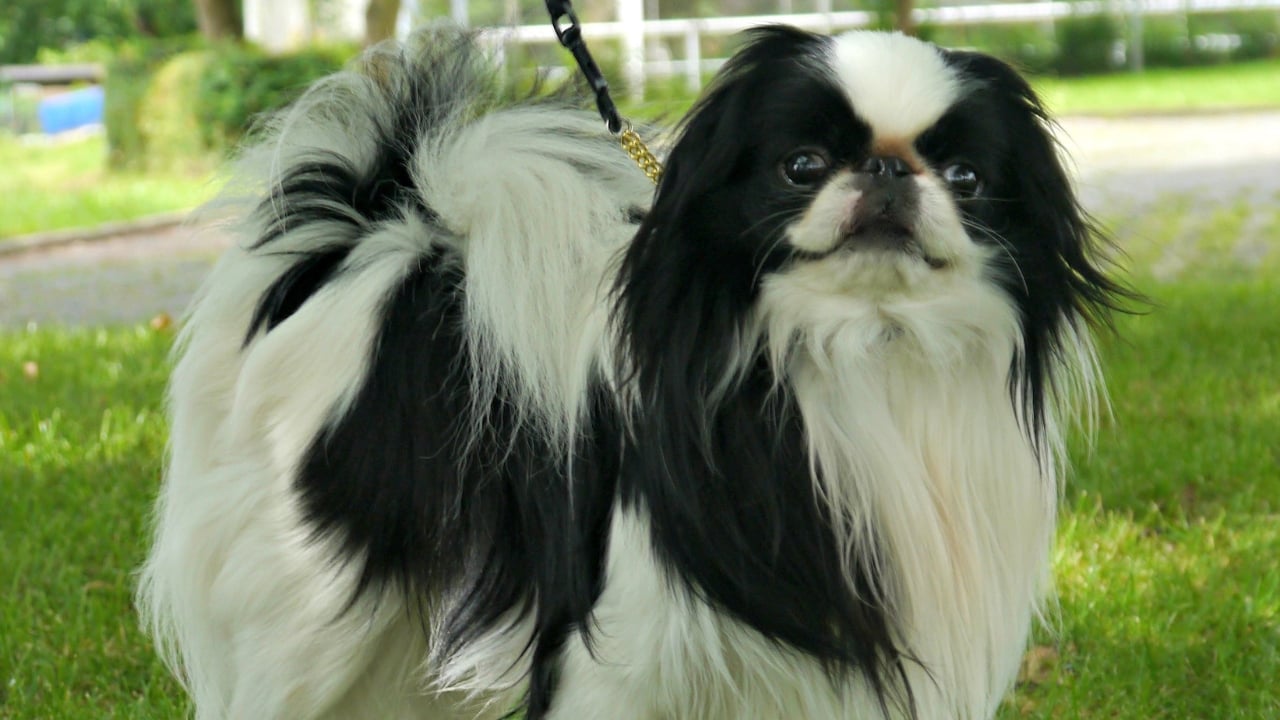
The Japanese Chin is elegant, quiet, and well suited to companion life, but it has never reached the popularity of many other toy breeds. It has a distinctive flat-faced appearance and a silky coat, yet it remains relatively uncommon in much of the United States. That limited visibility may become a bigger issue as buyers increasingly choose breeds they constantly see online.
The Chin still has devoted fans, but rare companion breeds depend heavily on breeder continuity. When a few experienced breeders retire without younger breeders replacing them, availability can change surprisingly fast. That makes the Japanese Chin a breed worth watching.
Löwchen
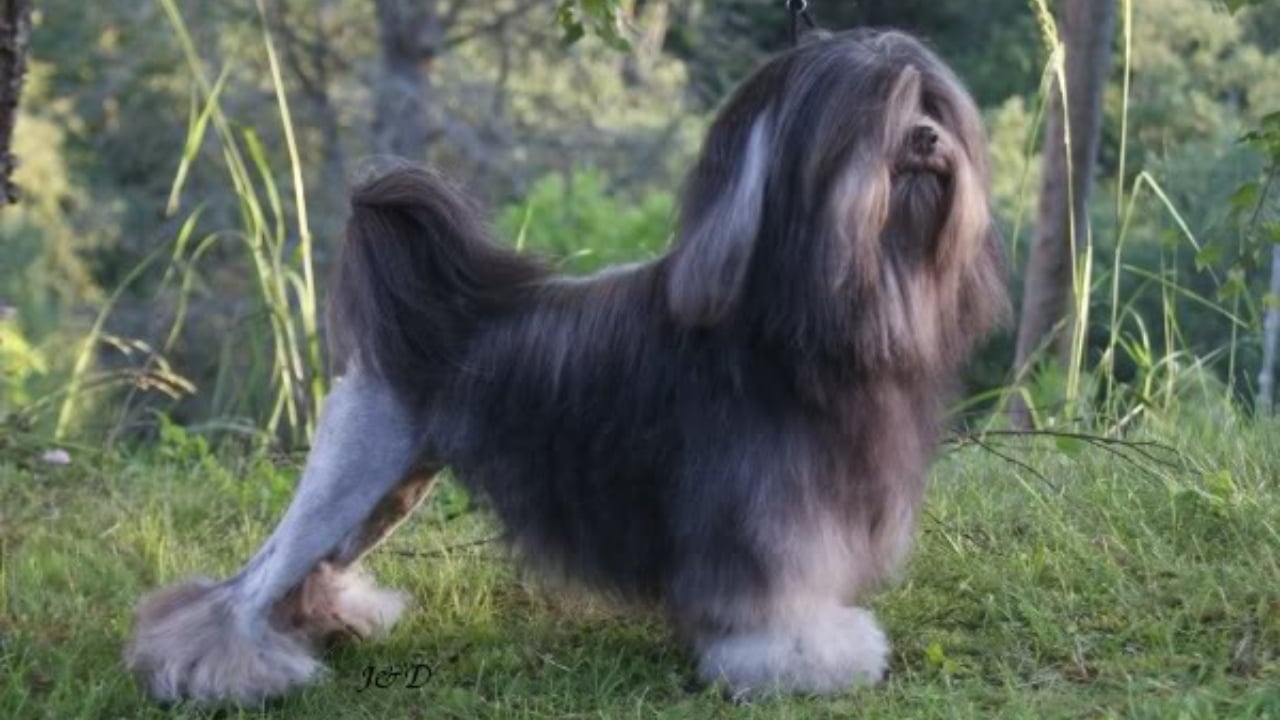
The Löwchen has spent much of its modern history being described as rare, and there is a reason for that. It is a small companion breed with an unusual traditional coat presentation and a cheerful temperament, but it lacks the broad recognition of more common toy and nonsporting breeds. Many potential owners simply never encounter one.
The breed’s small population means it relies on a limited number of dedicated breeders to maintain healthy lines. If that network does not grow, the Löwchen could remain available only to people willing to search nationally and wait for the right litter.
Finnish Spitz
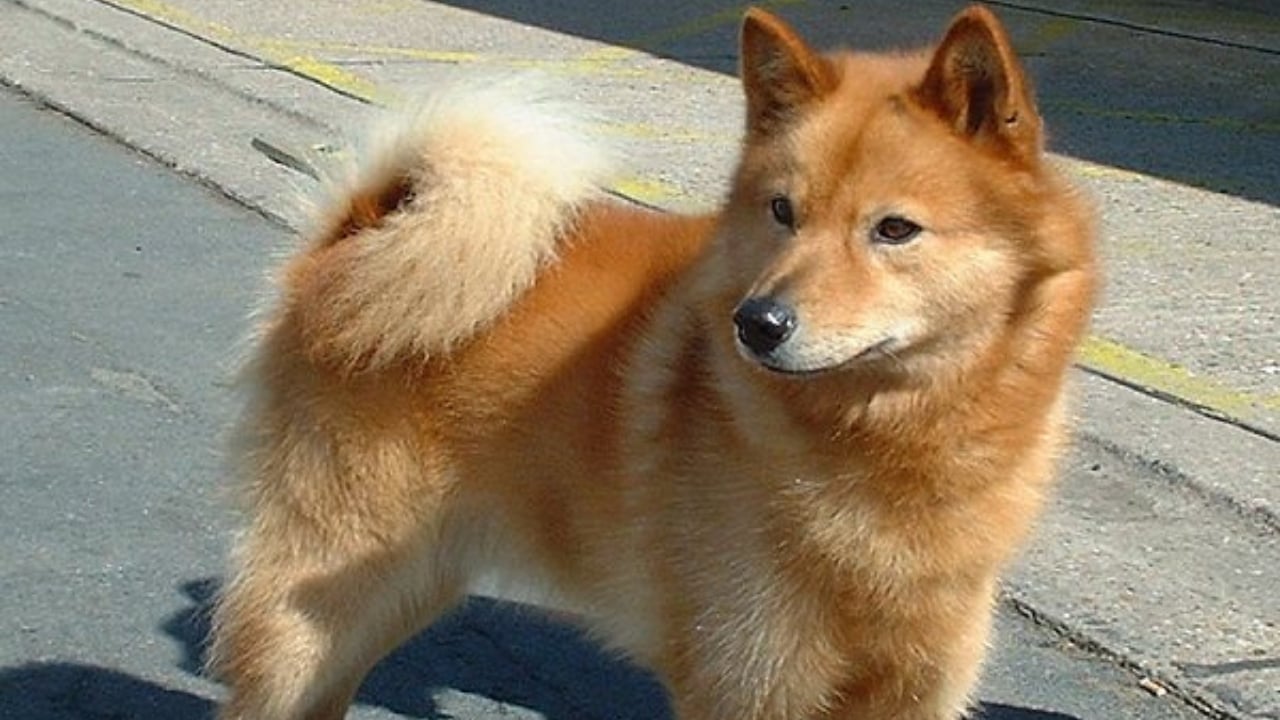
The Finnish Spitz is highly distinctive, but its traits are not for everyone. It was developed as a barking hunting dog, and vocal behavior is deeply connected to its traditional work. That can become a difficult fit in suburban neighborhoods where repeated barking quickly becomes a problem. The breed is also independent and more specialized than the average family pet.
Those characteristics limit the potential owner pool. Unless hunting enthusiasts and breed loyalists continue supporting it, the Finnish Spitz could become increasingly uncommon in areas where its original working role has little relevance.
Norwegian Lundehund

The Norwegian Lundehund is one of the most unusual dog breeds in the world. It has extra toes, extreme joint flexibility, and anatomical traits connected to its original job of hunting puffins along rocky Norwegian cliffs. Those adaptations make the breed fascinating, but its tiny population and well-known health challenges make breeding especially difficult.
This is not a breed that can expand quickly without careful genetic management. Its future depends heavily on specialized breeding programs rather than mass-market popularity. A decade from now, it could remain one of the hardest purebred dogs for an ordinary owner to find.
Swedish Vallhund
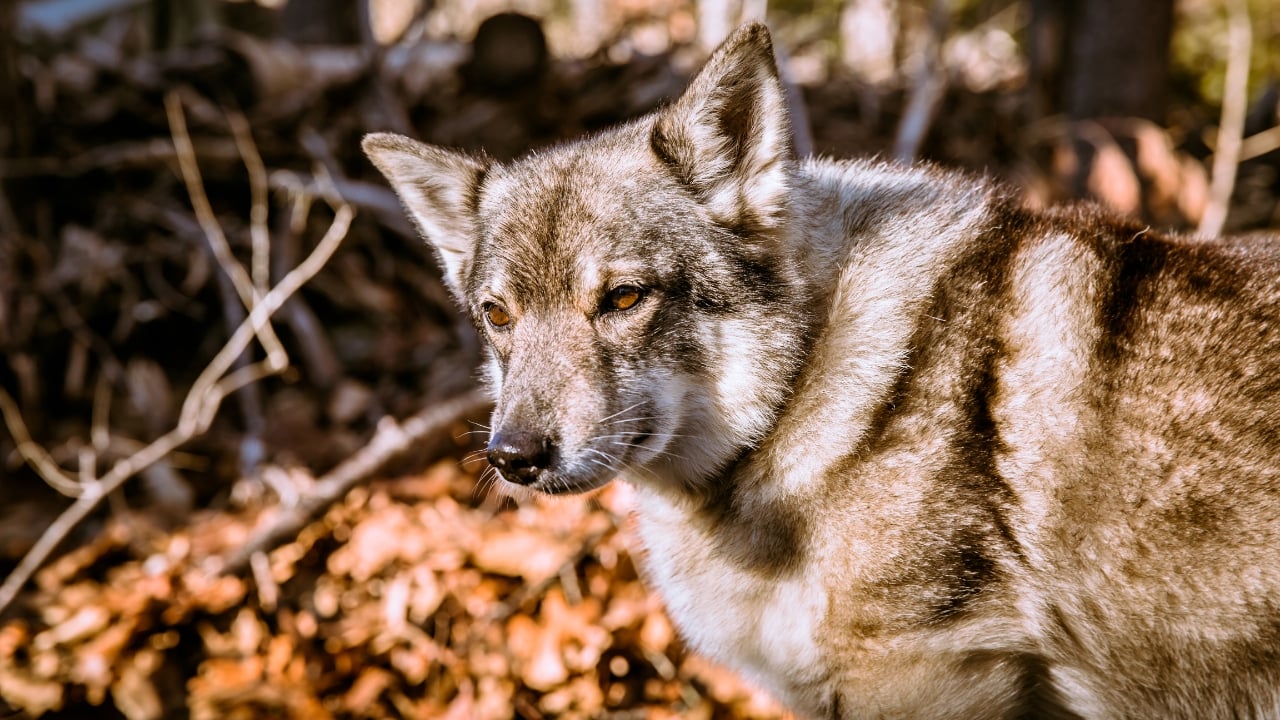
The Swedish Vallhund has gained some visibility in recent years, but it is still nowhere near as common as other herding breeds. Its compact body, energetic personality, and working instincts make it a fascinating dog, but also one that needs more activity and engagement than its size might suggest. Buyers who simply like the appearance may not be prepared for the temperament.
Because breeder numbers are relatively limited, availability can vary greatly by region. If the breed does not continue attracting serious working and sport homes, it could remain niche enough that finding a well-bred puppy becomes increasingly difficult.
Finnish Lapphund
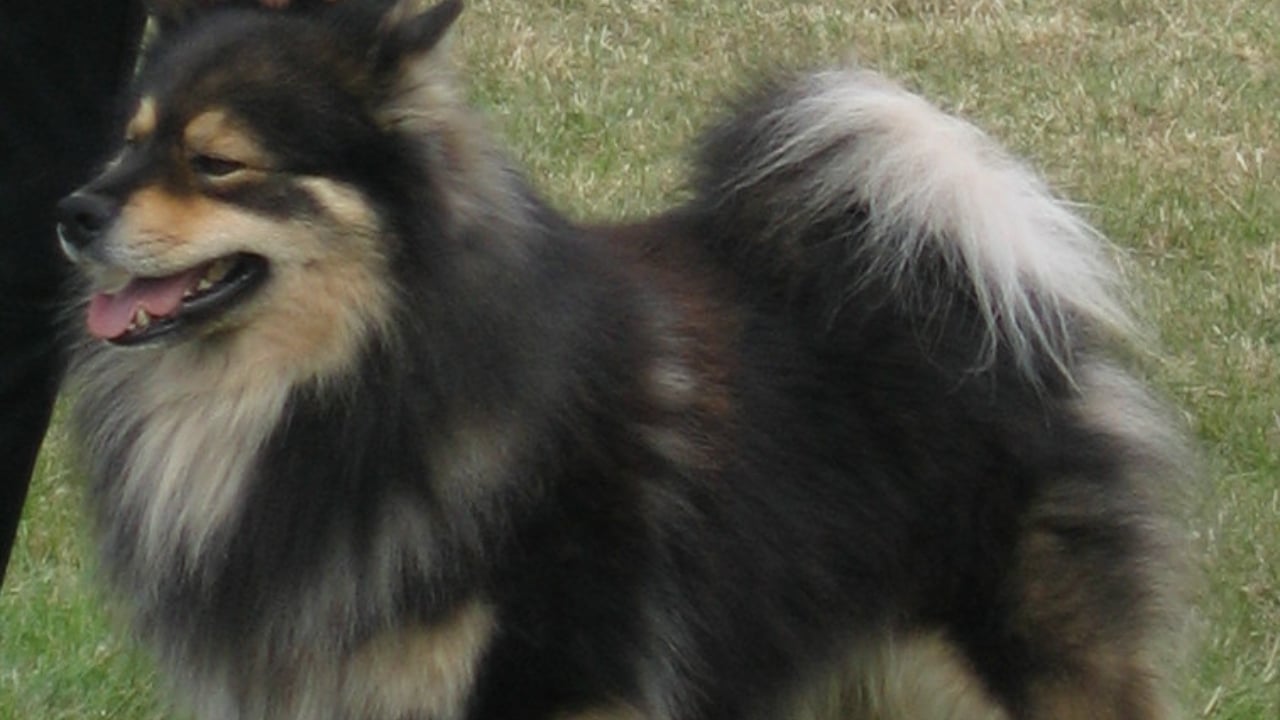
The Finnish Lapphund has many traits that should make it more popular: attractive coat, friendly temperament, moderate size, and strong northern-breed character. Yet it remains far less common than Huskies, Malamutes, and other recognizable northern dogs. Limited breeder numbers and a lack of mainstream exposure keep it from becoming an obvious choice for most families.
That could become a problem if younger breeders do not replace established programs. The breed may continue thriving globally while still becoming harder to find in specific countries and regions.
Chinook
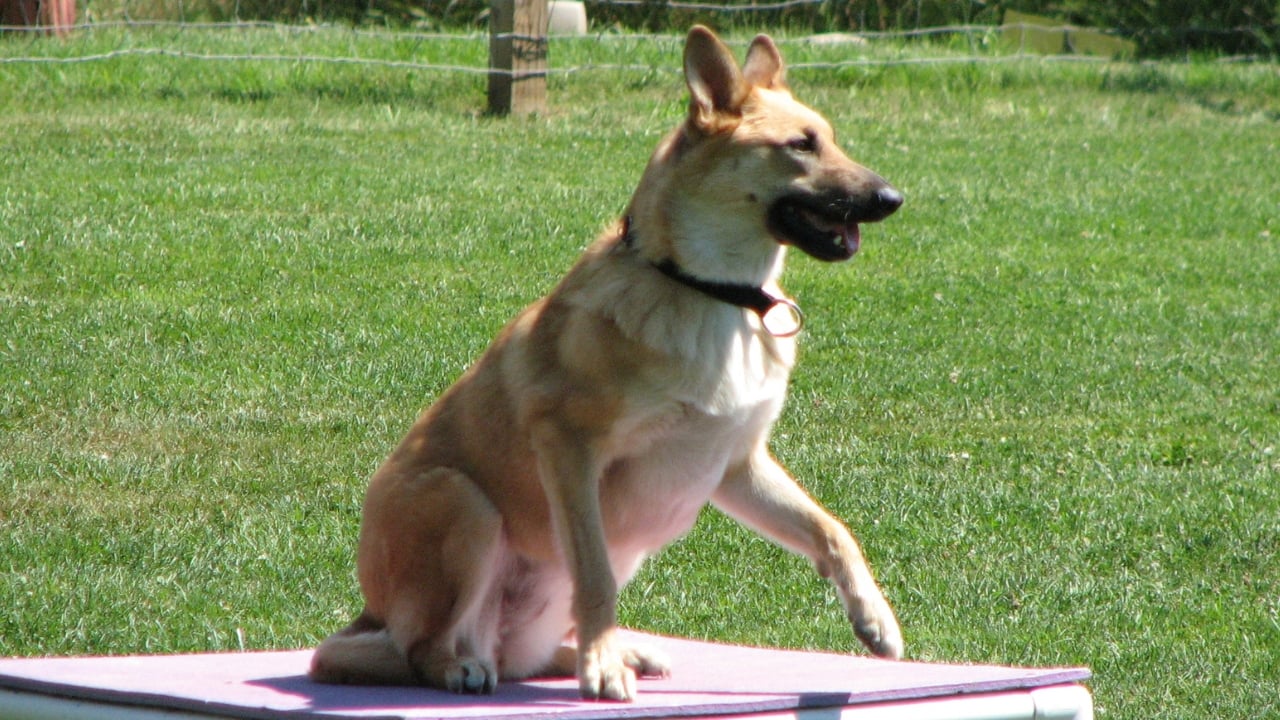
The Chinook is an American sled-dog breed with a history that deserves far more attention than it receives. It is generally described as more cooperative and less intense than some northern working breeds, but its population has always been relatively small. That means every breeding program matters disproportionately.
The breed’s biggest challenge is scale. A dog can have excellent traits and still remain vulnerable simply because too few people breed it. Without sustained interest, the Chinook could become even harder to locate outside the Northeast and a few established kennels.
American Water Spaniel

The American Water Spaniel is a versatile little hunting dog with deep Midwestern roots, but it lives in the shadow of much more famous retrievers and spaniels. It can retrieve, flush, and work around water, yet many hunters simply choose a Lab, Boykin, or Springer because those breeds are easier to find and have larger working communities.
When a working breed loses demand for its original job, pet popularity has to make up the difference. The American Water Spaniel has never become a major companion breed, which could make its breeder base increasingly fragile over time.
Cesky Terrier
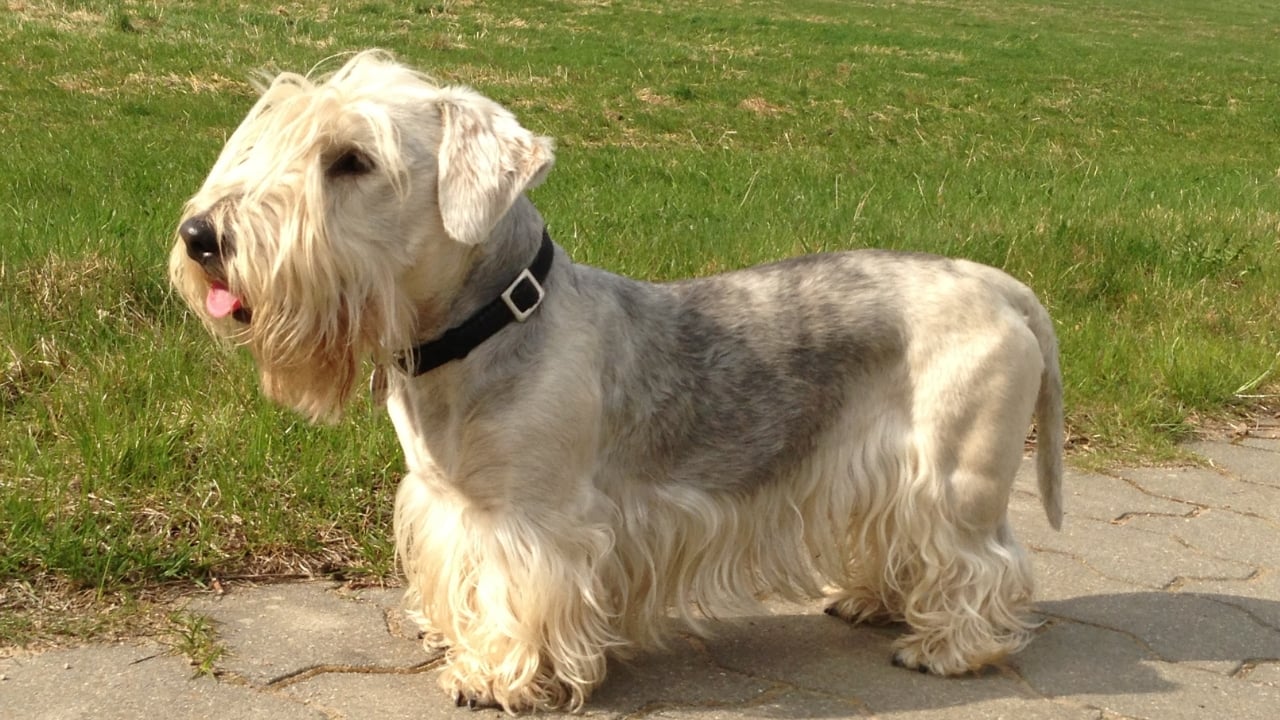
The Cesky Terrier was intentionally developed to be somewhat easier to handle than many traditional terriers, but it remains exceptionally uncommon. Its long, low body and silky coat give it a distinctive appearance, while the temperament is generally less intense than some of its relatives. Even with those advantages, it has never broken into the mainstream.
The problem is again visibility. Few families encounter a Cesky before choosing a dog, and rare breeds cannot grow without new owners becoming interested. If current breeder numbers shrink, the breed could become very difficult to find outside specialty circles.
Kuvasz

The Kuvasz is a serious livestock guardian with a long working history, but that same seriousness limits its appeal as a general family dog. It is large, independent, protective, and bred to make decisions without waiting for constant direction. Those traits can be incredibly valuable on the right property and overwhelming in the wrong home.
As more dog buyers live in suburban settings, breeds like the Kuvasz depend heavily on livestock owners and experienced guardian-dog people. If demand continues shifting toward easier companion breeds, the number of active breeders could shrink substantially.
Komondor

The Komondor may be one of the most visually distinctive dogs in existence, but the famous corded coat is also a major commitment. Coat maintenance, drying, cleanliness, and general management take far more work than most families expect. Add the breed’s independent livestock-guardian temperament and large size, and the pool of suitable owners becomes relatively small.
That combination could make the Komondor increasingly rare even if the breed remains respected. It requires owners who genuinely need or appreciate what it was bred to do, not people looking for an unusual appearance. If that working base shrinks, finding one could become much harder over the next decade.
Like The Avid Outdoorsman’s content? Subscribe to our newsletter so you never miss an article.
Here’s more from us: