Photo credit: Photohobbiest/Shutterstock.com
Some dogs tolerate being outdoors. Others seem to come alive the moment they have acreage, cold air, livestock, trails, or something to patrol. That preference usually comes from what the breed was developed to do. Livestock guardians, northern sled dogs, farm dogs, and certain hunting breeds were built around spending long stretches outside rather than lounging on a couch all day.
That does not mean they should be neglected outdoors or left exposed to dangerous heat, cold, or poor weather. Even hardy breeds still need shade, fresh water, shelter, veterinary care, and regular interaction. The point is that these 20 breeds generally make more sense in homes where outdoor space is part of daily life, and many are noticeably happier when they have real room to move and a purpose beyond indoor companionship.
Great Pyrenees

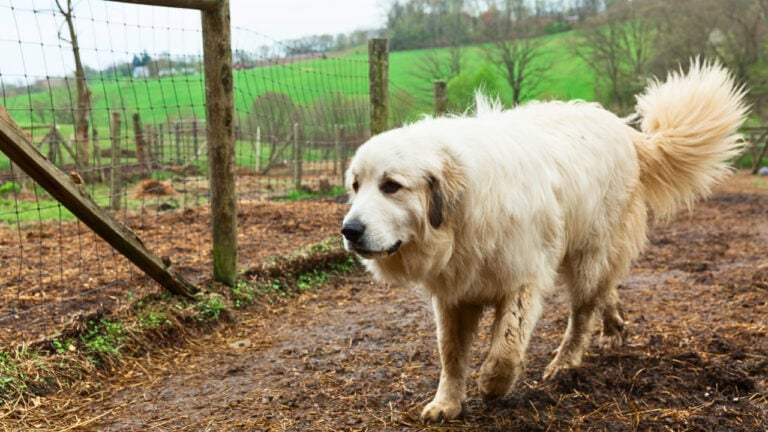
Great Pyrenees are one of the clearest examples of a breed that often prefers life outside. They were developed to stay with livestock, patrol territory, and remain alert through the night rather than wait inside for somebody to give them something to do.
Many Pyrs will happily spend hours lying where they can see the property, then get up and patrol once the sun goes down. Their heavy double coat handles cold weather extremely well, although summer heat still requires shade and water. They are also independent enough that constant indoor confinement can frustrate them. Give a Pyr room, livestock or territory to watch, and a good shelter, and the breed often looks completely at home outside.
Anatolian Shepherd
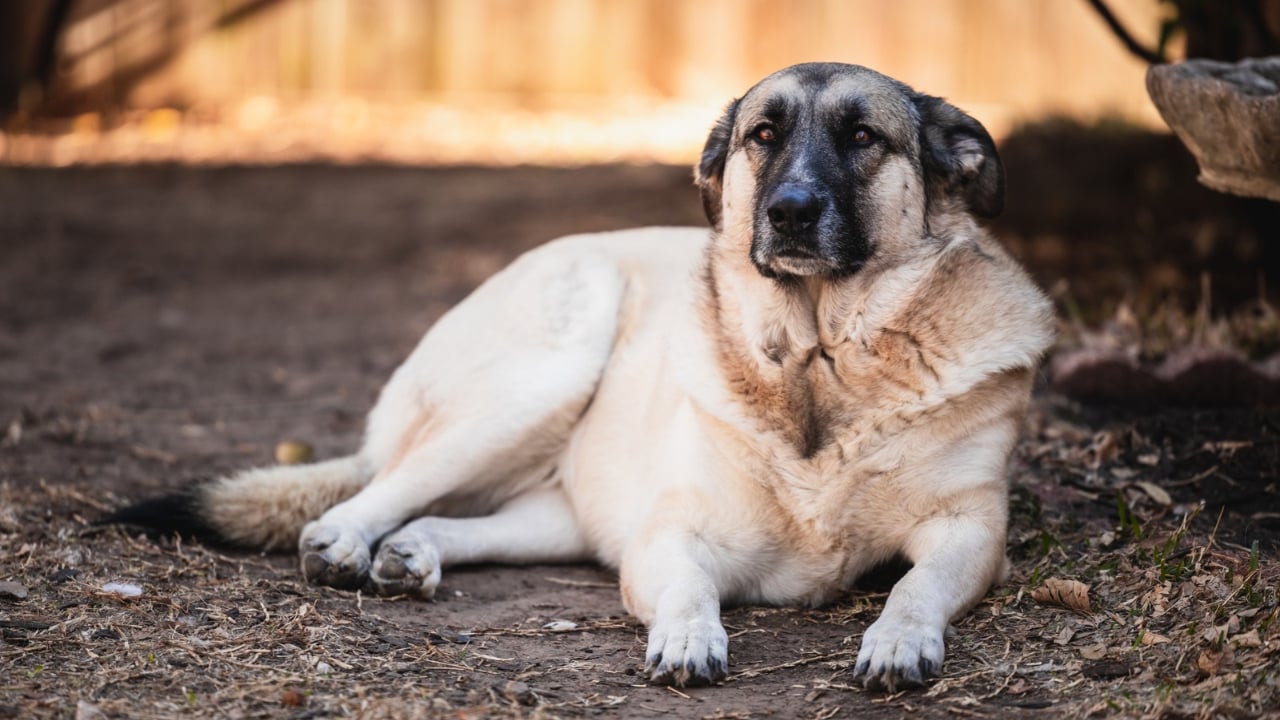
Anatolian Shepherds were built around open land and independent work. They tend to be far more interested in monitoring a property than sitting beside someone indoors all day.
That makes them especially well suited to farms and acreage. An Anatolian may choose a spot where it can watch several directions at once, then move quietly from one area to another without being asked. Their coat handles changing weather reasonably well, though extreme heat still needs to be managed carefully. They are not clingy dogs by nature, and many seem most settled when they have enough room to patrol without feeling boxed in.
Siberian Husky
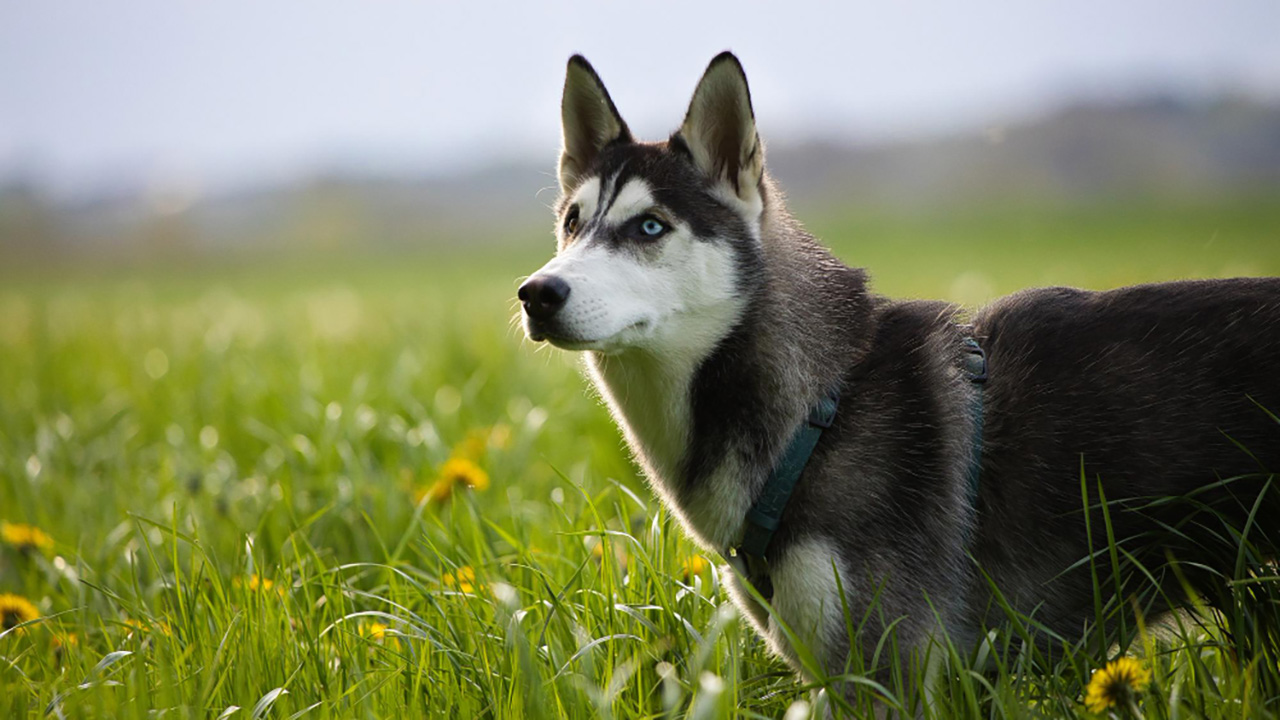
Huskies are famous for loving cold weather, and plenty of them will choose snow over a warm living room without hesitation. Their dense double coat was built for harsh northern climates.
The problem is not getting them to enjoy the outdoors. It is keeping them contained. Huskies are athletic, curious, and well known for escaping when boredom sets in. A secure yard or acreage with proper fencing matters far more than simply opening the back door. They also need exercise and interaction, not isolation. In the right climate and setup, though, few breeds are happier spending long stretches outside.
Alaskan Malamute

Malamutes were developed to haul heavy loads through cold environments, so outdoor life suits them naturally. Their thick coat, powerful build, and calm endurance make them extremely comfortable in cold weather.
They can struggle in hot climates, which means shade, airflow, and limiting activity during heat are critical. Malamutes also need enough space and something to do because they are too strong and intelligent to remain bored for long. Given room and cool weather, many would rather lie in the yard or snow than spend the entire day indoors.
Akita

Akitas have a thick double coat and a naturally independent personality, both of which make them comfortable spending substantial time outside.
They tend to enjoy having a territory to observe and are often less needy than breeds bred primarily for companionship. That does not mean they should be turned loose without structure. Akitas can be territorial and dog-selective, so fencing and management matter. In cooler weather, though, they often seem perfectly content outside for hours while other dogs are waiting at the door.
Norwegian Elkhound

Norwegian Elkhounds were bred for harsh weather and demanding hunting work. Their dense coat and energetic temperament make outdoor activity feel natural.
They tend to enjoy hiking, tracking scents, exploring property, and staying involved with whatever is happening outside. They are social enough that they still want regular interaction with their people, but they are not usually fragile dogs that need climate-controlled comfort all day. Give them cool weather and something to investigate and they are in their element.
Finnish Lapphund
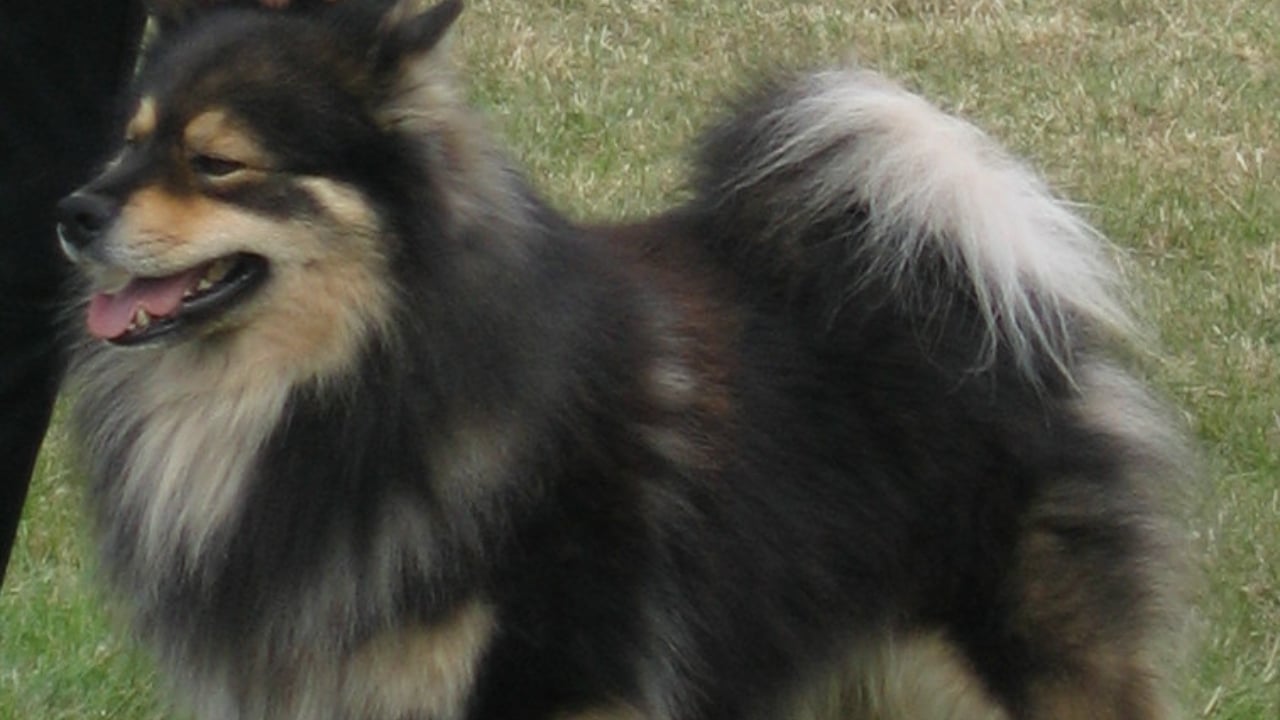
The Finnish Lapphund comes from a background of herding reindeer in northern climates, so cold weather and outdoor work are built deeply into the breed.
Their thick coat handles low temperatures very well, and they usually enjoy having room to move. They are more people-oriented than many livestock guardians, so they do not typically want to be isolated from the family. Still, daily outdoor activity is important. A Lapphund that gets regular access to land, snow, trails, or work is generally much happier than one living a mostly indoor routine.
Samoyed
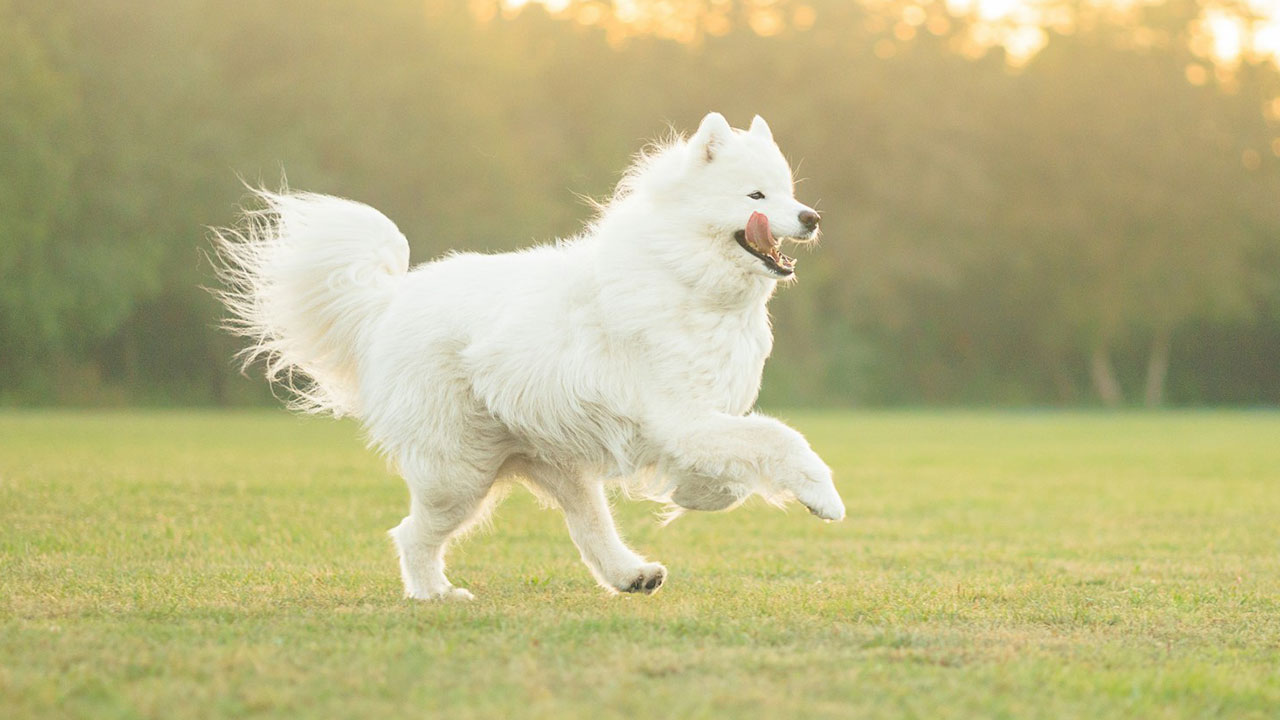
Samoyeds look like fluffy companion dogs, but the breed was developed for hard northern work. Pulling sleds, herding reindeer, and living in cold conditions shaped both their coat and temperament.
They usually love being outside when the weather is cool. Snow can almost seem to energize them. The thick coat becomes more challenging in hot climates, so summer management matters. Samoyeds also remain very social dogs, which means they are not suited to being ignored outside. They want outdoor life with their people, not outdoor isolation.
Kangal
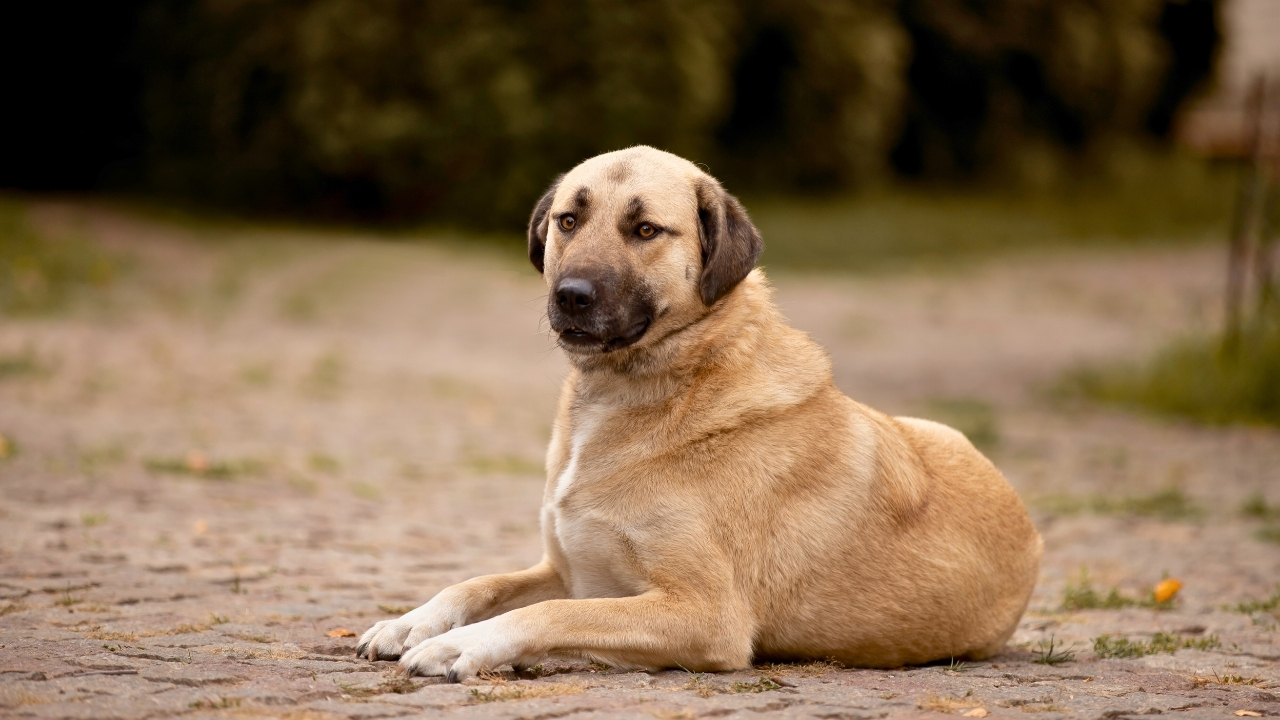
Kangals are livestock guardians built to spend long hours outside monitoring open land. Their entire working style depends on being present where the animals and potential threats are.
They are independent enough to remain focused without constant direction and tend to settle into a rhythm of resting, watching, and patrolling. A Kangal usually makes far more sense on acreage than in a tightly confined suburban environment. They still need shelter and proper boundaries, but this is a breed whose natural setting is outdoors with territory to protect.
Maremma Sheepdog

Maremmas were developed to live with sheep, which means outdoor life is not an occasional activity for them. It is part of the job.
A properly raised Maremma often prefers staying near livestock rather than following the family inside. They tend to choose elevated or open spots where they can keep track of movement around the property. Their weather-resistant coat helps them handle cold and wet conditions well, though summer heat still deserves attention. On a working farm, they often look more comfortable outside than anywhere else.
Kuvasz
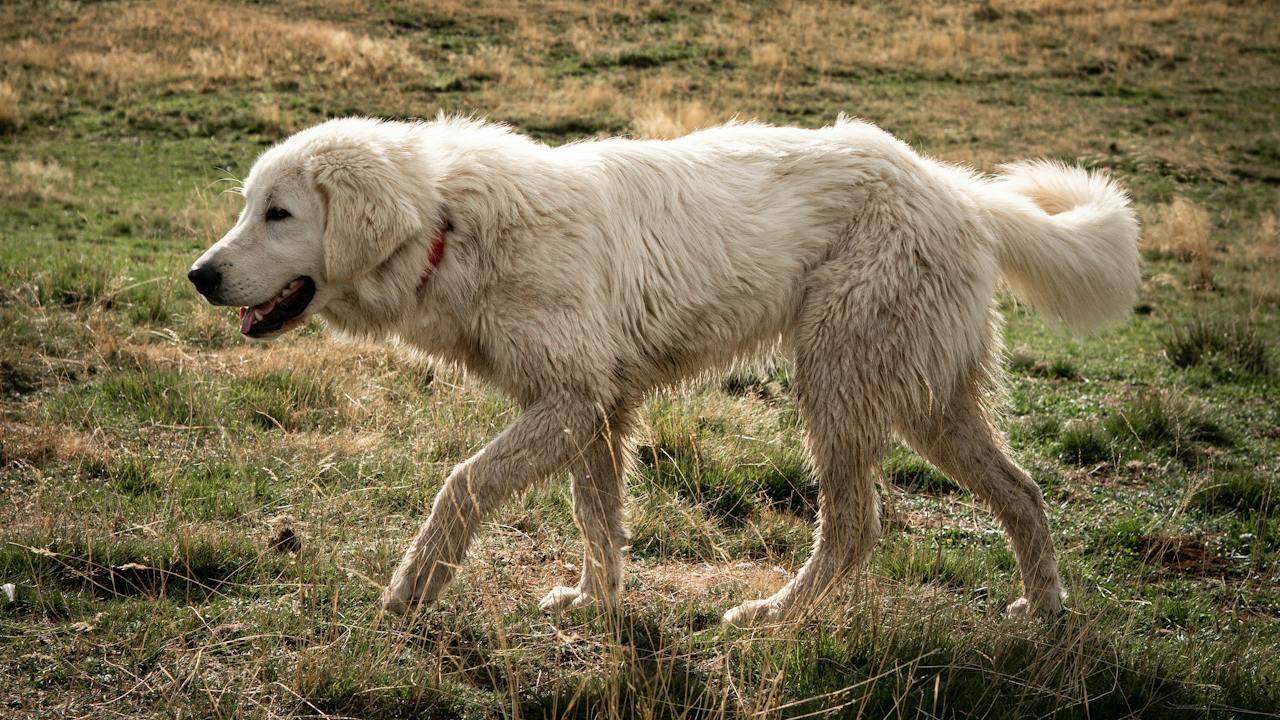
The Kuvasz is another livestock guardian that tends to take naturally to outdoor life. They are athletic, independent, and built to remain alert over large areas.
They usually appreciate room to move and can become restless if confined too tightly. Their heavy coat makes them especially comfortable in cold climates. Like other guardian breeds, they also need clear boundaries because a dog bred to patrol will often expand its patrol if allowed. A well-managed Kuvasz with acreage and a purpose generally has little trouble spending most of the day outside.
Komondor

Komondors were bred to remain with livestock around the clock, which makes them naturally suited to outdoor environments.
Their corded coat provides substantial protection from weather, although it also requires serious maintenance and can become difficult in wet or muddy conditions. These dogs are independent, watchful, and usually more interested in monitoring territory than entertaining themselves indoors. They need socialization and management because their guarding instincts are strong, but in a proper working setup they are very much at home outside.
Australian Cattle Dog
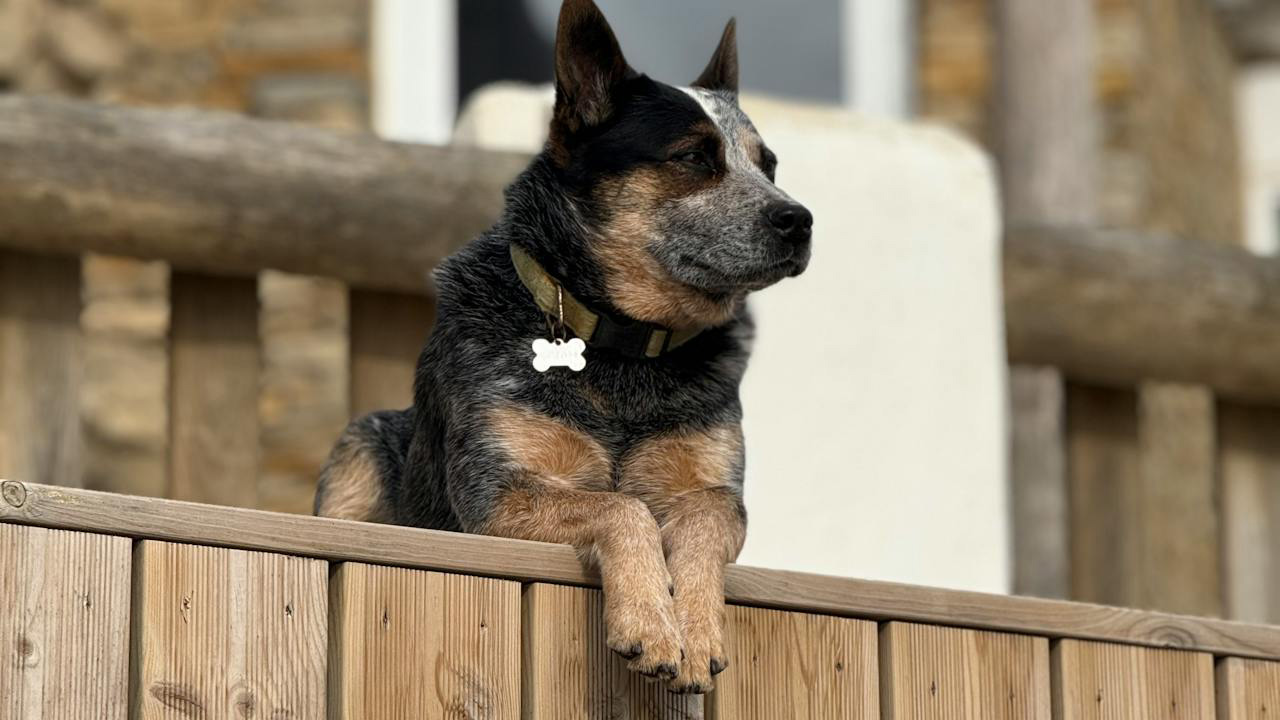
Australian Cattle Dogs do not have the same cold-weather coat as northern breeds, but they are built for long days of outdoor work. They are tough, energetic, and happiest when moving.
A cattle dog left indoors with nothing to do can become difficult fast. Give it chores, livestock, acreage, or regular outdoor work and that intensity becomes useful. They can handle heat better than many heavy-coated breeds, though they still need shade and water. These are dogs that often prefer being part of whatever is happening outside rather than lying around indoors.
Australian Kelpie
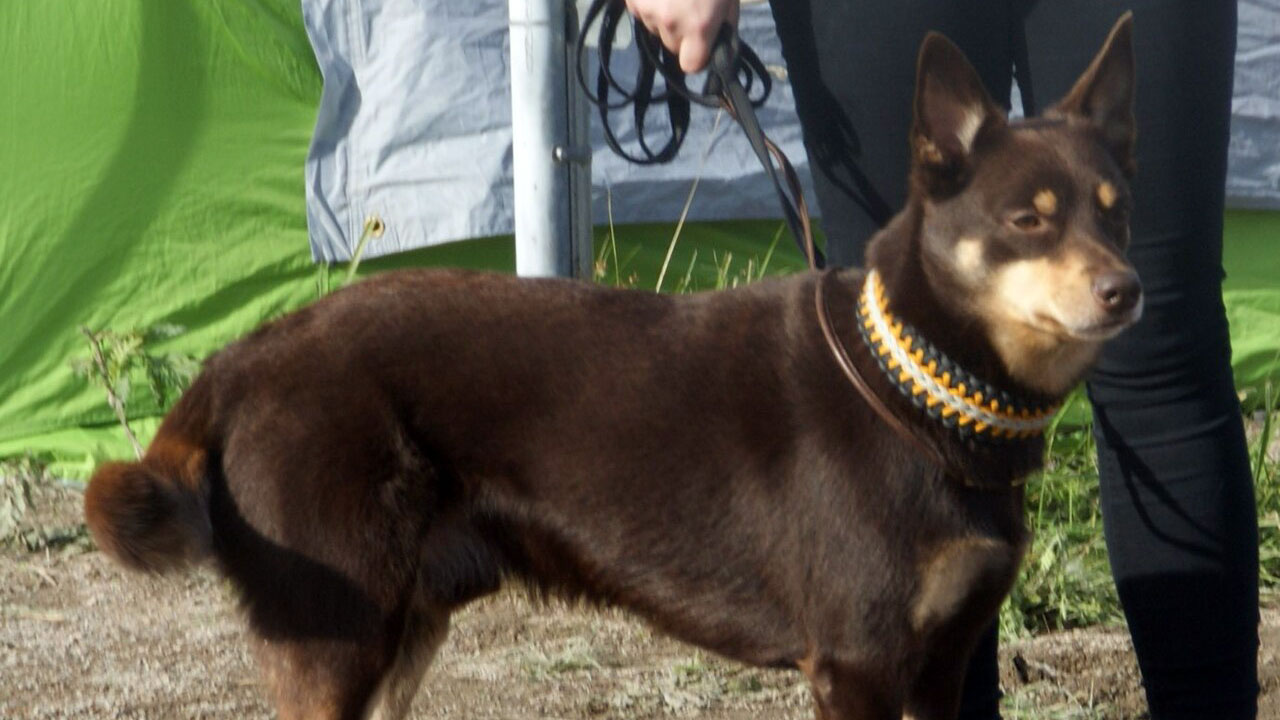
Kelpies were developed to cover huge amounts of ground while working livestock, often in hot and demanding conditions.
That makes them natural outdoor dogs. They are light, athletic, and efficient enough to spend long days moving without carrying excessive bulk or coat. They still need mental work as much as physical exercise, so simply leaving one in a yard is not enough. On a farm where there is stock to move or daily chores to follow, a Kelpie is far more likely to be satisfied.
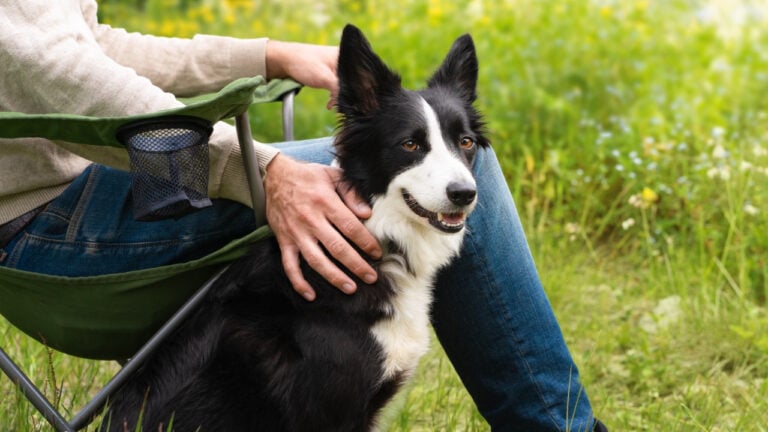
Border Collie

Border Collies are highly people-focused, but they are also working dogs that generally need much more outdoor activity than the average companion breed.
They thrive on movement, space, and tasks. A Border Collie may technically live indoors but still spend most of the day waiting for the next chance to get outside and work. Their weather tolerance is decent, especially in rough-coated lines, but the real issue is mental stimulation. Outdoor life gives them far more opportunities to use their brains and bodies in the way they were bred to.
German Shepherd Dog

German Shepherds are adaptable enough to live indoors, but many working-line dogs clearly prefer having access to a yard, acreage, or outdoor job.
They are active, alert, and naturally interested in what is happening around the property. A shepherd with enough outdoor activity is often calmer and easier to live with than one confined most of the day. Their double coat handles cold reasonably well, but hot weather still needs careful management. They usually want to be near their people, though, so they are better described as dogs that love outdoor life rather than dogs that want isolation.
Black Mouth Cur

Black Mouth Curs were developed around hunting, stock work, and rural life, so being outside fits them naturally.
They tend to be athletic, heat tolerant, and capable of spending long hours following people around farms or through woods. Their coat is easy to maintain, and they often prefer having land to explore rather than being confined indoors. They do form strong bonds with family, so they still want interaction. A rural property where they can work and move is usually a much better fit than a sedentary indoor lifestyle.
Catahoula Leopard Dog

Catahoulas were built for hard outdoor work, including cattle and hog hunting in rough Southern terrain.
They are energetic, independent, and generally happiest when they have a real reason to be outside. Their short coat handles heat better than the heavy guardian breeds, although cold weather requires more attention. Catahoulas also need structure because a bored one can become destructive or start finding its own jobs. On acreage with regular work, their outdoor drive makes much more sense.
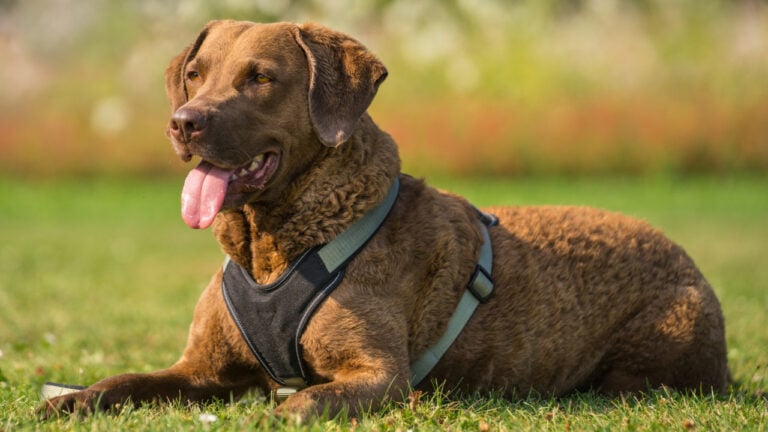
Chesapeake Bay Retriever
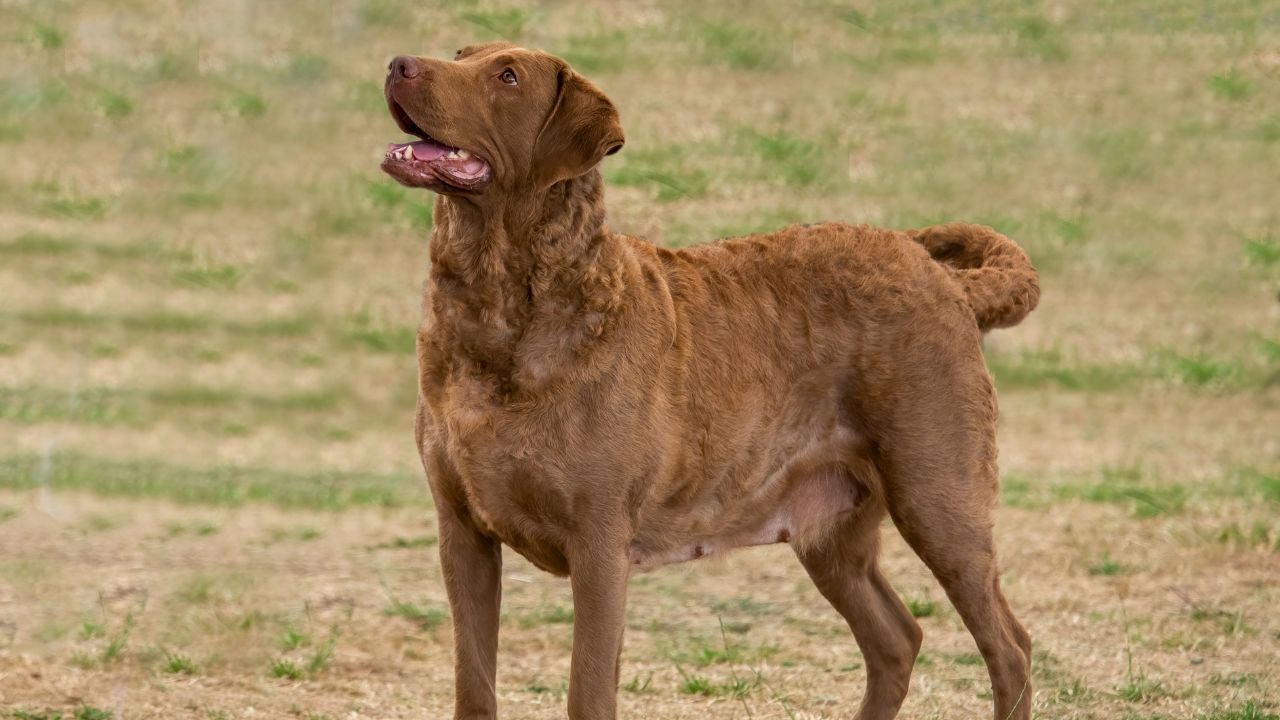
The Chesapeake Bay Retriever was developed to retrieve waterfowl in cold, rough conditions. Its dense, oily coat gives it excellent weather resistance compared with many other sporting breeds.
Chessies often enjoy being outside in weather that sends other dogs back to the house. Water, mud, cold wind, and long days in the field are all part of what they were built to handle. They are also more independent and serious than many retrievers. A home with outdoor activity, hunting, or access to water suits them far better than a low-activity indoor routine.
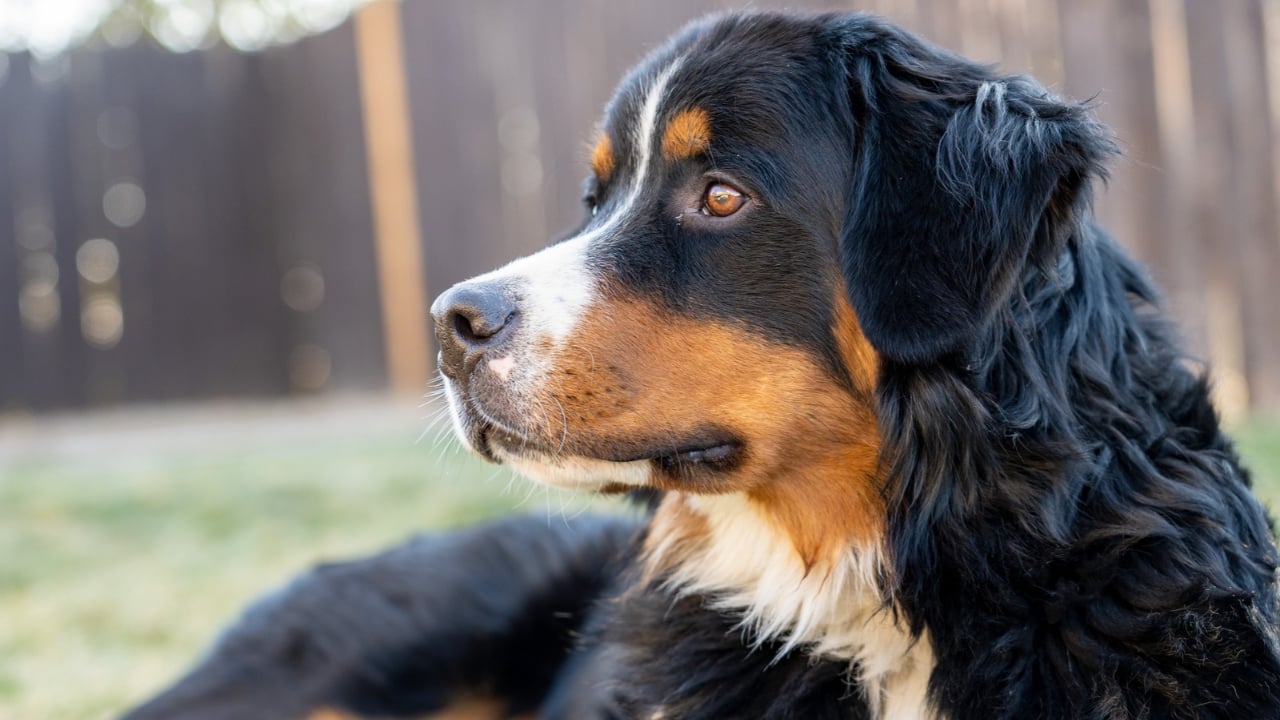
Bernese Mountain Dog
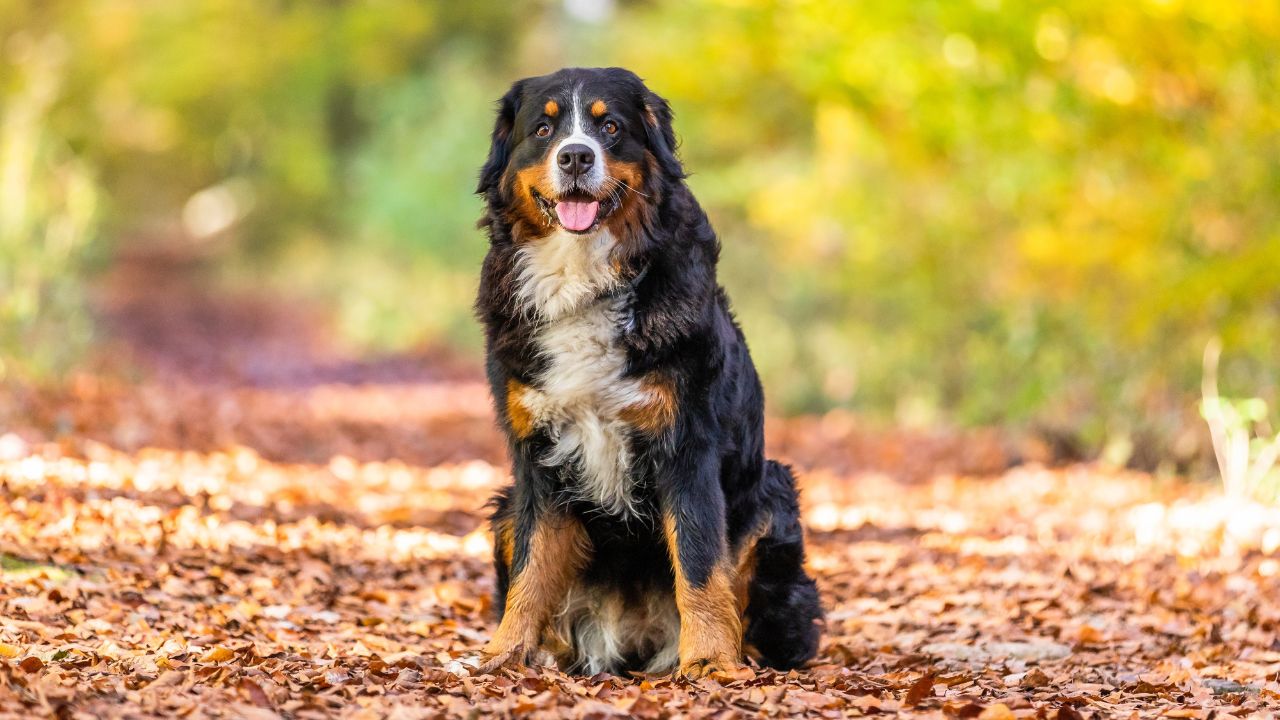
Bernese Mountain Dogs were developed as farm dogs in the Swiss Alps, so cool-weather outdoor life fits them naturally.
They tend to enjoy wandering a property, following chores, and lying outside when temperatures are comfortable. Their heavy coat makes heat the biggest limitation. In warm climates, they need careful summer management and should never be pushed during the hottest part of the day. In cool weather, though, many Berners will happily choose the yard over the couch and seem far more comfortable with space around them.
Like The Avid Outdoorsman’s content? Subscribe to our newsletter so you never miss an article.
Here’s more from us: