Photo credit: boumapetrovice/Pixabay.com
Some dogs are friendly with nearly everybody they meet. Others are naturally more watchful. They notice the unfamiliar truck in the driveway, the stranger walking toward the house, or the animal moving along the edge of the property before anyone else does. That instinct can make certain breeds exceptional family guardians.
The important distinction is stability. A good protective dog is not looking for trouble. It is confident enough to remain calm until something actually seems wrong, then serious enough to respond if necessary. Training and socialization still matter enormously, especially with large guardian breeds. These 20 are known for taking their people and territory seriously, and many become surprisingly gentle around the family they consider their own.
German Shepherd Dog

German Shepherds are one of the easiest breeds to understand when it comes to family protection. They were developed to work closely with people, remain aware of their surroundings, and respond quickly when something changes.
A good shepherd tends to keep track of where family members are and who is approaching them. That does not mean every dog should be encouraged to act aggressively. The best ones are stable enough to distinguish normal visitors from genuinely unusual behavior. Their trainability also gives owners much more control than they might have with a highly independent livestock guardian. The breed’s biggest weakness is poor breeding. Nervous or unstable shepherds can become reactive instead of protective, so temperament matters just as much as appearance.
Rottweiler
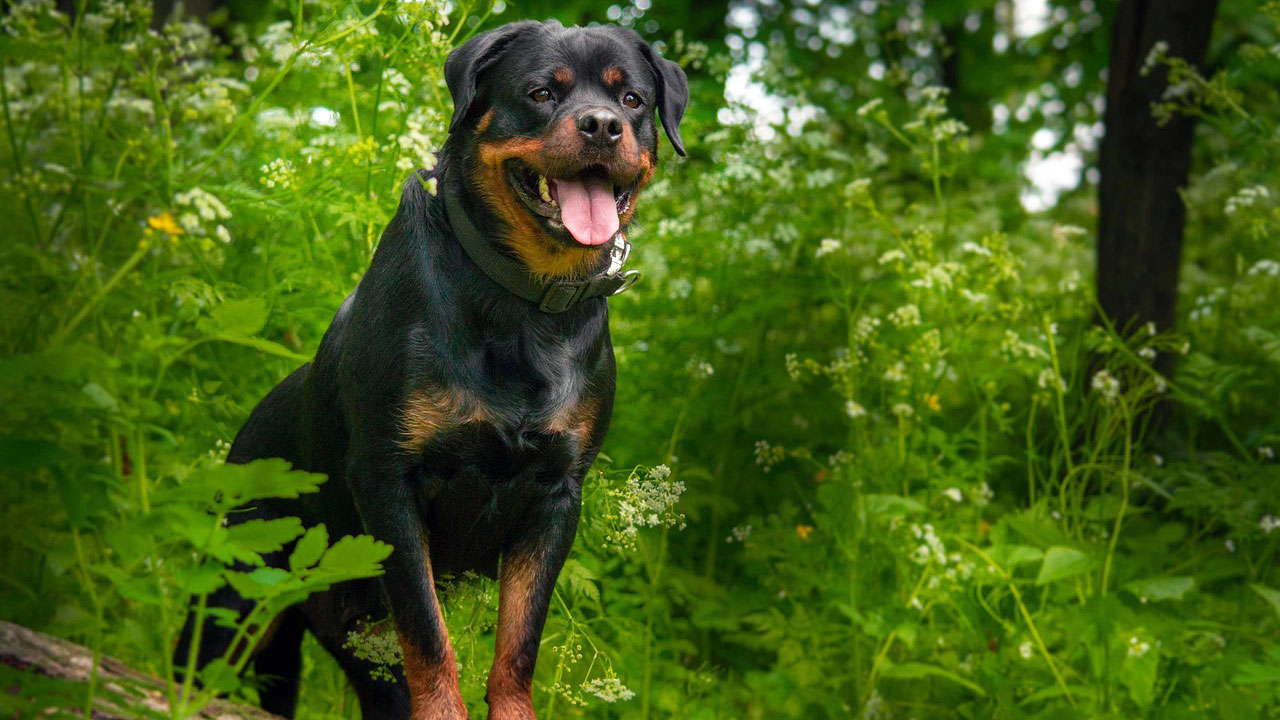
Rottweilers often combine strong family attachment with a naturally serious presence around strangers. They can be affectionate, playful, and almost silly at home while becoming much more observant when somebody unfamiliar approaches.
That switch is what makes them effective guardians. A stable Rottweiler does not need to bark at everything to make its presence known. Size, confidence, and body language do much of the work. They also tend to stay physically close to their people, which means the protective instinct is often centered on the family rather than simply the property. Early obedience matters because a mature Rottweiler is extremely powerful. The goal is a dog that takes family safety seriously while still accepting direction instantly.
Doberman Pinscher

Dobermans were developed specifically around personal protection, and that history still shows in how closely many of them monitor their owners. They are often called velcro dogs because they want to remain near their person rather than patrolling far away.
That close attachment can make them excellent family guardians. They notice changes in tone, movement, and routine quickly, and many will naturally place themselves between their person and something unfamiliar. Their athleticism also means they can react much faster than heavier mastiff-type breeds. The tradeoff is that Dobermans need regular interaction and training. They are emotionally connected enough that poor socialization can create unnecessary suspicion. A well-bred, well-trained Doberman is usually alert without being chaotic.
Cane Corso
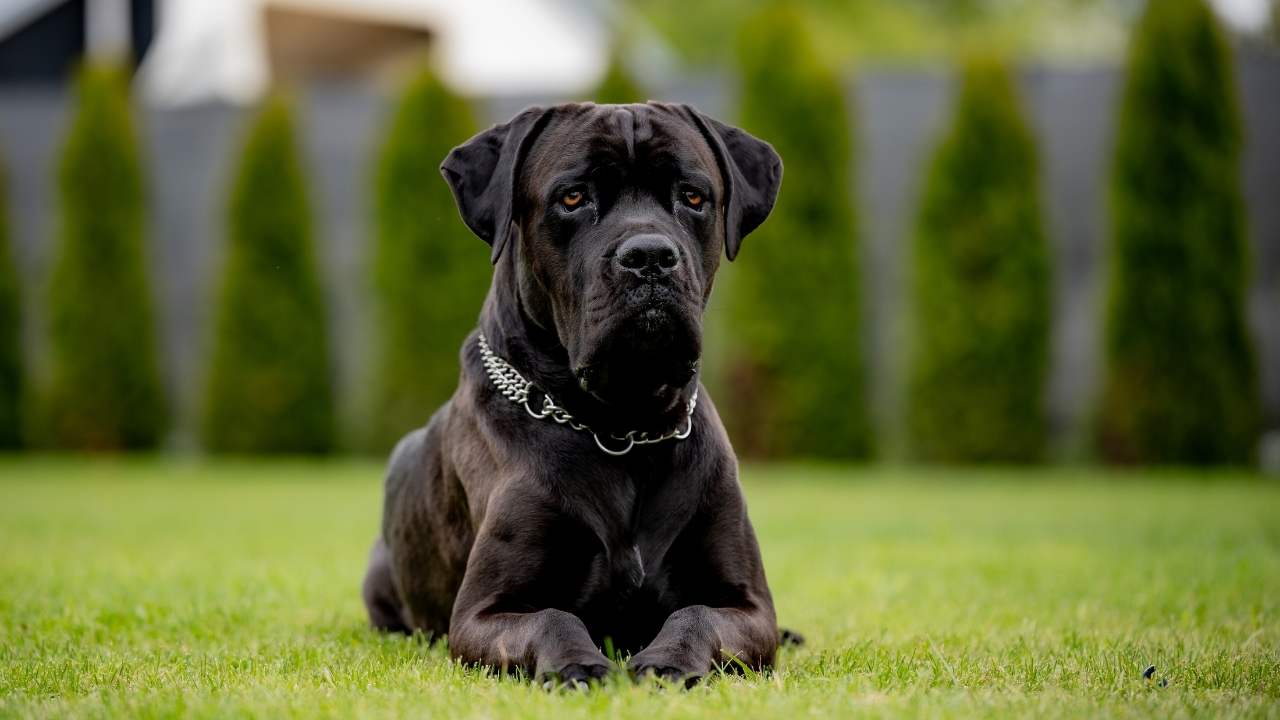
The Cane Corso is a serious guardian breed with enough size and confidence that its presence alone can discourage trouble. They tend to bond closely with their household and are often naturally reserved around unfamiliar people.
What separates the Corso from a simple watchdog is willingness to stay involved. Many keep themselves close to family members and watch interactions instead of simply barking from a distance. That can be extremely reassuring, but the same instinct requires careful management. A dog this strong cannot be allowed to decide every stranger is a threat. Early socialization, leash manners, and calm obedience are essential. In experienced hands, the Corso can be both an affectionate family dog and a very convincing guardian.
Bullmastiff
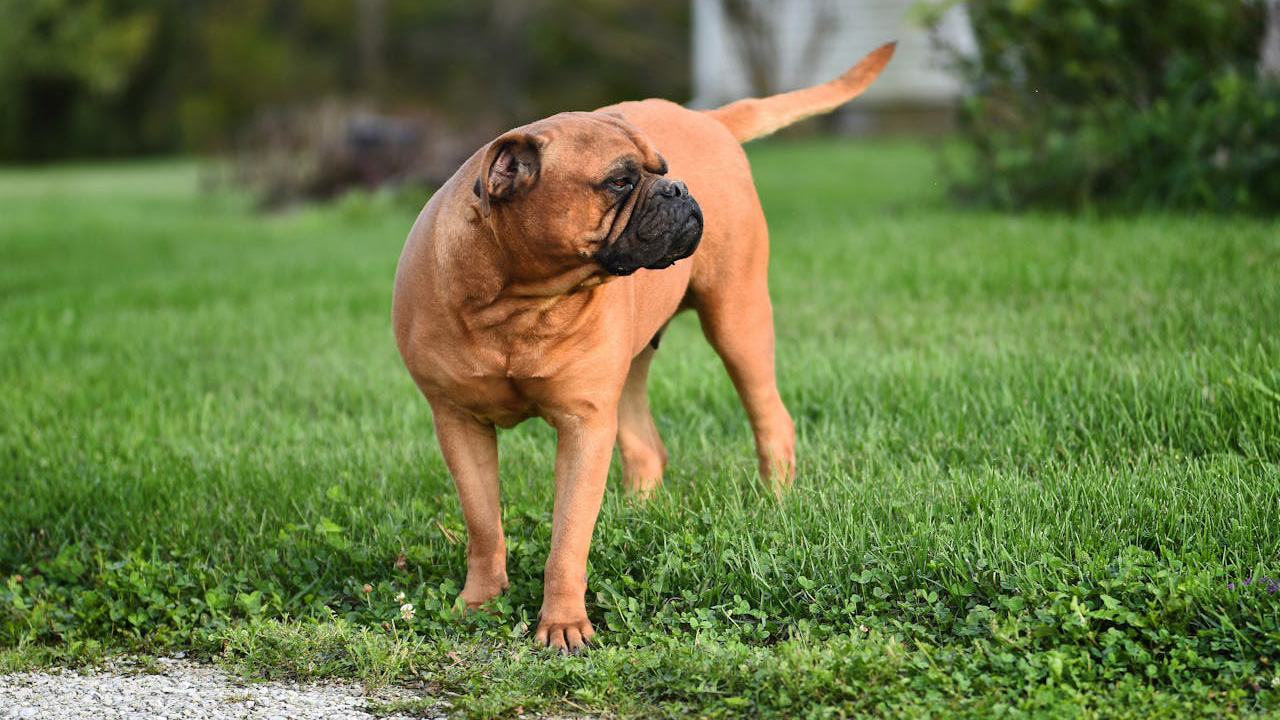
Bullmastiffs were developed to help gamekeepers stop intruders, which gave them a different guarding style from dogs bred mainly to bark alarms. They tend to rely more on size, confidence, and physical presence.
Around family, many are calm and affectionate. Around unfamiliar activity, they can become much more serious. The breed is less frantic than many working guardians, which can make a stable Bullmastiff surprisingly easy to live with despite its size. The biggest challenge is physical power. A poorly trained adult can be difficult to control even if the dog is friendly. With good socialization and basic obedience, the breed offers a lot of natural deterrence without needing constant intensity.
Boxer

Boxers are often thought of as goofy family dogs, and they absolutely can be. That playful personality sometimes hides how naturally watchful they are around the people they love.
Many Boxers become noticeably more serious when a stranger approaches the home or family. They are athletic, confident, and generally willing to investigate unusual activity instead of retreating. Their strong attachment to children is another reason families have valued them for generations. They are not as naturally suspicious as some guardian breeds, which can actually be an advantage for many households. A Boxer can be friendly and social while still becoming very clear when something does not seem right.
Great Pyrenees

Great Pyrenees take protection seriously in a very different way. They were bred to guard livestock without waiting for a person to tell them what to do, so they tend to monitor territory independently and react to anything they consider unusual.
That instinct often extends to the household. A Pyr may spend most of the day lying quietly somewhere outside and then suddenly position itself between the family and an unfamiliar animal or person. They are especially known for nighttime vigilance and barking, which is part of how they warn threats away before confrontation becomes necessary. The drawback is independence. A Great Pyrenees may believe its judgment is better than yours, which is why secure boundaries and realistic expectations are so important.
Anatolian Shepherd

Anatolian Shepherds are serious livestock guardians that naturally think in terms of territory and threat assessment. They were developed to protect animals from predators rather than wait for constant human direction.
Around family, that can translate into a dog that quietly watches everything happening around the property. Anatolians often do not need to stand beside you every second to know exactly where you are and what is approaching. They are also less likely to treat protection as a game. If they decide something is a genuine threat, they can become extremely determined. That is why inexperienced owners can struggle with them. Their protective ability comes from independence, and that same independence means they need thoughtful management rather than repetitive obedience drills.
Boerboel

The Boerboel was developed in South Africa as a farm and property guardian, and the breed still carries a strong instinct to watch both people and territory. Mature dogs can be enormous while remaining surprisingly athletic.
A stable Boerboel tends to be affectionate and relaxed with family but much more reserved with strangers. They often position themselves naturally where they can see entrances and activity around the home. The biggest challenge is that such a powerful guardian cannot be raised casually. Early socialization has to teach the dog what normal life looks like so it does not overreact. With experienced handling, the Boerboel can be calm, confident, and very serious about anything that actually threatens its family.
Akita
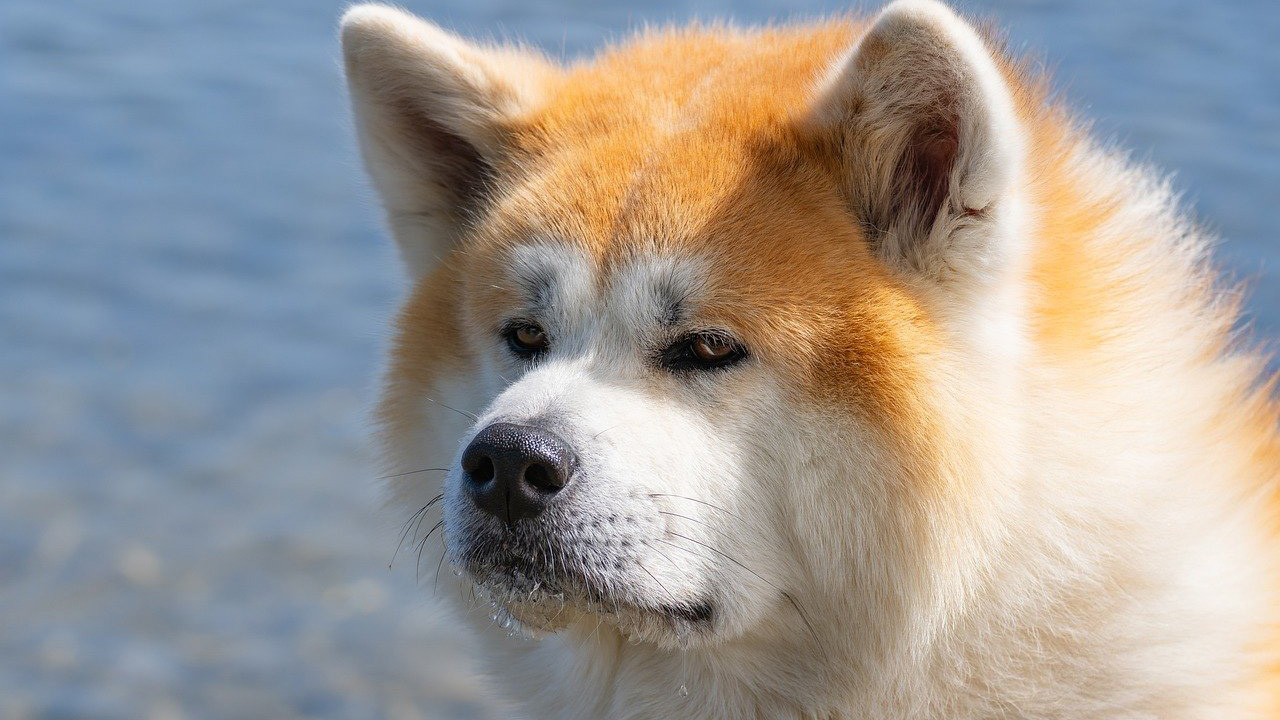
Akitas are naturally reserved and tend to form deep loyalty toward the people they consider their own. They are not typically interested in greeting every stranger or becoming the center of attention.
That selective personality contributes to their guarding ability. An Akita often watches unfamiliar people closely and may place itself near family members without being told. Their protection style can be quiet rather than noisy, which makes them easy to underestimate. The problem is that they are independent and can be intolerant of unfamiliar dogs, so socialization and management matter. They are better suited to owners who understand that loyalty does not automatically mean easy obedience.
Giant Schnauzer

The Giant Schnauzer is a powerful working dog with strong guarding instincts and a high level of awareness. They tend to be intensely connected to their household while remaining suspicious enough of unusual activity to make effective watchdogs.
Their intelligence is both an advantage and a challenge. They learn quickly, but they also need real structure and something to do. A bored Giant Schnauzer can become difficult, while a trained one can be remarkably responsive and controlled. Their size, dark appearance, and confident posture provide plenty of deterrence without encouraging aggressive behavior. They are best for active owners who want a dog involved in daily life rather than a guardian left to entertain itself.
Beauceron
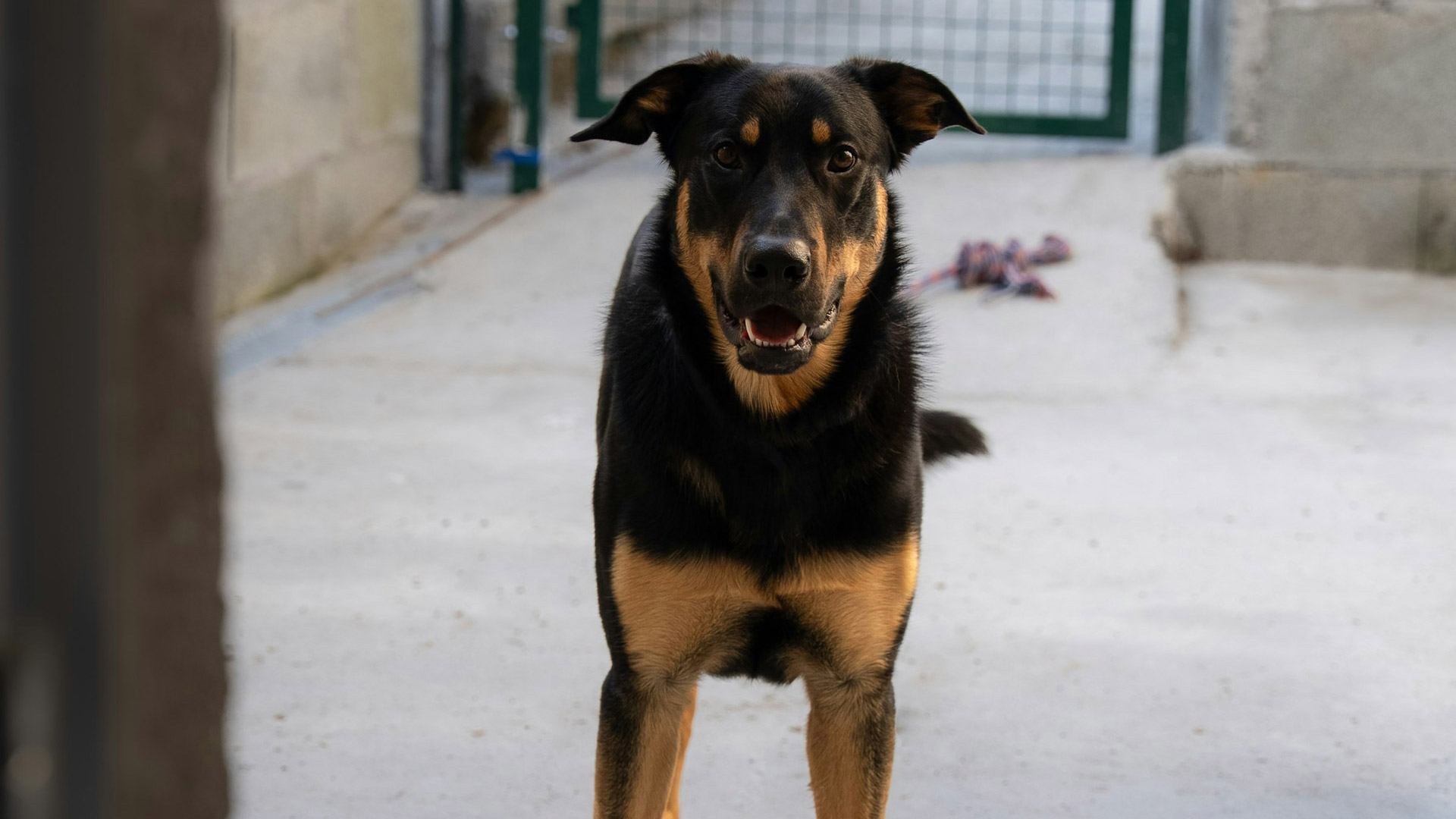
The Beauceron is a French working breed that combines herding ability with natural guarding instincts. They are athletic, highly observant, and often strongly attached to one handler or household.
That combination makes them serious when necessary without requiring the bulk of a mastiff. A Beauceron can move quickly, take direction well, and stay aware of what is happening around the property. They are also less common than German Shepherds or Rottweilers, so many people underestimate them. The challenge is that they need experienced handling and regular work. A dog this intelligent and powerful can become difficult if left without structure, but in the right home it can be an exceptionally capable family guardian.
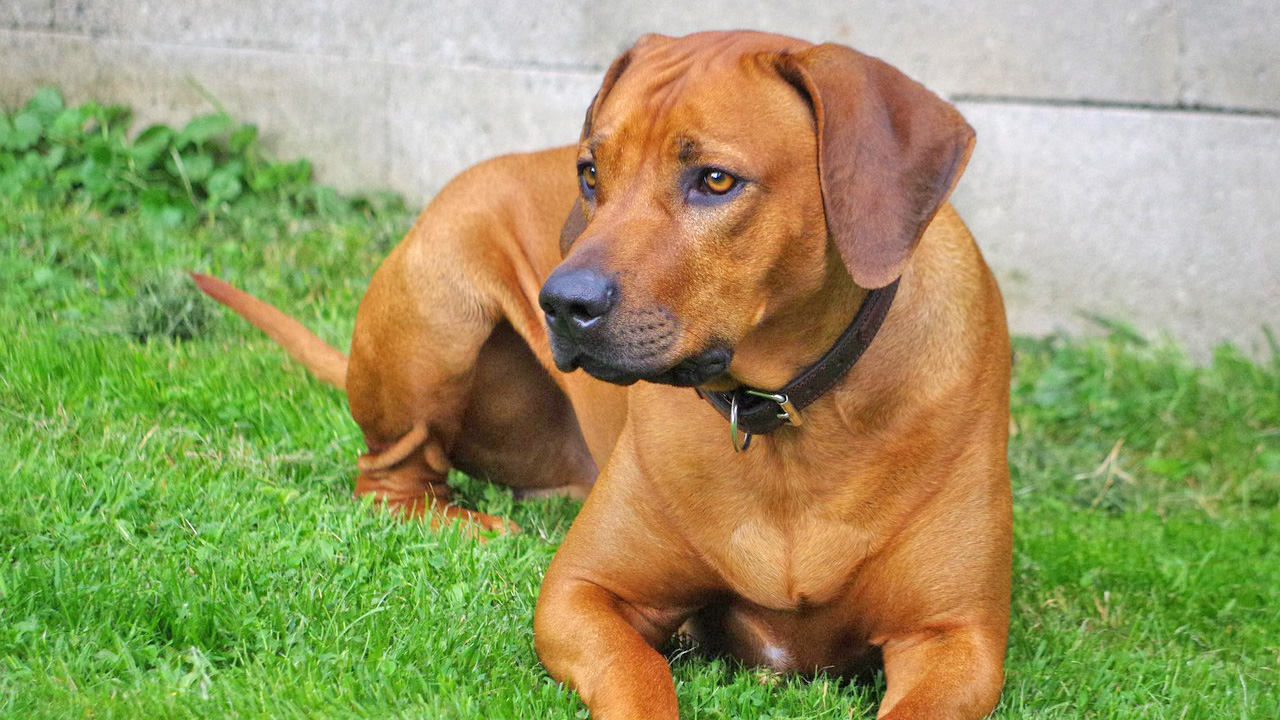
Rhodesian Ridgeback
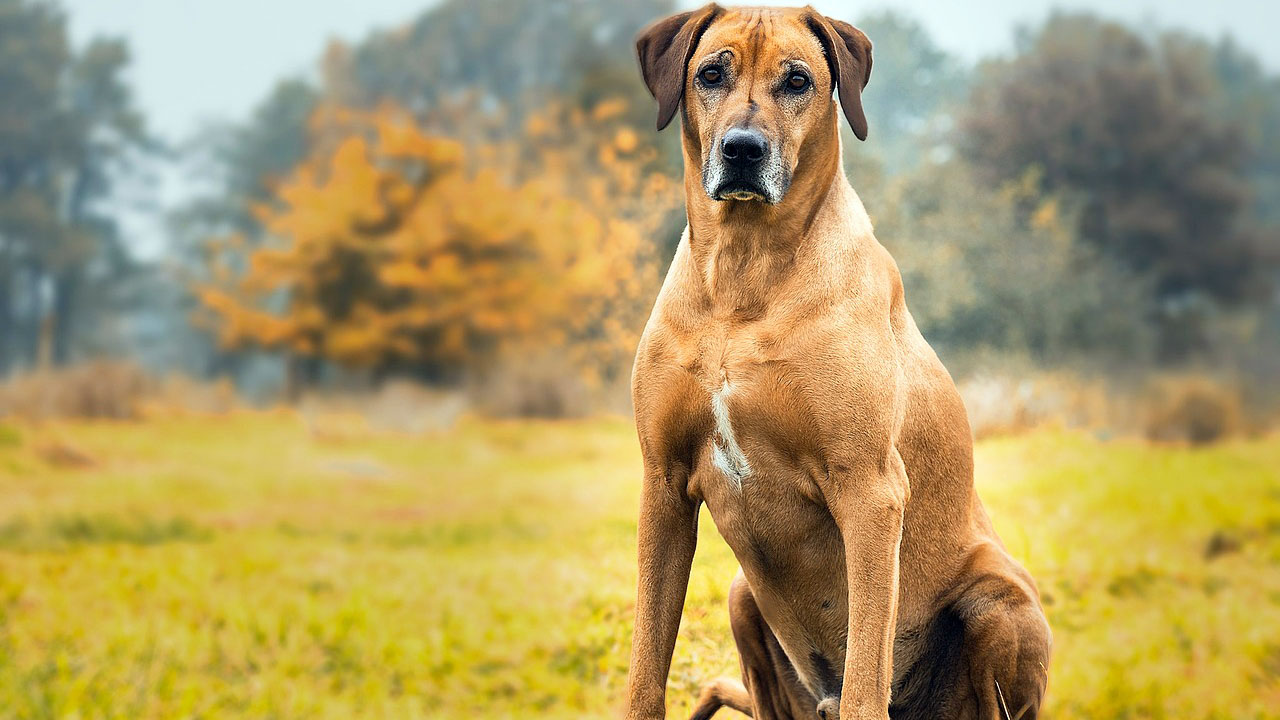
Rhodesian Ridgebacks were developed for demanding hunting work and estate protection, which left them with a combination of independence, courage, and attachment to their household.
They are generally not constant barkers, but many become very aware of strangers around the home. Their size and athleticism make them imposing without the bulk of heavier guardian breeds. Ridgebacks also tend to be calm indoors once mature, which can make them easier to live with than some higher-drive working dogs. The challenge is independence. They may not respond to commands with the automatic enthusiasm of a shepherd, so training needs to be consistent from the beginning.
Presa Canario
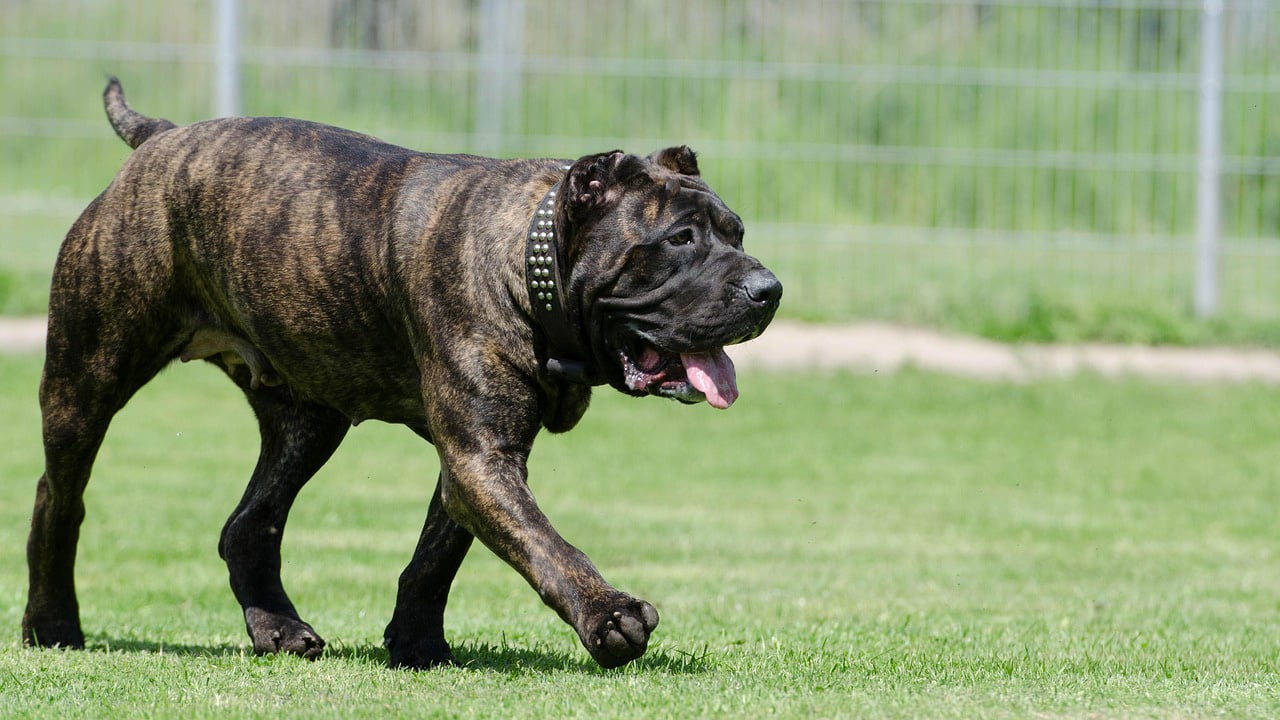
The Presa Canario is a powerful guardian breed that tends to take unfamiliar activity seriously. They are confident, physically strong, and usually deeply attached to their household.
That protective instinct can be excellent in the right hands and difficult in the wrong ones. A Presa needs early socialization so it learns what normal visitors, neighbors, and everyday activity look like. Without that foundation, natural suspicion can become excessive. A stable adult should not be frantic or constantly barking. The real value is confidence. When something genuinely seems wrong, the dog has enough courage and physical presence to stand its ground.
Belgian Malinois

Belgian Malinois are not traditional property guardians in the same sense as mastiffs or livestock breeds, but their intense handler focus makes them extremely aware of anything affecting their person.
A Malinois tends to notice subtle changes immediately. Their speed, athleticism, and willingness to engage are major reasons they are used in police and military work. For family life, though, all that intensity requires serious management. They are not dogs that can simply be left in the backyard and expected to become balanced guardians. They need training, exercise, and a strong relationship with the handler. In experienced hands, they can be extraordinarily attentive and protective. For casual owners, the drive can become overwhelming.
Dutch Shepherd
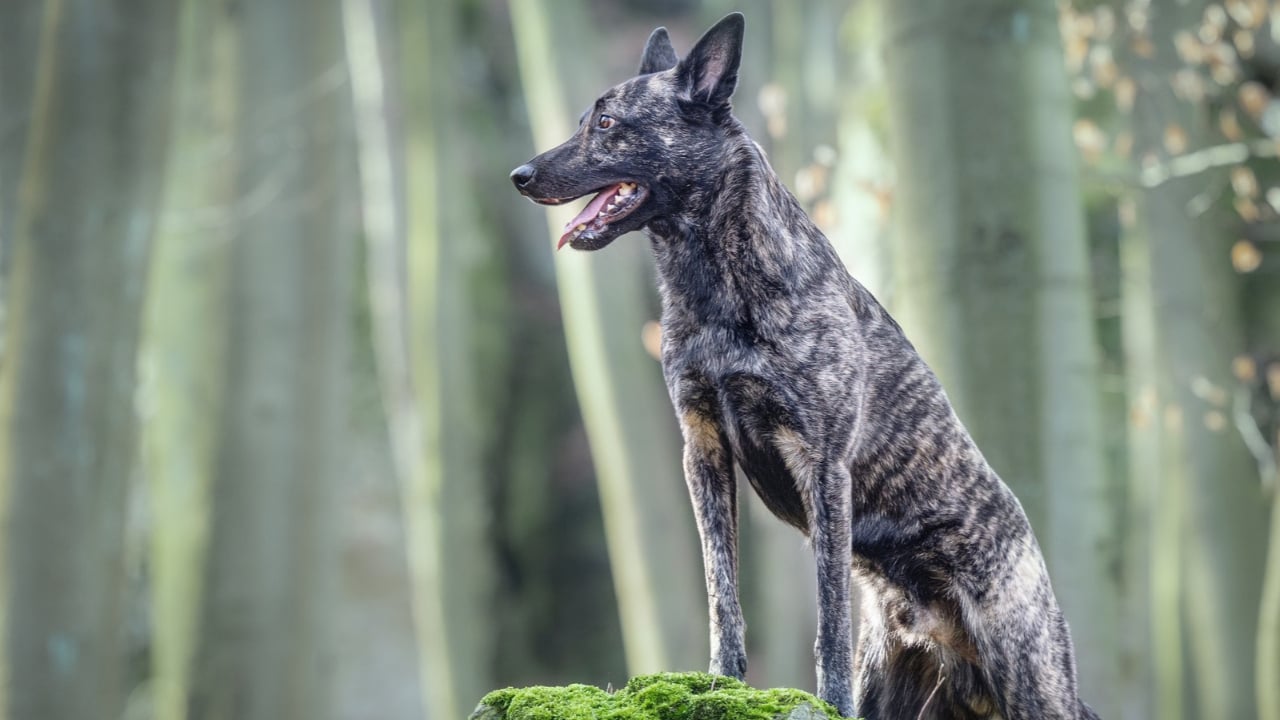
Dutch Shepherds share many traits with the Malinois but often have a slightly different working style depending on the line. They are alert, athletic, intelligent, and extremely tuned in to their surroundings.
That makes them naturally good at noticing anything unusual around the family. They can also be highly trainable, which allows an experienced owner to channel protective instincts into controlled behavior instead of random reactivity. The breed needs more work than most households are prepared to provide, though. A Dutch Shepherd without enough physical and mental activity can become restless and difficult. For someone who enjoys serious training, the breed offers an impressive combination of loyalty, awareness, and athletic ability.
Black Russian Terrier

The Black Russian Terrier was developed as a serious working and guard dog, and the breed combines enormous physical presence with a generally thoughtful temperament.
They tend to be reserved around strangers and deeply committed to their household. Unlike some more reactive guardians, a stable Black Russian Terrier often watches first rather than immediately escalating. That makes good breeding especially important because confidence is what separates a serious guardian from a nervous dog. Their size, coat maintenance, and training requirements are substantial, so they are not casual pets. For experienced owners wanting a dog that takes the household seriously, they are extremely capable.
Kuvasz

The Kuvasz is a Hungarian livestock guardian with strong instincts around both territory and family. They are independent enough to work without constant human instruction and courageous enough to confront threats much larger than themselves.
That independent thinking is both the reason they can be excellent guardians and the reason they can be difficult to own. A Kuvasz may decide something is suspicious before you do and may not immediately abandon that opinion because you give a command. Early socialization is therefore essential. Around their own family, they can be gentle and deeply loyal. Around unfamiliar activity, they tend to remain much more cautious.
Tibetan Mastiff

The Tibetan Mastiff has centuries of guardian behavior behind it. These dogs were developed to protect homes, monasteries, and livestock in harsh environments, often working with very little direct supervision.
That history produced a dog that takes nighttime activity, boundaries, and strangers extremely seriously. They are often calm during the day and far more active after dark, which can surprise owners. Their independence is extreme even compared with many livestock guardians, and they are not naturally eager to follow commands simply because somebody asks. A Tibetan Mastiff can be extraordinarily loyal to its household, but that loyalty comes with a level of territorial judgment that requires experienced management.
Like The Avid Outdoorsman’s content? Subscribe to our newsletter so you never miss an article.
Here’s more from us: