Photo credit: mary981/Shutterstock.com
A good farm dog should do more than ride in the side-by-side and sleep under the porch. The best ones make daily life easier. They move stock, keep predators away from poultry and young animals, catch rats around feed storage, warn you when something is wrong, or simply stay close enough during chores that they become another set of eyes on the property.
The important part is matching the dog to the work. A livestock guardian and a cattle dog may both be excellent farm dogs, but they solve completely different problems. The same is true for a terrier that spends its nights clearing rodents from the barn. These 20 breeds have real working histories behind them and can justify the feed bill when their instincts are put to use.
Australian Kelpie

The Australian Kelpie is built for livestock work. These dogs can cover huge amounts of ground, move sheep or cattle with very little wasted motion, and keep working long after many companion breeds would be looking for shade. Their biggest advantage is efficiency. A good Kelpie does not need constant micromanagement once it understands the job.
They are especially useful on larger properties where stock has to be moved between pastures, pens, or handling areas. Kelpies are quick, responsive, and athletic enough to work in heat that would wear heavier dogs down. The tradeoff is energy. A Kelpie without work will invent some, and that can mean chasing vehicles, livestock, or anything else that moves. On a real working farm, though, all that drive finally has somewhere productive to go.
Australian Shepherd

Australian Shepherds are popular enough that people sometimes forget they were built to work. A good Aussie can move sheep, goats, and cattle while staying much more handler-focused than many independent stock breeds.
That makes them especially useful on smaller farms where the dog needs to switch between working animals and simply hanging around the family. They tend to stay close, learn routines quickly, and notice when livestock is somewhere it should not be. The coat does require more maintenance than a short-haired stock dog, and some lines have much more working drive than others. Still, a farm with regular livestock chores gives an Aussie exactly the kind of purpose that makes the breed easiest to live with.
Border Collie
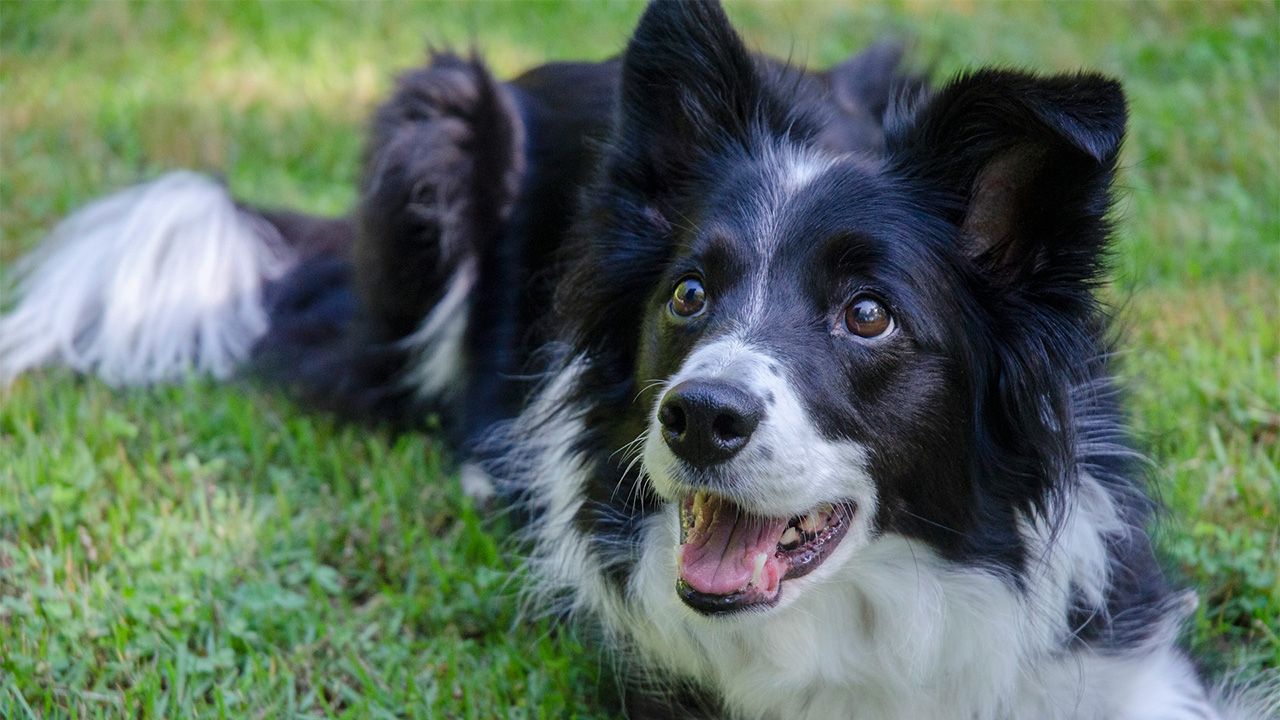
Few dogs can move livestock with the precision of a Border Collie. Their ability to control sheep through eye, position, and pressure can make one trained dog more useful than several people during routine moves.
The downside is that Border Collies need a real job. They are too observant and mentally active to be treated like decorative farm pets. If livestock work is only occasional, they may start controlling chickens, children, tractors, or anything else moving around the property. On a sheep or goat operation, however, that intensity becomes valuable. A skilled Border Collie can gather animals from a pasture, push them through gates, separate individuals, and reduce the amount of running and shouting required from everyone else.
McNab
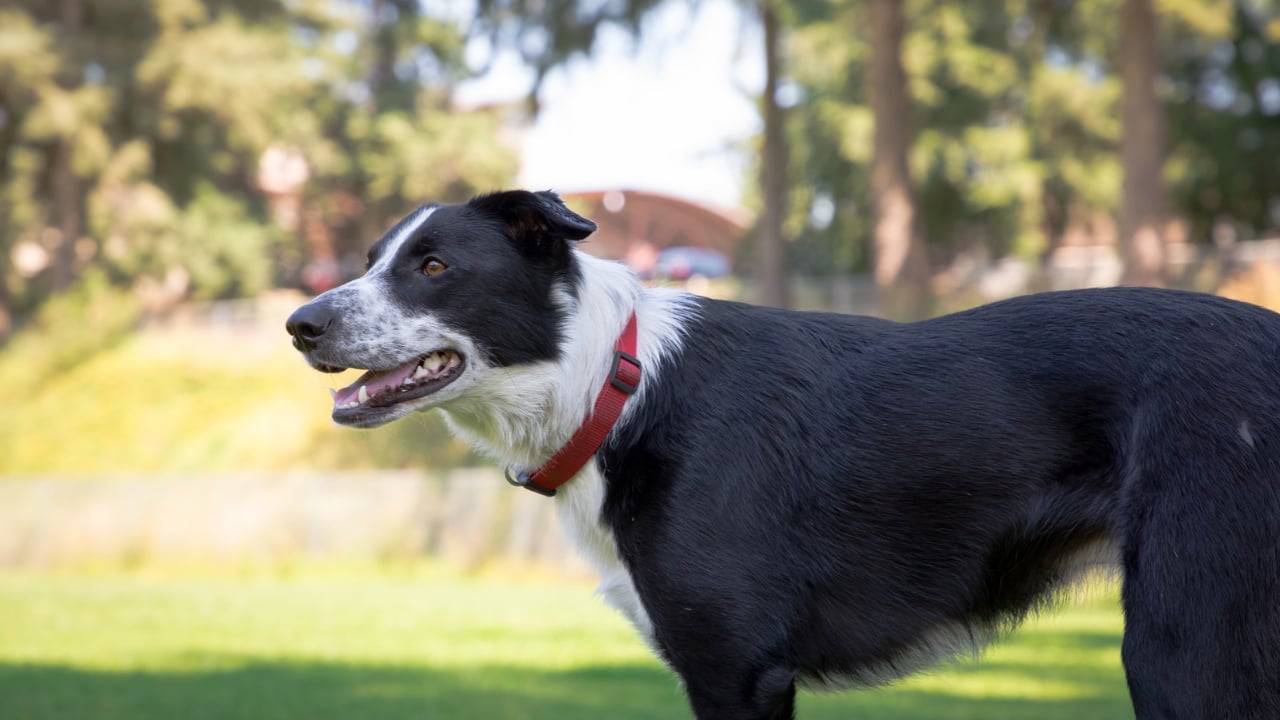
The McNab is one of the best farm dogs most people outside the West rarely hear about. Developed in California, these dogs were bred for stock work in rough country and tend to be lighter, faster, and less heavily coated than many other herding breeds.
They can work cattle, sheep, and goats, often with a direct style that suits practical ranch chores. McNabs also tend to have excellent endurance and are easier to keep comfortable in hot weather than heavily coated breeds. Their loyalty and awareness make them useful around the house and barn when they are not moving livestock. The challenge is finding one from genuine working lines, because the breed is still relatively uncommon. When you do, a good McNab can become one of the most useful dogs on the property.
English Shepherd
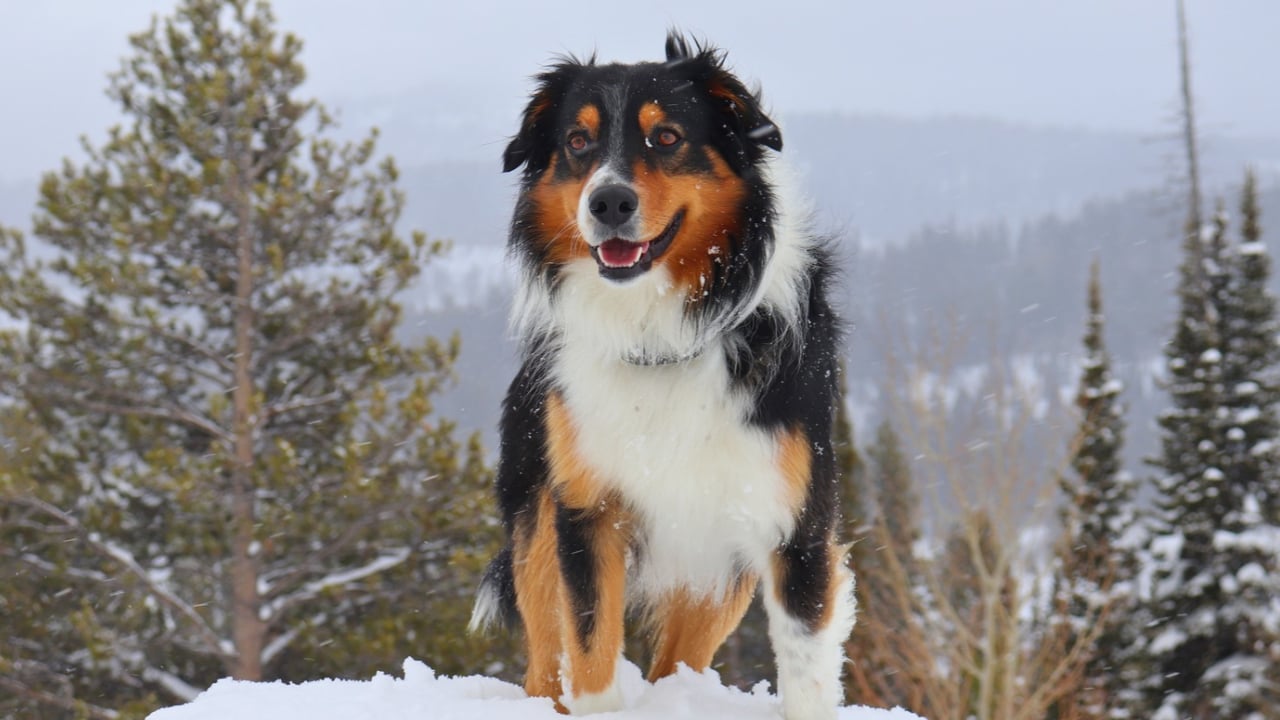
The English Shepherd is one of the classic all-purpose farm dogs. Rather than being narrowly specialized, they were expected to move livestock, watch the farmyard, keep track of children, and generally notice when something was out of place.
That versatility is what still makes them valuable. They are usually less intense than a Border Collie but still have enough stock sense to help with sheep, cattle, or poultry. Many also have a natural tendency to patrol the home area rather than wandering far. For a small homestead where the dog needs to handle several different jobs instead of excelling at one competitive herding style, the English Shepherd makes a lot of sense. They are the kind of dog that learns the farm routine and quietly starts helping.
Catahoula Leopard Dog

The Catahoula was built for rough work. These dogs have a long history with hogs and cattle in the South, and they tend to be tough enough to deal with animals that are not interested in cooperating.
On a farm, that confidence can be extremely useful when moving stubborn cattle or locating loose animals in brush. Catahoulas are also alert around the property and can be naturally protective without necessarily acting like a dedicated livestock guardian. They are strong-willed, though, and need an owner comfortable working with independent dogs. A Catahoula is not the easiest choice for gentle flock work, but on a place with cattle, hogs, woods, and rough terrain, they can earn their feed quickly.
Black Mouth Cur

The Black Mouth Cur is another Southern farm dog built around versatility. Depending on the line, they may work cattle, hunt hogs, tree game, guard the yard, and spend the rest of the day following the family around the property.
That makes them especially useful on mixed-use rural land. They are athletic without being delicate, generally have enough grit for livestock, and often bond closely with the people they work beside. Their prey drive can be significant, so poultry introductions need to be handled correctly. Once the dog understands what belongs on the farm and what does not, though, a good Cur can be one of those dogs that seems to have a hand in almost every daily chore.
Blue Lacy
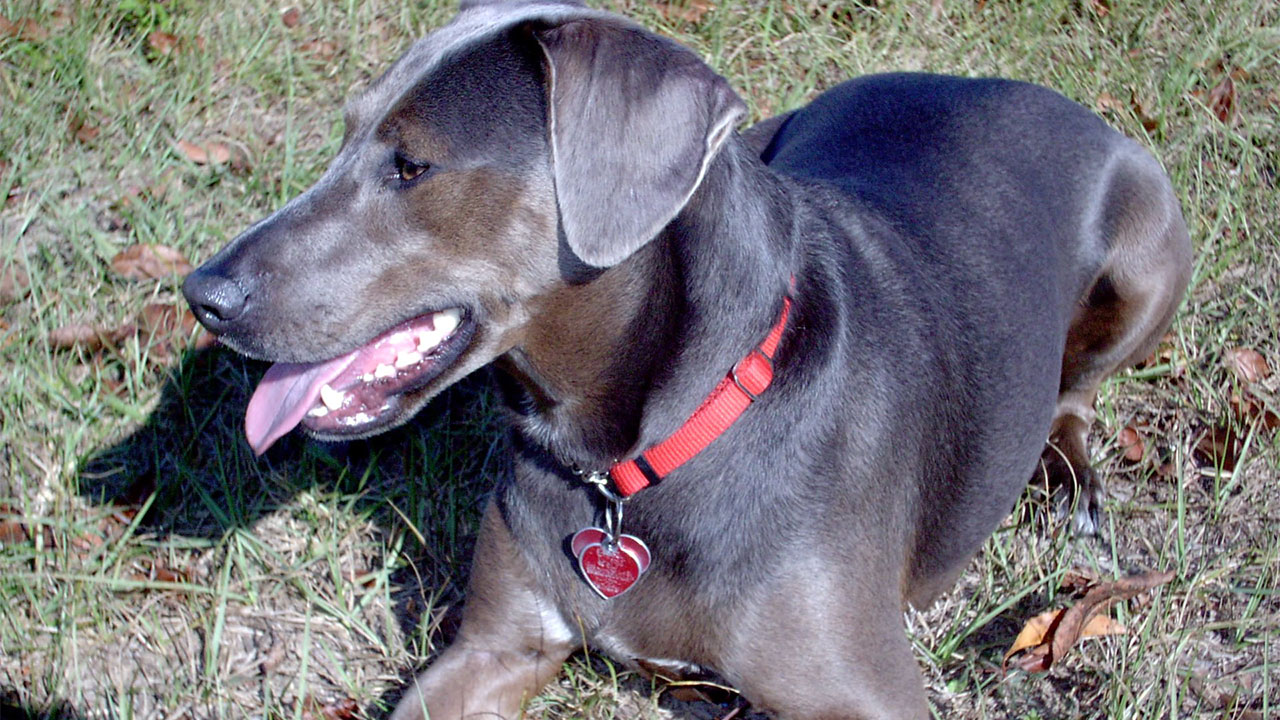
The Blue Lacy is a Texas-developed working dog with a reputation for cattle, hogs, tracking, and general ranch work. They are quick, heat-tolerant, and built for long days rather than lounging around.
That combination makes them particularly useful on Southern farms. A Lacy can help move stock, track wounded game, and stay active through hot weather without carrying the heavy coat of many herding breeds. They also tend to be strongly attached to their handlers, which helps during off-leash work around acreage. The flip side is that they need enough activity to stay balanced. A farm with livestock, hunting, or daily outdoor work gives them the kind of life they were developed for.
Australian Cattle Dog
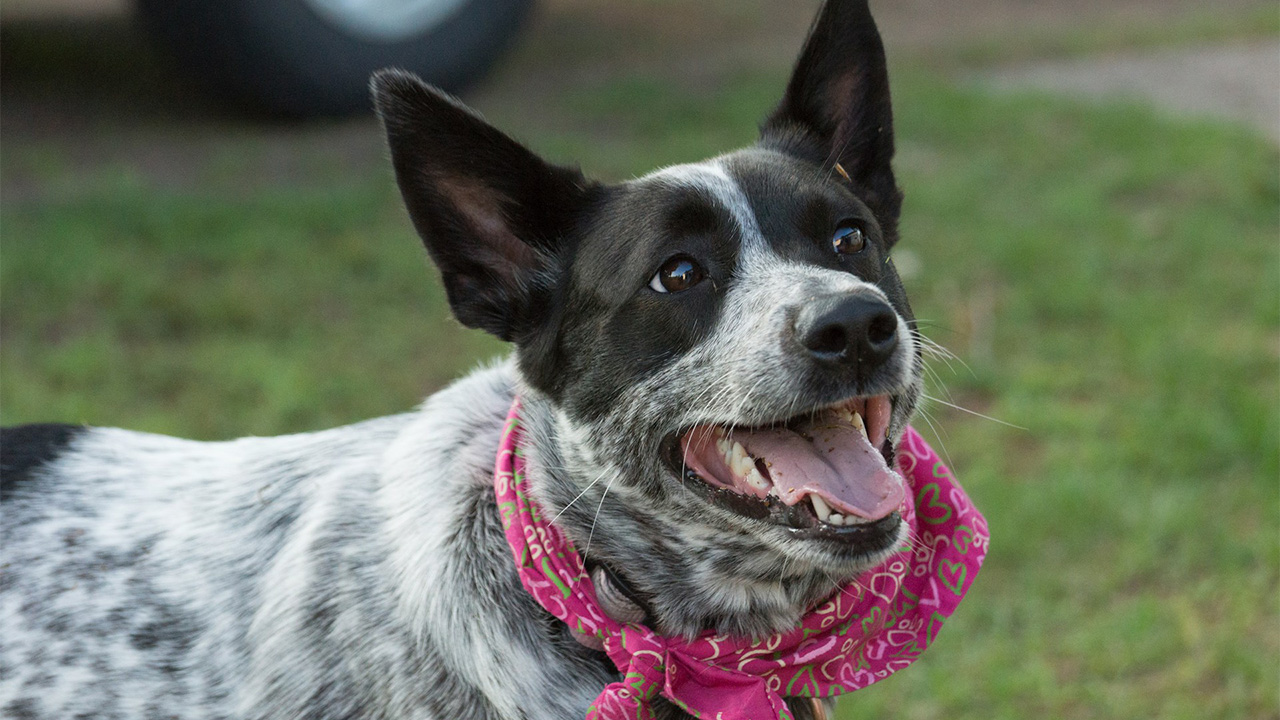
Australian Cattle Dogs are not subtle. They were bred to move stubborn cattle, and that requires toughness, persistence, and enough confidence to get close to hooves without backing down.
On a cattle farm, those traits can make them extremely useful. They are compact enough to stay agile, durable enough for rough country, and smart enough to learn gates, pens, and daily routines quickly. They also tend to keep close track of their owner and property. The downside is that their herding style can be too forceful for delicate stock or young animals if not managed. Give them cattle and clear rules, though, and the same intensity that makes them challenging pets becomes exactly what earns their keep.
Pembroke Welsh Corgi

The Corgi may look like a house dog now, but the breed was developed to move cattle. Its short legs actually helped keep it below the worst of a cow’s kicks while still allowing it to nip heels and keep animals moving.
On a smaller farm, that compact size can be useful. Corgis are easy to transport, naturally alert, and capable of helping with stock without taking up the space of a large working dog. They also make excellent barnyard watchdogs because very little happens without them announcing it. Their limitation is scale. A Corgi is not the dog I would choose for covering thousands of acres, but around pens, lanes, and smaller pastures, a good working-bred dog can contribute far more than its size suggests.
Great Pyrenees

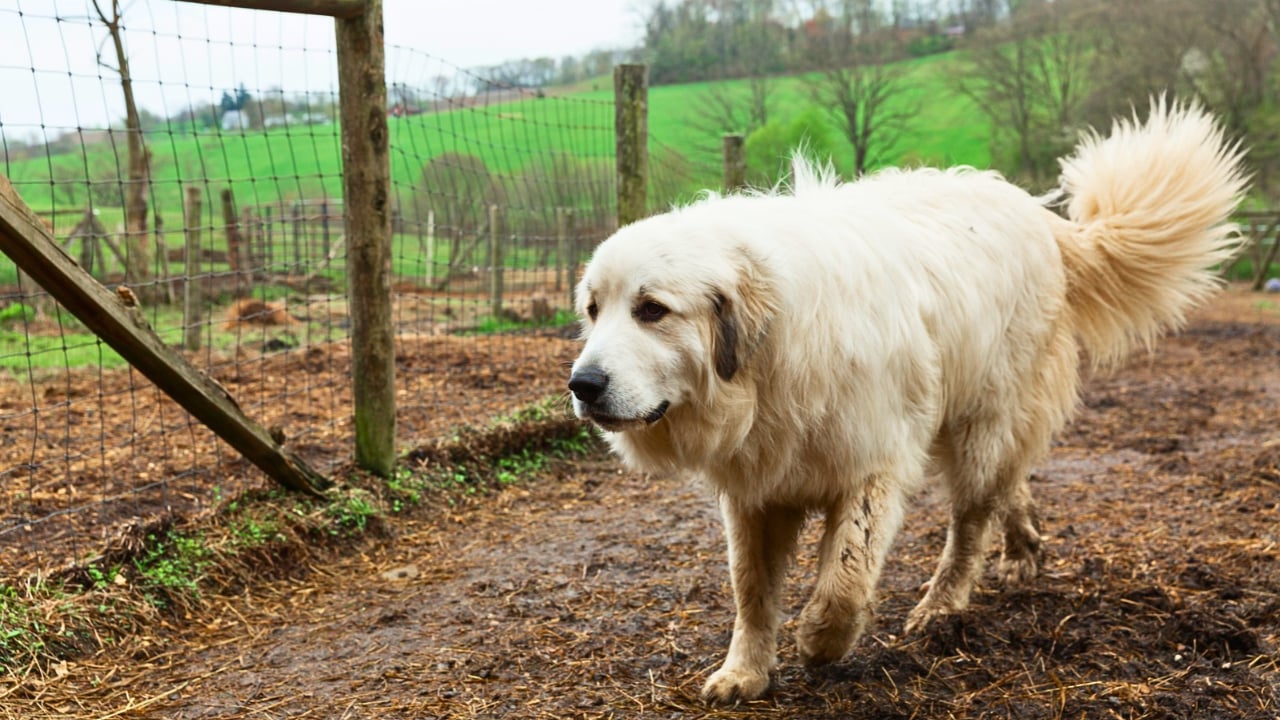
The Great Pyrenees earns its keep by making predators think twice before they ever reach the livestock. These dogs were bred to live with animals and make independent decisions about what belongs near the flock.
That makes them especially valuable around sheep, goats, poultry, and young livestock. A good Pyr spends much of its time appearing to do nothing, but it is watching, scenting, and listening constantly. The barking that annoys suburban owners becomes useful on a farm because warning predators away is often better than fighting them. They do roam if boundaries are weak, and they are not obedience-driven dogs. Give them animals to guard and enough territory, though, and their quiet presence can save far more than the cost of feeding them.
Maremma Sheepdog

The Maremma is an Italian livestock guardian that works on the same basic principle as the Great Pyrenees but often with a slightly more livestock-focused temperament. They were bred to remain with flocks and discourage predators through presence, barking, and confrontation when necessary.
They can be especially useful around sheep and goats because the bond to livestock tends to be strong when pups are raised correctly. Maremmas are independent and do not need constant human direction, which is exactly what you want from a guardian working overnight while everyone else is asleep. They are not ideal for owners who want a dog constantly looking for commands. Their value comes from noticing problems on their own and taking the job seriously without being asked.
Akbash

The Akbash is a Turkish livestock guardian known for speed, athleticism, and a lighter build than some massive guardian breeds. That can be useful on farms where the dog needs to cover a lot of ground quickly.
They tend to be reserved around strangers and strongly protective of the animals and property they consider theirs. Like other livestock guardians, they work best when raised around the stock they are expected to protect rather than treated as house pets that occasionally visit the pasture. Their independence can frustrate owners accustomed to herding breeds, but obedience is not the main job. An Akbash earns its keep by noticing coyotes, stray dogs, and other threats before they get close enough to become a problem.
Kangal
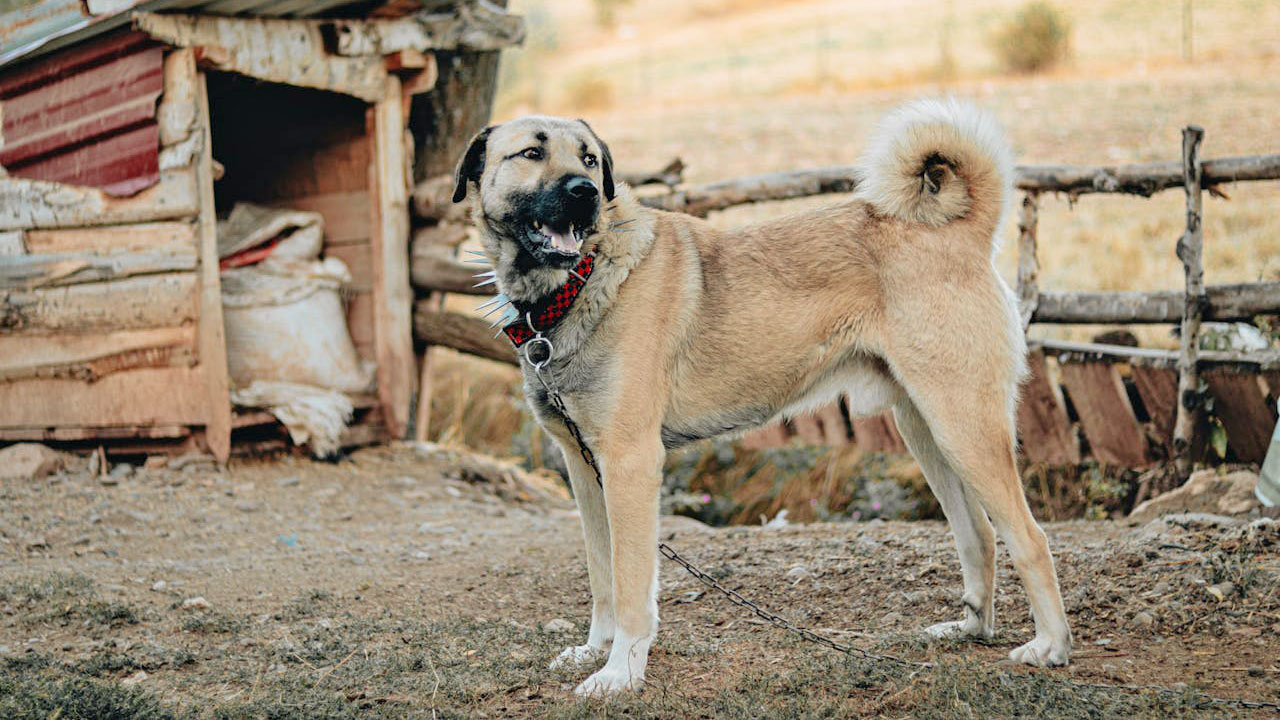
The Kangal is a serious livestock guardian developed to protect animals in country where predators could pose a substantial threat. They are large, fast, and capable of covering ground far better than their size suggests.
That makes them useful where predator pressure is high and the farm has enough space for a powerful guardian to work naturally. A Kangal is not necessary for every small homestead, and the breed requires thoughtful handling because of its strength and territorial instincts. On the right property, however, it brings a level of confidence that few dogs can match. The dog’s job is not to chase every coyote across the county. It is to make approaching the livestock seem like a bad idea in the first place.
Rat Terrier
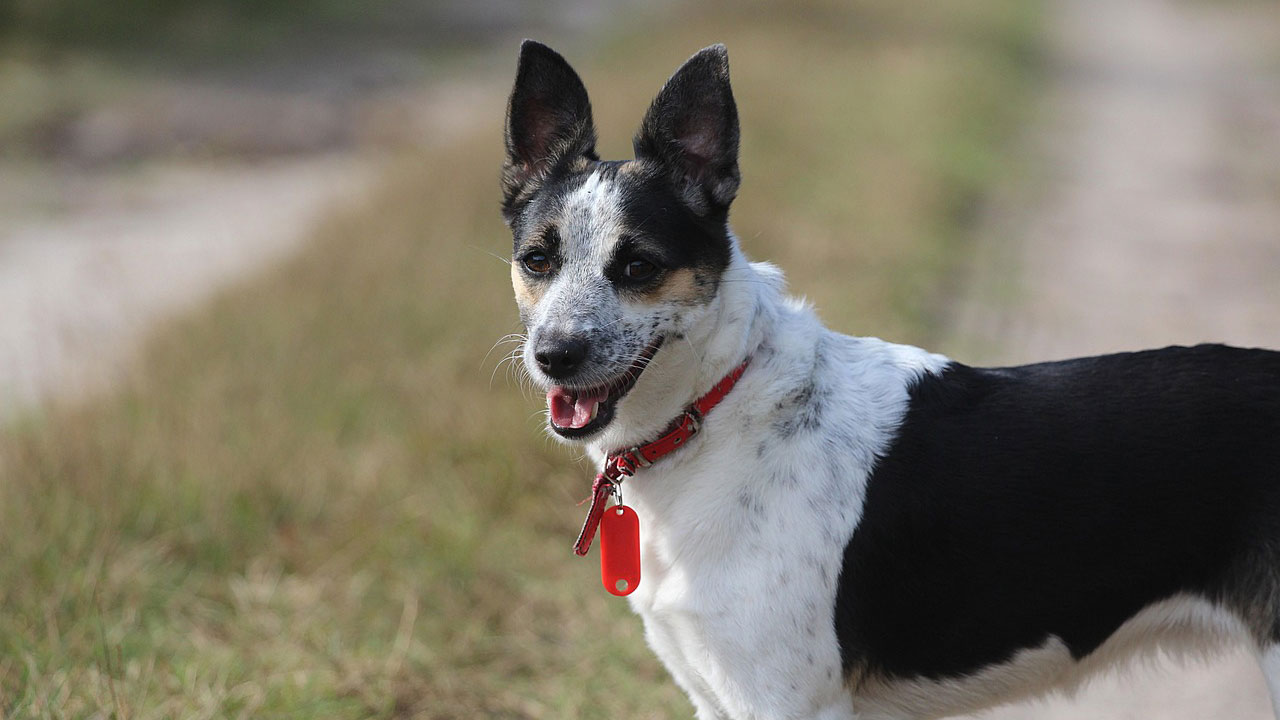
A farm can lose an astonishing amount of feed to rodents, and this is where a little Rat Terrier can pay for itself. These dogs were developed specifically to kill rats and other vermin around barns, homes, and feed storage.
They are fast, persistent, and small enough to get into places where larger farm dogs cannot. Unlike poison, they do not leave rodent carcasses hidden in walls, and they can keep working every day instead of waiting for traps to be reset. Rat Terriers are also useful family farm dogs because they are alert, portable, and generally easier to live with than more intense terrier breeds. If grain, chicken feed, or livestock feed attracts rodents, a good Rat Terrier has a very obvious job.
Jack Russell Terrier

Jack Russells bring considerably more intensity than their size suggests. They were bred to pursue quarry underground, which gives them the drive and determination to hunt rats, mice, and other small pests long after a less motivated dog would quit.
Around barns and outbuildings, that persistence can be valuable. They are also excellent at alerting to anything unusual and will happily follow someone doing chores all day. The problem is that the same prey drive can create trouble around poultry or small animals if the dog is not raised carefully. A Jack Russell that understands the farm rules can become a relentless vermin dog. One that does not may decide the chickens are part of the entertainment.
Miniature Schnauzer
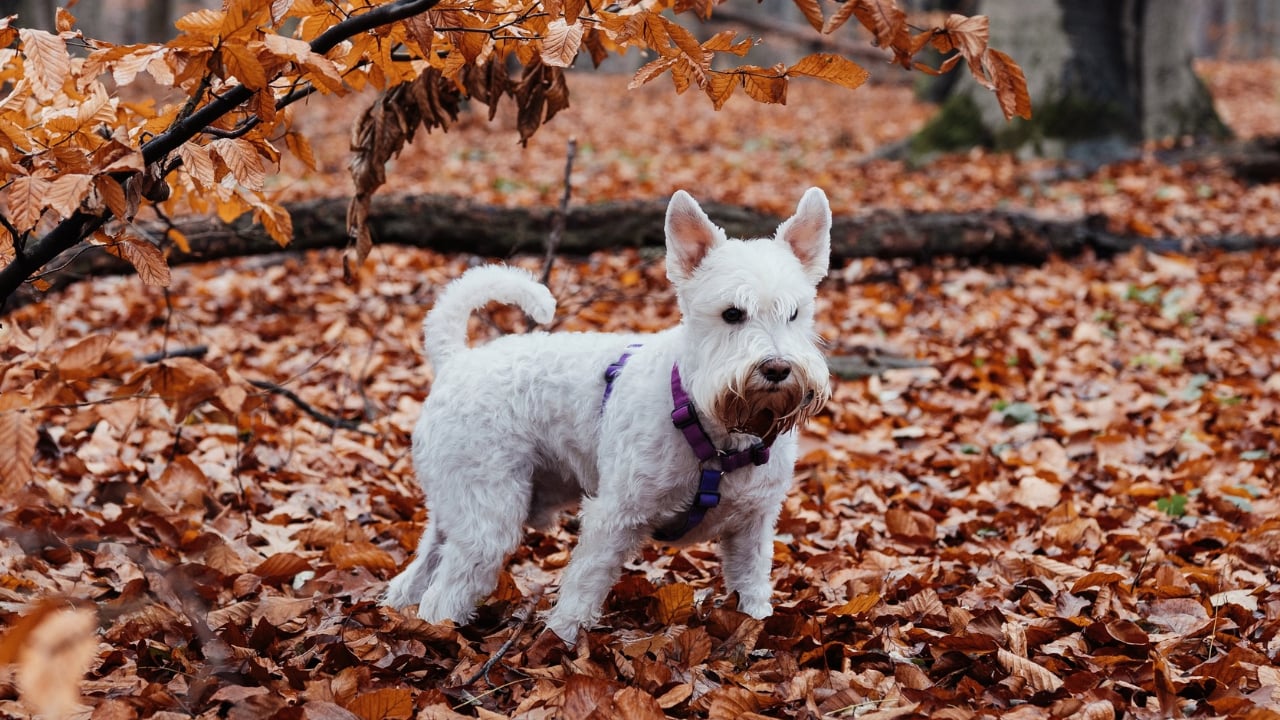
The Miniature Schnauzer began as a German farm dog rather than a decorative companion. One of its original jobs was catching rats around barns and stables, and plenty of that terrier-like instinct remains.
They are small enough to live comfortably around the house but alert enough to notice activity around sheds, equipment, and feed areas. Their prey drive is generally more manageable than some hard terriers, which can make them easier on mixed farms with poultry. They also make excellent alarm dogs because they are rarely shy about announcing visitors. A Miniature Schnauzer will not move cattle or fight coyotes, but keeping rodents out of feed and letting you know when something is approaching are useful jobs all the same.
German Pinscher
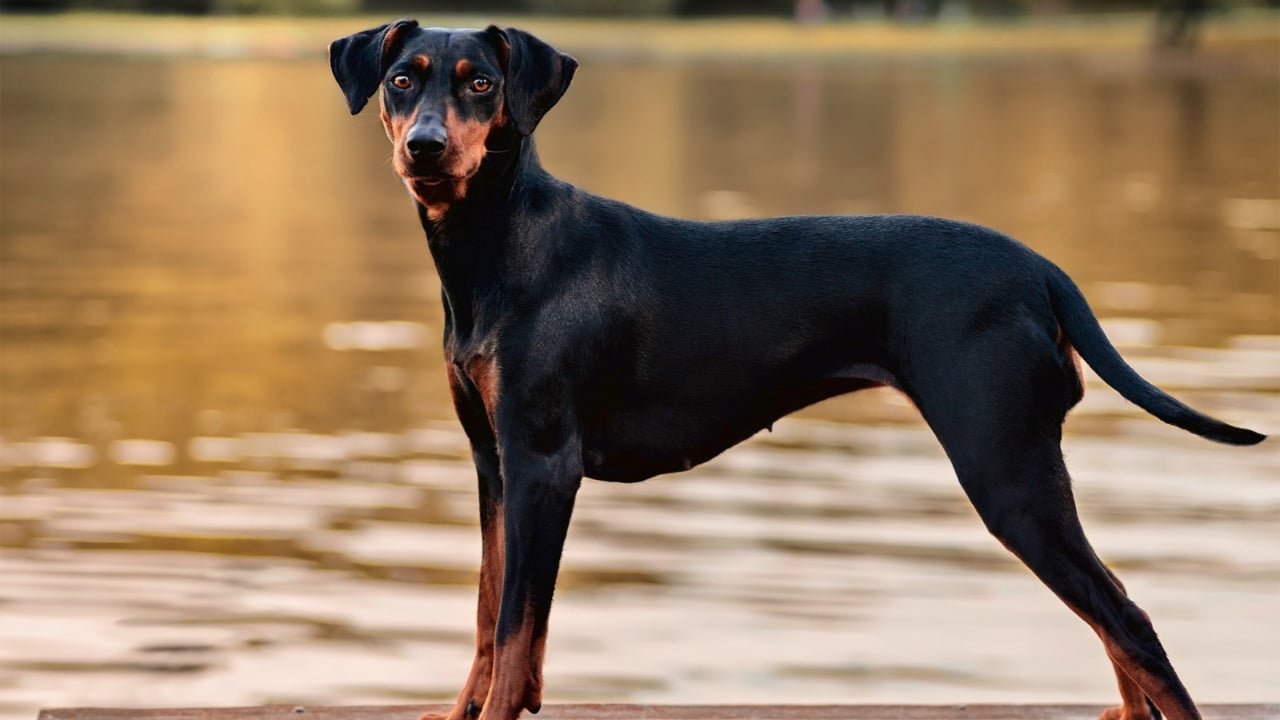
The German Pinscher is another old farm breed that was expected to catch vermin and guard property. They are athletic, fast, and much more substantial than their sleek appearance first suggests.
On a farm, they can work as barnyard ratters while also serving as alert watchdogs around the house and outbuildings. Their size gives them more physical presence than a tiny terrier without making them difficult to transport or feed. German Pinschers are intelligent and independent enough that they need clear boundaries, particularly around smaller animals. For someone wanting a medium-size farm dog that can handle pests and keep an eye on the place, they remain a surprisingly practical option.
Standard Schnauzer
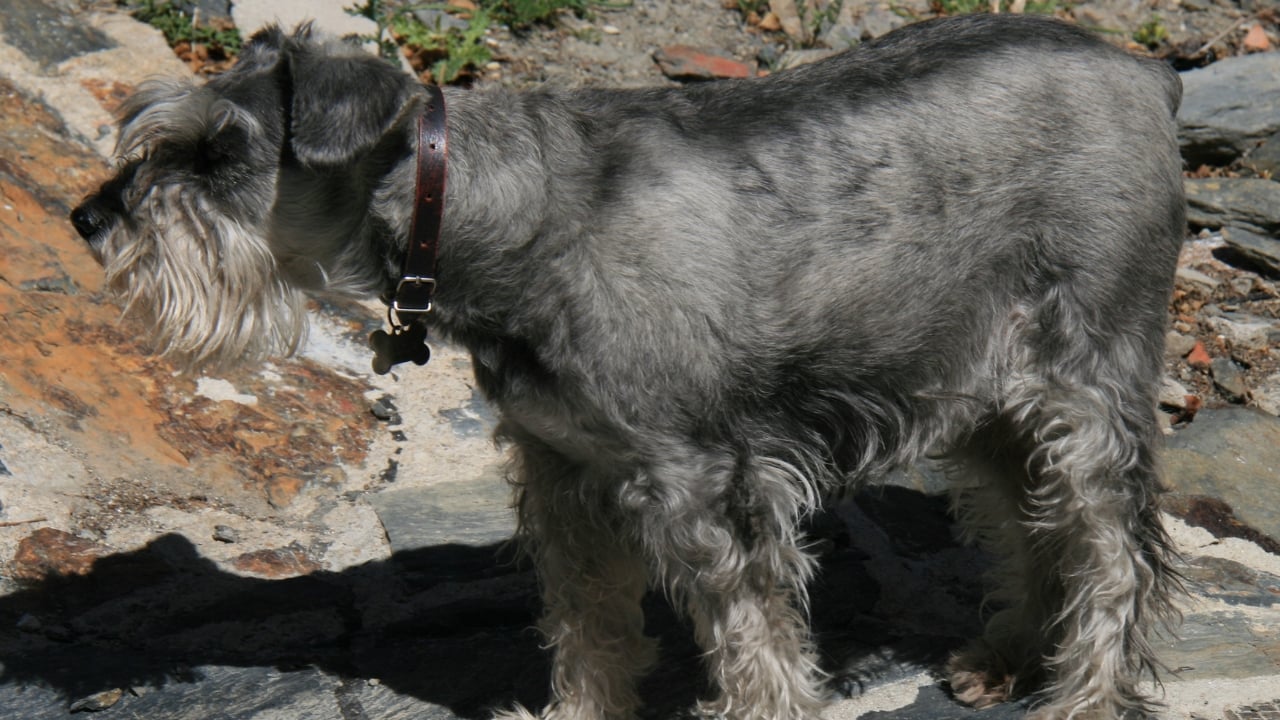
The Standard Schnauzer may be one of the most overlooked traditional farm dogs. The breed was used for vermin control, guarding farmyards, and driving livestock, which means it developed a broad working skill set instead of one narrow specialty.
That versatility still makes sense on a homestead. A Standard Schnauzer is large enough to be taken seriously as a watchdog but small enough to remain easy to manage. They are intelligent, alert, and usually interested in whatever work is happening around them. The wiry coat also holds up well in rough weather and brush. They are not going to replace a dedicated stock dog or livestock guardian, but they can contribute to several smaller jobs every day.
Old English Sheepdog

The Old English Sheepdog has become far more famous for its shaggy appearance than its farm work, but it was developed to help move livestock to market. Under all that coat is a strong, capable herding dog.
They can still be useful on farms where stock needs steady rather than extremely intense pressure. Their size gives them enough presence to move larger animals, while their temperament is often easiergoing than some high-drive herders. The obvious drawback is coat maintenance. Mud, burrs, manure, and farm debris can turn grooming into a serious chore. For someone willing to maintain the coat, though, the breed still has real working ability behind the appearance.
Like The Avid Outdoorsman’s content? Subscribe to our newsletter so you never miss an article.
Here’s more from us: