Photo credit: chrisukphoto/Shutterstock.com
Some dogs are difficult to train for obvious reasons. A huge livestock guardian that was bred to work independently is probably not going to behave like a Labrador. The more surprising cases are the breeds that look easy on paper. They may be intelligent, affectionate, eager to play, or common enough that people assume training will come naturally.
That is where owners get caught off guard. Intelligence does not always mean obedience, and a dog that learns a command quickly may still decide whether following it is worth the effort. Other breeds become distracted by scent, movement, food, or whatever is happening around them. These 20 dogs can absolutely become well trained, but they often require more patience, consistency, and creativity than new owners expect.
Beagle
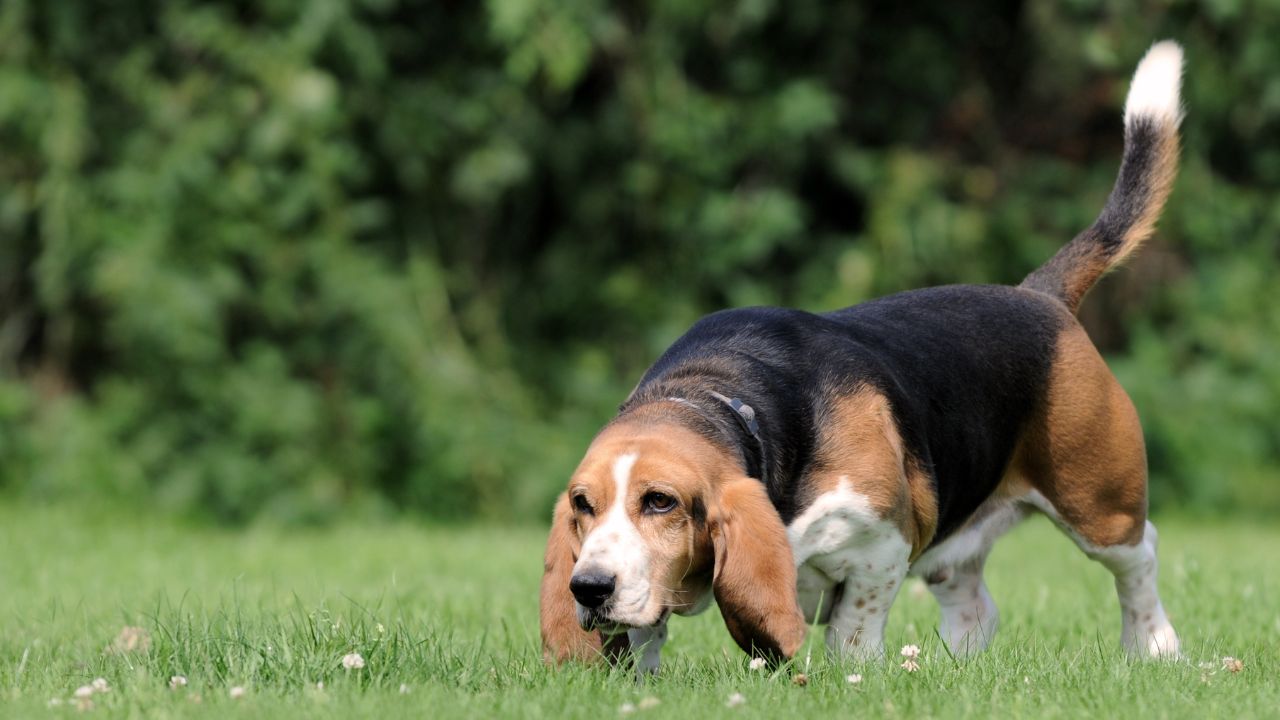
Beagles are friendly, compact, and usually easy to live with, which makes people assume they will be equally easy to train. Then the dog catches a scent.
Once a Beagle’s nose switches on, everything else can become background noise. They were bred to follow scent trails independently, often while working well ahead of the hunter. That means recall can be one of the hardest skills to make dependable. Food helps enormously because Beagles tend to be highly food motivated, but even a strong reward can lose against a fresh rabbit trail. They learn commands just fine. The difficult part is convincing them that listening to you is more interesting than whatever their nose just discovered.
Basset Hound
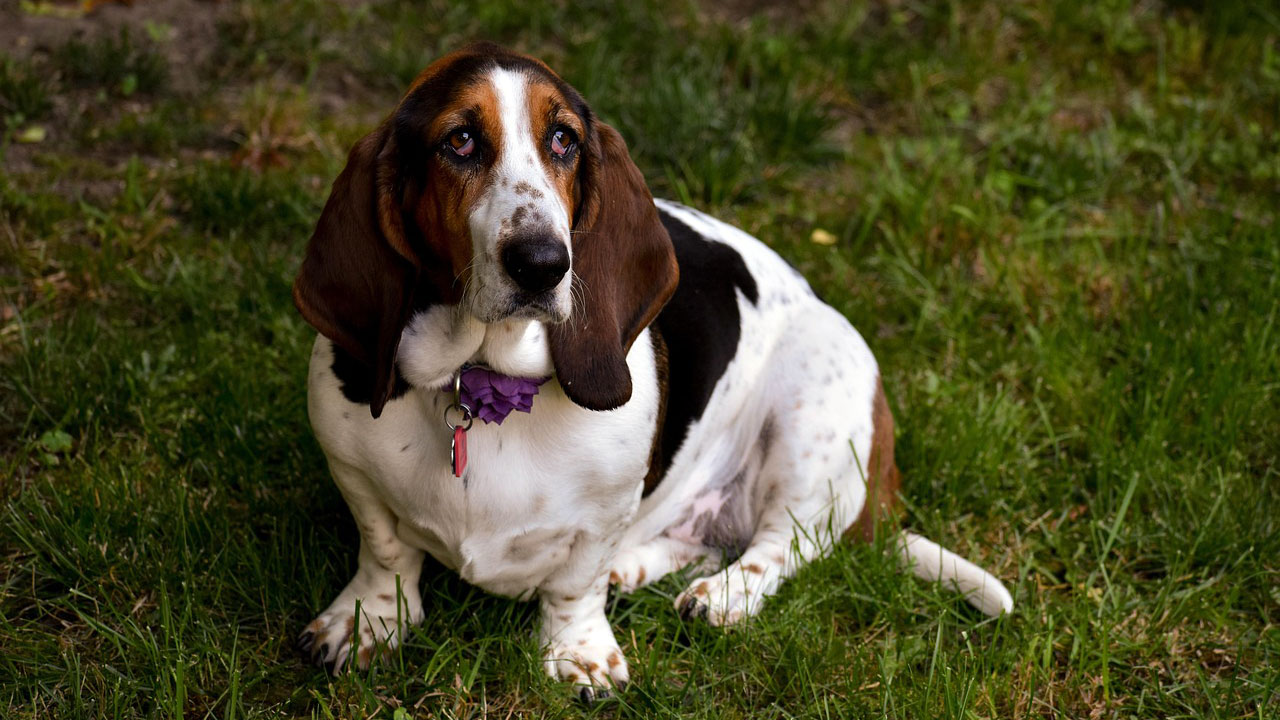
Basset Hounds look slow and relaxed enough that many owners expect training to be easy. They are rarely frantic dogs, but that calm personality comes with a strong independent streak.
Like Beagles, Bassets were bred to track scent and make decisions while working away from people. They may understand exactly what you want and simply decide there is no reason to hurry. Repetition can also bore them quickly, which makes long obedience sessions ineffective. Food rewards and short sessions usually work much better. The biggest mistake is assuming the dog is unintelligent. Bassets are often perfectly aware of what is being asked. They just tend to negotiate more than eager-to-please breeds.
Dachshund

Dachshunds are small enough that people often underestimate how stubborn they can be. These dogs were bred to pursue badgers underground, which required confidence, persistence, and the willingness to keep working without constant instruction.
That independence shows up during ordinary training. A Dachshund may learn sit, stay, and recall quickly in the house and then act like none of those commands exist once something interesting appears outside. House training can also take longer than owners expect, particularly with dogs that dislike bad weather. Their small size makes it tempting to excuse behavior that would never be tolerated from a larger dog. Consistency matters. A Dachshund that learns rules are optional will become very good at exploiting them.
Afghan Hound

Afghan Hounds look elegant and almost delicate, but they are one of the more independent breeds you can own. They were developed to pursue game over difficult terrain with enough autonomy to make decisions without waiting for a person.
That history does not produce a dog obsessed with pleasing its handler. Afghans can learn commands, but repetitive obedience often fails to interest them. Recall can be especially difficult because sight-hound instincts take over quickly once something begins moving. Harsh training usually makes matters worse because they tend to be sensitive as well as independent. Owners who expect German Shepherd-style responsiveness are often frustrated. Training an Afghan is less about drilling commands and more about finding enough motivation to make cooperation worthwhile.
Basenji

The Basenji is frequently described as catlike, and that comparison makes sense once training begins. They are clean, independent, curious, and often far more interested in making their own decisions than following instructions.
A Basenji can learn quickly while still being difficult to control around distractions. Their prey drive is strong, recall can be unreliable, and boredom encourages creative misbehavior. They are also excellent climbers and problem solvers, which means a poorly secured area can become a puzzle they eventually solve. They respond much better to short, rewarding sessions than repetitive correction. The challenge is not teaching them what a command means. It is getting consistent cooperation from a dog that sees obedience as optional.
Shiba Inu
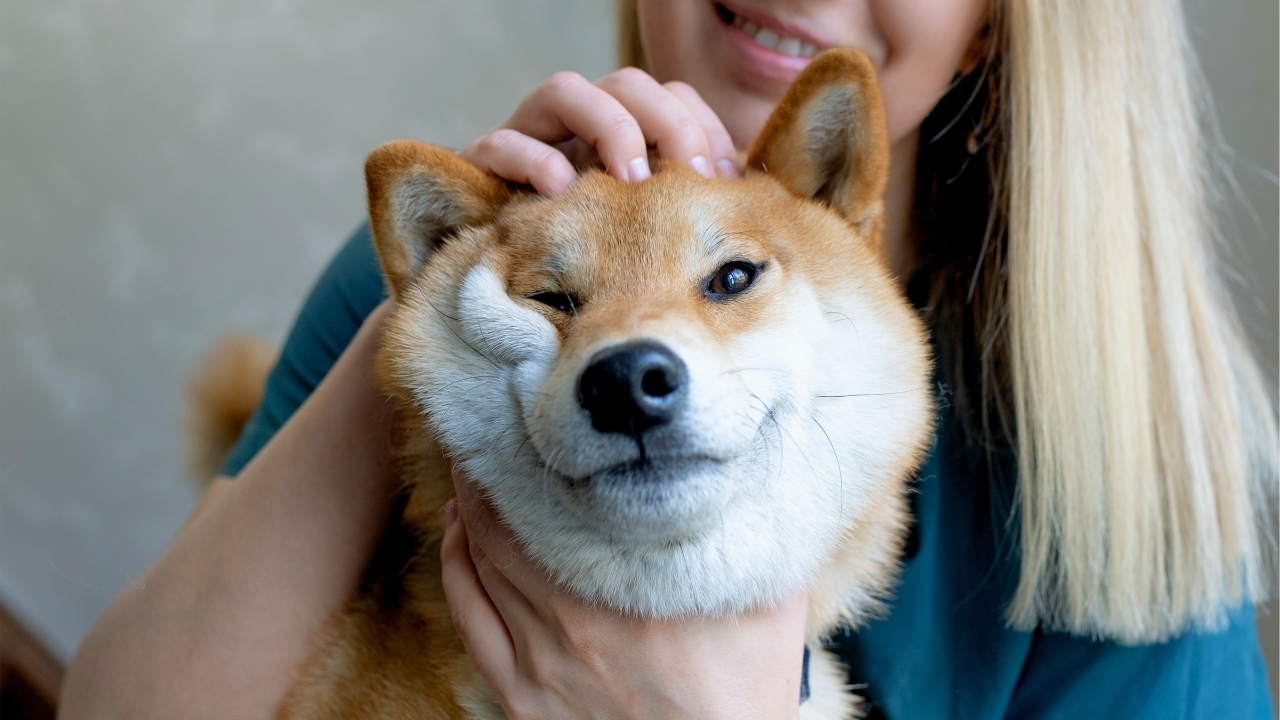
Shiba Inus are intelligent, clean, compact, and incredibly appealing to people who want an independent dog. That independence becomes much less charming when training turns serious.
Shibas generally do not have a strong desire to please people simply for praise. They may understand a command after only a few repetitions and still ignore it if something more interesting is happening. Recall is notoriously difficult because prey drive and curiosity can override training quickly. They also tend to dislike physical pressure and can shut down or resist if training becomes confrontational. The breed responds best to consistency and rewards, but even well-trained Shibas often retain a strong sense that they are participating voluntarily rather than obeying automatically.
Siberian Husky
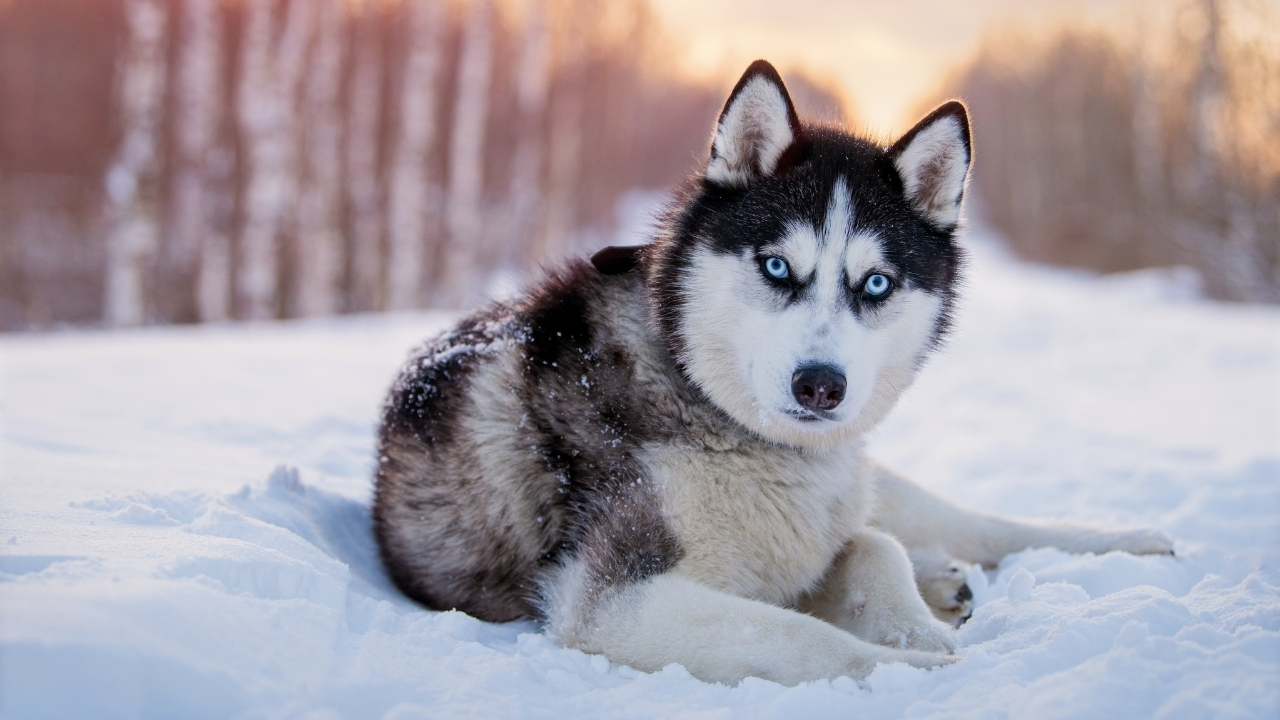
Huskies are smart, social, and energetic, so new owners often assume that intelligence will make obedience straightforward. What they discover instead is a dog bred to run long distances while making independent decisions.
That background makes recall especially challenging. A Husky that sees an open gate may decide the most rewarding option is to run several miles rather than return for a treat. They also become bored with repetitive training and can be extremely creative when under-stimulated. Their friendliness sometimes hides the fact that they are not naturally handler-focused dogs. Training absolutely works, but owners need realistic expectations. A Husky can know dozens of commands and still require secure containment because instinct and opportunity can overpower obedience.
Alaskan Malamute

Malamutes are often calmer than Huskies, which can create the impression that they are easier to train. They are also much larger and more powerful, so any training gaps become more obvious.
The breed is independent, confident, and often uninterested in endless repetition. Malamutes can learn quickly but may test whether a command is actually going to be enforced. Leash manners are especially important because an adult dog can pull hard enough to overwhelm an unprepared handler. They also tend to mature slowly, so owners can spend a long time dealing with a very large adolescent. The breed responds best to consistent structure and meaningful rewards rather than constant correction.
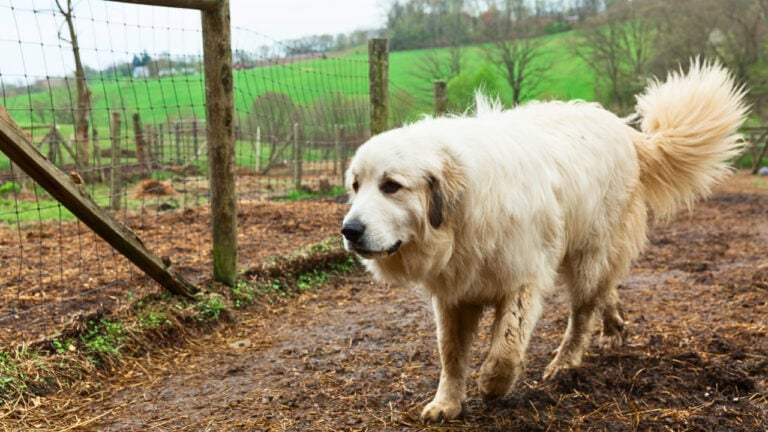
Great Pyrenees

Great Pyrenees can be incredibly calm around their family, which makes people underestimate how challenging obedience can be. They were bred to guard livestock independently, often through the night and without someone standing nearby issuing commands.
That means they are supposed to make their own judgments. A Pyr may hear you call, look directly at you, and decide that finishing its patrol is more important. Barking and roaming are similarly difficult because both behaviors are tied closely to the job the breed was created to perform. They can learn household rules and basic obedience, but expecting instant response in every situation usually leads to frustration. Training works best when the owner respects the dog’s independence instead of trying to turn it into a conventional obedience breed.
Bloodhound

Bloodhounds are incredibly skilled working dogs, but their talent is concentrated heavily around scent. Once the nose is engaged, the rest of the world can almost disappear.
That makes ordinary obedience surprisingly difficult. A Bloodhound may perform perfectly in a quiet yard and become almost unreachable mentally when a strong scent crosses the path. Recall requires tremendous work, and leash training matters because these dogs are powerful enough to drag an owner after whatever they are tracking. They are also sensitive, so harsh correction can damage trust without improving performance. Bloodhounds are brilliant at the job they were designed for. The challenge comes when owners expect that brilliance to translate automatically into obedience.
Borzoi

Borzois are calm, graceful, and usually quiet indoors, which can make them seem easier than high-energy working dogs. The difficulty appears when prey drive enters the picture.
As sight hounds, Borzois were bred to spot movement and pursue it at speed. That instinct can override recall quickly, especially in open areas. They also tend to be independent and are not particularly interested in repetitive obedience work. The breed learns best through gentle consistency and short sessions. They are not generally difficult because they are unruly. They are difficult because they simply do not place the same importance on human direction that highly handler-focused breeds do.
Chow Chow

Chow Chows are often aloof even with people they know, which gives training a very different feel from working with an eager retriever. They are intelligent but rarely desperate for approval.
That independence can make basic obedience slower to develop than expected. Chows may also become suspicious of handling if socialization is poor, so grooming, veterinary exams, and accepting restraint need to be introduced early. Harsh training is particularly unproductive because the breed tends to resist pressure rather than submit to it. Owners who build trust and keep expectations clear can get excellent results. The process just requires more patience than people expect from such a calm-looking dog.
English Bulldog
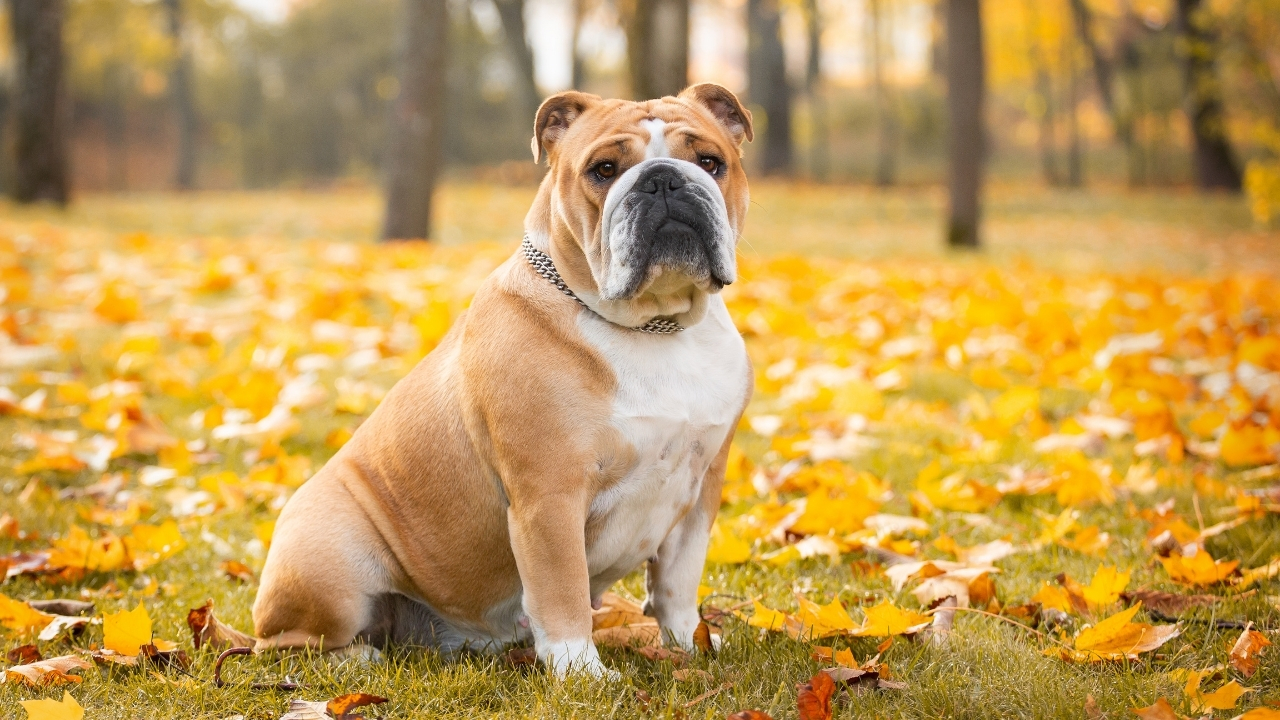
English Bulldogs are affectionate and generally easygoing, but obedience training can be surprisingly slow. Their low energy does not automatically translate into cooperation.
Many Bulldogs are highly food motivated, which helps, but they can also be stubborn and physically unenthusiastic about repetitive tasks. Heat and breathing limitations can make long training sessions unrealistic as well. Owners need to keep sessions short, rewarding, and physically appropriate. House training may also require more patience than expected. The breed is usually not trying to challenge anyone. It simply tends to ask whether the requested activity is worth getting up for.
Pekingese
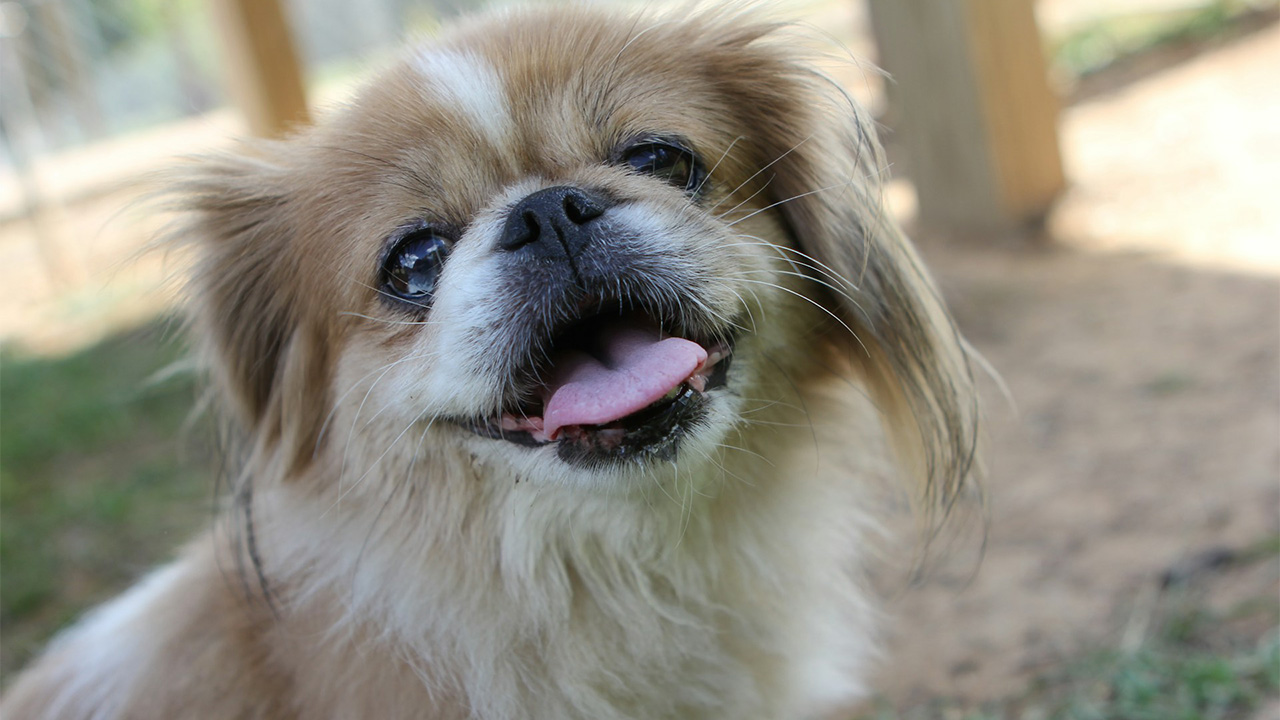
Pekingese were developed as companion dogs for royalty, not as working dogs expected to respond instantly to commands. That history still shows in their confident, independent personality.
They may be small, but they often have very strong opinions about what they want to do. Repetitive training can bore them, while harsh correction tends to make them resistant. Their size also encourages owners to carry them or ignore bad manners instead of teaching proper behavior. That can create a dog that appears impossible to train when the real problem is inconsistent expectations. A Pekingese can learn plenty, but the owner has to treat training seriously without turning it into a battle.
Scottish Terrier

Scottish Terriers are compact, dignified, and often much more independent than first-time owners expect. They were bred to pursue vermin without needing constant direction, which produced a determined dog capable of working alone.
That terrier mentality shows up quickly during training. Scotties can become bored with repetition and may ignore commands when prey drive takes over. They are also confident enough to push boundaries if rules change from one day to the next. Short, structured training sessions usually work much better than drilling. They are not incapable of obedience. They simply require an owner who understands that independence was a working advantage for generations.
Airedale Terrier

Airedales are intelligent enough to learn almost anything, yet that intelligence often makes them more challenging rather than less. They were bred as versatile working terriers and tend to be curious, energetic, and confident.
They can quickly lose interest in repetitive training and start looking for something more entertaining to do. Airedales also have enough independence to challenge inconsistent rules, especially during adolescence. Their size makes jumping, pulling, or rough play more significant than similar behavior from a smaller terrier. Owners who keep training varied and mentally engaging usually get much better results. An Airedale wants to understand why the exercise matters, not repeat it twenty times just because someone asked.
Jack Russell Terrier
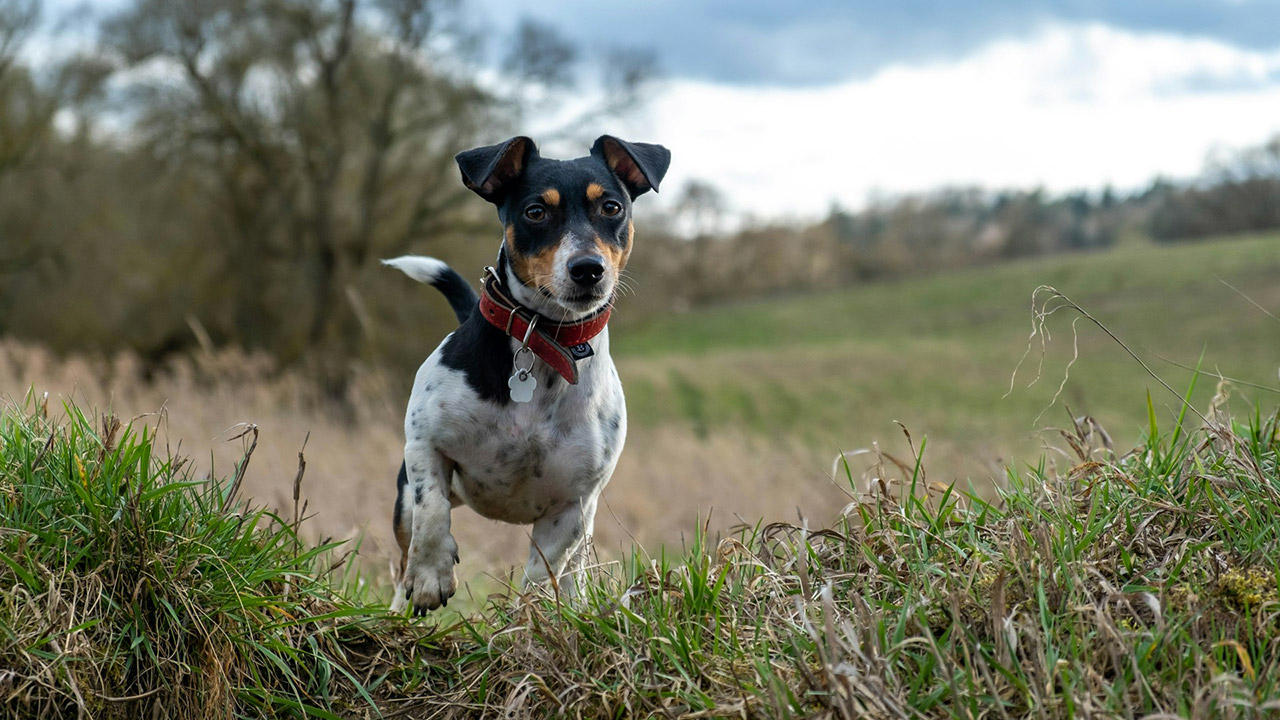
Jack Russells learn fast, but they also move fast, think fast, and become distracted fast. Their intelligence can make them look easy during the first few training sessions.
Then prey drive kicks in. These dogs were bred to pursue quarry with relentless determination, and a squirrel or rat can instantly become more important than whatever command the owner is giving. They also need far more mental and physical activity than most people expect from such a small dog. A bored Jack Russell can turn its intelligence toward escaping, digging, barking, or dismantling household objects. Training has to stay active, rewarding, and consistent. They are easy to teach and surprisingly difficult to control when their instincts take over.
Weimaraner

Weimaraners are athletic, intelligent, and usually strongly bonded to their owners. That combination sounds like it should produce effortless training, but their energy and sensitivity can complicate the process.
Young Weimaraners often struggle to settle long enough to concentrate, especially if they have not had enough physical exercise first. They can also become anxious or overly dependent, which makes independence training important. Harsh correction tends to create stress instead of better obedience. The breed works best with calm consistency, plenty of activity, and clear routines. Once mature, they can become excellent working companions, but the road there is often much more demanding than their sleek appearance suggests.
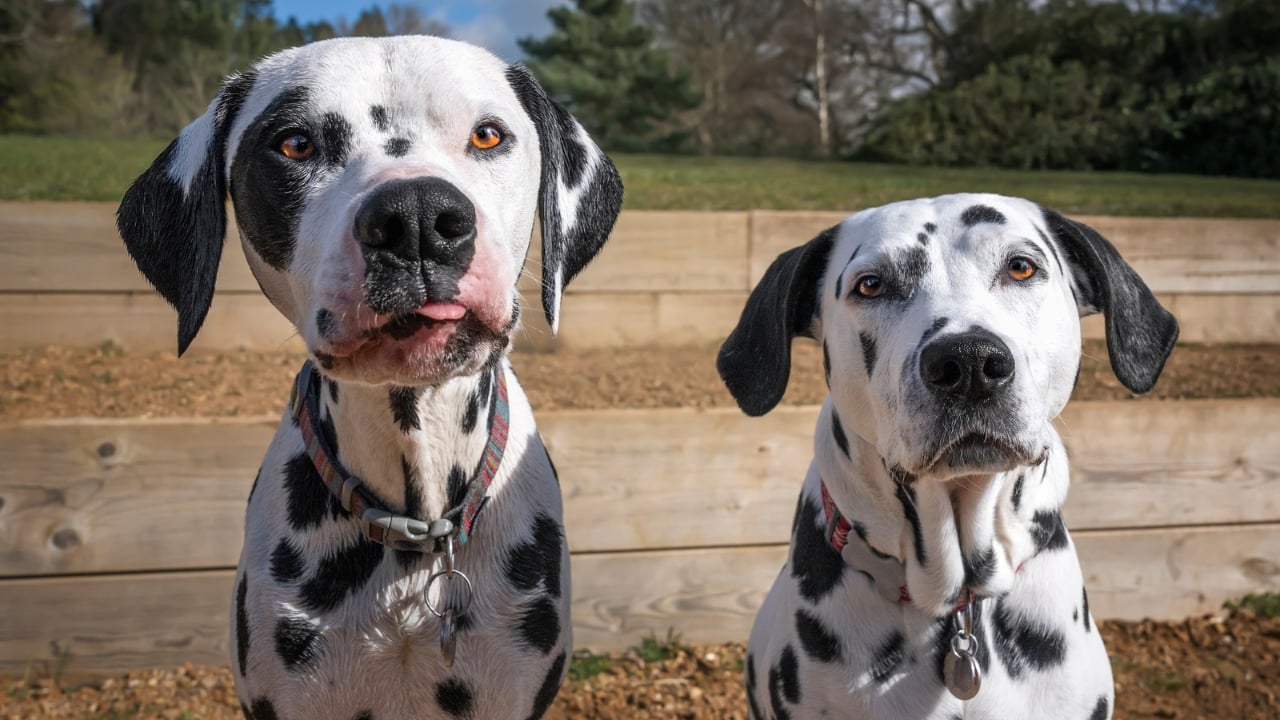
Dalmatian
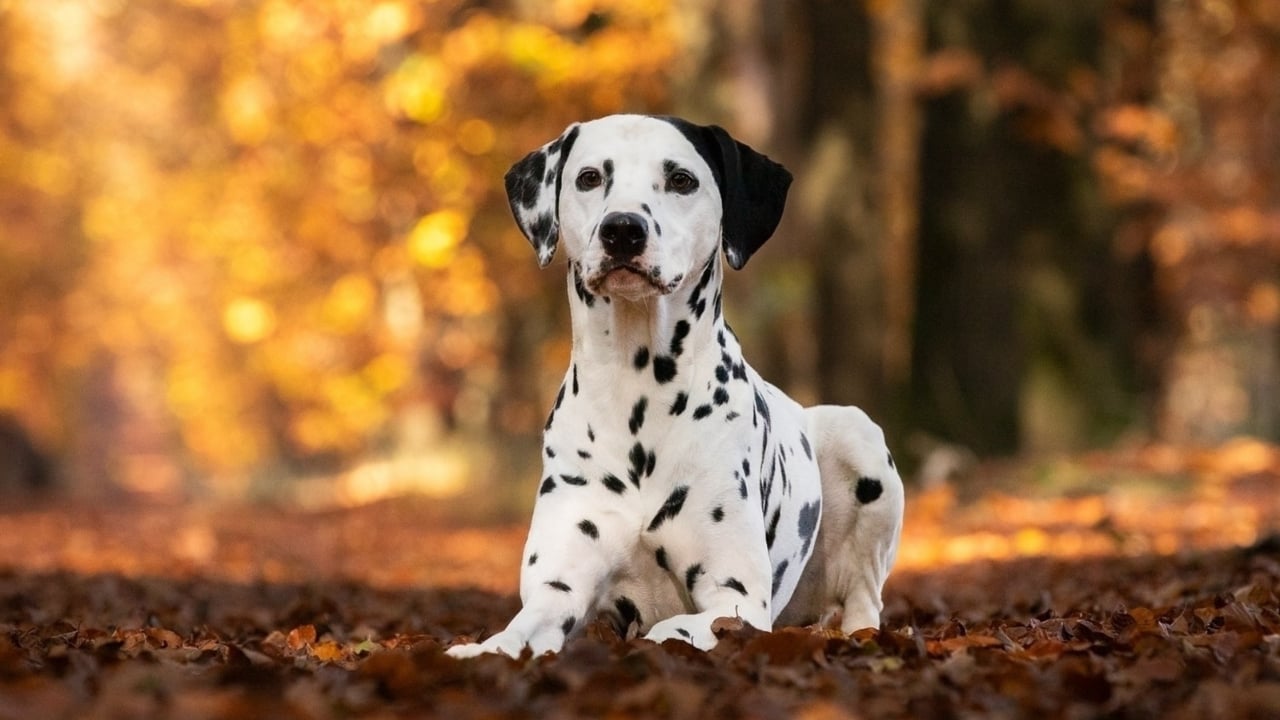
Dalmatians are athletic and intelligent, but they were bred to run alongside carriages rather than perform repetitive obedience. That history produced endurance and independence more than automatic handler focus.
They need substantial exercise before training becomes productive. A bored Dalmatian may appear stubborn when the real issue is unused energy. They can also be sensitive to inconsistent or overly forceful handling. The breed does best with clear routines and varied training that keeps the dog mentally involved. Owners attracted by the coat sometimes underestimate how much structure and activity these dogs need. A properly worked Dalmatian can be excellent. An underworked one can make even basic training feel unnecessarily difficult.
Shar-Pei

Shar-Peis often appear calm and uncomplicated, but they are independent enough to make training much harder than their low-key demeanor suggests.
They were historically used for guarding and other work that did not require constant direction, so many retain a strong tendency to make their own decisions. Socialization is especially important because they can be reserved with strangers and selective around other dogs. They are also not usually impressed by repetitive obedience drills. Training needs to be consistent, low-pressure, and worthwhile from the dog’s perspective. A Shar-Pei may never become the type of dog that lives to perform commands, but clear expectations established early can make a huge difference.
Like The Avid Outdoorsman’s content? Subscribe to our newsletter so you never miss an article.
Here’s more from us: