Photo credit: The Avid Outdoorsman
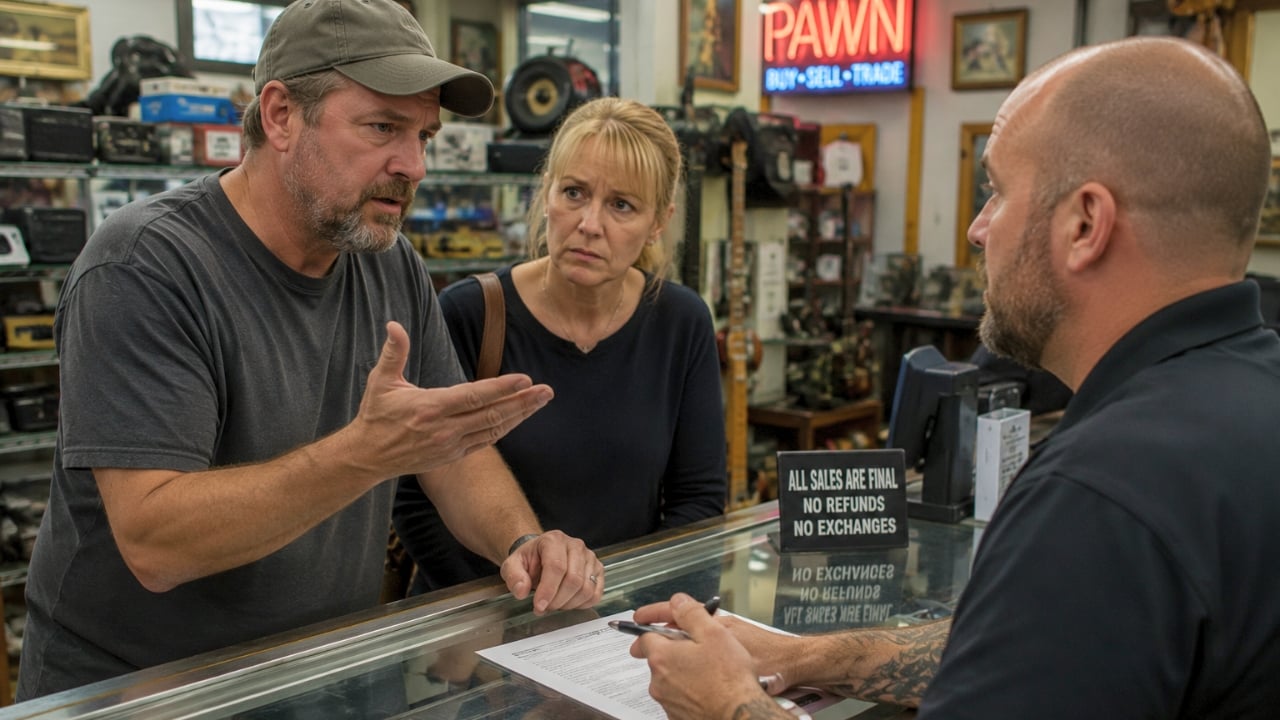
A family found themselves in a painful and complicated situation after a man died, leaving behind a pawned firearm that did not actually belong to him.
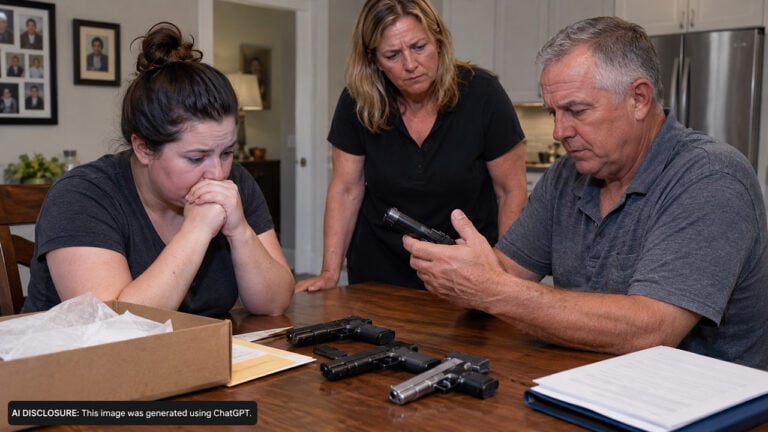
According to the Reddit post, the poster’s brother had pawned their father’s gun before passing away. After his death, the family wanted to know whether the father could get the gun back from the pawn shop.
On the surface, the family’s argument sounded straightforward. The gun belonged to the father. The son had pawned it. The son was now gone. So the family wanted the firearm returned.
But pawn shop transactions do not always work that cleanly, especially when the person who pawned the item is not around anymore to redeem it.
The poster explained the situation in a Reddit thread and asked whether the family had any legal right to recover the gun: https://www.reddit.com/r/legaladvice/comments/fui9ur/my_brother_died_with_my_dads_gun_pawn_do_we_have/
The gun belonged to the father
The most important detail was ownership.
The poster said the firearm was the father’s gun, not the brother’s. That changed the emotional side of the story right away. This was not just about recovering something from a deceased relative’s pawn ticket. It was about a family member allegedly pawning property that was not his to pawn.
If the brother did not own the gun, then the father had a stronger reason to believe the pawn shop should not keep it.
But that still did not mean the shop would simply hand it over on request.
Pawn shops deal with ownership claims, stolen property claims, loan contracts, redemption periods, and state rules. From the shop’s side, they may not be able to release a firearm to someone just because he says it is his.
The pawn ticket mattered
A pawned gun usually comes with paperwork.
There may be a pawn ticket, a loan amount, a redemption date, identification from the person who pawned it, and rules about what happens if the item is not picked up in time.
That paperwork becomes a big deal when the person who pawned the item dies.
The family would need to know whether the pawn loan was still active, whether the redemption period had expired, and whether the shop had already taken legal ownership under its normal process.
If the gun had already been forfeited because the loan was not repaid, the family’s options might be different than if the pawn ticket was still current.
Commenters said proof would matter
Several commenters focused on proof of ownership.
It would not be enough for the father to say the gun was his. The pawn shop would likely need some kind of documentation before releasing it or even taking the claim seriously.
That could mean a purchase receipt, serial-number record, photos, registration paperwork if applicable, insurance records, old transfer documents, or anything else connecting the father to that specific firearm.
With guns, the serial number is usually key. If the father could show that the serial number matched his records, that would make his claim stronger.
Without proof, the shop would be looking at a family dispute involving a firearm and a deceased customer. That is not a situation most shops are going to resolve casually at the counter.
The shop may not have known anything was wrong
It is easy to get angry at the pawn shop in a situation like this, but commenters pointed out that the shop may not have known the gun belonged to someone else.
If the brother had possession of the firearm and pawned it with identification, the shop may have processed it like any other pawn transaction.
That does not mean the father lost all rights. It just means the shop may not have intentionally done anything shady.
The real issue would be whether the gun was stolen or wrongfully pawned, and whether the father could prove it.
If the brother took the gun without permission and pawned it, the family may need to treat it like a theft or unauthorized transfer rather than a normal inheritance issue.
Police could become involved if it was stolen
Commenters suggested that if the brother had no permission to pawn the gun, the father may need to file a police report.
That is uncomfortable because it means reporting a deceased family member’s conduct. But if the firearm was taken and pawned without consent, law enforcement may be the path to getting the pawn shop to release it.
Pawn shops are often required to cooperate with police when property is reported stolen. If the gun’s serial number matches a theft report, the shop may have to hold it or turn it over through the proper process.
That does not guarantee the father gets it back immediately, but it creates an official record that the firearm was not the brother’s property to sell or pawn.
The family also had to think about firearm transfer rules
Because the item was a gun, the family could not treat it like a watch or a guitar.
Even if the pawn shop agreed the father owned it, the shop may still need to follow firearm transfer laws before releasing it. Depending on the state and the shop’s license status, that could involve paperwork, identification, and possibly a background check.
That detail can frustrate people who believe they are simply reclaiming their own property.
But from the pawn shop’s perspective, handing over a firearm without following the rules could create serious trouble.
So even in the best-case scenario, the father might not be able to just walk in and take the gun home without any process.
The brother’s estate could complicate things
Another issue was whether the pawned gun had become part of the brother’s estate.
If the pawn shop treated the firearm as the brother’s pawned property, then the person handling the estate might have rights or responsibilities tied to the pawn ticket.
That does not settle the true ownership question, but it could affect who is allowed to deal with the shop.
If the father had proof the gun was his all along, that may cut through some of the estate confusion. But if ownership was unclear, the pawn shop might not want to release it to anyone without documentation or legal authority.
The family’s emotional understanding of the situation and the shop’s legal process were not necessarily the same thing.
Commenters warned not to let deadlines pass
Pawn shops operate on deadlines.
If a pawn loan is not redeemed within the required window, the shop may be allowed to sell the item. That is why several commenters told the family not to wait around.
Even if the father believed the gun was his, he needed to act quickly. That could mean contacting the shop in writing, gathering proof, speaking with police, or getting advice from a local attorney.
Waiting until after the redemption period ended could make everything harder.
The family did not need to solve the entire legal issue overnight, but they did need to stop the gun from quietly moving from pawned property to inventory for sale.
The cleanest path was documentation
The practical advice came down to paperwork and proof.
The father needed to gather anything showing the gun belonged to him. The family needed to know the pawn ticket details, the serial number, the loan status, and whether the shop still had the firearm.
If the gun had been pawned without permission, a police report might be necessary. If the shop refused to release it despite proof, the family may need a local attorney or small-claims route depending on the value and state law.
None of that is quick or satisfying, especially after a death in the family. But a firearm sitting in a pawn shop is not something that gets fixed by arguing at the counter.
The painful part was who pawned it
What made the story sad was that the dispute involved a deceased son and brother.
If a stranger had stolen the father’s gun and pawned it, the family’s path would feel more obvious. Report the theft, prove ownership, and try to recover it.
But when the person who pawned it was a close family member who had since died, everything became emotionally heavier.
The father may have wanted the gun back without turning his late son into the subject of a theft report. The pawn shop, meanwhile, still had to follow the law and protect itself.
That is what made the Reddit thread so uncomfortable. The family was not just trying to recover property. They were trying to untangle ownership, grief, and firearm rules all at once.
Check out more from The Avid Outdoorsman here.