Photo credit: The Avid Outdoorsman
A truck owner said a theft from his vehicle turned into a frustrating legal mess after one of the stolen items reportedly showed up in a pawn shop.
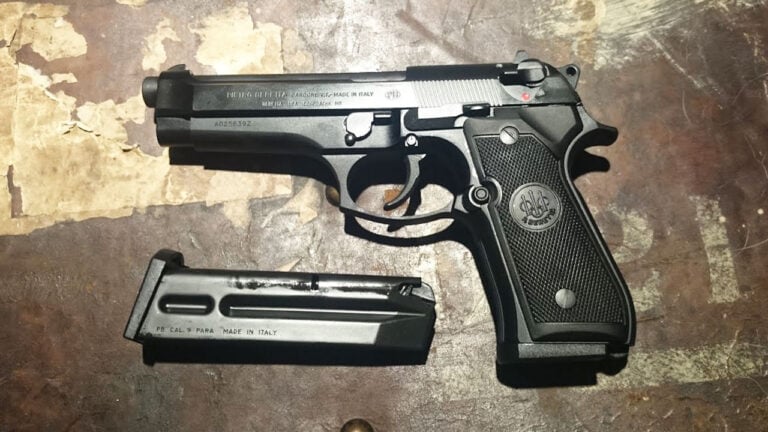
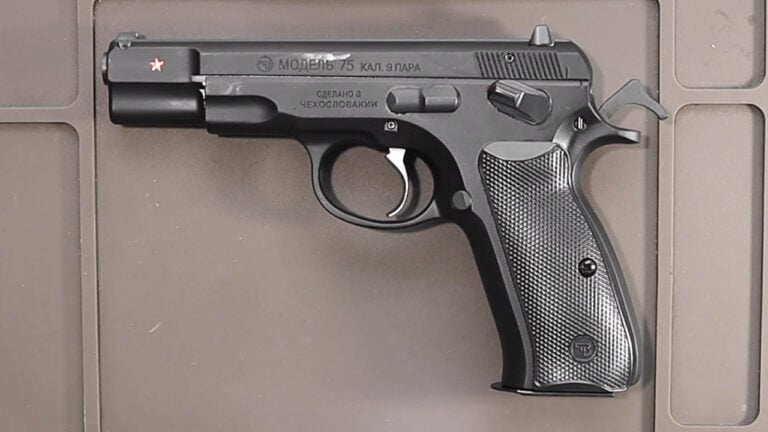
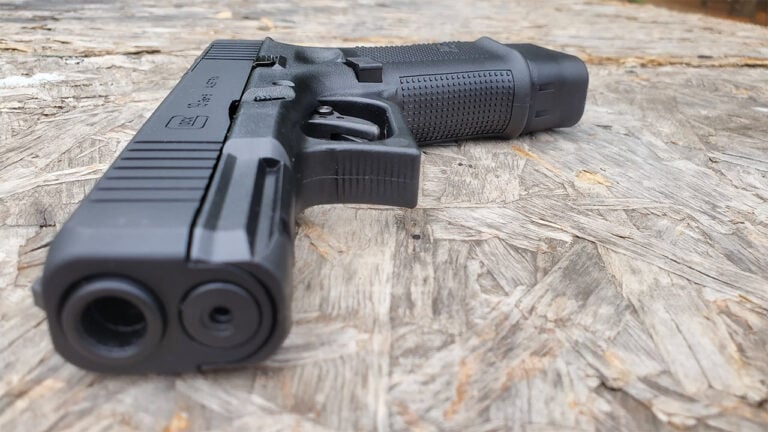
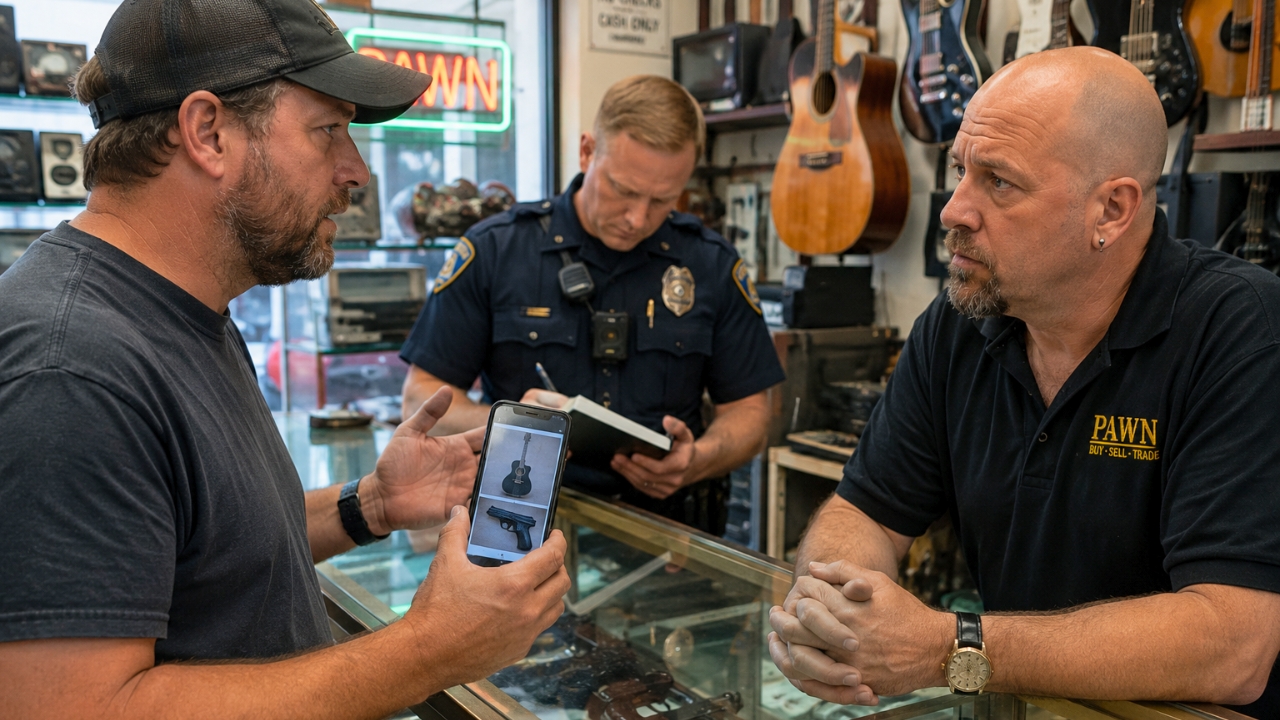
According to the Reddit post, the man said multiple items were stolen from his truck, including a handgun and a guitar. He later found one of those stolen items at a pawn shop and wanted to know what his options were for getting it back.
That sounds simple at first. If something was stolen and the owner can prove it, the pawn shop should not get to keep it forever.
But recovering stolen property from a pawn shop is often more complicated than walking in, pointing at the item, and saying, “That’s mine.”
The truck owner explained the situation in a Reddit thread and asked what he could do after spotting one of his stolen belongings in a pawn shop: https://www.reddit.com/r/legaladvice/comments/8p43y4/multiple_items_stolen_one_found_in_a_pawn_shop/
The stolen handgun made the case more serious
A stolen guitar is bad enough. A stolen handgun raises the stakes.
When a firearm is taken from a vehicle, the owner is not just dealing with lost property. He is dealing with a gun that could be sold, carried, used in a crime, or passed around by someone who should not have it.
That is why stolen guns usually need to be reported quickly, with the make, model, and serial number if the owner has it.
The poster’s situation involved both ordinary property and a firearm, which meant the paper trail mattered even more. Police would need to know the gun was stolen, and the owner would need to show that the item found at the pawn shop matched what was taken.
The pawn shop may have bought it without knowing
It is easy to get angry at a pawn shop when stolen property turns up there.
But commenters pointed out that the shop may not have known the item was stolen when it came in. Pawn shops often take in property from people who claim to own it, record the transaction, and report information to law enforcement depending on local rules.
That does not mean the shop gets to keep stolen property without question. It just means the owner may have to go through police rather than trying to settle it at the counter.
From the pawn shop’s perspective, they paid money for the item. From the owner’s perspective, it was stolen from his truck. Those two facts can collide quickly.
Commenters said to call the police, not argue with the shop
The biggest piece of advice was not to get into a shouting match at the pawn shop.
If the owner believed the item was stolen, commenters told him to contact police and let them handle it. That protects the owner, creates an official record, and keeps the pawn shop from turning the situation into a dispute between two private parties.
Police can compare serial numbers, check theft reports, talk to the pawn shop, and determine whether the item should be held as evidence or returned.
That is especially important when a stolen handgun is involved. A gun needs to be handled through the proper process, not casually passed back across a counter.
Proof of ownership was everything
The owner’s ability to recover the item depended on proof.
For the handgun, that could mean the serial number, purchase records, photos, registration records if applicable, or the police report from when it was stolen. For the guitar, it could mean photos, receipts, a serial number, unique markings, or anything showing it belonged to him.
That is one of the hardest parts of stolen-property cases. Many people know an item is theirs, but they do not have the paperwork ready when it matters.
A guitar may have scratches, stickers, modifications, or a case that makes it identifiable. A firearm has a serial number, which is usually far cleaner if the owner kept a record.
Without proof, the pawn shop and police may have a harder time separating the true owner from someone making a claim.
The original theft report mattered
Several commenters focused on whether the owner had already filed a police report.
That report is important because it proves the theft was reported before the item was found at the pawn shop. It also gives police a case number and a record to match against the pawn shop’s transaction.
If the handgun was stolen, the report should include the firearm’s serial number if available. If the owner did not include it originally, he may need to update the report.
That matters because stolen-gun databases depend on those details. A missing serial number can make a stolen firearm much harder to trace.
The person who pawned it may be traceable
One reason pawn shop cases can be useful is that the shop usually has information on the person who pawned or sold the item.
That could include identification, a signature, a date, and sometimes video footage. If the stolen item went through a pawn shop, police may have a path back to the person who brought it in.
That does not automatically prove that person stole it from the truck. They may claim they bought it from someone else. But it gives investigators a starting point.
For the owner, that was another reason not to handle it privately. If police got involved early, they could preserve the records and figure out how the stolen property moved.
The owner might not get it back immediately
One frustrating possibility is that stolen property may be held as evidence.
Even if police agree the item belongs to the owner, they may not be able to release it right away if it is connected to an investigation or prosecution.
That can feel unfair. The victim already lost the item, found it, and proved it was his. But if the case against the person who pawned it depends on that item, police may need to document it first.
With the handgun, the process could be even more formal. Firearms are not the kind of property police casually release without confirming ownership and legal eligibility.
The pawn shop may want its money back from someone else
The shop’s problem is that it may have paid money for stolen property.
But commenters generally treated that as the shop’s issue with the person who pawned or sold the item, not the victim’s responsibility.
If the item was stolen, the original owner should not have to buy back his own property. That said, the exact process can vary by state and local law, which is why police involvement mattered.
The owner’s best position was not “I should not have to pay because I feel wronged.” It was “this was reported stolen, here is proof it belongs to me, and law enforcement needs to handle the recovery.”
Vehicle theft creates its own lesson
The thread also served as a reminder about leaving valuables in a truck.
A guitar may be expensive and personal. A handgun is even more serious. Vehicles are common targets, and once a gun is stolen from one, it can be very difficult to recover.
That does not excuse the thief. But it does show why gun owners are constantly warned not to leave firearms unsecured in vehicles unless there is no other option and the gun is locked down properly.
A stolen firearm can create problems long after the broken window or missing bag is discovered.
The best move was to build the paper trail
For the truck owner, the practical path was clear.
File or update the police report. Provide serial numbers and proof of ownership. Tell police exactly where the stolen item was found. Do not try to force the pawn shop to hand it over without law enforcement involved. Keep records of every conversation.
That may feel slow, especially when the owner can see his stolen property sitting in a shop.
But it is the cleanest way to recover the item without creating a new dispute. When a stolen handgun and other property move through a pawn shop, the answer is not a counter argument. It is paperwork, police, serial numbers, and a record strong enough that nobody can pretend the item was just another used sale.
Check out more from The Avid Outdoorsman here.