Photo credit: Dave "DirtyDave" Maximillion/YouTube
Some firearms do not seem like a big deal until they are gone. They might have been sitting in the safe untouched, riding behind the truck seat, or getting passed over every time something newer came home. Then one day, the owner realizes that the gun they sold was more useful, better built, or harder to replace than they thought.
That is what makes certain guns stick in people’s heads. It is not always about collector value, either. Sometimes it is the pistol that fit right, the shotgun that never jammed, or the rifle that always grouped with cheap hunting ammo. These are the firearms owners often wish they could get back.
Smith & Wesson Model 13
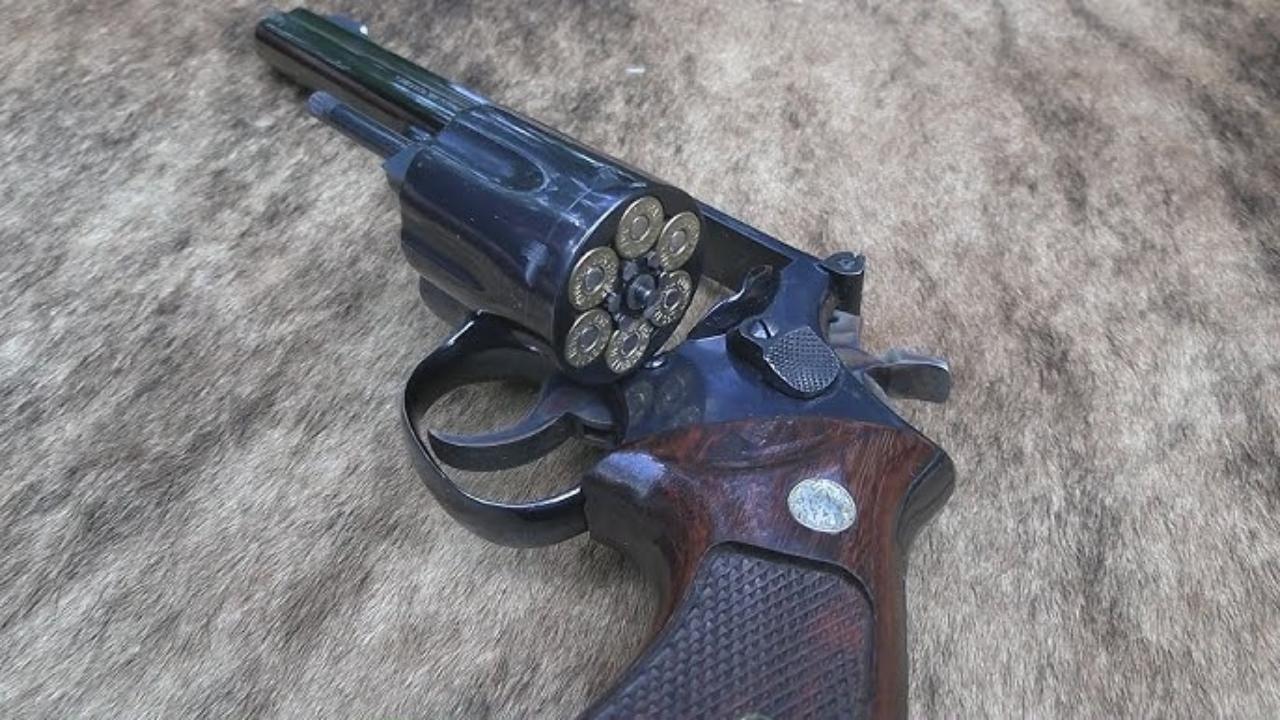
The Smith & Wesson Model 13 was easy to overlook because it looked so plain. Fixed sights, .357 Magnum chambering, and a working-gun finish made it feel more practical than special.
That is exactly why owners miss it. The Model 13 carried easier than larger magnum revolvers but still gave you real .357 capability. It was simple, strong enough for regular use, and balanced in a way modern defensive revolvers do not always match. A lot of people sold them when semi-autos took over, then realized later that a good K-frame magnum is not something you casually replace.
Remington 742 Woodsmaster

The Remington 742 Woodsmaster has a mixed reputation, and not every example deserves praise. But owners who had one that ran well usually remember it fondly.
A good 742 was a fast-handling deer rifle that gave hunters quick follow-up shots in real hunting chamberings. Plenty of people traded them away when bolt actions became the safer recommendation, but that does not erase how useful they were in thick woods and normal deer country. If your old Woodsmaster fed cleanly and stayed sighted in, losing it probably still bugs you.
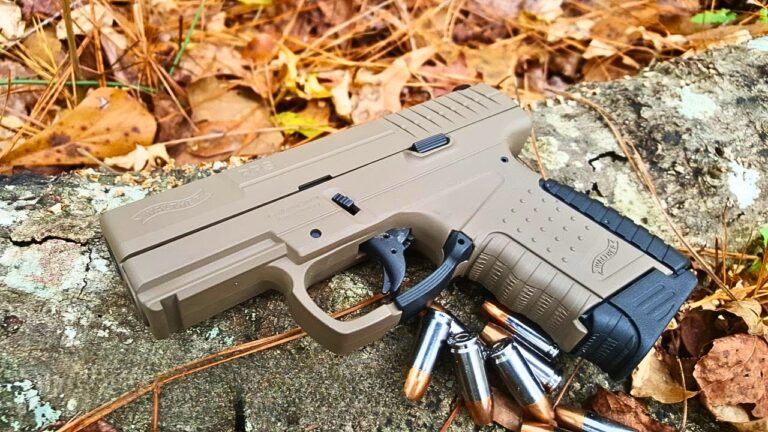
Walther PPQ M1
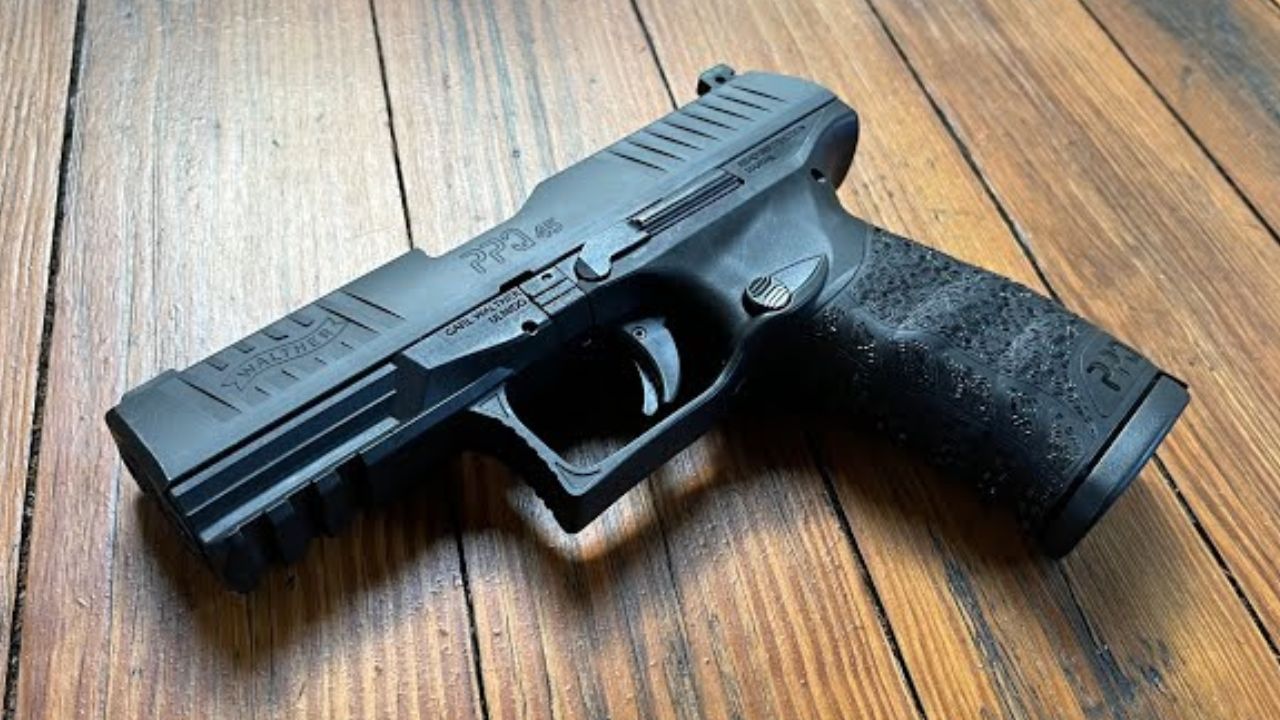
The Walther PPQ M1 had one of the best factory striker-fired triggers many shooters had ever felt. The paddle magazine release was different, and that kept some buyers from fully appreciating it at the time.
Now plenty of owners wish they had kept theirs. The PPQ M1 shot well, fit the hand nicely, and had a crisp trigger that made range work feel easy. When Walther moved on and the market kept chasing new models, the older M1 developed a loyal following. Owners who sold one often realize the replacement never felt quite as good.
Browning Gold Hunter

The Browning Gold Hunter was a smooth, soft-shooting semi-auto shotgun that did not always get the attention it deserved. It lived in a crowded world of Berettas, Benellis, and newer Browning models.
Owners who let one go often miss how well it worked in the field. The gas system took the edge off recoil, the gun handled birds well, and a good one could run season after season with basic care. It may not have been the trendiest shotgun, but it fit a lot of hunters just right. That kind of shotgun is hard to replace once it is gone.
Kahr K9
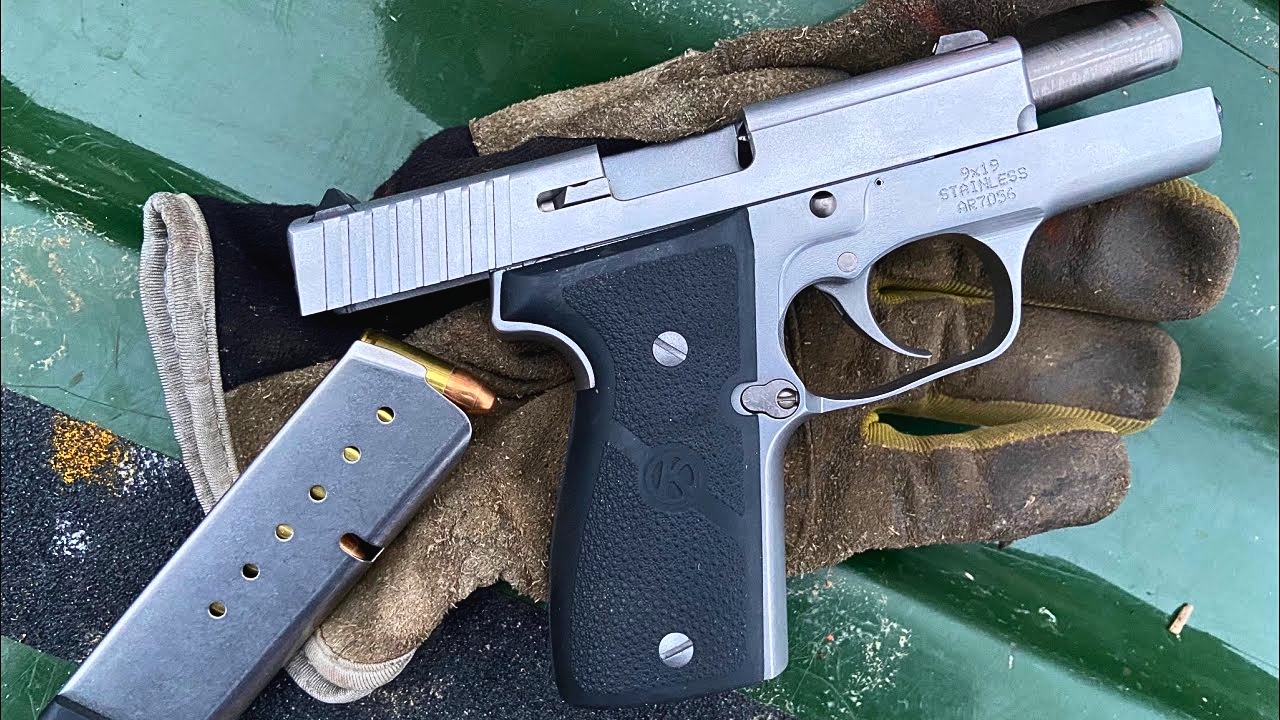
The Kahr K9 looked outdated once tiny polymer carry pistols started packing more rounds into smaller packages. A steel single-stack 9mm did not look like the future anymore.
But the K9 had something many newer pistols lack: a solid, smooth, confidence-building feel. It carried flat, shot softly for its size, and had a double-action trigger that rewarded steady practice. Some owners sold theirs chasing more capacity or less weight, then missed how shootable the little steel Kahr was. Specs matter, but feel matters too.
Marlin 783
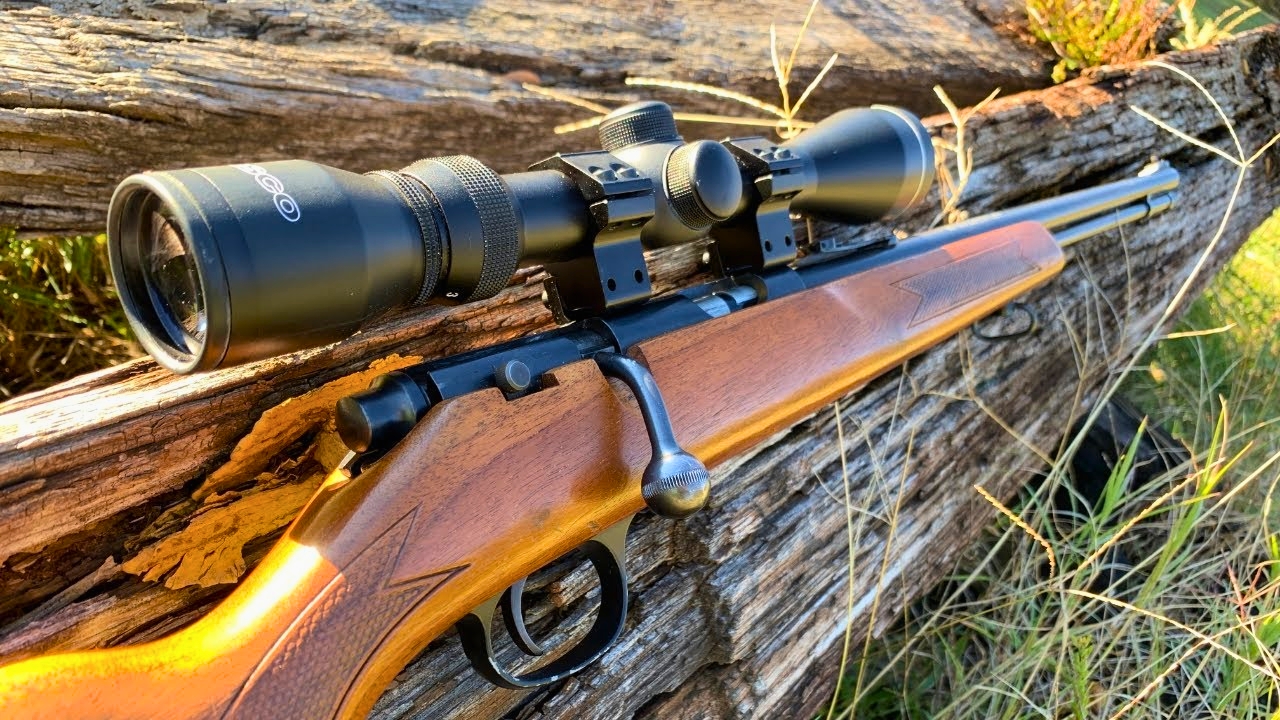
The Marlin 783 was never a glamorous rifle. It was a plain bolt-action .22 Magnum that many people treated like a basic small-game gun or farm rifle.
That is why owners sometimes regret letting one go. The 783 was handy, accurate enough for real use, and chambered in a cartridge that hits harder than .22 LR without turning into a centerfire. It handled pests, squirrels, rabbits, and general property work without asking for much. Good older Marlin rimfires have become more appreciated, and the 783 is one of those rifles people wish they had kept around.
Beretta 1201FP

The Beretta 1201FP was a lightweight defensive semi-auto shotgun that some owners sold when newer tactical shotguns started getting all the attention. It looked simple compared with modern setups covered in rails, oversized controls, and optic mounts.
That simplicity is why people miss it. The 1201FP was fast, light, and backed by Beretta’s semi-auto shotgun reputation. It kicked more than heavier gas guns, but it handled quickly and stayed easy to maneuver. Owners who traded one for something heavier and trendier often realized the old Beretta had exactly the kind of speed they wanted.
Ruger SR9c
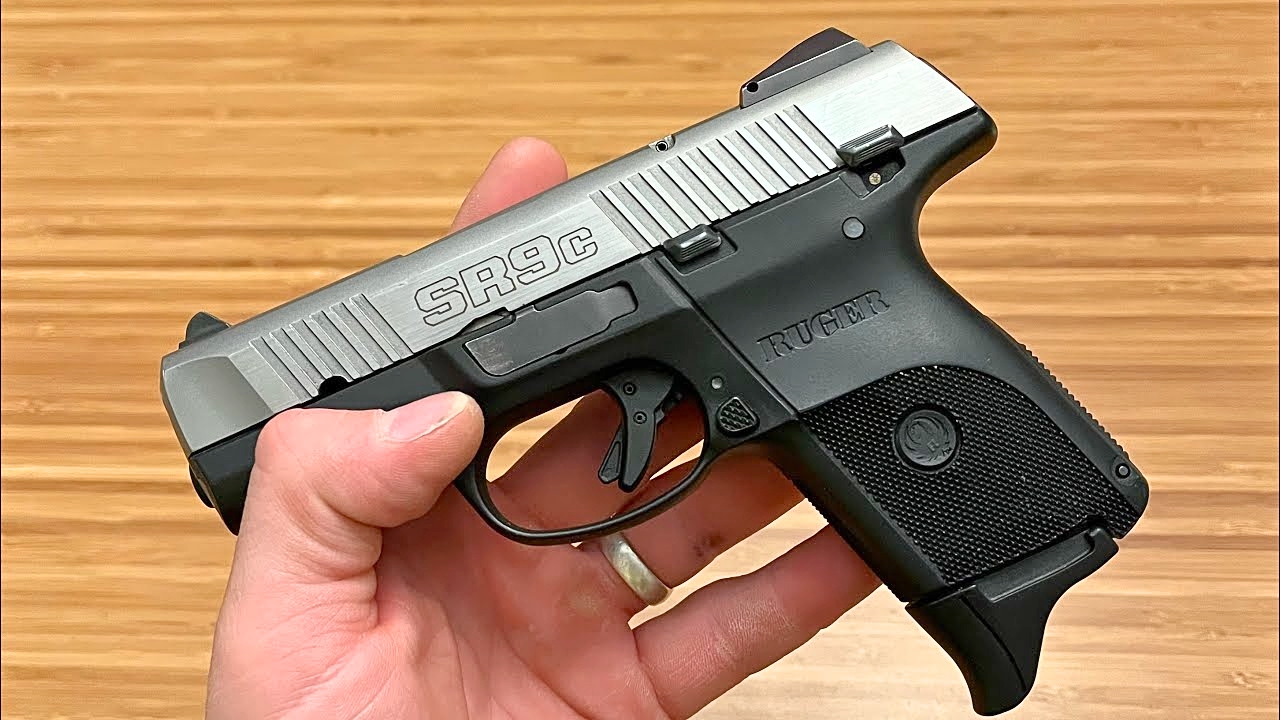
The Ruger SR9c arrived before the current micro-compact capacity race changed everything. For a while, it was a practical compact 9mm with good capacity, a slim profile, and a price that made sense.
Some owners moved on because the market told them they needed something newer. Later, they missed how easy the SR9c was to carry and shoot. It was not fancy, but it worked for a lot of people. The grip was comfortable, the size was useful, and the pistol filled the concealed-carry role without drama. That kind of boring usefulness ages better than people expect.
Savage Model 10FP
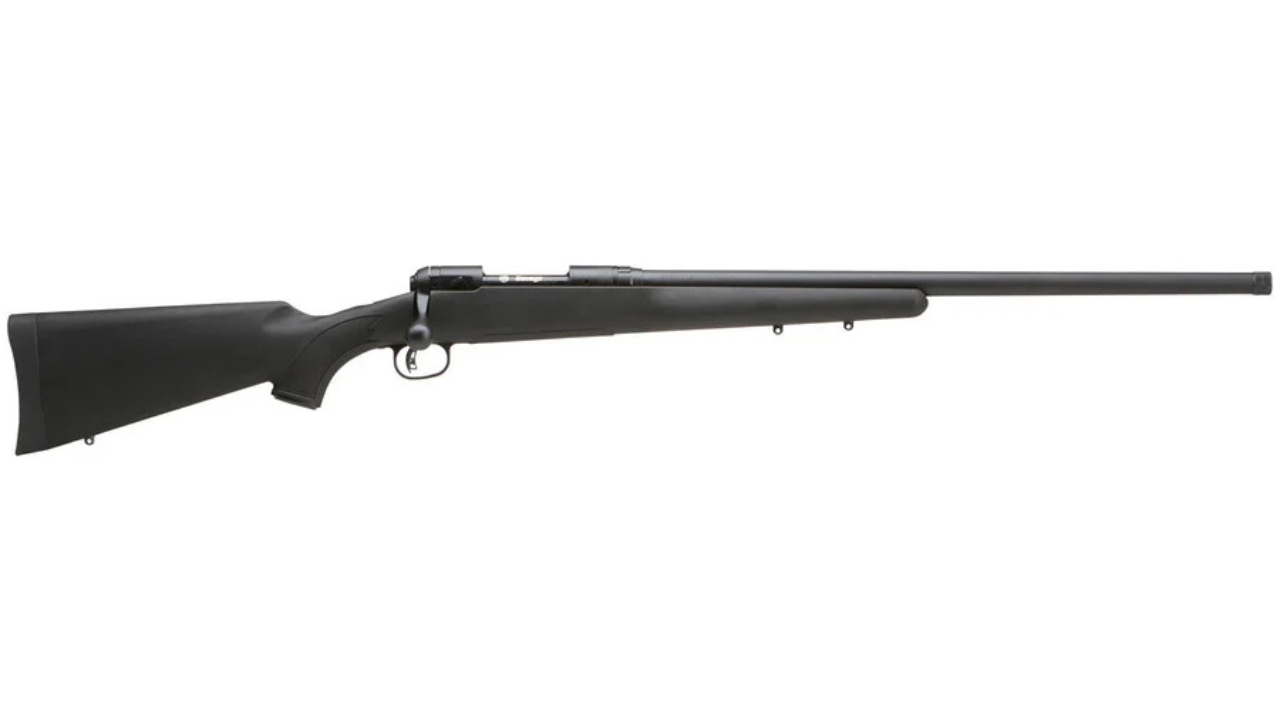
The Savage Model 10FP was one of those rifles that made budget-minded precision shooters look smart. It was heavy, plain, and not especially pretty, but it often shot extremely well.
Owners who sold one sometimes regret it because the rifle did what they needed without making the owner spend custom-rifle money. The heavy barrel, good accuracy, and practical stock options made it a solid range and varmint rifle. It may not have had modern chassis appeal out of the box, but a good 10FP could flat-out shoot. Letting one go usually seems worse after trying to replace that performance.
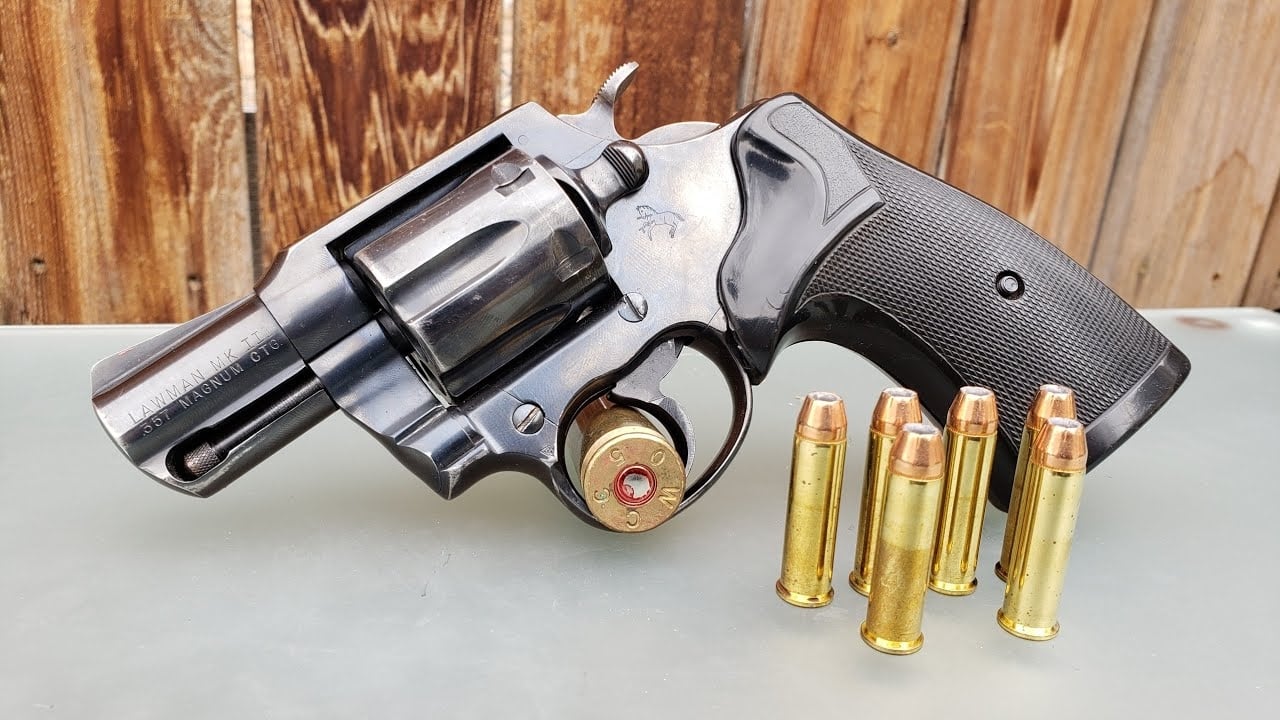
Colt Lawman Mk III
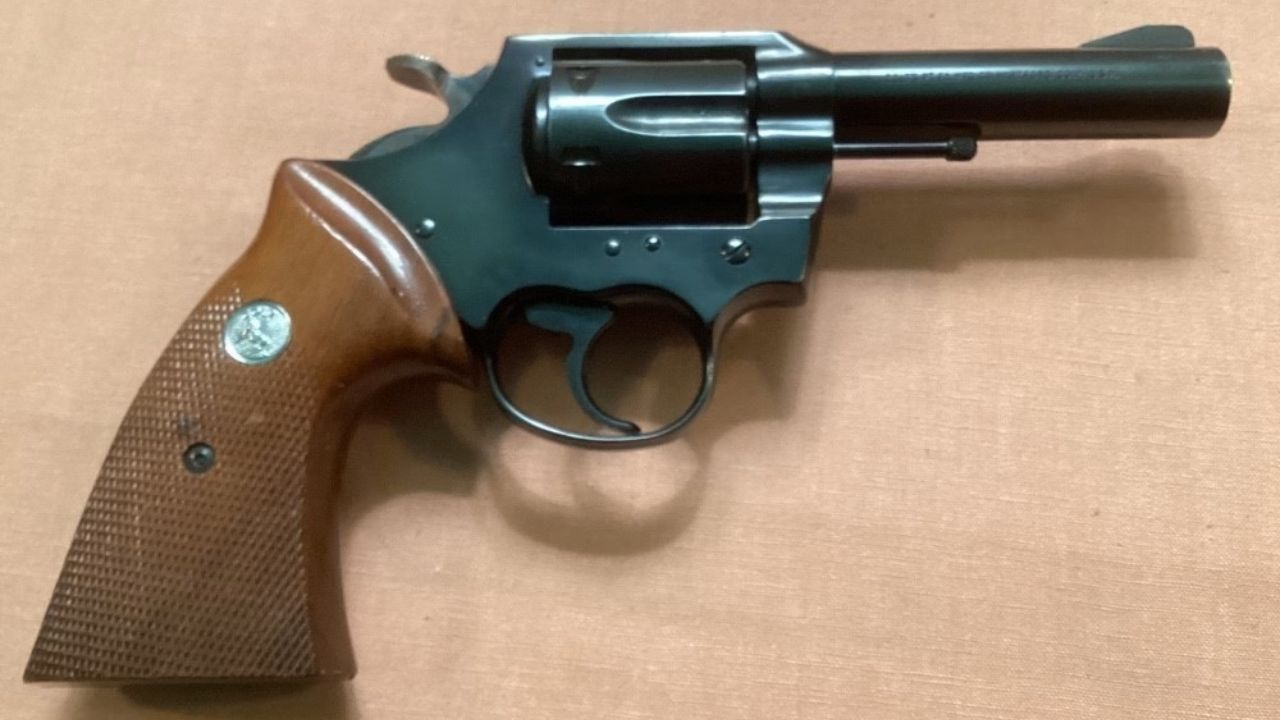
The Colt Lawman Mk III never had the same glamour as the Python, and that made owners underestimate it. It was a working Colt revolver, not the flashy one everyone chased.
That is why people want them back now. The Lawman had solid construction, clean lines, and Colt character without being as precious as the higher-end snake guns. It could serve as a serious .357 revolver while still carrying that classic Colt feel. Owners who sold one when Colt revolvers were less expensive often regret not holding onto it before the market woke up.
Mossberg 930 SPX
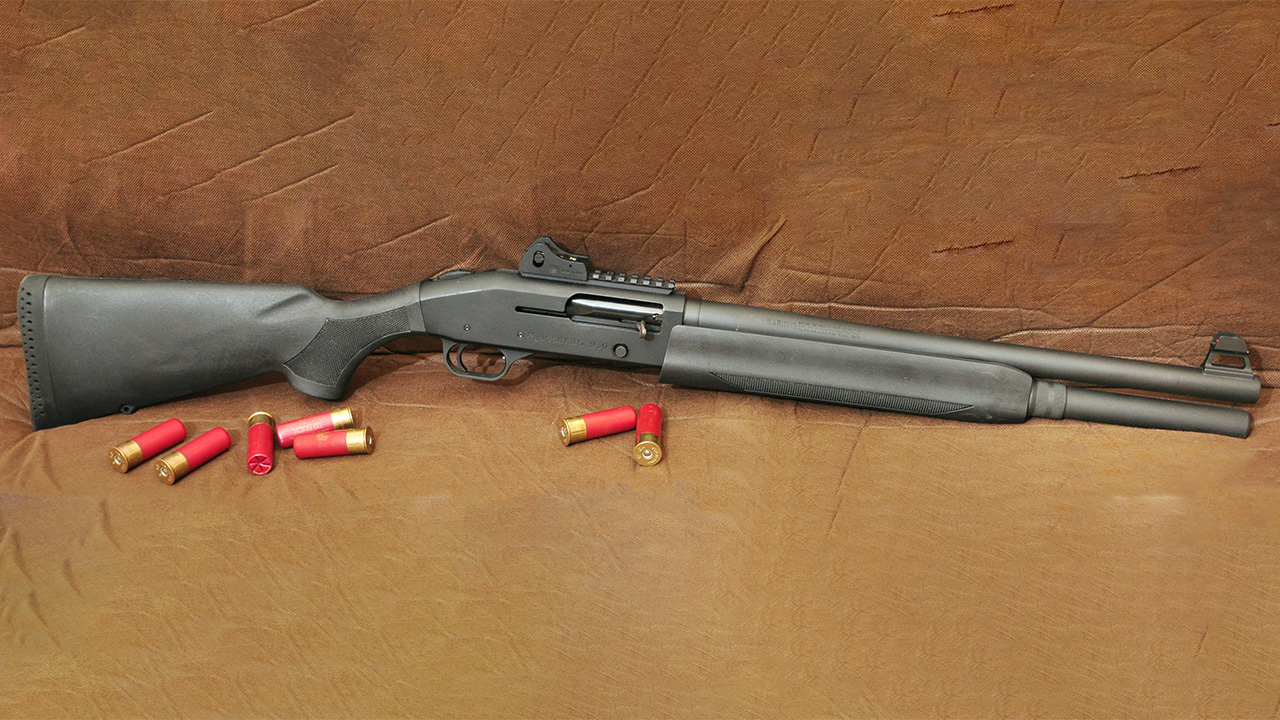
The Mossberg 930 SPX was one of the more affordable semi-auto defensive shotguns that actually made sense for regular buyers. It offered good capacity, usable sights, and a price that did not feel outrageous.
Some owners moved on to newer tactical shotguns and later missed the value. The 930 SPX was not perfect, and it needed maintenance like any gas gun, but a well-running example was very useful. It gave owners a capable defensive semi-auto without premium money. Selling one only to replace it later with something much more expensive can feel pretty foolish.
IMBEL FAL Sporter
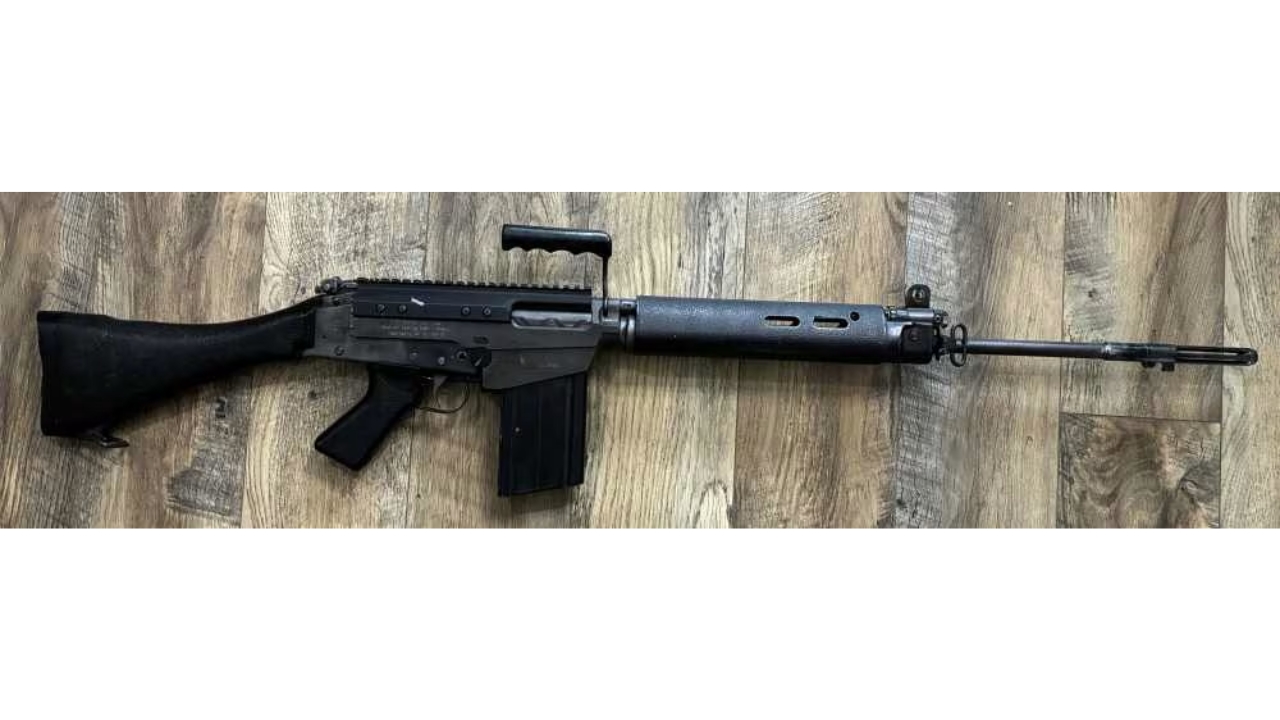
The IMBEL FAL Sporter was easy for some owners to treat like just another imported .308 rifle. It did not always have the collector shine people now attach to quality FAL-pattern guns.
That changed as good imported receivers and rifles became more appreciated. The IMBEL guns had real military-pattern credibility, solid build quality, and the kind of Cold War rifle feel that modern .308s do not copy. They are not light, and they are not cheap to feed, but they have presence. Owners who let one go usually understand now that replacing it is not simple.
Winchester 190
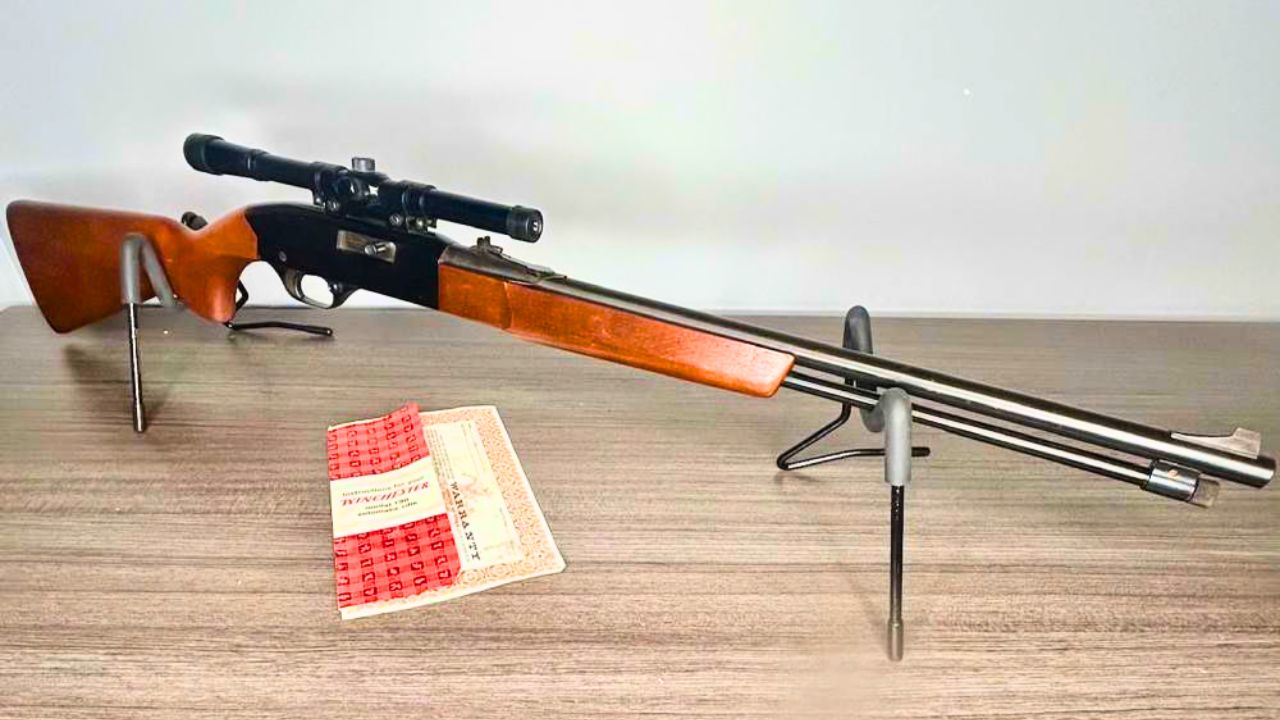
The Winchester 190 was a basic semi-auto .22 that many people barely thought about. It was not fancy, rare, or expensive, and that made it easy to sell or trade.
But some guns become missed because they were used constantly. The 190 was light, simple, and fun for casual rimfire shooting. It handled cans, squirrels, and Saturday range trips without needing much attention. Owners often want them back because they remember the use, not the resale value. It was the kind of rifle that quietly became part of someone’s shooting life.
Kimber Classic Stainless
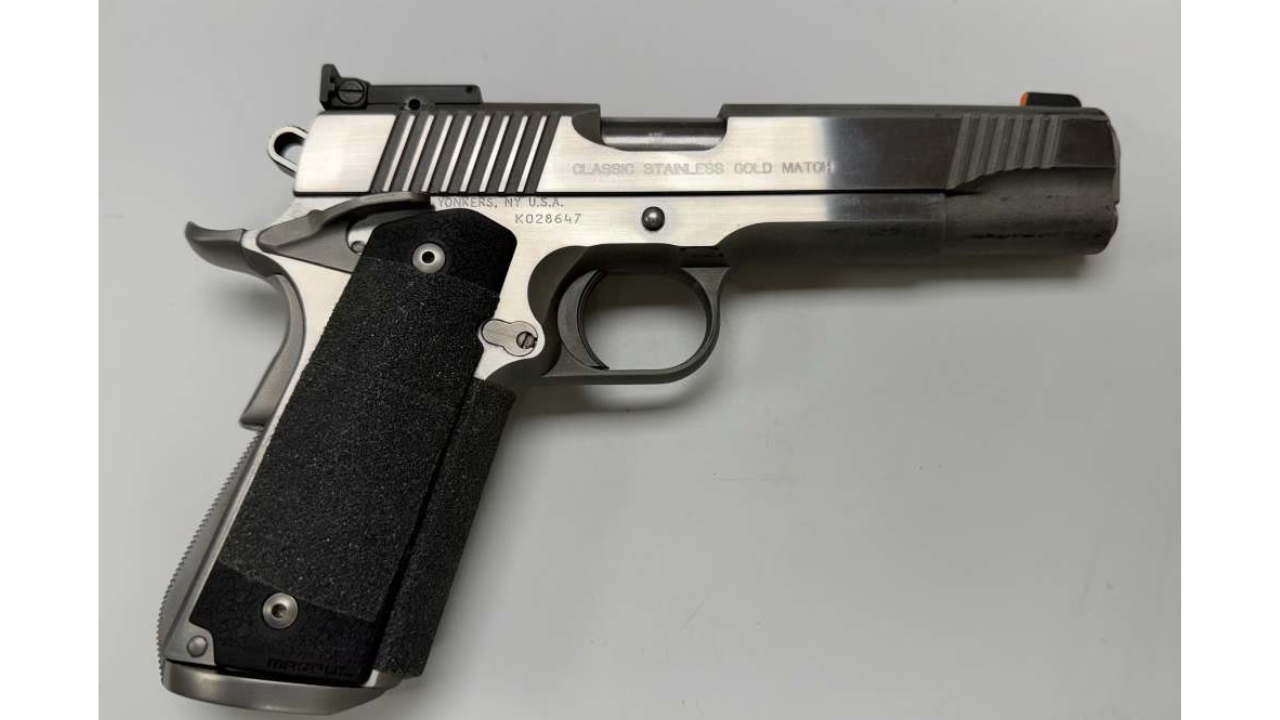
The Kimber Classic Stainless came from a period when Kimber 1911s had a strong pull with shooters who wanted better-than-basic features without jumping into true custom money. A lot of owners bought them, shot them, and later traded them toward something newer.
Some wish they had not. A good Classic Stainless had clean lines, decent sights, a good trigger, and that all-steel 1911 feel people keep coming back to. It was not perfect, but plenty of examples shot well and looked good doing it. Owners who replaced one with a polymer pistol sometimes missed having a solid 1911 in the safe.
Thompson Center Hawken
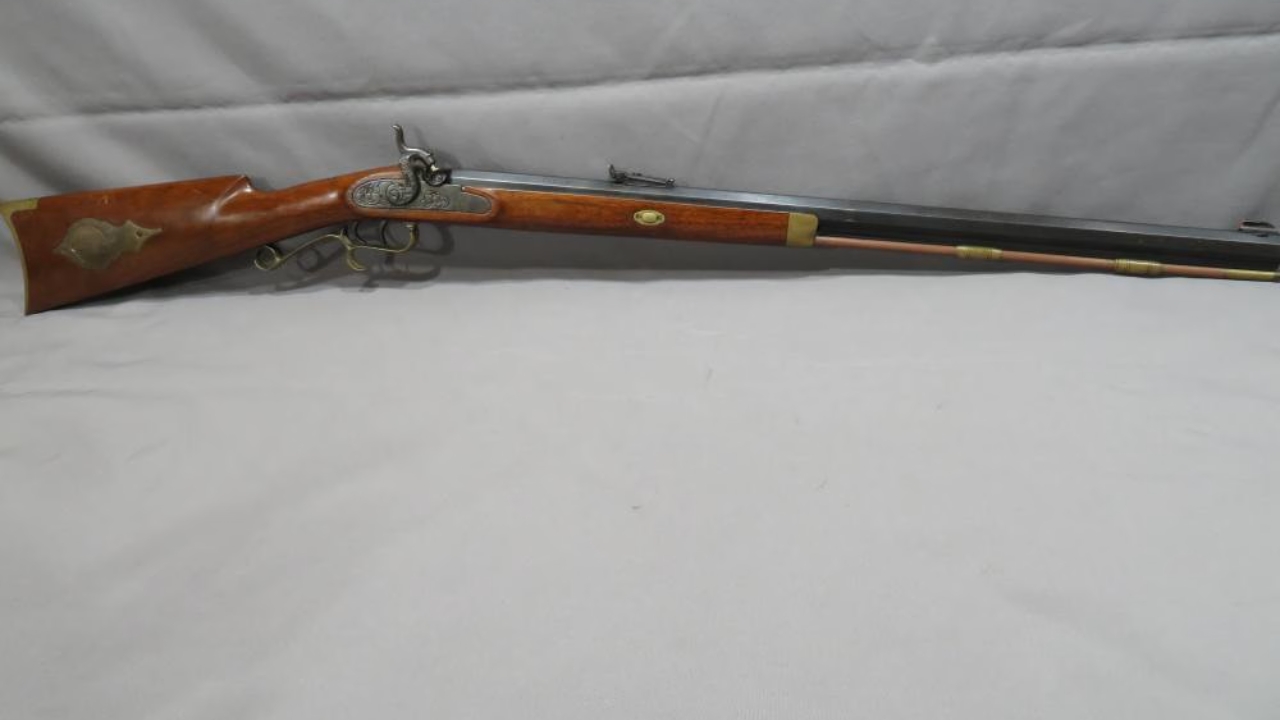
The Thompson Center Hawken was once a common sight among muzzleloader hunters and traditional shooting fans. Because they were around for so long, many owners treated them like ordinary black-powder rifles.
That attitude changed after they were gone from regular production. The Hawken had classic looks, good handling, and enough accuracy for real hunting when loaded properly. It felt more connected to the old style of muzzleloader shooting than many modern inline rifles ever could. Owners who sold one when they stopped hunting muzzleloader seasons often wish they had kept it for the memories alone.
Like The Avid Outdoorsman’s content? Be sure to follow us.
Here’s more from us: