Photo credit: The Tracking Archer/YouTube
Some firearms get pushed hard because they need the help. The branding gets louder, the promises get bigger, and the whole pitch starts sounding like the gun matters more in the ad than it ever will on the range or in the field. Then there are the firearms that never had to beg. They worked, people trusted them, and that was enough. They built their reputation through actual use instead of constant reassurance.
Those are usually the guns that age best. They do not depend on trend cycles, internet excitement, or buyers talking themselves into something flashy. They just keep showing up in safes, holsters, trucks, camps, and range bags because the owners already know what they are. These are the firearms that never needed hype because they were already doing the work.
Glock 17

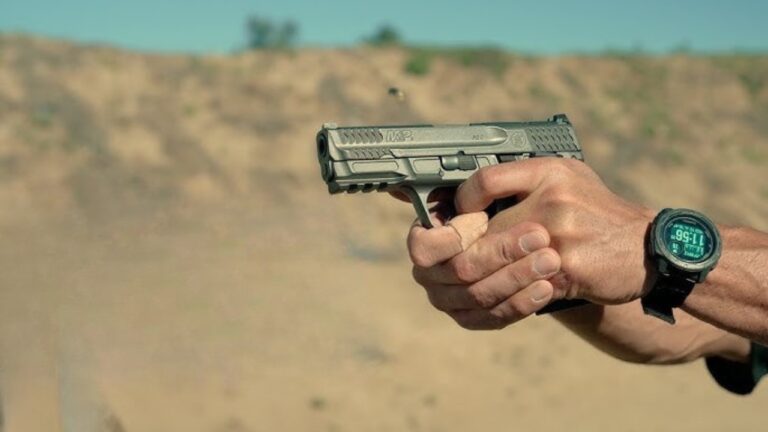
The Glock 17 never needed hype because it solved a real problem clearly and early. It gave shooters a dependable, high-capacity 9mm that was easy to maintain, easy to support, and brutally consistent in the ways that matter. Plenty of pistols have come along trying to sound more advanced, more refined, or more exciting, but the Glock 17 never really had to play that game.
It built trust through repetition. It ran, it held up, and it kept making sense for duty use, home defense, training, and general ownership. That is why it never needed much romance attached to it. People did not stay with the Glock 17 because it was charming. They stayed with it because it kept working after the charm wore off everything else.
Remington 870 Wingmaster

The 870 Wingmaster never needed hype because generations of hunters already knew what it was. It was smooth, dependable, simple to run, and built around the kind of field use that exposes weak guns quickly. Nobody needed a dramatic sales pitch to understand a good pump shotgun that cycled cleanly and held up year after year.
That is why it stayed respected without much noise. A Wingmaster did not need to look tactical or pretend to be something futuristic. It just needed to keep dropping birds, riding behind truck seats, and surviving bad weather and hard seasons. Firearms like that do not need hype because owners end up doing the talking for them.
Smith & Wesson 686
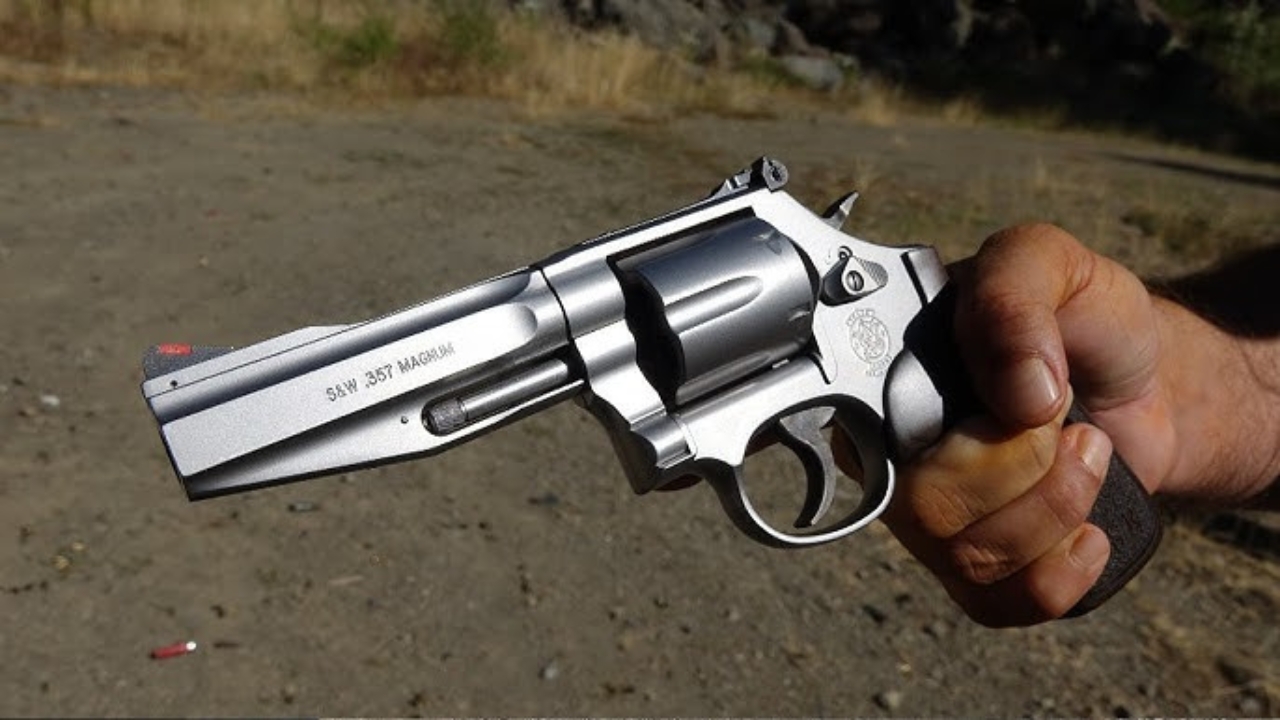
The 686 never needed hype because a good .357 revolver explains itself pretty fast. It is accurate, strong, flexible with .38 Special and .357 Magnum, and built around a shooting experience that still feels rewarding once a lot of newer handguns start feeling generic. Revolver buyers do not usually need a marketing campaign to understand what a quality medium-frame Smith brings to the table.
It also earned trust by refusing to become obsolete just because semiautos dominated more headlines. The 686 stayed useful for defense, training, range work, and plain ownership satisfaction. That sort of staying power is hard to fake. It never needed hype because the first good range trip usually did the job better than any brochure could.
Winchester Model 70

The Model 70 never needed hype because hunters already knew what a real rifle felt like. Good handling, strong action design, and long-earned field trust carried more weight than whatever the newest rifle launch happened to promise. A Model 70 never had to act like it reinvented hunting. It just had to keep doing what hunters expected from a serious bolt gun.
That is exactly why it held its place. It carried real authority without being loud about it. It was not trying to win a trend cycle. It was trying to remain a dependable hunting rifle for people who actually used their rifles hard enough to know the difference. That is a much better foundation than hype ever is.
Beretta 92FS

The 92FS never needed hype because it always had something better: range manners. It shot softly, pointed naturally for a lot of people, and built a reputation as a full-size pistol that was easier to shoot well than many of its competitors. Buyers did not have to be talked into it very hard once they actually ran one.
That helped it outlast a lot of louder handguns. The market kept chasing slimmer profiles, different systems, and newer branding, but the Beretta stayed relevant because it remained enjoyable and trustworthy to shoot. A pistol that works this cleanly does not need much hype. It just needs a shooter willing to stop listening and start firing.
Ruger 10/22
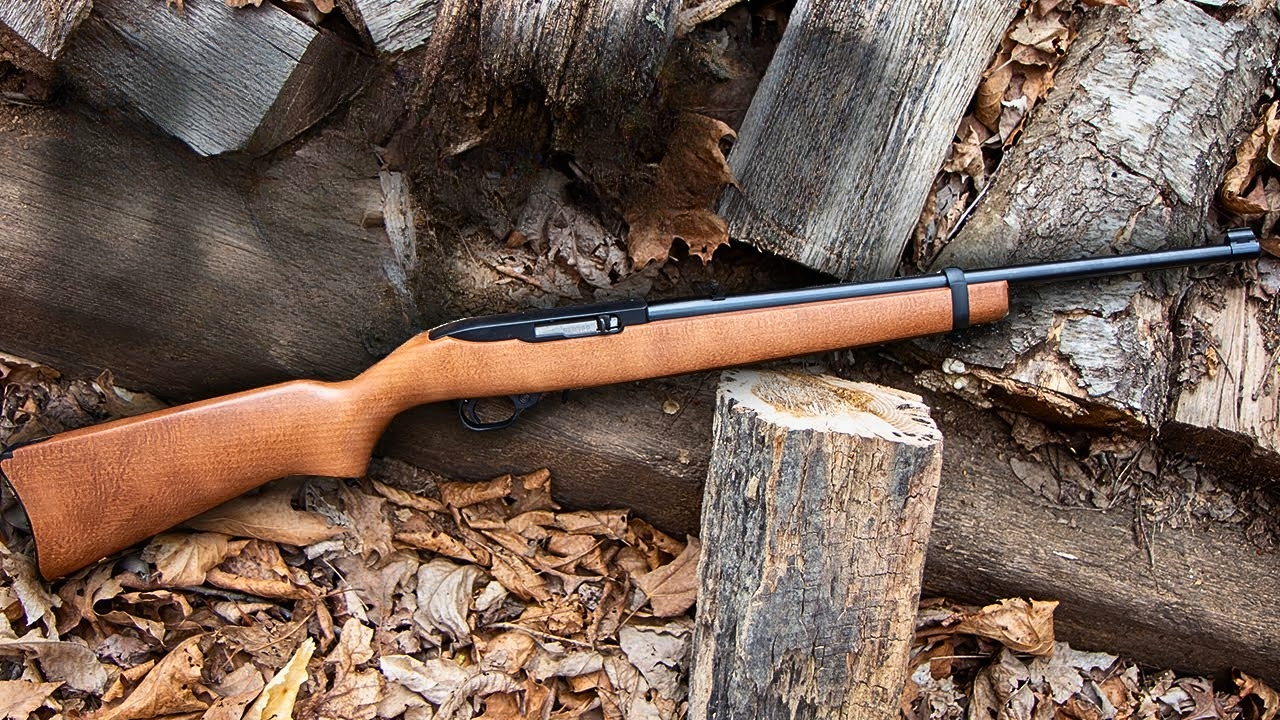
The 10/22 never needed hype because it became part of the landscape. It was useful, easy to own, easy to shoot, and flexible enough to satisfy everybody from beginners to hobby tinkerers to small-game hunters. That sort of natural adoption matters more than any big launch ever could. It did not have to prove it belonged. People just kept buying them because they fit.
It also survived because it made ownership easy. Magazines, parts, support, and familiarity all helped, but the core rifle still mattered most. It was dependable and practical from the start. Firearms like that do not need a giant story around them. They become the story by lasting long enough to end up everywhere.
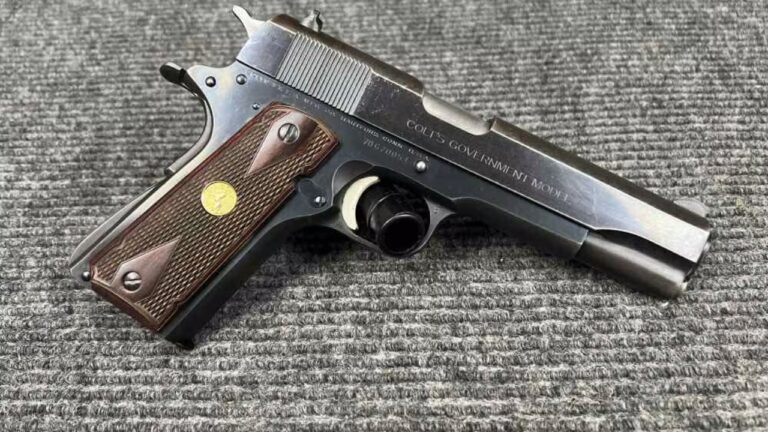
Colt Government Model

The Government Model never needed hype because it already had identity. Long before modern pistol marketing learned how to shout, the 1911 had already built a reputation through service use, hard training, and generations of shooters who understood what a good trigger and a serious sidearm could feel like. It did not need reinvention to become relevant. It was already relevant.
That does not mean every version was perfect. It means the platform never needed fake urgency to matter. Shooters stayed with it because a good Government Model still delivered something many newer pistols could not duplicate. When a firearm has that kind of staying power, hype starts looking unnecessary at best and embarrassing at worst.
Marlin 336

The Marlin 336 never needed hype because woods hunters already understood it. It was handy, fast to shoulder, and chambered in cartridges that fit real hunting distances better than a lot of flashy rifle conversations ever admit. It was not trying to look futuristic or act like it solved every possible use case. It was trying to be a dependable deer rifle, and it did that very well.
That kind of honesty travels. A rifle that carries easily and works in the terrain people actually hunt does not need much extra story attached to it. The 336 became respected through repetition, not hype. It earned its place in camps and closets because it kept doing what it promised without needing to oversell itself.
SIG Sauer P226

The P226 never needed hype because it felt serious the first time you used it properly. It had the size, balance, and duty-grade credibility to earn loyalty without much help. Plenty of newer pistols tried to sound smarter or fresher, but the P226 stayed trusted because it kept delivering a very grown-up kind of shooting experience. It did not feel trendy. It felt sorted out.
That matters more over time than launch-day excitement. A P226 stays in the conversation because it still shoots like a real service pistol and still carries enough quality to make owners hang onto it. It never needed much hype because the gun itself had enough authority to do the convincing.
Browning Hi-Power

The Hi-Power never needed hype because it had natural handling and long-proven credibility. Even when newer service pistols arrived with more capacity, newer materials, or newer talking points, the old Browning kept winning shooters over with the way it felt in the hand and on target. Some firearms do not need much explanation once people start shooting them, and this is one of them.
It also had history without depending only on history. That is an important difference. The Hi-Power stayed respected because it remained a genuinely shootable pistol, not just a museum piece with a famous name. Firearms that combine those two things rarely need hype. They already have enough substance to survive without it.
Smith & Wesson Model 10

The Model 10 never needed hype because it was built around fundamentals people already trusted. It was simple, balanced, and accurate enough to become one of the great service revolvers for a reason. No flashy angle was needed. It just worked, trained generations of shooters, and remained the kind of handgun that feels more serious the more time you spend with it.
That is a very different sort of reputation than hype creates. Hype tries to make a firearm sound better than it is. The Model 10 became respected because it kept showing how much value there still is in a plain, well-made revolver. It did not have to sound special. It simply had to keep proving useful.
CZ 75

The CZ 75 never needed hype because it made sense to shooters who valued feel and shootability. It did not come wrapped in giant promises. It came as a steel-framed 9mm that balanced well, shot well, and slowly built one of the most loyal followings in the handgun world. That sort of respect tends to run deeper because it grows from ownership instead of advertising.
It also stayed grounded. The CZ 75 was never begging people to believe in it. People believed in it after spending time with it. That is why it still holds such a strong place with serious shooters. Firearms that win through use do not need much hype because the people who know them tend to stay convinced.
Browning BAR Safari
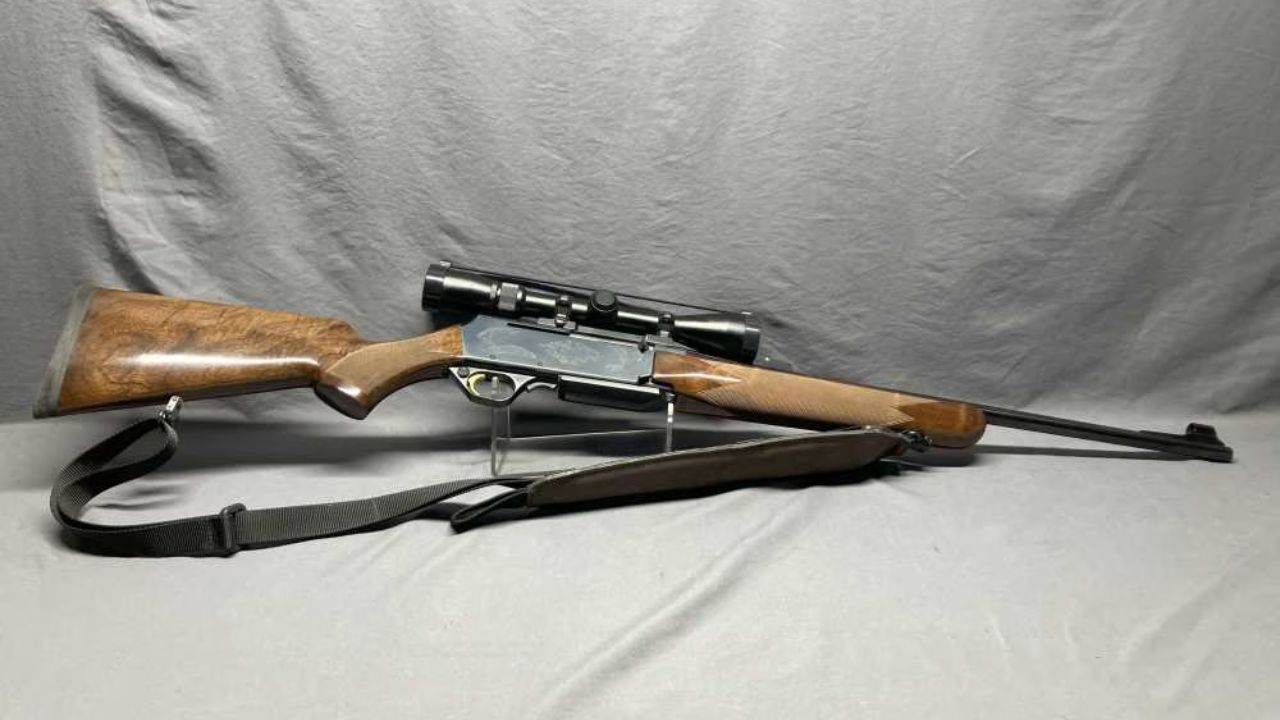
The BAR Safari never needed hype because it was already doing real hunting work in the hands of real hunters. It brought speed, practical field use, and Browning quality in a package that made sense long before modern rifle marketing tried to reinvent the hunting rifle every few seasons. People bought them because they worked, not because they were supposed to sound revolutionary.
That is why the old BAR stayed respected. It did not need exaggerated claims to justify itself. It just kept showing up in camp, getting carried into the field, and building trust over time. Firearms that can do that do not need hype. They only need enough years for people to realize they were right to trust them.
HK USP

The USP never needed hype because it had overbuilt credibility from the jump. It looked like it was built to survive abuse, and then it spent years proving that impression right. While other pistols fought for attention with cleaner styling or fresher branding, the USP just kept being the kind of sidearm serious shooters trusted when durability mattered more than fashion.
That kind of trust is hard to replace with marketing. The USP stayed relevant because it felt honest and tough in a way many handguns never do. It did not need to beg for approval. It only needed to keep working. That is usually the strongest form of reputation a firearm can have.
Savage 99

The Savage 99 never needed hype because hunters who used one already knew better. It carried quickly, handled naturally, and brought real field usefulness in a design that stood apart without feeling gimmicky. It was distinctive, yes, but it was also practical, which is a much harder combination to fake than many rifle companies seem to realize.
That is why it stayed respected without much noise. It was not trying to be a novelty. It was trying to be a smart hunting rifle, and it succeeded well enough that people kept trusting it generation after generation. Firearms like that do not need hype because their owners keep discovering the same truth on their own.
Smith & Wesson 3913
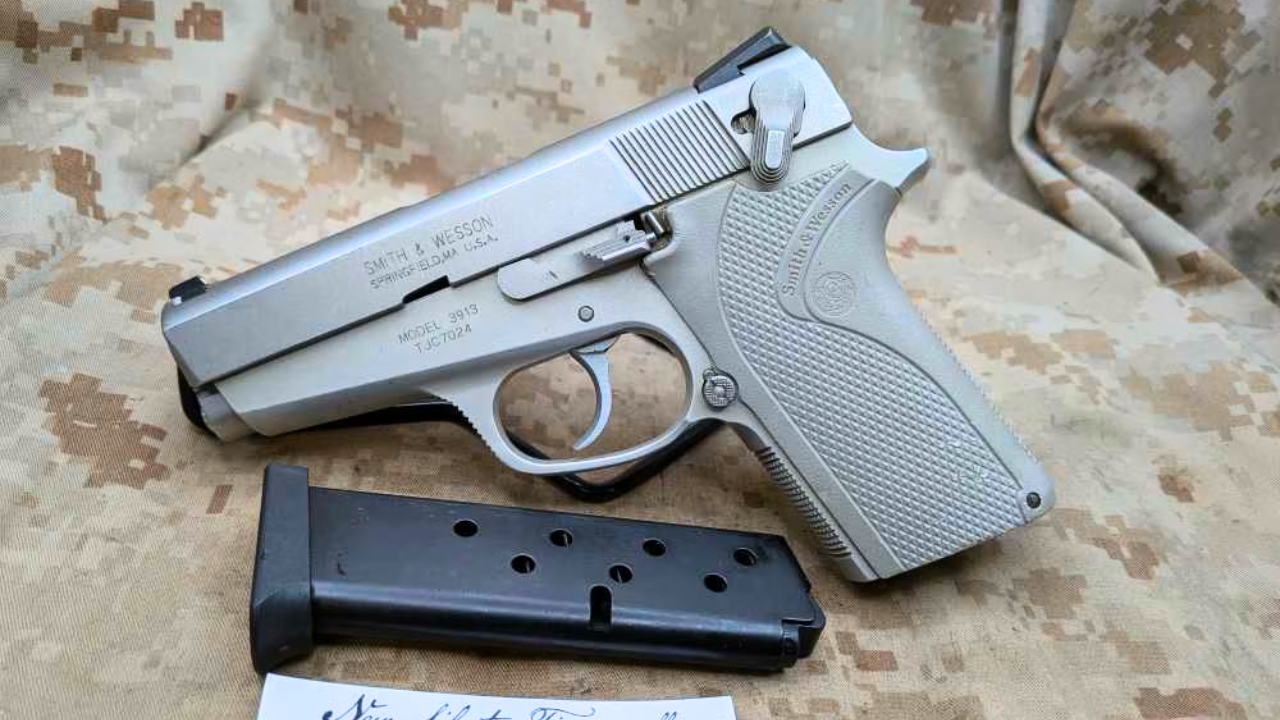
The 3913 never needed hype because it was already doing concealed-carry work before the market learned how to turn that role into a permanent trend cycle. It was slim, practical, and easy to live with in a way many later carry pistols still struggle to match. It did not need to pretend it had reinvented anything. It simply carried well and shot well enough to matter.
That is exactly why it stayed respected. Shooters who spent enough time with one understood quickly that it had been built around real use instead of temporary excitement. Firearms like that tend to age gracefully. They do not need to be constantly reintroduced because the people who know them already know why they still work.
Like The Avid Outdoorsman’s content? Be sure to follow us.
Here’s more from us: