Photo credit: Theavidoutdoorsman.com
A small-town guide can spend a decade building a reputation and lose it in a single phone call. That’s the part a lot of non-anglers don’t understand about the licensed-guide world: your permit isn’t just a plastic card. It’s your livelihood, your schedule for the season, and—if you’re doing it right—your name.
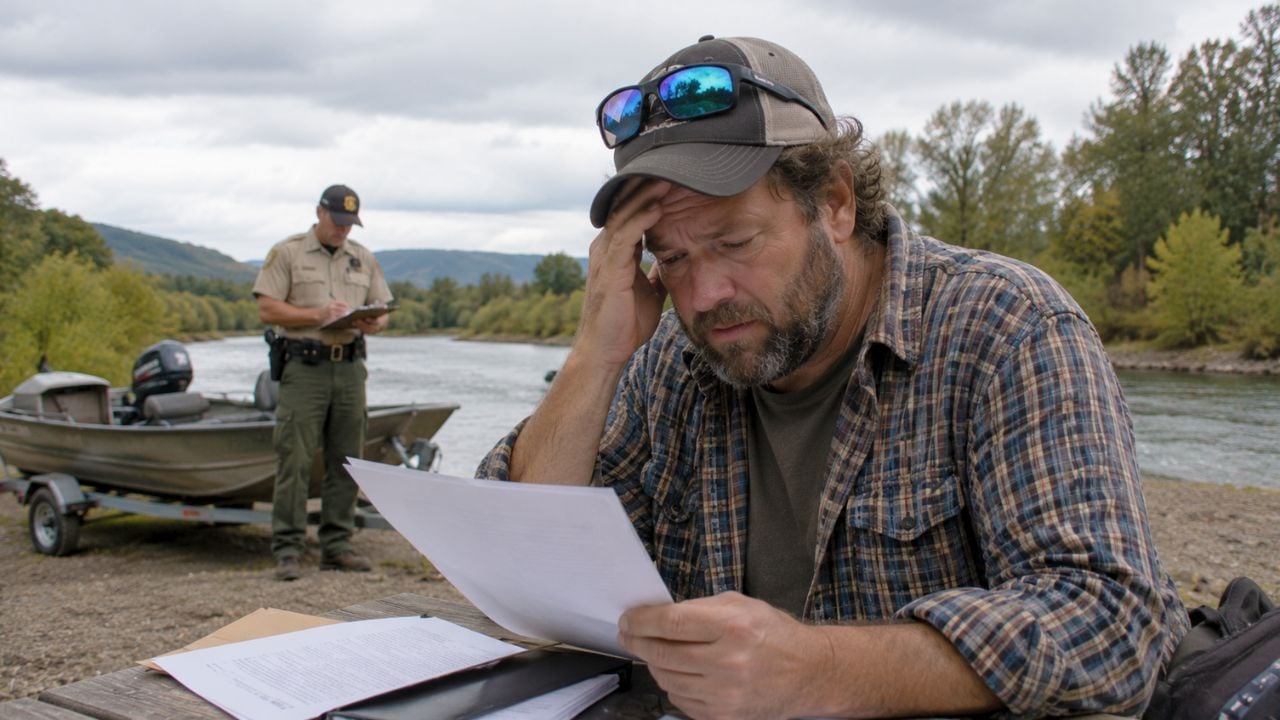
That’s why this case hit so hard. A fishing guide had his guiding license yanked after a client filed a complaint, only for the state to later concede the complaint had never actually been verified before the hammer came down.
A routine trip turned into an “official” complaint
From what fellow guides described, the trip itself wasn’t some dramatic rescue situation or a blown-up boat accident. It sounded more like a normal day that went sideways: changing weather, fish that didn’t cooperate, and a customer who expected a highlight reel.
The client’s complaint reportedly centered on conduct and professionalism—things that are often subjective. Stuff like whether the guide “put them on fish,” how instructions were given, and whether the client felt safe and informed. In the guide business, “I didn’t have a good time” can get dressed up as “unsafe operation” if someone wants their money back badly enough.
But the complaint didn’t just live in a customer service inbox. It moved into the state licensing lane, where a bad allegation can trigger an enforcement response that feels like a criminal case, even when it’s not.
The state moved fast, and the guide paid the price immediately
The revocation happened quickly, and that’s the part that stings. When a license gets pulled mid-season, it’s not a slap on the wrist—you lose your booked trips, your deposits get messy, and word spreads around the marina before you can even figure out what you’re being accused of.
Guides aren’t working a job where you can quietly “wait for the process.” You’ve got clients driving in from out of state, taking vacation time, and expecting you at the ramp at daylight. One enforcement letter can cancel a month of work.
Even if you’re later cleared, your calendar doesn’t magically refill. And depending on the state, running trips while your credentials are suspended can be its own violation, so most guys shut it down and take the hit.
It came out later that nobody had verified the accusation
Here’s where the whole thing turns into a gut-check for anybody who depends on permits and paperwork. After the guide pushed back—requesting records, asking what evidence was used, and trying to force a review—the state acknowledged that the original complaint hadn’t been verified before the revocation.
That doesn’t mean “a complaint can’t be serious.” Some complaints are absolutely legitimate, and I’m glad states have a way to deal with reckless operators. But if the state is going to take a man’s license, there ought to be a basic standard: confirm the story, document the facts, and give the guide a fair shot to respond before you shut down his season.
Instead, this played out like a policy built for speed rather than accuracy. In the outdoors, we all know what happens when you move fast without checking: you misjudge distance, you miss a sign, or you step on the wrong side of a fence. In licensing, the consequences are just more expensive.
The practical fallout for a guide is bigger than most folks realize
When you revoke a guide’s credentials, you’re not just “correcting a bad actor.” You’re hitting his insurance, his business relationships, his slip agreement, and sometimes his access to certain waters that require permitted operations.
And then there’s reputation. A guide lives and dies on trust. Local tackle shops recommend people. Lodges and campgrounds keep lists. Repeat customers tell their buddies. Even if the state quietly walks something back later, the rumor tends to stick: “Something happened… not sure what… heard he lost his license.”
There’s also the gear side. A working guide has money tied up in boats, electronics, trolling motors, safety equipment, rods, reels, and maintenance. You can’t pause payments because the state made a paperwork mistake. That note still comes due.
What other anglers and guides focused on: documentation, body cams, and paper trails
Predictably, the outdoors crowd didn’t just argue about fairness. They started talking about protection—how a guide can keep one unhappy client from becoming a career-ending problem.
A lot of folks pointed to documentation. Not fancy legal stuff, just common-sense habits: written trip policies, a clear safety brief, and confirming expectations before the boat ever leaves the dock. When a client later claims they weren’t told something, a simple text message thread or a signed trip sheet can matter.
Others argued for cameras. Not because guiding should feel like policing, but because memories get selective when money’s involved. A small action cam on the console can confirm whether life jackets were offered, whether alcohol was involved, whether someone was horsing around at the bow, or whether the guide was operating responsibly. Nobody likes the idea, but it’s hard to ignore how often “proof” is what separates a bad day from a lost license.
And then there was the big one: open records and transparency. Outdoorsmen get uneasy when an agency can take decisive action first and explain later. If a complaint is strong enough to revoke a license, it should be strong enough to show the evidence behind it.
How this kind of thing can happen—and what should change
Some states treat guide complaints the way they treat certain alleged safety issues: act now, verify later. The intent is understandable—keep the public safe. But the system only works if the verification step actually happens quickly, and if the guide gets a real process instead of an administrative shrug.
A reasonable approach looks like this: triage the complaint, verify the basics, and match the action to the evidence. If there’s an immediate, documented safety threat, sure—temporary suspension pending review makes sense. But for a customer experience dispute dressed up as a safety allegation, there ought to be a tighter filter before the state pulls the pin.
This is also where clear standards matter. If the state’s licensing rules say guides must do X, Y, and Z, then enforcement should revolve around X, Y, and Z—not vague impressions. “Unprofessional” can mean anything. “Operated the vessel in violation of posted restrictions” is something you can actually investigate.
If the state admitted the complaint wasn’t verified, that’s not a small clerical error. That’s the difference between protecting the public and punishing a working outdoorsman without due diligence.
There’s a lesson here for anybody who makes their living in the field—guides, outfitters, even land managers. Keep your paperwork tight, communicate clearly, and assume that one unhappy customer can turn into an official issue fast. But there’s also a lesson for the agencies: when you hold the power to shut down a man’s season, you’d better be sure you’re acting on facts, not just a phone call.
Like The Avid Outdoorsman’s content? Be sure to follow us.
Here’s more from us: