
Photo credit: 704 TACTICAL/YouTube
Revolvers are not the default self-defense choice anymore, but that does not mean they are obsolete. A good defensive revolver is simple to load, safe to carry, resistant to neglect, and easy to understand under stress. For some shooters, that matters more than magazine capacity or the latest optic-ready slide.
The trick is picking the right revolver. Tiny ultralight snubs can be brutal to shoot, giant magnums are too much for daily carry, and cheap revolvers often have triggers that make accurate shooting harder than it needs to be. The best self-defense revolvers balance reliability, control, concealability, and enough power to make sense.
Ruger LCR .38 Special
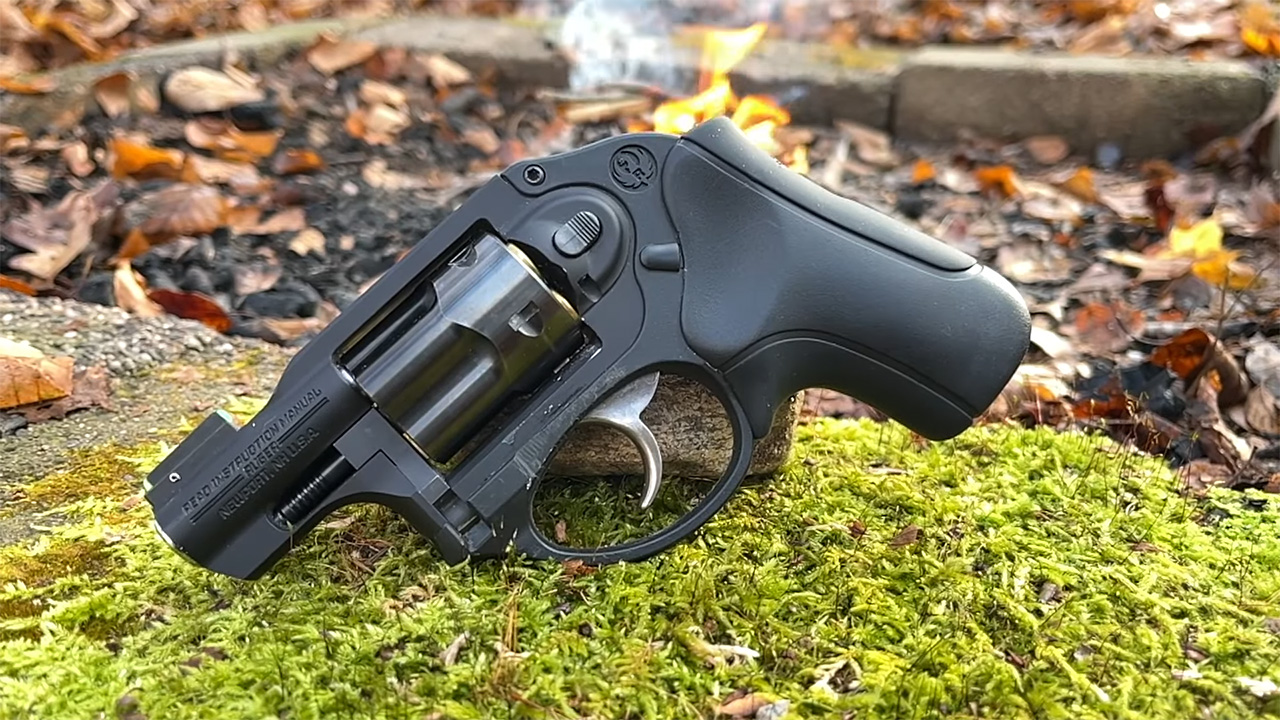
The Ruger LCR in .38 Special is one of the best defensive revolvers for people who actually plan to carry one. It is light, snag-free, and has one of the better factory double-action triggers in the small revolver world. That trigger matters because a heavy, gritty pull can ruin accuracy fast on a snub-nose gun.
In .38 Special, the LCR is much more manageable than the magnum versions for most shooters. Loaded with quality defensive ammunition, it gives you a simple, dependable carry revolver that does not punish the hand as badly as tiny .357s. It is not a range toy, but it is one of the most sensible modern snubs.
Smith & Wesson 642 Airweight

The Smith & Wesson 642 Airweight is one of the classic concealed carry revolvers for a reason. It is light, hammerless, easy to carry in a pocket or waistband, and backed by decades of real-world use. The enclosed hammer also makes it less likely to snag during a draw.
The downside is that it takes practice. The sights are small, the trigger is fairly heavy, and recoil is sharper than new shooters expect. Still, for someone who trains with it, the 642 remains one of the cleanest self-defense revolvers around. It is simple, proven, and easy to keep on you.
Smith & Wesson 442 Airweight

The Smith & Wesson 442 is basically the darker-finished sibling to the 642. It offers the same enclosed-hammer J-frame setup, the same lightweight carry feel, and the same practical .38 Special defensive role. The black finish gives it a more subdued look that many concealed carriers prefer.
Like the 642, the 442 is not easy-mode shooting. It rewards dry fire, proper grip, and realistic range practice. But as a pocket revolver or backup gun, it still makes sense. A defensive handgun only helps if it is actually carried, and the 442 is easy to carry every day.
Ruger LCRx .38 Special

The Ruger LCRx .38 Special gives shooters the same basic LCR advantages but adds an exposed hammer. That makes it useful for people who want the option of a single-action shot for precise work, while still having a double-action defensive revolver.
For carry, the exposed hammer can snag more easily than the standard LCR, so holster choice matters. But the LCRx still has a good trigger, light weight, and practical size. It works especially well for people who want a small revolver that can serve for both defense and general utility around the property.
Smith & Wesson Model 60

The Smith & Wesson Model 60 is a stainless steel J-frame that gives shooters more weight than the Airweight guns. That makes it less comfortable in the pocket but more comfortable when shooting. In a small revolver, that tradeoff can be worth it.
The Model 60 is often chambered in .357 Magnum, but most people will shoot it better with .38 Special or .38 +P defensive loads. The stainless build makes it durable and easy to carry in rough conditions. For someone who wants a compact revolver that feels more substantial than an Airweight, the Model 60 is a strong pick.
Ruger SP101
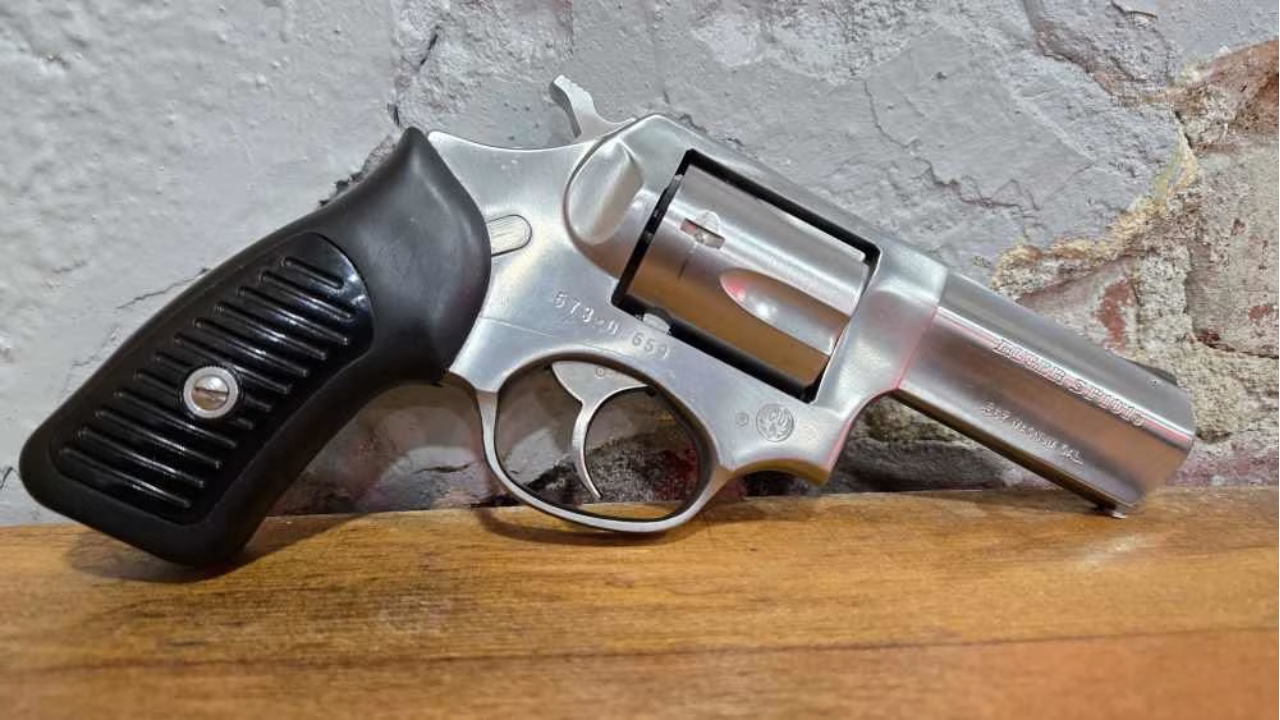
The Ruger SP101 is one of the best small defensive revolvers for people who want strength and shootability over minimum weight. It is heavier than most pocket snubs, but that extra weight helps tame recoil and makes practice less miserable. That is a real advantage.
The SP101 in .357 Magnum is versatile, but .38 Special +P is often the smarter defensive load for faster follow-up shots. It can work for belt carry, nightstand use, and trail carry in lighter woods roles. It is not the easiest revolver to hide in a pocket, but it is one of the easiest small revolvers to trust.
Colt Cobra

The modern Colt Cobra brings six rounds of .38 Special into a compact revolver package. That extra round is a meaningful advantage over five-shot snubs, and the Cobra’s trigger is one of its better selling points. It feels smoother than many small defensive revolvers.
It is slightly larger than the smallest J-frames, but that helps with control. The Cobra works well for people who want a carryable revolver that shoots better than an ultralight pocket gun. It is not cheap, but it gives defensive revolver buyers a modern Colt option that actually makes sense.
Colt King Cobra Carry

The Colt King Cobra Carry steps up from the Cobra with .357 Magnum capability and a stronger frame. It still keeps a compact defensive size, but it feels more substantial in the hand. The 3-inch barrel version is especially useful because it gives better sight radius and velocity than a tiny snub.
For most defensive use, .38 +P or mild .357 loads may be more practical than full-power magnums. The King Cobra Carry gives owners flexibility without becoming too large. It is a good fit for someone who wants a premium defensive revolver that can also handle harder use.
Kimber K6s
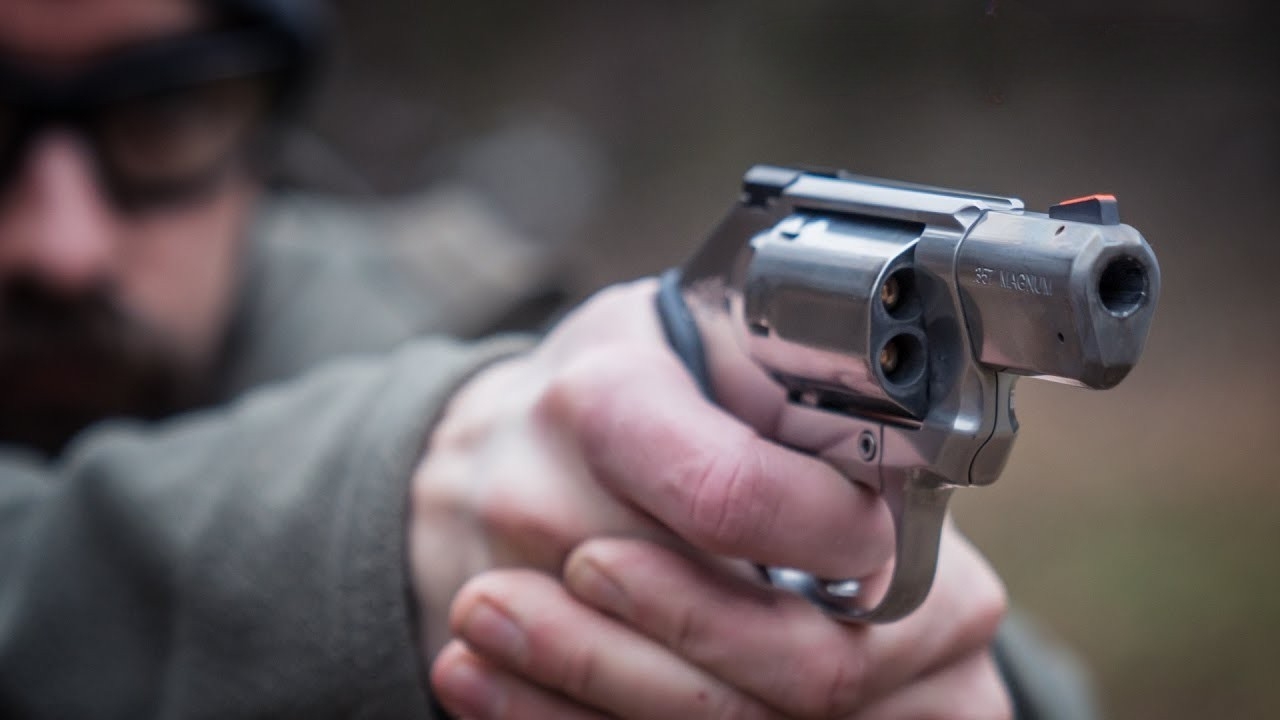
The Kimber K6s earned attention because it gives shooters six rounds of .357 Magnum in a compact revolver. That is a serious selling point in a world where many small revolvers only hold five. It also has a smooth profile that carries well.
The K6s is not inexpensive, and recoil with magnums can still be sharp. But with good .38 +P or moderate .357 loads, it becomes a very capable defensive revolver. The sights are better than many snubs, the build feels solid, and the extra round helps it stand out.
Kimber K6xs
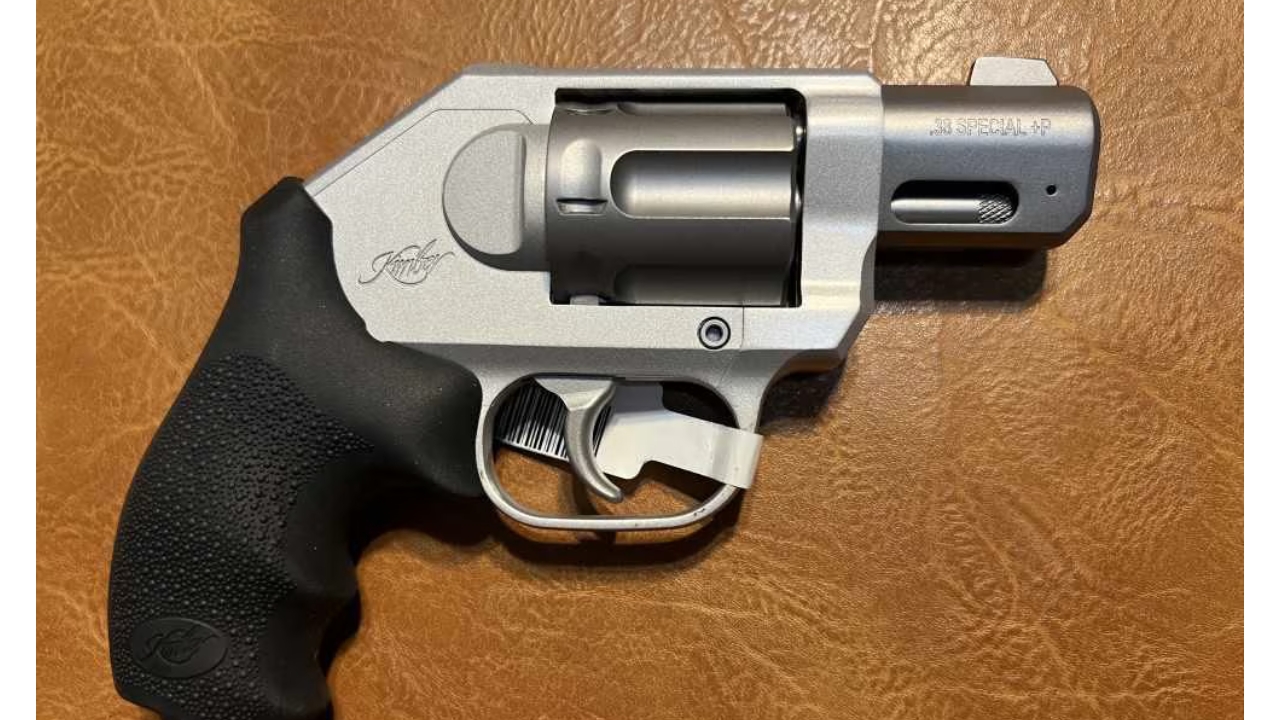
The Kimber K6xs is the lighter aluminum-framed version aimed more directly at concealed carry. It keeps the six-shot .38 Special +P setup while trimming weight compared with the steel K6s. That makes it easier to carry every day.
The lighter frame does mean more recoil, but staying with .38 Special keeps it manageable for many shooters. It is a good choice for someone who likes the Kimber revolver layout but wants a revolver that disappears more easily under light clothing. As always, the owner needs to practice enough to handle the short sight radius and double-action trigger.
Smith & Wesson Model 640 Pro

The Smith & Wesson 640 Pro is one of the better serious J-frame defensive revolvers. It has a stainless frame, enclosed hammer, and upgraded sights that make it more usable than the basic pocket models. The added weight also helps with recoil.
It is chambered for .357 Magnum, but most shooters will be faster and more accurate with quality .38 +P loads. The 640 Pro is not as light as a 642, but that is part of why it shoots better. For belt carry or jacket-pocket carry, it is a strong choice.
Smith & Wesson Model 638

The Smith & Wesson Model 638 gives shooters a shrouded hammer design. That means it can still be fired single-action if needed, but the hammer is protected enough to reduce snagging. It sits between the exposed-hammer and fully enclosed-hammer J-frames.
For self-defense, the 638 makes sense for people who like options. Most defensive shooting should be practiced double-action, but having the single-action option can be useful for deliberate shots in non-emergency roles. It is light, proven, and easy to carry, though recoil and sights still require practice.
Smith & Wesson Model 66 Combat Magnum
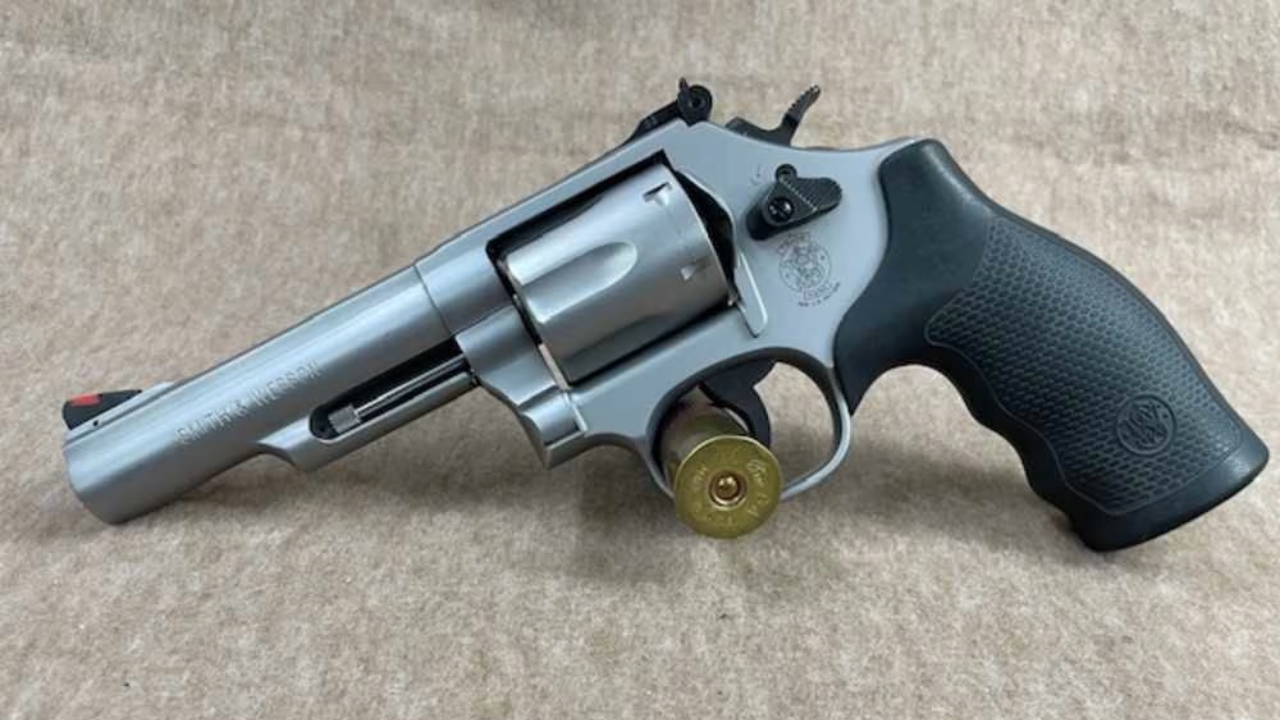
The Smith & Wesson Model 66 Combat Magnum is larger than a pocket revolver, but it is excellent for home defense or belt carry. The stainless K-frame gives it enough weight to shoot well while still being handier than big L-frame or N-frame revolvers. A 2.75-inch or 4-inch version both make sense depending on the role.
For defensive use, the Model 66 gives you .357 Magnum capability with the option to run .38 Special for easier control. It has better sights, a better grip area, and better shootability than tiny snubs. If concealment is not the only priority, the Model 66 is a very strong defensive revolver.
Smith & Wesson 686 Plus
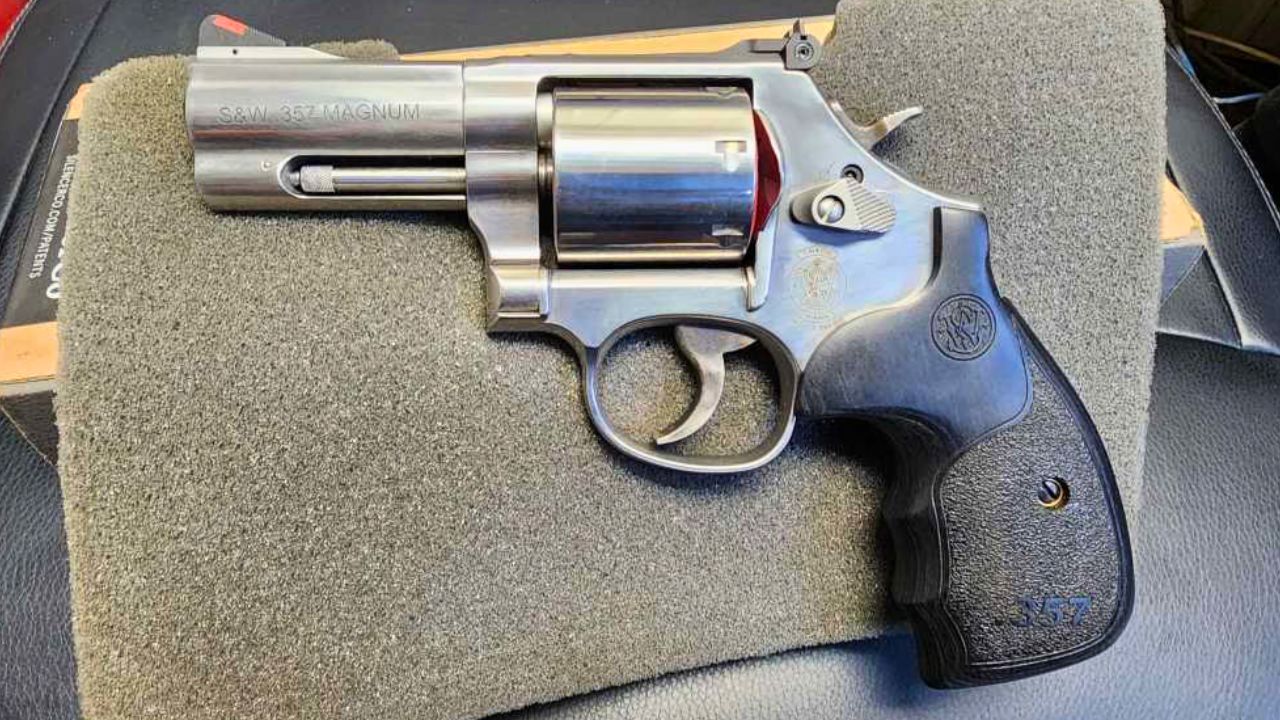
The Smith & Wesson 686 Plus is one of the best defensive revolvers for home defense. It is too large for most people to conceal comfortably, but it gives seven rounds of .357 Magnum or .38 Special, excellent sights, and a frame heavy enough to control recoil well.
Loaded with .38 +P or moderate .357 defensive ammunition, the 686 Plus is fast, accurate, and confidence-inspiring. It is also useful as a range revolver, which means owners are more likely to practice with it. For a nightstand wheelgun, it is hard to beat.
Ruger GP100
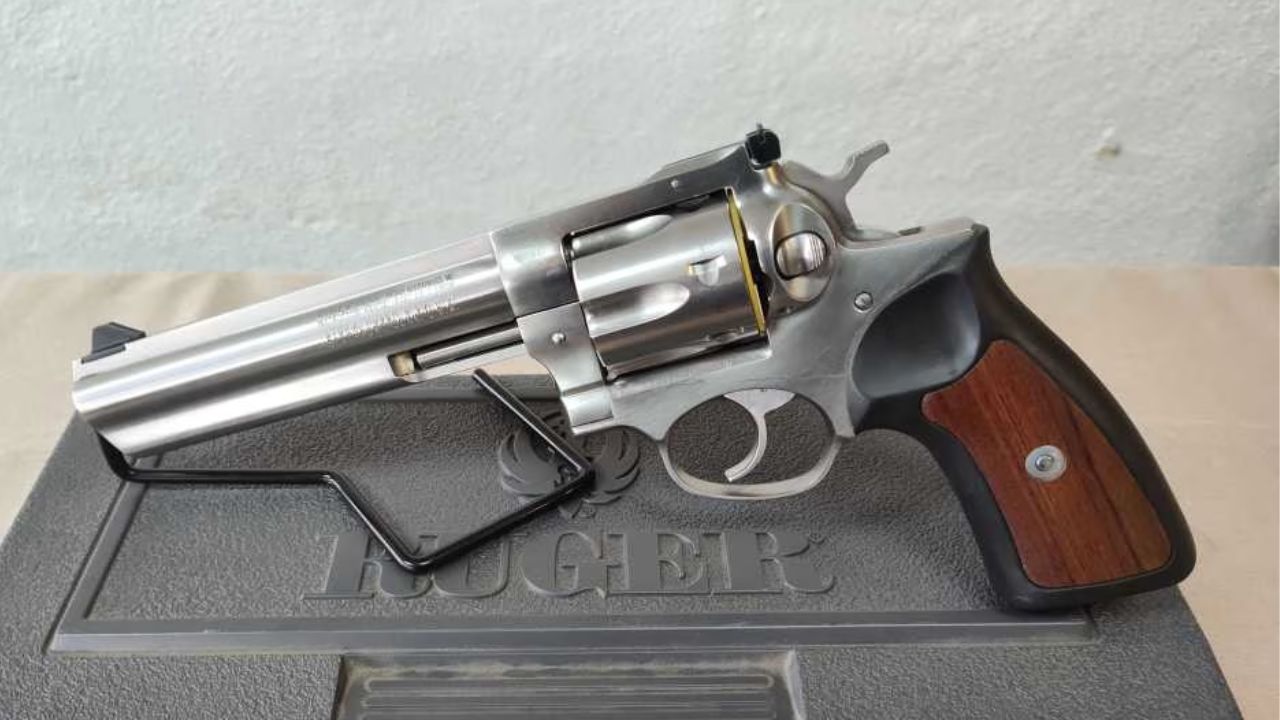
The Ruger GP100 is another outstanding home-defense revolver. It is strong, durable, and built to handle plenty of .357 Magnum use. The weight makes it less ideal for concealed carry, but it is a major advantage when shooting under pressure.
A 3-inch or 4-inch GP100 makes the most sense for defense. It gives enough barrel and sight radius to shoot well without becoming too bulky. Load it with .38 +P for easier control or .357 Magnum if you can handle it well. Either way, it is one of the most trustworthy revolvers in the category.
Ruger LCR .327 Federal Magnum

The Ruger LCR in .327 Federal Magnum is underrated for defense. It gives shooters six rounds instead of five in a small revolver, and the cartridge offers more punch than .32 H&R Magnum while staying more manageable than lightweight .357 Magnum for many people.
The best part is flexibility. The revolver can also fire softer .32-caliber loads for practice or reduced recoil. Ammo availability is the main drawback, because .327 Federal is not as easy to find as .38 Special. But for someone willing to stock the right ammo, the LCR .327 is a smart defensive revolver.
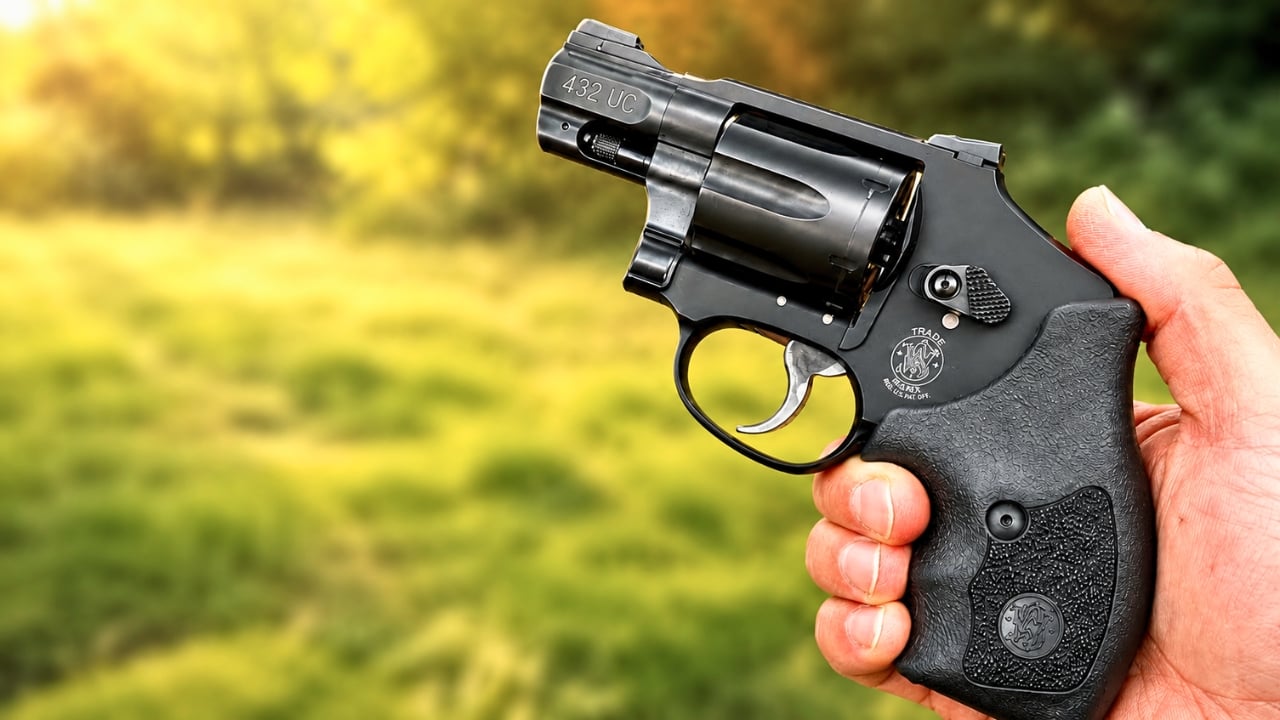
Smith & Wesson Model 432 UC
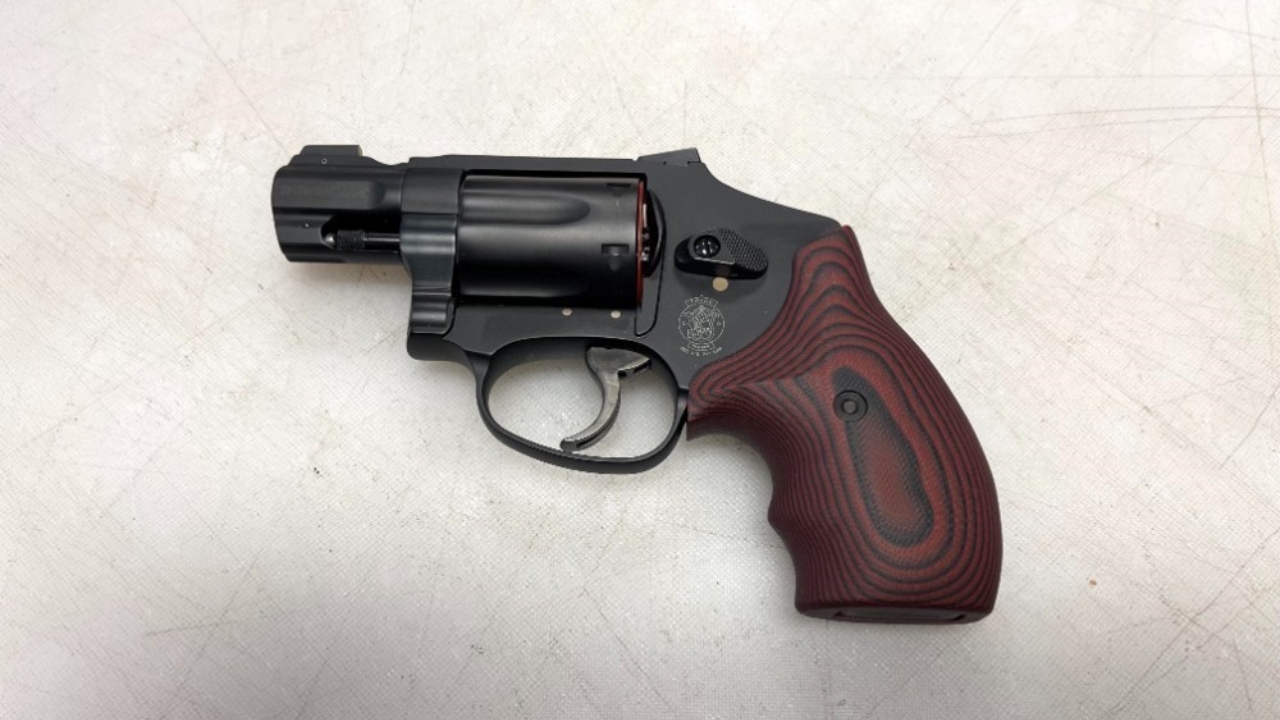
The Smith & Wesson Model 432 UC is one of the more interesting modern defensive revolvers because it brings .32 H&R Magnum back into a serious carry format. It gives six rounds in a small J-frame-size package, better sights than many old snubs, and lower recoil than typical .38 Special pocket revolvers.
That combination makes it very practical for recoil-sensitive shooters or anyone who wants faster follow-up shots. The downside is ammunition availability, since .32 H&R Magnum is not on every shelf. Still, as a defensive carry revolver, the 432 UC is one of the smarter newer options.
Taurus 856

The Taurus 856 is one of the better budget defensive revolvers because it gives shooters six rounds of .38 Special in a compact frame. It is affordable, widely available, and easier to recommend than many older Taurus snubs. For buyers who cannot spend Smith & Wesson or Colt money, it has a real place.
The main advice is to test the individual gun hard. Taurus quality has improved, but a defensive revolver still needs verification. If the timing, lockup, trigger, and reliability check out, the 856 can be a useful budget carry or home-defense revolver.
Taurus 856 Defender
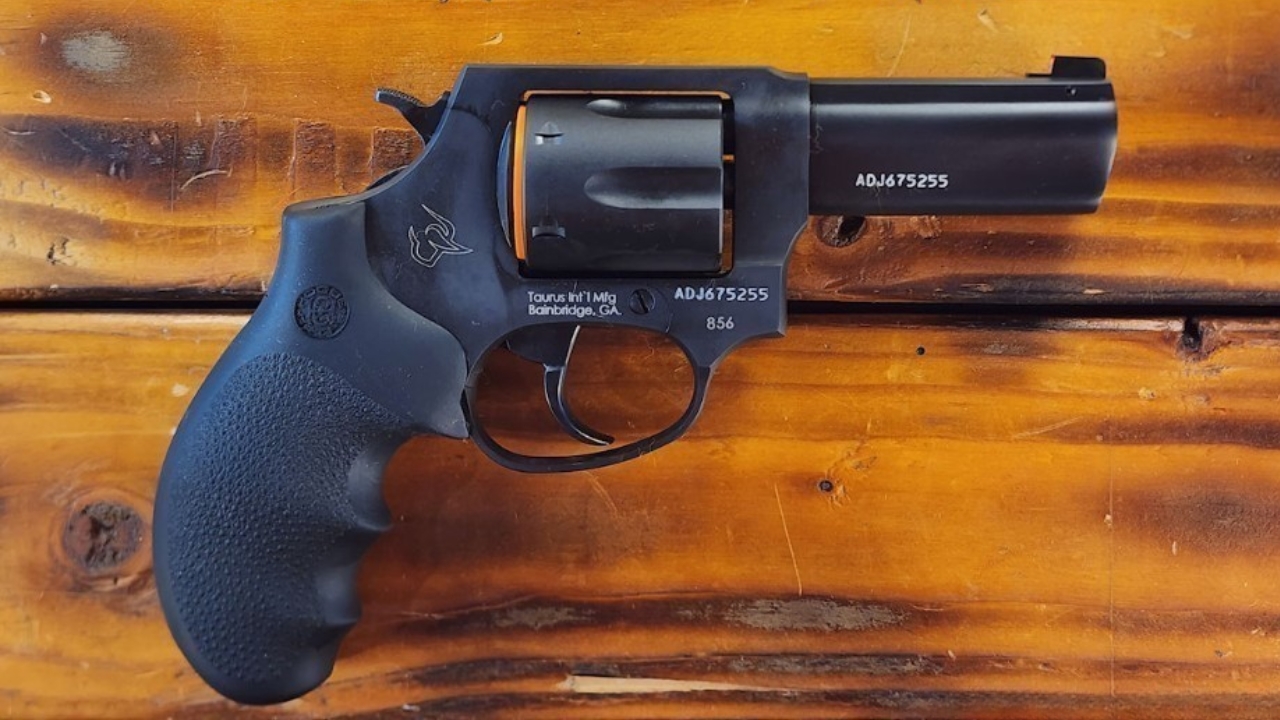
The Taurus 856 Defender improves on the basic 856 idea with a 3-inch barrel on many versions. That extra barrel length helps with sight radius, velocity, and shootability while still keeping the revolver compact enough for belt carry. It is one of the more practical defensive revolvers Taurus makes.
The Defender is especially appealing for people who want a budget revolver that is easier to shoot than a tiny snub. It still needs a proper holster and plenty of practice, but the size makes sense. For someone on a tighter budget, it is worth a look.
Charter Arms Professional
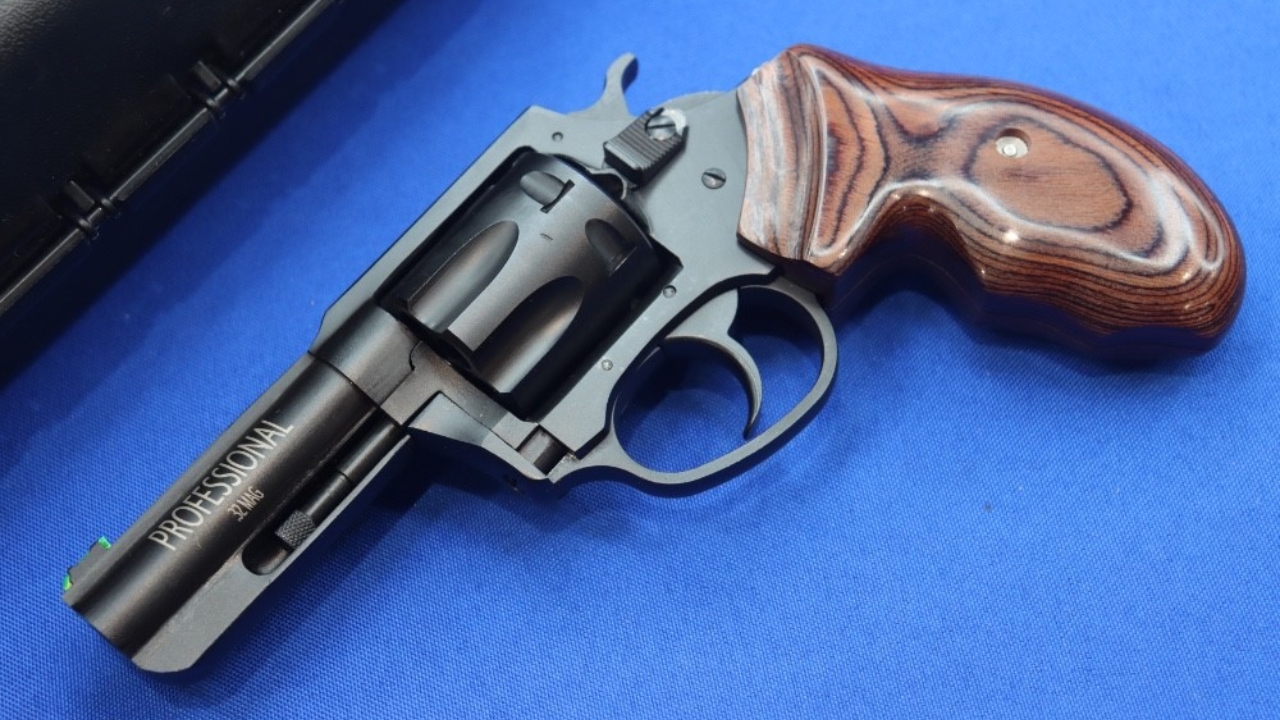
The Charter Arms Professional is an unusual but useful defensive revolver chambered in .32 H&R Magnum or .357 Magnum depending on the version. The .32 H&R version is especially interesting because it offers lower recoil and more capacity than many small .38 revolvers.
Charter Arms does not have the same reputation as Ruger or Smith & Wesson, but the Professional fills a niche that is worth discussing. For shooters who want manageable recoil and a carryable revolver, it can make sense if the individual gun checks out. It is not the default pick, but it gives defensive revolver buyers another option.
Like The Avid Outdoorsman’s content? Be sure to follow us.
Here’s more from us:


