Photo credit: Theavidoutdoorsman.com
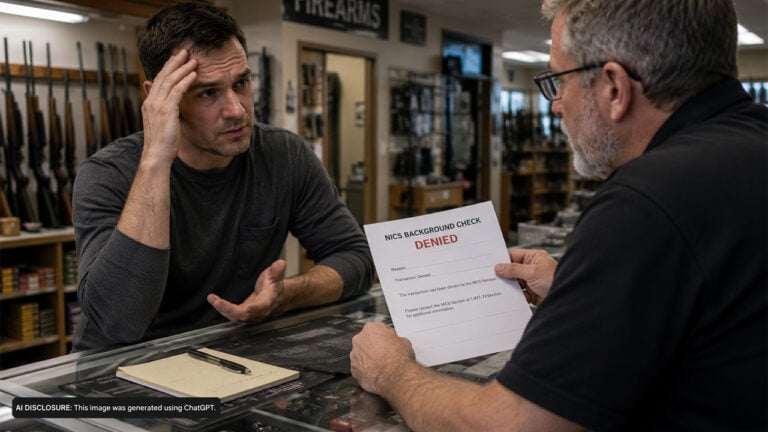
Most folks don’t expect a trip to a pawn shop to turn into a stolen-gun recovery. They’re usually there to browse used optics, hunt for a cheap chainsaw, or maybe see if there’s an old .22 in the rack that still has some life left. But for one gun owner, a quick stop turned into the kind of moment that makes your stomach drop: his AR-15 was sitting behind the counter like it belonged there.
The rifle had been taken weeks earlier in a theft that started the way these things often do—too much trust in a locked door, not enough hard storage. The owner had already filed a report, handed over the serial number, and did what he could without turning his life into a full-time investigation. He’d moved on to damage control: changing up locks, tightening up storage, and trying not to think about where that rifle might end up.
The rifle was familiar for a reason
Anyone who’s spent time with their rifle knows the little tells. A certain scuff on the handguard. A worn spot on the stock from bouncing around in a truck. Maybe a specific sling setup, a light mount, or an optic base that’s been Loctited in place for years. This wasn’t a “looks kinda like mine” situation. This was the same rifle, wearing the same small personality marks that don’t show up in a factory photo.
The owner did what most reasonable people would do in that spot: he kept his hands to himself, didn’t make a scene, and started asking questions. He tried to look like a regular customer while confirming what he was seeing. When he got close enough to see the serial number area, it lined up with what he had on his report and personal records.
When the counter becomes a wall
At that point, the situation should’ve been simple. A pawn shop takes in a lot of items from a lot of people, and sometimes stolen property slips through. The standard play is to set the item aside, contact law enforcement, and let the paperwork do its job. That protects the shop, the rightful owner, and the public.
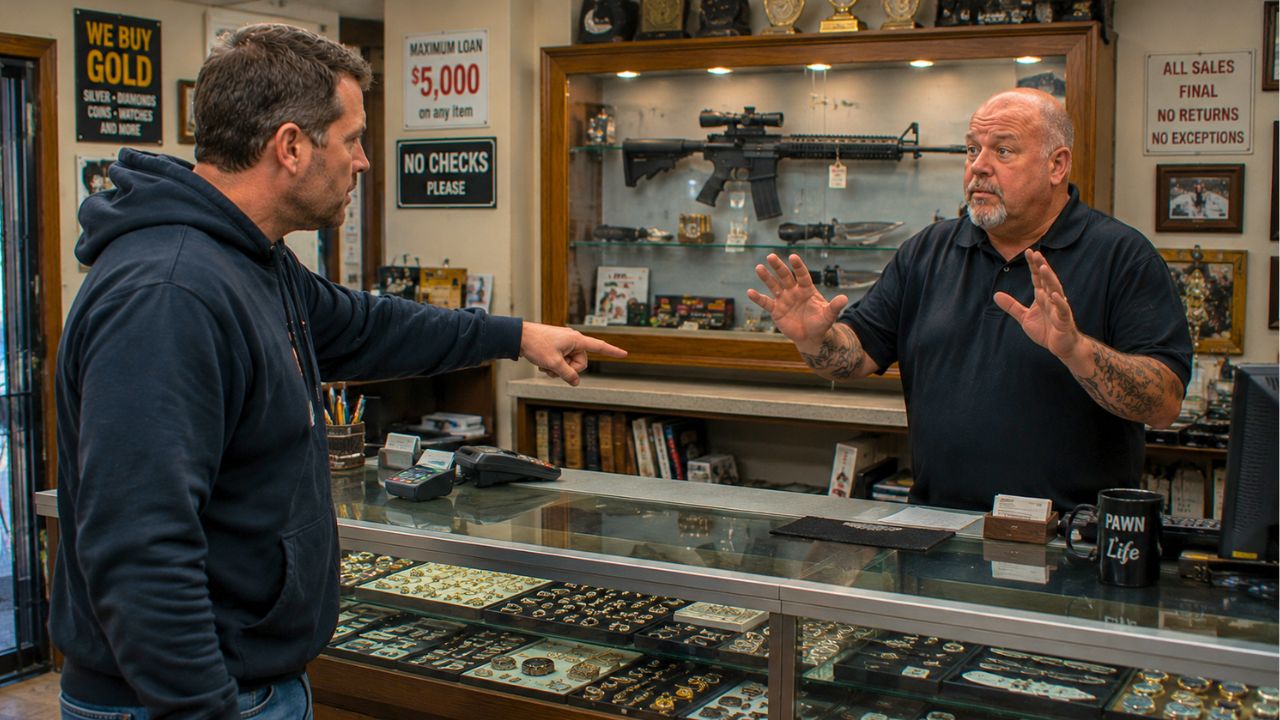
Instead, the shop staff reportedly treated it like a negotiation. The owner asked them to hold the rifle while he called police. They didn’t want to. Some shops get nervous about being stuck with a “hot” item on their books, and some are reluctant because they’re afraid of losing money if the item gets seized. But refusing to pause a sale when there’s a credible claim isn’t a good look, and it puts the owner in a bad spot fast.
Now the guy is standing there trying to do everything right—no grabbing, no arguing, no threats—while watching the clock tick on a rifle that could walk out the door again.
The worst choice is trying to handle it yourself
This is the part where pride and frustration can get a person in trouble. When you see your own property sitting ten feet away, it’s easy to think, “That’s mine, I’m taking it.” But a pawn shop is a business, and that counter line is a legal boundary in more ways than one. Reach over it, try to snatch the gun, or start a physical confrontation and you’ve just created a whole new case—one where you might be the one leaving in cuffs.
On top of that, it’s a firearm. Even if it’s sitting in a rack, you don’t know its condition. You don’t know if it’s loaded. You don’t know who has handled it, and you don’t know what story is attached to it since it was stolen. The safest move is keeping your distance, keeping your voice calm, and getting law enforcement involved.
A smart step in that moment is to call from inside the store (or just outside the door) and ask for an officer to respond for a stolen firearm recovery. Then, document everything you can without escalating—photos of the rifle in the rack if it can be done discreetly and legally, notes about the time, the shop name, and who you spoke with. The goal isn’t to “win” the argument at the counter. The goal is to keep the rifle from disappearing again.
Why shops sometimes hesitate, and why that’s still a problem
Pawn shops operate under a patchwork of state and local rules, and most legitimate ones have procedures for serial numbers, intake logs, waiting periods, and police checks. But even with systems in place, enforcement and follow-through can vary. Some shops run numbers the day items come in. Others rely on periodic checks. Some assume that if the seller has an ID and signs paperwork, they’re in the clear.
The tension comes when a shop has paid out cash and then finds out the item is stolen. They may be out that money, and they may be worried about being accused of knowingly dealing in stolen property. That worry can make a shop defensive. But defensive is different than responsible. Once there’s a credible theft claim tied to a serial number, the shop shouldn’t be letting that item float back into the public.
From a gun-owner perspective, the bigger concern is safety. A stolen rifle changing hands again is exactly how firearms end up getting trafficked, used in crimes, or carried by someone who shouldn’t have them. Holding it until an officer arrives isn’t just about property rights—it’s about keeping a bad situation from getting worse.
What other gun owners zeroed in on
When stories like this make the rounds in gun circles, the comments always go to a few familiar places. First is the hard lesson: if you don’t have your serial numbers recorded, you’re behind the curve. The folks who keep a simple inventory list—make, model, serial, photos, and any unique parts—are the ones who can prove ownership quickly without relying on memory.
Second is storage. A lot of rifles get stolen from vehicles, closets, or basic cabinets that keep kids out but won’t slow down a thief. People brought up the usual practical upgrades: a real safe that’s bolted down, a monitored alarm, motion lights, and not advertising what you own with stickers or social media posts. Nobody wants to spend money on things that aren’t fun, but it’s cheaper than replacing a rifle—and it’s a whole lot cheaper than living with the consequences of your stolen gun showing up somewhere ugly.
Third is the advice to avoid “self-help.” Most experienced folks have seen how quickly “I’m just getting my stuff back” turns into an arrest, a civil suit, or both. Staying calm and letting law enforcement do their job isn’t weakness; it’s discipline.
How to protect yourself before and after a theft
If there’s one practical takeaway here, it’s that recovery starts long before the theft happens. Keep a record of your firearms and optics. Photograph serial numbers and store the info somewhere that won’t disappear if your phone gets stolen too. If you run an optic with a serial number, record that as well—those sometimes get separated and sold on their own.
After a theft, report it quickly and accurately. Provide serial numbers, descriptions, and any distinct modifications. If you ever locate the firearm, keep your hands off it and call. If you’re in a shop, don’t block doors or try to “detain” anyone. Just give the responding officer the facts and let the process work.
A pawn shop refusing to hold a suspected stolen rifle until police arrive is the kind of friction that makes everybody mad—especially the person who did everything right and still ends up feeling powerless. But the best outcomes in these situations usually come from patience, documentation, and letting law enforcement create the paper trail that sticks. In the gun world, staying calm isn’t just good manners. It’s often the only way to get your property back without making your life harder than it already is.
Like The Avid Outdoorsman’s content? Be sure to follow us.
Here’s more from us: