Photo credit: The Avid Outdoorsman
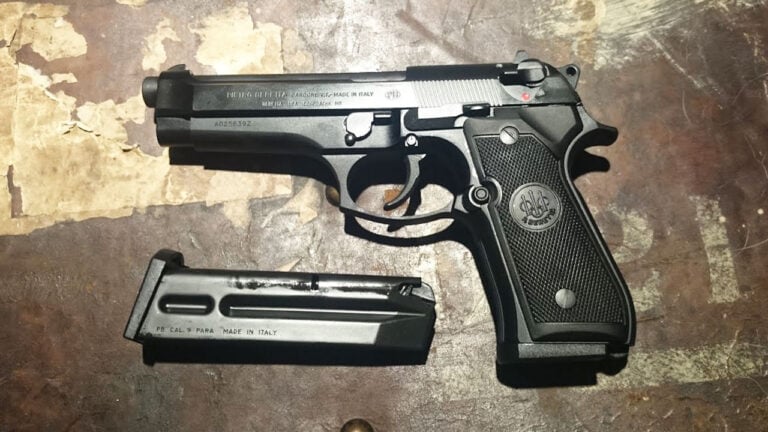
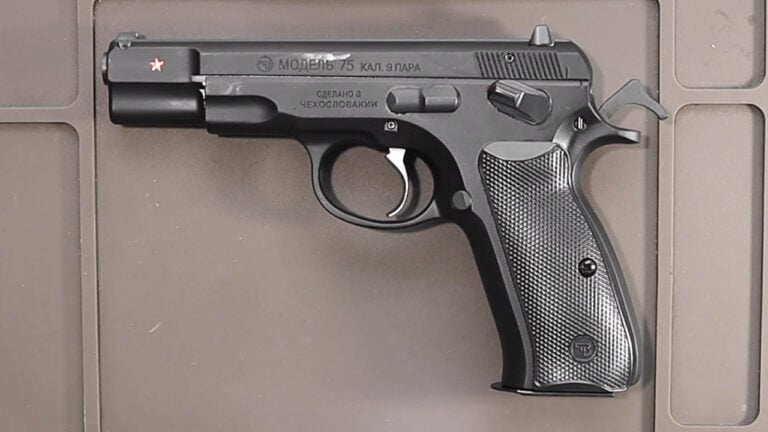
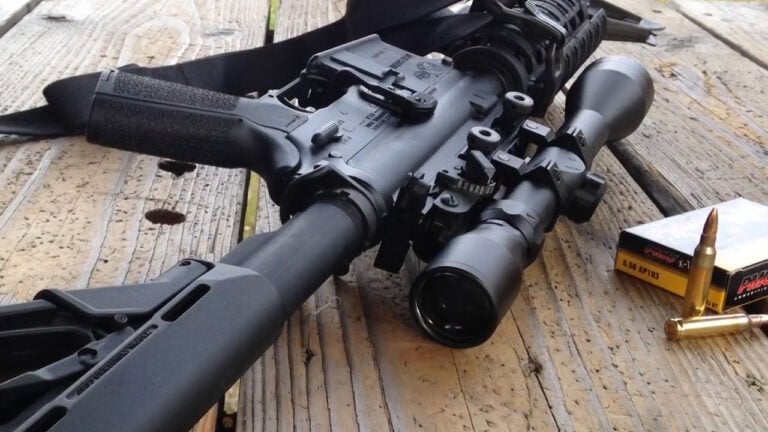
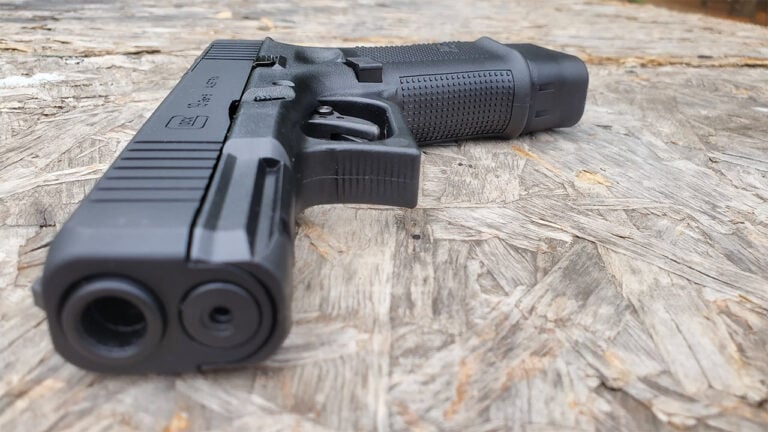
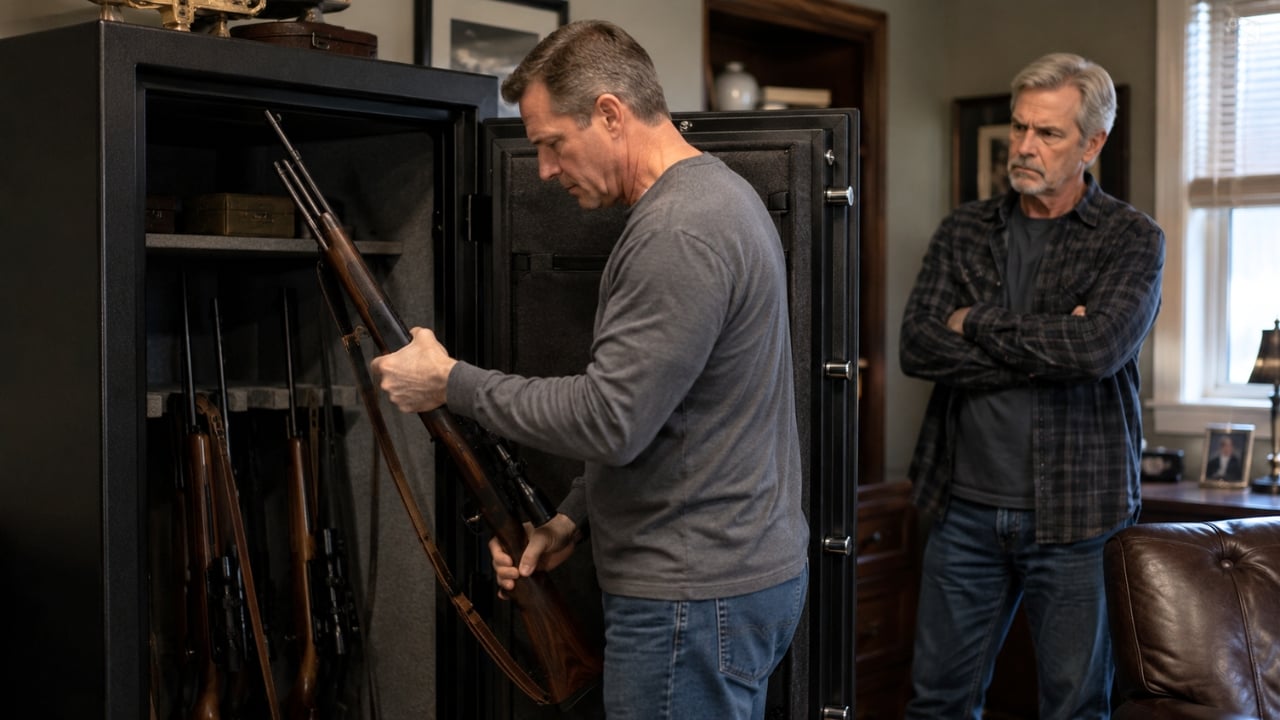
The gun owner said the rifles were locked in his own safe, which should have been the end of the question. According to the Reddit post, a family member accessed the safe, took the firearms out, and turned them over to be destroyed.
The original Reddit post can be found here: https://www.reddit.com/r/legaladvice/comments/128xf7w/guns_taken_out_of_safe_without_permission/
That is not a small family disagreement. If the guns legally belonged to him, then taking them from a safe without permission was not just meddling. It was taking someone else’s property, and because the property was firearms, the situation became a lot more serious than someone throwing away old tools or boxes from a garage.
The destruction part made it worse. If a family member had taken the rifles and hidden them, there might still be a chance to recover them. If they were surrendered for destruction, the owner may have been dealing with a permanent loss. Once a firearm is destroyed, the fight shifts from getting the property back to proving what happened and trying to recover the value.
The owner likely had to sort through a few different questions at once. Who had access to the safe? Did they know the combination or take the key? Were the rifles legally owned? Were they documented with serial numbers, photos, receipts, or transfer paperwork? And when the guns were turned in, did the agency or business accepting them record who surrendered them?
Those details matter because the paper trail could tell the whole story. If someone signed a form, provided identification, or gave a statement while turning in the rifles, that could help show who took them and what happened after they left the safe.
There was also the issue of intent. A family member may have believed they were doing the right thing. Maybe they disliked guns. Maybe they thought the owner should not have them. Maybe there was a household argument or fear behind the decision. But personal opinions about firearms do not automatically give someone the right to remove and destroy another adult’s legal property.
That is the part that makes these cases messy. Families often treat gun disputes like private household problems, but the law may view them as stolen property, unlawful possession, or destruction of property. The family label does not erase the ownership issue.
Commenters told the owner to gather every record he had for the rifles. Receipts, serial numbers, photos, safe inventory lists, insurance records, and transfer paperwork would all help prove ownership and value.
Several commenters said he should find out exactly where the rifles were surrendered and whether they had actually been destroyed yet. If the guns had only been turned in recently, there might still be a chance to stop the destruction or at least obtain records of who surrendered them.
Others said a police report may be appropriate if the rifles were taken from his safe without permission. Even if the person who took them was family, the firearms were still his property.
Some commenters also pointed toward civil recovery. If the guns were already destroyed, he may need to pursue the family member for the value of the rifles rather than the rifles themselves.
A few people focused on securing the safe going forward. If someone else knew the code, had a key, or could access the room, the owner needed to change that immediately. A gun safe is only as secure as the number of people who can open it.
The post ended with the owner facing a hard reality. The rifles may have been gone for good, but the fact that they were taken from a safe without permission still mattered. Whether the next step was a police report, a civil claim, or both, he needed documentation before the story became just another family argument with no proof.
Like The Avid Outdoorsman’s content? Subscribe to our newsletter so you never miss an article.
Here’s more from us: