Photo credit: Survival Showcase/YouTube
Some guns were easy to ignore when they were sitting everywhere. Maybe they looked too plain, came from the wrong country, used an odd cartridge, or did not fit whatever trend buyers were chasing at the time. A lot of people walked past them thinking they would always get another chance.
That is usually where regret starts. The gun gets discontinued, imports dry up, collectors wake up, or shooters finally realize the design was better than its reputation. Suddenly, the same firearm that seemed easy to skip becomes the one people wish they had grabbed when prices were still reasonable and clean examples were still easy to find.
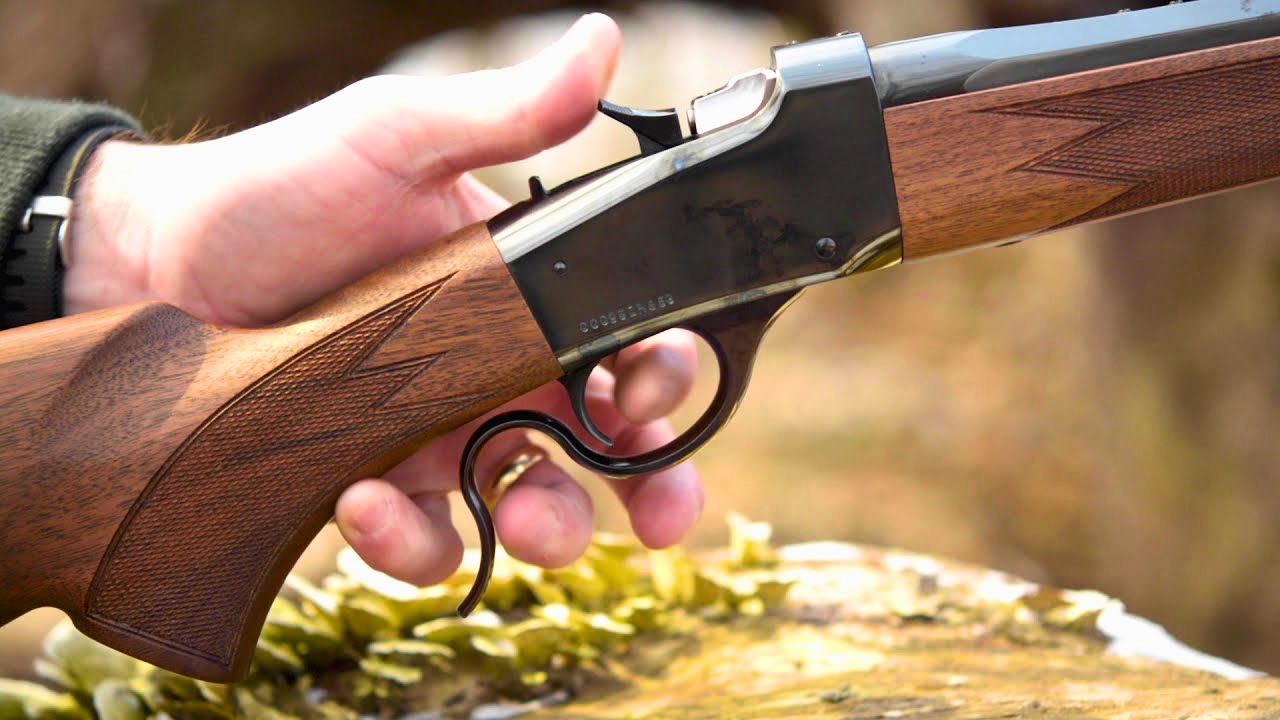
Browning B-78

The Browning B-78 was easy to pass on if you were not already interested in single-shot rifles. A falling-block hunting rifle looked slow and old-fashioned beside bolt guns that were cheaper, lighter, and easier to scope.
Now a lot of shooters understand the appeal better. The B-78 had strong Browning quality, beautiful lines, and chamberings that made it more than a range curiosity. It rewarded careful shooting and felt like a rifle built for someone who enjoyed the shot as much as the result. People who walked past them years ago usually do not like what nice examples cost now.
Smith & Wesson Model 28 Highway Patrolman

The Smith & Wesson Model 28 Highway Patrolman was once the plain-duty version of the fancier N-frame magnums. Because it lacked the high-polish finish of the Model 27, plenty of buyers treated it like the less desirable choice.
That was short-sighted. The Model 28 gave shooters the same strong .357 Magnum frame, excellent balance, and serious revolver feel without the flash. It was built to work, and that honesty has aged well. Clean examples are no longer the bargain N-frames they once were. Buyers who passed because it looked too plain missed one of Smith’s best working revolvers.
Remington Model 141
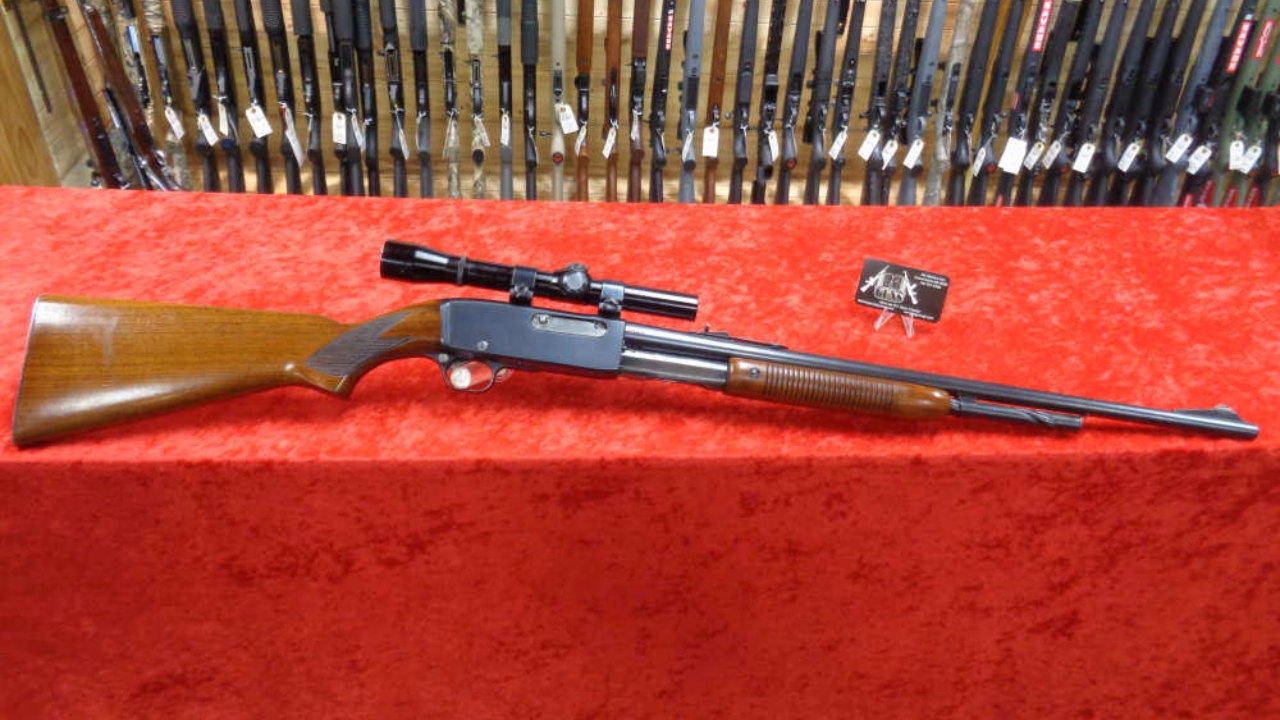
The Remington Model 141 looked outdated to many hunters even decades ago. A pump-action rifle chambered in rounds like .35 Remington seemed tied to another generation of deer camps.
That is exactly why people regret passing on them now. The Model 141 has character, slick handling, and real woods-rifle usefulness. It carries better than it looks, points quickly, and hits hard enough for close-range deer and black bear work. It is not a modern long-range rifle, but it was never meant to be. Clean examples have become much harder to ignore.
Colt 1908 Vest Pocket
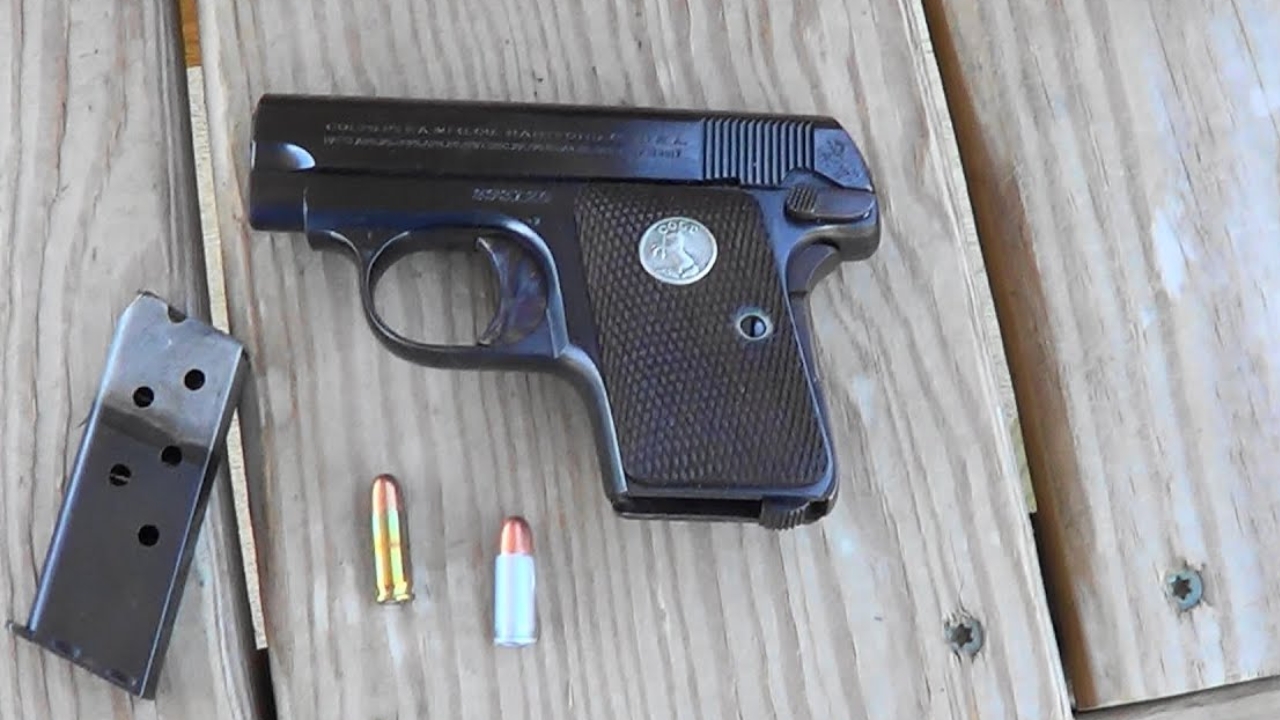
The Colt 1908 Vest Pocket used to be treated like a tiny old pistol without much practical use. It was small, low-powered, and easy for modern handgun buyers to dismiss.
Collectors and Colt fans see it differently now. The little 1908 has real history, excellent machining for its size, and the kind of early automatic-pistol charm that modern pocket guns cannot copy. It is not something most people buy for serious defensive use today, but that was never the whole point. People who passed when they were affordable now realize small Colts can bring big regret.
Winchester Model 43
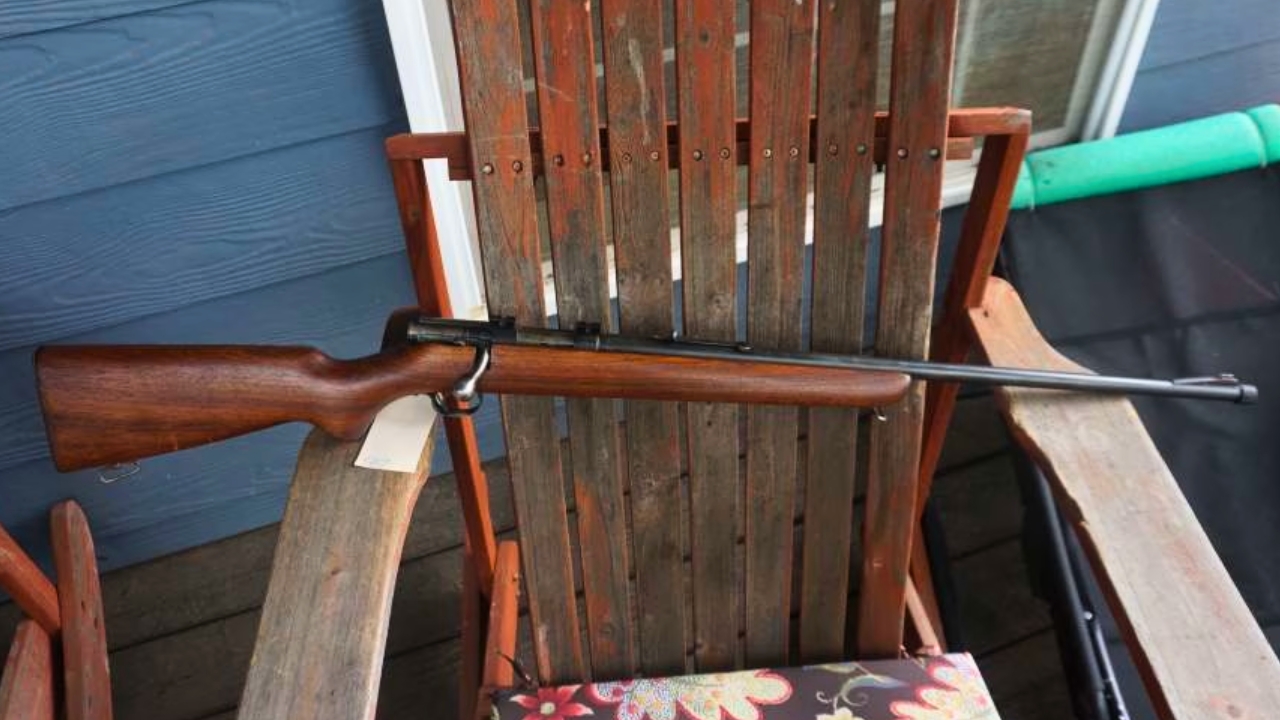
The Winchester Model 43 was not the rifle everyone chased. It was a small bolt-action sporter chambered in rounds like .22 Hornet and .218 Bee, and many buyers ignored it in favor of bigger deer rifles or cheaper rimfires.
That makes nice ones more interesting today. The Model 43 fits a classic varmint and small-game role that feels almost forgotten now. It is light, handsome, and tied to an era when small centerfire rifles had real personality. Shooters who walked past them because they seemed too specialized often wish they had grabbed one before collectors caught on.
Ruger Police Service-Six
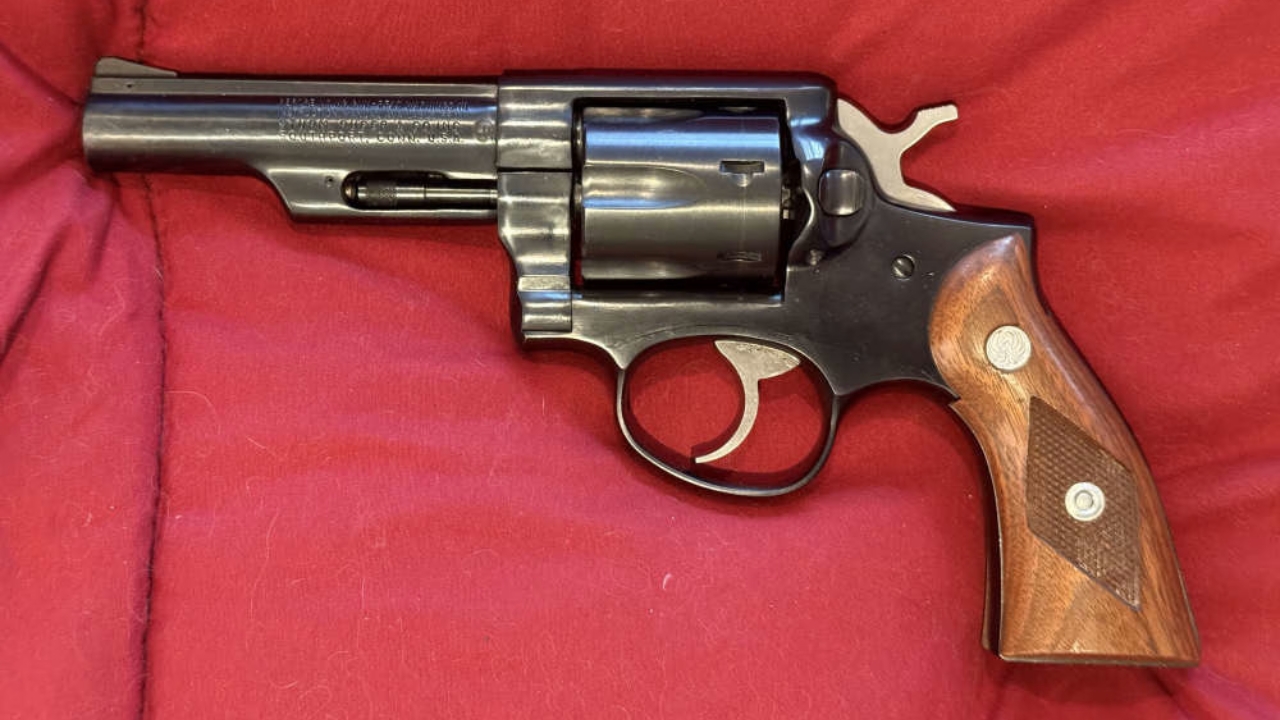
The Ruger Police Service-Six sat in the shadow of better-known Smith & Wesson duty revolvers for a long time. It was tough, simple, and practical, but not always treated as something worth chasing.
That attitude changed as people started appreciating rugged working revolvers again. The Police Service-Six has fixed sights, strong construction, and a size that makes it useful without feeling oversized. It is the kind of gun that could ride in a holster for years and still shoot straight. Passing on clean examples when they were cheap looks like a bad call now.
Marlin Model 56 Levermatic
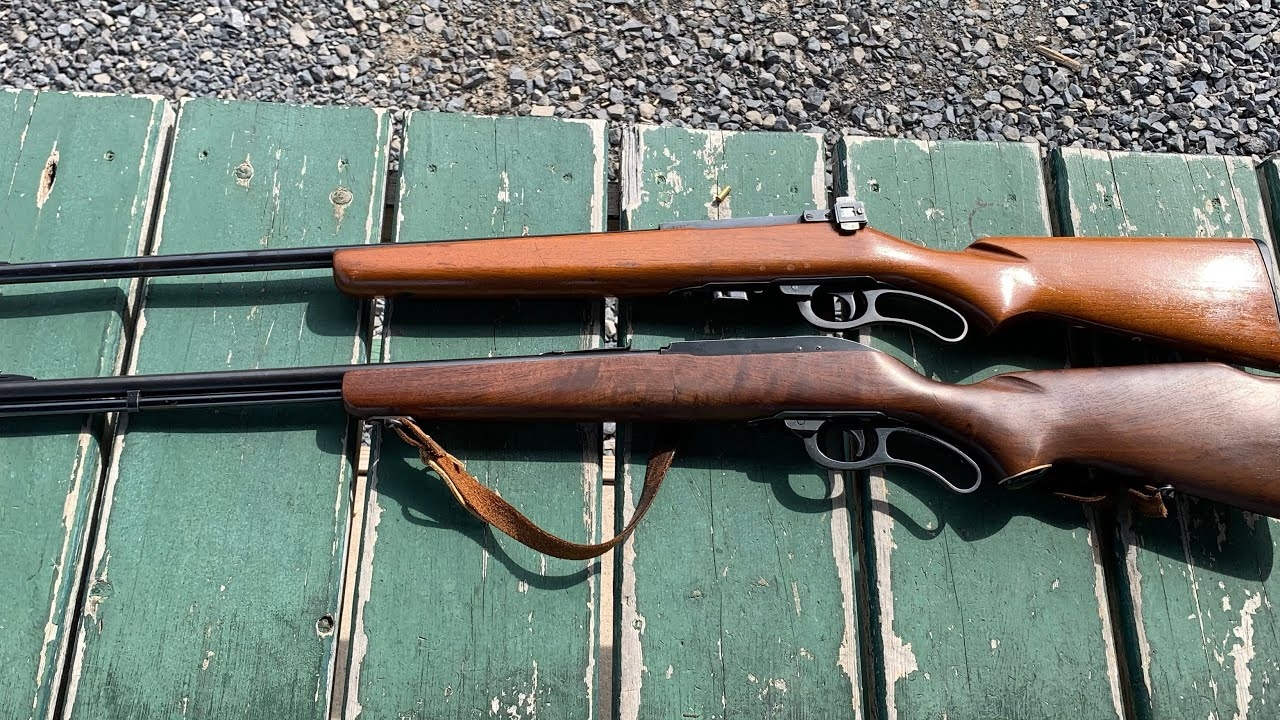
The Marlin Model 56 Levermatic was easy to overlook because it did not look like a traditional lever gun. Its short-throw lever and box magazine made it seem unusual, and unusual guns often get ignored until they are gone.
Now that oddness is part of the appeal. The Model 56 is quick, handy, and fun in a way most rimfire rifles are not. It gives you lever-action rhythm without the same old tube-fed layout. People who passed because it looked strange missed a clever little rifle that has become much harder to find in clean shape.
Beretta 81
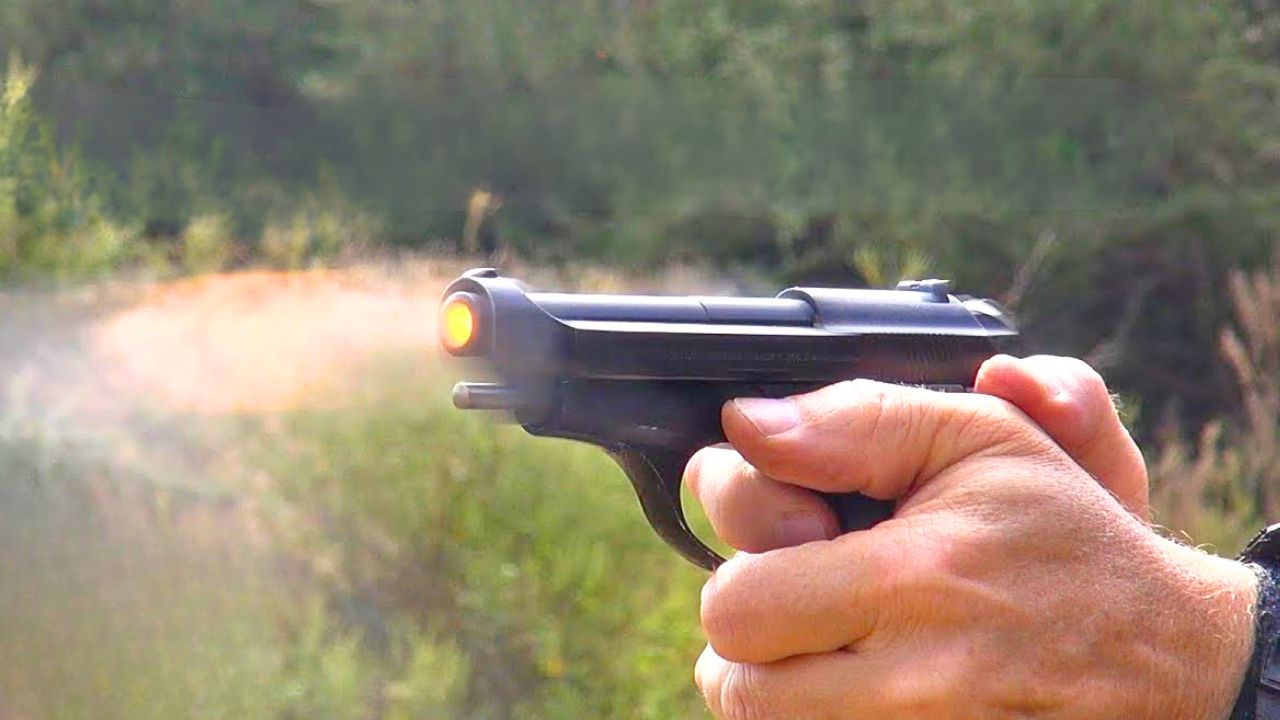
The Beretta 81 was once one of those surplus pistols buyers could pass on without much thought. A .32 ACP double-stack pistol did not seem urgent when 9mm carry guns were everywhere.
That changed when shooters started appreciating how nice these little Berettas actually are. The Model 81 is soft-shooting, beautifully made, and far more enjoyable than its mild chambering suggests. It feels like a real pistol, not a cheap pocket gun. Buyers who ignored them because the caliber seemed boring often regret it now that clean examples are not as easy or cheap to grab.
Savage Model 23
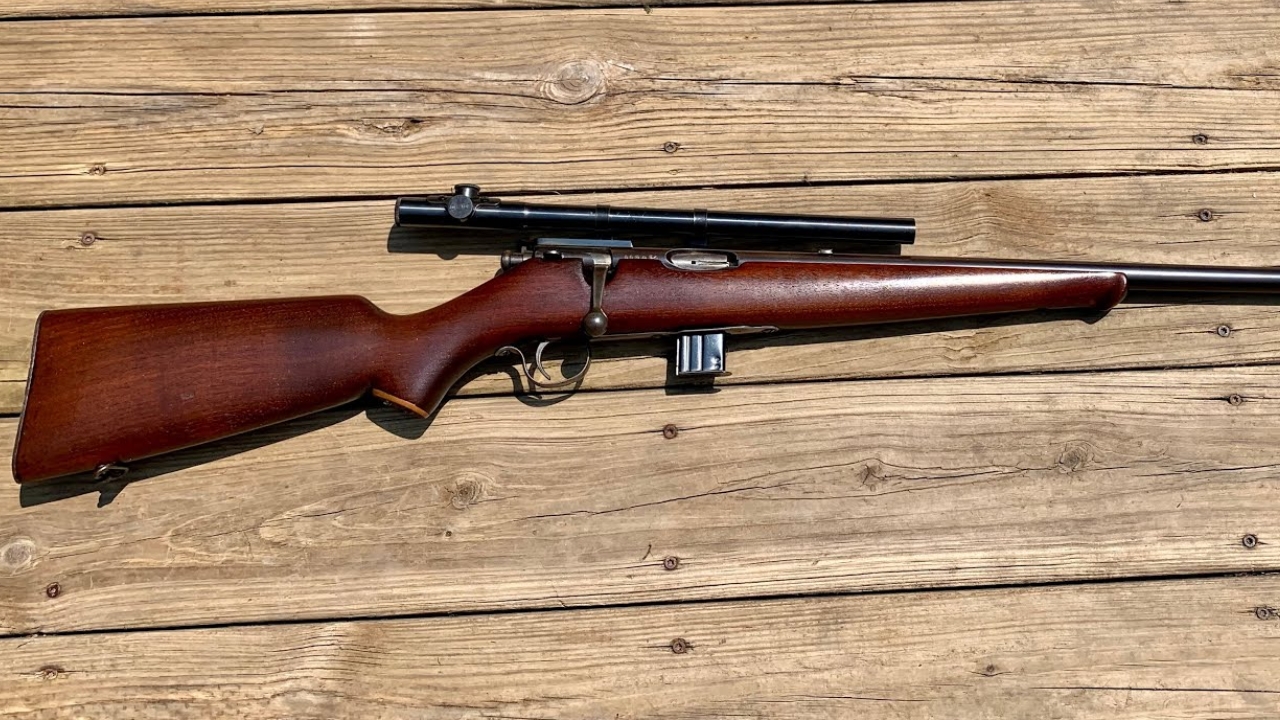
The Savage Model 23 was a plain little bolt-action rifle that did not scream collector value. Chambered in small centerfire and rimfire rounds, it was the kind of rifle people saw in used racks and assumed would always be around.
That assumption did not age well. The Model 23 has old-school charm, useful accuracy, and a light sporting feel that modern budget rifles rarely duplicate. In chamberings like .22 Hornet or .25-20, it offers something different from the usual deer-rifle conversation. People who passed on good ones often wish they had taken the chance.
Walther P5
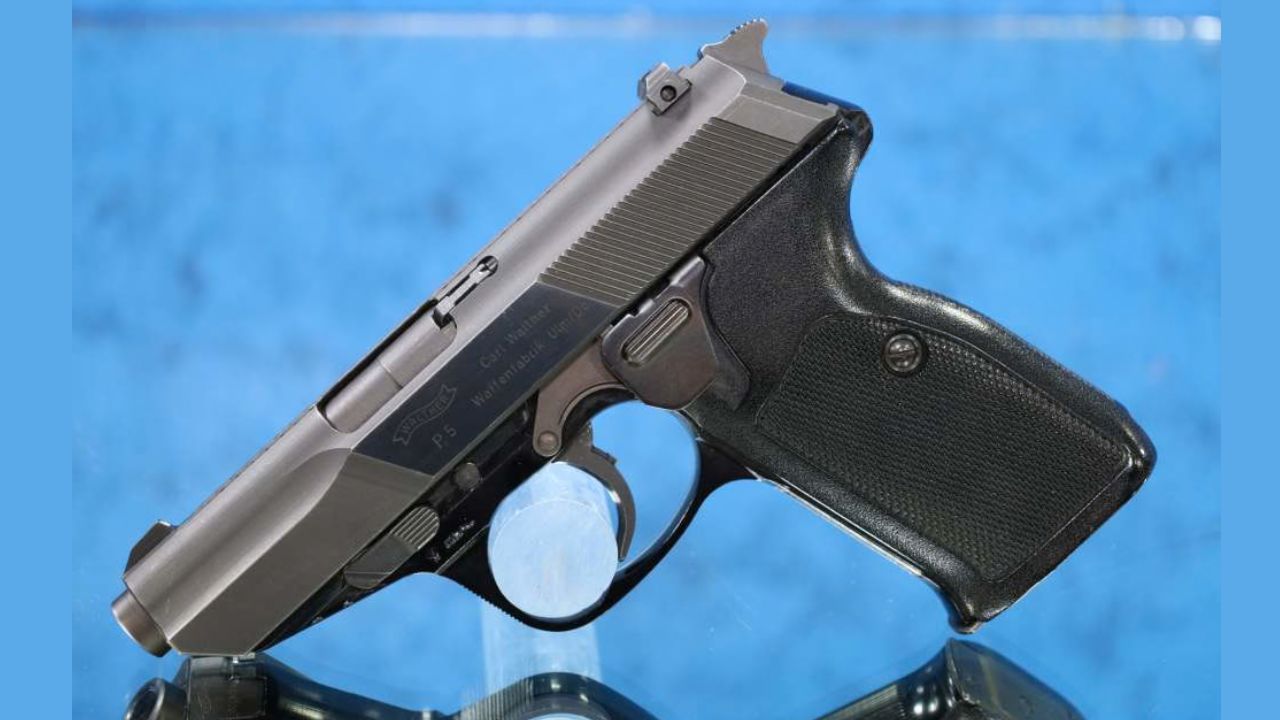
The Walther P5 never had the same mainstream American following as some other European service pistols. Its design was different, the controls were unfamiliar, and many buyers simply chose more common 9mms instead.
Now the P5 looks a lot more interesting. It has quality machining, a smooth shooting feel, and a unique place in Walther’s service-pistol history. It is not just another old semi-auto. It is a well-built handgun with character and real collector appeal. Passing on one years ago because it seemed odd or expensive probably feels much worse today.
Winchester 1885 Low Wall
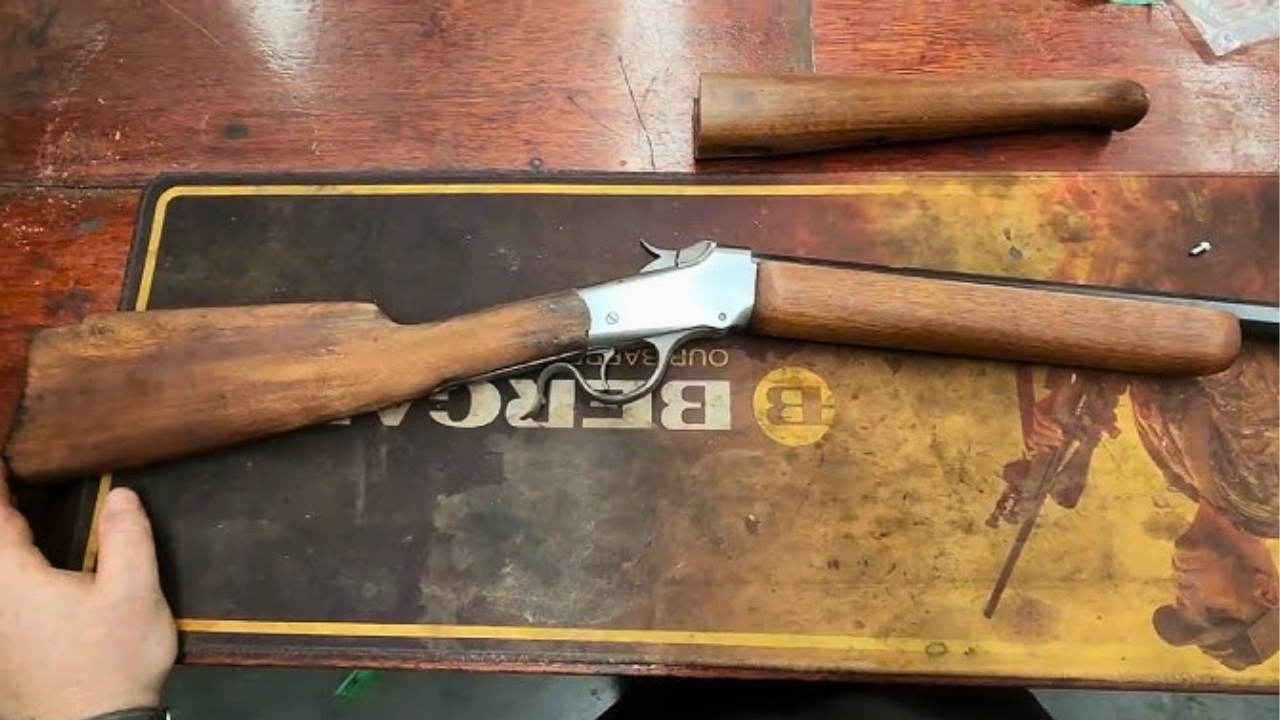
The Winchester 1885 Low Wall spent years being overlooked by shooters who wanted repeaters, bolt guns, or cheaper rimfire rifles. A single-shot rifle felt too slow for buyers chasing convenience.
That view misses what made the Low Wall special. It is elegant, accurate, and tied to one of the great American single-shot designs. In rimfire and small centerfire chamberings, it can be a wonderful rifle for careful shooting and small-game work. Modern reproductions are nice, but original and older examples have their own pull. People who passed when prices were softer usually regret it.
Astra 400
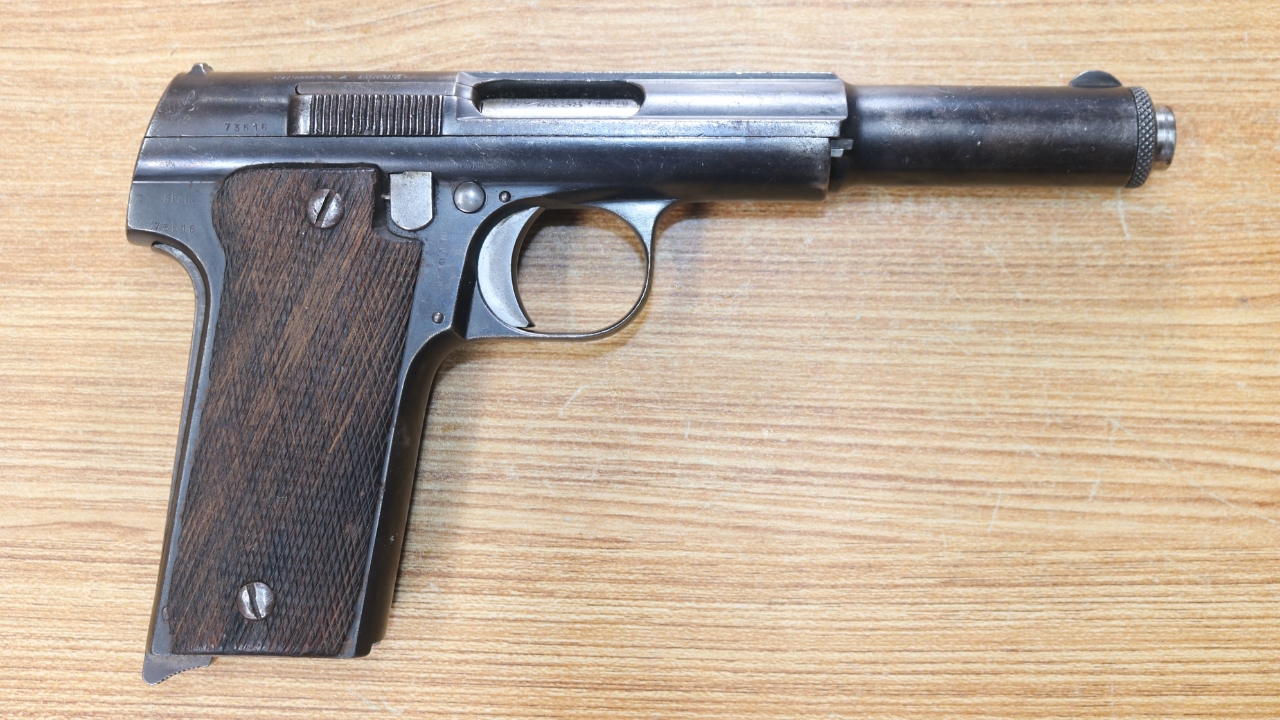
The Astra 400 was an odd-looking Spanish military pistol that many buyers dismissed as surplus weirdness. Its long slide, blowback action, and unusual feel made it easy to walk past.
Surplus collectors know better now. The Astra 400 has history, solid machining, and a distinctive look that stands out from the usual pistol crowd. It is not the softest or most modern handgun, but it is memorable and better built than its old bargain-bin status suggested. People who passed on clean examples when they were cheap often wish they had bought one just for the collection.
Remington Model 34
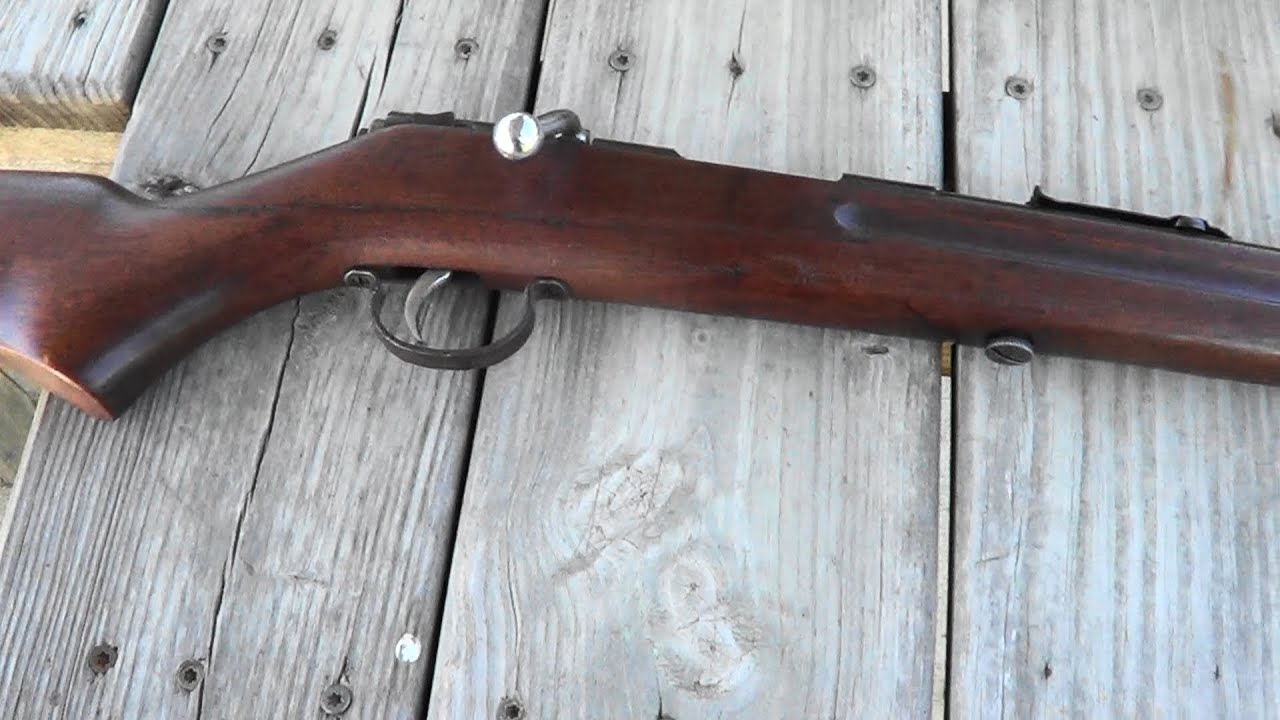
The Remington Model 34 was just an old bolt-action .22 to many buyers. It did not have the name recognition of some Winchester rimfires, and it looked plain enough to ignore.
That is why it became one of those quiet regrets. The Model 34 was accurate, well-made, and useful in the way older American rimfires often were. It made small-game hunting and slow target shooting feel better than a cheap modern .22. When nice old rimfires were affordable, plenty of people walked past them. Now those same buyers realize they should have paid closer attention.
Browning Double Auto
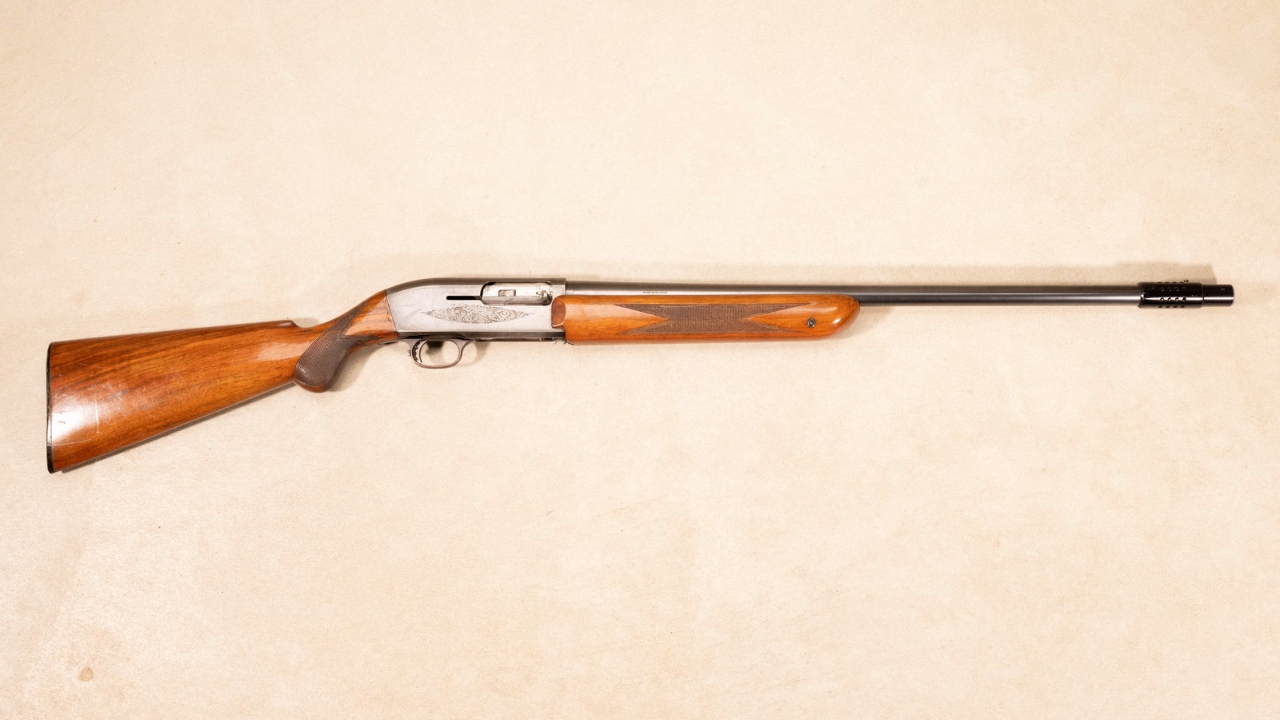
The Browning Double Auto looked strange to people used to pumps, over-unders, and traditional semi-autos. A two-shot semi-auto shotgun seemed like an answer to a question many buyers were not asking.
That made it easy to pass on, but the shotgun has aged into a cult favorite. It is light, fast-handling, and beautifully made, with a loading system that feels clever once you understand it. For upland hunting and casual shooting, it has a lively feel that modern shotguns often lack. People who skipped them because they seemed odd now understand why fans hang onto them.
H&R Topper

The H&R Topper was so affordable and common that almost nobody treated it like something they might regret passing on. It was a plain single-shot shotgun, often bought for farm use, young hunters, or rough chores.
That plain usefulness is exactly why people appreciate them more now. A Topper is simple, durable, easy to carry, and about as straightforward as a shotgun gets. It may not bring luxury-gun money, but clean older examples are not as casually cheap as they once were. People who passed on them forget that some guns are worth owning because they always have a job.
Like The Avid Outdoorsman’s content? Subscribe to our newsletter so you never miss an article.
Here’s more from us: