Photo credit: Yamaha Whitetail Diaries/YouTube
Some rifles earn their reputations not from success, but from the explanations their owners invent when groups begin to drift. Sometimes it’s heat, sometimes it’s stock pressure, and sometimes it’s a manufacturing quirk that never fully settles in.
A rifle might look great at the counter or shoot a promising first group, only to wander under real use. When consistency fades and excuses take its place, confidence goes with it. These are the rifles hunters quietly admit struggle to keep shots where they belong.
H&R 700 Ultra Rifle

The H&R 700 Ultra Rifle is heavy enough to suggest stability, but shooters often find that groups start tight and open without warning. The barrel-to-stock fit can vary from rifle to rifle, and even small differences create wandering points of impact.
Heat makes the inconsistency worse. After a few rounds, shots begin climbing or drifting, and it’s easy to misread the behavior as an ammo issue. Despite being built on a classic concept, many rifles never settle into truly reliable accuracy.
Stevens Model 200

The Stevens 200 has the bones of a budget shooter, but the accuracy varies enough that wandering groups become a recurring topic among owners. The stock’s forend flex is the biggest culprit, causing shifts on bipods or sandbags that masquerade as poor form.
Even when cold-barrel groups look promising, strings tend to walk as heat builds. Shooters often spend time chasing loads or swapping optics before realizing the rifle simply needs reinforcement to shoot consistently.
Weatherby Vanguard S2 Compact

The S2 Compact handles beautifully, but accuracy issues appear when the lighter barrel heats quickly. Many shooters find that the first three shots group fine, then drift upward or sideways depending on how the rifle is supported.
Because the rifle is well-built overall, it’s common for people to blame rings, bases, or ammo before looking at heat as the cause. The platform can shoot, but maintaining precision over longer sessions often proves difficult without slow pacing.
Remington 798

Imported and rebranded, the Remington 798 came with a Mauser-style action but inconsistent bedding and barrel fit. Many owners noticed wandering groups from day one, especially when using heavier calibers that amplified stock movement.
As the barrel warms, point of impact tends to migrate, sometimes a full inch or more over a typical range session. Shooters often mistake this behavior for scope problems, but even after upgrades, the rifle’s accuracy remains sensitive to temperature and pressure.
Browning AB3 Micro Stalker
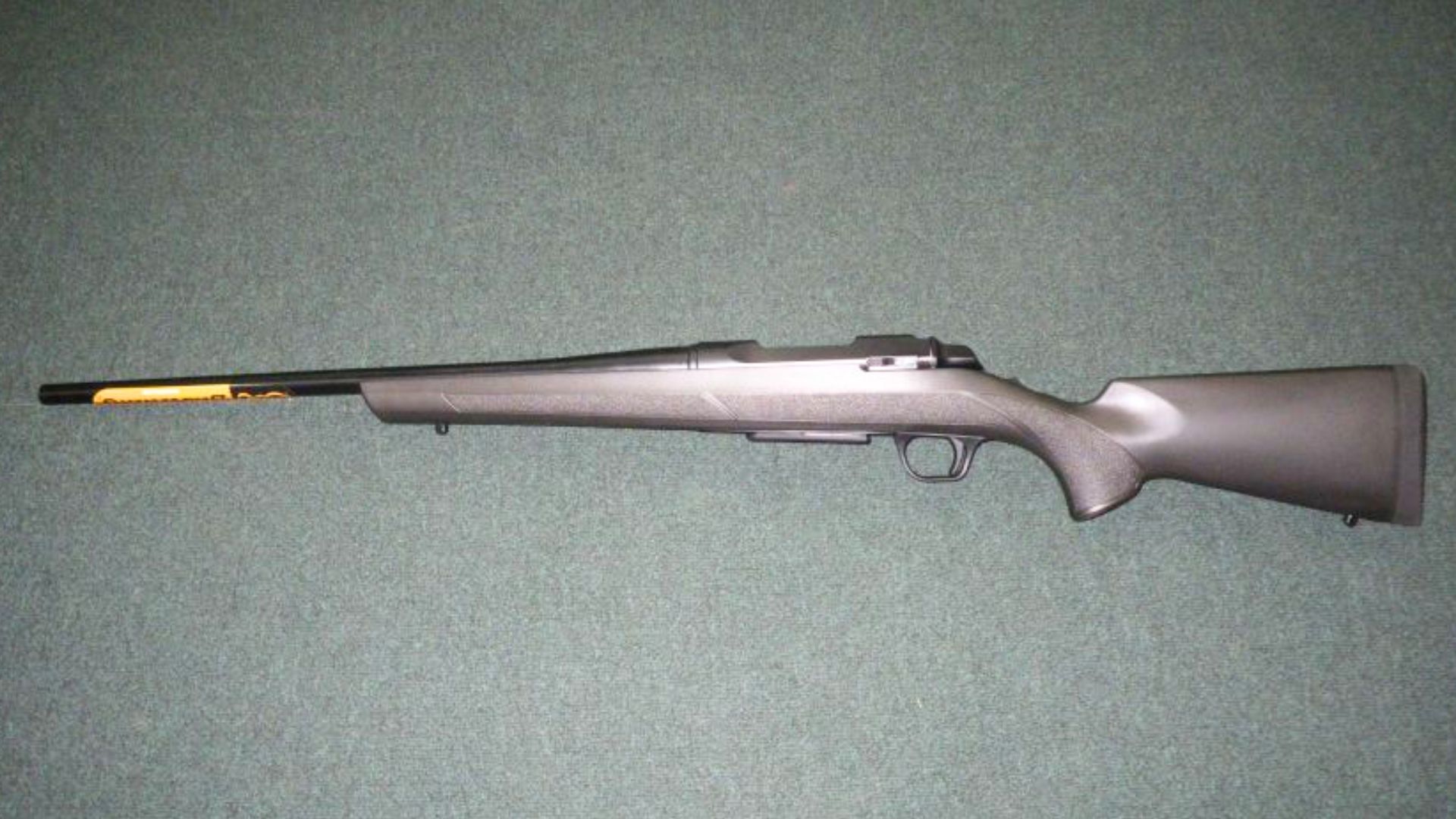
The AB3 Micro Stalker shoulders well, but the slim profile and lightweight stock create conditions that make precision a challenge. Pressure on the forend often shifts point of impact, which leads to wandering groups that confuse newer shooters.
Heat exaggerates the issue, and accuracy can change enough to derail confidence on longer shooting days. While the platform is dependable mechanically, it doesn’t always reward shooters who expect tight and repeatable groups beyond casual hunting distances.
Winchester XPR Hunter
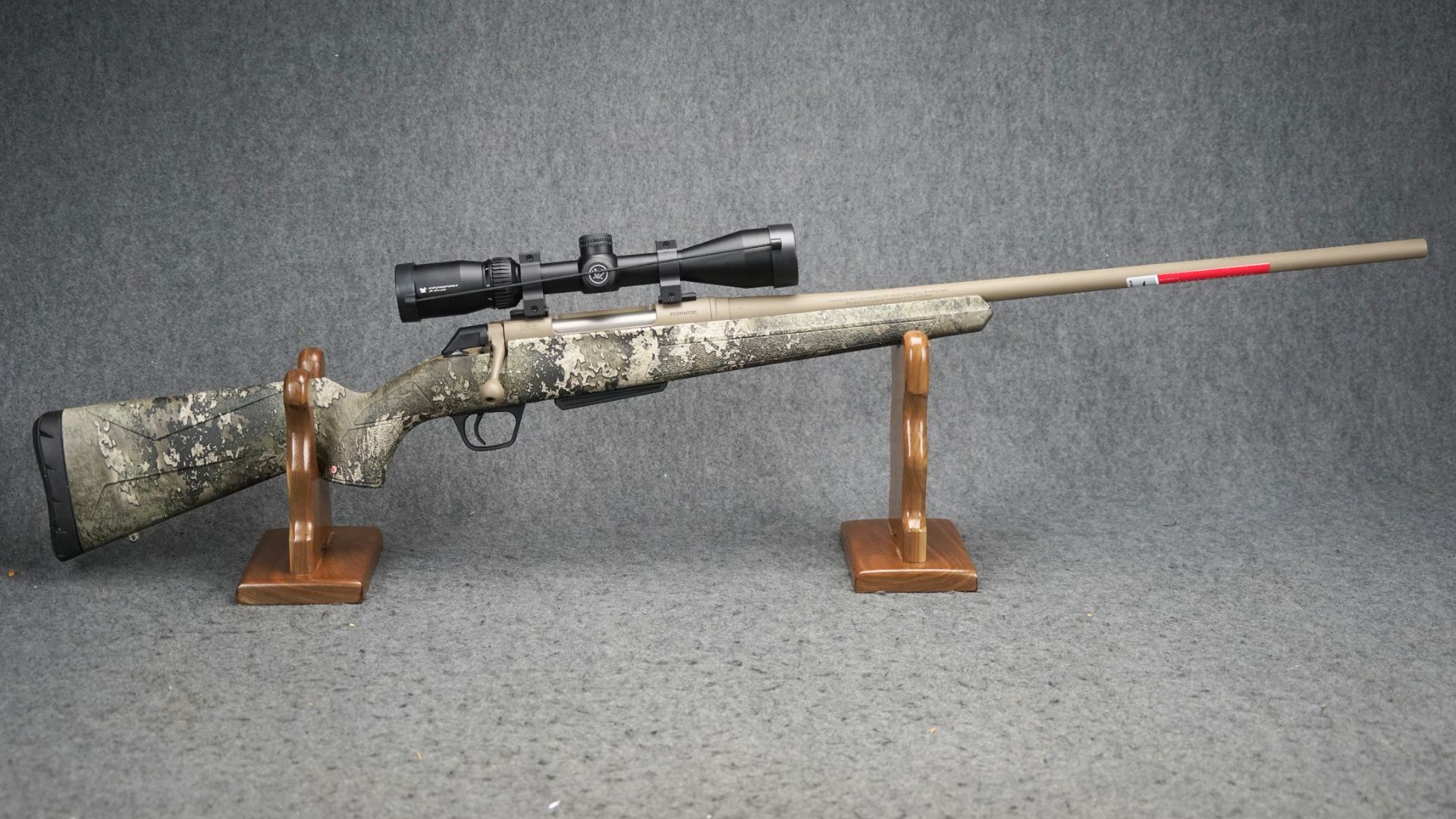
The XPR Hunter has potential, but inconsistency shows up for shooters who push beyond three-shot groups. The thin barrel heats quickly, and heat-related wandering is a recurring complaint. Groups may start centered, then migrate without any obvious error.
Once the barrel cools, accuracy usually comes back, which only adds to the frustration. It’s capable of good performance, but staying consistent across longer strings takes more effort than many hunters expect.
Savage Axis (original generation)

Before the Axis received upgrades, shooters struggled with group consistency tied to the flexible forend. Under pressure—whether from a rest, sling, or tight grip—the stock could move enough to shift impact points noticeably.
Heat often made the wandering worse. The rifle might start strong, then walk groups as sessions continued. Some rifles improved with bedding or bracing, but the factory configuration inspired more excuses than precision.
Remington Model Seven in .243

The Model Seven in .243 is light and quick, but many shooters notice groups drifting as barrels warm. The short barrel heats fast, which causes vertical or diagonal shift that becomes repeatable once you look for it.
Because the rifle has a loyal following, shooters often blame ammo or optics before questioning the rifle itself. Consistency is possible, but the platform is more sensitive than most lightweight rifles in its class.
Weatherby Vanguard Camilla
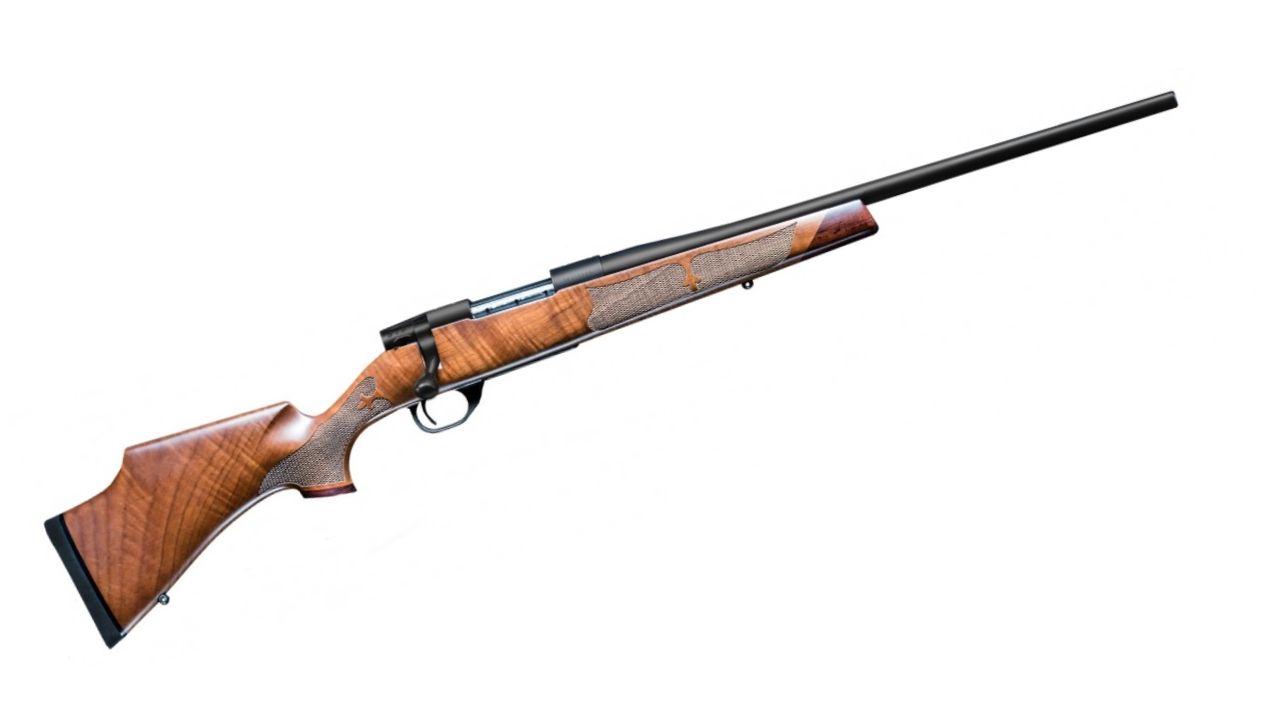
Designed for fit, the Camilla still has its quirks. Some rifles show group movement tied to forend pressure or barrel heating—especially in smaller calibers. Early groups often look good, then begin migrating slightly as strings continue.
Shooters sometimes adjust rests or grip pressure without realizing the rifle’s harmonics are changing. Within hunting limits it’s solid, but for longer range or high-volume shooting, the wandering becomes noticeable.
Marlin XS7

The XS7 has fans, but drifting groups show up enough to keep it off many serious shooters’ lists. The lightweight stock flexes more than expected, shifting impact points when pressure isn’t perfectly consistent.
Heat only increases the problem. Harmonies shift quickly, and shooters often misinterpret the change as flyer-prone ammo. It’s a practical rifle, but holding consistent accuracy takes more patience than many bring to budget guns.
Browning A-Bolt III
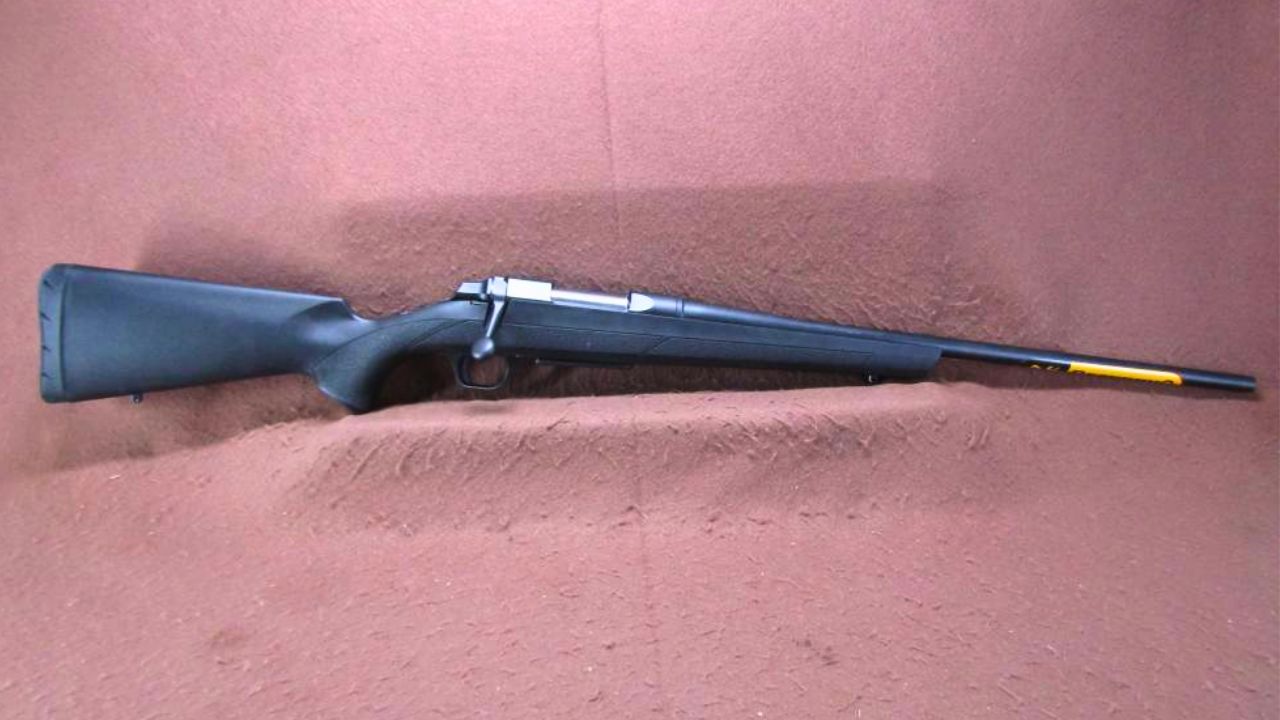
The A-Bolt III is smooth-running but known to drift horizontally once barrels warm. That movement shows up most with bipod use or firm forend pressure. Shooters often spend time diagnosing optics before discovering it’s the rifle itself.
With slow firing and careful rest technique, it performs well enough for hunting. But if you expect bench rest consistency, the wandering becomes hard to ignore.
Thompson/Center Venture (early production)

Early Venture rifles showed a pattern of group wandering tied to inconsistent barrels. It became more obvious when switching loads or firing long strings. Some rifles responded well to ammo tuning, but many didn’t.
Owners often went through multiple troubleshooting steps—rings, bedding, torque—before concluding the rifle had built-in limitations. Later models improved, but early ones still show up at ranges with the same behavior.
Ruger M77 Mark II Lightweight

The Mark II Lightweight is great to carry, but that slim barrel rewards only slow, careful shooting. As heat builds, groups begin drifting upward or sideways, which surprises shooters used to heavier-barreled rifles.
Stock pressure adds another variable, especially with medium calibers. Hunters often mistake the pattern for operator error until the wandering becomes too consistent to ignore.
CVA Hunter Single Shot

The CVA Hunter is rugged, but the simple design doesn’t manage heat well. Once the barrel gets warm, groups begin moving unpredictably—especially in calibers like .243 and .35 Remington.
Many shooters chase loads trying to solve it, but the wandering returns with longer sessions. Cold-barrel performance is usually fine, but sustained precision isn’t what this rifle is built for.
Remington 742 Woodsmaster
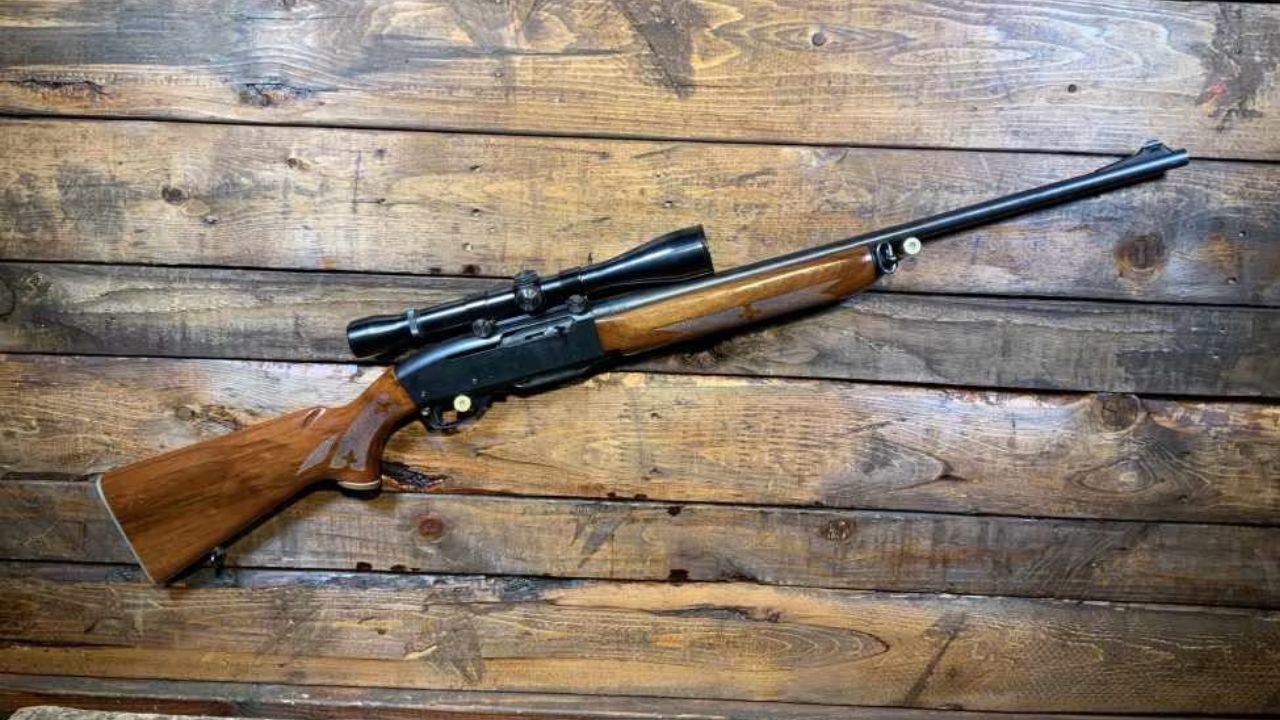
The 742’s aging bolt rails and inconsistent lockup cause drifting groups that grow worse over time. Even rifles that once shot well tend to open up as wear increases.
Owners often defend them because they’ve been in the family for decades, but the wandering eventually becomes hard to overlook. The rifle cycles fine with care, but precision is rarely its strong suit.
Like The Avid Outdoorsman’s content? Subscribe to our newsletter so you never miss an article.
Here’s more from us: