Photo credit: Smith & Wesson
Experts can be right about a lot of things and still miss the bigger picture. Sometimes a gun looks cheap, strange, late to the market, or too plain to matter. Sometimes the specs do not impress anybody. Sometimes the brand name works against it before a round is fired.
Then real shooters start using it. The gun runs, groups, carries, holds up, or fills a role better than the early opinions suggested. These are the firearms that fooled people who thought they already knew how the story would end.
Ruger LCP Max

The LCP Max looked like another tiny pocket pistol that would be miserable to shoot and easy to dismiss. A lot of experienced shooters already had their minds made up about pocket .380s. They expected weak sights, bad triggers, sharp recoil, and a gun people carried more than they practiced with.
Then Ruger packed real capacity and usable sights into a pistol that still disappeared in a pocket. It did not turn .380 into 9mm, and it did not make pocket guns fun like range pistols, but it made the category more practical. A lot of people who mocked tiny carry guns had to admit the Max solved real problems.
IWI Zion-15

The Zion-15 entered an AR market where experts already had their favorite answers. Another factory AR sounded forgettable, especially from a company better known for rifles outside the standard American AR conversation. It was easy to assume it would get lost between cheap builds and premium brands.
Instead, the Zion-15 gave shooters a solid, well-equipped rifle without acting like it needed a luxury price. The furniture, barrel, and overall setup made sense right out of the box. It was not flashy, but it ran well and felt properly built. In a market full of noise, boring competence fooled a lot of people.
Beretta A300 Ultima Patrol
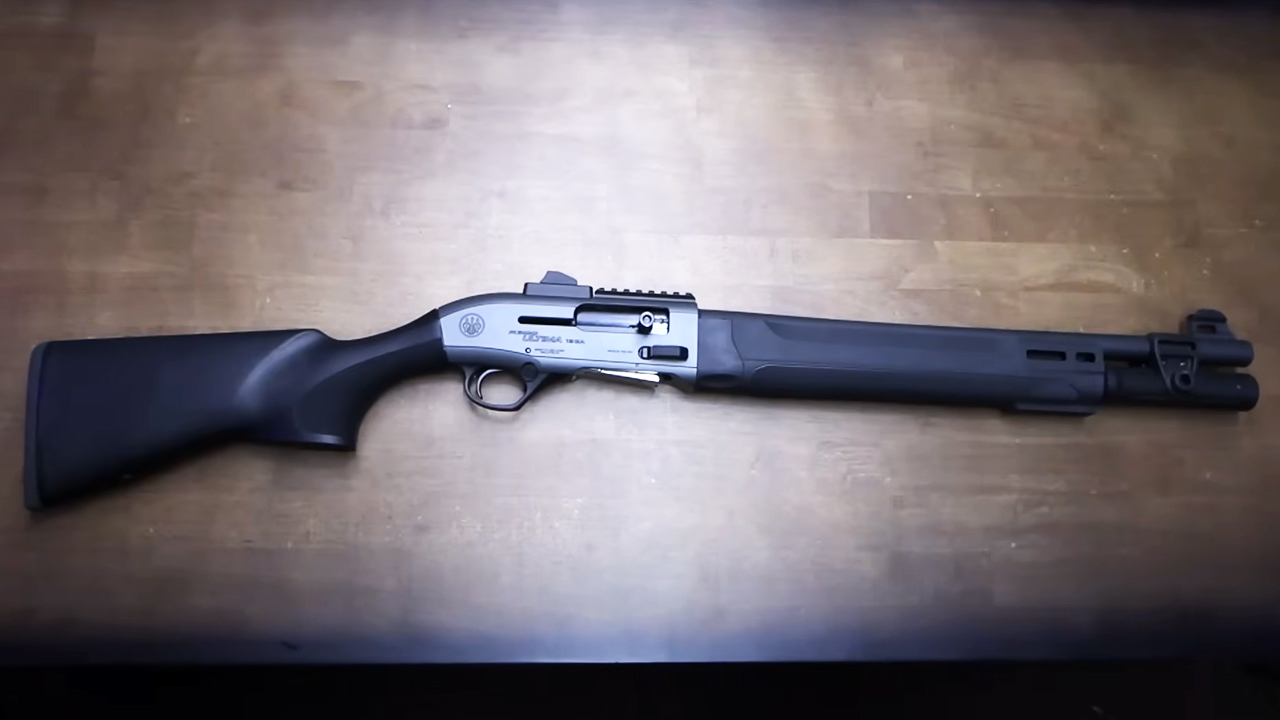
The A300 Ultima Patrol sounded like the cheaper Beretta defensive shotgun, and that alone made some shooters skeptical. Experts who loved the 1301 figured the A300 would feel like the compromise version. Cheaper semi-auto shotguns often come with rough edges, so the doubt made sense.
Then people started shooting them. The A300 Patrol brought the features most defensive-shotgun buyers actually needed: good controls, reliable function, optics readiness, and a price that did not punish normal shooters. It may not be the 1301, but it never had to be. It proved a less expensive shotgun could still feel serious.
Smith & Wesson M&P 15-22
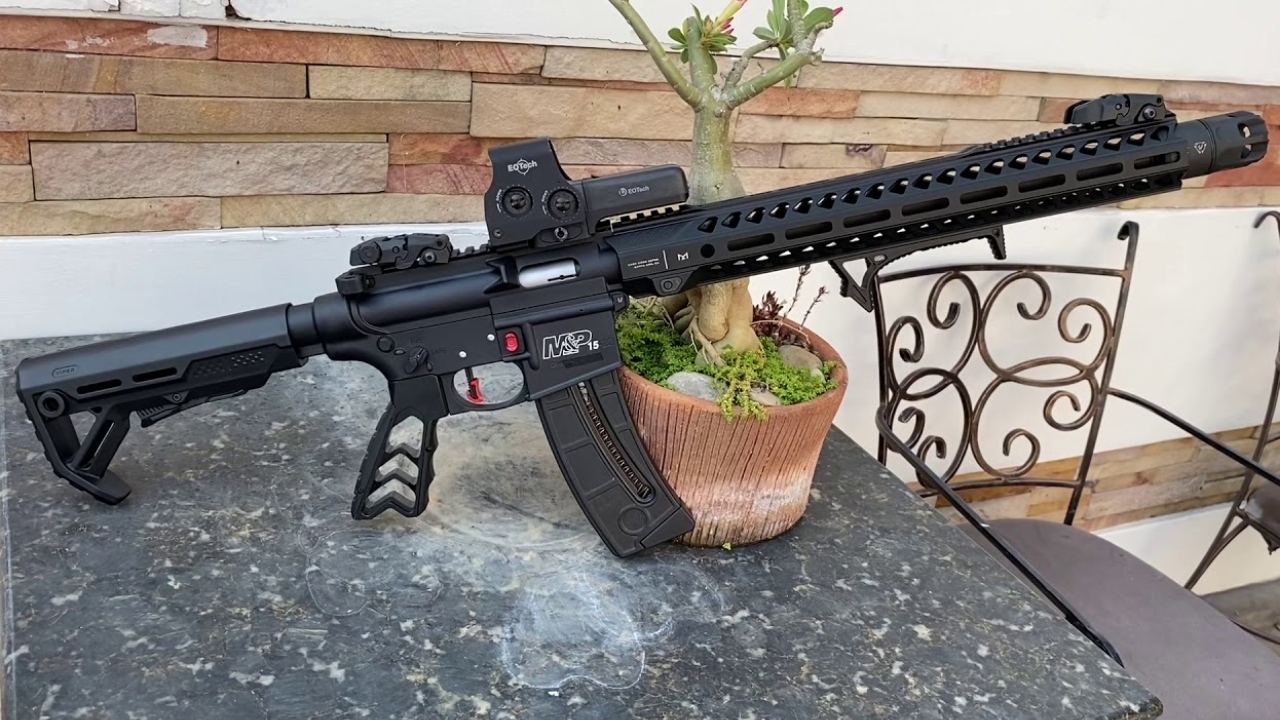
The M&P 15-22 looked like a plastic rimfire trainer that serious rifle people could ignore. It was not a real AR in the centerfire sense, and plenty of shooters expected it to feel like a toy. Experts often like heavy, serious rifles, not lightweight .22 copies.
Then the 15-22 became one of the best training and plinking rifles around. It gave shooters AR-style controls, cheap practice, low recoil, and enough reliability to make range time easy. For new shooters, youth training, and cheap reps, it made a ton of sense. The experts who dismissed it as a toy missed how useful a good toy can be.
CZ P-10 F
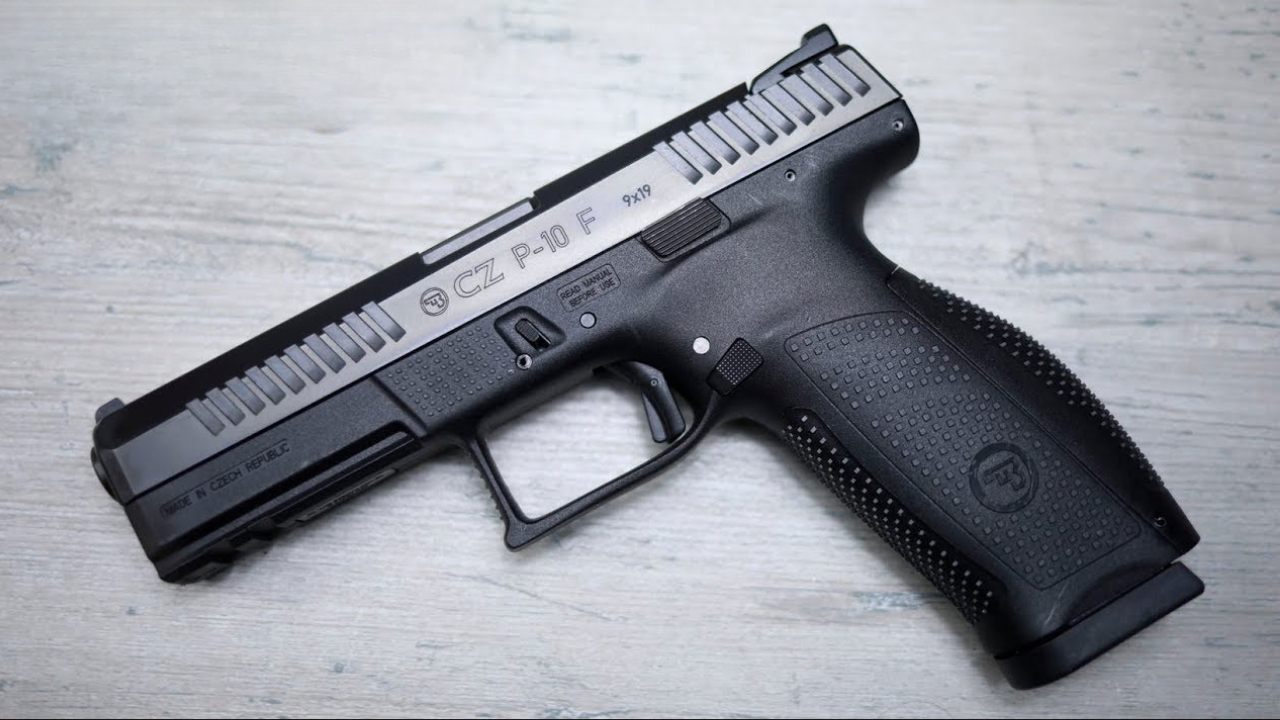
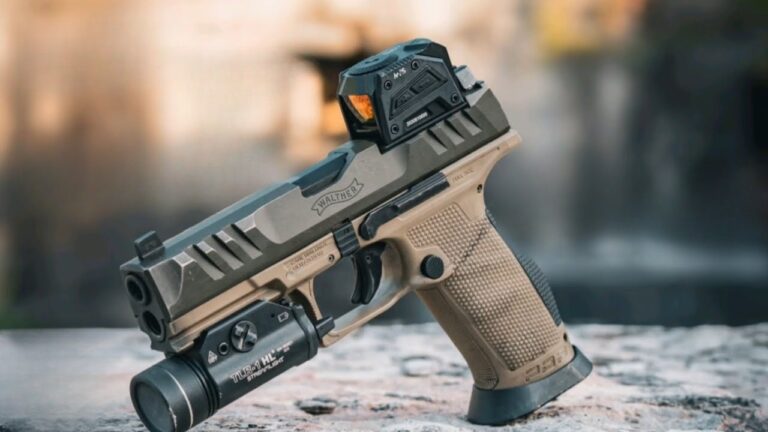
The CZ P-10 F looked like another full-size striker-fired pistol in a crowded lane. By the time it showed up, shooters already had Glocks, M&Ps, Walthers, SIGs, and Caniks fighting for the same space. Experts had every reason to ask what CZ could really add.
The answer was simple: it shot well. The grip texture, trigger, and recoil behavior made the P-10 F feel more capable than its plain appearance suggested. It did not need a wild feature list. It just gave shooters a full-size pistol that tracked well and felt easy to control. That was enough to make early doubters look too quick.
Henry X Model .357

The Henry X Model in .357 seemed strange to traditional lever-gun guys. Polymer furniture, threaded muzzle, black finish, and modern accessories on a lever action felt wrong to people who wanted walnut and blued steel. Experts who value tradition had plenty to complain about.
Then shooters realized the format actually worked. A suppressed-capable .357 lever gun is useful, quiet with the right loads, easy to shoot, and still handy in the woods. It did not replace classic lever guns. It opened a new lane for them. The people who thought it was just tactical dress-up missed how practical the setup could be.
Savage 110 Trail Hunter

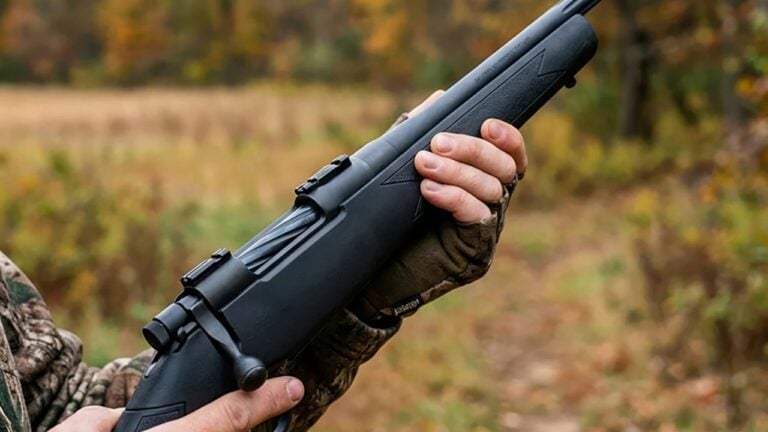
The Savage 110 Trail Hunter does not look like the kind of rifle that impresses rifle snobs. It has a practical stock, weather-resistant finish, threaded barrel, and a workmanlike feel. Experts chasing lightweight carbon builds or custom actions could easily shrug it off.
But for real hunting, the Trail Hunter makes sense. It is built for bad weather, rough handling, suppressor use, and ordinary hunters who need a rifle that can get knocked around. The AccuTrigger still helps, and the 110 action has decades behind it. It fooled people who forgot that practical rifles do not need to look expensive.
Springfield Armory Echelon

The Echelon had to fight skepticism because the striker-fired pistol market was already packed. A lot of experts saw it as another duty-size 9mm showing up late to a party that Glock, Smith, Walther, CZ, and SIG had already crowded. That was fair on paper.
Range time changed the tone. The optic mounting system was smarter than expected, the grip modules made sense, and the pistol shot flatter than some shooters figured it would. It did not feel like Springfield was simply catching up. It felt like the company had actually studied what modern pistol buyers complain about and answered several of those complaints at once.
Mossberg Patriot LR Hunter

The Patriot LR Hunter looked like a budget rifle wearing long-range clothes. That kind of thing usually draws expert eye-rolls fast. Adjustable stock, heavier barrel, and big-distance styling do not mean much if the rifle cannot back it up.
But the Patriot LR Hunter gave some shooters more performance than expected for the money. It was not a custom rifle, and it was not pretending to be. Still, for hunters who wanted a heavier, more stable setup for bean fields, senderos, or range work, it made sense. It fooled people who assumed Mossberg bolt guns were not worth taking seriously.
Taurus GX4 Carry

The GX4 Carry had to overcome the Taurus name before anything else. A lot of experienced shooters still judge Taurus by older mistakes, and they were ready to dismiss another Taurus carry pistol before shooting it. That reputation did not disappear overnight.
The GX4 Carry made the argument harder. It offered good capacity, a more shootable grip than the smallest GX4 models, and a price that made bigger-name pistols look expensive. It still has to earn trust gun by gun, but it showed Taurus could compete in the modern carry market. That surprised people who expected an easy punchline.
Franchi Momentum Elite
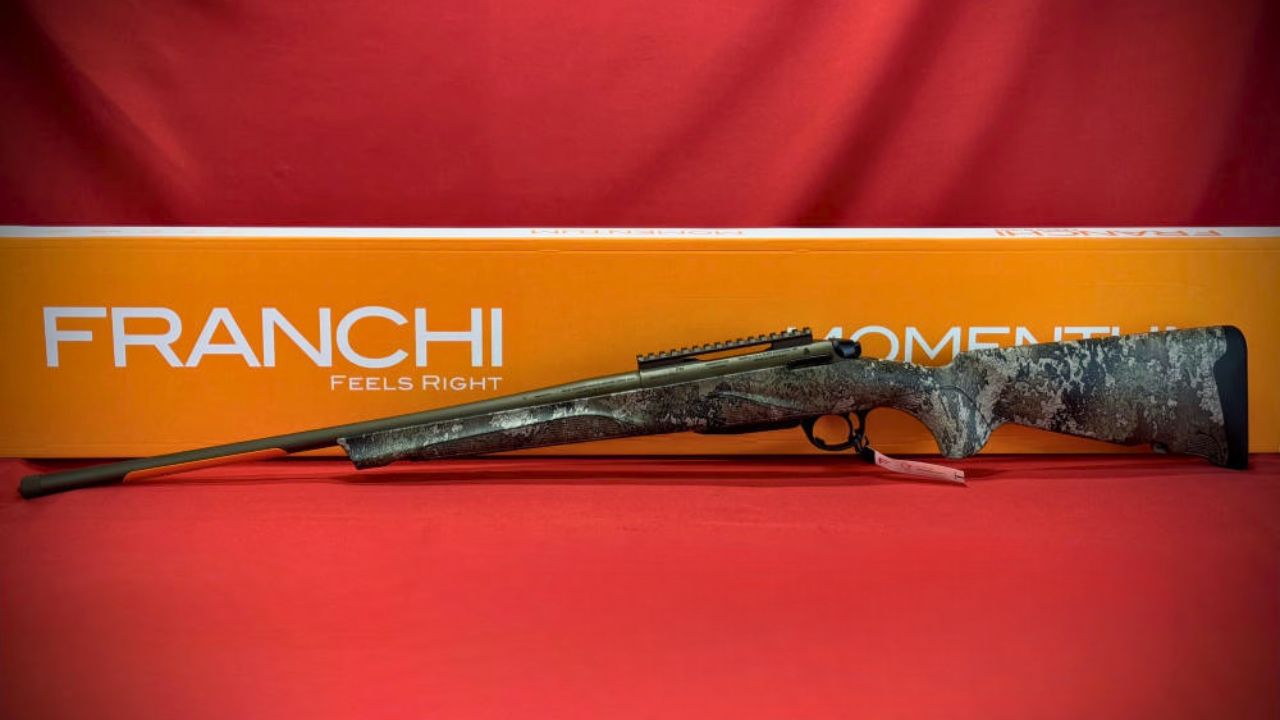
The Franchi Momentum Elite looked odd enough that some hunters never gave it a fair chance. The stock shape, European styling, and unfamiliar feel made traditional rifle guys hesitate. Experts who like classic American bolt guns could write it off quickly.
Then hunters started shooting and carrying them. The Momentum Elite handled better than its looks suggested, offered useful features, and often delivered solid accuracy. It was not just a weird-looking import trying to stand out. It was a practical hunting rifle with its own feel. Sometimes different looks wrong until it works.
Ruger SFAR

The Ruger SFAR sounded too good to trust at first. A lightweight .308 semi-auto close to AR-15 size made experienced rifle people raise eyebrows. Big-frame cartridges usually bring big-frame weight, and experts know there is no free lunch with .308 recoil and durability.
The SFAR was not perfect for every shooter, but it proved the idea had real merit. It gave hunters and rifle owners a lighter .308 semi-auto that carried easier than traditional AR-10 patterns. When matched to the right role, it made sense. The skeptics were not crazy, but Ruger showed the concept was more than marketing.
Canik Rival

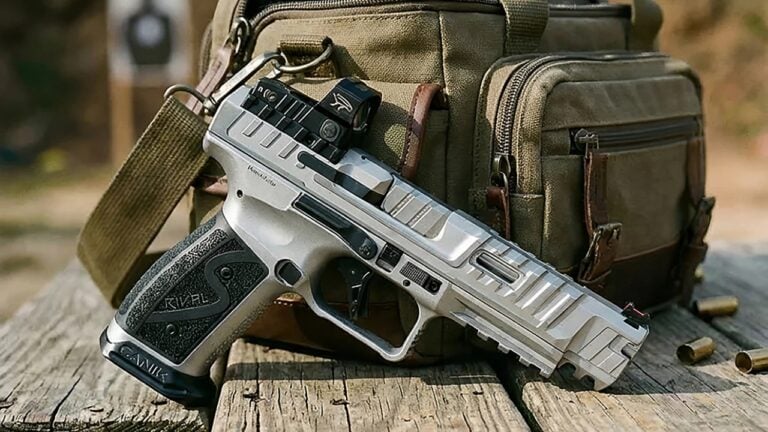
The Canik Rival had to fight the idea that affordable competition-style pistols are never truly serious. Some experts still saw Canik as a budget brand with good triggers, not a company that could build a pistol worth running hard against pricier options.
Then the Rival started showing up in matches and range bags. The trigger, ergonomics, sights, and overall shootability made it hard to ignore. It gave regular shooters a performance-focused pistol without forcing them into high-dollar territory. The Rival fooled people who assumed a lower price had to mean lower capability.
Winchester Wildcat
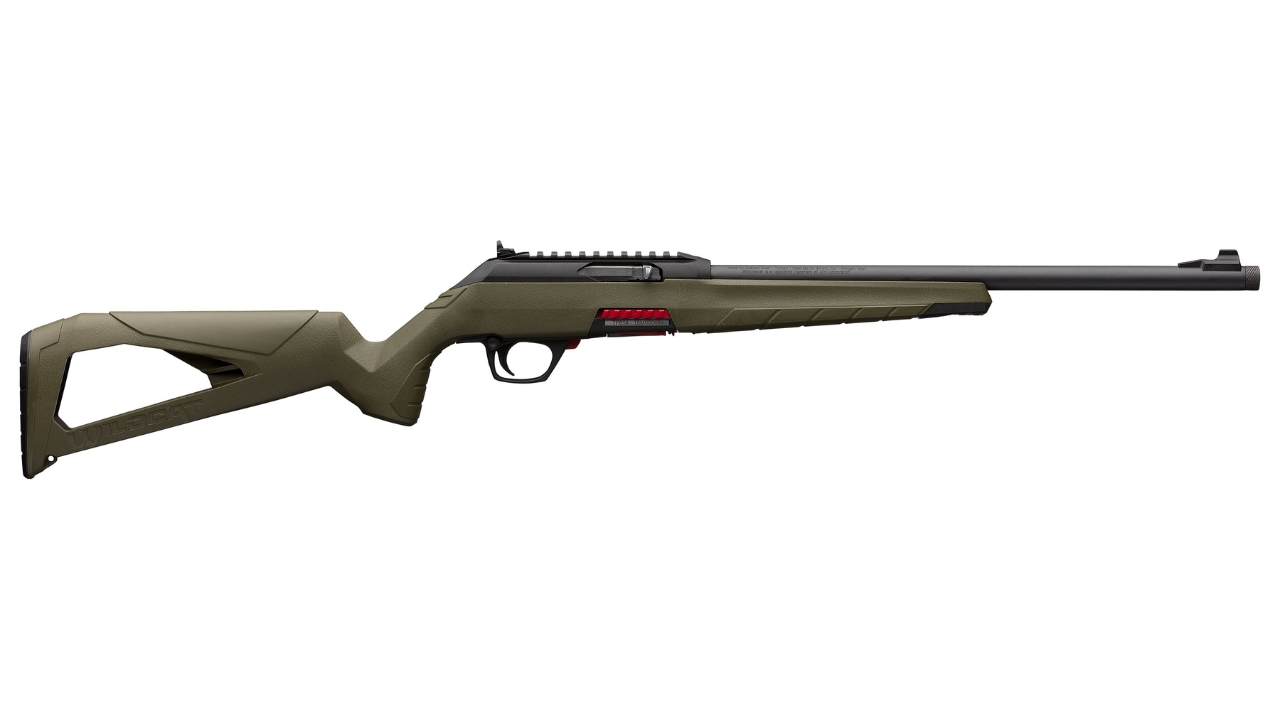
The Winchester Wildcat looked like another attempt to steal attention from the Ruger 10/22. That is a hard job. Experts know the 10/22 has decades of aftermarket support, reputation, and familiarity behind it. A lightweight Winchester rimfire seemed easy to overlook.
But the Wildcat brought smart ideas. It was easy to clean, light to carry, and compatible with common 10/22-style magazines. It did not dethrone the Ruger, but it did prove there was still room for a clever, affordable .22 rifle. It fooled people who thought the rimfire semi-auto category had no room left for fresh thinking.
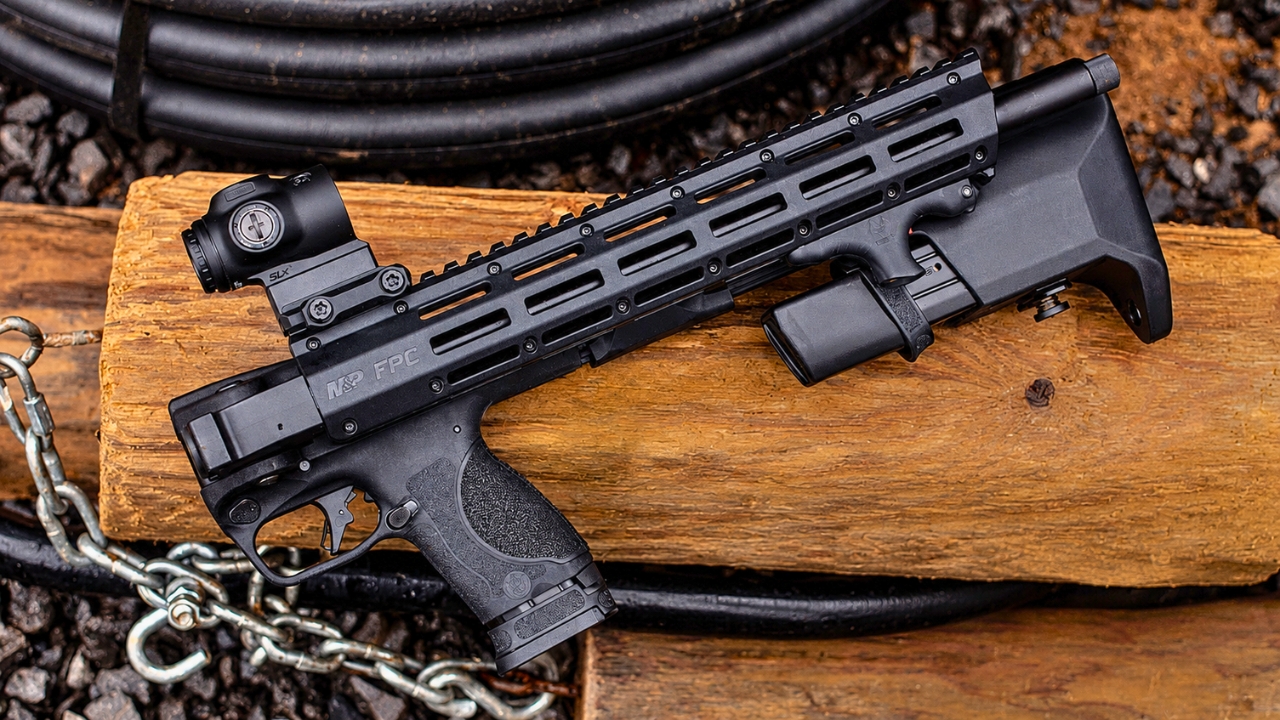
Smith & Wesson FPC
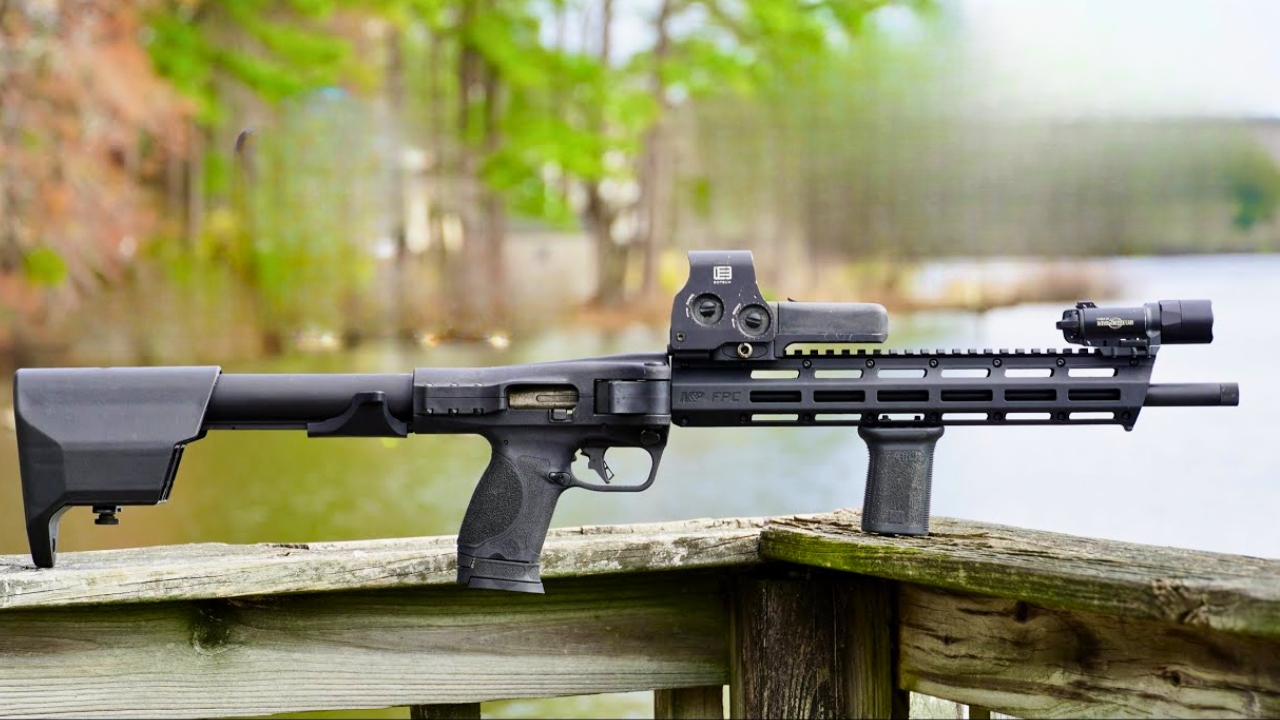
The Smith & Wesson FPC looked strange when it came out. Folding carbines always invite suspicion, and many shooters assumed it would be more gimmick than useful tool. Experts who had handled awkward folding guns before had reason to be cautious.
Then the FPC turned out to be handier than expected. It folded sideways without blocking optics, stored spare magazines in the stock, used M&P magazines, and gave shooters a simple 9mm carbine that actually made sense for transport and range use. It was not trying to be a battle rifle. It was a practical little PCC, and that caught a lot of people off guard.
Like The Avid Outdoorsman’s content? Subscribe to our newsletter so you never miss an article.
Here’s more from us: