Photo credit: Seekins Pecision
We may earn revenue from products featured on this page through affiliate links.
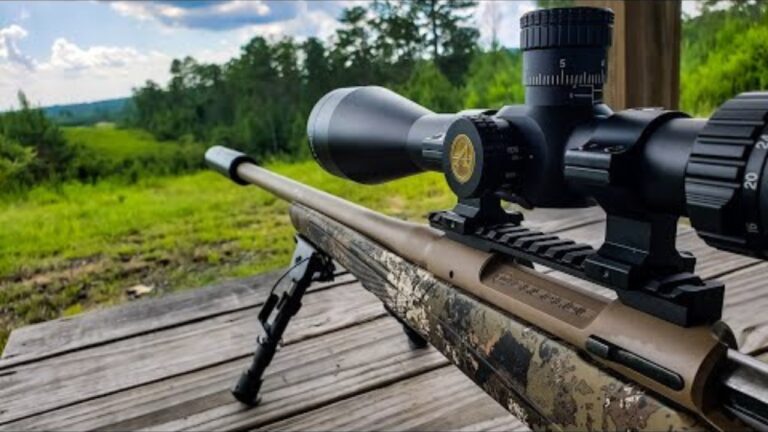
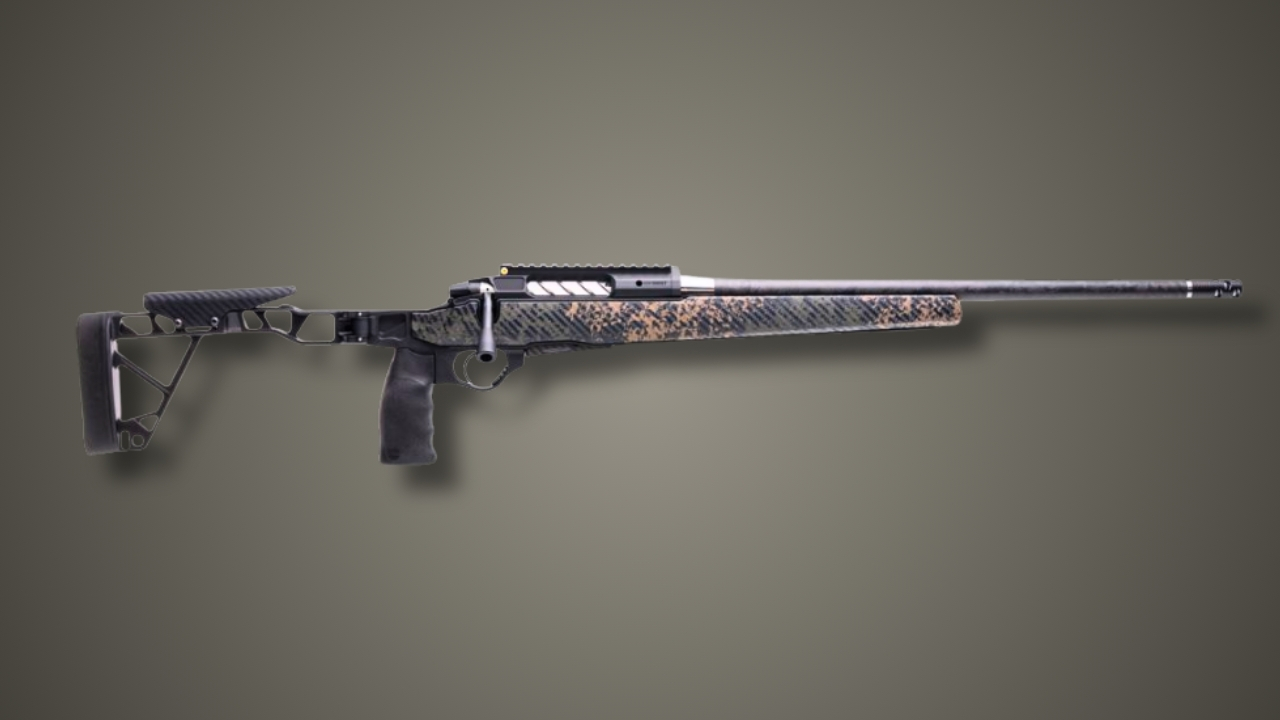
Seekins didn’t build the Element Hunter to win spec-sheet arguments or grab attention on a gun counter. It was built for a very specific kind of shooter: someone who wants a rifle that carries easily, shoots predictably, and doesn’t require excuses when the shot finally shows up. The Element Hunter sits in that space between ultralight rifles that feel nervous when you touch the trigger and heavier rifles that shoot great but make you feel every mile on your back. If you’ve hunted long enough, you know that balance matters more than raw weight or flashy features. The Element Hunter’s design choices make a lot more sense when you stop looking at it as a “light rifle” and start looking at it as a field rifle—something meant to be carried, rested against odd objects, and fired once with confidence rather than babied on a bench.
It’s built to stay predictable when conditions aren’t perfect
The Element Hunter’s biggest strength is how boring it feels when you shoot it, and that’s a compliment. Lightweight rifles often feel sharp, twitchy, or overly sensitive to how they’re rested, especially when you’re cold, breathing hard, or shooting off something improvised. Seekins built the Element Hunter to avoid that by keeping enough mass and rigidity where it matters. The action is machined cleanly and paired with a stock that doesn’t feel hollow or flimsy, which helps the rifle settle instead of jump when the trigger breaks. That predictability matters more in the field than people admit, because most real shots aren’t taken from perfect positions. The rifle is built to behave the same way whether you’re shooting off sticks, a pack, a fence post, or a tree limb, and that consistency is what lets you focus on the animal instead of fighting the rifle.
The weight is intentional, not extreme
A lot of rifles chase a number because it looks good in marketing, and then the shooter pays for it later. The Element Hunter doesn’t do that. It’s light enough to carry all day without becoming a burden, but it’s not so light that recoil management becomes a constant issue. That middle-ground weight helps in two ways: it keeps recoil manageable across common hunting cartridges, and it keeps the rifle from feeling top-heavy once you add a real scope. This matters because a rifle that balances well with an optic is far easier to shoot well than one that only feels good when it’s bare. The Element Hunter is built to be used as a complete system, not a stripped-down platform that falls apart once you set it up the way hunters actually do.
The stock and ergonomics are meant for field shooting, not posing
You can tell a lot about a rifle by how it feels when you shoulder it quickly. The Element Hunter’s stock geometry doesn’t try to reinvent anything, and that’s part of why it works. The grip angle, comb height, and overall feel are designed so the rifle comes up naturally and puts your eye behind the scope without conscious adjustment. That matters when you don’t have time to fidget. The stock also feels rigid enough that you’re not worried about flex when you load into a bipod or lean into a rest. Hunters who’ve fought stocks that change point of impact depending on pressure immediately appreciate this, because it removes one more variable from the shot. The rifle doesn’t force you into a “perfect” position—it works with imperfect ones.
It’s meant to be shot cold and trusted
The Element Hunter isn’t about printing tiny groups after warming up. It’s about the cold-bore shot landing where you expect. Seekins’ reputation has been built around machining consistency, and that shows up in how the rifle behaves from the first shot. Hunters who obsess over five-shot groups sometimes miss the point that animals don’t wait for your barrel to settle in. A rifle that’s built to deliver predictable cold-bore performance is far more valuable than one that shines only after a few rounds. The Element Hunter is built for that reality, and it shows in how confident people feel carrying it when the pressure is real and the opportunity may only come once.
It pairs best with practical optics, not oversized glass
One of the easiest ways to ruin a good hunting rifle is by putting the wrong scope on it. The Element Hunter shines when it’s paired with an optic that matches its purpose—clear, durable, and reasonably lightweight. Something like the Leupold VX-3HD 3.5-10×40, which Bass Pro carries, is a natural fit because it keeps the rifle balanced while giving you enough magnification for realistic hunting distances without unnecessary bulk. A scope in that class complements what the rifle is built to do instead of turning it into something it isn’t. When the rifle and optic work together, the whole setup feels cohesive instead of compromised.
Who the Element Hunter actually makes sense for
The Seekins Element Hunter makes sense for hunters who value consistency over hype and balance over extremes. It’s for the guy who wants one rifle that can handle whitetails, mule deer, elk, and general Western or big-woods hunting without feeling specialized to one narrow use. It’s not the lightest rifle you’ll ever carry, and it’s not trying to be. It’s built to give you confidence when you shoulder it after a long walk, when your heart rate is up, and when you don’t have time to second-guess your setup. If you’ve ever carried a rifle that felt great on paper but left you wishing it were steadier when it mattered, the Element Hunter’s purpose becomes obvious. It’s built to disappear on the carry and show up when you need it most.
Like The Avid Outdoorsman’s content? Subscribe to our newsletter so you never miss an article.
Here’s more from us: