Photo credit: Brian Wang/Youtube
Every deer camp has one: the rifle that gets talked about like it’s automatic success. It might be a classic your uncle swears by, a tactical-looking number that got famous online, or a hand-me-down that “always worked for Grandpa.” The problem is, deer hunting isn’t about reputation. It’s about what you can carry all day, shoot well when you’re cold and winded, and run without drama when a buck finally steps out.
None of the guns below are “bad guns” across the board. A few are actually great at what they were built for. But when you put them in the deer woods—real hills, thick brush, awkward rests, limited light, and one chance before the animal disappears—these are the kinds of rifles that often disappoint hunters who bought the legend instead of the fit.
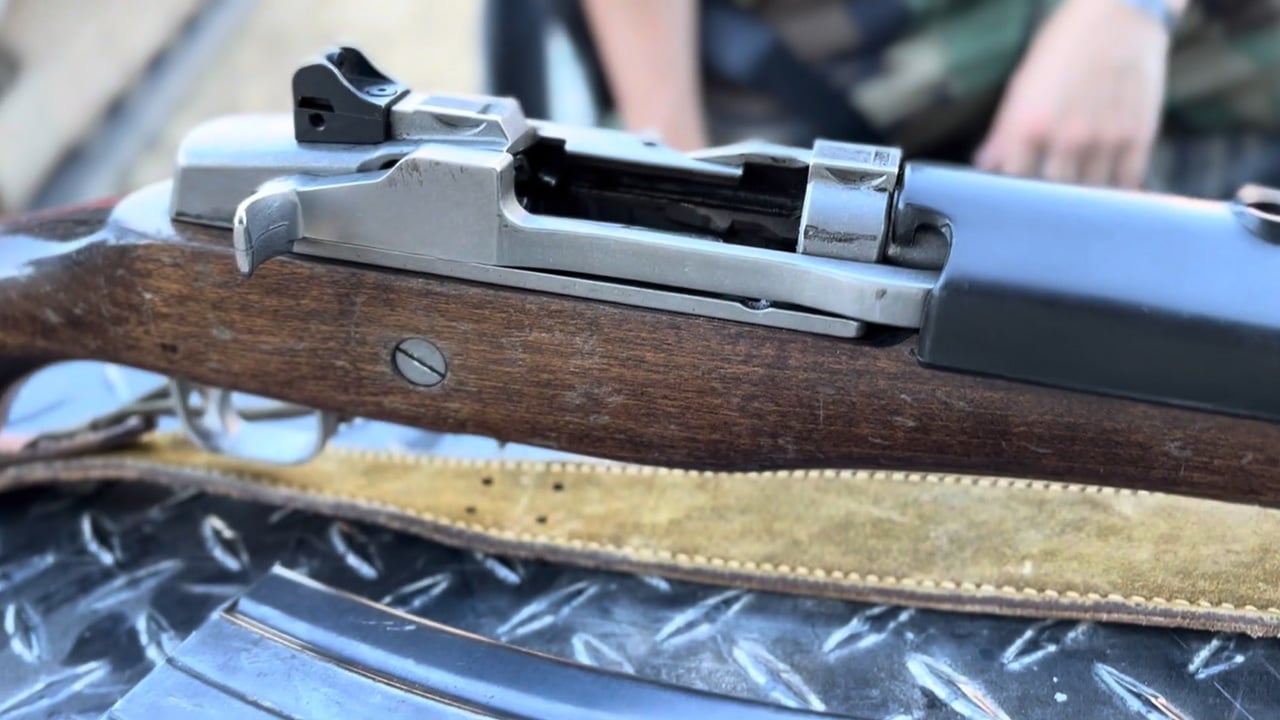
1. Ruger Mini-14 Ranch Rifle
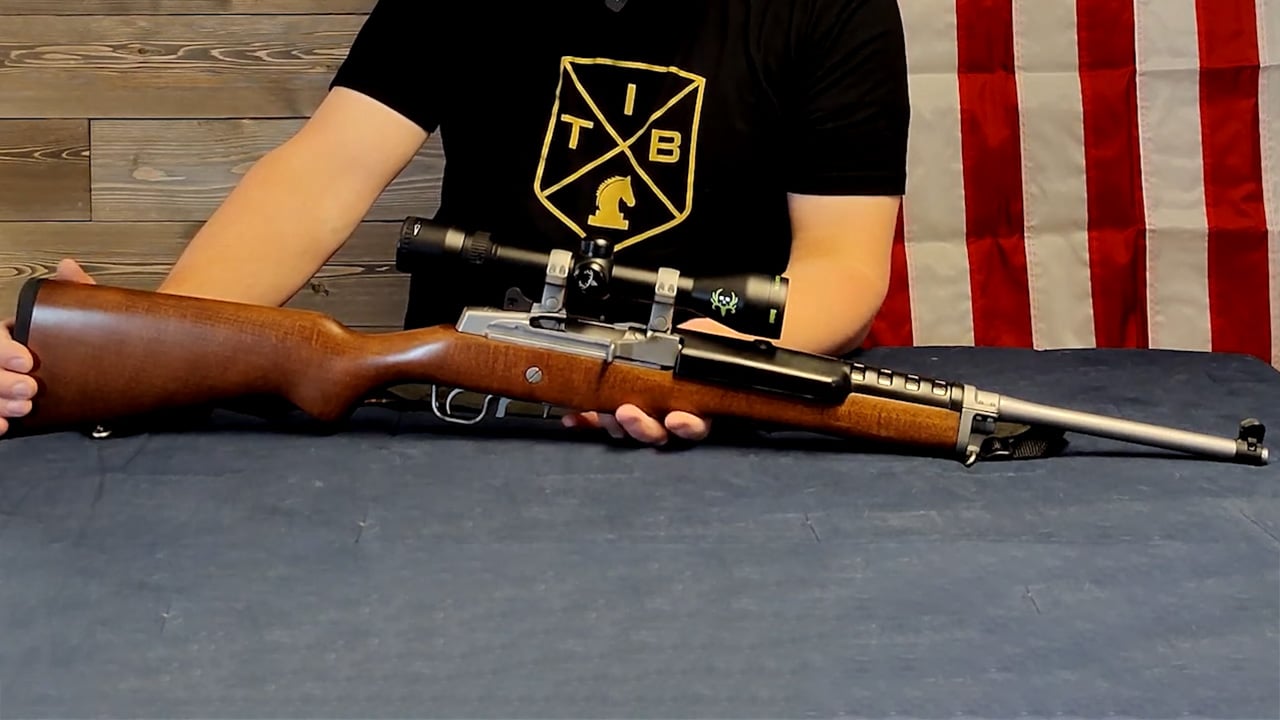
I get the appeal. It’s handy, looks good, and it has that ranch-rifle vibe that makes you feel like you could toss it behind the truck seat and handle whatever comes up. The trouble is, a lot of Mini-14s—especially older thin-barrel guns—don’t shoot like a typical deer rifle should. “Good enough” groups at 100 yards turn into frustration when you’re trying to place a bullet cleanly through a small window in brush.
Then there’s the caliber reality. Most Minis are in .223/5.56, and while that can work with the right bullet and the right shot, it’s not forgiving. Deer don’t always stand perfectly broadside at 70 yards in perfect light. If you’re set on using one, it takes more discipline than most hunters want to admit.
2. SKS (Norinco / Yugoslavian variants)
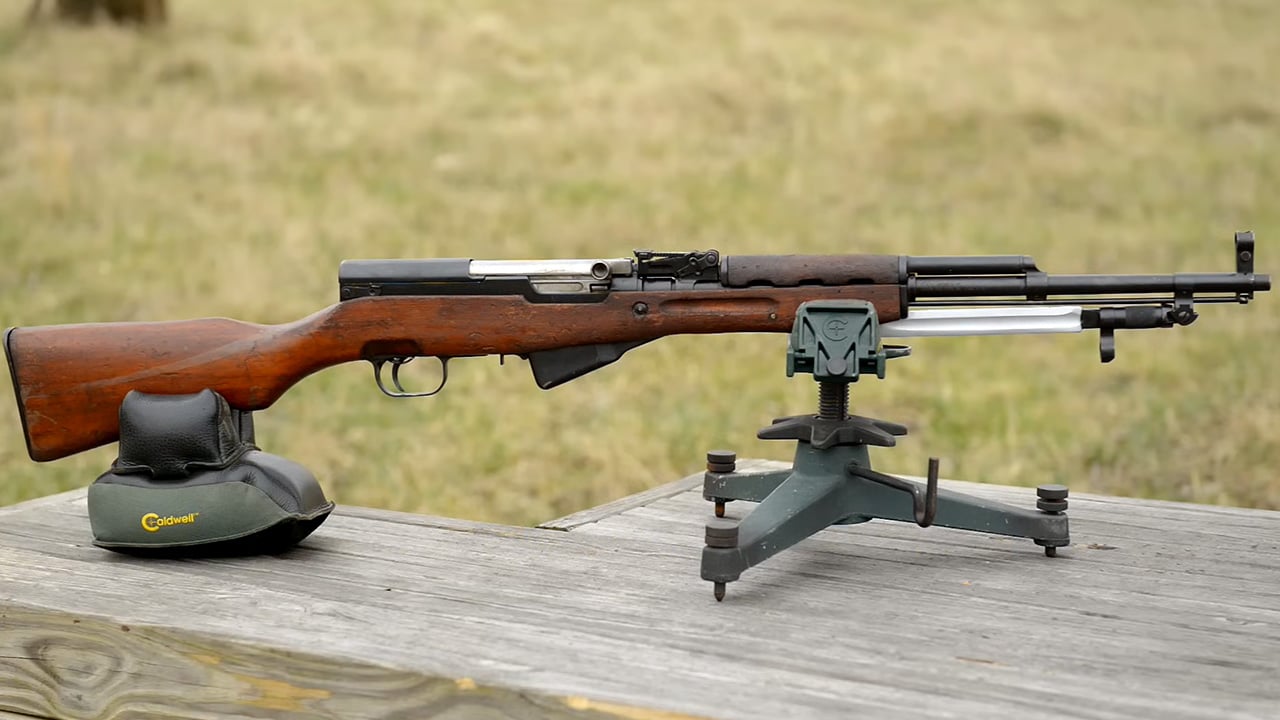
The SKS has probably killed a pile of deer over the years, mostly because it’s been cheap, available, and tough. But “tough” doesn’t automatically mean “good deer rifle.” The typical SKS trigger is nothing to write home about, the sights are coarse, and mounting an optic can turn into a goofy, never-quite-solid project.
7.62×39 can be effective, but most off-the-shelf ammo is built for reliability and feeding, not consistent terminal performance on game. If you’ve got a slick little bolt gun in the same cartridge, you’re ahead. The SKS tends to be the choice when somebody wants to make do, not when somebody wants to stack the odds.
3. IWI Tavor X95
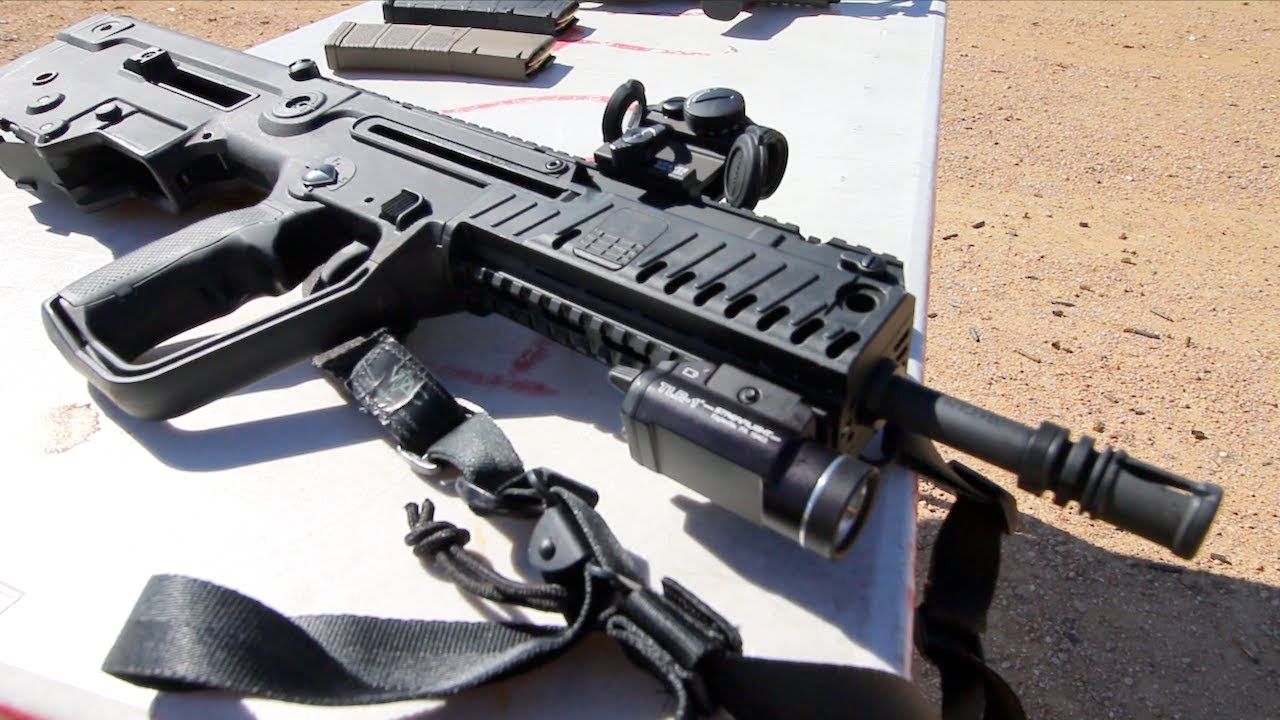
Yeah, it’s compact. Yeah, it’s cool. And yes, it carries like a dream in thick stuff. But deer season has a way of stripping the “cool” right off a gun when you’re trying to take a steady shot off a tree, a rail, or a backpack. Bullpups often have mushier triggers than traditional rifles, and that matters when you’re trying to break a clean shot with gloves on.
Most folks are also running these in 5.56. Same story: it can work, but it’s not forgiving, and the platform’s strengths don’t really show up when the goal is one precise shot. You’re paying a lot of money for features you won’t use much while hunting.
4. Kel-Tec SU-16
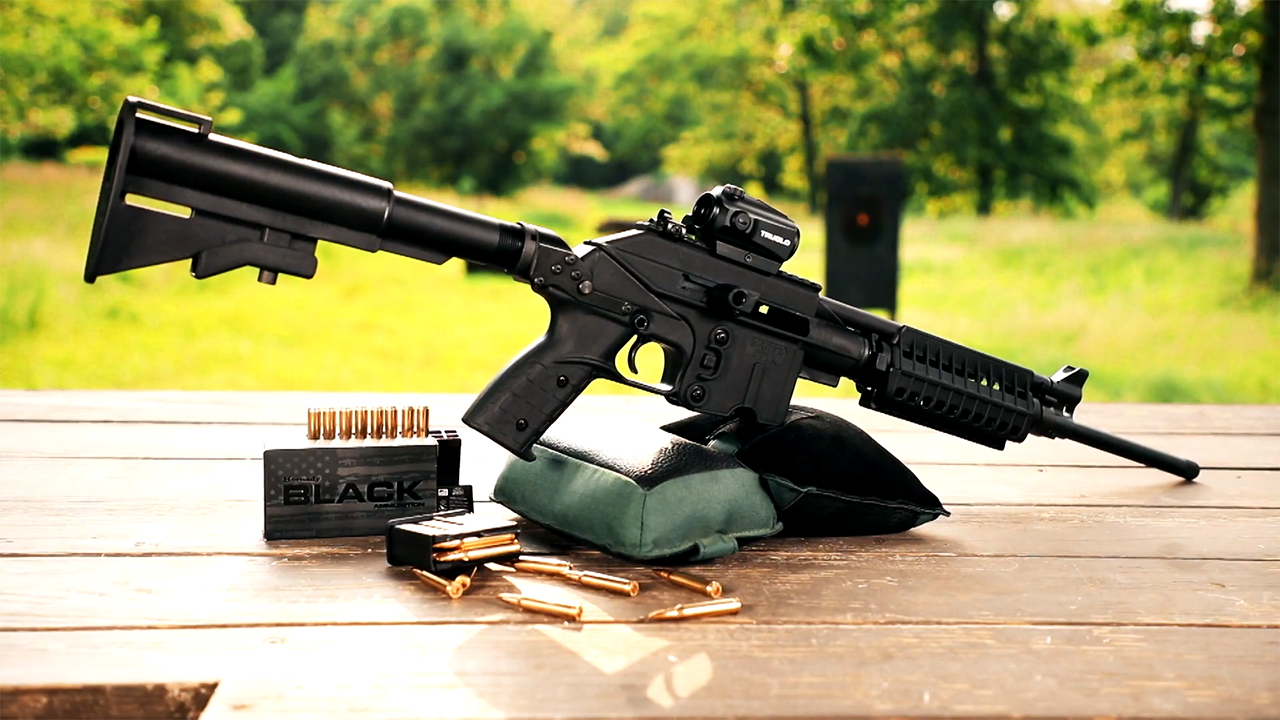
The SU-16 has a reputation as a lightweight, “it just works” rifle. In my experience, it’s more like “it works until it annoys you.” It’s light because it’s built light, and that flex and feel comes through when you’re trying to shoot tight groups from field rests. The forend and overall ergonomics can feel cheap, because they are.
For a walk-around varmint rifle or a keep-it-in-the-tractor tool, fine. For a deer rifle you’re betting a tag on, it’s hard to recommend. Light rifles can be great. Flimsy rifles are something else.
5. Winchester Model 94 (.30-30)
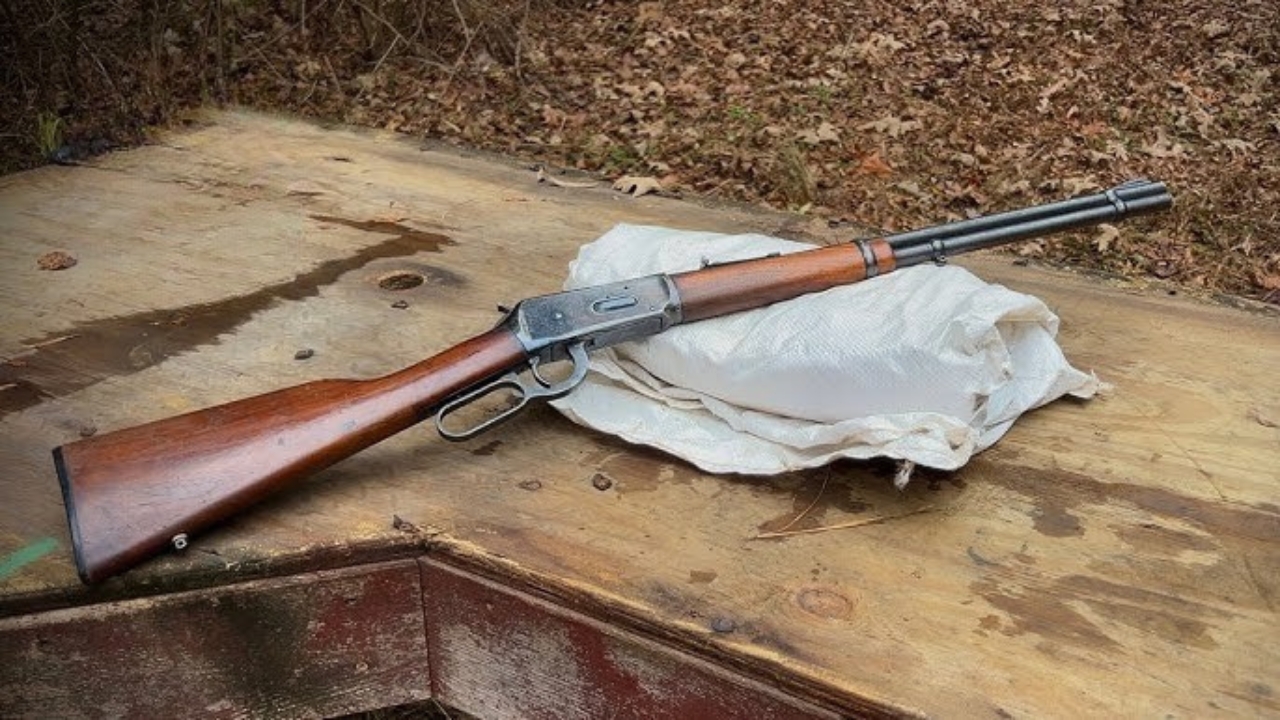
This one will make some folks mad, so let me say it clean: the Model 94 is a classic, and it belongs in the deer woods. But it’s a poor choice for a lot of modern hunters who only shoot a little before season and expect easy accuracy. Buckhorn sights, aging eyes, and low-light shooting don’t mix well.
Also, plenty of these rifles have been ridden hard for decades. Loose screws, worn magazine springs, and old optics mounts can turn a “never fails” story into a miss or a wounded deer. If you run iron sights well and keep it maintained, you can hunt happily. If you’re buying one because of nostalgia and thinking it’ll shoot like a scoped bolt gun, ask me how I know.
6. Marlin 1895 Guide Gun (.45-70 Government)
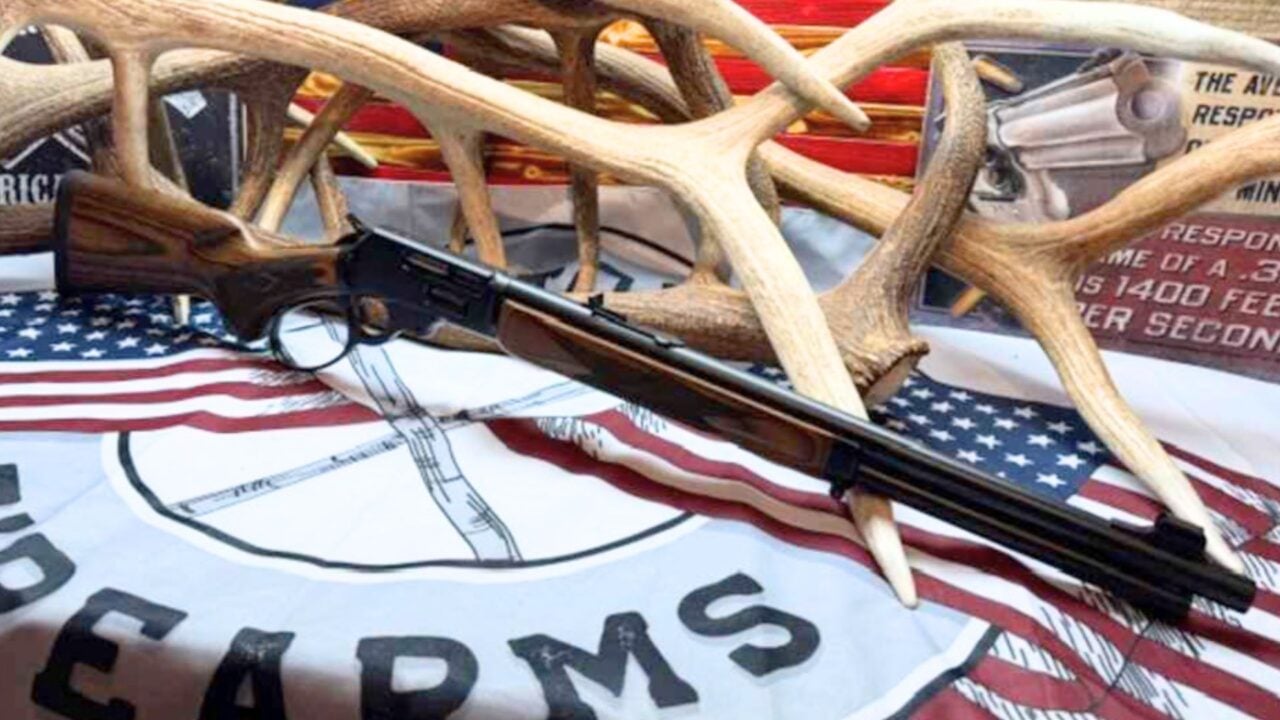
Nothing says “serious woods rifle” like a short .45-70 lever gun. The reputation is earned—on big animals and in thick stuff. But a lot of deer hunters buy one and quickly learn they don’t enjoy practicing with it. Recoil can be sharp, especially with hot loads and light rifles, and flinch is a real thing.
Another issue is trajectory. A .45-70 can be very accurate, but it’s not a “hold on hair and send it” deer setup past moderate distance unless you really know your load and your drops. Most hunters don’t put in that work. They just buy the legend and hope.
7. Mosin-Nagant 91/30
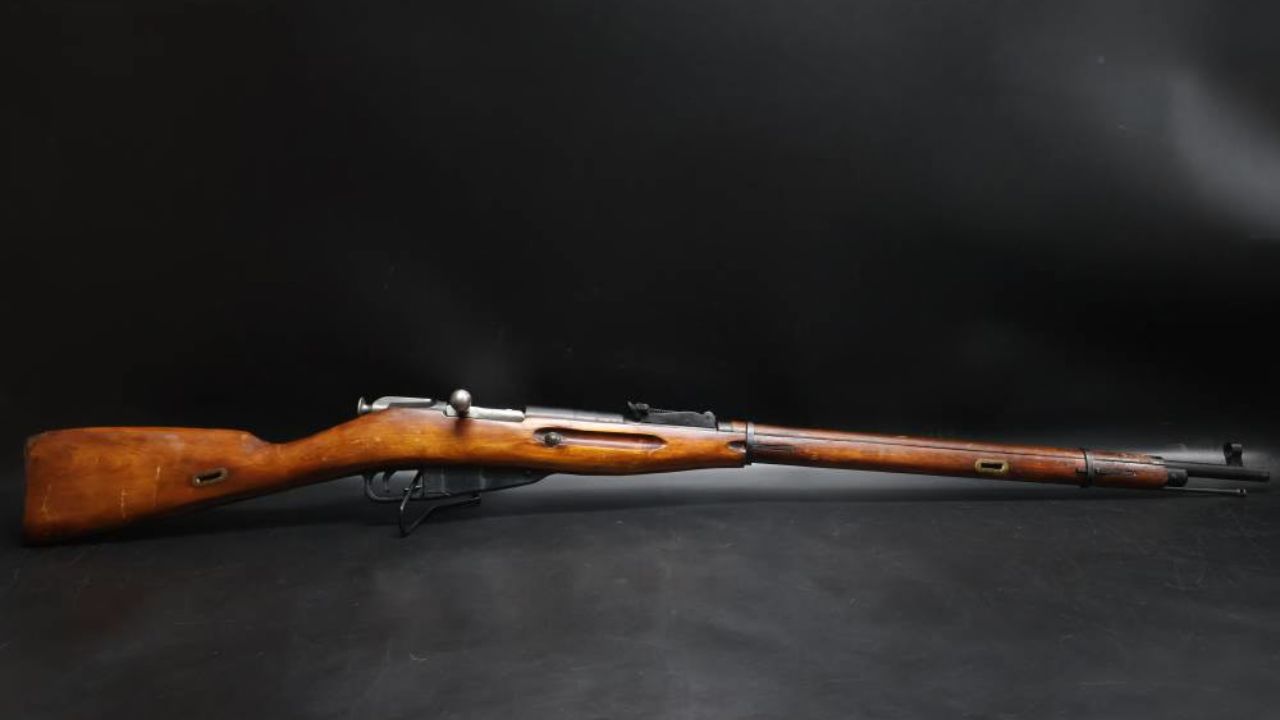
The Mosin is famous for being “cheap and strong,” and for a long time it was. It’s also famous for having a bolt that feels like you’re prying open a paint can, and a trigger that can vary from “usable” to “what is happening.” Add in a long barrel, weight, and a stock that doesn’t fit many shooters, and you’ve got a rifle that’s easy to admire and harder to shoot well.
7.62x54R is plenty of cartridge for deer. The problem is the rifle around it. And if you get into surplus ammo, you’re not buying consistency. You’re buying noise and nostalgia. Deer deserve better than “close enough.”
8. Ruger No. 1 (light sporter configurations)
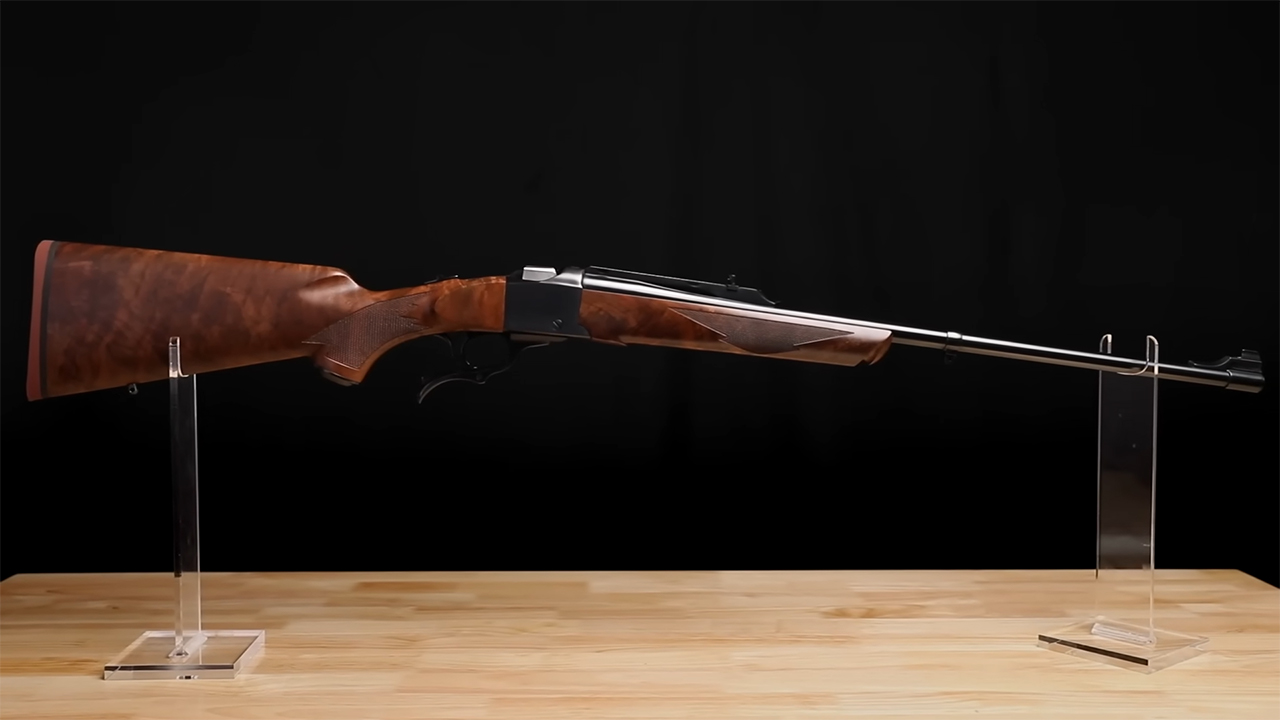
I love the Ruger No. 1. It’s classy, strong, and it makes you slow down in a good way. But some of the lighter configurations can be picky, and the balance and forearm pressure issues can show up as wandering groups if you don’t learn the rifle. A deer rifle should be boringly consistent.
The other part is speed under stress. A single-shot can absolutely work, and plenty of hunters do fine with them. But if you’re the kind of hunter who gets excited, loses track of the animal in the scope, or hunts in thick cover where follow-ups happen fast, a single-shot with a reputation doesn’t magically make you calm and smooth.
9. Savage Axis (factory trim)

This one isn’t about cool factor. It’s about the reputation of “budget rifles are all you need now.” The Axis can shoot well, no question. But out of the box, a lot of them feel like they were built to hit a price point, not to be carried and shot hard in real hunting conditions.
Stocks can be flimsy, triggers vary by generation, and the overall feel can make it harder to shoot well from weird rests. If you get a good one and set it up right, you’re fine. If you grab one, slap on the cheapest scope in the store, and head to the woods with two range sessions under your belt, it can turn into a long season.
10. Remington 742/7400 Woodsmaster
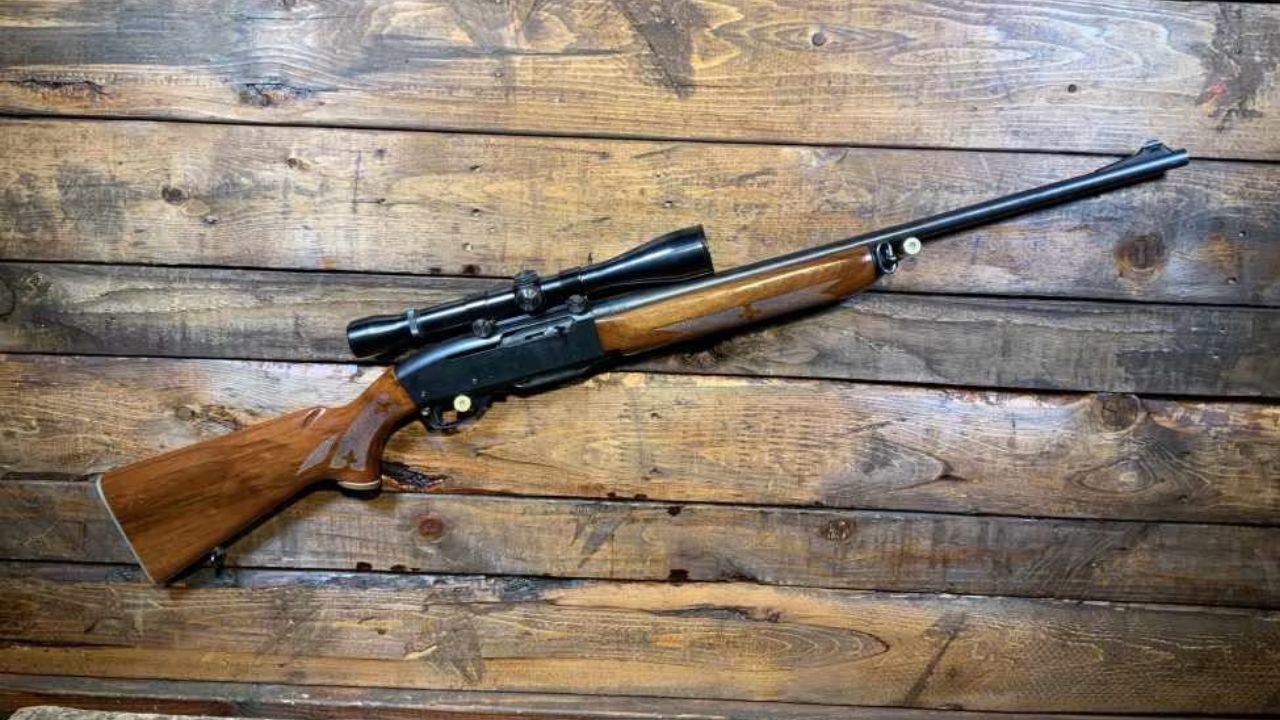
These old semi-auto .30-06 and .308 deer rifles have a reputation because they were everywhere, and they were fast. When they’re running right, they’re handy in the timber. The issue is they’re not aging gracefully, and parts/support aren’t what they used to be. I’ve seen enough of them start acting up at the worst possible time.
They can be finicky about maintenance, and worn rails and bolts can turn into extraction problems. A deer rifle needs to be dependable when it’s cold, dirty, and you’re not thinking about anything except the deer in front of you. This platform can be a gamble if you don’t know the rifle’s history.
11. Browning BAR (older hunting models)
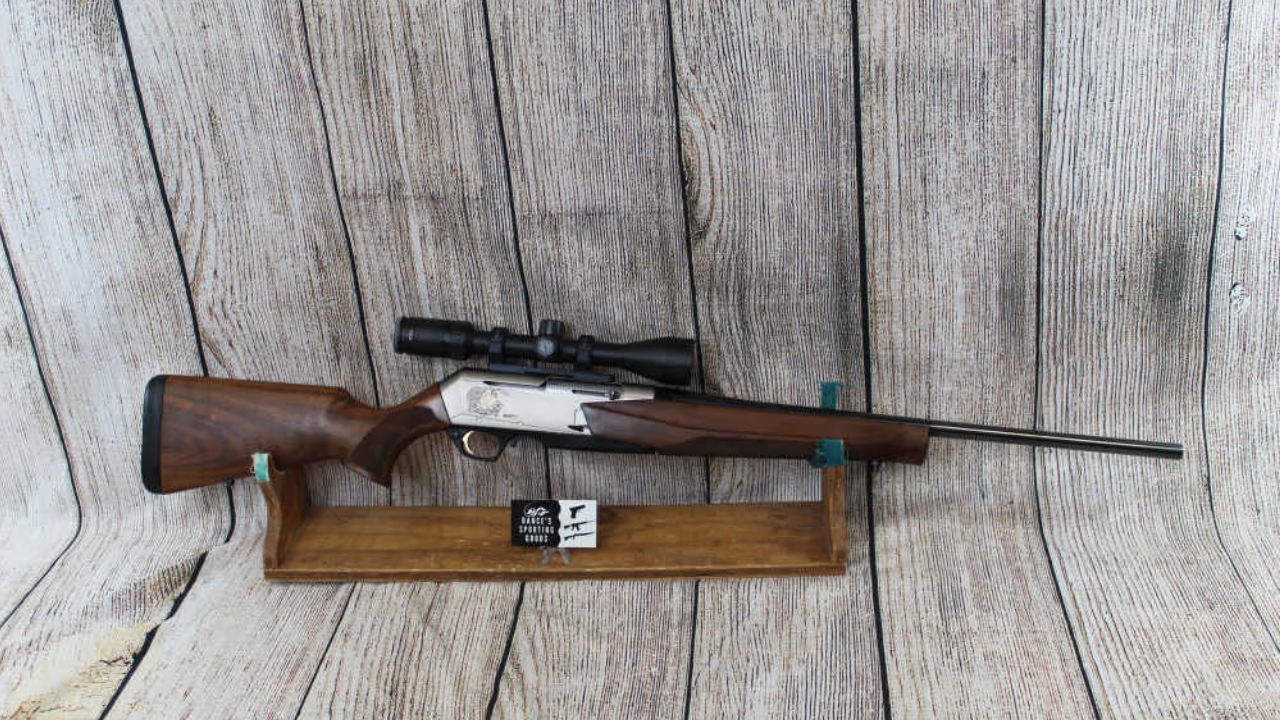
The hunting BAR is a fine rifle, and plenty of them are dead reliable. The problem is the reputation makes some hunters treat it like a magic wand, then they realize it’s heavy, long, and not as simple as a bolt gun when something is off. Weight matters when you’re walking ridge lines or climbing into stands with extra layers.
Triggers also tend to be “hunting acceptable,” not crisp bolt-gun clean. If you’re a steady shooter, it won’t matter much. If you’re trying to tighten up your groups and you don’t shoot all year, it can feel like you’re fighting the gun.
12. CZ 527 Carbine (7.62×39)

This rifle hurts to put on the list because it’s actually a neat little hunting gun. The issue is the reputation of being the perfect light deer carbine doesn’t match the real-world limitations for a lot of folks. Magazines can be pricey and not always easy to find, and the mini-Mauser action with a set trigger (on some versions) isn’t everybody’s favorite under pressure.
It’s also a rifle that shines when you feed it the ammo it likes. If you’re the guy grabbing whatever box is on sale, you might get so-so accuracy and blame the cartridge. The rifle is often better than the results people get with it.
13. Henry AR-7 Survival Rifle

If you’ve ever watched somebody show up at camp with one of these and a grin, you already know where this is going. The AR-7 is for packing small and staying dry, not for cleanly taking deer. .22 LR is not a deer cartridge in any normal, ethical sense, and the rifle’s tiny sights and light build don’t help.
The reputation is survival, not hunting. In the woods, it becomes a temptation to treat a serious job like a small-game outing. Keep it for what it is and leave it out of the deer plan.
14. H&K MR556 / “heavy” AR-15 builds
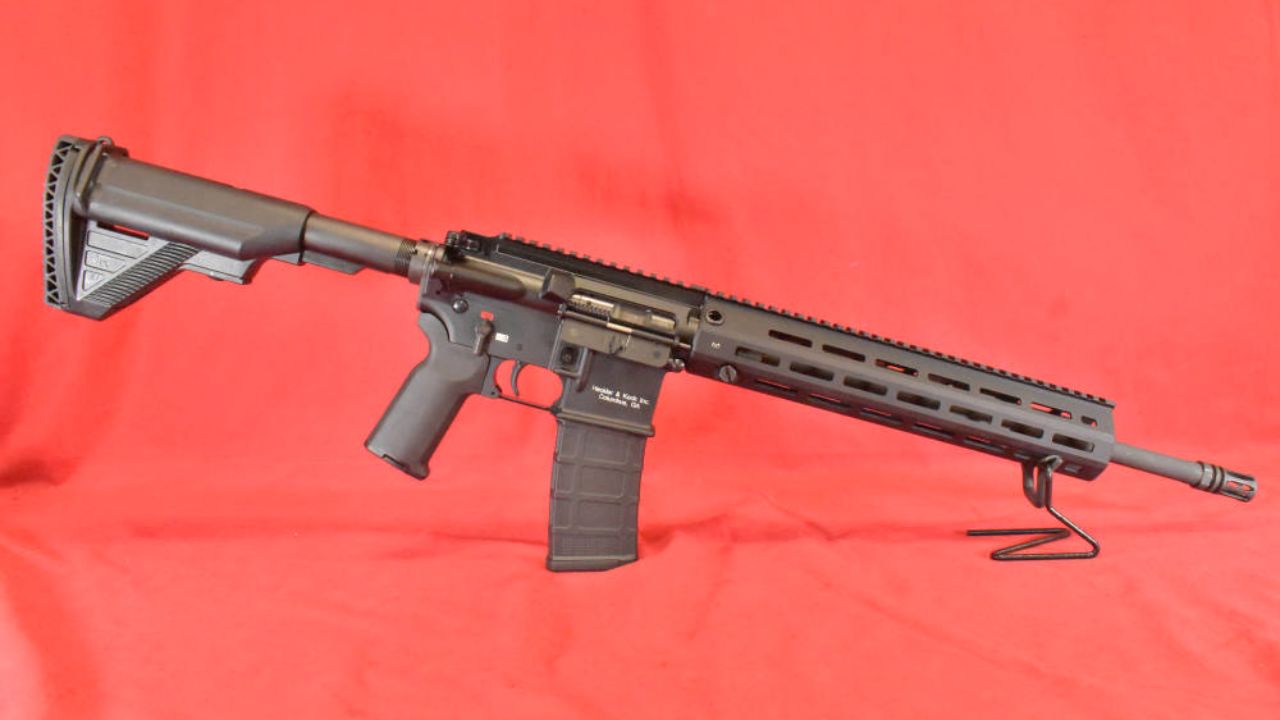
ARs have a place in deer hunting where legal and properly set up. But the heavy, overbuilt, reputation-driven AR-15 builds can be a pain in the field. Guys build them like a bench rifle, hang a big optic, bipod, light, and a bunch of other stuff on it, and then wonder why it feels like carrying a fence post to the stand.
Also, a lot of these rigs still end up in 5.56 because that’s the default. The platform isn’t the problem as much as the choices people make because the gun has a “top tier” name on it. If you want an AR deer rifle, pick a sensible cartridge for your area and keep the setup simple enough to actually hunt with.
15. AKM-pattern rifles (Century WASR-10, etc.)

AKs have a reputation for reliability, and in general they earn it. But deer rifles need more than “it goes bang.” The typical AK sight picture and trigger aren’t doing you favors when it’s dim and you’re trying to thread a shot through a gap. Mounting optics can be solid if you do it right, but plenty of guys don’t.
Then there’s accuracy. Some AKs shoot fine. Some do not. And the guy at the gun counter rarely mentions that part when he’s telling you how rugged it is. Rugged doesn’t help if your groups open up the minute you switch ammo brands.
16. Remington Model 700 ADL (recent production, out-of-the-box)

The Model 700 name has probably filled more freezers than any internet argument ever will. That reputation makes buyers assume every 700 is automatically a tack driver. The reality is, recent-production examples can be hit or miss, and the cheapest trim levels often come with stocks and triggers that don’t make the most of the action.
A good 700 is a great deer rifle. A mediocre 700 coasting on a famous name can turn into the “I swear it shot fine last year” rifle. If you’re buying one, actually shoot it with a couple loads before you trust it. Don’t let the logo do the thinking.
17. Thompson/Center Encore (switch-barrel setups)

The Encore is another “cool” hunting tool that can be great in the right hands. But as a general-purpose deer rifle, it can be more hassle than hunters expect. Switching barrels means you’re often chasing zero, and the hinge-pin and lockup can be finicky if you’re not paying attention.
Single-shot discipline is fine, but it magnifies everything else. Bad rest, awkward angle, cold fingers—now you’re doing all that with one round chambered and a platform that requires you to be deliberate. Some hunters love that. Many just wish they’d bought a simple bolt gun after the novelty wears off.
18. Ruger American Ranch (compact models in 5.56)
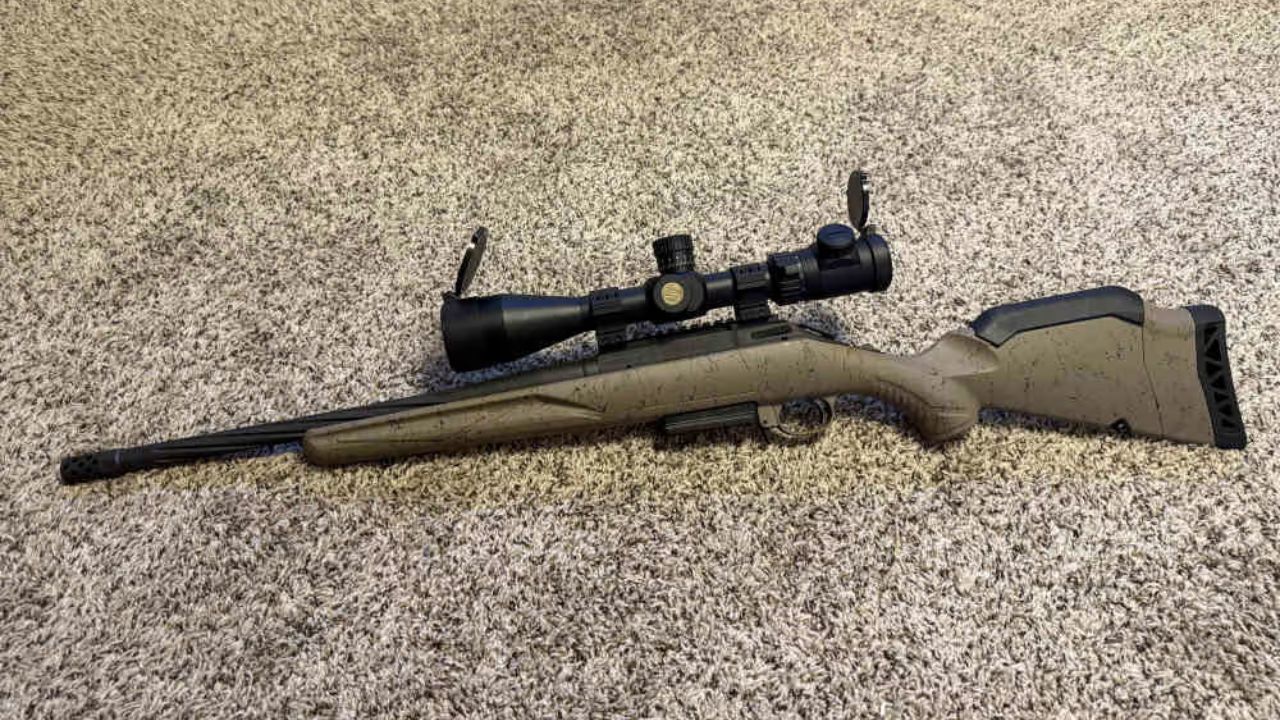
These little Ranch rifles are handy and they sell like crazy. The reputation is “light, accurate, affordable.” Often true. But in 5.56, they can get treated like a do-it-all deer gun without enough thought. The short barrel is loud, and the cartridge is still the cartridge.
If you’re hunting tight timber at short distance and you pick a proper hunting bullet and keep your shots reasonable, you can make it work. What gets folks is stretching it because the rifle feels so easy to carry and point. Easy to carry doesn’t mean easy to cleanly anchor deer when things go sideways.
19. Ruger 10/22 (any variant)

The 10/22 is one of the best guns ever made for what it is. It’s also a terrible deer rifle, and the reputation is exactly why it ends up in dumb conversations every season. Somebody always knows a story about “a guy who did it with a .22.” That story is not a plan.
If you’ve got a 10/22, use it for small game, pests where legal, and cheap practice. It’s a staple. Just don’t let familiarity turn into wishful thinking when the tag in your pocket is for a deer.
20. Taurus Judge (revolver, .410/.45 Colt)
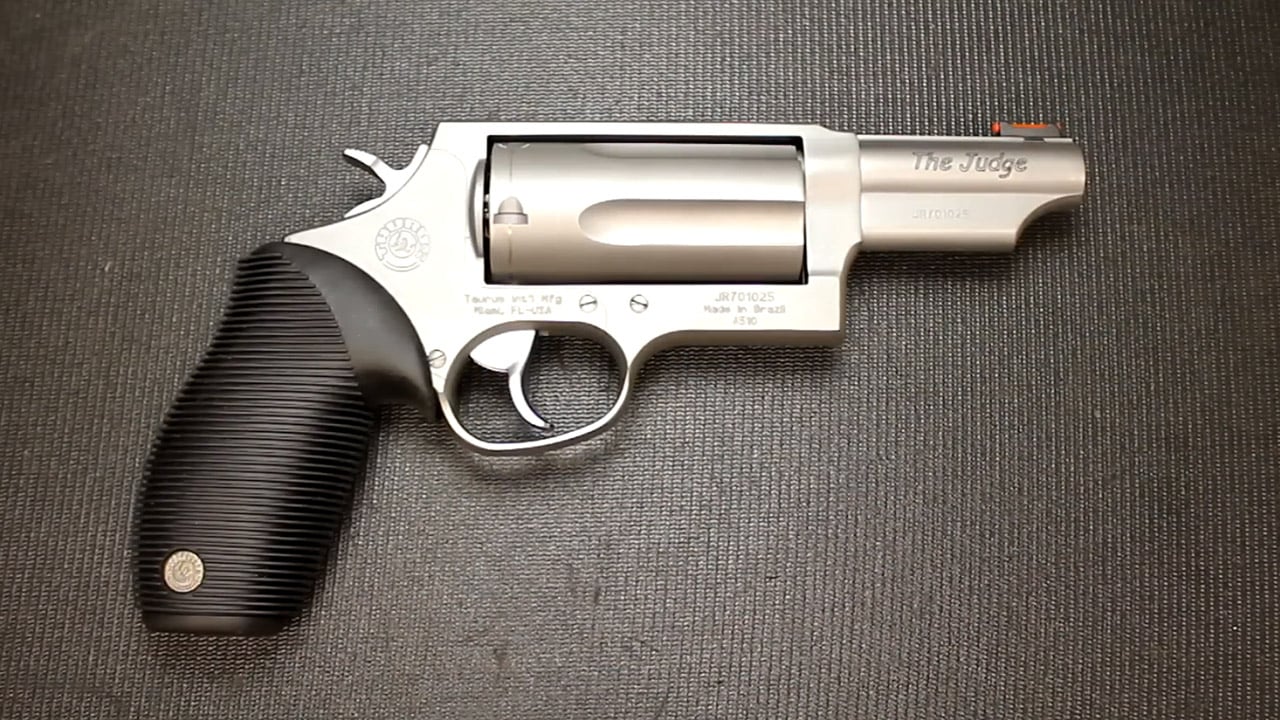
Every year, someone decides this is their deer gun because it sounds versatile. The reputation is “one gun that can do everything.” In reality, it’s a compromise that gets ugly fast when you try to make it a hunting tool. Accuracy at distance is often disappointing, triggers are what they are, and you’re trying to do a rifle job with a short-barreled handgun.
.45 Colt can be a legitimate hunting round in the right revolver with the right load and the right shooter. The Judge’s claim to fame is also its limitation: it’s built around flexibility, not precision. For deer, precision is the whole game.
If there’s a theme here, it’s simple: deer rifles need to be boringly effective. They need to fit you, shoot straight with ammo you can actually get, carry without punishing you, and run when they’re cold and dirty. Reputation is fun to talk about around the tailgate. In the woods, the only thing that matters is whether you can put the bullet where it needs to go when it counts.
Like The Avid Outdoorsman’s content? Be sure to follow us.
Here’s more from us: