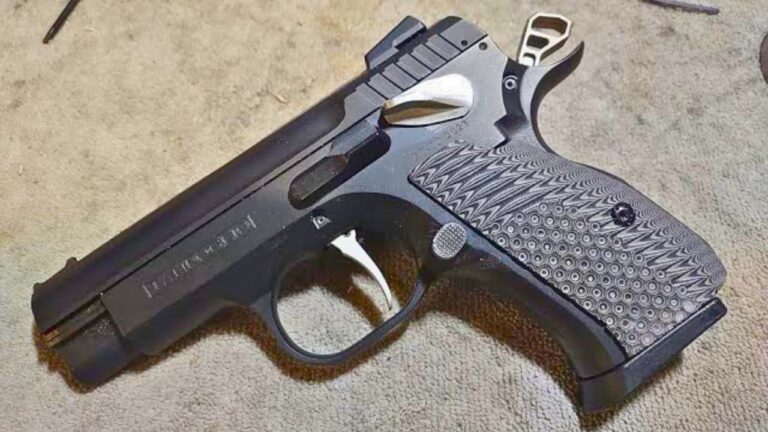
Photo credit: TactiCalifornia/Youtube
There are guns that kick hard because they’re doing real work, and then there are guns that kick hard because they’re awkward, overbored, too light for the cartridge, or just plain built with corners cut. The dirty secret is recoil can hide a lot. It can mask a bad trigger, a flimsy stock, a rough crown, a thin barrel that walks when it warms up, or an action that never quite feels like it wants to settle down.
This isn’t a knock on “power.” Power is useful. But if a rifle makes you dread the next shot, or a pistol snaps so hard you’re chasing the front sight every time, you start accepting groups you shouldn’t. Below are 20 real models that have a reputation for pounding the shooter while not always paying you back with the accuracy you expected. Some can be tamed with the right setup. Others… I get why they end up on the used rack.
1. Remington 770
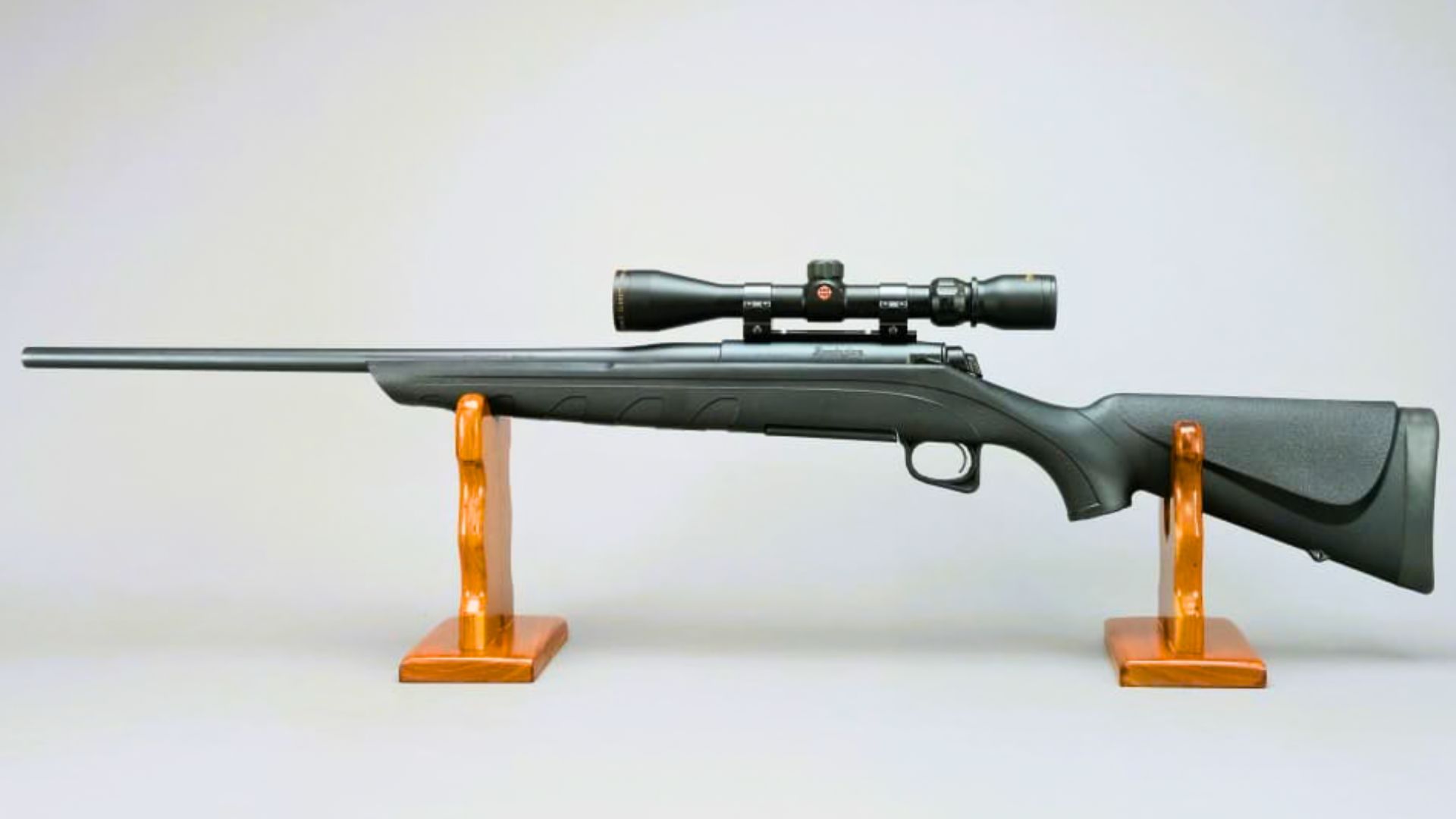
I’ve seen more than one 770 show up at deer camp wearing a bargain scope that’s already on its last leg. The rifle is light, the stock is hollow-feeling, and the recoil impulse in common chamberings can be sharper than it needs to be. That harsh push makes new shooters flinch fast, and once that starts, groups open up in a hurry.
Accuracy can be “minute of deer” at woods ranges, but consistency is the problem. Triggers tend to feel heavy and a little gritty, and once you lose confidence in the break, you start yanking shots. If you own one, keep your expectations realistic and spend money on ammo testing before you spend money chasing upgrades.
2. Remington 710
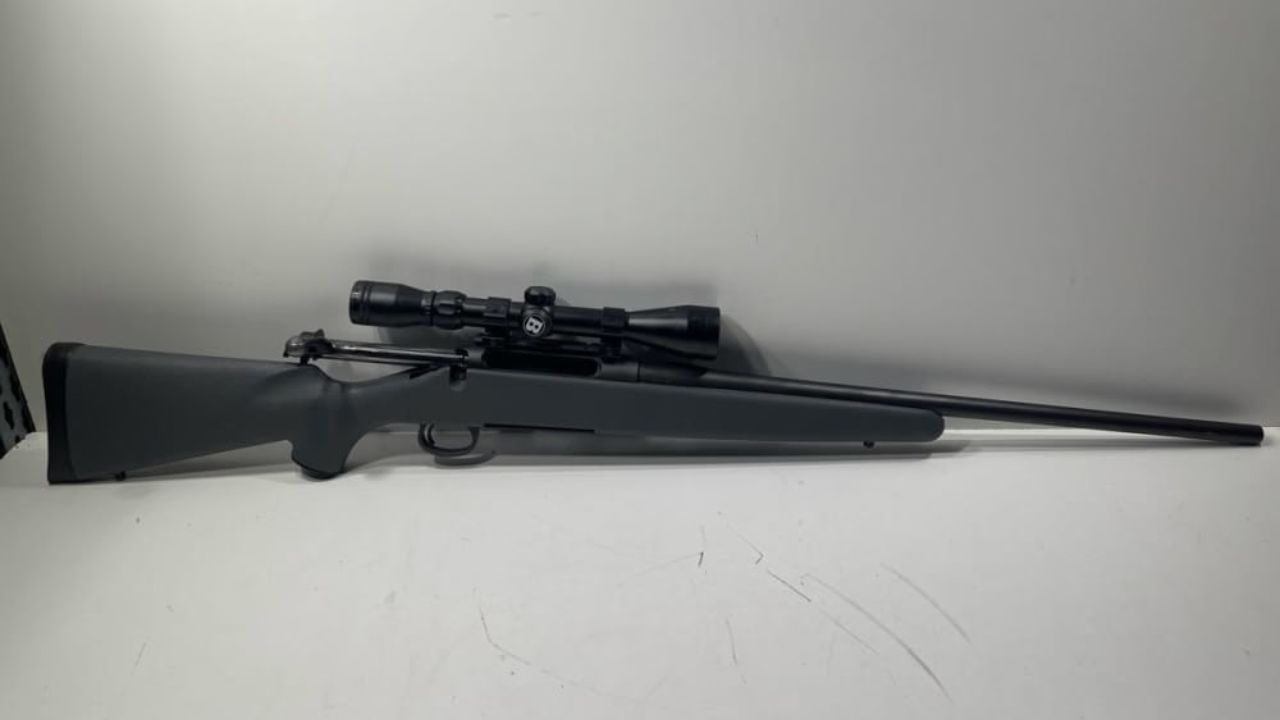
The 710 is one of those rifles that looks like a deal until you try to live with it. They’re often light for their chamberings and not especially friendly in the recoil department. When you’re getting popped off the bench, it’s easy to convince yourself the load is the issue when the rifle is part of it.
Some will shoot decent groups; plenty won’t. The bigger issue is a general “cheap rifle” feel that makes it hard to shoot your best. If your rifle doesn’t track smoothly and the trigger isn’t helping, you end up fighting it instead of focusing on the sight picture.
3. Mossberg Patriot (lightweight hunting configurations)

The Patriot can be a perfectly serviceable deer rifle, but the super-light setups in .30-06 and .300 Win. Mag. are where the romance ends. They carry nice, no doubt. Then you touch one off prone or off a hard bench and realize you brought a featherweight to a heavyweight fight.
Recoil makes follow-through sloppy, and the thin sporter barrels can heat up and start wandering. A cold-bore shot might be fine, then shot three and four drift and you start doubting your zero. For a “one-and-done” hunting rifle it can work, but don’t expect it to behave like a heavier, stiffer rig.
4. Ruger Mini-14 (older thin-barrel models)

I like the Mini-14 for what it is: handy, reliable, and simple. But older thin-barrel guns have a well-earned reputation for stringing shots as the barrel warms. The recoil isn’t brutal, but it has a quick, snappy impulse and a jumpy feel that makes fast groups look worse than they should.
At 50 yards it can look great. At 100 and beyond, you start seeing why folks call them “minute of coyote” instead of “minute of angle.” If you want a ranch rifle that rides in a truck and bangs around, fine. If you want tiny groups, you’re shopping in the wrong aisle.
5. Century Arms C39V2 (7.62×39)
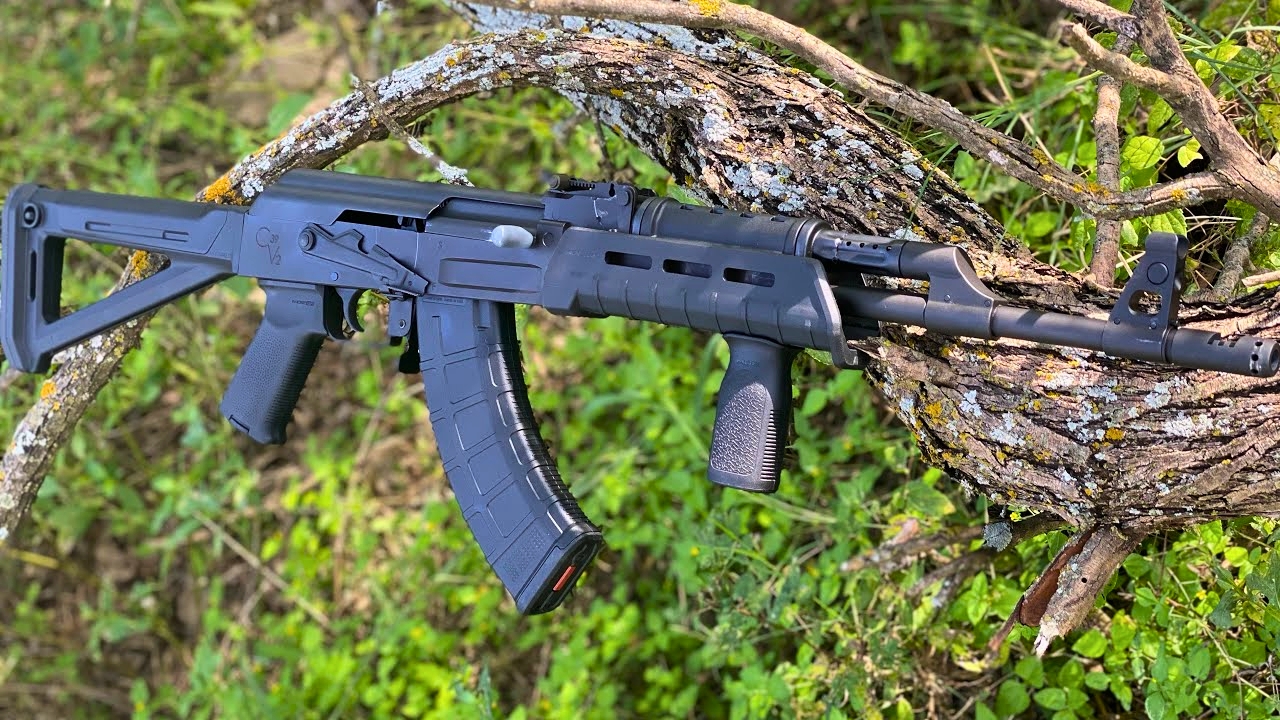
The AK platform doesn’t have to be inaccurate, but some domestic builds have been all over the map. The C39V2 has a history of uneven quality, and the felt recoil can be sharper than expected for 7.62×39 because the rifle’s behavior and muzzle movement can be inconsistent from shot to shot.
When an action and sights don’t give you a repeatable feel, your groups show it. Add basic AK sighting limitations and cheap steel-case ammo (which is what most guys feed it), and it’s easy to “blame the caliber” instead of the whole package.
6. S&W Model 500 (short-barrel variants)

Yes, it’s a hammer. And yes, the recoil is the point. But there’s a difference between a hard kicker that’s controllable and one that turns every shot into a full-body event. Short-barreled .500s can be a real handful, and when you’re anticipating the blast, your accuracy goes out the window.
Plenty of shooters can run them well, but most owners don’t put in that kind of practice. The gun ends up being a “show it off twice a year” piece, and groups look rough because nobody wants to do the reps required to shoot it calmly.
7. Ruger Super Redhawk Alaskan (.454 Casull)
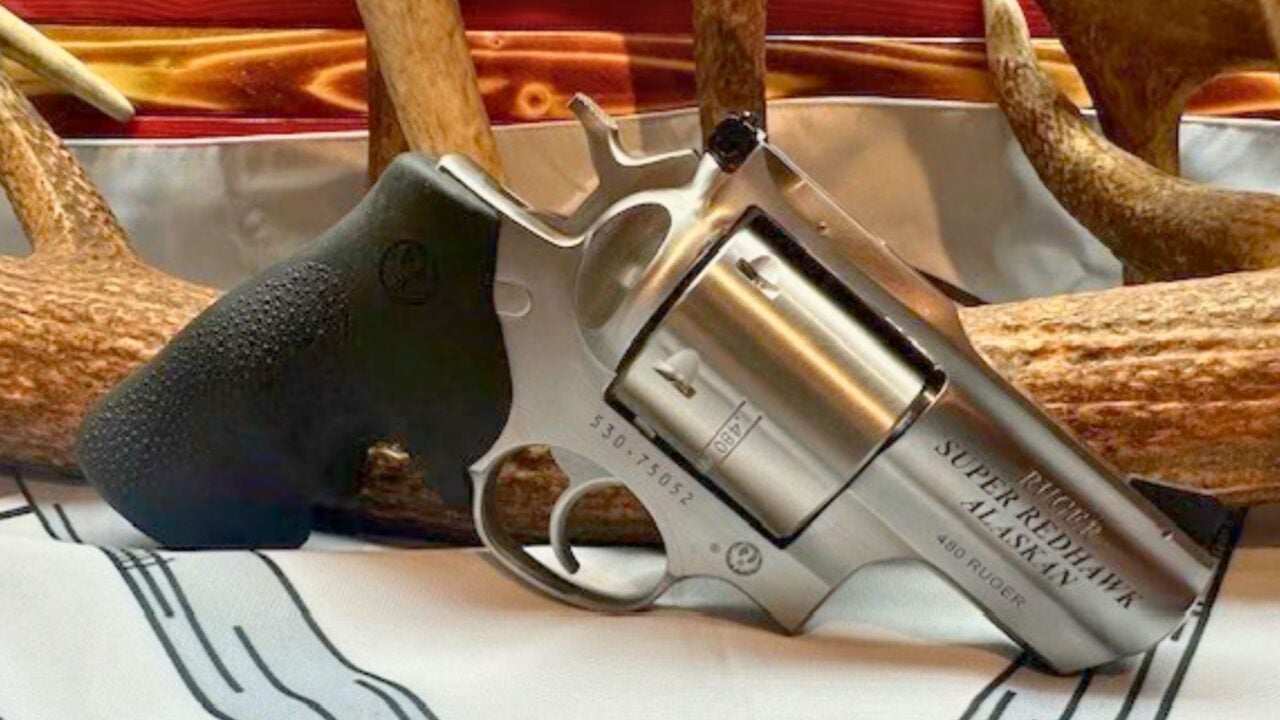
In a longer gun, .454 can be managed. In the Alaskan-size package, it’s like grabbing a live wire. The recoil is abrupt, the muzzle blast is intense, and it’s hard to keep your grip and trigger press clean unless you’ve got serious time behind one.
Accuracy potential is there, but shooter-induced error is common. This is one of those revolvers that makes a decent marksman look shaky if they’re not used to it. For bear-country carry with stout .45 Colt loads, it makes more sense than living in full Casull all the time.
8. Taurus Judge Magnum (3-inch chamber models)
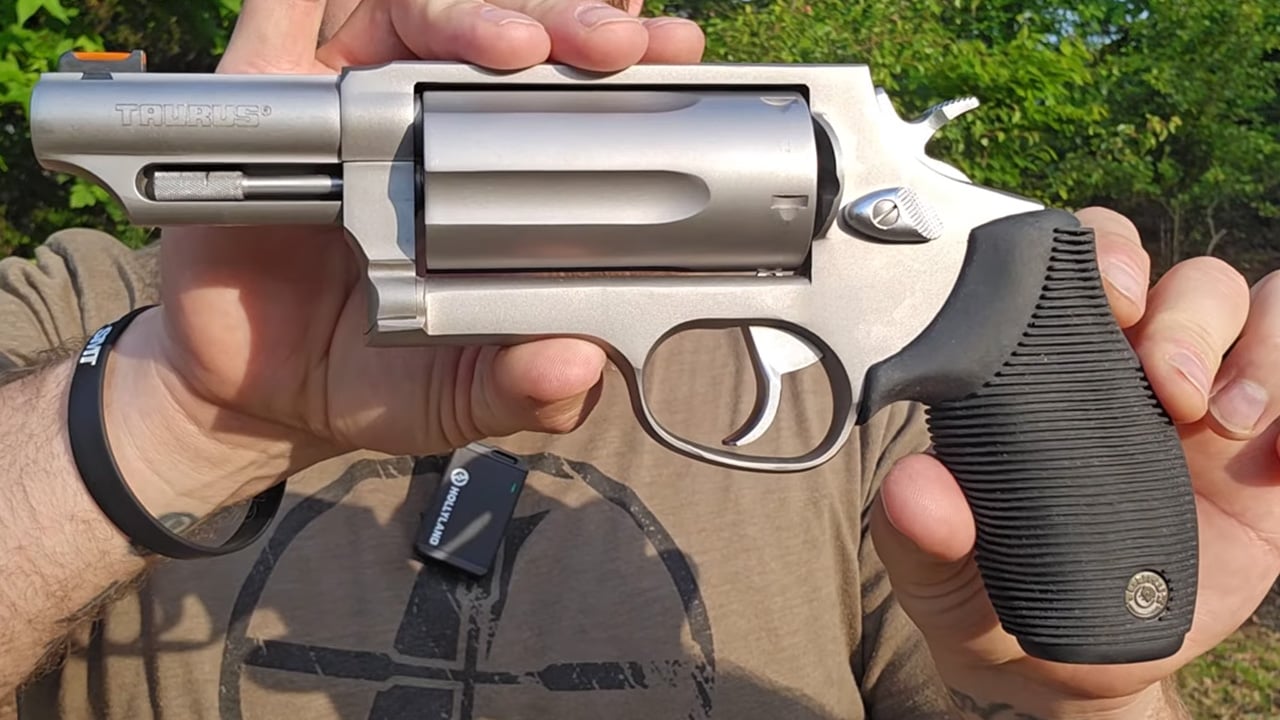
The Judge sells a dream: a do-it-all revolver that can sling .45 Colt and .410. The reality is that many of them don’t shoot .45 Colt as well as a dedicated .45 revolver, and .410 patterns aren’t magic past close range. Recoil can be awkward too, especially with heavier loads, because the gun’s balance and grip shape don’t help everybody.
When a gun is built around a gimmick, accuracy sometimes becomes a secondary thought. It’s fun at the range, and I get why folks buy one. But for hitting what you aim at, there are better options that don’t rely on novelty.
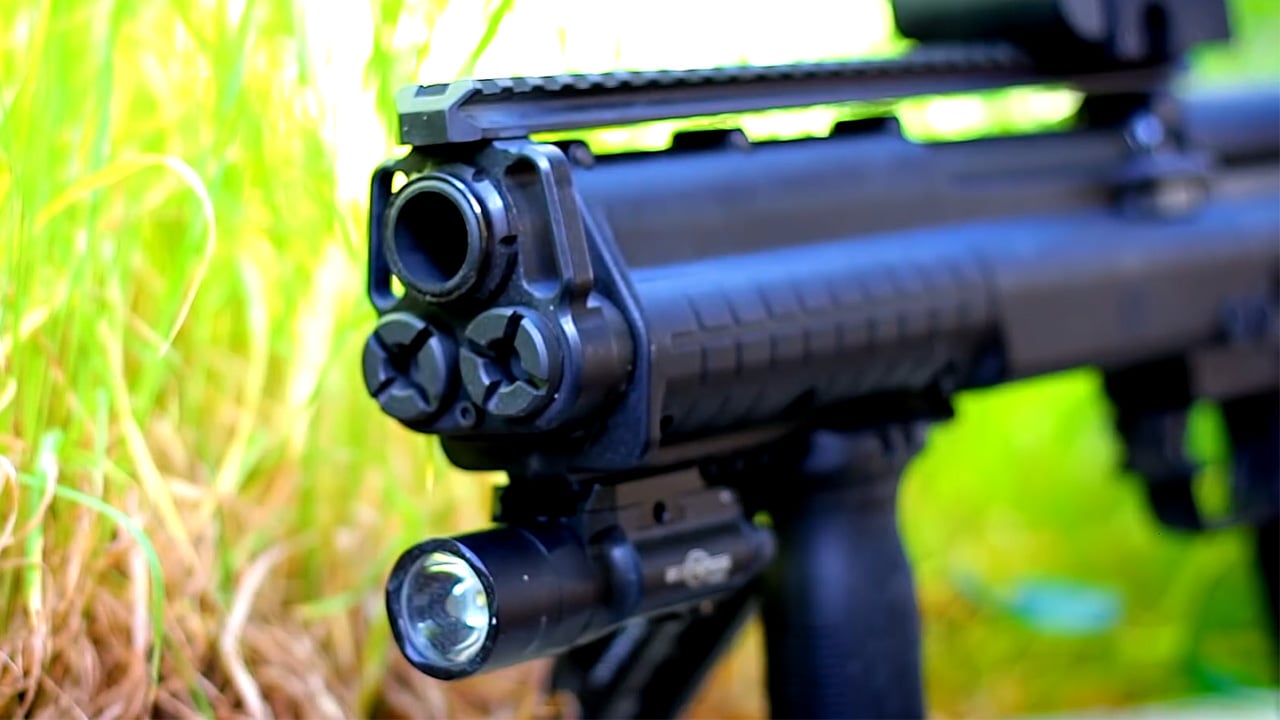
9. Kel-Tec KSG (12 gauge)
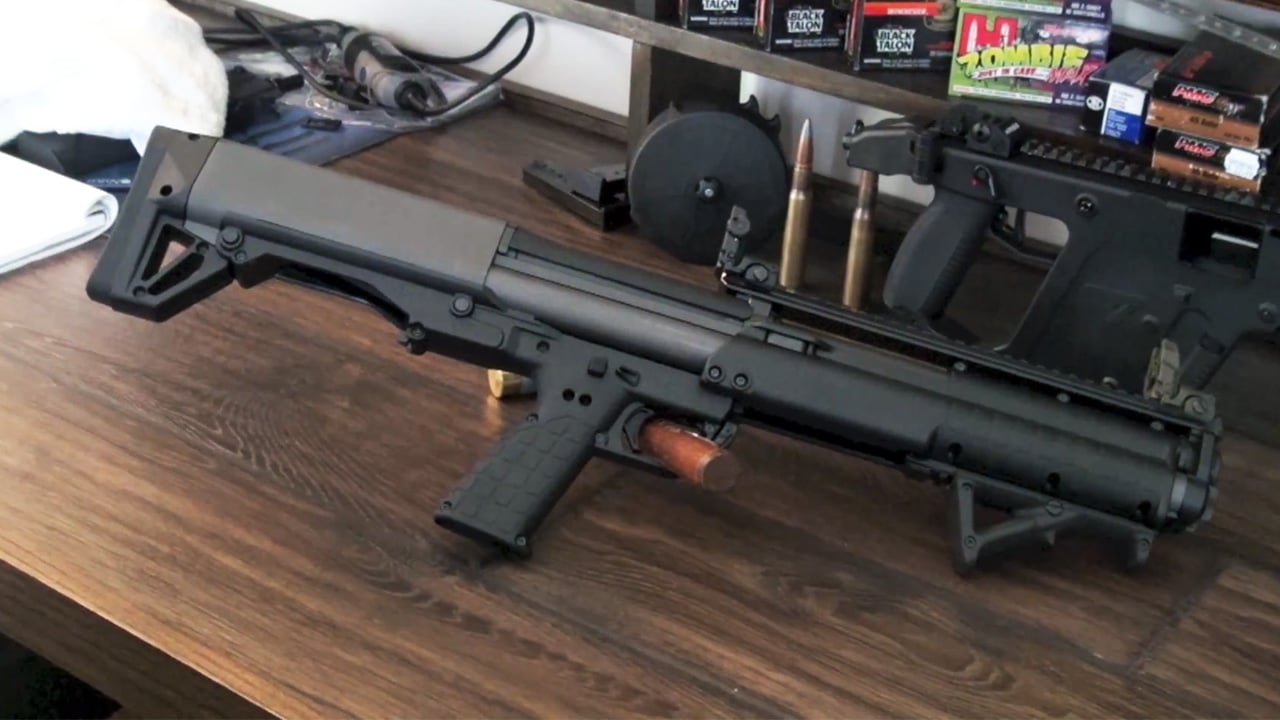
Short bullpup 12-gauges have a way of making normal buckshot feel like you made a personal mistake. The KSG is compact and clever, but it can thump hard, and the ergonomics don’t fit every shooter. That recoil and the overall “busy” handling can make slug accuracy frustrating.
It’s not that the gun can’t work. It’s that many shooters never get comfortable enough to shoot it well. A longer, heavier pump often gives you better control and better real-world hits, even if it’s less flashy.
10. Mossberg 835 Ulti-Mag
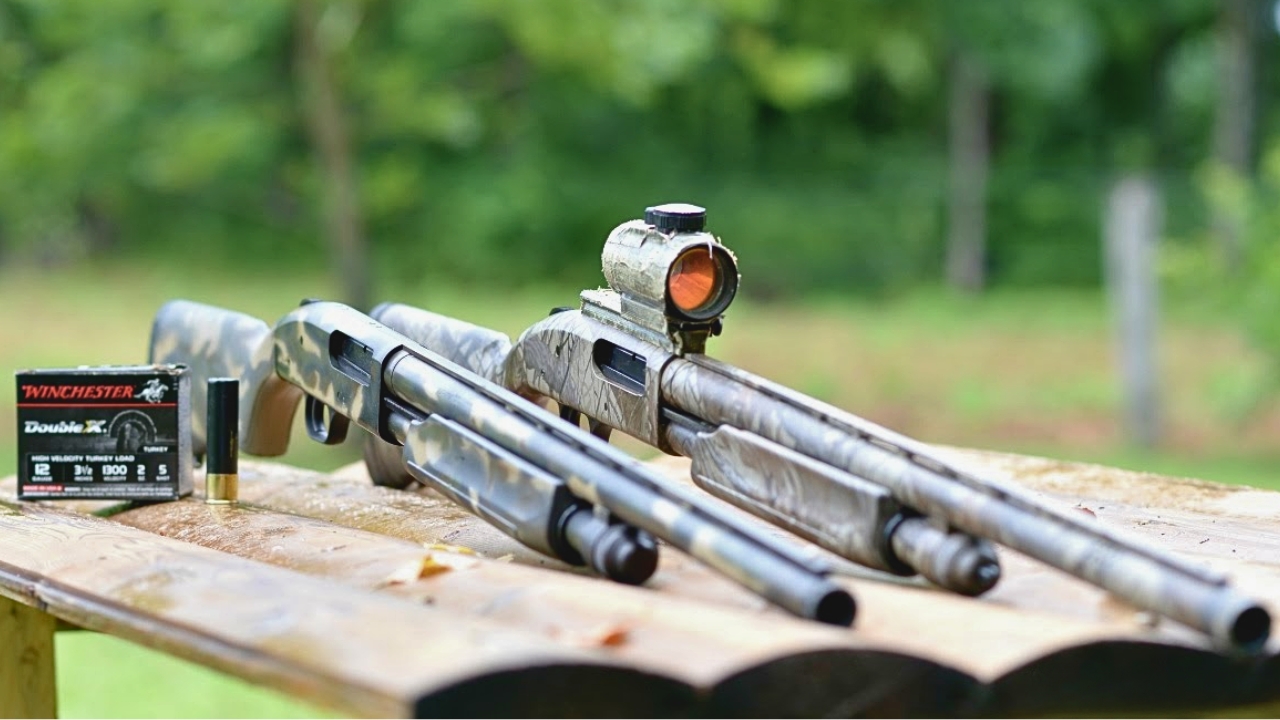
If you want to know what 3.5-inch magnum recoil feels like in a hunting-weight pump gun, the 835 will educate you. Waterfowlers and turkey hunters have used them for years, and they’ll keep doing it. But those heavy loads can cause flinching problems fast, and that shows up in patterns and point of impact with slugs.
Even with a decent barrel, the shooter matters. If you’re bracing for the hit, you start lifting your head and pushing the gun. The 835 can be a good tool, but you’ve got to be honest about whether you shoot it better than a softer 3-inch setup.
11. Winchester SXP (3.5-inch models)
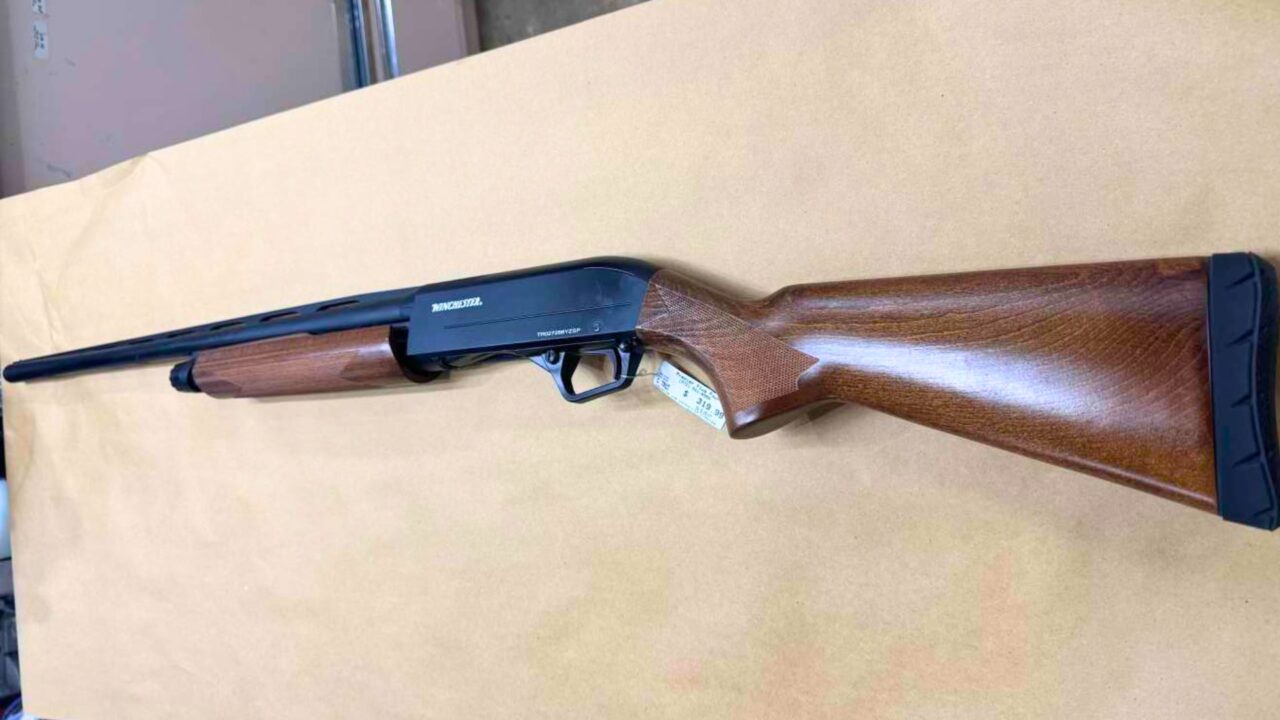
The SXP is fast to run, and the rotary bolt has a slick feel when everything is clean. The lighter guns in 3.5-inch trim can be rough on the shoulder, though, and that kind of recoil doesn’t just hurt—it affects how you mount the gun and keep your cheek down.
Shotgun “accuracy” is really about consistent fit and consistent mount. If a gun is beating you up, your form gets sloppy. That’s when you start missing birds you should fold and blaming the choke, the shell, or the weather.
12. Marlin 1895 Guide Gun (hot .45-70 loads)

I love a short .45-70 lever gun, but there’s a line between “classic thump” and “why did I do that.” The Guide Gun with modern, heavy hunting loads can recoil like a sledgehammer. And when the gun is light and the stock is straight, that recoil can drive the comb into your face.
Many of these rifles will shoot fine with the right load, but heavy recoil makes it tough to wring out that accuracy on paper. Most owners end up settling on milder loads they can shoot well. Honestly, that’s usually the smarter move anyway.
13. Henry H010 (steel .45-70) with hard pads and heavy loads

Henry makes a smooth lever gun, and the fit and finish are usually solid. But a .45-70 is still a .45-70, and with stiff factory recoil pads (or older guns with less forgiving pads), it can punish you. Once the recoil starts getting in your head, you rush shots.
Accuracy complaints with these often come down to load selection and shooter comfort, not a bad barrel. If you insist on the hottest loads, don’t be surprised when your groups look like you shot them in a hurry—because you did.
14. Ruger M77 Hawkeye Ultralight (in .30-06 or .300 WSM)
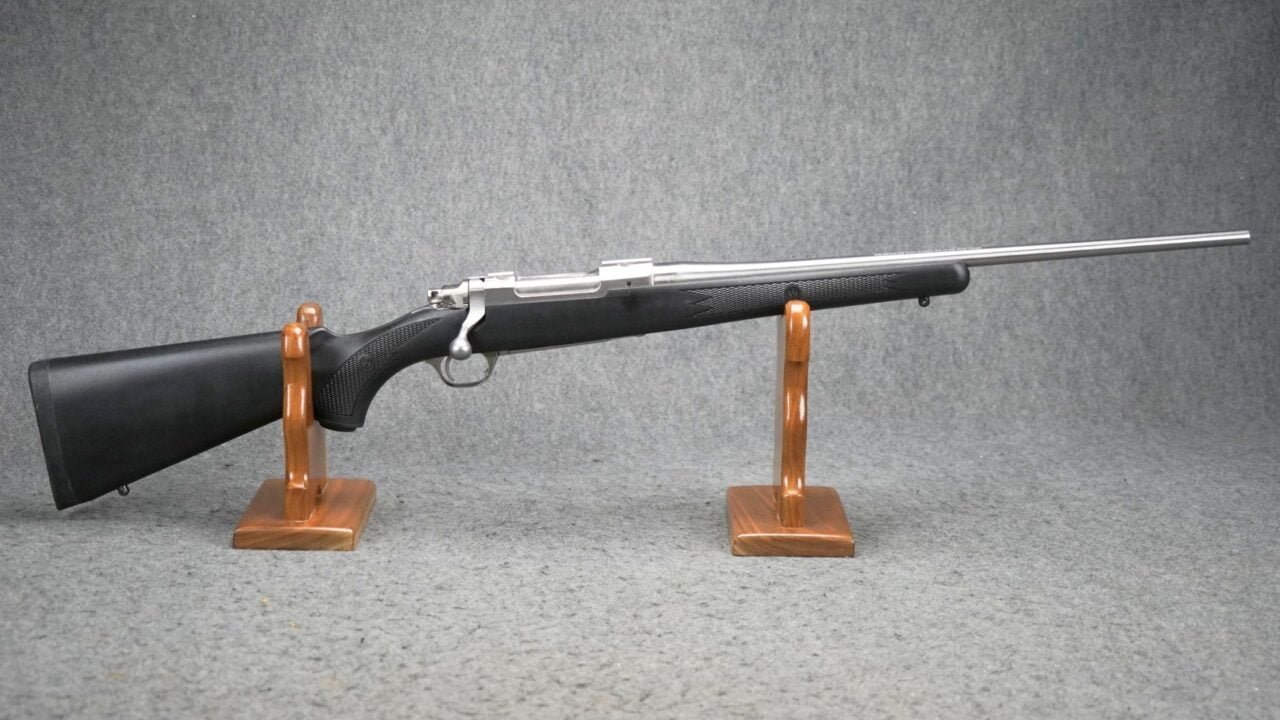
Ultralight rifles are a gift on steep country, and a curse at the bench. The Hawkeye Ultralight is well made, but physics doesn’t care. Put a full-power hunting cartridge in a very light rifle and recoil becomes sharp enough that it’s hard to practice without building a flinch.
Many will shoot well for a couple cold shots, which is what hunters want. But if you’re trying to dial a load or confirm dope at distance, the rifle can wear you out. You might own a very accurate rifle and still not be able to prove it on paper because it’s unpleasant to shoot for strings.
15. Tikka T3x Lite (magnum chamberings)
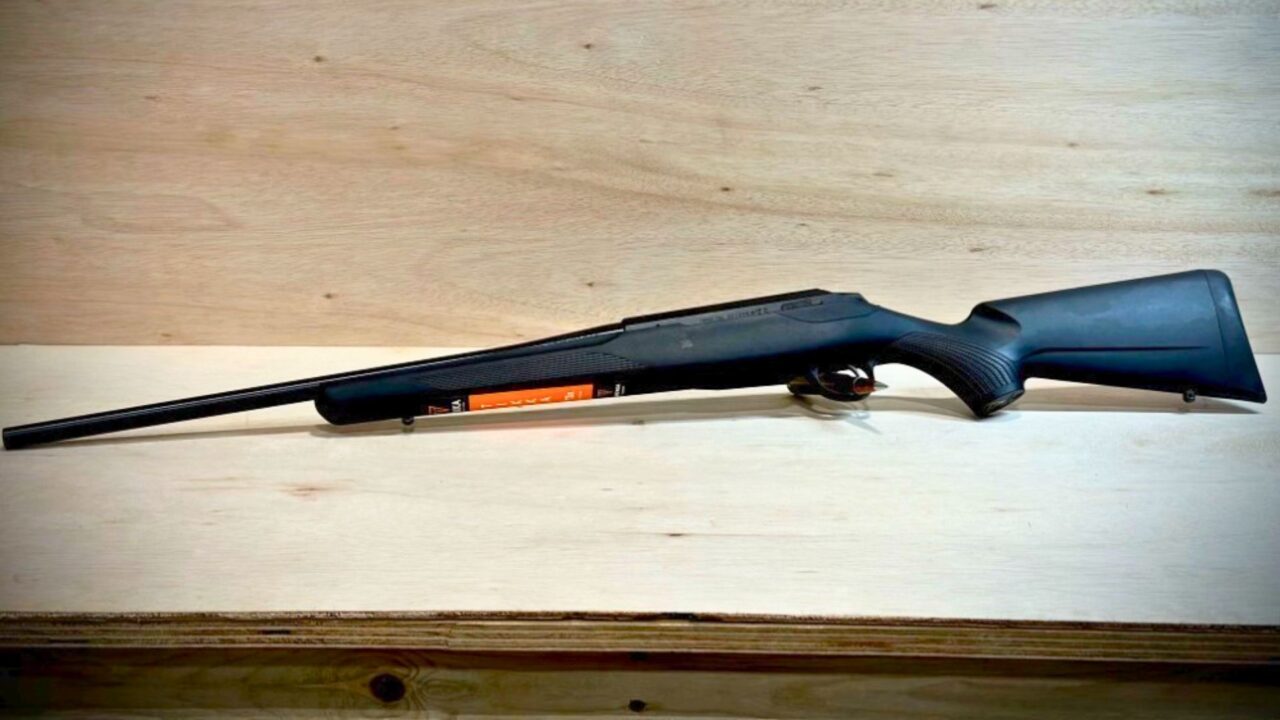
Tikkas have a strong reputation for accuracy, and most of that is deserved. The catch is the Lite models in magnum cartridges can be brutal in real-world practice sessions. They’re so easy to carry that folks talk themselves into more recoil than they can actually handle.
When a rifle bucks hard, you stop calling your shots honestly. The rifle may not be the limiting factor; you are. If you want a magnum Tikka, consider adding weight, using a better pad, and being realistic about how much you’ll actually practice.
16. Kimber Montana (lightweight big-game setups)

Kimber’s lightweight hunting rifles get bought for the same reason ultralight backpacks do: you don’t feel them until you need them. But in cartridges like .300 WSM or even hot .308 loads in a very light rifle, recoil can get unpleasant quick. The recoil impulse is fast, and it can make the rifle feel “whippy” to some shooters.
Some Kimber rifles shoot lights-out. Others are picky. When the rifle also hits you hard, most folks don’t have the patience to find the sweet spot. That’s how a potentially good rifle earns a reputation it doesn’t always deserve.
17. Springfield Armory Saint Victor Pistol (5.56 with short barrel)

Short 5.56 “pistols” can be accurate, but they’re loud, gassy, and jumpy compared to a 16-inch carbine. The concussion alone makes range days shorter than they should be, and when you’re getting slapped with blast and muzzle rise, your groups often suffer.
These setups can also be finicky about ammo and gas tuning, and inconsistency doesn’t help confidence. For most practical shooting, a regular carbine is easier to shoot well. The short gun looks cool and carries tight, but it’s not always the accuracy bargain folks expect.
18. Glock 43 (9mm)

The Glock 43 is easy to carry and dead simple to maintain. It’s also a small, light 9mm with a narrow grip, and recoil feels snappier than many shooters expect. That snap can make you slap the trigger, especially if you’re trying to shoot it fast.
Accuracy at defensive distances is fine if you do your part. But I’ve watched good shooters shoot worse groups with a 43 than with a slightly larger compact, just because they can’t get the same purchase on the gun. Carry comfort comes with a trade-off.
19. Ruger LCP (original .380 ACP)
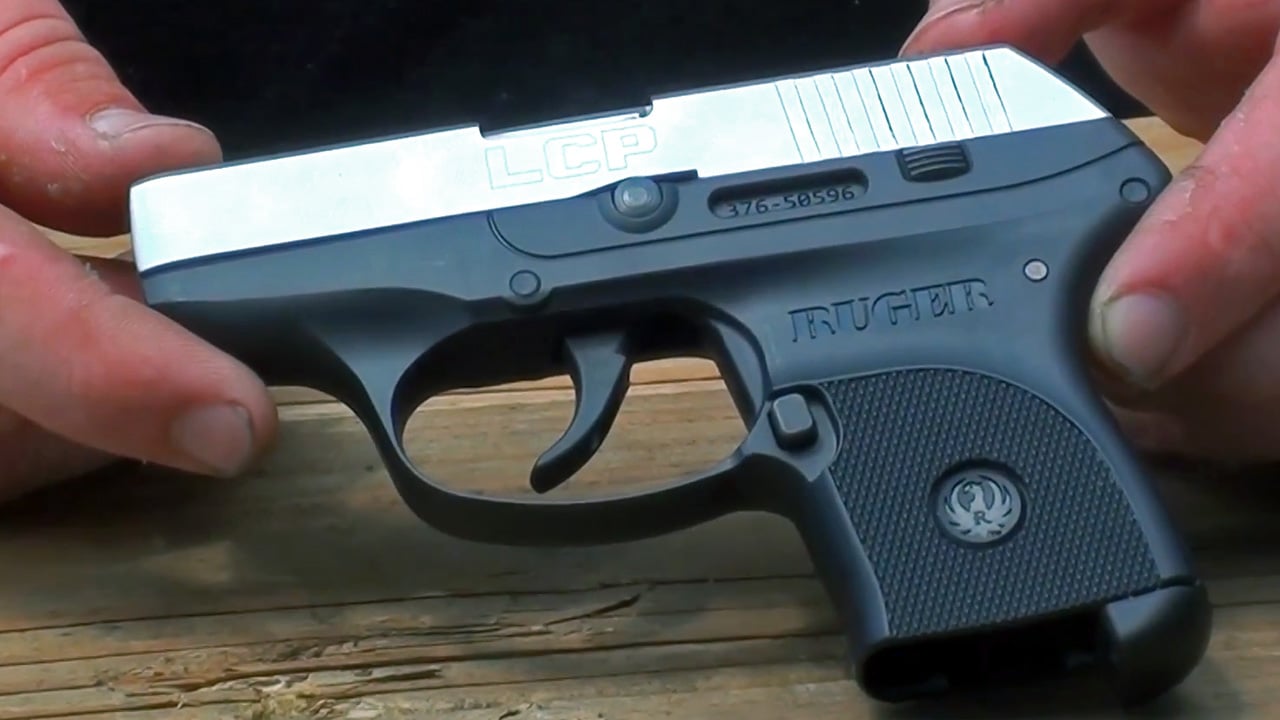
The original LCP is one of the kings of “always gun.” It disappears in a pocket and goes everywhere. The downside is it’s light, small, and not pleasant to shoot. Even though .380 isn’t a heavy recoiling round on paper, in that tiny frame it feels sharp and twitchy.
When sights are tiny and the trigger feels long, recoil makes the whole thing worse. Most folks don’t practice enough with it because it’s not fun. Then they’re surprised their groups look rough. The gun did its job getting carried; it didn’t make accuracy easy.
20. Smith & Wesson Airweight 642 (snub-nose .38 Special)

An Airweight J-frame is one of those guns you respect, even if you don’t enjoy it. With +P loads, recoil is snappy, the grip is small, and the short sight radius doesn’t forgive much. It’s a perfect recipe for low confidence on the range, even among experienced shooters.
They can be accurate in capable hands, but “capable hands” means practice and technique. Most owners shoot a box, remember why it hurts, and put it away. If you’re going to carry one, you owe it to yourself to find a load you can control and actually train with.
Big recoil doesn’t automatically mean a gun is bad, and mild recoil doesn’t automatically mean it’s accurate. But when a firearm beats you up, it covers up problems and encourages bad habits. The fix is usually boring: pick a gun you can practice with, run quality ammo, mount solid optics, and be honest about what you can shoot well from real positions. Your shoulder—and your groups—will tell you when you got it right.
Like The Avid Outdoorsman’s content? Be sure to follow us.
Here’s more from us: