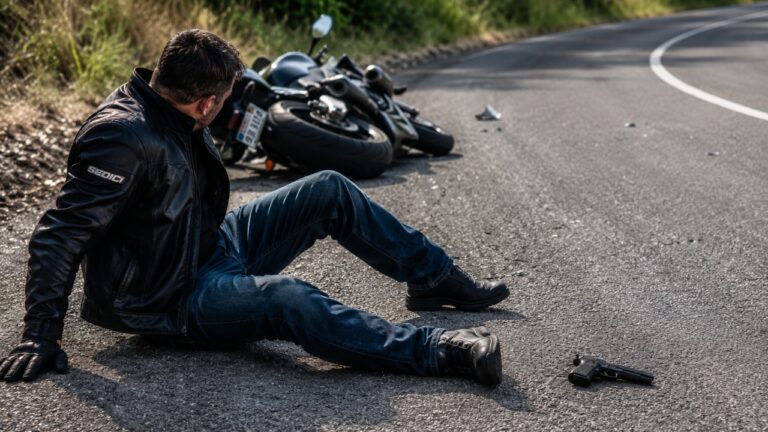
Photo credit: AI-generated image created using ChatGPT. Illustrative only
On big rural tracts, you can do everything “right” and still end up dealing with the one neighbor who can’t stay on his own side of the line. A landowner recently laid out that kind of situation in the original post, describing years of friction that escalated into a gunshot wound to the family’s livestock guardian dog—followed by no charges and a household argument that still hasn’t cooled off.
The dog survived after surgery, but the bill was over $6,000. And five years later, the bigger wound might be the lingering question of trust: why her husband still talks with—and even helps—the neighbor she believes poached their land and shot their dog.
The first warning signs were stands, bait corn, and trespassing
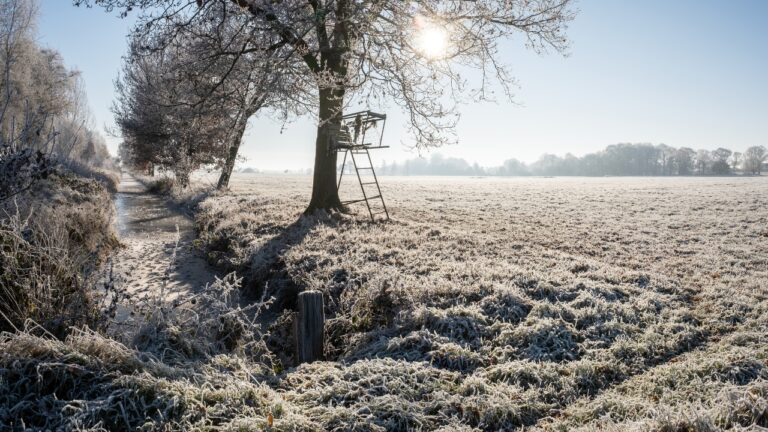
The couple bought an 80-plus-acre tract in 2019. From the jump, they say the neighbor was already acting like the place was still his playground: they found hunting stands on the property, and during the property viewing they saw the neighbor riding a four-wheeler putting out bait corn for deer.
After purchase, they confronted him and told him to stop hunting on their land. The landowner says more evidence showed he kept doing it anyway. When they called him on it, the neighbor’s mom came to their front door asking them to let him keep hunting because “he’s a country boy and was raised on this land.” The owners refused and said the next step would be calling the game warden if it continued.
Thanksgiving eve gunshots turned into a wounded Great Pyrenees
In the fall of 2020, the night before Thanksgiving, they heard a burst of gunshots around 2 a.m. Right after that, their young Great Pyrenees came to the back door barking hard. They checked around the house, didn’t see anything obvious, and went back to sleep.
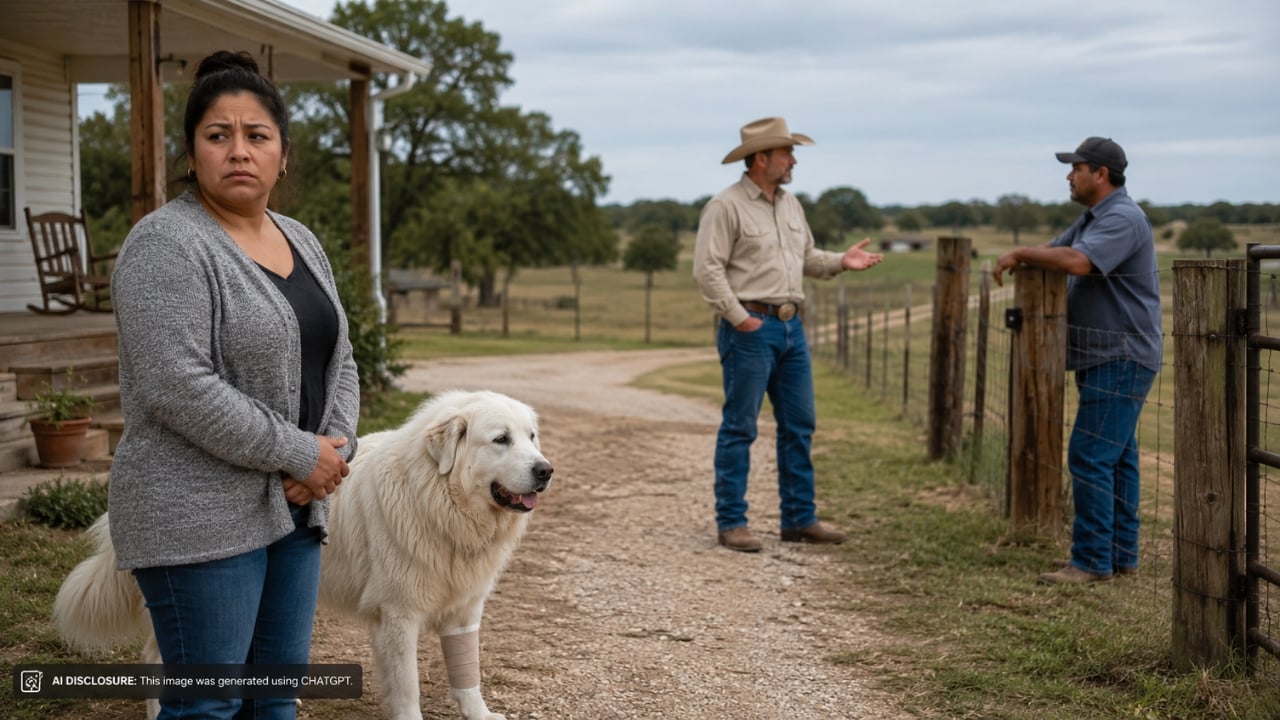
At 5 a.m., the husband headed out to hunt a deer stand and found their male Great Pyrenees lying shot in the snow. The dog was alive, but the elbow was badly damaged. They called the cops and say they found blood trails and dog prints that, in their view, showed the dog never left their property.
When the husband texted the neighbor, the neighbor admitted he shot the dog, claiming it was “threatening” him and barking at his door. The landowner tried to press charges, but says it went nowhere due to a “lack of evidence” and the neighbor’s claim that the dog was threatening and trespassing.
How “no charges” can still cost a family plenty
Whether you call it rural reality or a breakdown in follow-through, this is the part that hits landowners in the gut: a clear financial loss and a clear emotional loss, with no legal closure. The dog made it after surgery. The owner paid the bill. And then they still had to live next to the man they believe did it.
She says she agreed to stop pursuing legal action to “keep the peace,” partly because the neighbors are the only ones bordering their property. That’s a common pressure point in the country. You can be right, and still decide you can’t afford a long, ugly feud when you share a line and you’re miles from backup.
But “keeping the peace” doesn’t mean the issue disappears. It just means the consequences show up in other ways: tension every time you hear a shot, worry when the dogs are out at night, and that feeling that your boundary line isn’t really being respected.
More livestock, more opportunities for conflict
Over the next five years, they grew their homestead—adding animals like peafowl, geese, and pigs. The owner admits that occasionally an animal gets loose and ends up on the neighbor’s side. She says they’ve never caused damage and are usually returned within hours.
Recently, a peacock started making a habit of going to the neighbor’s place and climbing on the roof to crow. Anyone who’s been around peafowl knows “harmless” and “quiet” don’t belong in the same sentence. The husband has had to retrieve the bird more than once.
During one of those trips, the husband found a copperhead near the neighbor’s house and figured that might be why the peacock keeps showing up. The owner noted that peafowl hate snakes and will attack and kill them.
In an edit, she added that they use 6-foot fencing plus electric “invisible” fences for the dogs, and that the Great Pyrenees are livestock guardians that patrol at night and sleep during the day. The peafowl, she admitted, are harder to contain—especially one bird that “will leave on occasion to do his thing on the neighbors roof.”
The marriage fight wasn’t about the snake—it was about loyalty
The day she wrote the post, she came home from work and learned her husband had spent over an hour talking with the neighbor while helping “look for snakes.” That set her off, not because she cares about copperheads, but because she can’t get past the history.
She interrupted her husband’s story to make her feelings plain, calling the neighbors “white trash” and saying she didn’t care what happened to them. Her husband responded by accusing her of racism, arguing that “white trash” is comparable to a racial slur against Black people. She’s Latina; he’s white.
Her bigger point was simpler: why is her husband defending people she believes poached their land, littered, clear-cut timber, and shot their dog? She also said she’s been trying to quietly buy the neighboring property so they don’t have to deal with them, and that it feels like her husband is on the wrong team.
That’s a hard dynamic on rural properties. You can forgive a neighbor for being messy. You can even tolerate annoying. But when shots have already been fired and an animal paid the price, “buddy-buddy” conversations across the line feel like a betrayal.
What readers focused on: documentation, containment, and not letting it repeat
In her update, the landowner said the most likely verdict was “everyone stinks here,” and she owned part of it—especially her hostility and the way she expressed it. But the practical takeaways people tend to hammer in these situations are consistent, and they fit this one: documentation matters, and prevention matters.
On the documentation side, landowners dealing with trespass and suspected poaching usually get serious about visible signage, written “no trespassing” notices if required in their state, and cameras covering access points and fence gaps. If law enforcement says “lack of evidence,” that’s a signal to start building better evidence before the next incident—not after.
On the prevention side, loose livestock (even loud roof-walking peafowl) becomes fuel for a neighbor who already claims animals are threatening or trespassing. Keeping critters contained doesn’t excuse someone shooting a dog, but it does reduce the openings for excuses, and it keeps future disputes from starting with, “Your animal was on my property.”
And finally, there’s the personal safety angle. When there’s already been a late-night shooting incident tied to your property line, it’s wise to avoid direct confrontations. Let game wardens, deputies, and documented evidence do the heavy lifting whenever possible.
At the end of the day, the dog lived, the vet bill got paid, and the neighbor relationship stayed fractured. The bigger question now is whether this couple can get back on the same page—because in the country, the land will test you, the animals will test you, and sooner or later the neighbors will too. If the people inside the home aren’t pulling the same direction, everything outside the home gets harder.
Like The Avid Outdoorsman’s content? Be sure to follow us.
Here’s more from us: