Photo credit: Trailblazer Firearms
A last-resort firearm should be uncomplicated. It needs to come into action quickly, function without a perfect grip, and provide enough capacity or reload speed to correct a miss, malfunction, or poor first shot.
That standard eliminates many guns that are otherwise entertaining, compact, or mechanically impressive. Tiny grips, awkward safeties, unusual magazines, single-shot actions, and oversized cartridges create problems when time and fine motor control are limited. These 20 firearms may fill specialized roles, but they are poor choices when everything depends on immediate, predictable performance.
Trailblazer LifeCard
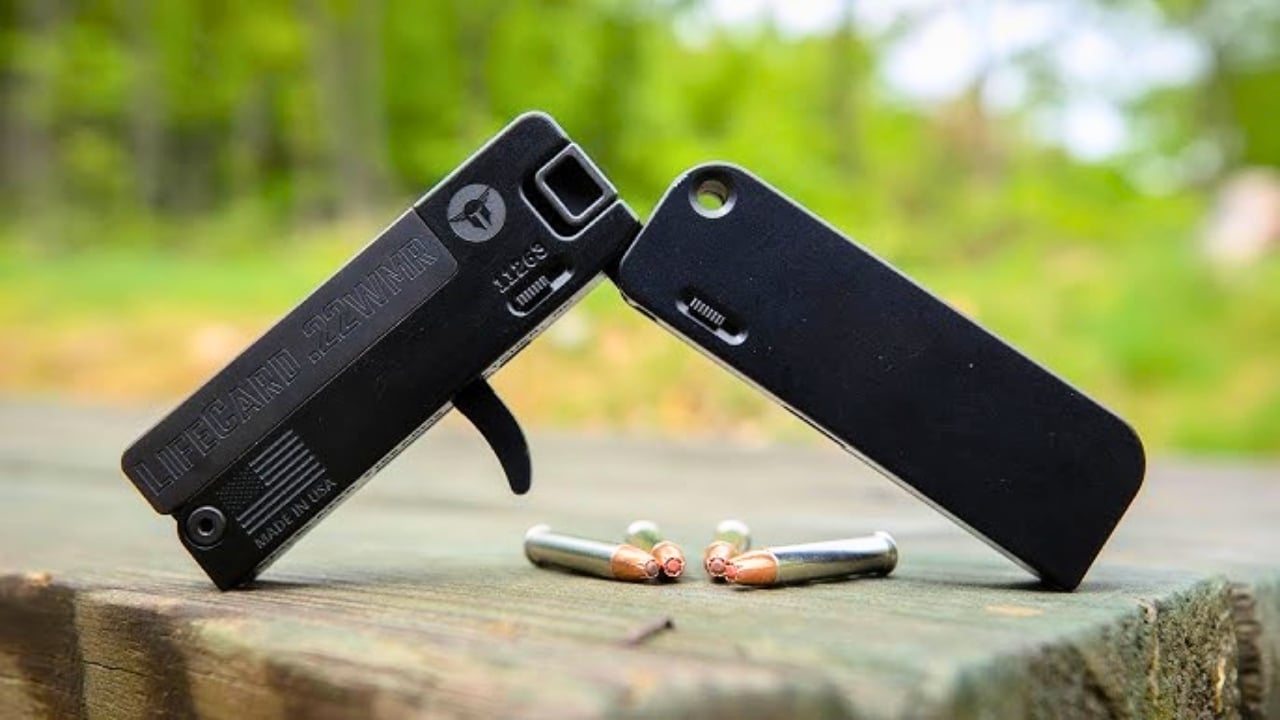
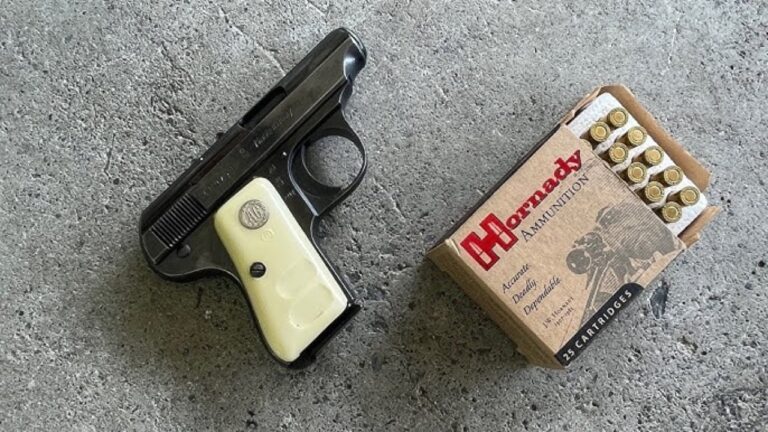
The LifeCard folds into a flat rectangular package that barely resembles a firearm. Its compact dimensions make it easy to store where an ordinary handgun would be too bulky.
Deploying it requires unfolding the grip, opening the action, loading a single cartridge, closing the action, and manually cocking the striker. The gun provides almost no grip area, useful sights, or rapid follow-up capability. Its .22 LR or .22 Magnum chambering adds rimfire ignition uncertainty. It is an interesting emergency novelty, but a terrible weapon for an immediate crisis.
Standard Manufacturing S333 Thunderstruck
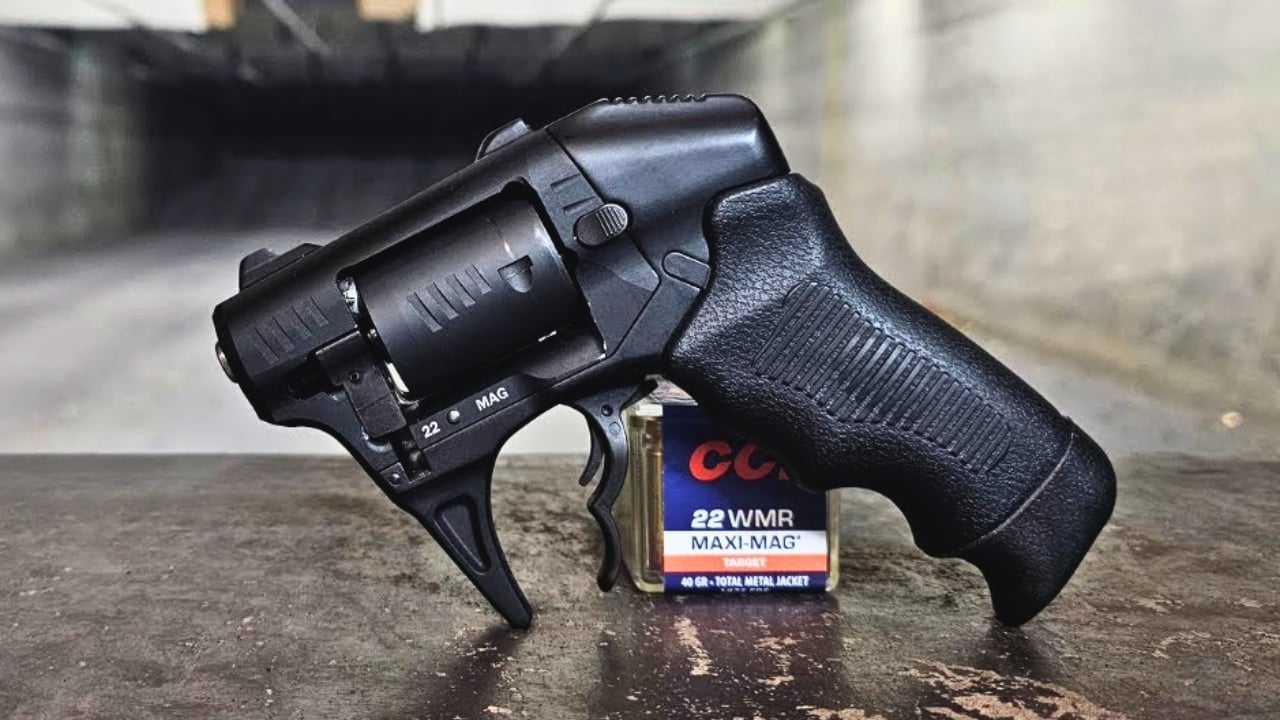
The S333 fires two .22 Magnum cartridges with each trigger pull and holds eight rounds in its cylinder. Its unusual system is intended to place multiple projectiles on target quickly.
The trigger is heavy, the grip is small, and firing two barrels simultaneously produces a different point-of-impact problem than a conventional revolver. A single failed rimfire cartridge also complicates the expected firing sequence. The pistol offers only four trigger pulls before reloading and provides little precision. A normal centerfire revolver is much easier to understand and control.
Bond Arms Stinger RS
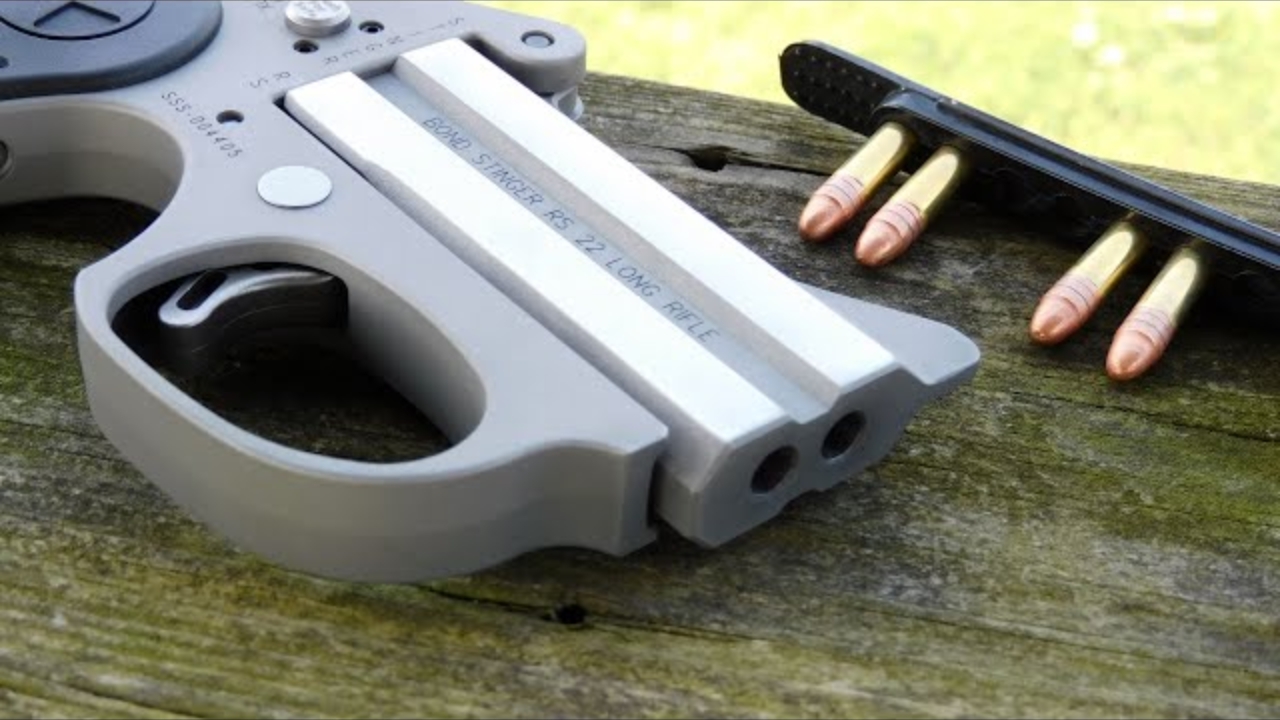
The Stinger RS is thinner and lighter than traditional Bond Arms derringers. It can be chambered in serious defensive cartridges while remaining easy to conceal.
It still provides only two shots and requires the hammer to be cocked manually before each one. The short grip and heavy trigger make accurate shooting difficult, while recoil can be severe in larger chamberings. Reloading means opening the action, removing the empty cases, and inserting two loose cartridges. That is far too much work for a last-resort weapon.
Bond Arms Rowdy XL
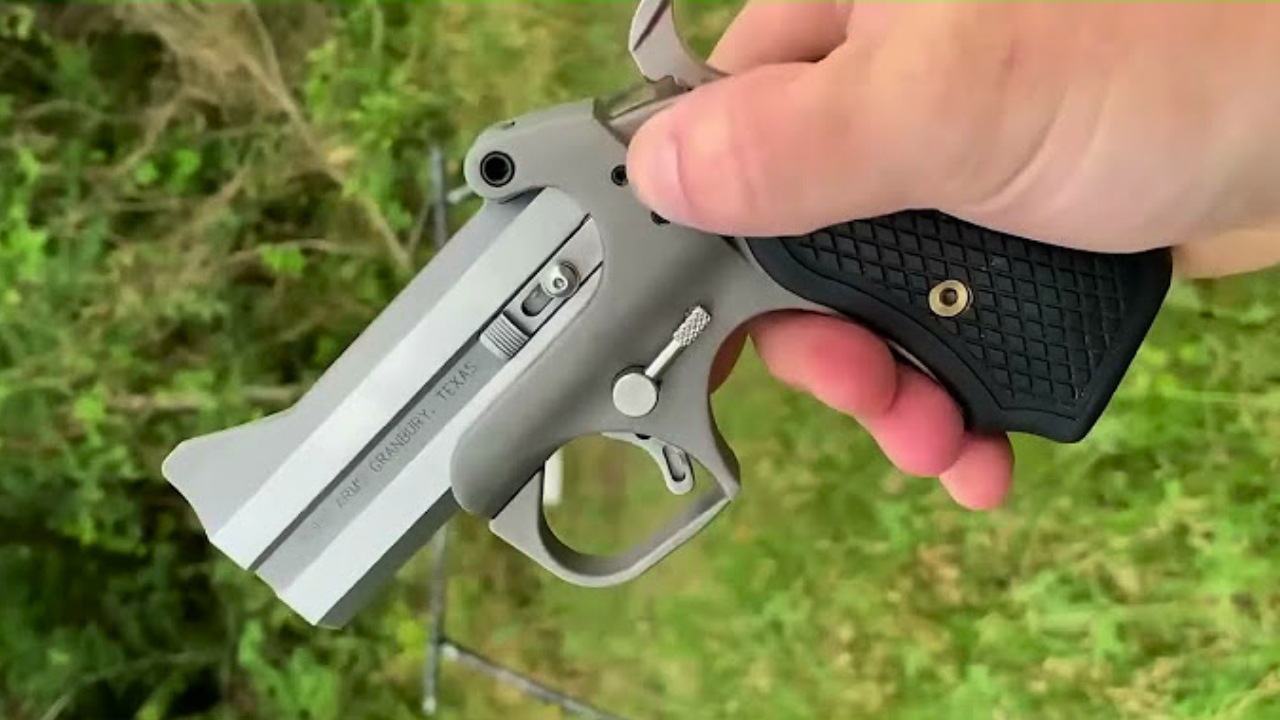
The Rowdy XL offers longer barrels and a larger grip than the smallest Bond Arms models. Those changes improve control and velocity without abandoning the basic derringer format.
The basic format remains the problem. It is heavy for a two-shot pistol, slow to reload, and equipped with a trigger that many shooters find difficult to press cleanly. The barrels can also strike at different points as distance increases. It may be entertaining with .410 shells or .45 Colt, but it is not efficient when rapid, accurate fire matters.
Heizer Defense PS1 Pocket Shotgun
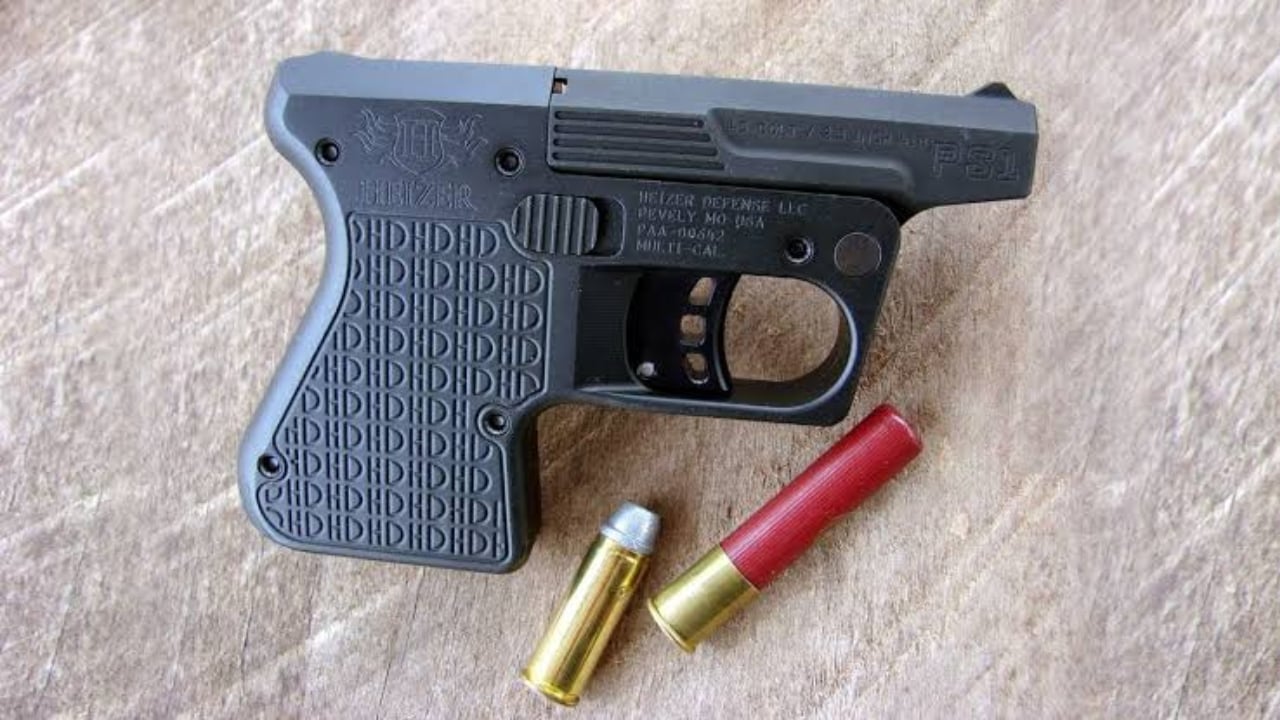
The PS1 fires .45 Colt or .410 shotshells from a thin, single-shot metal pistol. Its flat shape allows it to fit into pockets and storage compartments where a conventional handgun may not.
The narrow metal grip concentrates recoil into the hand, and the pistol must be manually opened and reloaded after every shot. Its sights are minimal, while .410 performance from a very short rifled barrel is less impressive than many owners expect. A last-resort gun should not leave the user defenseless after one difficult-to-control shot.
Altor Single Shot Pistol
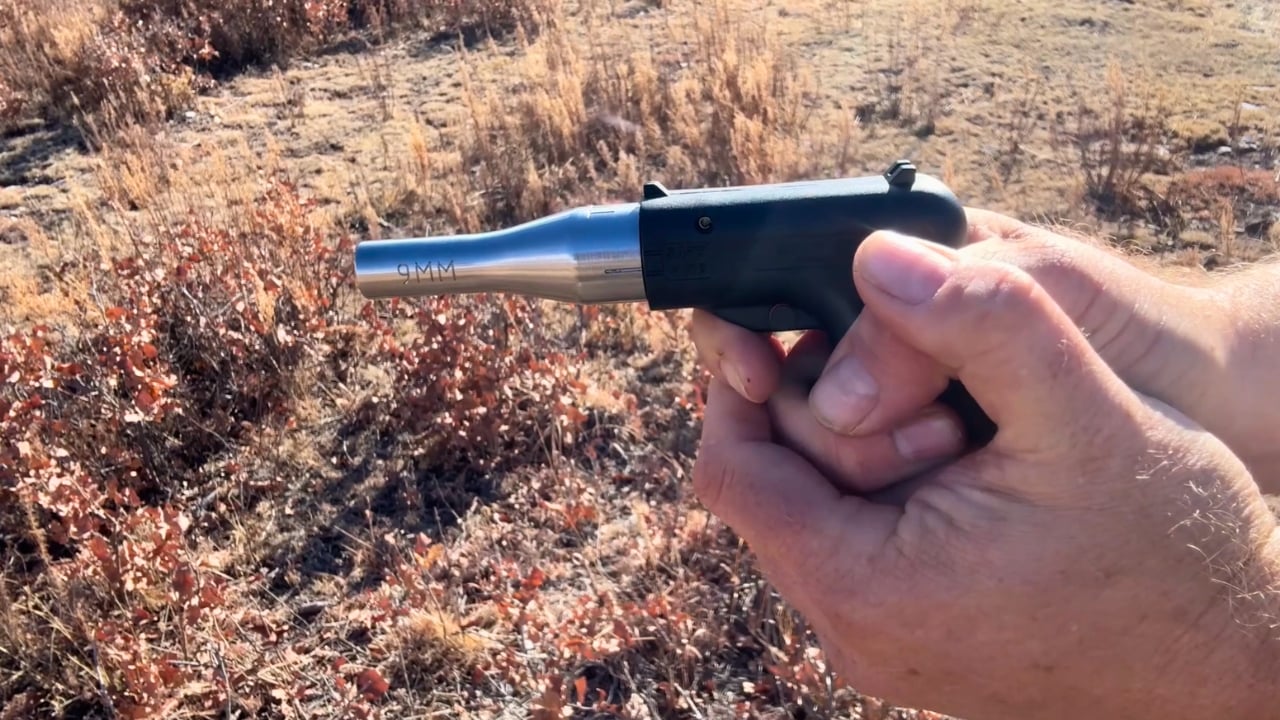
The Altor is a minimal single-shot pistol with very few moving parts. Its cylindrical construction is inexpensive and resistant to ordinary corrosion.
Using it requires twisting the barrel assembly, loading a cartridge, closing it, and manually cocking the striker. The shooter then holds a shape that provides almost none of the leverage of a normal pistol grip. It is difficult to aim, difficult to fire quickly, and impossible to reload under pressure with any speed. Mechanical simplicity does not make it tactically useful.
North American Arms Pug
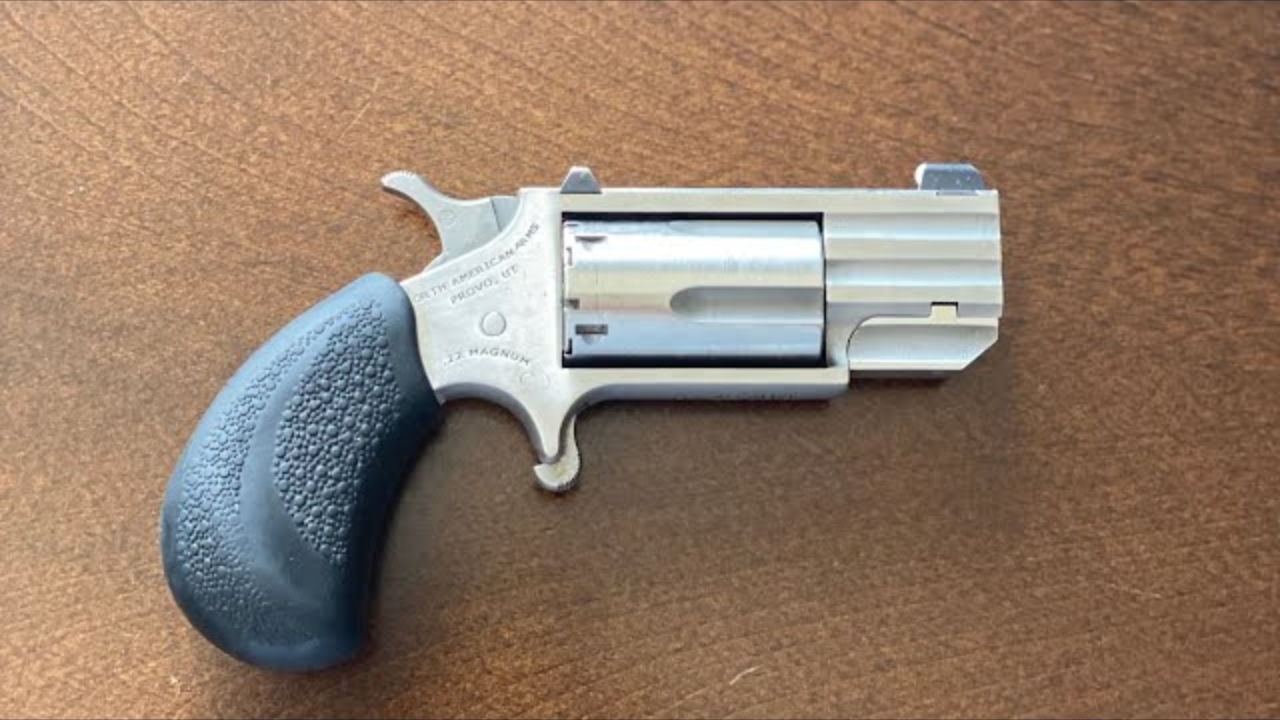
The Pug is a sturdy miniature revolver with better sights and a more substantial grip than the smallest NAA models. It is extremely easy to carry and can fire .22 Magnum ammunition.
The shooter must manually cock the hammer for every shot. The tiny grip, five-round capacity, slow cylinder removal, and rimfire cartridge all work against emergency use. It can serve as a deeply concealed backup for someone who practices extensively. As the final weapon someone expects to solve a serious threat, it offers far too little control and recovery capability.
North American Arms Ranger II
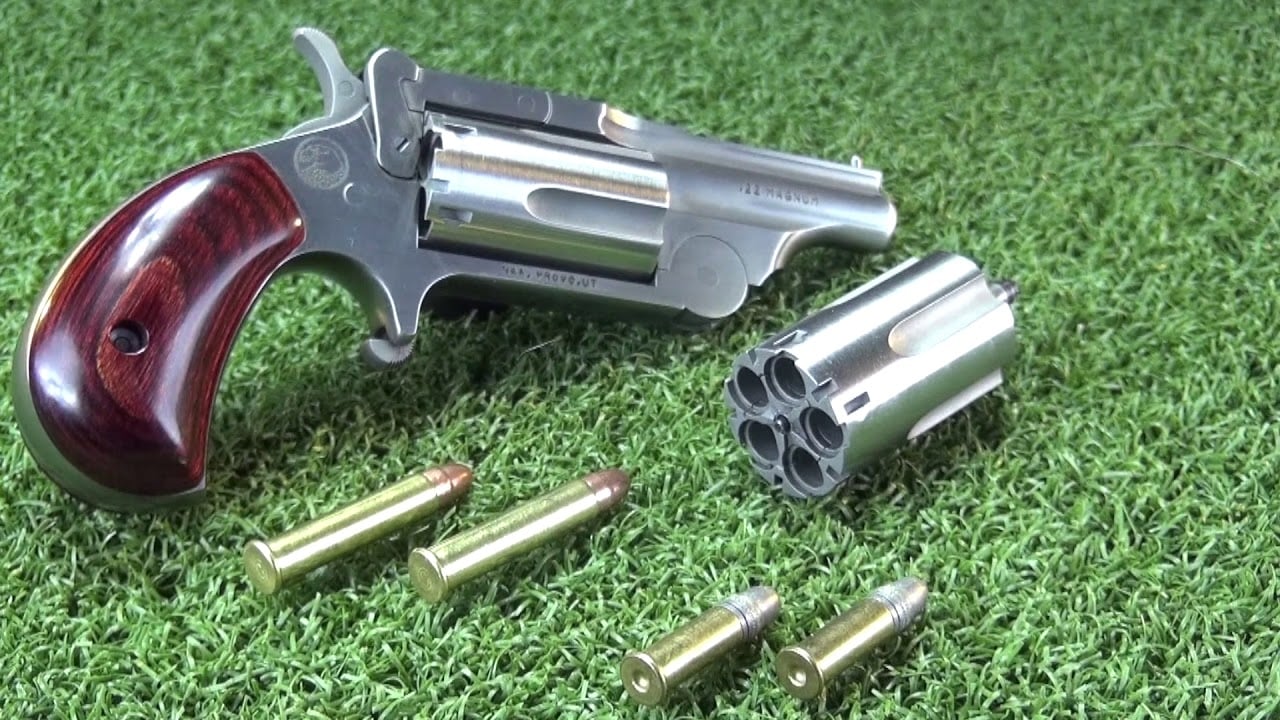
The Ranger II gives the miniature revolver a top-break action, allowing faster unloading than the traditional NAA cylinder-pin design. That makes it one of the more practical mini revolvers.
It remains a tiny single-action rimfire. The shooter must cock the hammer between shots and maintain control of a grip that barely fills two fingers. The top-break system is faster only relative to other miniature revolvers, not modern defensive pistols. A small .380 semiautomatic provides greater capacity, faster follow-ups, and easier sights in a still-concealable package.
Taurus 856 Executive Grade
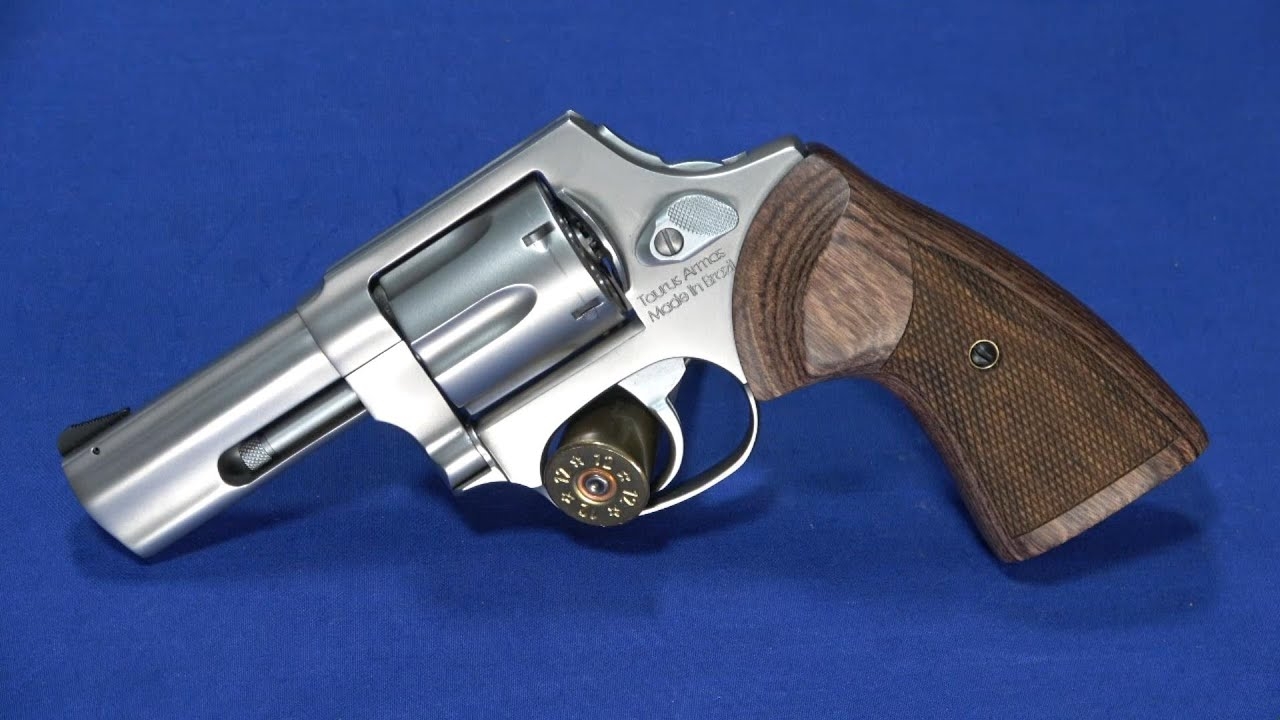
The 856 Executive Grade is far more refined than a basic budget snub-nose. It offers six rounds, a polished action, and a compact frame suitable for concealed carry.
It is still a small revolver with a short sight radius, limited capacity, and a long double-action trigger. Those characteristics become especially punishing when the shooter is under pressure or firing from an awkward position. Reloading loose cartridges or even a speedloader is slower than changing a semiautomatic magazine. It can be a capable carry gun, but it is not an ideal final option for an inexperienced shooter.
Charter Arms Pitbull .45 ACP

The Pitbull uses a specialized extractor system that allows it to fire rimless .45 ACP ammunition without moon clips. That removes one inconvenience normally associated with revolvers chambered for semiautomatic cartridges.
The compact gun still holds only five rounds and produces substantial recoil. Spent cases can become sticky, and the unusual extraction system may require a forceful ejector stroke. The short barrel and basic sights make accurate follow-up shots difficult. It combines revolver limitations with a system that is less straightforward than an ordinary rimmed-cartridge cylinder.
Taurus Judge Public Defender
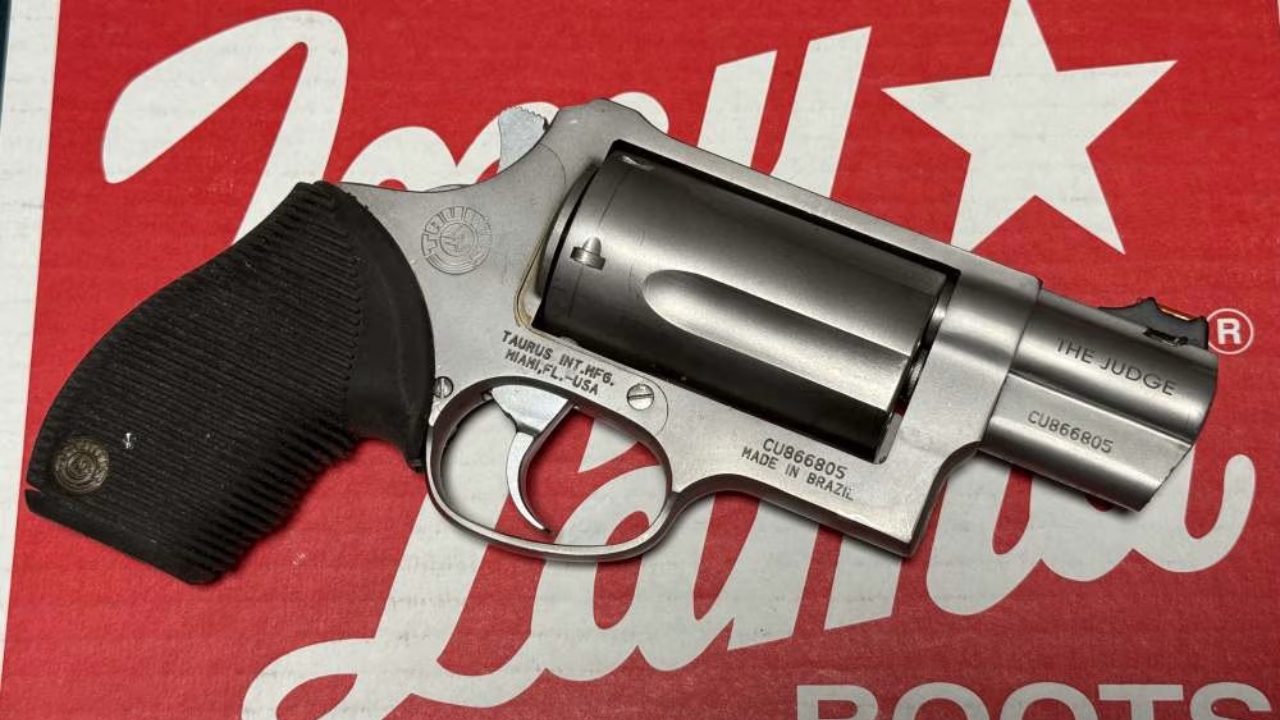
The Public Defender is a compact version of the Judge capable of firing both .45 Colt cartridges and .410 shotshells. Its flexibility attracts buyers who want one gun to cover several defensive situations.
The long cylinder makes the revolver bulky, while the shortened grip and barrel make recoil harder to manage. Shotshell patterns from the rifled barrel can spread inconsistently, and .45 Colt loads do not turn it into an especially precise defensive revolver. Its five-round capacity and slow reload leave little room to recover when the first ammunition choice performs poorly.
Smith & Wesson Model 360PD
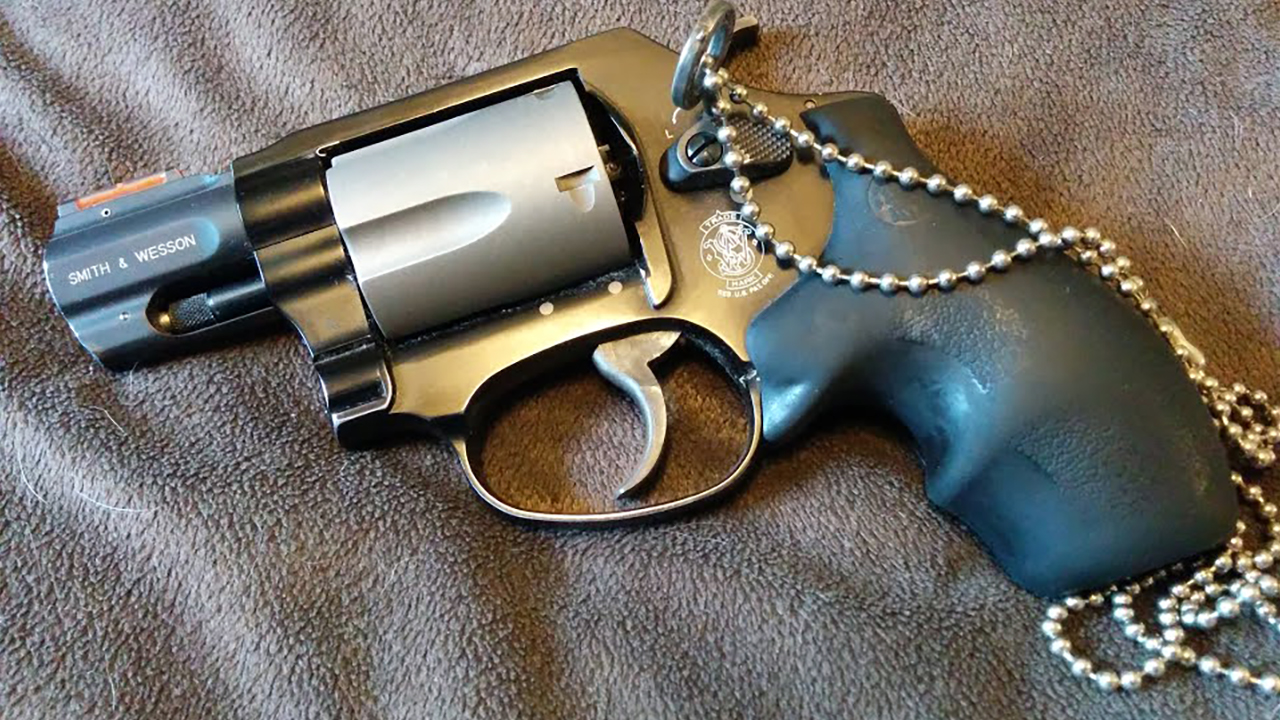
The 360PD provides .357 Magnum power in an extremely light scandium-frame revolver. Its weight makes it easy to carry as a backup or emergency gun.
That same weight makes it exceptionally difficult to shoot. Full-power loads produce punishing recoil, severe muzzle rise, and enough blast to disrupt rapid follow-up shots. Even .38 Special loads require careful trigger control through the small frame. A last-resort gun should encourage frequent realistic practice. The 360PD often makes owners avoid it.
Ruger LCRx 3-Inch .357 Magnum

The 3-inch LCRx offers better sights, a longer ejector stroke, and an exposed hammer compared with the smallest LCR models. It can serve as a lightweight trail or carry revolver.
The exposed hammer introduces another control that can snag or be mishandled under stress. The narrow grip and light frame still make magnum ammunition difficult to control, while capacity remains limited to five rounds. It is more versatile than a snub-nose, but a compact semiautomatic offers easier follow-up shots and a much faster reload.
Glock 40 MOS

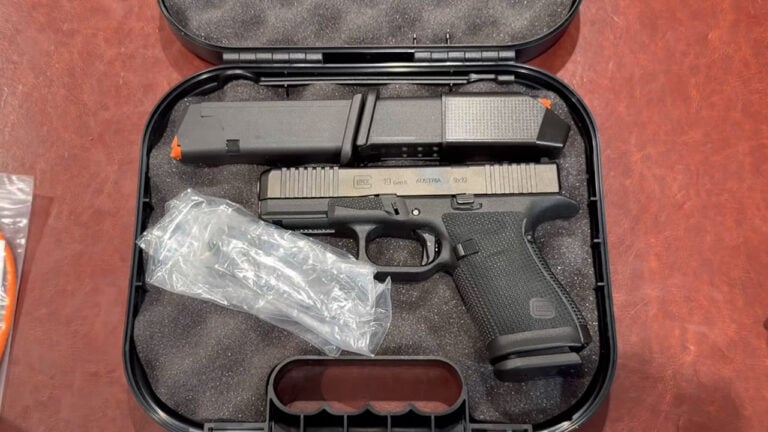
The Glock 40 MOS is a long-slide 10mm pistol built for hunting, trail defense, and extended-range shooting. It offers excellent capacity and more velocity than compact 10mm pistols.
Its enormous slide and overall length make it awkward to draw in confined spaces or carry as an emergency backup. Full-power ammunition produces significant recoil, and an optic adds more size and another component that can be damaged. It is useful when deliberately carried for wilderness protection. It is a poor last-resort weapon when compactness and immediate handling are the priorities.
Smith & Wesson Model 610

The Model 610 is a large N-frame revolver chambered in 10mm Auto. It can also fire .40 S&W when used with proper moon clips.
The moon clips are both an advantage and a liability. They permit fast reloads when perfectly flat but can bind the cylinder if bent. The revolver is also heavy, large, and limited to six rounds in common configurations. It is a strong hunting or competition handgun, but it demands specialized loading equipment and far too much belt space for an emergency backup.
KelTec PMR-30

The PMR-30 offers 30 rounds of .22 Magnum in an exceptionally light pistol. Its capacity makes it appear well suited to situations where multiple follow-up shots may be required.
The magazine must be loaded carefully to prevent rimmed cartridges from stacking incorrectly. The pistol can also be sensitive to ammunition, grip, and cleanliness. Rimfire ignition adds another possible failure point. Thirty rounds are only useful when the magazine presents them correctly and the action cycles consistently. A lower-capacity centerfire pistol offers much greater confidence.
KelTec CP33
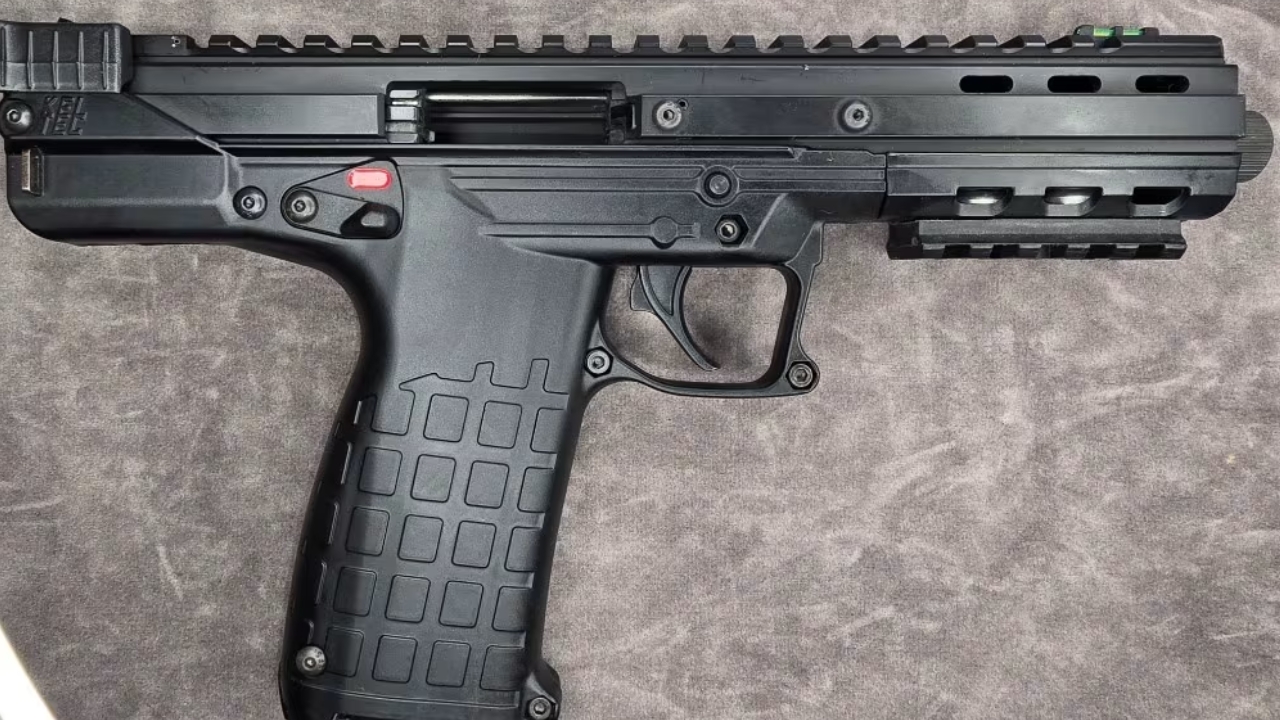
The CP33 provides 33 rounds of .22 LR, a good trigger, and excellent accessory support. It can be extremely accurate and entertaining at the range.
Its four-column magazine is slow and particular to load. Rimmed cartridges can overlap incorrectly, producing feeding failures that are difficult to correct quickly. The pistol is also long and awkward to carry without a specialized setup. It is one of the better modern rimfire range guns, but almost none of its strengths translate into dependable emergency use.
Ruger PC Charger
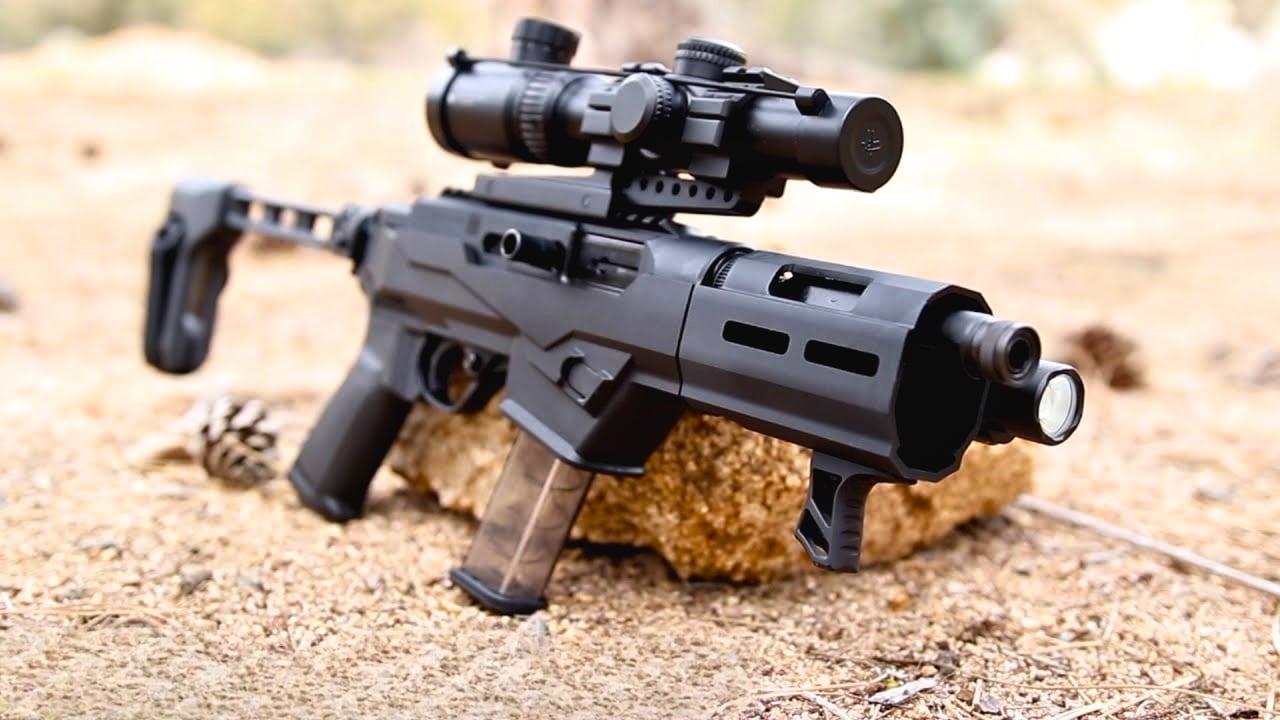
The PC Charger is a compact 9mm firearm based on Ruger’s proven PC Carbine action. It accepts common magazines and offers much more stability than an ordinary pistol when properly configured and supported.
Without a stock, it remains bulky and awkward to hold. It is too large for normal handgun carry but less stable than a true carbine. Adding an optic, suppressor, sling, or other equipment increases the storage burden. It can make an excellent range setup or specialized vehicle gun, but it is inefficient as a last-resort weapon.
Mossberg 590 Shockwave
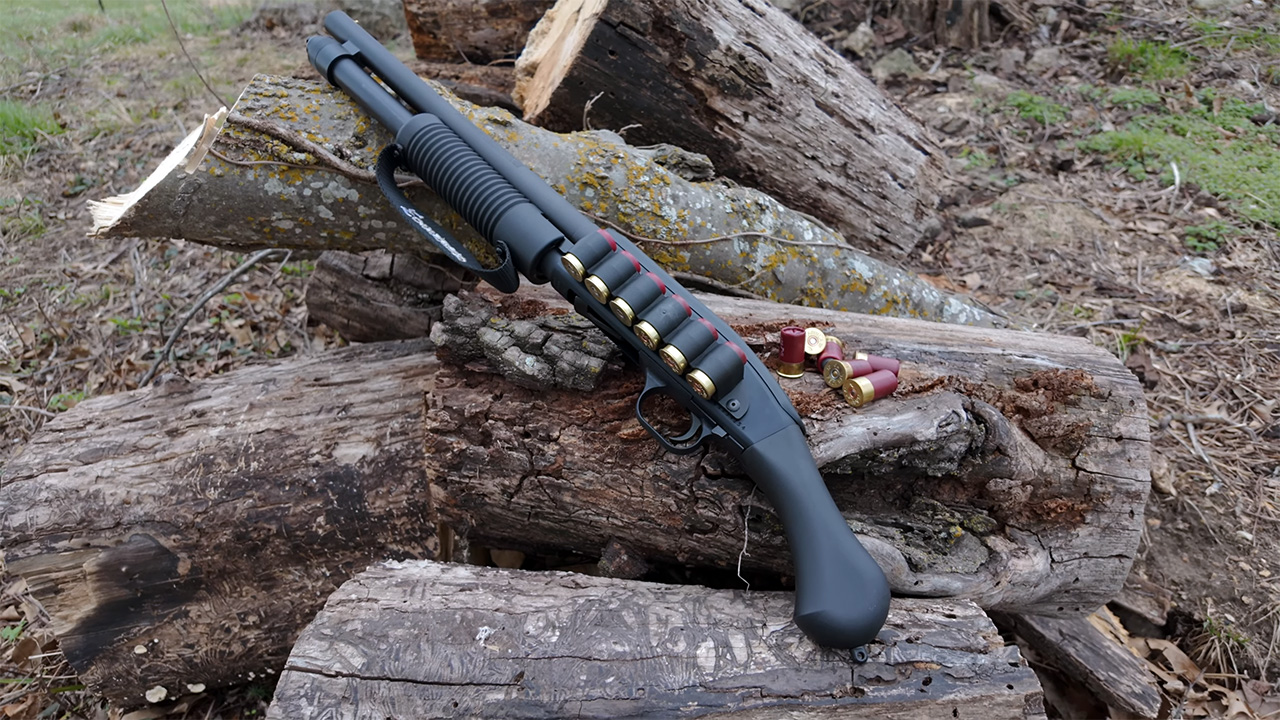
The Shockwave provides 12-gauge power in a compact pump-action firearm that can be stored in tight spaces. Its basic Mossberg action is dependable.
The absence of a shoulder stock makes accurate shooting, recoil control, and pump operation much harder. Firing from the hip sacrifices precision, while raising it toward eye level places the grip close to the face under recoil. It is significantly more difficult to use than a normal stocked shotgun, especially for a person already operating under stress.
Henry Axe .410
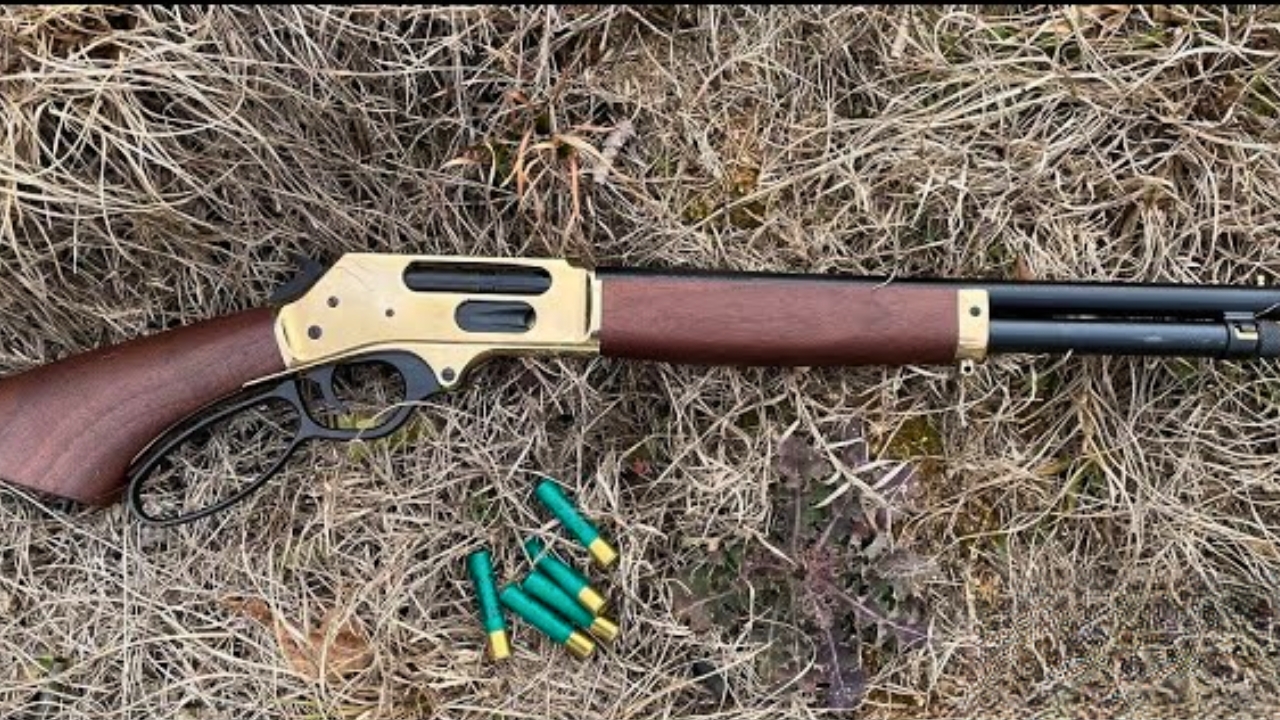
The Henry Axe combines a lever action with a short .410 barrel and pistol-grip-only configuration. It is attractive, well finished, and enjoyable for recreational shooting.
Its small stockless grip gives the shooter little control while cycling the lever. The .410 shell offers limited defensive performance, and the tubular magazine is slow to reload. The Axe is also too large to use like a handgun and less effective than a stocked shotgun. It is a stylish range gun, not a serious final line of defense.
Like The Avid Outdoorsman’s content? Be sure to follow us.
Here’s more from us: