
Photo credit: Hammer Striker/YouTube
Some guns will keep cycling long after they look like they should have stopped. Others start getting sluggish as soon as fouling builds around the chamber, bolt face, gas system, or magazines.
That does not automatically make these bad firearms. Several are excellent range guns, competition pistols, or hunting firearms. The problem is that their designs, ammunition, or operating systems can make cleanliness matter more than it does with a typical modern centerfire pistol or manually operated gun. If you hate cleaning firearms, these 20 can punish you for procrastinating.
Magnum Research Desert Eagle Mark XIX

The Desert Eagle is one of the clearest examples of a handgun where fouling matters. Unlike a normal recoil-operated semiautomatic pistol, the Desert Eagle uses a gas-operated system with a rotating bolt. Magnum Research specifically calls for cleaning carbon deposits from the gas system as part of maintenance.
That system is part of what allows the huge pistol to function with cartridges like .44 Magnum and .50 AE, but it gives burnt powder somewhere else to accumulate. Ignore the gas piston and related areas long enough and the pistol can become considerably less cooperative. A Glock can tolerate an embarrassing amount of neglect. I would not treat a Desert Eagle the same way.
KelTec PMR30

The PMR30 combines a lightweight action with 30 rounds of .22 Magnum, and neither the cartridge nor the magazine system is particularly forgiving of grime. KelTec’s own manual devotes attention to cleaning and lubrication while also recommending high-powered ammunition for best function.
Rimfire ammunition tends to leave plenty of residue behind, and the PMR30 already has a fairly narrow operating window compared with a conventional 9mm pistol. Add dirty magazines or chamber fouling and problems can begin appearing sooner than many owners expect. The gun is fun enough to justify the extra attention, but it is not something I would run filthy just to see what happens.
KelTec CP33

The CP33’s 33-round magazine is one of the coolest things about the pistol, but it also puts a lot of rimfire cartridges and magazine surfaces in play at once. The pistol fires inherently dirty .22 LR ammunition and relies on a relatively light blowback action to keep everything moving. KelTec’s current manual includes dedicated maintenance and cleaning guidance for the platform.
After enough shooting, residue around the chamber, bolt face, and magazines can start working against reliable feeding and extraction. Run one suppressed and the grime arrives even faster. The CP33 is an excellent high-capacity rimfire, but it rewards the owner who cleans before the gun forces the issue.
Browning Buck Mark

The Buck Mark is accurate, proven, and generally dependable, but Browning does not encourage owners to see how filthy they can get one. The company specifically says to clean the pistol after every day of shooting and more frequently if it becomes excessively dirty. Browning even recommends cleaning first when diagnosing a function problem.
That makes sense with a blowback .22 pistol. Powder residue and wax from rimfire ammunition collect around the breech face and action, eventually creating enough drag to matter. A clean Buck Mark can feel nearly effortless. A heavily neglected one can quickly remind you how dirty .22 LR really is.
Ruger Mark IV

The Mark IV is one of the most dependable rimfire pistols available, but even it eventually loses the argument with dirty .22 ammunition. Ruger’s troubleshooting instructions specifically tell owners to remove accumulated grease and fouling from the bolt face, extractor, chamber, and feed ramp when function problems appear.
The Mark IV’s excellent takedown system at least makes cleaning far easier than it was on earlier Ruger rimfire pistols. That convenience is worth using. Run hundreds upon hundreds of dirty rounds without touching the action and extraction or feeding can eventually become less consistent. The gun is tough, but rimfire fouling always collects its debt eventually.
Ruger Mark III

The Mark III has essentially the same appetite for dirty .22 LR ammunition but without the Mark IV’s much easier takedown system. Ruger’s own manual tells owners troubleshooting malfunctions to thoroughly clean the magazine and bolt mechanism and remove fouling around the bolt face, extractor, chamber, and feed ramp.
That is where Mark III ownership could become annoying. The gun may run hundreds of rounds beautifully, but eventually the accumulated residue needs to come out, and field-stripping the older design is not nearly as pleasant. Shooters who rarely clean anything may quickly appreciate why Ruger redesigned the takedown system on the Mark IV.
Ruger 10/22 Competition

The 10/22 platform has a reputation for being almost ridiculously dependable for a rimfire, but high-volume shooting can still pack residue into the action. Ruger’s troubleshooting guidance for the 10/22 Competition specifically calls for cleaning accumulated grease and fouling from the bolt face, extractor, chamber, feed ramp, and magazine when malfunctions appear.
Competition rifles make the issue more noticeable because owners tend to shoot a lot of ammunition through them. Eventually the bolt starts dragging through a mixture of powder residue, lubricant, and rimfire grime. The rifle usually gives plenty of warning before completely quitting, but cleaning can turn a suddenly temperamental 10/22 right back into the boringly dependable rifle you remember.
Walther P22

The P22 is small, light, and easy to shoot, but it lives on .22 LR and has a relatively lightweight action. Walther continues to support the platform with dedicated cleaning and maintenance material, which matters because fouling can noticeably change how small rimfire semiautomatics behave.
The chamber and slide rails are the areas I would watch closely. Once residue starts creating additional resistance, marginal ammunition that previously cycled can suddenly stop looking so dependable. Keeping a P22 clean and lightly lubricated eliminates a lot of headaches before they begin.
Walther PPK/S .22

The rimfire PPK/S has the classic appearance people want, but its blowback .22 LR operating system means the inside becomes dirty much faster than the exterior suggests. Walther currently lists the PPK/S .22 as a 10-round .22 LR pistol.
Small rimfire pistols do not have enormous amounts of excess operating energy to overcome carbon and grime. As fouling accumulates, cycling can become noticeably less energetic, particularly with weaker ammunition. A quick cleaning around the chamber and slide can make a surprising difference. It is a fun pistol, but neglecting one rarely makes it more cooperative.
SIG Sauer P322

Twenty-round magazines encourage P322 owners to burn through ammunition quickly, which also means they can accumulate rimfire residue quickly. The more .22 LR you send through a blowback pistol in one session, the faster the chamber, breech face, feed area, and magazines become coated.
The P322 can run extremely well when maintained, but high-capacity rimfires almost invite owners to outrun their cleaning schedule. Add a suppressor and the action gets filthy even faster. This is one of those pistols where a seemingly sudden reliability problem after a long range session can simply be the gun telling you it has had enough grime.
FN 502 Tactical

The FN 502 Tactical encourages high round counts because it is optics-ready, threaded for suppressors, and equipped with magazines holding up to 15 rounds. FN specifically promotes it as suppressor-ready, and the company has run the pistol suppressed to high round counts while stopping for routine cleaning and lubrication during testing.
Suppressing .22 LR is particularly filthy because additional residue gets blown back into the action. The 502 can tolerate a lot, but eventually the breech face, extractor, chamber, and magazines become coated. Anyone who regularly shoots one suppressed should expect cleaning to become part of the routine rather than something done every few months.
Taurus TX22 Competition

The TX22 Competition is built for shooters who burn through rimfire ammunition rapidly. That is exactly why cleanliness matters. High round counts mean high levels of wax, carbon, and unburned powder accumulating around the action.
Taurus promotes the TX22 family for high-volume shooting, and the Competition model adds features aimed directly at shooters who spend a lot of time on the range. A dirty TX22 can start feeling noticeably rougher as residue builds. Regular cleaning is inexpensive insurance against turning an otherwise excellent range pistol into a malfunction drill.
Smith & Wesson M&P15-22

The M&P15-22 makes it very easy to shoot hundreds of rounds in a single trip because it gives shooters AR-style controls with inexpensive .22 LR ammunition. The downside is predictable: all that rimfire ammunition leaves residue throughout the blowback action.
Once the chamber and bolt face become heavily fouled, extraction and feeding can become less consistent. This is especially noticeable when cheap ammunition gets mixed with a rifle that already has several bricks of .22 through it. The M&P15-22 is a dependable trainer, but its owner should expect to clean it considerably more often than a centerfire AR fired at a casual pace.
Ruger SR-22 Rifle

The SR-22 rifle uses Ruger’s proven rimfire action, but it still inherits the dirty habits of the .22 LR cartridge. Ruger’s manual tells owners experiencing malfunctions to clean the magazine and bolt mechanism thoroughly and remove fouling from the bolt face, extractor, chamber, and feed ramp.
That list tells you where the grime causes trouble. Leave residue in those areas long enough and eventually extraction and feeding suffer. The rifle itself is not fragile. It simply fires ammunition famous for leaving behind enough residue to make regular maintenance worthwhile.
Mossberg 930 Tactical
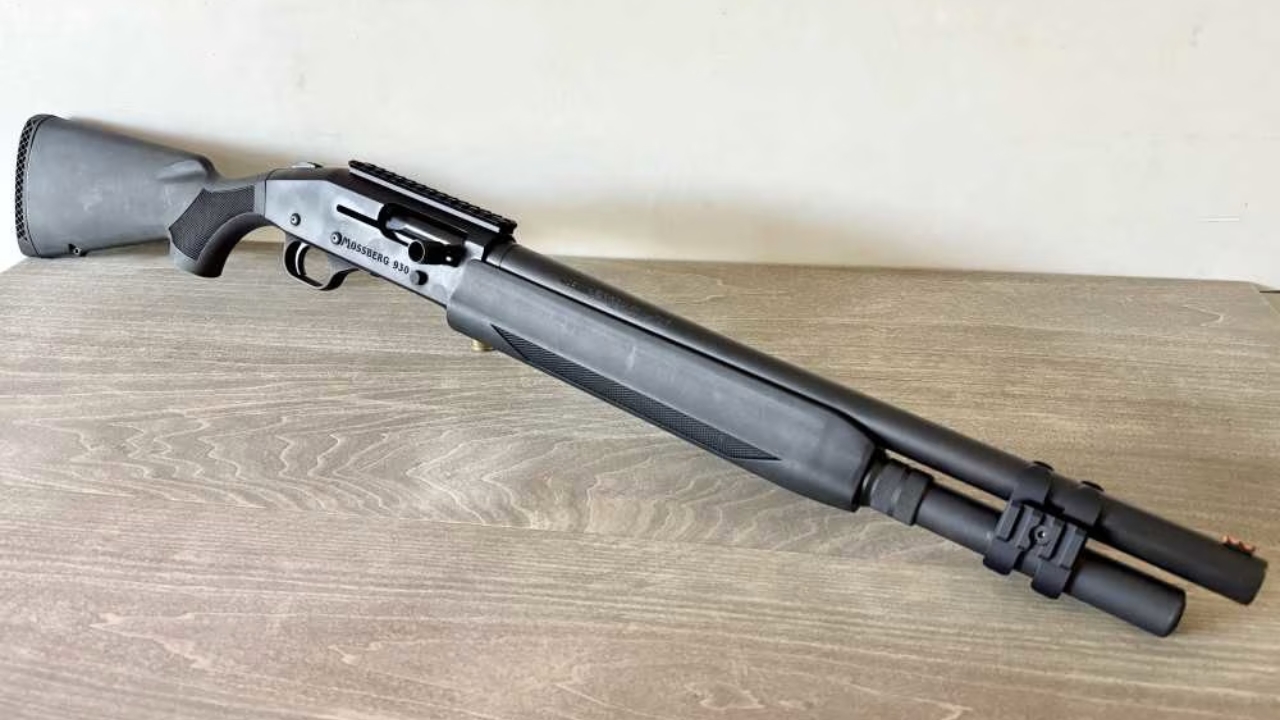
The 930 can be a very effective semiautomatic shotgun, but its gas system is one area where neglect can eventually become noticeable. Gas-operated shotguns direct propellant gases into components responsible for cycling the action, which inevitably means carbon accumulation.
Heavy defensive loads may keep the gun running through more fouling than light target ammunition, but eventually the gas system wants attention. Older 930s in particular developed a reputation among high-volume shooters for benefiting greatly from regular gas-system cleaning. This is not a shotgun I would put away filthy after hundreds of shells and assume it will feel exactly the same months later.
Remington 1100

The Remington 1100 became enormously successful because its gas operation makes it exceptionally pleasant to shoot. That smoothness comes with maintenance responsibilities.
Carbon and debris accumulate around the gas system, while the piston components and magazine-tube area need to stay reasonably clean for the action to move freely. An 1100 that has been maintained can run beautifully for years. One that is fed case after case of shells without attention eventually starts cycling sluggishly. Hunters who inherited one from their fathers or grandfathers often learn that a thorough cleaning can seemingly bring a tired 1100 back to life.
Remington 11-87

The 11-87 continued the gas-operated approach of the 1100 and brought additional flexibility across different shotshell loads. It also inherited the need to keep the gas system reasonably clean.
Powder residue and grime can build around the gas components until the shotgun begins short-cycling or otherwise acting weak. A worn or neglected gun compounds the problem. Many 11-87 reliability complaints are less mysterious after the shotgun receives a proper cleaning and fresh inspection of its gas-system components. This is a design that rewards maintenance much more than a basic pump shotgun does.
Browning BAR Mark II

The BAR Mark II is a proven semiautomatic hunting rifle, but semiautomatic hunting rifles generally give the owner more cleaning responsibilities than a bolt gun. Browning’s manual specifically calls for cleaning the barrel, receiver, and action/chamber areas and lays out maintenance procedures for the rifle.
Hunters sometimes fire only a handful of rounds each season and assume that means the rifle barely needs attention. The problem is that hunting also exposes the gun to moisture, dust, old lubricant, and debris. A BAR that has sat neglected for years can become sluggish in ways a bolt-action rifle simply does not.
Ruger 10/22

The ordinary 10/22 deserves its own spot because millions of owners treat these rifles like they never need cleaning. For a surprisingly long time, many of them seem willing to prove that theory correct.
Eventually, though, dirty .22 ammunition packs residue into the receiver, bolt face, chamber, extractor, and magazines. Ruger’s own 10/22 maintenance guidance emphasizes cleaning the bolt assembly, and the design is easy enough to service once the stock and trigger group are removed. If your old 10/22 suddenly starts stovepiping after years of neglect, there is a good chance it is asking for a toothbrush before it is asking for replacement parts.
Browning Buck Mark Rifle

The Buck Mark Rifle uses the same basic rimfire operating concept that makes the pistol accurate and enjoyable, but it also means .22 residue accumulates around the breech and action. Browning specifically instructs owners to scrub the breech and slide face to remove buildup during cleaning.
That buildup matters after enough rounds. Blowback rimfires throw grime directly into the places responsible for feeding, firing, extracting, and cycling. Keep the Buck Mark Rifle clean and it can be wonderfully dependable. Ignore it indefinitely and the same dirty ammunition that makes .22 shooting cheap will eventually start making the gun less cooperative.
Like The Avid Outdoorsman’s content? Subscribe to our newsletter so you never miss an article.
Here’s more from us: