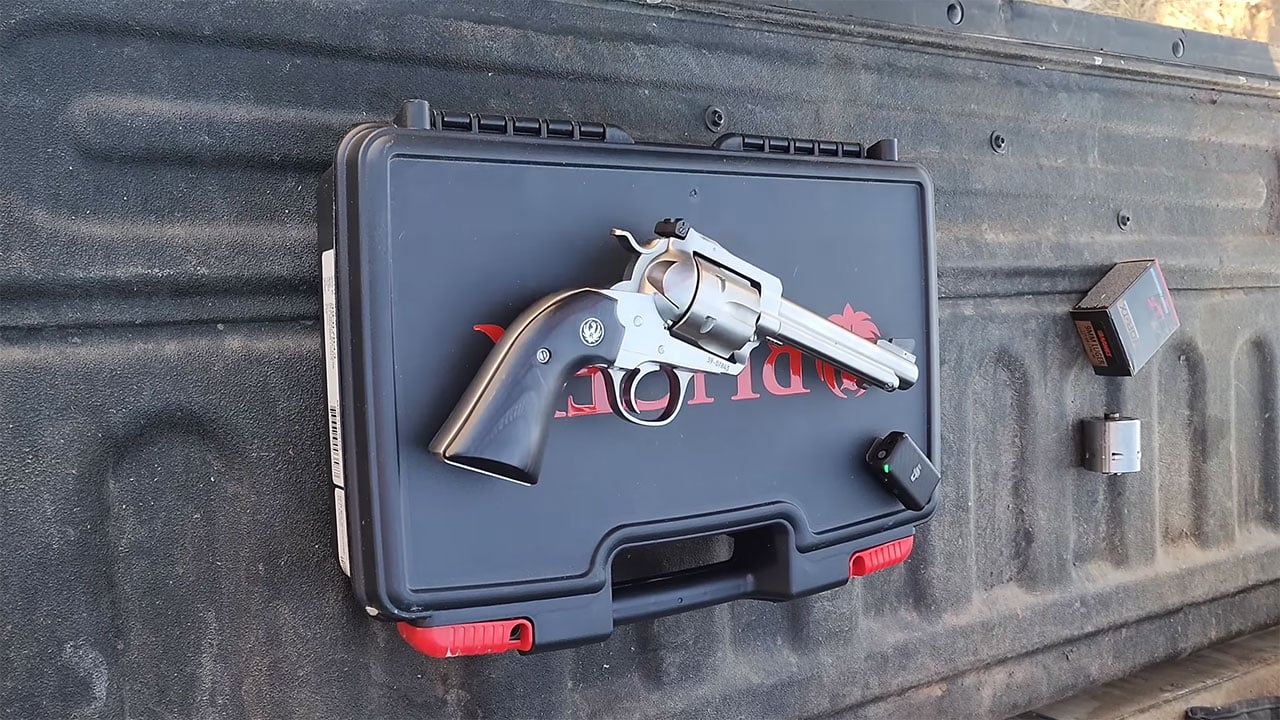
Photo credit: Bullets4Bucks/Youtube
Most handgun hunting talk turns into a rifle-versus-bow argument with a side of “just get a scoped .44.” Meanwhile, a bunch of really useful wheelguns sit in safes doing nightstand duty, range-day duty, or “I inherited it and don’t want to scratch it” duty. That’s a shame, because a good revolver is about as honest a hunting tool as you can carry: simple manual of arms, dependable ignition, and it doesn’t care if your ammo has a flat nose, a hard cast shoulder, or a weird overall length.
I’m not saying everybody needs to start chasing whitetails with a snub-nose. I am saying there are revolvers that balance power, carry comfort, and real-world shootability way better than the internet gives them credit for. Here are 20 that make a lot of sense in the field, and somehow still don’t get used like they should.
1. Ruger GP100 (6-inch) in .357 Magnum

The GP100 is one of those revolvers that feels like a hand tool instead of a collectible. The lockup is stout, the cylinder feels like it’s on rails, and it’ll take a steady diet of full-house .357 without shooting loose. For woods walking, a 6-inch GP100 rides fine in a real holster and points naturally when you’re breathing hard.
Most owners treat it like a range gun or home-defense revolver, then buy a rifle when hunting comes up. With the right bullets and realistic distances, it’s absolutely capable on deer-sized game, and it’s easy to practice with because .38s exist for the cheap days. There is nothing fancy about it, and that is kind of the point.
2. Smith & Wesson Model 686 (6-inch) in .357 Magnum

The 686 has probably dropped more steel plates than it has deer, which is funny because it’s a very “huntable” revolver. The L-frame size hits that sweet spot: big enough for serious loads, not so big that it feels like you strapped a boat anchor on your belt. A good 686 double-action trigger can also spoil you.
Where it shines is accuracy without drama. You don’t need a red dot and a chest rig to make it work, though both help. If you already own one, the hunting setup is usually as simple as a quality holster and deciding you’re going to keep shots inside your practiced limit.
3. Ruger Blackhawk (convertible models) in .357/9mm or .45 Colt/.45 ACP
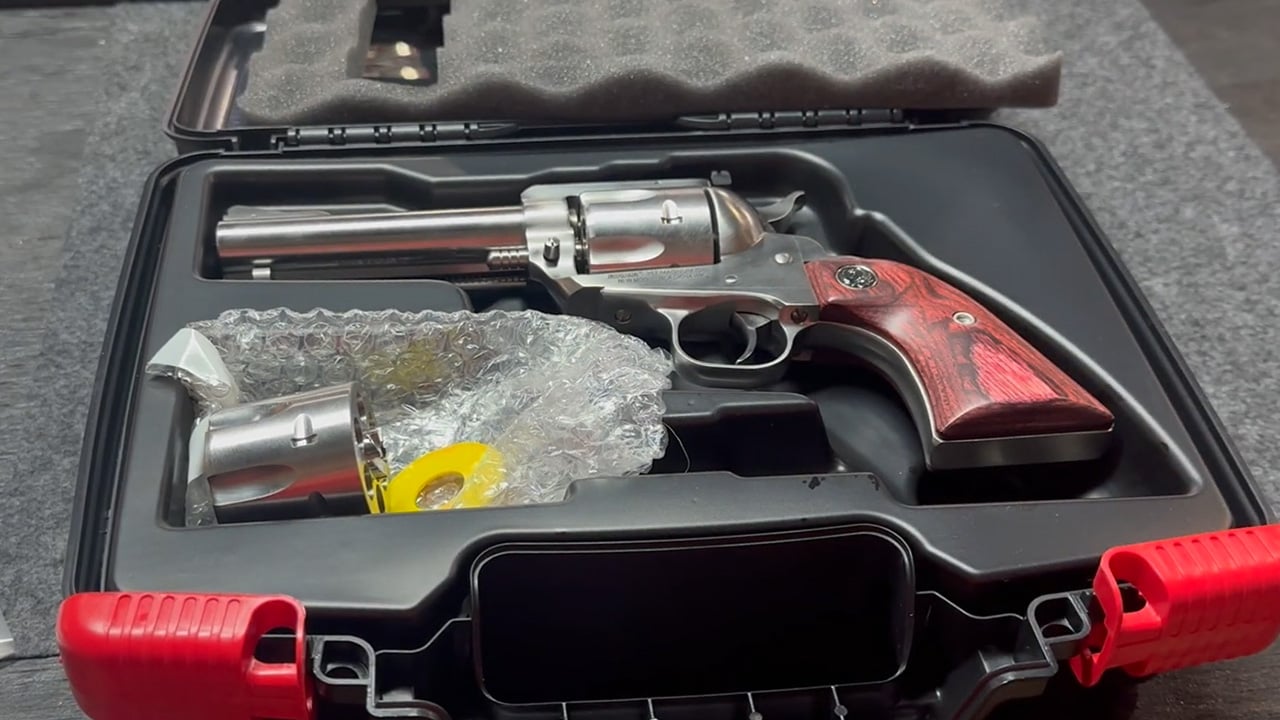
Single-actions get dismissed as cowboy toys until you actually carry one all day. A Blackhawk sits flat, doesn’t snag much, and the grip shape handles recoil in a way that surprises folks used to square-butt double-actions. They also tend to shoot better than their owners do, which is a nice problem to have.
The convertible versions are especially handy because you can practice more. I’m not telling you to hunt with the cheap stuff; I’m telling you practice matters, and a gun you actually shoot is the gun you hit with. The downside is reload speed, but if you’re handgun hunting right, you’re not planning on fast follow-ups anyway.
4. Ruger Super Blackhawk in .44 Magnum

This is the classic that still somehow gets underused for what it was built for. The Super Blackhawk takes the “hot .44” world better than most wrists do, and its simple fixed-sight or adjustable-sight setup is tough to knock out of whack crawling through brush. It’s not light, but it carries clean in a crossdraw or chest rig.
Plenty of these end up as safe queens because they’re “too much gun.” Fair. But with good grips and sane loads, it’s manageable, and it hits hard without needing boutique anything. If you’ve got one, it deserves at least one season in the deer woods.
5. Smith & Wesson Model 29 (or 629) in .44 Magnum

Everybody knows what it is, and that might be the problem. The Model 29 gets treated like a movie prop, then it lives a soft life of occasional range trips and being shown to buddies. In the field, though, it’s a serious hunting revolver with a trigger that can feel downright unfair when it’s tuned right from the factory.
The 629 stainless versions are especially practical if you hunt wet places or you sweat through early season. The tradeoff is they can be pricey, and I get why someone hesitates to ding one up. Still, guns were made to be carried. This one carries like it means business.
6. Ruger Redhawk (5.5-inch) in .44 Magnum

The Redhawk is not delicate. It’s the revolver you bring when you want strength first and style second, and you don’t want to wonder how tight your gun will be after a box of heavy loads. The 5.5-inch version is the sweet spot for packing around without giving up too much velocity.
A lot of Redhawks end up as “bear country” guns that never actually leave the truck. If you’re hunting in timber and want a handgun that can do double duty as a legitimate backup, this is one of the better answers. The trigger can be heavier than a Smith, but it’s consistent and learnable.
7. Ruger Super Redhawk Alaskan in .44 Magnum
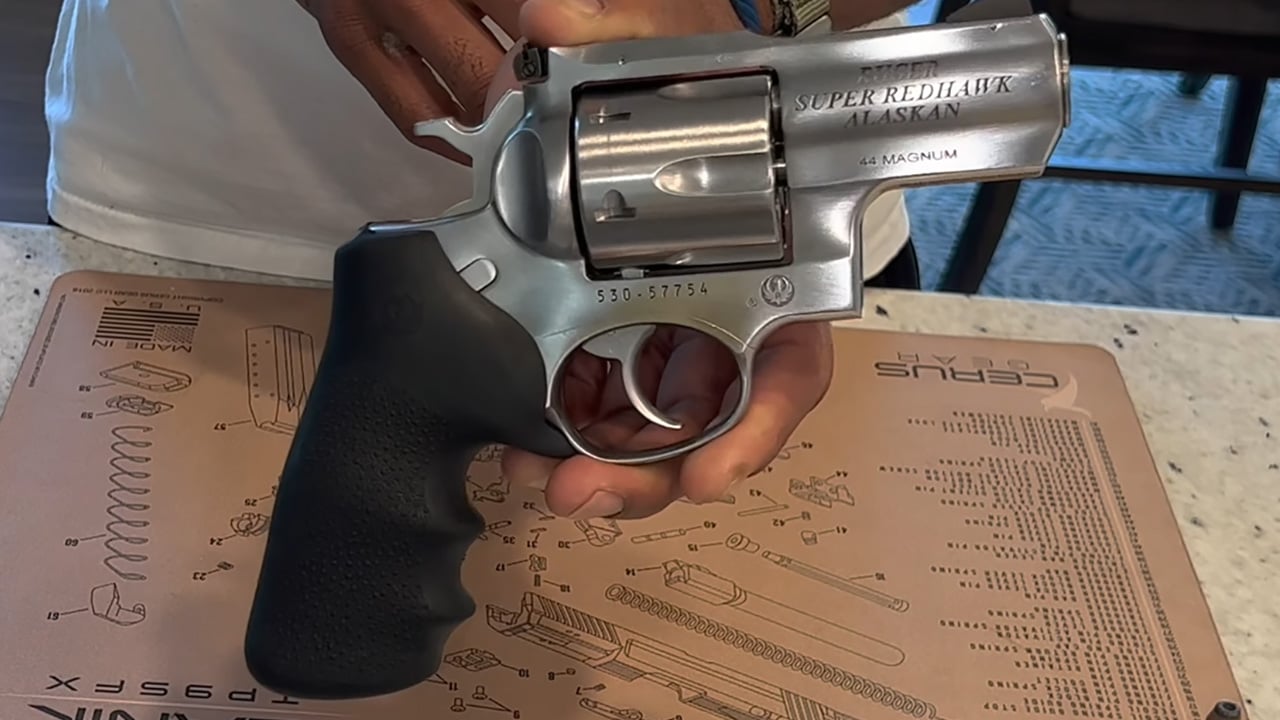
Short-barreled magnums get mocked because they’re loud and flashy. The Alaskan is loud, yes, and it’s no fun with spicy loads, but it’s also compact enough to carry when you’re doing real work—packing quarters, dragging a sled, running a saw. It’s a “you’ll actually have it on you” revolver.
Most folks buy it as a defensive tool and never consider it for close-range hunting. Inside bow ranges in thick stuff, it can make sense, especially if you practice with it enough to be honest about your limits. It’s not a beginner’s gun. It’s a specialist that earns its keep.
8. Smith & Wesson Model 69 in .44 Magnum
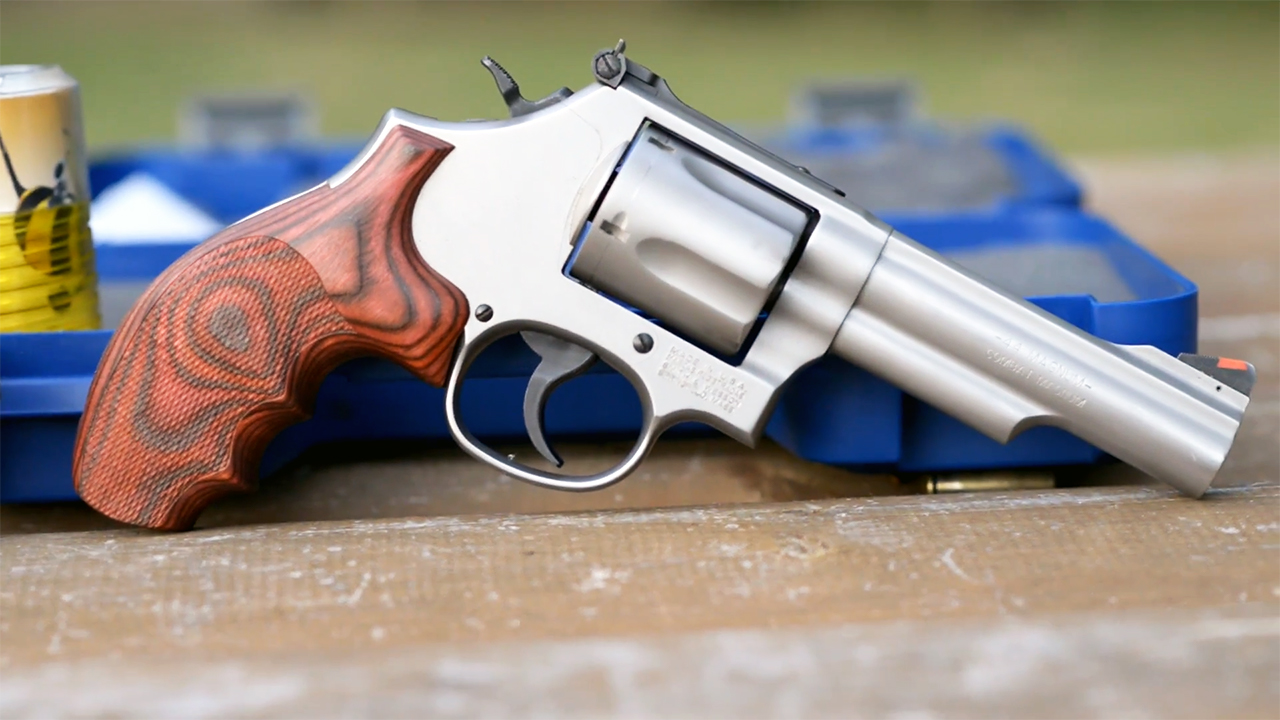
The Model 69 is a five-shot .44 Magnum that carries like a big-bore should have always carried. It’s lighter than the typical N-frame setup and handier than many folks expect. The first time you pick one up, you either grin or you set it down and say, “Nope.” Both reactions are valid.
Where it gets overlooked is the “hunting” label. It’s not a long-barrel silhouette gun. It’s a woods revolver you can still shoot accurately if you do your part. With sensible loads, it’s a very real deer gun that doesn’t punish you for carrying it all day.
9. Taurus Raging Hunter in .44 Magnum

Here’s the one that makes some guys roll their eyes. The Raging Hunter is not pretty in a traditional way, but it’s a purpose-built field revolver: porting, long sight radius, and a grip that helps tame recoil. They tend to balance well, too, which matters more than people admit.
It gets ignored because it’s not a Smith or Ruger, and because the name sounds like an energy drink. Still, I’ve seen enough of them shoot well to take them seriously, especially for hunters who want a scoped revolver without paying premium money. If you get a good one, you’ll wonder why you waited.
10. Ruger SP101 (4.2-inch) in .357 Magnum

The SP101 is a tank in a small package, and the 4.2-inch version is the one that makes sense outside the waistband in the woods. It’s easy to forget it’s there until you need it. This is the revolver that ends up fishing, checking trail cams, and walking fence lines.
Most owners think of it as a carry gun only. But for close shots, careful bullet selection, and a hunter who practices, it’s more capable than it gets credit for. The sights are the weak link on some variants, so pick one you can actually see in low light.
11. Smith & Wesson Model 27 in .357 Magnum
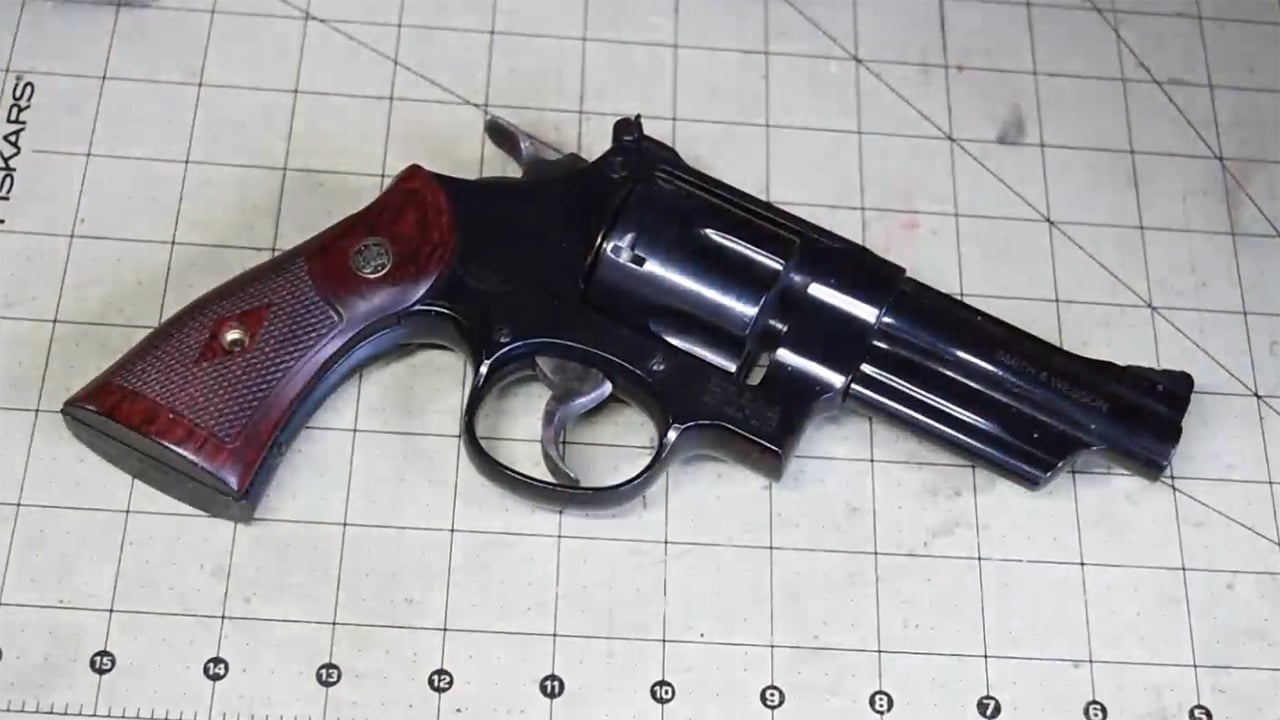
The Model 27 is classic in the best way: smooth, heavy enough to soak recoil, and accurate if your eyes can still use irons. It’s also one of those revolvers people baby because it’s “too nice.” That one hurts, because the weight and sight picture make it a natural hunting handgun.
It’s not the gun I’d throw in a muddy pack with loose gear, but in a quality holster it’s a dream. If you’ve got a 27 sitting around, it’s already a better hunting revolver than a lot of modern stuff marketed as “backcountry tactical.”
12. Colt Anaconda (modern production) in .44 Magnum
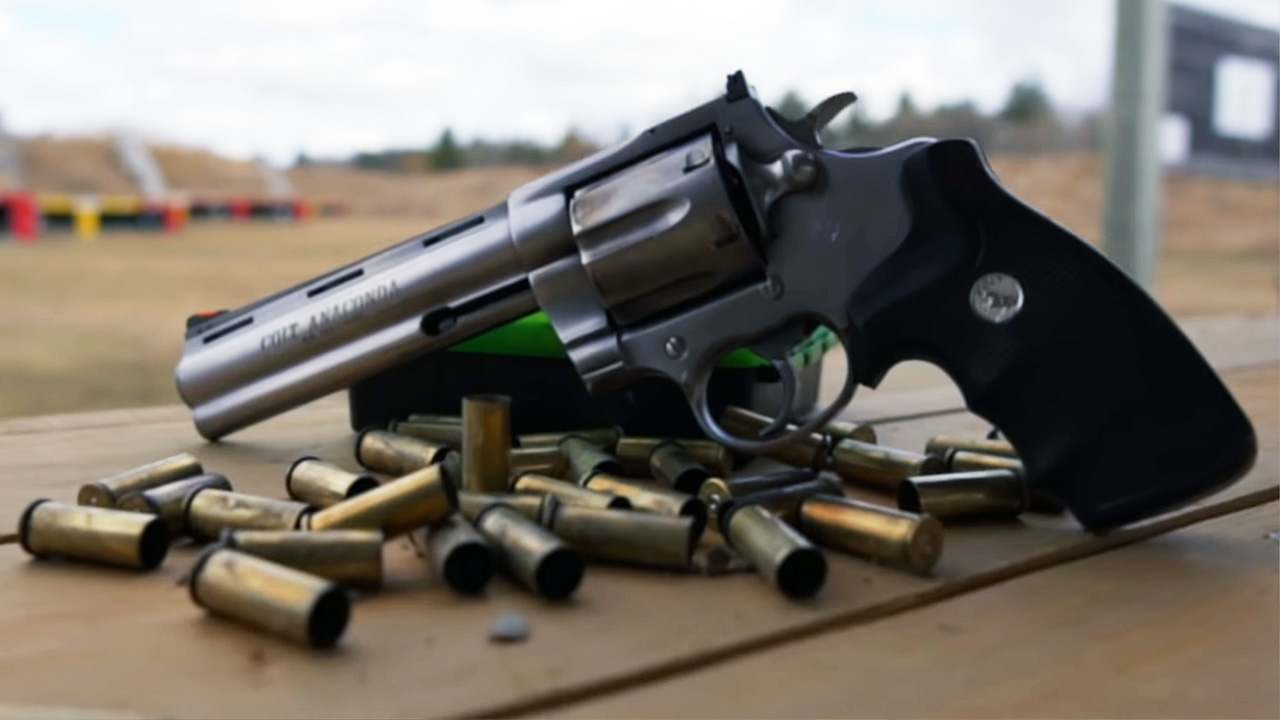
The new Anaconda came back with a lot of attention, and then it mostly became a “cool factor” revolver. In hand, it’s big, stable, and shoots flatter than you’d expect when you do your part. The sights are usable, and the overall build feels like it’s meant to be worked, not just photographed.
The reason it doesn’t end up hunting is simple: cost and fear of scratching it. But if you’re the type who only buys one .44 and wants it to do everything, the Anaconda can pull that off. Just commit to practicing with your hunting load instead of treating it like a safe ornament.
13. Ruger Vaquero (original, large-frame) in .45 Colt
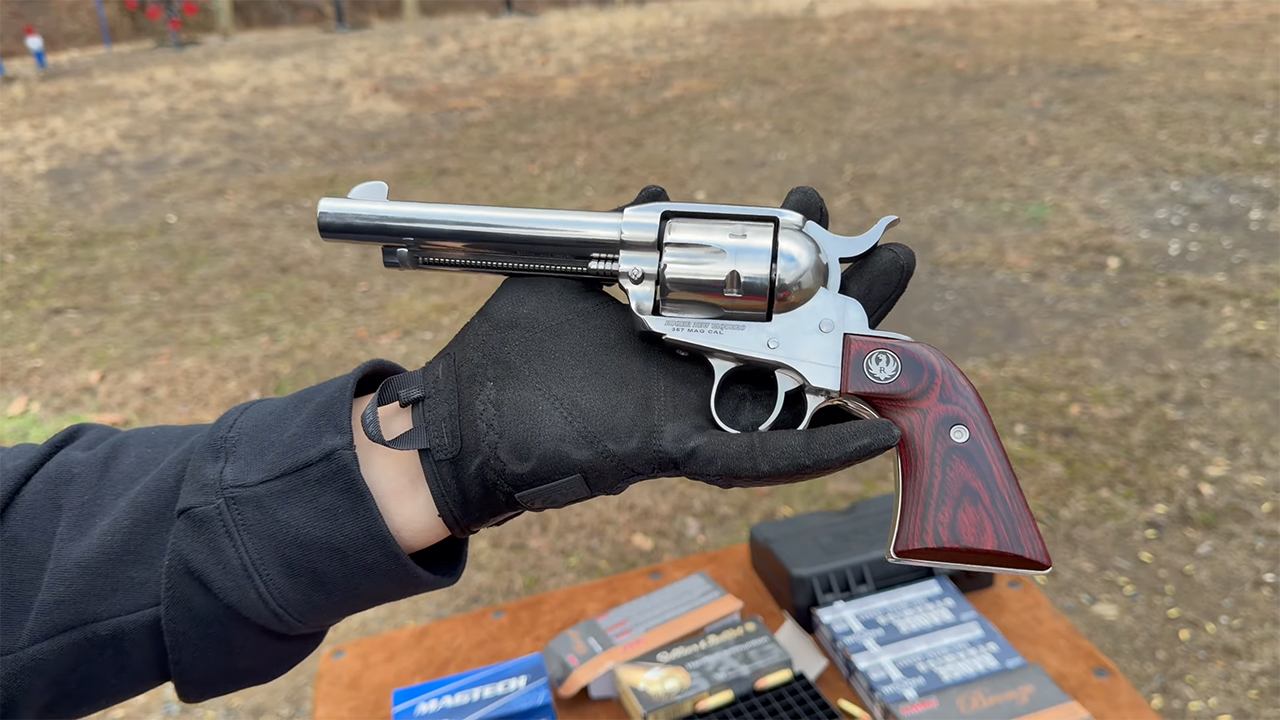
Not the New Vaquero. I’m talking the older, large-frame Vaquero that can handle heavier .45 Colt loads (within sane, published data—don’t get creative). It carries beautifully, points fast, and it’s tough enough for real woods use.
Most folks see the fixed sights and assume it’s for cowboy matches only. But if it shoots to point of aim with the load you pick, it’s a dead-simple hunting revolver inside reasonable distance. Fixed sights aren’t “bad,” they just force you to settle on a load and learn it.
14. Smith & Wesson Model 25 in .45 Colt

The Model 25 is a big, accurate .45 that gets treated like a nostalgia piece. It shouldn’t. With a proper hunting bullet, .45 Colt is not a mouse, and the wide meplat options make it a real woods cartridge. The N-frame soaks recoil and helps you shoot well.
What keeps it out of the field is that many examples are older and owners worry about wear. I get it. Still, if you keep it clean, keep the screws checked, and don’t run ridiculous loads, it’ll do what it was built to do. And it does it with style.
15. Ruger Bisley Blackhawk in .45 Colt
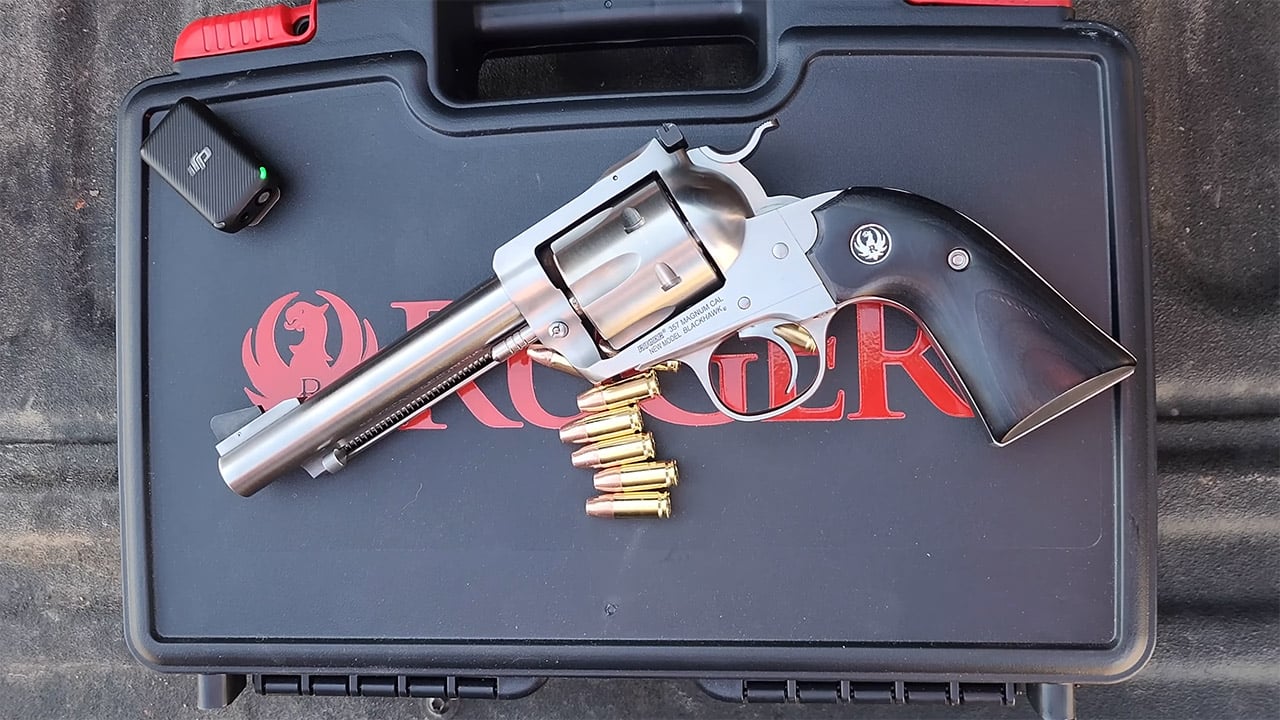
If you’ve ever been stung by a hard-kicking single-action, the Bisley grip frame starts making sense fast. It changes how the gun rolls in the hand, and for many shooters it keeps heavy loads controllable without feeling like you’re hanging on for dear life. The Bisley Blackhawk is a working man’s hunting revolver.
It doesn’t get used because it’s not “new and shiny,” and because .45 Colt talk on the internet goes off the rails. In the real world, it’s a solid choice for hogs and deer in thick cover, and it’s a joy with standard-pressure loads for practice.
16. Freedom Arms Model 83 in .454 Casull

This one absolutely gets used for hunting by serious handgun hunters, but the average guy almost never does because it’s expensive and intimidating. The Model 83 is built like a bank vault, and the accuracy potential is real. The first time you close the cylinder, you can feel the difference.
If you’re going to hunt with a revolver at longer distances, consistency matters, and Freedom Arms delivers that. The drawback is recoil and cost, plus you have to be the kind of person who actually practices. If you’re not, it’s just an expensive noise maker.
17. Ruger Super Redhawk in .454 Casull
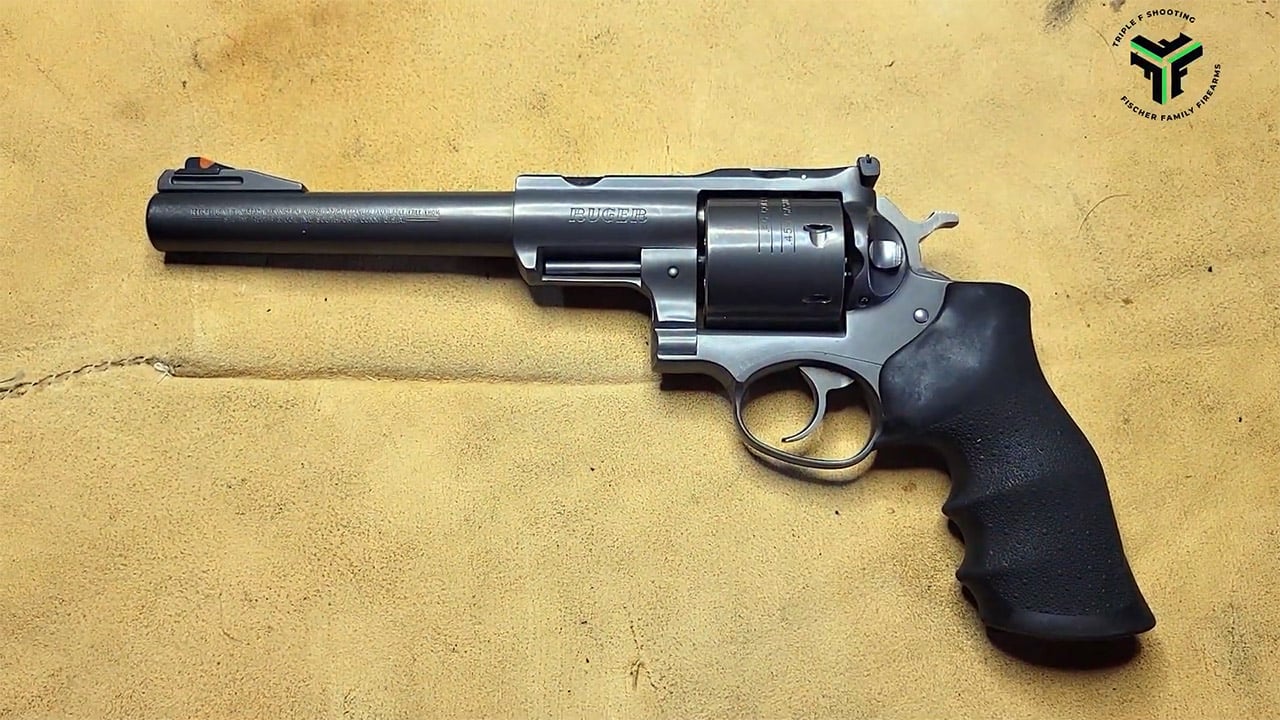
The Super Redhawk .454 is the revolver that ends arguments in camp. It’s big, heavy, and not remotely subtle, but it soaks up recoil better than many lighter .454 options. The frame also makes it easier to mount an optic securely if that’s your plan.
A lot of owners buy it for “just in case” and then realize carrying it is a commitment. Fair enough. But as an actual hunting handgun for tough animals and thick-boned angles, it’s a hammer. And because it’s heavy, you can practice without hating your life.
18. Magnum Research BFR in .45-70 Government

Yes, it’s ridiculous. Also yes, it works. The BFR in .45-70 is not for everybody, and it’s not something you casually stuff in a hip holster and forget about. But if you want rifle-cartridge performance from a revolver platform, it delivers.
Most folks who buy one treat it like a novelty range cannon. In hunting terms, it’s more like a short, portable single-shot rifle that happens to be a revolver. You need a good carry setup and you need to pick loads you can control, but it’s absolutely capable on big game where legal.
19. Smith & Wesson Model 610 in 10mm Auto
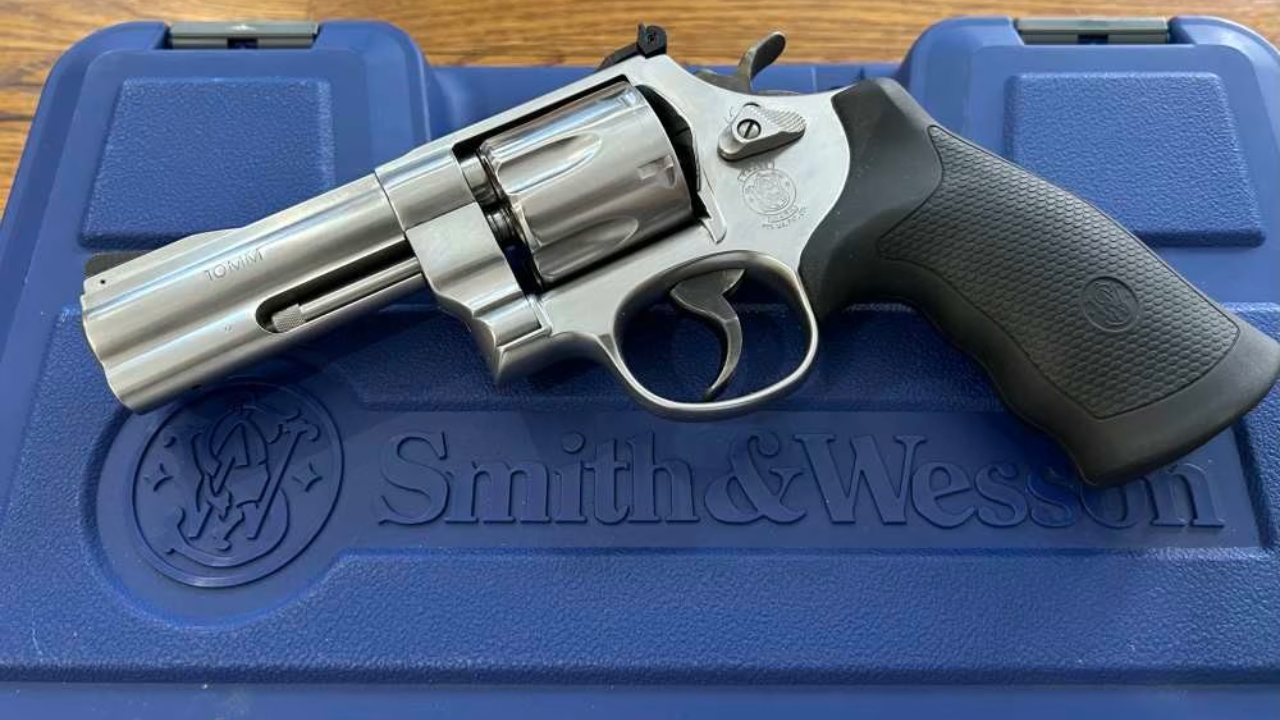
The 610 is a sleeper. A 10mm revolver sounds odd until you use it with moon clips and realize it’s fast to load and easy to keep running. The recoil is sharp but manageable, and the cartridge has real performance with the right bullets.
Most of these live as competition or range toys, not hunting sidearms. That’s a miss, because it’s a practical “woods and fields” revolver for folks who don’t want magnum blast but still want penetration. Just understand 10mm is not magic—shots still need to be placed like you mean it.
20. Ruger LCRx (3-inch) in .357 Magnum

The LCRx doesn’t look like a hunting revolver, and that’s exactly why it gets left out. It’s light, it carries easy, and the 3-inch version gives you enough barrel to get a usable sight picture without turning it into a belt drag. It’s a revolver you’ll actually bring on a quick sit or a long hike.
Is it pleasant with hot .357? No. But it’s not meant to be pleasant. It’s meant to be there when you’re climbing into a stand, crawling through brush, or walking out after dark. For close-range, last-light opportunities where a rifle isn’t in your hands, it fills a real role.
Revolver hunting doesn’t have to be a specialized hobby with custom holsters and a scope that costs more than the gun. A lot of it is simply choosing a wheelgun you can carry comfortably, shoot accurately under stress, and practice with enough that you know where it hits. If one of these is already in your safe, you might be closer to a solid handgun hunting setup than you think.
Like The Avid Outdoorsman’s content? Subscribe to our newsletter so you never miss an article.
Here’s more from us: