Photo credit: The Avid Outdoorsman
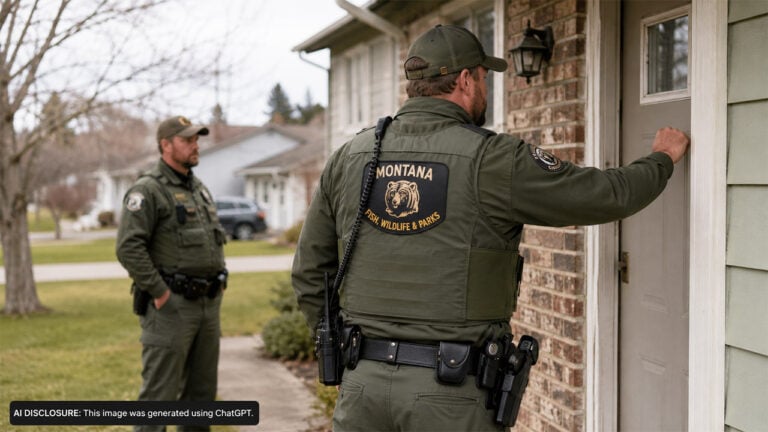
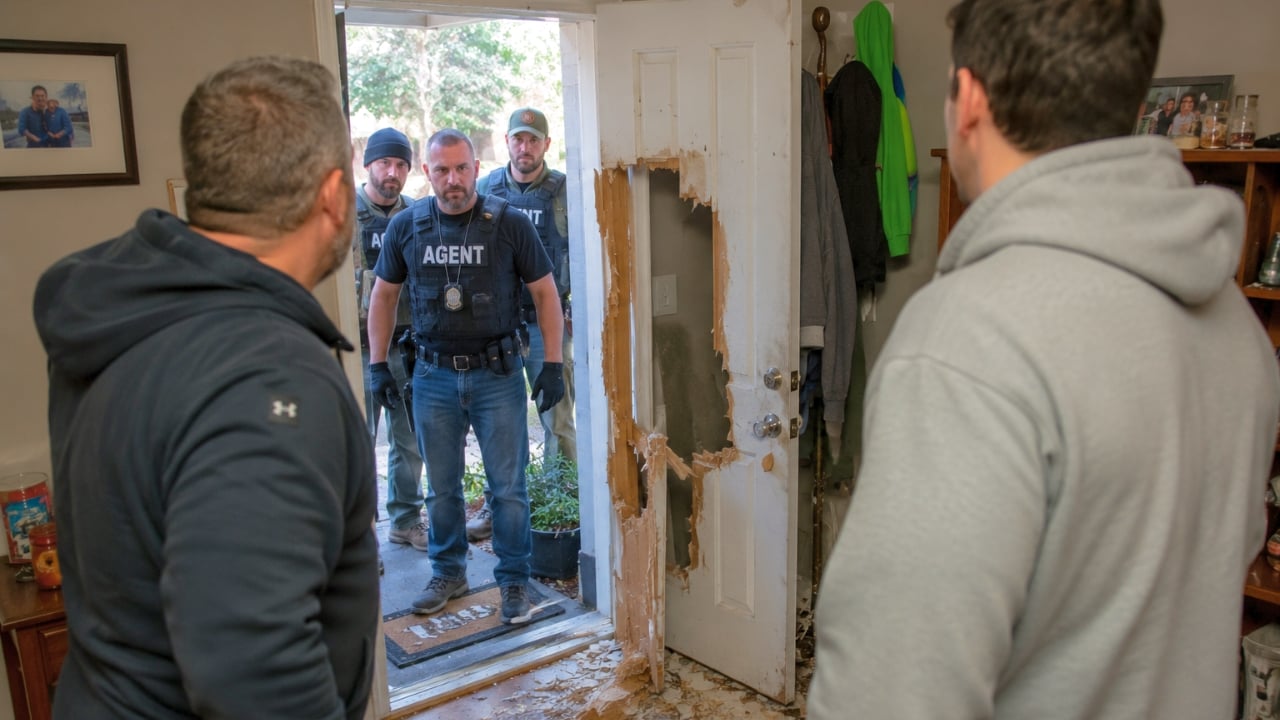
A homeowner said a group of people believed to be bounty hunters came to the wrong place and kicked in his door while looking for someone who no longer lived there.
According to the Reddit post, the people were searching for a fugitive connected to the address. The problem was that the homeowner said the person they wanted did not live there anymore.
That left the homeowner with a damaged door, a frightening encounter, and a lot of questions about what rights he had when private agents came onto his property looking for someone else.
He explained the situation in a Reddit thread and asked what he could do after the door was kicked in: https://www.reddit.com/r/legaladvice/comments/3nno8d/people_probably_bounty_hunters_kicked_in_my_door/
The address appeared to be the whole reason they came
The situation seemed to start with an old address.
That is a common problem in fugitive searches. Someone skips court, a bondsman or recovery agent looks for them, and an address connected to that person becomes the target. But addresses can go stale. People move. Homes get sold or rented to someone else.
The homeowner said the person being hunted did not live there.
That detail matters because the homeowner was not accused of hiding anyone. He was apparently just the person living at the address when the bounty hunters showed up.
For anyone inside the home, that distinction may not matter much in the moment. All they know is that people are at the door, the door is being forced open, and they are suddenly part of someone else’s problem.
A kicked-in door changed the whole story
A bounty hunter knocking on the door and asking questions is one thing.
Kicking in the door is another.
Once the door was damaged, the homeowner had a clear property issue. Someone broke part of his home while trying to locate a person who was not there.
That made the situation feel less like a misunderstanding and more like a wrongful entry.
Commenters treated the damaged door as something that needed documentation right away. Photos, repair estimates, names, vehicle information, and any identifying details about the people involved could all matter.
Without that, the homeowner might be left with nothing but a broken door and a story.
Commenters wanted police involved
A lot of commenters told the homeowner to call police.
That advice made sense because the homeowner was describing forced entry by private people, not a standard police raid. If someone kicks in your door and they are not law enforcement executing a valid warrant, that is something police need to know about.
A police report would also help with insurance or any future claim for damages.
The homeowner needed to make clear that the fugitive did not live there, that the people damaged the door, and that he wanted a report on file.
Even if police treated it as a civil matter at first, having the incident documented would still help.
The bondsman or company could matter
If the people really were bounty hunters, they were likely working for a bail bonds company or recovery operation.
Commenters suggested trying to identify who they were and who sent them. That could matter because the homeowner’s claim might not only be against the individuals who came to the house. It could also involve the company that hired them or the bondsman connected to the case.
That is why names and documentation were so important.
If the homeowner could identify the bond company, he might be able to demand payment for repairs or file a complaint with the agency that regulates bail bondsmen in that state.
But without knowing who they were, recovering anything would be harder.
The homeowner had to avoid letting them control the story
One risk in situations like this is that the people who entered may claim they had good reason to believe the fugitive was inside.
That does not automatically make the entry acceptable, especially if they went to the wrong home. But it does mean the homeowner needed his own record.
He needed photos of the damage, notes about what happened, police report information, and any proof that the wanted person did not live there.
If the fugitive had once used the address, the homeowner could also gather documents showing when he moved in or when the previous resident left.
The goal was to make it clear that the address connection was outdated and that the homeowner was not involved.
Repair costs should not fall on the homeowner
The most immediate problem was the door.
A kicked-in door is not only expensive. It also affects security. The homeowner needed to repair it quickly so the house could be locked again.
Commenters would typically advise getting an estimate or invoice and keeping all receipts.
If the bondsman or recovery agents could be identified, the homeowner could demand reimbursement. If they refused, small claims court might be an option depending on the amount and local law.
Insurance might help too, but many homeowners would understandably be annoyed at the idea of filing a claim or paying a deductible for damage caused by people who should not have forced their way in.
The wrong-address angle made it more disturbing
The most alarming part was that the homeowner appeared to have no connection to the fugitive beyond the address.
That is what makes wrong-address enforcement stories so unsettling. A person can be asleep, watching TV, cooking dinner, or getting ready for work, and suddenly someone else’s legal problem lands at their front door.
When the people at the door are private recovery agents instead of police, the confusion can be even worse.
The homeowner may not know who they are, what authority they claim, or whether they are armed. That creates a dangerous situation for everyone involved.
Commenters warned against physical confrontation
If people force entry into a home, the homeowner may instinctively want to fight, block the door, or chase them down afterward.
That can be dangerous.
In the moment, the homeowner may not know whether they are police, bounty hunters, criminals, or armed strangers. Commenters generally point people toward calling 911, staying safe, and documenting everything after the fact.
That does not mean the homeowner has no right to protect himself. It means that once the immediate danger passes, the smartest path is not a street confrontation. It is a police report, damage documentation, and identifying who was responsible.
A lawyer could be worth it if they refused to pay
If the recovery agents or bond company were identified and refused to cover the damage, the homeowner may need legal help.
For a small repair, small claims court might be enough. But if the entry caused major damage, trauma, or repeated harassment, a local attorney could help the homeowner understand whether a larger claim made sense.
The legal rules around bounty hunters vary by state, and Reddit commenters could not give the homeowner a guaranteed answer.
But the basic point was clear: private agents looking for a fugitive do not get a free pass to damage the wrong person’s home and walk away.
The story was about accountability after a wrong door
The homeowner’s problem was not complicated emotionally.
People came to his house looking for someone else. They allegedly kicked in his door. The person they wanted was not there. Now the homeowner had to clean up the mess.
That is exactly the kind of story that makes people angry because the innocent person is left doing the paperwork.
The practical advice was straightforward: call police, get a report, photograph the damage, repair the door, identify the bond company or recovery agents, demand reimbursement, and consider small claims or a local attorney if they refuse.
Because a fugitive’s old address should not become a homeowner’s broken front door.
Like The Avid Outdoorsman’s content? Subscribe to our newsletter so you never miss an article.
Here’s more from us: