
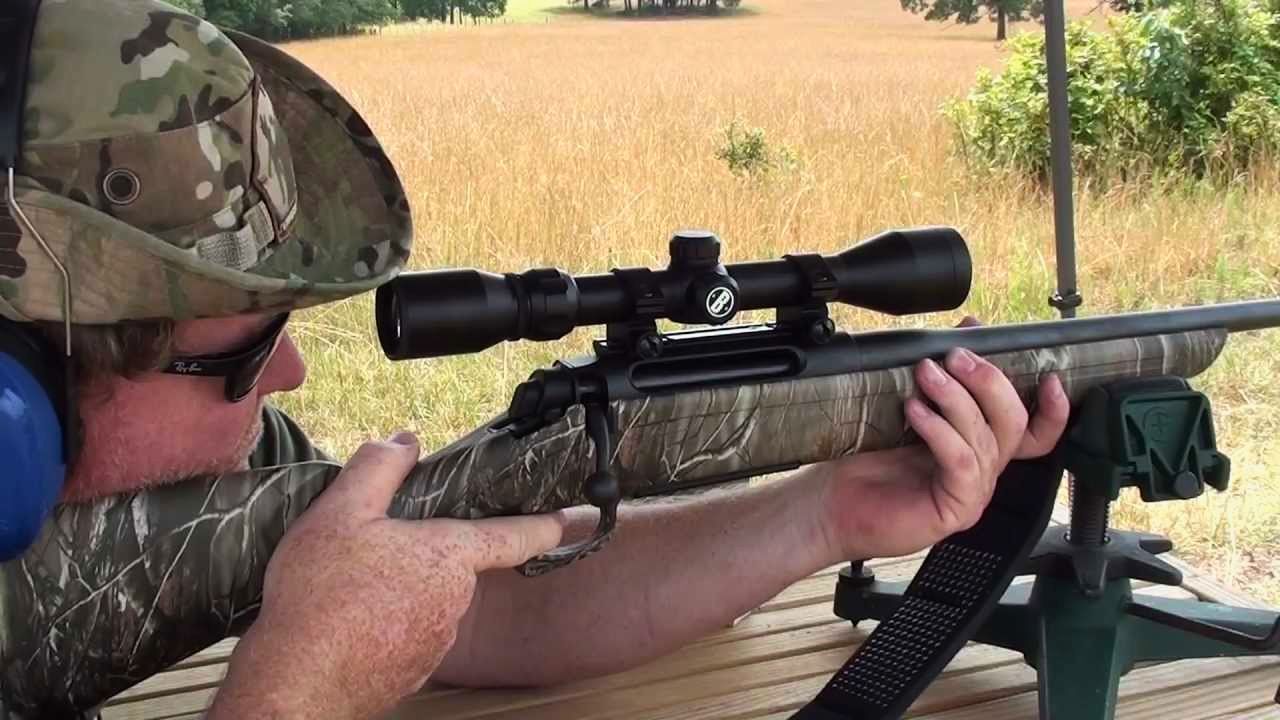
Photo credit: Iraqveteran8888/YouTube
You’ve probably run into a rifle that’ll punch tiny groups off sandbags but turns into a headache the second you take it hunting. Maybe it shifts point of impact when slung, maybe the action binds when it gets dusty, or maybe it just flat-out doesn’t hold up when things get rough. Accuracy at the bench doesn’t always mean reliability in the field, and some rifles only perform when conditions are perfect. You want a gun that shoots straight when you’re sitting in the dirt, not just one that shines under fluorescent lights at the range. Here are twelve rifles that prove benchrest accuracy doesn’t mean a thing if the rest of the rifle can’t keep up.
Remington 770

The Remington 770 might hold a group at 100 yards, but that’s where the praise ends. The action feels gritty right out of the box, and it doesn’t get any better with use. Cycling it under pressure feels like trying to work a bolt through gravel.
In the field, the cheap plastic stock flexes enough to throw shots if you’re resting it on anything uneven. Scope mounting is a chore thanks to the clunky receiver, and recoil management feels off. For a budget rifle, it technically works—but it’s not something you’d trust past the bench.
Savage Axis II Precision

Savage got a lot right with the Axis II Precision, at least on paper. It’s accurate enough off a bipod, thanks to the heavy barrel and adjustable chassis. But once you take it out of controlled conditions, the cracks start showing fast.
The bolt throw feels rough when dirty, and the added weight makes it awkward to shoulder quickly in the field. It’s too heavy for spot-and-stalk and not refined enough for serious match work. It’ll group okay on a calm day, but you won’t want to haul it through the woods more than once.
Browning X-Bolt Speed

The X-Bolt Speed sells itself as a lightweight, ready-for-anything mountain rifle—but its accuracy can be frustrating when you’re not shooting from a bench. The fluted barrel and muzzle brake don’t seem to help much once things heat up or your shooting position gets creative.
You’ll find it throws cold-bore fliers more often than it should. The barrel channel clearance isn’t always consistent either, especially in rougher use. It’s comfortable to carry, and it looks the part, but in real-world use, you might find your groups drifting when you least expect it.
Kimber Hunter

The Kimber Hunter is one of those rifles that feels great until it doesn’t. It’s lightweight, carries nicely, and shoots well off bags. But the action tolerances are so tight that any bit of grit or grime makes the bolt feel like it’s locking up.
In wet or dusty environments, it’s a different gun altogether. Reliability takes a nosedive, and the thin barrel doesn’t hold zero well once it warms up. It might impress at the range when you’re taking your time, but in the backcountry, it tends to stumble.
Ruger American Predator (First Gen)

The first-generation Ruger American Predator shoots well on paper targets and is a fan favorite for budget accuracy. But real-world use shows its shortcomings. The plastic stock isn’t stiff enough to keep shots consistent when shooting from improvised positions.
Toss in the occasional magazine feeding issue, and you’ve got a rifle that’s great on the bench but finicky in the field. Later generations improved some of this, but the original Predator can leave you scratching your head when your groups suddenly open up without warning.
Tikka T3x Lite Veil Wideland

Tikka rifles usually shoot, and the Veil Wideland version holds tight groups off a rest. But as a field rifle, the Wideland trim trades durability for weight savings. That light barrel heats up quick and starts walking shots after just a few rounds.
The synthetic stock is nice for carrying, but it doesn’t tame recoil as well as heavier builds. Accuracy is good at first, but don’t expect repeatable precision after hiking a ridge, setting up quickly, and firing follow-ups. It’s a shooter in controlled conditions—not necessarily in hunting ones.
Winchester XPR

Winchester’s XPR series delivers decent accuracy for the price, but it’s not known for durability once you leave the bench. The injection-molded stock is too flexible for uneven terrain, and the action gets sloppy fast when fouled.
The trigger can be inconsistent, especially with gloves on, and scope mounting can feel like guesswork with the included bases. You can shoot nice groups with it on a calm morning, but add stress or a bit of weather, and the rifle starts showing its budget roots.
Bergara BMR Steel

Bergara’s BMR Steel .22 LR can put together tight groups at 50 yards all day long. But start moving, or get away from the bench, and the limitations become obvious. The magazine doesn’t always seat right, and the bolt can bind when things aren’t perfectly clean.
Add some rain or mud, and extraction gets finicky. This one’s great for paper-punching, but if you’re hoping for a do-it-all rimfire to carry through the woods, it might disappoint you when you least expect it. It’s a bench gun with limited field manners.
Mossberg Patriot Predator

The Patriot Predator shows up in a lot of budget builds thanks to its threaded barrel and good initial accuracy. But the stock and bedding don’t hold up well to field abuse. Even slight pressure on the forend can shift point of impact.
The bolt has a habit of sticking when things get wet, and the magazine system isn’t the most confidence-inspiring. It’s a decent starter rifle for range work, but if you plan to hike, crawl, or shoot from awkward angles, you’ll find its limits pretty fast.
Remington 783

Remington’s 783 is one of those rifles that surprises you at first—decent groupings, nice trigger, and affordable price. But take it beyond the range, and you’ll start noticing where corners were cut. The bolt doesn’t handle grime well, and the stock flexes more than it should.
The barrel tends to heat up quickly, especially in .308 or .30-06, and accuracy walks under repeated fire. It’s a good deal for punching paper, but hunters and backcountry shooters often find themselves wanting something more dependable.
Weatherby Vanguard S2 Synthetic

The Vanguard S2 shoots tight when you’re seated and stable, thanks to its heavier barrel contour and clean trigger. But the synthetic stock isn’t bedded well enough to keep groups tight in less-than-ideal positions. It’s not free-floated cleanly on every model, either.
The rifle carries a little heavy for what it is, and it can feel clunky when trying to get offhand or uphill shots. It’ll print nice five-shot groups at the bench, but the moment you get off your belly and onto your feet, it starts to wander. Accuracy is only as useful as the rifle’s ability to hold it in the real world.
Like The Avid Outdoorsman’s content? Be sure to follow us.
Here’s more from us:
The worst deer rifles money can buy
Sidearms That Belong in the Safe — Not Your Belt
*This article was developed with AI-powered tools and has been carefully reviewed by our editors.


